Buenos Aires Cruise Port: Quinquela Martín Terminal Guide
Buenos Aires is a fabulous cruise day for travelers who plan by neighborhood instead of chasing every famous sight. The terminal is close to central districts on a map, but secure port roads, traffic, and the city’s enormous scale mean you still need a clear transport plan and a comfortable return buffer.
Buenos Aires Cruise Port: Quinquela Martín Terminal Guide
Where do cruise ships dock in Buenos Aires?
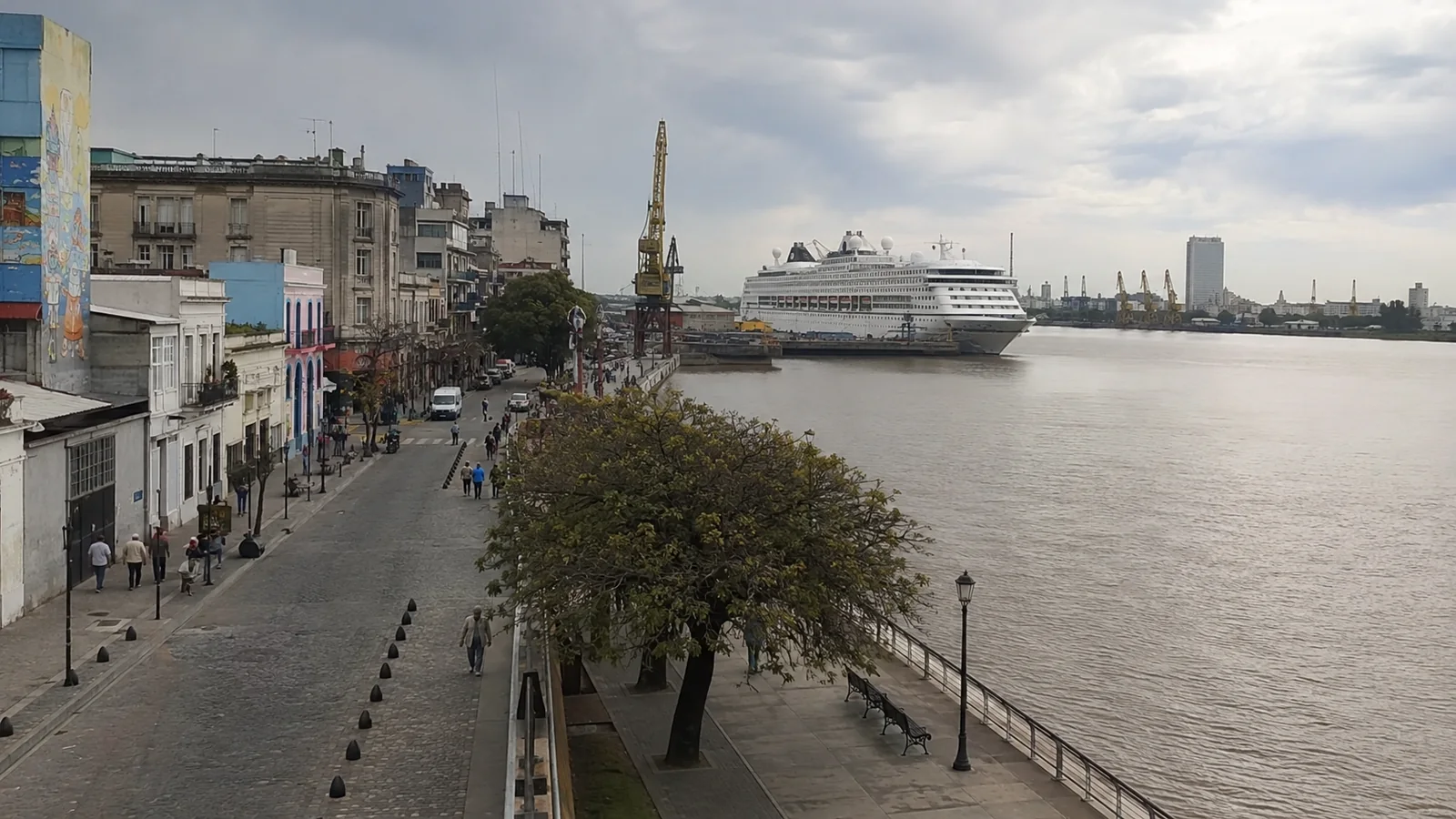
Ocean cruise passengers use the Benito Quinquela Martín Cruise Terminal in the Retiro area. The city’s official cruise-terminal visitor page gives the address as Avenida Presidente Ramón S Castillo 13.
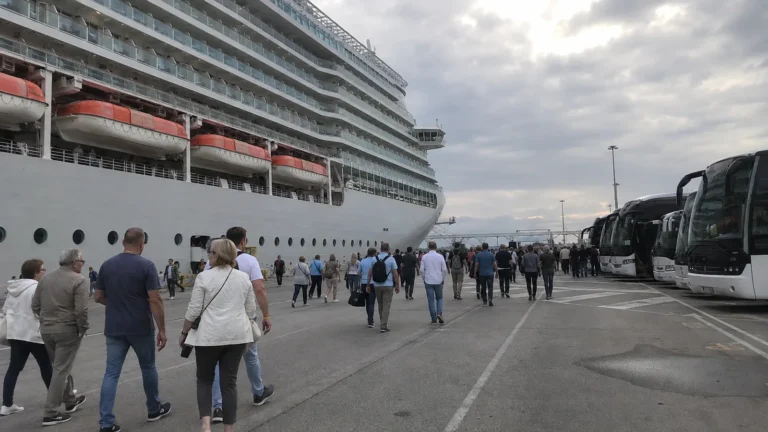
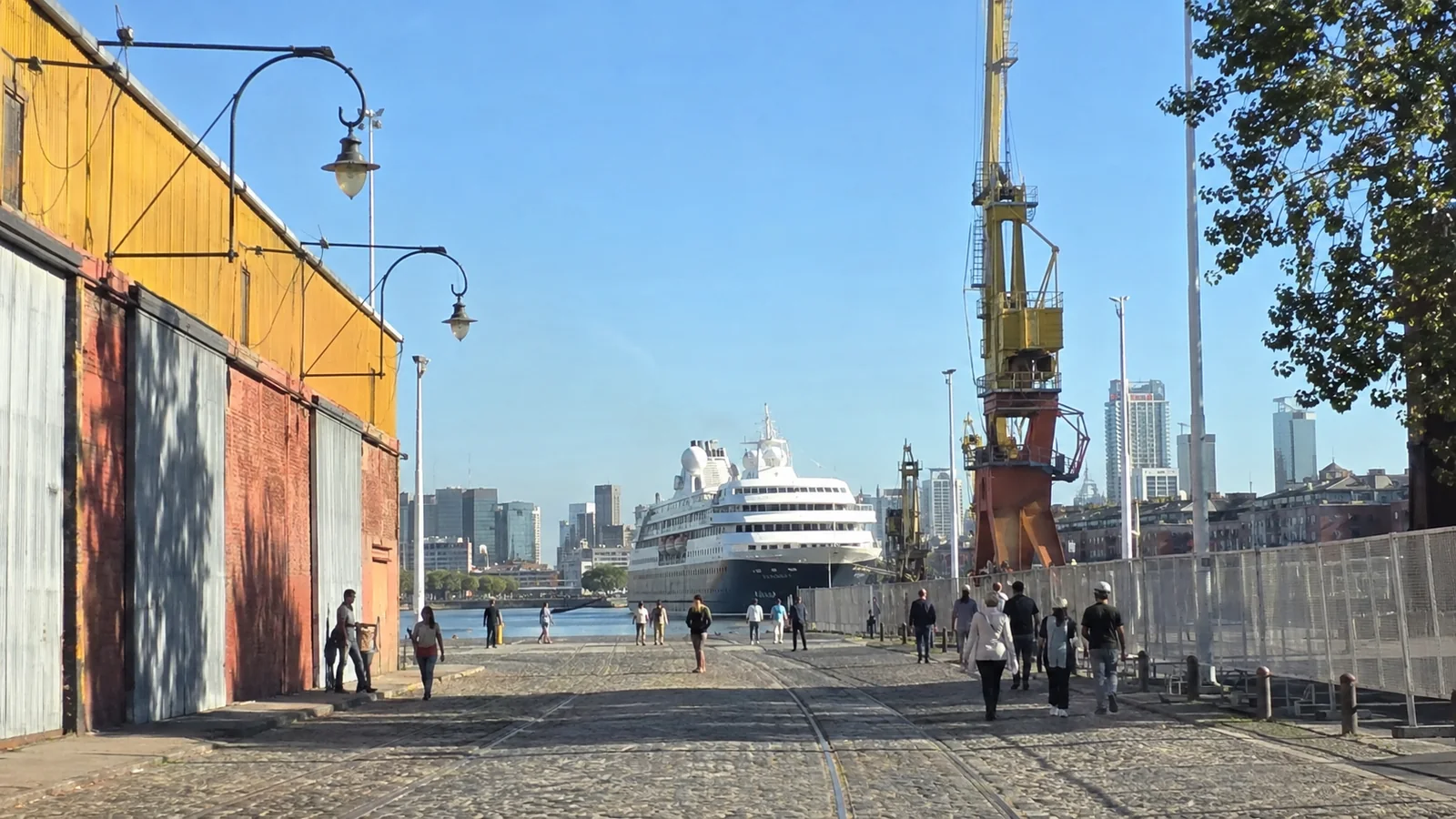
This is a commercial port as well as a passenger gateway. Your ship may berth away from the terminal building, in which case the port or cruise line can require a shuttle through the restricted area.
Follow crew directions even if an online map makes the terminal look walkable from the gangway. Pedestrian access inside an active port is controlled for safety, and the arrangement may differ from one berth or call to another.
The Quinquela Martín building handles transit visitors plus embarkation and disembarkation. Those passenger flows can produce very different lines, luggage arrangements, and exit times, so do not build a tight first reservation around the ship’s scheduled arrival minute.
Is the cruise port walkable to the city?
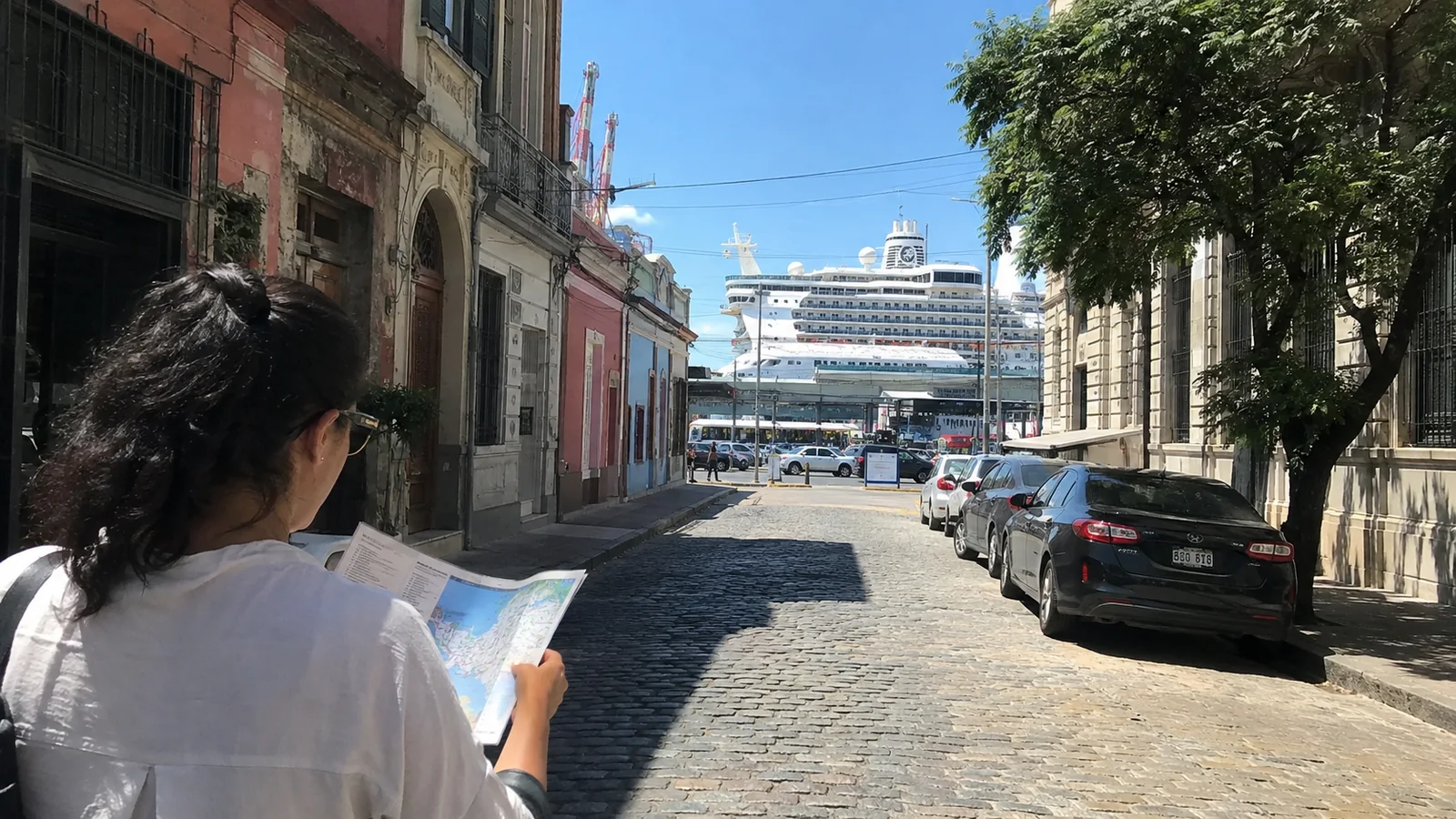
Retiro and the center are geographically close, but I would not make walking from the terminal my default plan. Port approaches, multilane roads, rail infrastructure, construction, luggage, summer heat, and an unfamiliar route can turn a seemingly short stroll into a poor start.
A taxi, remise, app-based car, official sightseeing service, or current city transit option gets you past the awkward port edge. Once in central Buenos Aires, walking becomes one of the loveliest ways to notice its architecture, cafés, bookstores, and tiny everyday details.
Travelers who specifically want to walk should ask the terminal information desk for the currently permitted pedestrian exit and safest route. Do not follow a staff driveway or cut across restricted lanes because another passenger appears to be doing it.
Taxis and remises at Quinquela Martín
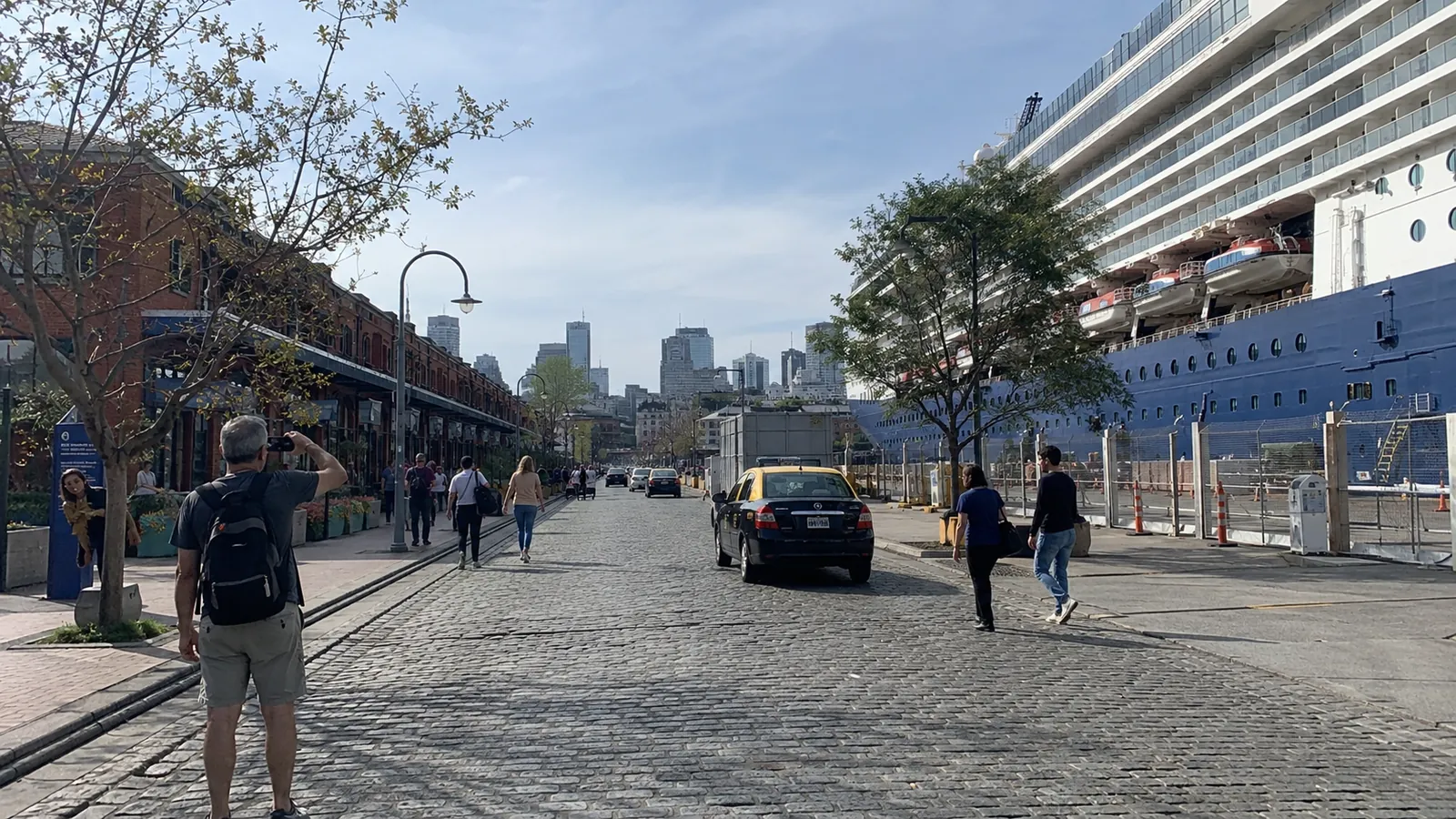
Buenos Aires Tourism says taxis and remises serve the cruise terminal. Use the organized rank or a clearly identified booking, ignore unsolicited approaches, and confirm how payment will work before the ride begins.
A remise is a prearranged private car with a quoted journey rather than a street-hailed metered taxi. For either option, note the destination address in Spanish and keep a screenshot in case your mobile connection stalls.
Ride-hailing availability and pickup points can change around a secure terminal. Match the driver, license plate, and vehicle shown in the app, then wait in the staffed pickup area instead of wandering toward port roads to meet the car.
Traffic is wonderfully unpredictable in the least charming sense of that phrase. Demonstrations, rain, roadwork, sports, and ordinary rush hours can all stretch a return, so the shortest outward ride of your day should never become your guaranteed return estimate.
Public transportation from the cruise terminal
The terminal is in Retiro, a major transport district with rail, subway, and bus connections beyond the port boundary. The practical catch is reaching the right stop safely and knowing the current ticket or payment rules.
Buenos Aires has introduced an electric bus linking the cruise terminal with Retiro, central districts, San Telmo, and selected La Boca stops. Check the city’s official electric-bus route page on the day because operating hours, special extensions, and stop patterns can change.
For regular buses and the Subte, use the official city journey planner or ask terminal staff which connection fits your destination. Do not rely on an old fare, route number, or claim that every bank card will work, since payment systems are evolving.
Public transit is a smart choice for confident independent travelers with a simple route and ample time. If your plan involves several transfers, a timed attraction, mobility equipment, or a tight call, the savings may not justify the extra uncertainty.
A usable electric-bus trip to San Telmo
The service is called eBUS or Bus Eléctrico, and the city’s September 2026 route information lists the cruise-terminal to Parque Lezama service every day. Ask terminal staff for the permitted walking exit to its stop at Avenida Presidente Ramón Castillo and Avenida de los Inmigrantes before heading out.
For San Telmo, board toward Parque Lezama and get off at Chacabuco and Carlos Calvo, then walk toward the market area. The listed return stop is Perú and Carlos Calvo in the Terminal de Cruceros direction, so do not simply wait across the street from where you arrived.
The official eBUS stop list also distinguishes limited-day extensions to Caminito and the Usina del Arte. I would use the everyday San Telmo route for a first transit outing, check today’s operating hours and payment method with staff, and keep taxi money for the return.
What can you see on one port day?
Buenos Aires is not a city to “finish” between breakfast and all aboard. Choose one compact cluster, then allow time for coffee, lunch, or an unplanned doorway that catches your eye.
For a first visit, the historic center makes a logical anchor. Plaza de Mayo, the Casa Rosada exterior, the Metropolitan Cathedral, and Avenida de Mayo sit within a manageable zone once your driver drops you nearby.
Opening access can change for ceremonies, government activity, restoration, holidays, and demonstrations. Treat exterior views as the dependable layer of your plan and interiors as a bonus you verify shortly before arrival.
Our guide to Argentina’s landmarks will help you decide what genuinely matters to you. That little bit of editing is much more useful than trying to stitch La Boca, Recoleta, Palermo, and Plaza de Mayo into one frantic loop.
San Telmo and the historic center
San Telmo pairs naturally with Plaza de Mayo for travelers who enjoy older streets, antiques, markets, and café stops. Sundays can bring extra energy and extra crowds, while shop and market hours vary by day.
Watch your belongings in packed lanes and pause inside a business before unfolding a large map or reorganizing money. The goal is not to look frightened, just less distractible.
A guided walk can add the history that turns handsome buildings into a story. Confirm the finish time and location before joining because a tour that ends far from your planned ride back can erase your buffer.
La Boca and Caminito
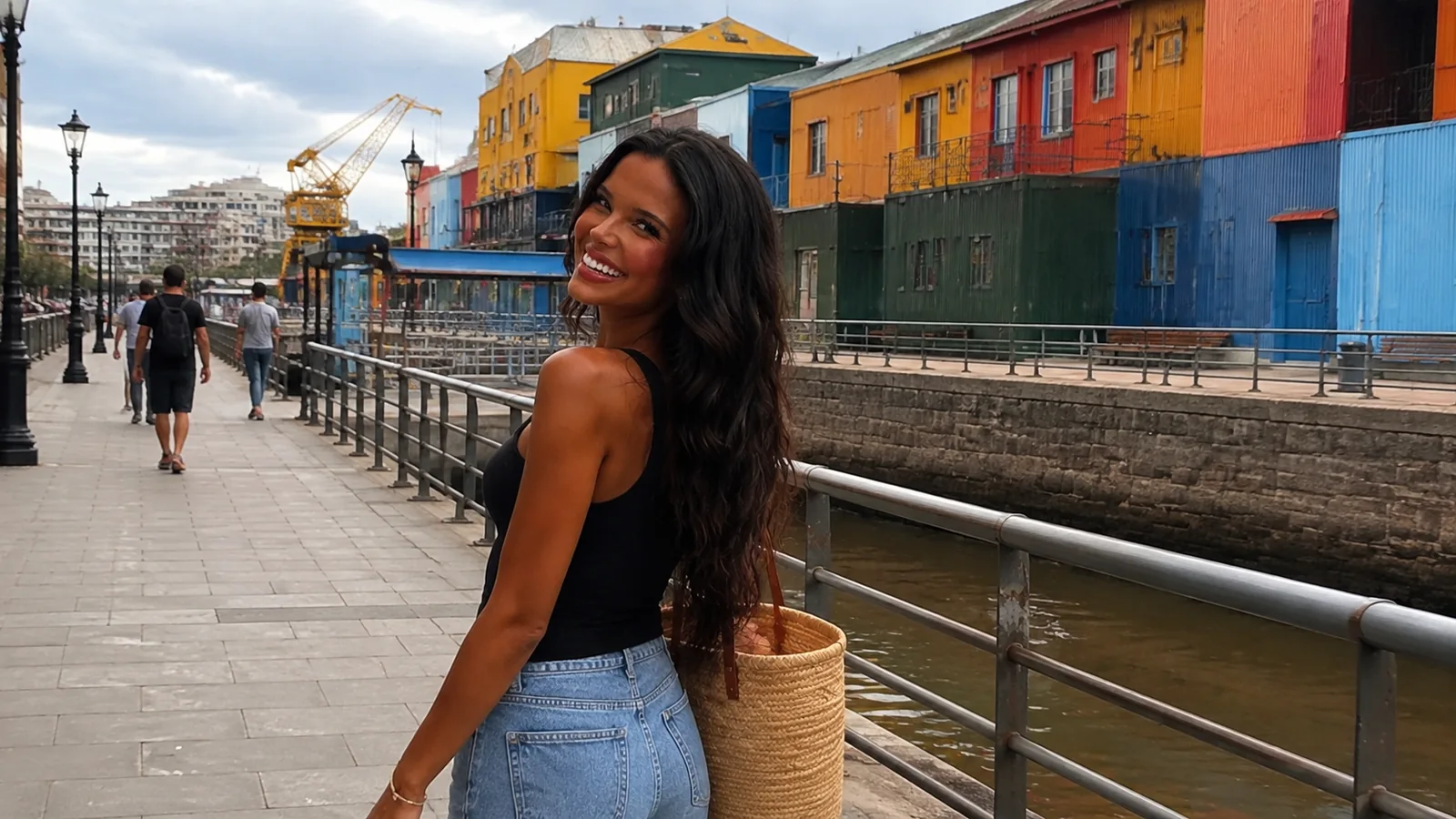
Caminito’s painted facades and tango imagery make it an appealing first-time stop. It is not comfortably combined on foot with the central sights, so use planned transportation and remain within the active visitor area recommended by local guidance.
La Boca is best treated as a focused visit rather than a vague neighborhood wander. Arrange your onward ride before drifting beyond the busy streets, particularly when crowds thin or daylight is fading.
The city electric bus may extend to Caminito on designated days and hours, but that is exactly the kind of operational detail to verify live. A service shown on a saved blog post is not a promise that it will fit your ship day.
Recoleta and Palermo
Recoleta works well for elegant streets, cultural venues, parks, and the famous cemetery, subject to its current admission and opening rules. It lies away from the terminal, so build in transport time and avoid adding a distant southern neighborhood simply because both fit on a map.
Palermo is farther and spread across several subdistricts. Its gardens, museums, restaurants, and shopping can fill a whole port day, but it is a less efficient add-on to a historic-center route.
If your call runs overnight, separate the center and Palermo across two outings. Confirm the ship’s overnight access procedure and terminal entrance before leaving for dinner or a show.
Puerto Madero
Puerto Madero offers broad waterfront promenades and restaurants in a redeveloped dock district. The official tourism page for Puerto Madero explains its port heritage and modern visitor appeal.
It is not the same place as the ocean cruise terminal, despite the shared word “Puerto.” Buenos Aires also has separate ferry terminals, so always show a driver the full Quinquela Martín address when returning.
Puerto Madero pairs more naturally with Plaza de Mayo than with Palermo. A taxi between your last stop and the ship remains wise when the clock matters, even if you used transit happily earlier.
The historic-center route I would actually walk
Start with a ride to Plaza de Mayo, spend about 30 minutes around the square, then follow Bolívar south and turn toward Defensa for San Telmo. Continue to Mercado de San Telmo and Plaza Dorrego, choosing lunch along the way rather than adding another neighborhood before eating.
I would budget about three hours for the square, an unhurried walk, market browsing, and lunch, with additional time for both terminal transfers. Walk in daylight, watch the uneven pavement, and ask for a taxi from your lunch stop if the heat or your feet have had enough.
If a historic café matters more to you than the market, visit Café Tortoni at Avenida de Mayo 825 before heading south. It dates to 1858, and I would allow 45 to 60 minutes for a seated break only if the line is short enough to fit the day.
My swap would be Tortoni plus a shorter San Telmo walk, rather than trying to fit two long meals into one port call. Save La Boca for a separate, deliberate taxi outing instead of casually continuing south on foot.
Should you book an excursion?
A cruise-line excursion makes sense when you want several districts with minimal navigation or when the call is short. The line controls the excursion and its late-return procedures, although traffic can still shorten time at individual stops.
An independent licensed guide can build a more personal route and may be excellent for food, architecture, Jewish heritage, art, or tango history. Confirm pickup inside or outside the terminal, vehicle type, accessibility, cancellation terms, and the guide’s planned return margin in writing.
Fully independent travelers can have a brilliant day by choosing one area and one simple round-trip transport method. If this is your first South American itinerary, our South America cruise guide helps with the bigger route-planning picture.
Buenos Aires cruise-port safety
Buenos Aires calls for normal big-city awareness, particularly around phones, wallets, and crowded transport. Read the latest U.S. State Department Argentina advisory and your own government’s guidance close to departure.
Carry your bag closed and in front in crowds, keep your phone away near curbs, and avoid displaying expensive watches or jewelry. Use an indoor or controlled ATM, shield your PIN, and do not accept help from a stranger at the machine.
A common distraction is all it takes for a second person to reach a pocket or bag. If someone spills something, creates a commotion, or presses close, move to a staffed business before checking your belongings.
Demonstrations can form around central civic areas and disrupt roads or transit. Do not push through one to reach a sight, and let your return driver know early if streets around Plaza de Mayo or Congress are closing.
Keep a small local-spend wallet separate from your main cards and document copies. That simple arrangement makes paying for lunch easier and limits the consequences of a lost wallet.
Money, cards, and exchange rates
Argentina’s currency and payment environment can change quickly, so a fixed exchange-rate tip ages almost immediately. Check a current official or bank rate, ask merchants which currency and rate they are using, and approve the amount before tapping or entering a PIN.
Cards are widely useful in tourist businesses, but a modest amount of Argentine pesos helps with smaller purchases. Avoid street money changers and remember that an ATM or card provider may add its own fee or conversion.
When a card terminal offers to bill in your home currency, read the conversion carefully. Your own bank’s rate may be better, but that depends on the card and its foreign-transaction terms.
Entry documents for Argentina
Entry rules depend on citizenship, passport type, route, length of stay, and purpose. Confirm them through Argentina’s immigration authorities, your nearest Argentine consulate, and the cruise line before travel rather than assuming another passenger’s answer applies.
The official Dirección Nacional de Migraciones portal is the starting point for current immigration information. Cruise guests should also follow the ship’s instructions about whether to carry a passport, copy, cruise card, or other identification ashore.
Do not assume remaining on the ship fixes missing entry authorization. Documentation may be checked when you first board or when the vessel clears the country, well before you decide whether to take a tour.
Weather and what to wear
Buenos Aires has four distinct seasons, and its cruise calendar spans hot, humid summer days plus cooler shoulder-season calls. Check the official city forecast close to arrival because wind, rain, and heat affect walking comfort and traffic.
Wear broken-in shoes for uneven sidewalks, a secure crossbody bag, and layers that suit the day. Add sunscreen and water in warm weather, or a compact rain shell when showers are possible.
Southern Hemisphere seasons may feel backward if you packed by month rather than destination. December through February is summer, while March and April generally move toward fall.
How early should you return?
All aboard is earlier than departure and is the deadline passengers must follow. Check ship time before leaving because phones can update automatically after border or time-zone changes.
For an independent outing, I would plan to reach the terminal area at least 90 minutes before all aboard. This is my conservative planning cushion, not an official port requirement, and I would add more after a distant Palermo or La Boca stop, during rain, or when major events affect roads.
Photograph the daily program with the terminal name, all-aboard time, and port-agent number. If your return starts unraveling, contact the port agent immediately instead of waiting until the deadline has passed.
Remember that a taxi must get you to the correct cruise terminal, not a ferry facility. Saying “Quinquela Martín, Avenida Ramón Castillo” and showing the address is much safer than saying only “the port.”
Embarkation, disembarkation, and airports
Buenos Aires is a major turnaround port, so many readers will travel with luggage rather than pop ashore for a few hours. Use the arrival window and bag instructions issued for your sailing because terminal processing changes with ship and passenger volume.
Ministro Pistarini International Airport at Ezeiza uses the code EZE, while Aeroparque Jorge Newbery uses AEP. Verify the code on every flight and transfer booking because the airports are not interchangeable.
For embarkation, arriving in Buenos Aires at least one day early protects you from flight disruption and gives you a gentler introduction to the city. For a post-cruise flight, allow for ship clearance, baggage, immigration or customs procedures, road traffic, and airline check-in.
No honest guide can promise a port-to-airport drive time. Book a transfer using the real date and flight, then add margin for weekday traffic, weather, strikes, construction, and events.
Accessibility at the terminal and in the city
Ask the cruise line about the exact gangway and internal shuttle plan for your call. A terminal can have accessible facilities while the berth-to-building route still depends on ship equipment and daily operations.
If you need a wheelchair-accessible vehicle, reserve early and provide the dimensions and weight of your device. “Accessible” can mean anything from space for a folding chair to a lift-equipped van, so specifics prevent an unhappy surprise.
Sidewalk condition, curb ramps, historic interiors, and working elevators vary by neighborhood and attraction. Confirm step-free entrances and accessible restrooms directly, then choose fewer stops with more time between them.
Three realistic Buenos Aires port-day plans
- Classic first visit: Plaza de Mayo, the historic center, San Telmo, lunch, and a planned ride back.
- Art and elegance: Recoleta plus one nearby museum or park, with advance opening checks.
- Color and waterfront: A focused Caminito visit followed by Puerto Madero, using transport between districts.
Any of these will feel fuller than a citywide checklist. If Rio is also on your sailing, our Rio de Janeiro cruise port guide explains why its transport plan needs a different rhythm.
A schedule with a clear return target
For an example 8:00 a.m. arrival and 4:30 p.m. all-aboard, I would leave the terminal around 9:00 a.m., explore Plaza de Mayo and San Telmo through lunch, and arrange the return ride by 2:00 p.m. Aim to reach the terminal around 3:00 p.m., with the actual departure adjusted earlier if traffic, demonstrations, or your berth’s access arrangements require it.
For a shorter call, choose Plaza de Mayo and Tortoni, or San Telmo alone, with no cross-city add-on. For a longer call, I would spend the extra hour enjoying the neighborhood you chose before using it to add another transfer.
Final thoughts on Buenos Aires cruise port
The Quinquela Martín terminal puts a tremendous city within reach, but it does not place every attraction outside the gangway. Start with organized transportation, keep your day geographically tidy, and preserve a healthy return cushion.
Buenos Aires is at its best when you leave space for one unhurried coffee, one beautiful building, and one neighborhood you actually notice. Seeing less can be the smartest way to meet it.