
Dry Tortugas National Park is not a casual Key West add-on. The park lies roughly 70 miles west, has no road access, and requires a transport choice that determines which island, activities, supplies, and camping plans are realistic.


Start With the Access Decision
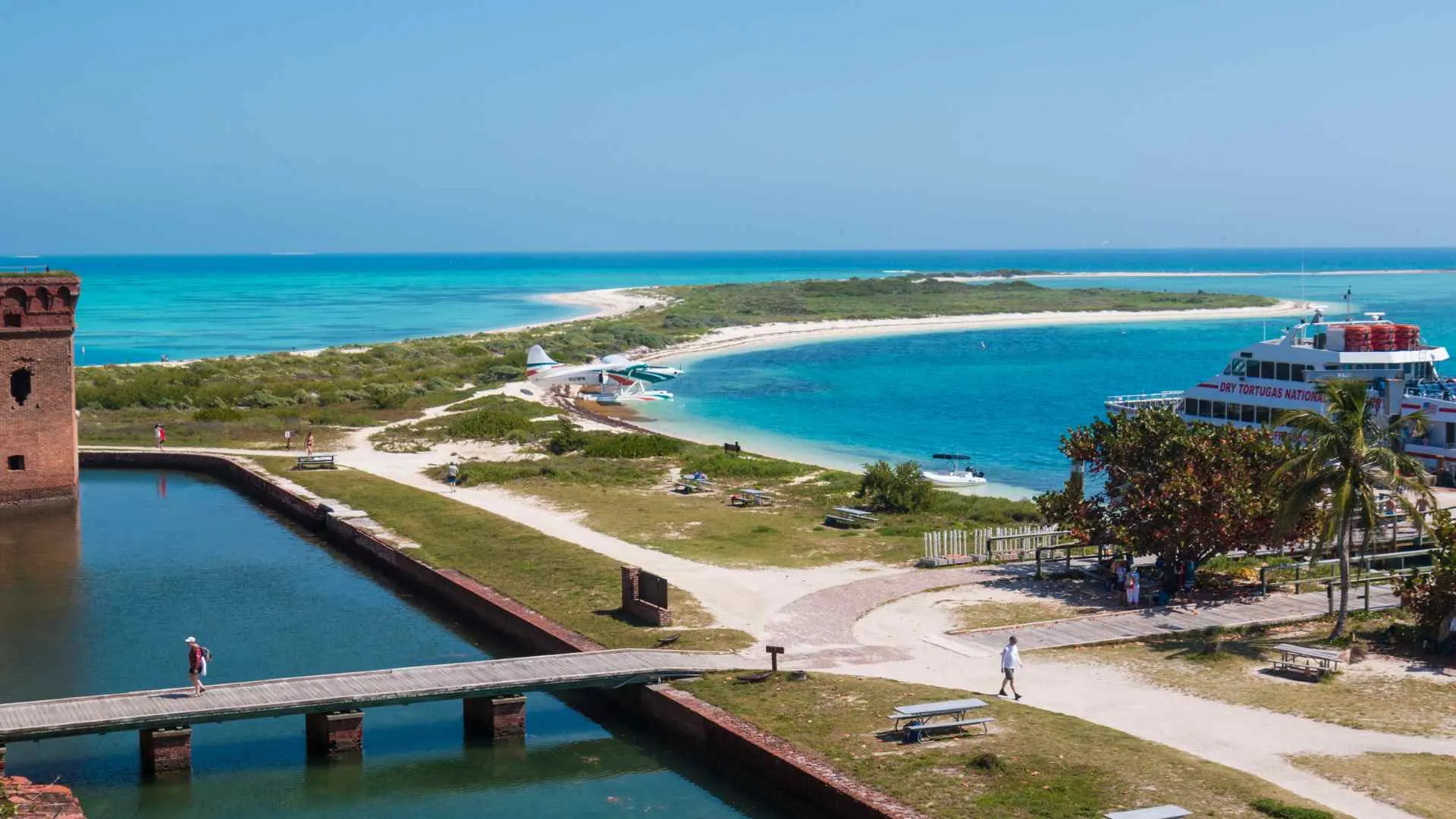
The National Park Service directions list boat and seaplane as the ways to reach Dry Tortugas. Commercial ferry and seaplane passengers go to Garden Key, where Fort Jefferson stands.
A commercial ferry, seaplane, permitted guide or charter, and private vessel each create a different day. Select the mode before building an activity list.


Commercial ferry
The ferry provides a defined Garden Key visit and can carry campers subject to current carrier capacity and gear rules. A ferry booking is transportation, not a reservation for a regular National Park Service campsite.
Confirm departure procedures, baggage restrictions, included provisions, cancellation terms, and camper eligibility directly with the carrier. Do not build a plan around an old schedule or crossing duration.


Private vessel or permitted guide
A private vessel creates more geographic flexibility but transfers navigation, fuel, weather, anchoring, provisions, and protected-zone responsibilities to the traveler. A permitted guide can provide a vessel without making every remote area automatically accessible.
Private boaters need an entrance pass when stopping and must follow current anchoring, mooring, fishing, nesting-area, and Research Natural Area boundaries. Ask a Garden Key ranger about special protection zones rather than relying on one generic phrase such as boating permit.


Seaplane
The seaplane also reaches Garden Key and offers an aerial approach, but it does not transport campers. Check baggage, passenger, weather, and accessibility requirements with the current operator.
Neither the commercial ferry nor seaplane provides onward transportation around the park. Their passengers should plan a focused Garden Key day rather than assuming the ticket includes island hopping.


Garden Key Is the Standard First Visit
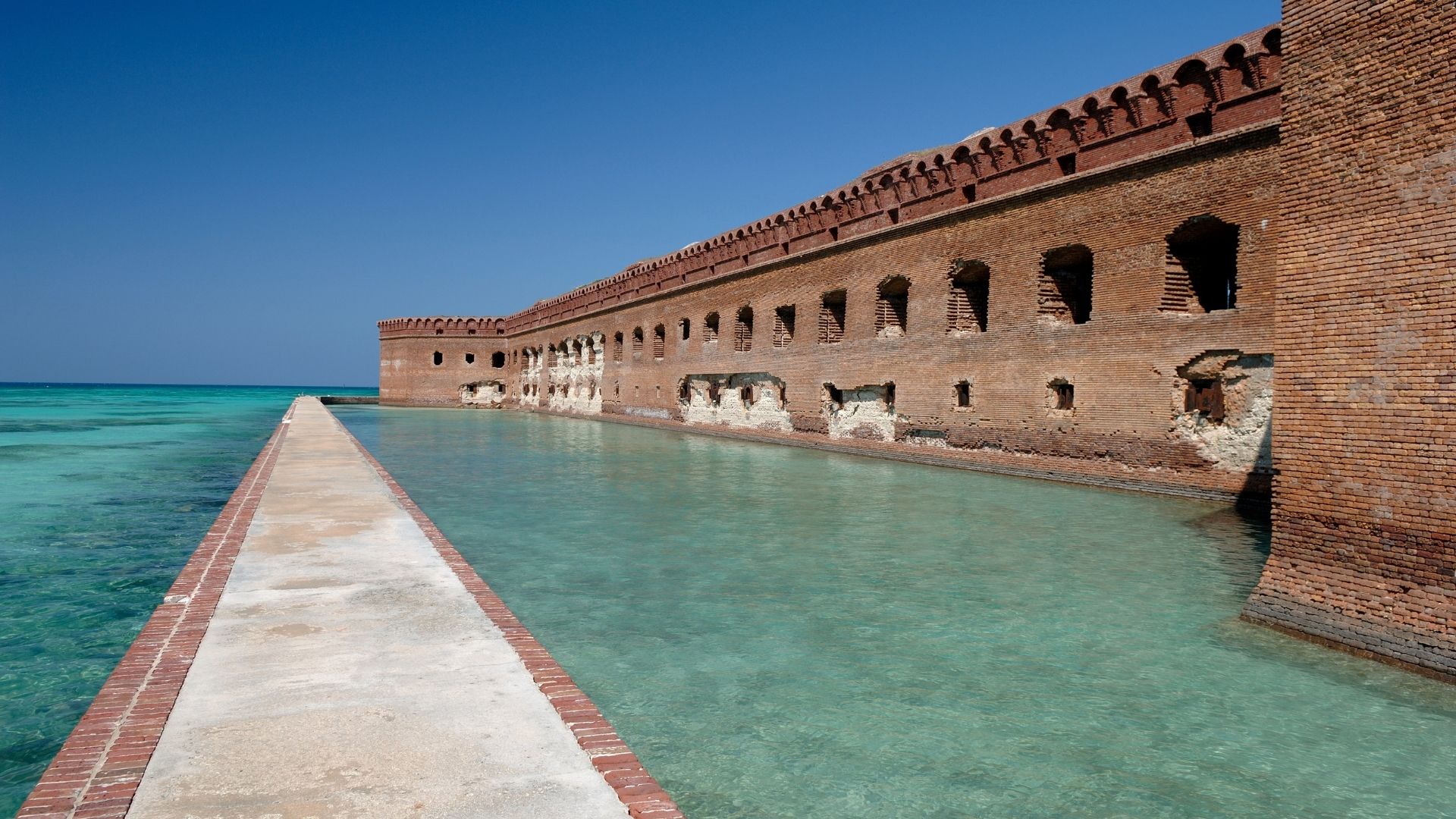
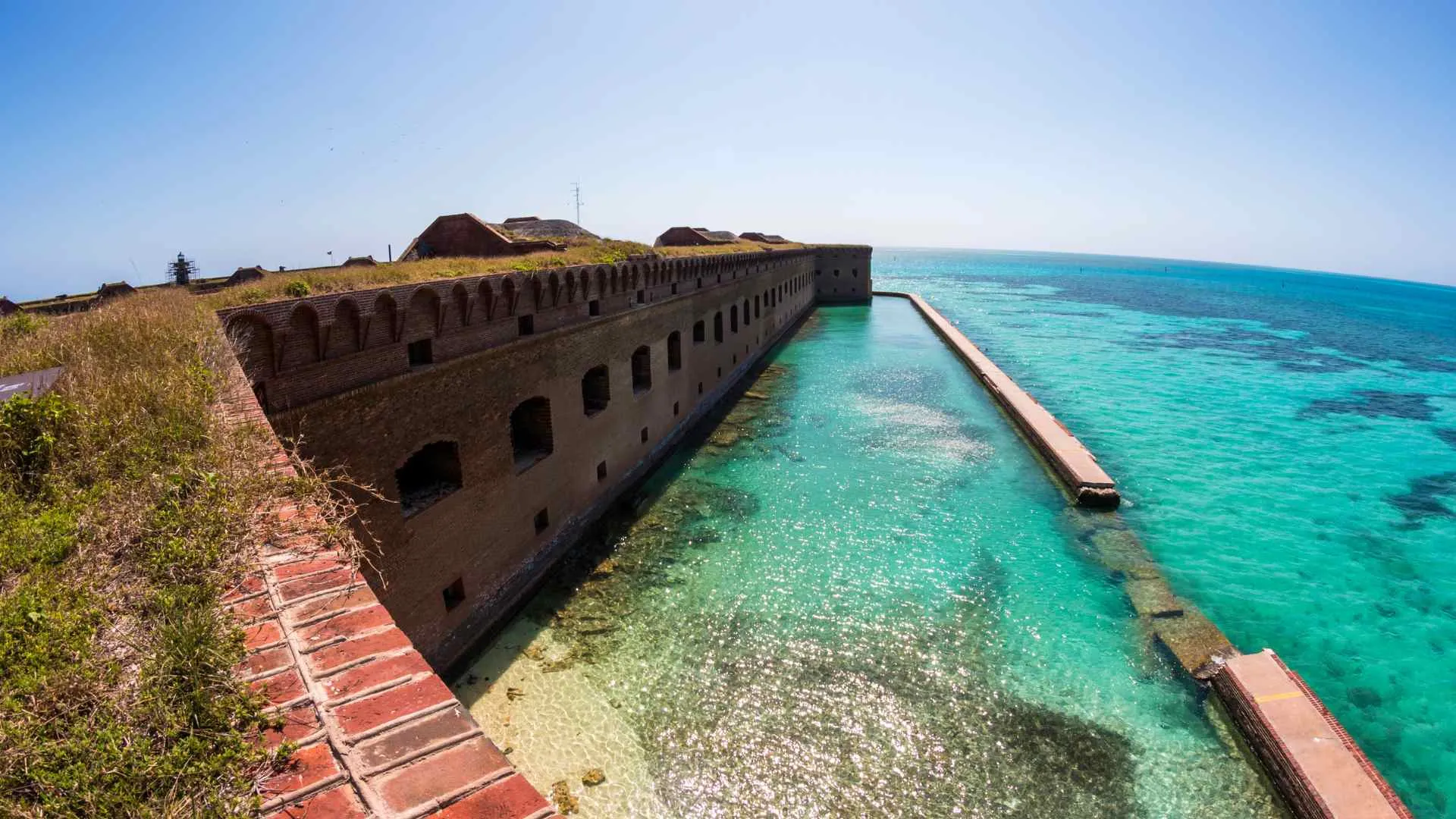
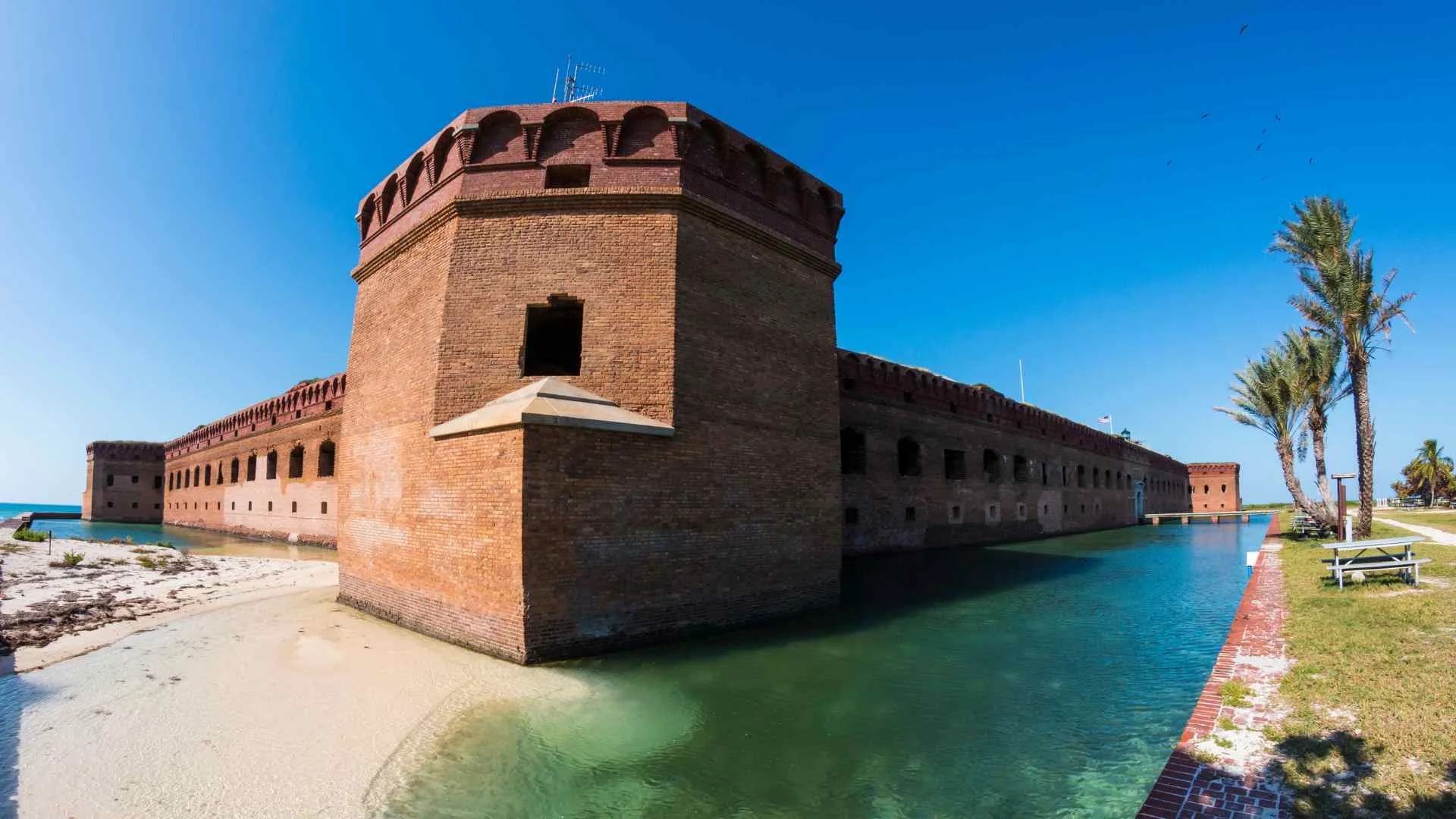
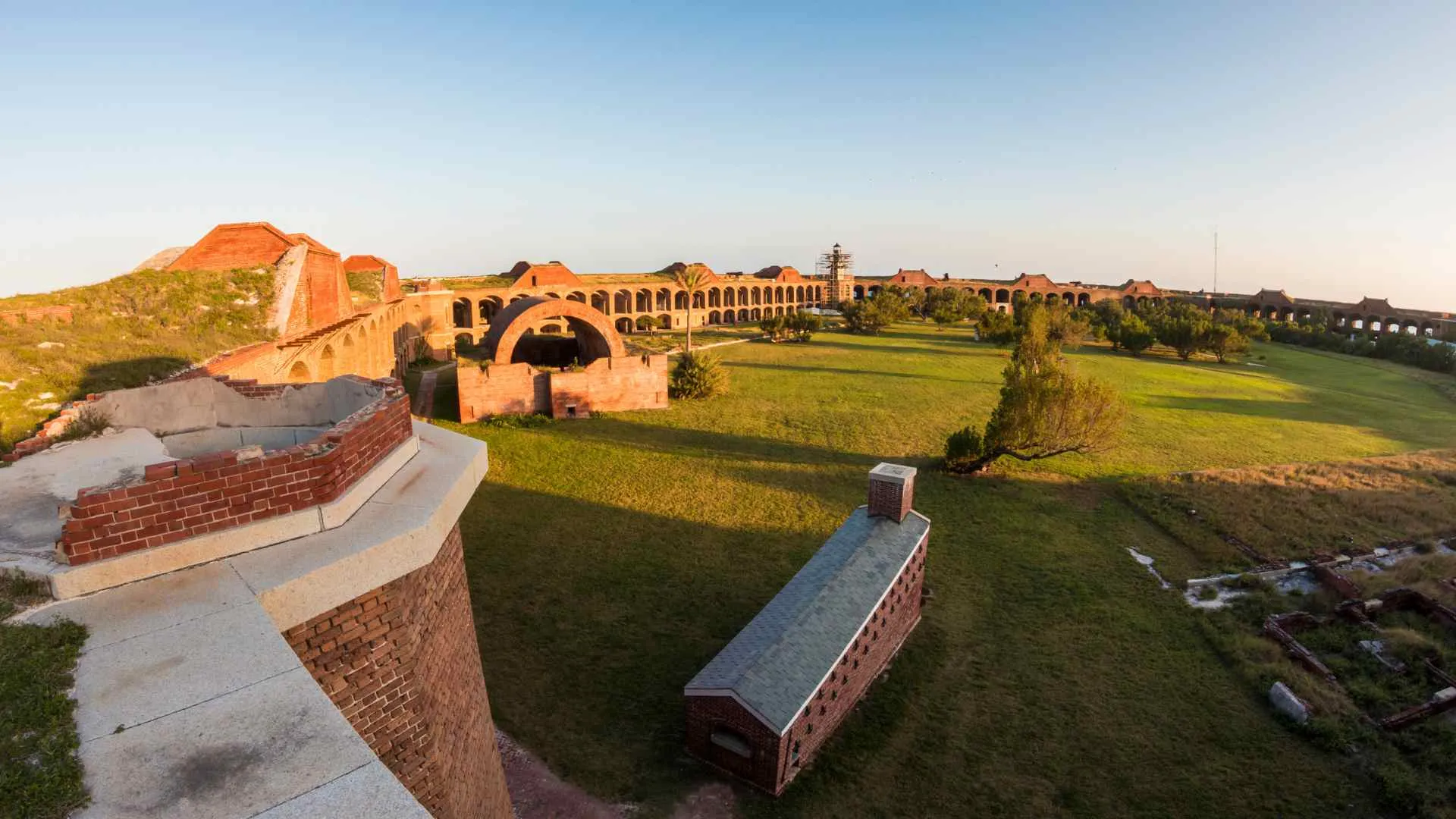
Garden Key concentrates Fort Jefferson, the visitor-arrival area, the campground, and accessible shoreline activities. It is the practical center for a first-time day trip.
Walk the fort early enough to leave time for the water and the immediate island. Heat, sun, wind, rain, and vessel timing should shape the sequence on the actual day.

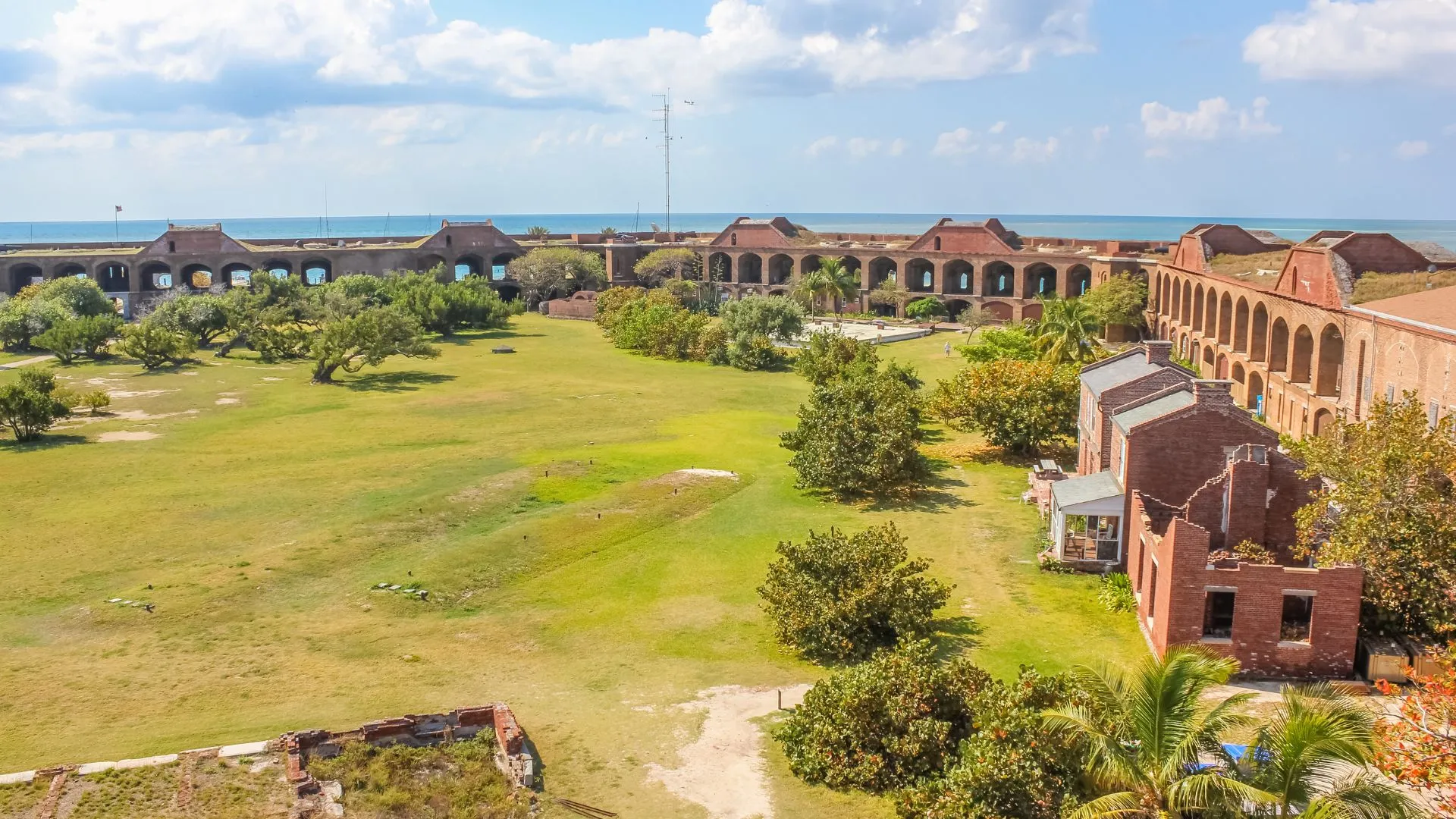
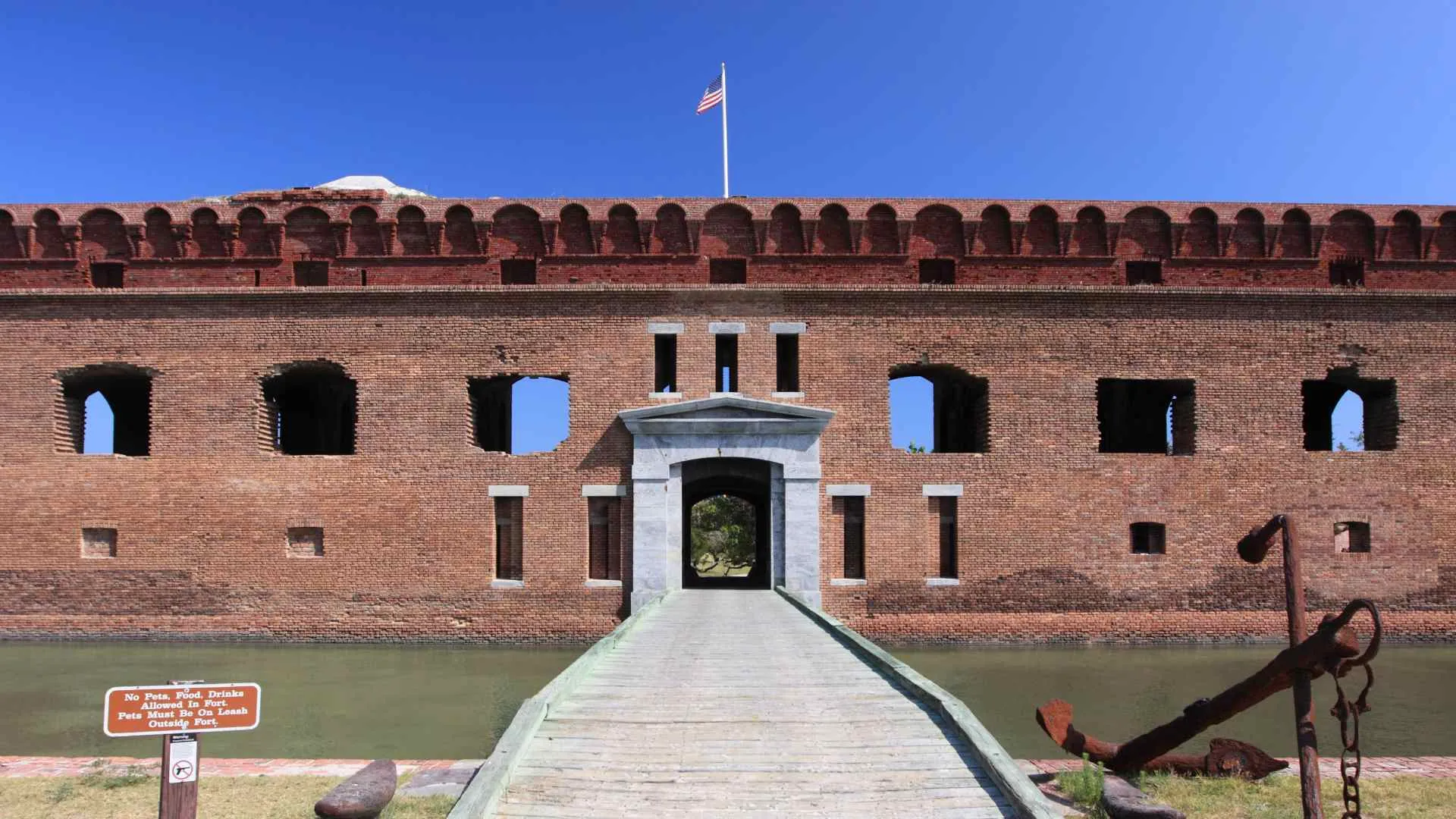
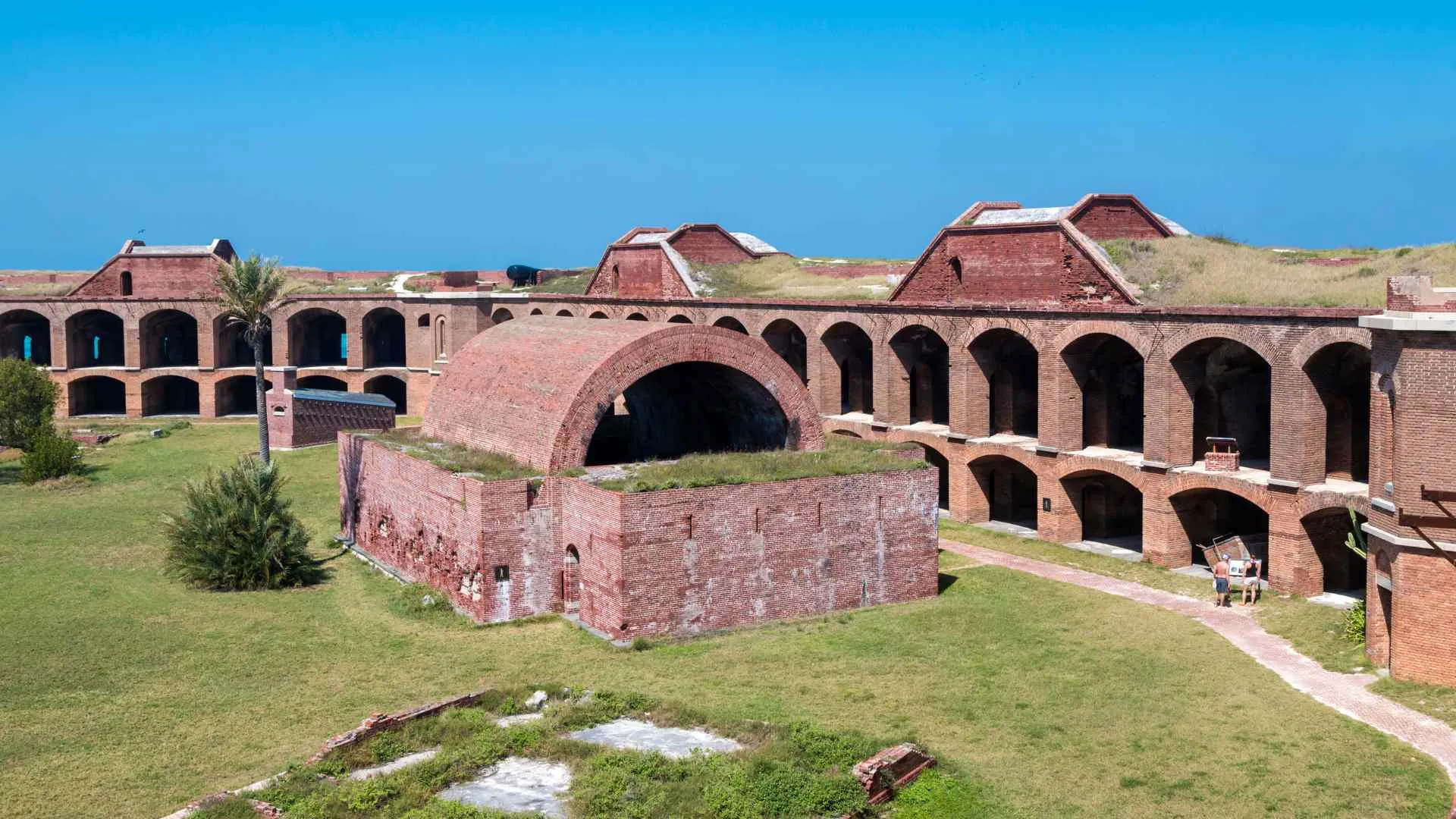
Fort Jefferson
The fort is more than a photograph, but its surfaces and exposed areas can be demanding. Use current ranger information for closures and accessible routes, and keep children close near uneven or unguarded edges.
Interpretation adds context to the scale, military purpose, construction, imprisonment history, and later conservation story. Avoid rushing through simply to claim every island activity.

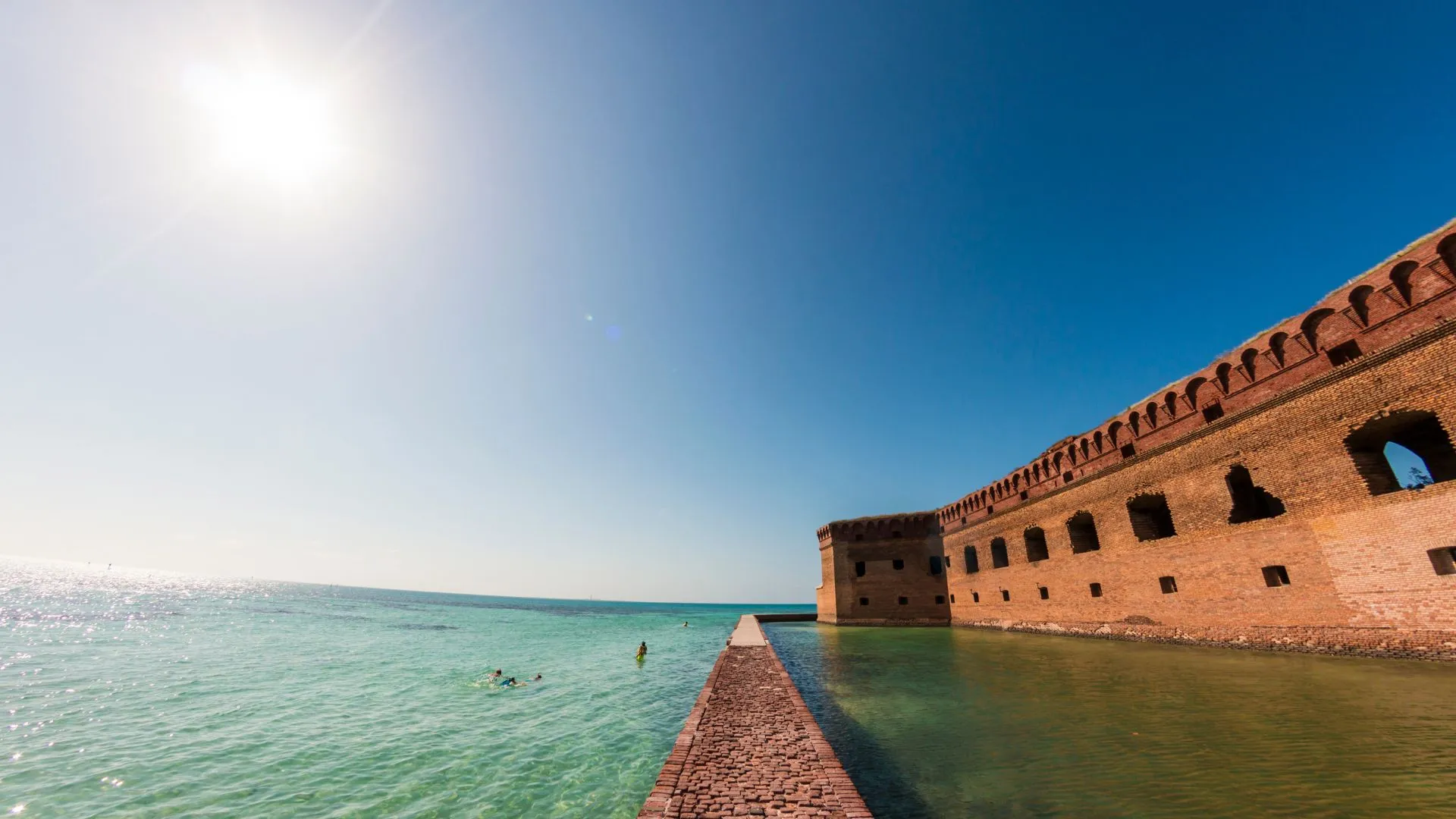
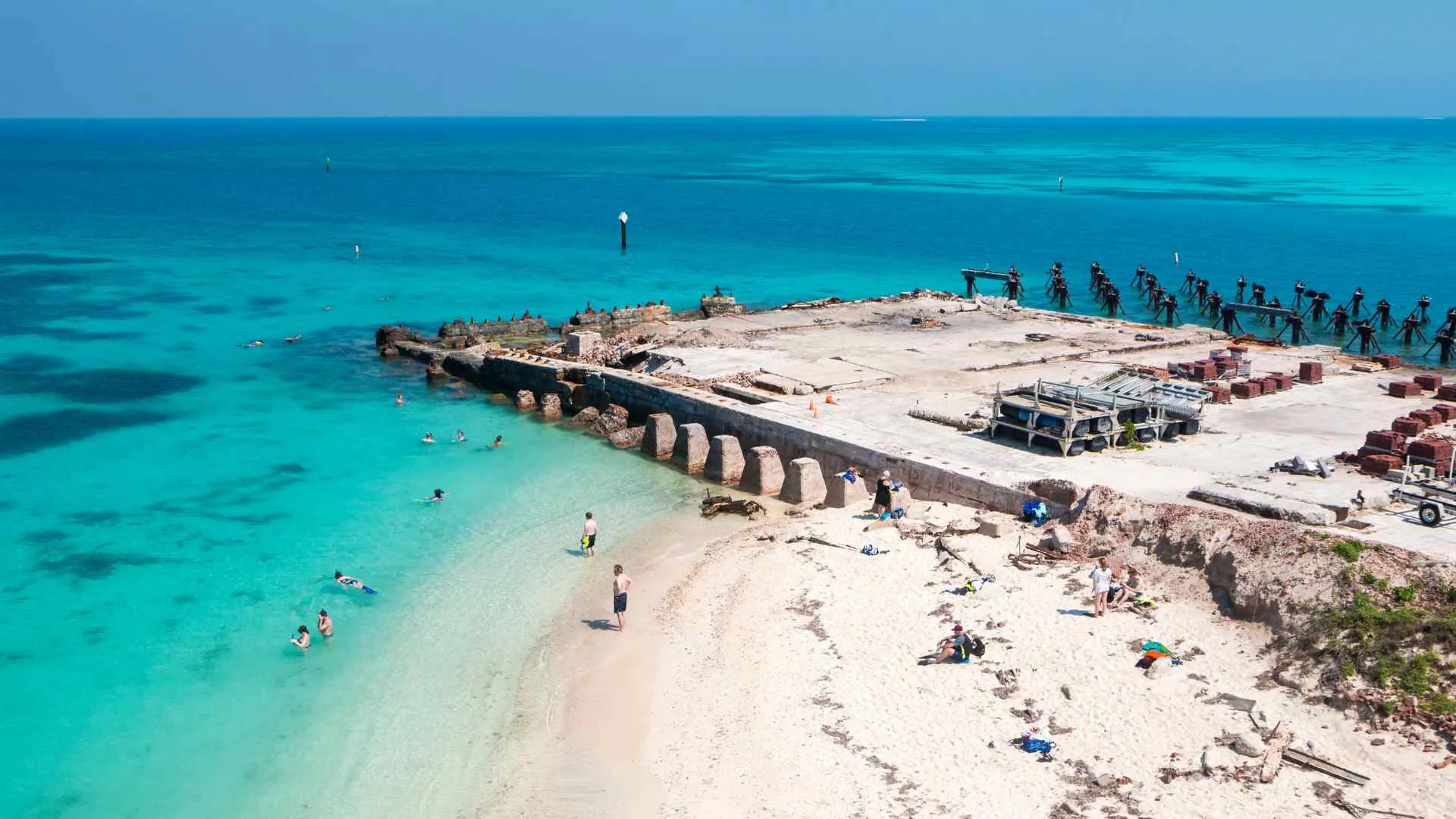
Swimming and snorkeling
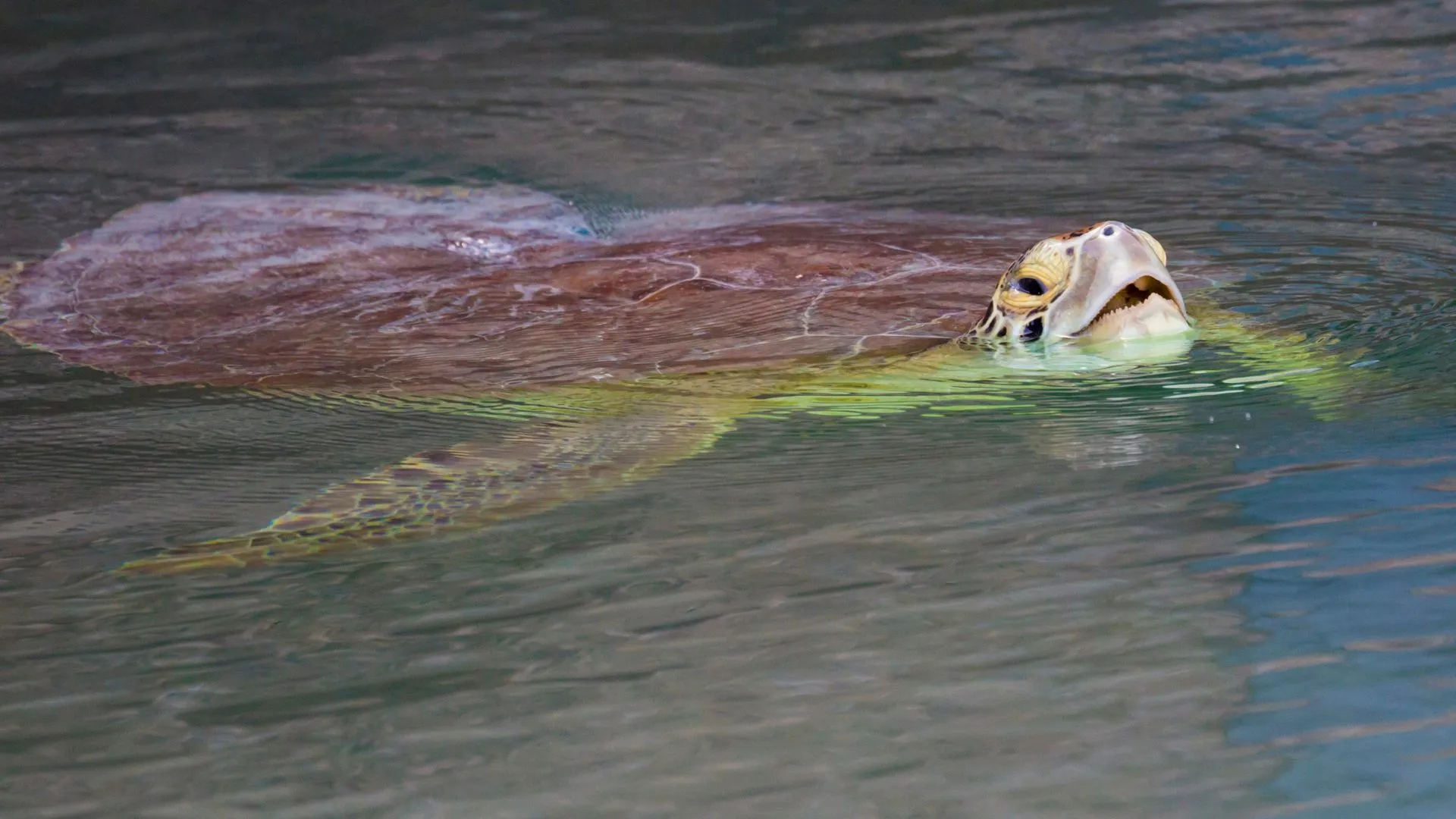
Shore snorkeling may fit into a Garden Key visit, but clear photographs do not guarantee visibility, current, temperature, wildlife, or suitability. Follow posted guidance and make a conservative decision for the weakest swimmer.
Bring or verify access to properly fitting equipment and sun protection. Do not touch coral, feed wildlife, or treat a sighting as promised.


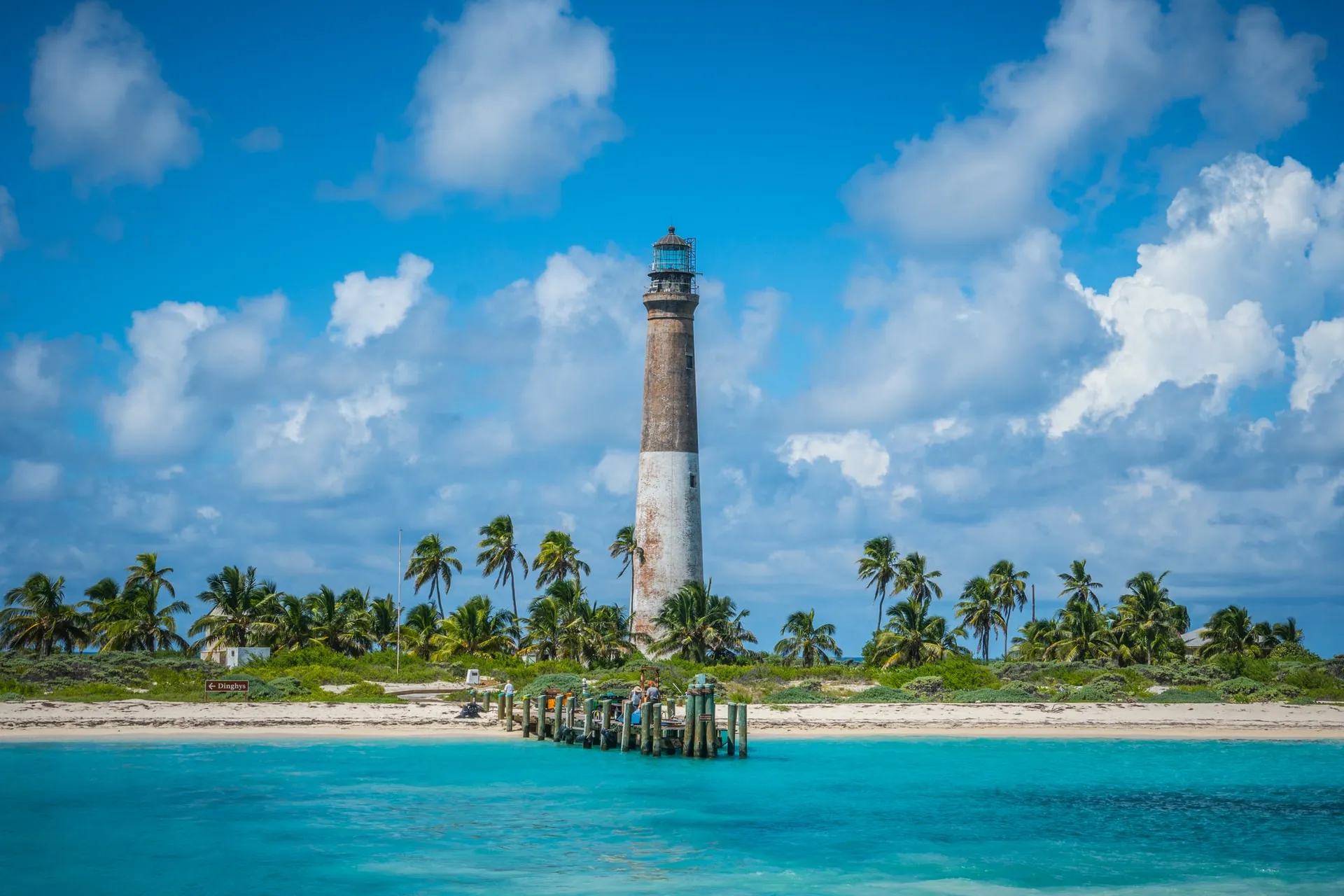
Loggerhead Key Requires a Different Plan
Current Loggerhead Key guidance describes day use only and no public transportation. Access is by private vessel or by a kayak or canoe carried to the park through advance coordination.
Visitors must stay on marked paths, while buildings and docks are closed to the public. It does not belong in a routine ferry or seaplane itinerary.

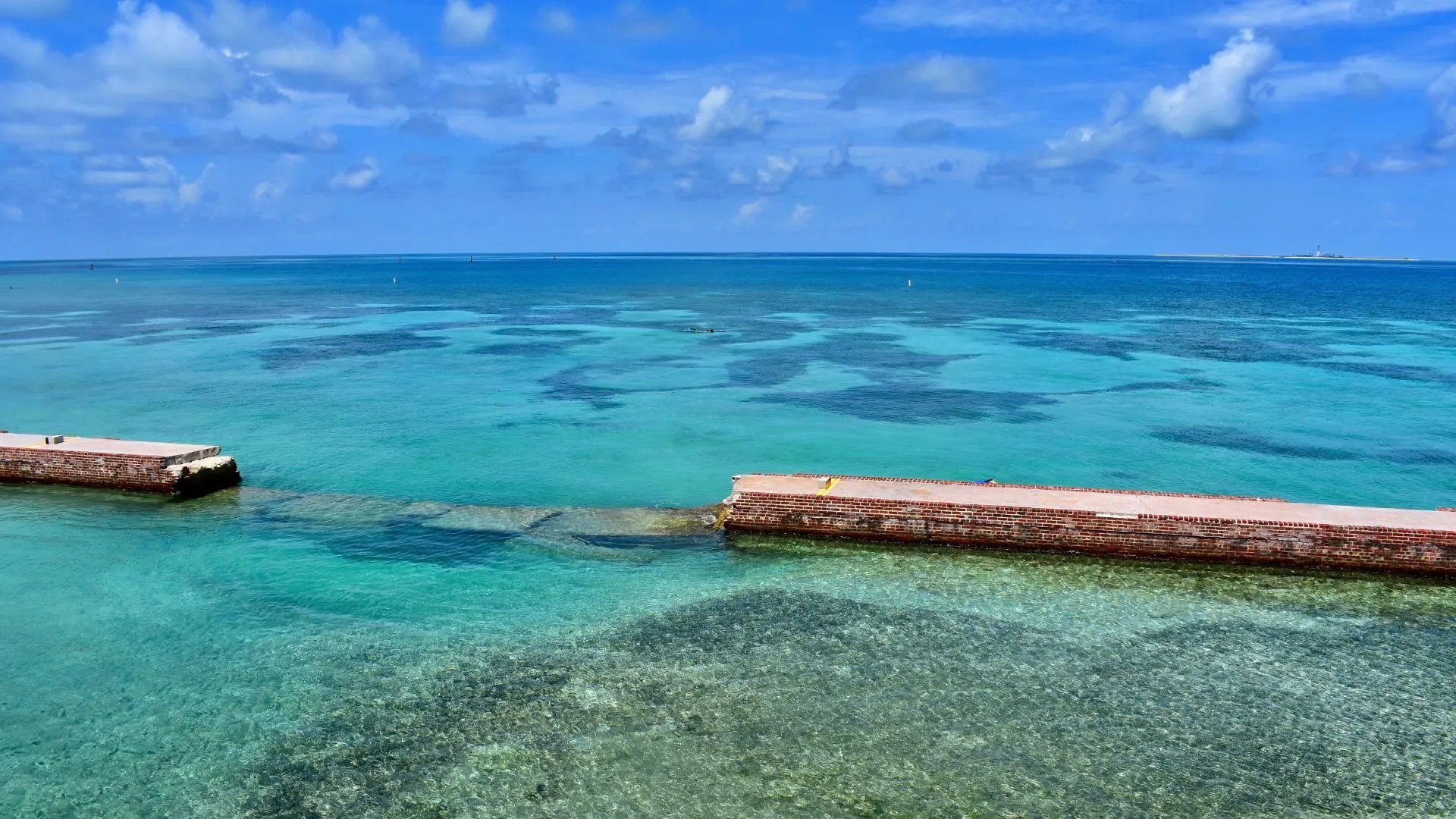
A paddle between islands is a remote marine undertaking, not a short beach rental. Distance, wind, current, equipment, navigation, landing rules, and the return require suitable experience and current ranger guidance.
Travelers who mainly want an isolated national-park experience may also compare the planning demands of Isle Royale National Park. The transport details differ, but both reward a logistics-first approach.

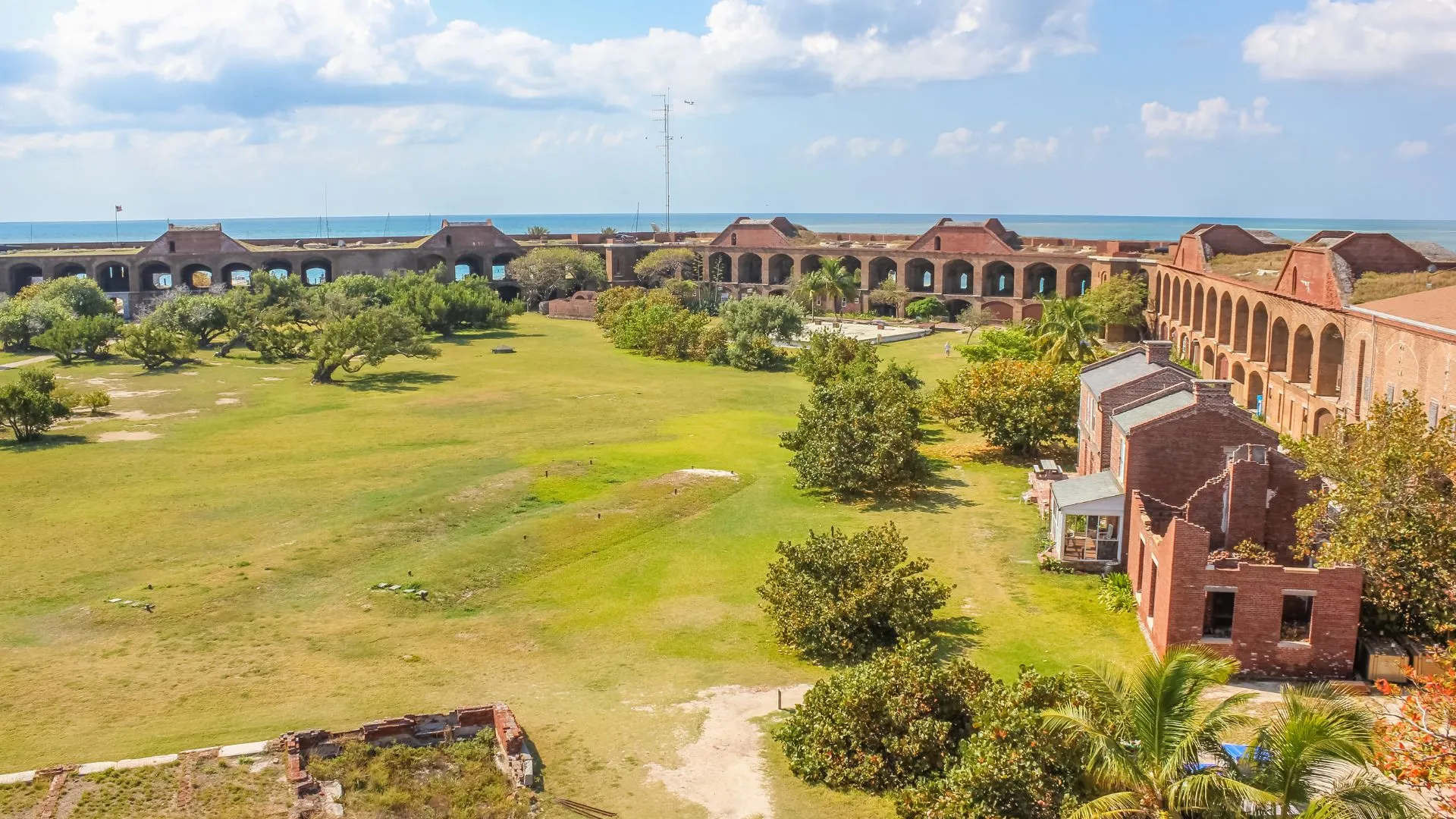
Camping on Garden Key
NPS camping guidance places camping on Garden Key. Campers can arrive by private vessel, commercial ferry, or permitted guide, but not by seaplane.
Regular sites are first come, first served and require a tent. The group site for groups of 10 to 20 follows a separate advance reservation process, so do not confuse those two systems.


Transport capacity comes first
A prospective ferry camper must secure compatible transportation and comply with current gear limits. Arriving with a campsite idea does not create room on the carrier.
Private-vessel campers still need an arrival, anchoring, and weather plan. A tent site does not provide fuel or solve safe vessel management.

Bring every essential provision
NPS says food, water, and fuel are not available in the park. Campers must pack out trash, and the current campground does not offer public showers, public Wi-Fi, cellular service, or electrical hookups.
Bring adequate drinking water, meals, sun and rain protection, medications, lighting, secure food storage, and the gear required by current rules. Include sufficient supplies for a delayed return without predicting the cause or length of a disruption.

Understand what remoteness changes
There is no quick drive to replace a broken tent pole or forgotten prescription. Every comfort and safety assumption should be tested against the island's lack of shops, utilities, and road access.
Campers should review wildlife, food, sanitation, fire, quiet-hour, and departure rules close to travel. Current ranger instructions override older trip reports.


Private Boating Has Layered Rules
Entrance passes, special-use permits, fishing licenses, and protected-zone rules are not interchangeable. A private boater should identify the exact activity and area instead of searching for one universal permit.
Anchoring is prohibited in the Research Natural Area, and several keys or seasonal nesting areas can be closed or restricted. Charts and navigation skills remain necessary even when a visitor page summarizes the rules.

Fishing rules depend on location and activity, while wildlife protection applies throughout the trip. Never use an old map or another boater's recollection as the sole authority.
Fuel planning must cover the full route and contingencies because fuel is unavailable in the park. Weather capability does not remove the need to respect closures and ranger instructions.


Closures Can Change the Usable Island
The current Garden Key page reports limited personal-vessel space and hurricane-damage closures affecting marine infrastructure. That status is time-sensitive and should not be copied into an evergreen itinerary as though it were permanent.
Check park alerts, Garden Key notices, carrier communications, and marine conditions before departure. A reservation does not guarantee every dock, beach segment, trail, or activity will be available.

Build a Realistic Garden Key Day
Choose one primary experience and one secondary experience. Fort interpretation plus a short shoreline session is more resilient than a checklist that assumes perfect weather and immediate movement.
Keep food, water, sun protection, and departure essentials together. Do not leave critical belongings in a place that becomes inaccessible when the carrier calls passengers back.


If history is the priority
Give the fort and interpretation most of the visit, then use the shoreline as a flexible finish. This works better than cutting the fort short for a water activity that conditions may limit.
If snorkeling is the priority
Inspect the water, posted notices, equipment, and return time before entering. Leave enough time to change, pack, hydrate, and reach transportation without rushing.
If photography is the priority
Work with the light and weather actually present, and protect equipment from spray and sand. Drones and other specialized equipment are subject to current park rules, so verify before packing.
Connect Dry Tortugas to a Florida Trip
Stay in or near Key West before the departure rather than relying on a long same-day drive. Broader United States road-trip planning ideas can help frame overnight pacing, but the island transport must remain the fixed anchor.

Allow a flexible night after the park if onward travel is sensitive to delays. Commercial and private marine plans can change without making the destination a failure.
If Florida water lodging is another priority, compare the verified Florida overwater bungalow guide. Do not assume a Key Largo stay and Key West departure are interchangeable bases.

What to Verify the Day Before
Confirm transport operation, check-in instructions, baggage and gear acceptance, park alerts, marine weather, and any personal-vessel restrictions. Campers should separately confirm their transport eligibility and current campground procedures.
Review the supplies each operator provides and pack the remaining essentials. The absence of food, water, fuel, and normal connectivity should drive preparation.

Common Planning Mistakes
Do not add Loggerhead Key to an ordinary ferry day, assume seaplanes carry campers, or call every rule a boating permit. These errors confuse distinct transport and regulatory systems.
Do not reserve transport before checking whether it supports the intended gear and activity. Also avoid treating old pier, campground, or closure reports as current.

Finally, do not promise wildlife, perfect visibility, calm water, or an open facility. A strong plan still works when one optional activity disappears.
Bottom Line
For most visitors, Dry Tortugas means a deliberately planned trip to Garden Key. Ferry and seaplane suit focused day visits, camping requires compatible transport, and private boating adds substantial navigation and protected-area duties.

Choose the access mode first, bring the provisions the remote park lacks, and let current NPS and carrier information control the final plan. That approach protects time for the fort, water, and island setting without inventing access that the ticket does not provide.


Leave remote islands outside Garden Key for a properly equipped private-vessel plan. A smaller, accurate itinerary is better than a crowded one built on unavailable transportation.

Keep all confirmations accessible offline because connectivity is limited. Include identification, booking details, emergency contacts, and the current park information needed for the chosen mode.


Ellie is the founder of Ellie's Travel Tips, where she shares practical cruise tips, port guides, and step-by-step itineraries to help you plan smarter trips for less. Her checklists and packing guides turn travel daydreams into doable plans.