
The best Prince Edward Island beach depends on who manages it, which coast you want, and what support you need. Use this guide to choose among national-park beaches, provincial parks, and unserviced shore access without assuming their rules are interchangeable.

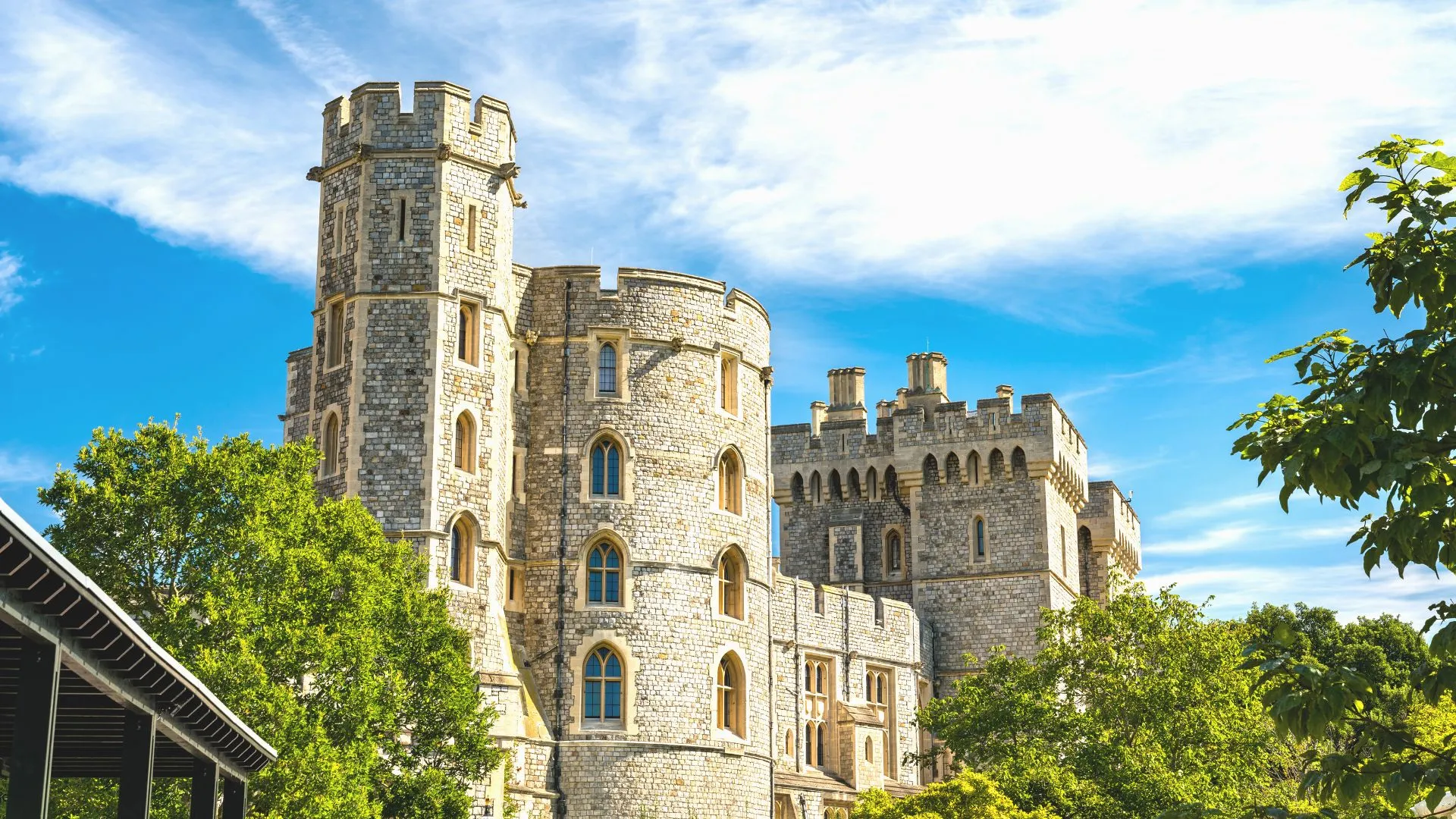
Choose the management type before the beach name
PEI National Park beaches follow Parks Canada rules, passes, seasonal facility schedules, and a summer pet prohibition. Provincial parks use Tourism PEI listings and vary in supervision, camping, washrooms, mobility equipment, and dog access.
Unserviced public beaches may offer beautiful coast but lack toilets, lifeguards, marked parking, food, and maintained access. Blooming Point and Thunder Cove need a more self-sufficient plan than Cavendish or Panmure.
The official PEI beaches and parks directory is the best starting point for current facilities. Read the individual page and on-site signs before relying on any category in this guide.

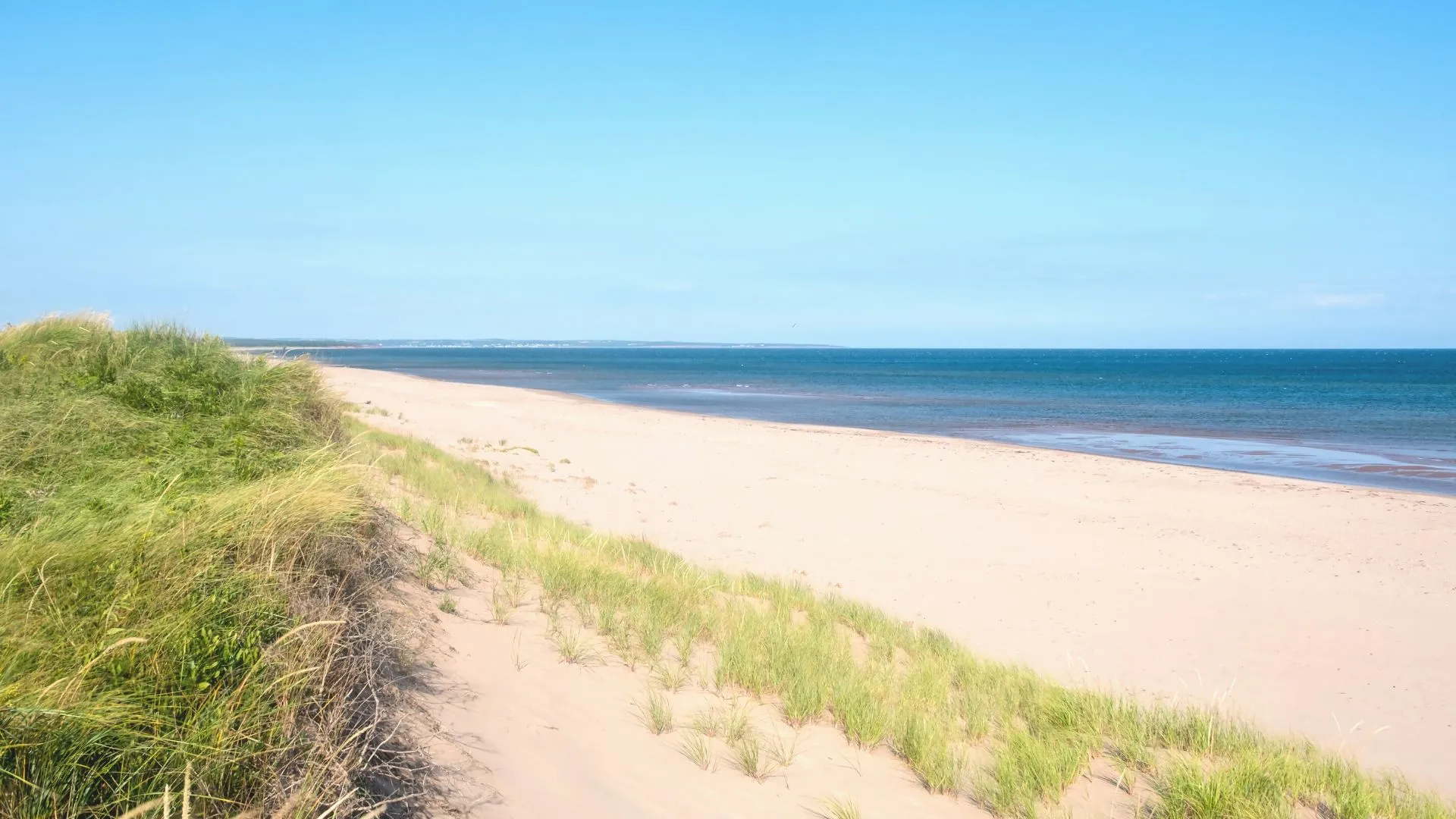
Quick choices by traveler need
For a national-park beach day
Cavendish, Brackley, and Greenwich are strong candidates when you value managed national-park access and current surf information. Each has its own seasonal facilities, routes, and accessibility features, so choose by the exact access point.
Cavendish is the practical fit for travelers already building a Green Gables Shore itinerary, but the beach and nearby attractions remain separate stops. Read the Cavendish Beach guide before combining them.
For camping beside the coast
Panmure Island, Cedar Dunes, and Jacques Cartier pair beaches with provincial campgrounds. Reserve the exact campsite based on utilities and unit fit rather than assuming every site has the same connections.
The Panmure Island guide covers an eastern park with bay and ocean contexts. The Cedar Dunes guide covers a western park beside the separately operated West Point Lighthouse.
For a simple picnic stop
Sally's Beach is a small day-use park with an unsupervised beach, picnic tables, kitchen shelter, and washrooms with change facilities. It is not a campground, marked hiking complex, or dining destination.
Chelton Beach and Argyle Shore offer different south-shore contexts, but current supervision and access details still need a live check. Red sand and warmer-water reputation cannot guarantee conditions on the day.
For an unserviced north-shore walk
Blooming Point and Thunder Cove suit self-sufficient visitors who understand that access can be rough, facilities absent, and swimming unsupervised. Both require extra respect for dunes, private-property boundaries, erosion, and changing water conditions.
Thunder Cove's famous Teacup Rock collapsed in 2022, so old directions and photos are obsolete. Use the current Thunder Cove guide for a coast-focused visit rather than a vanished-landmark hunt.


North shore beaches
Cavendish Beach
Cavendish sits within PEI National Park and works well for travelers who want Parks Canada facilities and summer surf updates. Passes, day-use dates, boardwalk installation, surfguard coverage, and accessibility equipment are seasonal live checks.
Dogs and other domestic animals are prohibited on national-park beaches from April 1 through October 15 each year. A nearby trail or picnic area may have different leashed-pet rules, so follow the boundary signs.


Brackley Beach
Brackley is another national-park option with its own day-use and accessibility information. It is a better candidate than an unserviced access when current washrooms and managed infrastructure are essential, but those facilities still require confirmation.
Apply the same national-park pet dates and dune rules. Do not cross marram grass or create a shortcut when a boardwalk feels longer.


Greenwich Beach
Greenwich combines a national-park beach with a landscape of dunes, wetlands, trails, and boardwalk access. Parking lots, trails, stairs, and boardwalks have seasonal maintenance, so an off-season visit is not equivalent to summer operation.
Keep the name precise: this is the Greenwich section of PEI National Park, not a separate "Greenwich National Park" or a nearby historic village. Choose it for landscape and walking only after checking current route conditions.


Thunder Cove
Thunder Cove is an unserviced beach in Darnley with no verified toilets or lifeguard service. Access sits beside private land, and the coast continually changes through wind, waves, storms, and erosion.
Stay away from cliff bases and overhangs, verify the tide and weather, and turn around before rising water closes the return. Do not follow a legacy route to Teacup Rock because the formation no longer exists.


Blooming Point
Blooming Point is outside the national park near Tracadie and uses an unserviced access reached by a clay road and marked dune path. Road condition, parking, and the final approach can change after weather.
There is no verified lifeguard or facility set, and official local guidance warns about rip currents. Its clothing-optional reputation is not an official designation and cannot override law, signs, habitat protection, or respect for other visitors.


South and eastern shore choices
Panmure Island
Panmure is a provincial park with campground, beach house, washrooms, kitchen shelter, and variable seasonal lifeguard service. It also offers bay and ocean shoreline contexts, which should be judged separately on arrival.
The nearby Panmure Head Lighthouse is an independently operated attraction with steep interior stairs. Park access does not include or guarantee the lighthouse climb.


Sally's Beach
Sally's is an eastern PEI day-use park at Annandale with an unsupervised beach and picnic facilities. Choose it for a short, quiet stop when your group can bring food, water, and beach gear.
The provincial accessibility matrix lists a mobility mat and partially accessible washrooms there. Confirm the mat before travel because a listed feature does not prove continuous access from parking to water.


Basin Head
Basin Head is known for its sand and provincial-park setting, but this guide does not recommend cliff jumping. Water depth, obstacles, rules, currents, and rescue conditions can change, so follow the current park boundaries and safety signs.
Choose it only after checking the current park page, supervision, access, and facilities. A popular reputation is not proof of ideal swimming for every visitor.


King's Castle and Chelton
King's Castle is better treated as a family-oriented provincial park stop than a pure open-coast beach ranking entry. Chelton offers a south-shore park context, red sand, and views toward the Confederation Bridge area.
Neither should inherit another park's lifeguard, dog, playground, or accessibility details. Confirm the exact official listing and date before promising a feature to children or a traveler with mobility needs.


Western PEI beach bases
Cedar Dunes
Cedar Dunes combines a provincial campground, variable seasonal beach supervision, and access to the West Point coast. The accessibility matrix lists a mobility mat and buoyant beach wheelchair, which should be confirmed before travel.
West Point Lighthouse Museum is separate from the park and has a substantial stair climb. Museum, restaurant, inn, campground, and beach operations should never be compressed into one set of hours.


Jacques Cartier
Jacques Cartier Provincial Park is on Route 12 in western PEI beside the Gulf of St Lawrence. It has a campground, playground, restrooms with showers, and a beach with variable seasonal supervision.
Do not confuse it with East Point or promise volleyball courts, equipment rentals, specific food trucks, or wildlife sightings. Those details are not established simply because they appeared in an older guide.


Beach safety without false reassurance
Use Tourism PEI's same-day beach report and then assess the exact shore. A staffed beach can be unsupervised outside lifeguard hours, while an unstaffed beach may have no rescue service at all.
Stay within swimming ability, use a buddy, supervise children actively, and avoid inflatables in offshore wind. When caught in a rip current, float, signal for help, and move parallel to shore before trying to return.
Do not infer water quality from appearance. Follow posted advisories and keep people and pets away from unexplained blooms, discolouration, pollution, or dead wildlife.


Dogs, dunes, and access boundaries
Parks Canada prohibits domestic animals on PEI National Park beaches from April 1 through October 15. Review the current national-park dog rules because trails and picnic areas have different leashed access.
Provincial and many public beaches generally permit leashed dogs, but posted rules at the exact access control. Leash permission does not guarantee that heat, surf, water quality, wildlife, or crowding suits a dog.
Use designated dune paths everywhere. Marram grass is fragile, and a shortcut damages the natural barrier that helps the coast withstand wind and storm surge.


Your five-minute beach decision
- Identify the manager and exact access point.
- Check live opening, facility, supervision, and closure information.
- Match parking, paths, washrooms, mats, chairs, and water entry to the group.
- Read current dog and dune rules.
- Check marine weather, tide context, signs, and visible water conditions.
- Carry supplies appropriate to the facility level.
- Keep a no-swim or alternate-beach plan.
When two beaches seem equally suitable, choose the one with the clearer official status and easier backup plan. A slightly longer drive to verified washrooms, current supervision, or suitable mobility equipment may save far more effort after arrival.
Groups with different priorities can also split the decision into essentials and preferences. Treat safe access, current rules, and necessary facilities as essentials, then use sand color, scenery, and nearby attractions only as tie-breakers.


Final recommendation
Choose a PEI beach by management, coast, facilities, and the weakest swimmer's needs rather than by a universal top-ten claim. A national-park day, campground stay, picnic stop, and unserviced walk are four different products.
When live conditions change, change the plan. PEI still offers an excellent coastal day when swimming, a famous landmark, or one facility is taken off the schedule.

Ellie is the founder of Ellie's Travel Tips, where she shares practical cruise tips, port guides, and step-by-step itineraries to help you plan smarter trips for less. Her checklists and packing guides turn travel daydreams into doable plans.