
Mexico cruise passport rules depend on the route, traveler, and cruise line. A round trip from Los Angeles is not documented the same way as a one-way sailing ending in Mexico.


The safest answer
Carry a valid passport book if you can. It satisfies the broadest set of sea-travel rules and gives you the ability to fly home internationally after an illness, missed ship, or itinerary change.
Some United States citizens may qualify to use alternative documents on a closed-loop cruise from a United States port. That possibility is not a promise that Mexico or your cruise line will accept a birth certificate, passport card, REAL ID, or other document for your exact sailing.
Four details decide the answer
- Your citizenship and residence status
- The embarkation and final disembarkation ports
- Whether you return to the same United States port on the same ship
- The booked cruise line's current document rule for that itinerary
If you are still choosing a route, start with the broader guide to cruises that may not require a passport. Return here to test a Mexico itinerary rather than assuming the general exception applies.




Closed-loop and open-loop Mexico cruises
United States Customs and Border Protection defines a closed-loop cruise as one beginning and ending at the same United States port on the same ship.
Los Angeles to Cabo San Lucas and back to Los Angeles may fit, while Los Angeles to San Diego does not.
Starting and ending in the United States is not enough. A different return port, a ship change, a foreign embarkation, or permanent disembarkation in Mexico can remove the closed-loop document exception.
Common closed-loop pattern
A United States citizen boards in Long Beach, visits Ensenada, remains on the same ship, and returns to Long Beach. CBP may allow accepted proof of citizenship plus government photo identification, but the cruise line can impose a passport requirement.
Common open-loop pattern
A traveler boards in San Diego and ends the cruise in Cabo San Lucas, then flies home. That itinerary needs documents for entering Mexico, ending the voyage there, and international air travel, so a passport book is the practical baseline.



Why official Mexico guidance appears to conflict
The current State Department Mexico guidance says United States citizens entering by air need a passport book and lists several possible documents for entry by sea.
That sea list includes a passport book, passport card, certain trusted-traveler cards, or a state-issued REAL ID.
Mexican government pages do not present one perfectly harmonized public answer. One embassy page tells United States citizens to present a valid passport by any transportation mode, while Mexican consular guidance describes collective permission for cruise visitors who arrive and leave on the same ship.
I would not resolve that conflict by declaring REAL ID or a birth certificate universally sufficient. Use the live document checker from your booked cruise line, ask for written clarification when necessary, and carry a passport book for the least fragile plan.






Do cruise passengers need an FMM?
The Forma Migratoria Múltiple question is often answered too broadly online. A leisure passenger making a port visit and reboarding the same ship may be processed through the vessel's collective immigration permission rather than completing the same individual arrival process used for a land stay.
Mexican consular guidance for cruise visitors says foreign leisure passengers visiting a maritime port and reboarding the same ship do not need a Mexican visa or consular stamp for that port visit. This does not mean they need no identity document, and it does not settle every FMM or successor-process question for every route.
Do not use the same answer when you leave the cruise
If you fly into Mexico to join the ship, end the cruise in Mexico, travel overland, take a ferry independently, remain after the ship departs, or arrive by private vessel, the same-ship port-visit treatment may not apply. Follow the arrival process for that mode and confirm whether an individual immigration record or fee is required.
The useful rule
Do not buy an unofficial FMM service or complete a form merely because a generic travel article says every Mexico visitor needs one. Follow the written instructions from the cruise line and Mexican authority for your route, and keep any document the ship gives you.

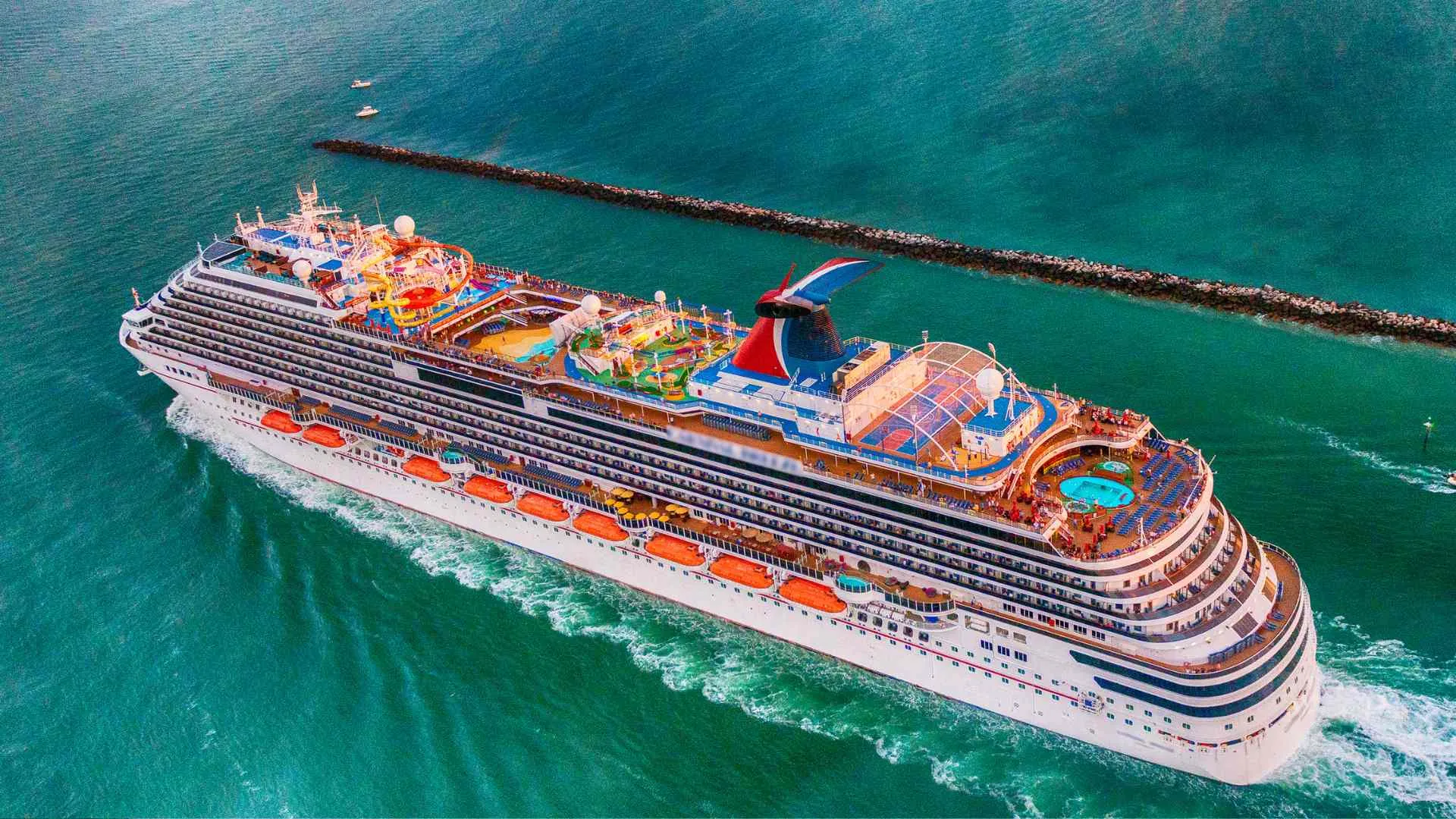






Passport book, card, REAL ID, or birth certificate?
Passport book
This is the strongest choice because it works for international flights and ordinary sea entry. Check expiration, blank pages, damage, and the cruise line's validity rule before booking.
Passport card
The card may be usable for certain permitted land or sea journeys and United States re-entry, but Mexico's conflicting public guidance and the operator's rules still require confirmation. It cannot be used for international air travel, so it leaves the same emergency-flight gap as other sea-only alternatives.
REAL ID
A REAL ID is not a passport. Although the State Department's current Mexico sea-entry list mentions it, you should not assume the cruise line accepts it as the only proof of citizenship or that it can support a flight home.
Birth certificate and photo ID
CBP may accept an approved combination from a United States citizen on a qualifying closed-loop voyage. The cruise line must separately accept the certificate format and itinerary, and Mexico's conflicting public guidance makes written operator confirmation especially important.




Passport validity is another two-layer rule
Mexican embassy guidance says a passport should be valid on arrival and throughout the planned stay, rather than applying a universal six-month country minimum. A cruise line may still require six months beyond the voyage, and the stricter applicable requirement controls boarding.
Do not rely on the sentence "Mexico only requires validity during the trip" without checking the operator. Renew early if your passport is damaged, nearly expired, lacks required blank pages, or does not meet a later port's rule.





Children, consent, and name mismatches
United States citizen children under 16 have a separate CBP document rule on qualifying closed-loop cruises, but a line can set its own certificate and consent requirements. Older teens, noncitizen children, one-way travelers, and children flying to or from Mexico need a separate review.
Carry proof of the adult's relationship to the child and check for a notarized consent requirement when a parent or legal guardian is absent. Different surnames, sole custody, adoption, guardianship, and dual citizenship can each add documents.
The reservation name should match the boarding identification exactly. If the names differ, obtain the official marriage certificate, court order, adoption record, naturalization record, or other linking evidence specified by the booked line.
For family-focused itinerary ideas after the paperwork is settled, see the guide to the best cruises for kids. Document eligibility should be checked before making a nonrefundable booking for the group.


Permanent residents and other nationalities
A United States green card does not turn its holder into a United States citizen for Mexico's visa rules. Permanent residents should carry the physical Permanent Resident Card, a valid passport from the country of citizenship, and any visa or travel permit required for the itinerary.
Noncitizens should verify permission to re-enter their country of residence as well as permission to visit Mexico and every other port. A same-ship Mexico cruise visit may receive a visa accommodation, but it does not erase passport, residency, or later-port requirements.
Do not assume staying onboard solves a missing visa. Cruise guidance recommends obtaining every visa required for the scheduled ports, whether or not you plan to walk ashore.

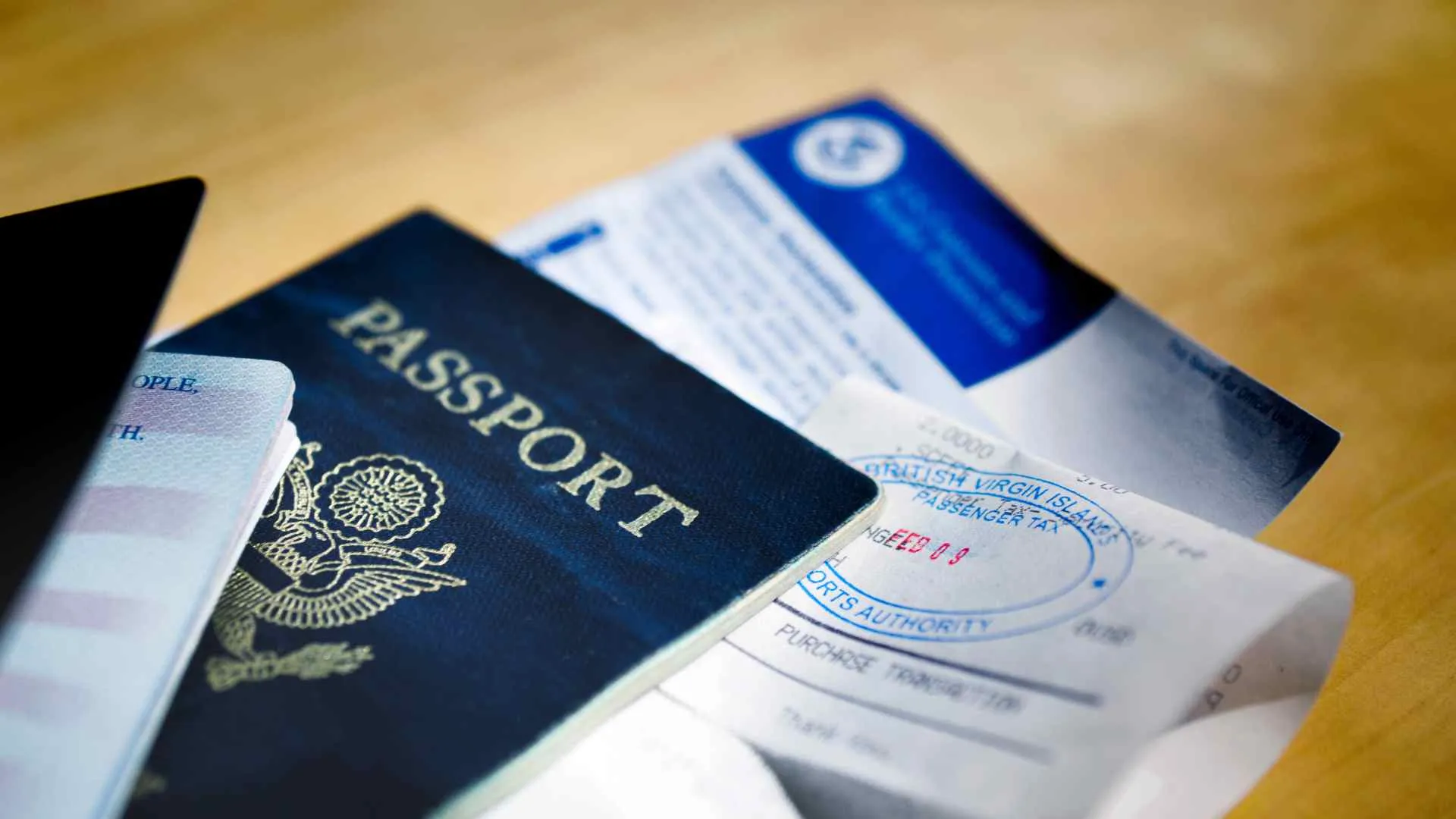




Check the whole route, not just Mexico
A Panama Canal, Pacific repositioning, or longer Caribbean cruise can add countries with different passport-validity and visa rules. The most restrictive port or cruise-line requirement can determine what you need for the entire voyage.
If the sailing also visits The Bahamas, use the separate Bahamas cruise passport guide. Do not copy the Mexico conclusion to another country simply because both calls occur on one closed-loop cruise.


The two-check verification method
Check one: government rules
Confirm United States departure and re-entry rules, Mexico's rules for your arrival mode and nationality, and every other country's visa requirements. Record the pages and date checked so you can identify a later change.
Check two: cruise line rules
Enter the exact booking into the cruise line's travel-document checker, then compare the result with the government minimum. When the operator requires more, its stricter standard controls whether you board its ship.
- Confirm citizenship, residence status, and age for every guest.
- Confirm the same ship and same United States return port.
- Check passport expiration, damage, and blank pages.
- Resolve reservation-name differences before departure.
- Gather minor consent or custody records.
- Verify visas even if a traveler plans to stay onboard.
- Carry originals in hand luggage rather than checked bags.
- Recheck shortly before sailing.
Add the document folder to your cruise packing checklist, but keep it with you at the terminal. A copy may help replacement efforts, yet it is not a substitute for the physical document required to board.





Final answer
A passport book is the most reliable document for a Mexico cruise. A United States citizen on a qualifying closed-loop sailing may have alternatives, but current official guidance is not uniform enough to treat a birth certificate, passport card, or REAL ID as universally sufficient.
Verify your nationality, residence status, route, ship, cruise line, and every port before final payment and again before departure. When official sources conflict, do not guess which minimum will be accepted at the terminal.

Ellie is the founder of Ellie's Travel Tips, where she shares practical cruise tips, port guides, and step-by-step itineraries to help you plan smarter trips for less. Her checklists and packing guides turn travel daydreams into doable plans.