
June brings Alaska’s longest daylight, but not one statewide version of summer. Cool maritime ports, warmer Interior afternoons, mountain cold, rain, wind, and changing local conditions all require a route-specific plan.

June Climate Is Not Your June Forecast
The NOAA 1991–2020 climate normals describe typical conditions at specific stations. They help with early planning but cannot tell you whether rain, fog, wind, or a warm spell will affect your departure.
A useful June plan names the destinations and travel mode. An Inside Passage cruise, Denali land tour, Fairbanks stay, Arctic flight, and high-elevation hike should never share one temperature or packing promise.
June also covers an early-summer transition. Conditions in the first week can differ from the end of the month, especially where snowmelt, trail access, insects, and river levels matter.
Southeast Alaska in June
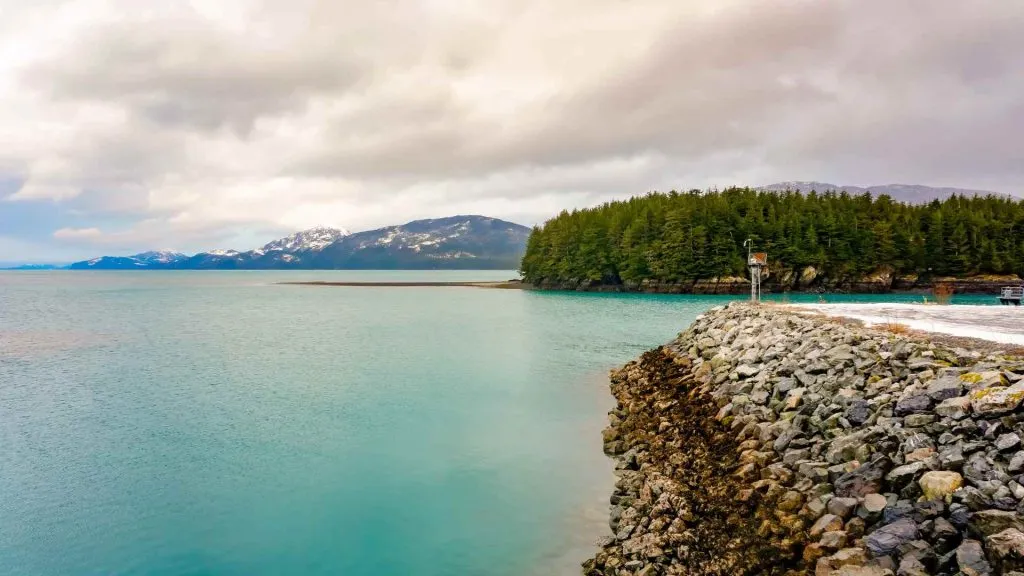
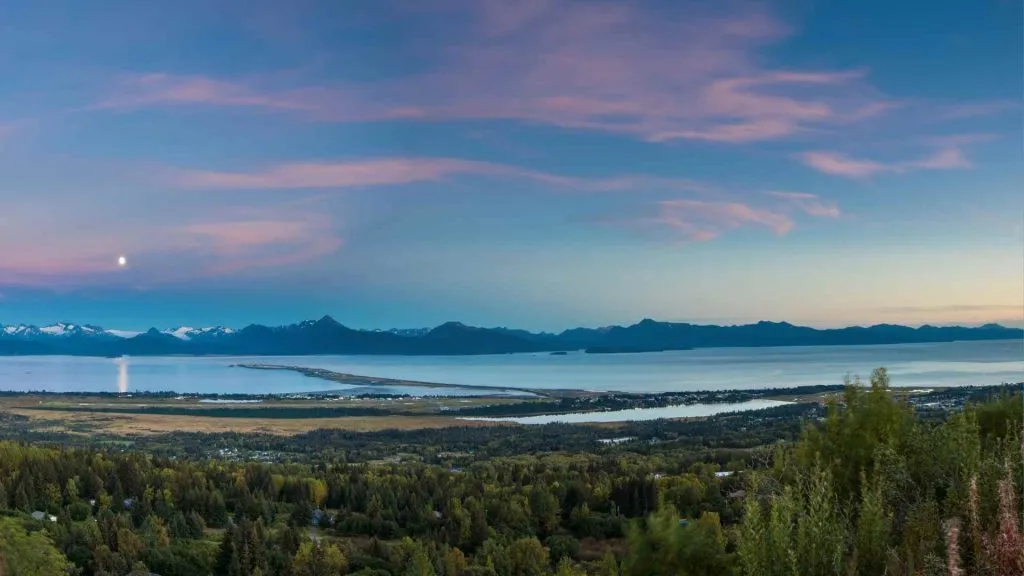
Juneau, Ketchikan, Sitka, and Glacier Bay have a maritime climate shaped by the ocean. Summers near sea level are generally cool and moist, and local mountains can concentrate cloud and precipitation.

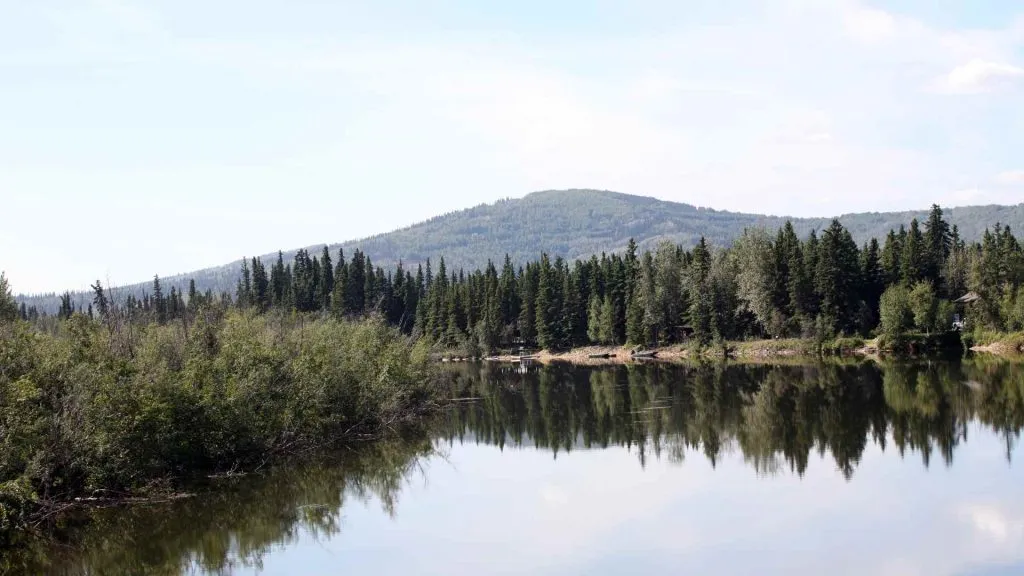
Glacier Bay climatology identifies April, May, and June as its usually drier months, but “drier” is relative. It does not mean a dry cruise, clear glacier day, or rain-free excursion.
Pack waterproof protection even when the seasonal pattern looks favorable. A light shower may be easy to manage, while low ceilings can eliminate flightseeing views and strong wind can change small-boat operations.
Why the deck feels colder
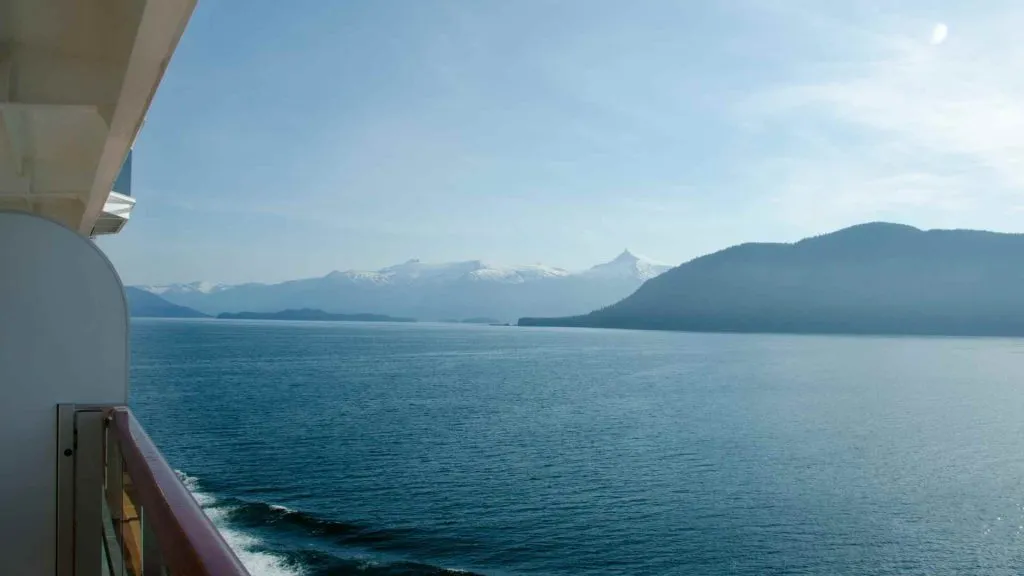
The port temperature is measured for land conditions, not prolonged exposure on a moving ship. Wind, shade, damp air, and glacier-cooled surroundings can make a viewing session feel much colder.
Carry an insulating layer onto scenic-cruising decks rather than returning to the cabin after the ship reaches the most interesting area. A hat and light gloves add comfort without consuming much luggage space.
Southcentral and Interior Alaska
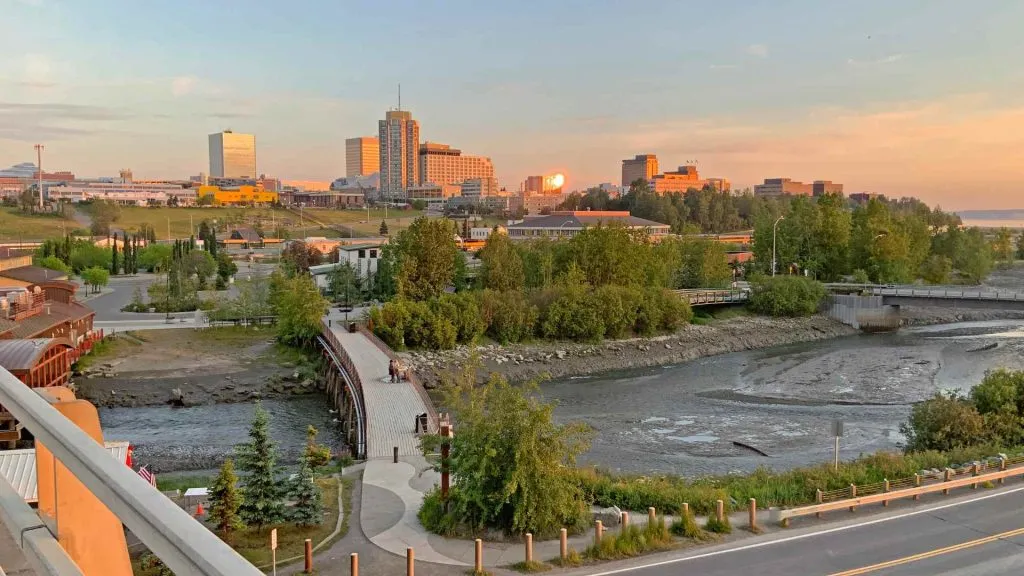
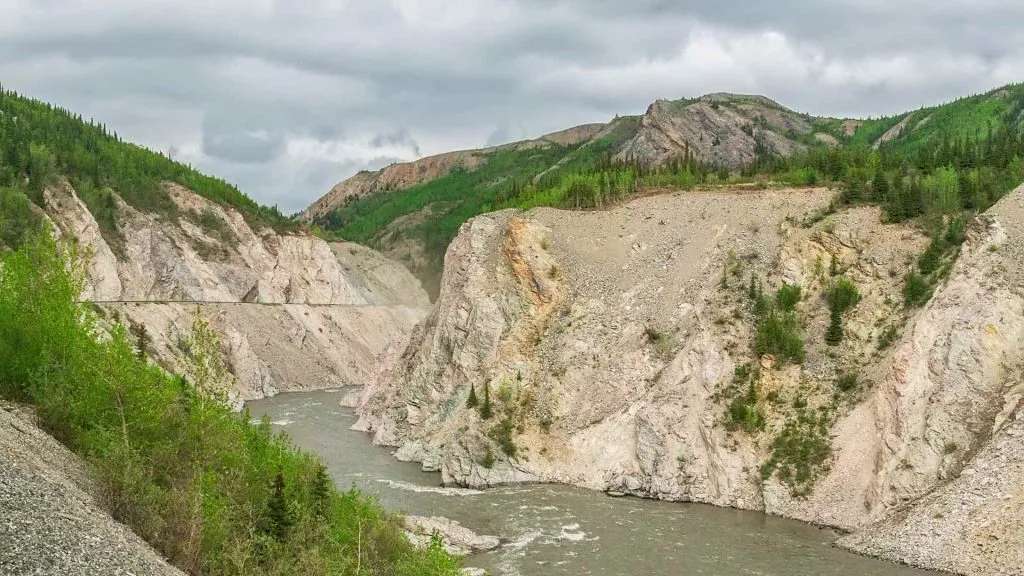
Anchorage has coastal influence, while Denali and Fairbanks move into a more continental climate. Interior Alaska can deliver warm June afternoons alongside cool nights and occasional thunderstorms.

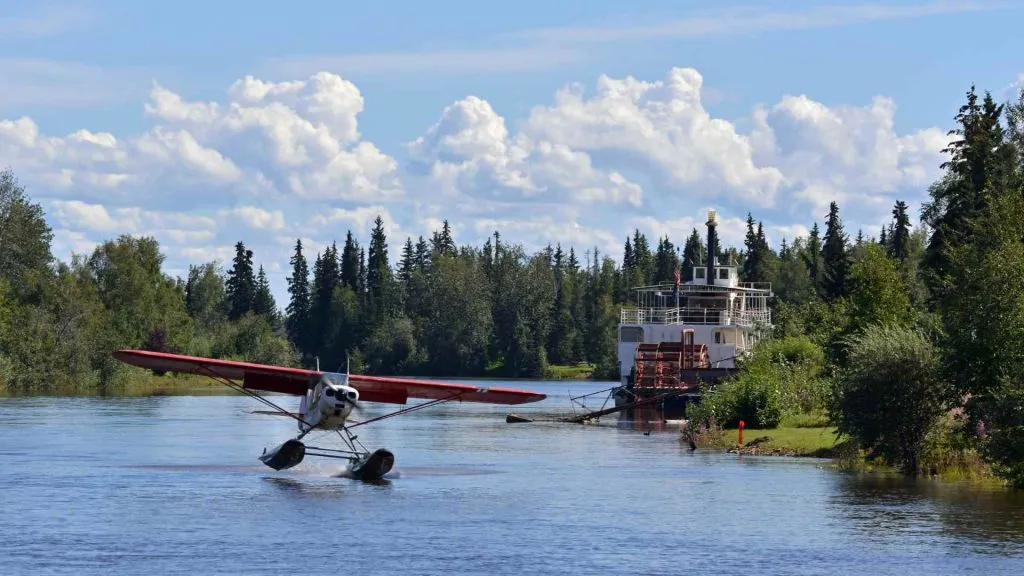
Do not use Fairbanks warmth to pack for Juneau, and do not use a Southeast rain forecast to cancel an Interior activity. Check each stop independently and account for elevation on ridge, glacier, or flightseeing excursions.
Wildfire smoke is possible during the broader warm season, but June is not predictably smoky. Current fire activity and wind determine exposure, so consult Alaska air-quality notices close to an Interior segment.
June Daylight by Latitude
Daylight peaks around the summer solstice, yet Alaska’s enormous latitude range creates different experiences. Alaska summer daylight guidance places Inside Passage ports near 18 hours, Anchorage and Denali higher, and Fairbanks close to continuous light around the solstice.
Those are planning estimates rather than an exact answer for every date. A traveler who needs precision should use the actual city, date, and local sunrise information.
Extended light makes evening walks and photography possible, but it does not guarantee that tours, museums, restaurants, or park facilities extend their hours. Confirm operating times before creating a late-night plan.

Protect sleep from bright nights
An eye mask is one of the most effective June packing items. Close blackout curtains early and maintain a bedtime before dawn excursions, even when the sky still looks like afternoon.
June and July are too bright for useful aurora viewing in Denali. Do not treat aurora activity forecasts as a reason to stay awake when there is not enough darkness to see the display.
Rain, Wind, and Marine Forecasts
A single weather app may show rain probability but omit the marine conditions that matter to a boat excursion. The National Weather Service Alaska service provides public forecasts, marine forecasts, and observations for named regions and channels.
Check land conditions for walking and road plans, then check the actual marine zone for fishing, kayaking, whale watching, or scenic cruising. A calm dock does not prove calm water farther from shelter.

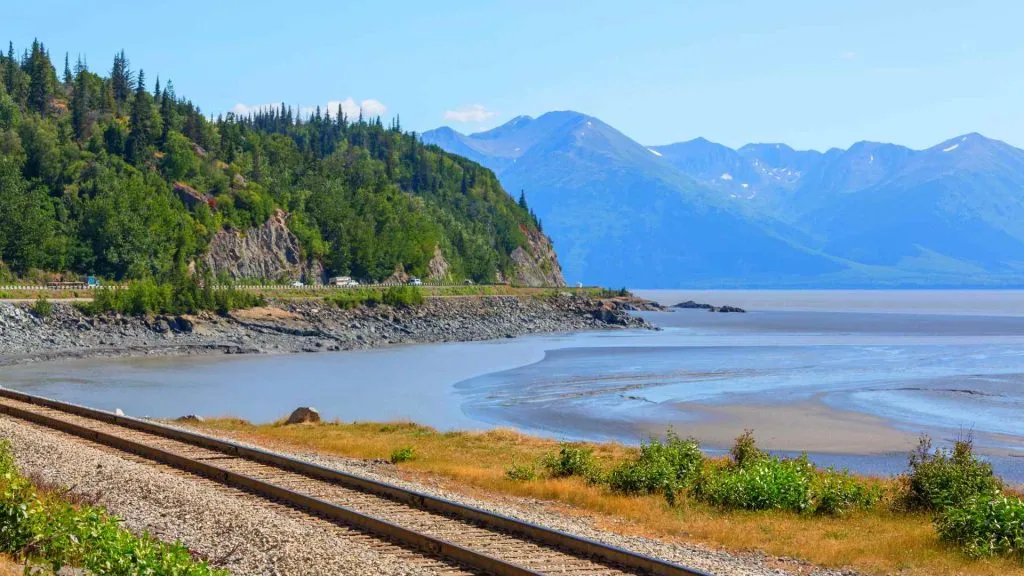
Tour operators may change route, duration, landing point, or departure time when conditions shift. Their operational call should outweigh a forecast screenshot saved the previous evening.
What to Pack for Alaska in June
Moisture-managing base layers
Bring lightweight wool or synthetic tops that work alone during a warm land segment. They dry faster than cotton and combine easily with insulation when temperatures drop.
One or two insulating choices
A fleece and compact puffy provide useful flexibility without requiring a separate coat for every region. The puffy needs protection from steady rain unless it is designed as a waterproof outer layer.
A waterproof and wind-resistant shell
The shell should fit over insulation and include a secure hood. It is more useful than an umbrella on exposed decks, docks, and windy trails.

Footwear based on terrain
Comfortable traction shoes suit paved ports and many bus or rail tours. Waterproof hikers are worthwhile when an excursion includes mud, rough trails, wet vegetation, or prolonged outdoor time.
Sun, insects, and cold accessories
Pack sunscreen, sunglasses, a brimmed hat, insect repellent, light gloves, and a warm cap. Long daylight increases sun exposure even when the air feels cool.
A small backpack should hold the shell, insulation, water, essential medication, and a dry bag or pouch for electronics. Keep the system light enough that you will actually carry it.
June Activity Decisions
Sort activities by their most important condition. Flightseeing needs visibility, small boats need acceptable marine weather, hiking needs suitable trail conditions, and cultural stops can often handle rain.

Reserve highly limited activities early, but understand the operator’s weather policy. Keep one flexible option in each destination so a cancellation becomes a schedule change instead of a lost day.
The Alaska cruise excursion guide can help compare options by exposure and travel style. A covered boat, paved town tour, and alpine hike carry different weather tradeoffs.
Glaciers and Ice Are Itinerary Questions
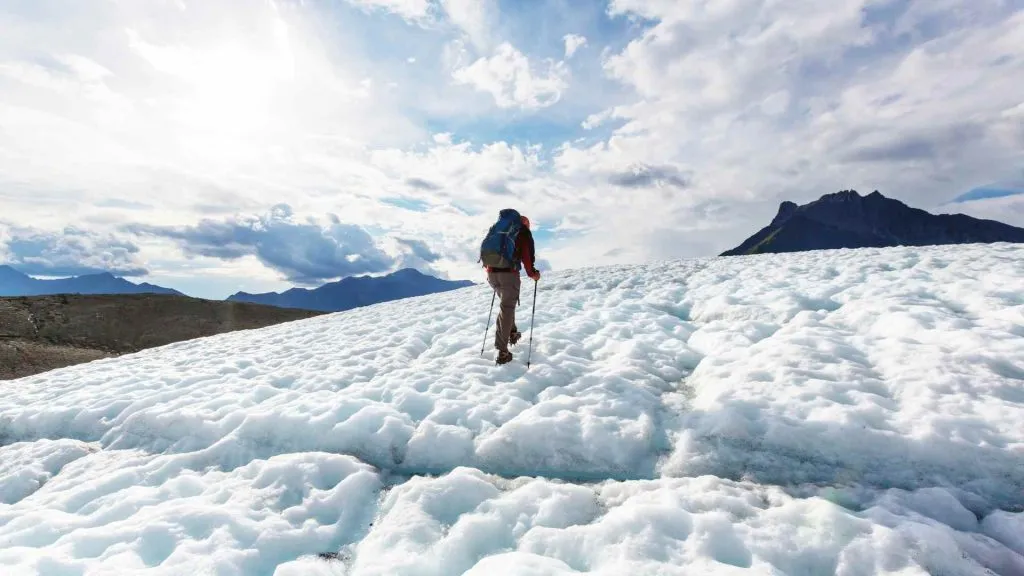
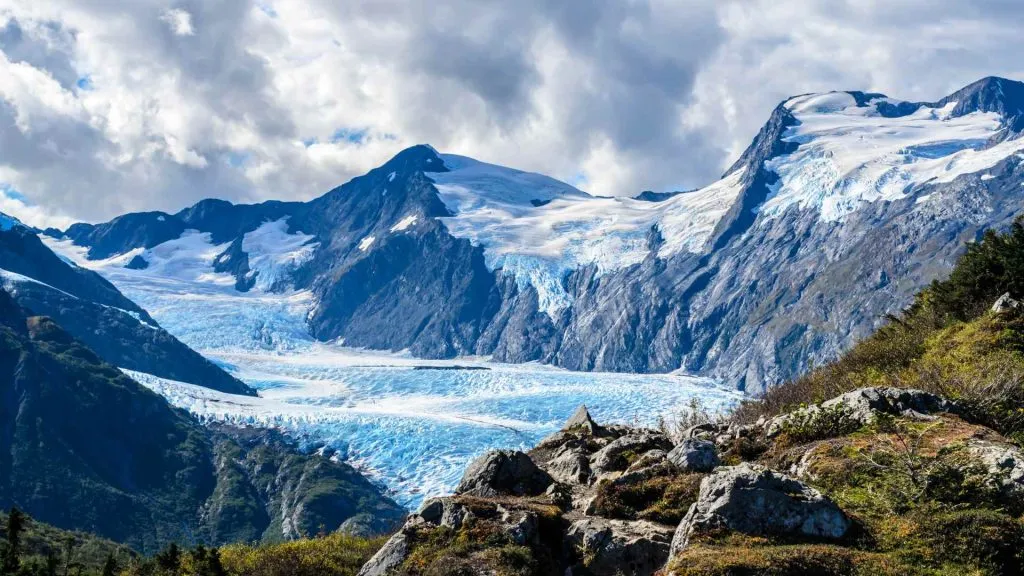
June does not guarantee a Glacier Bay visit, glacier calving, icebergs, or a particular vessel approach. Not every Alaska cruise enters Glacier Bay, and protected areas can have seasonal access restrictions.
Read the exact itinerary rather than relying on a generic “Alaska cruise” label. Verify scenic-cruising timing onboard because glacier days often begin early and schedules can change.
Weather, environmental conditions, and safety needs may alter a port or excursion at short notice. Avoid booking an independent arrangement that cannot tolerate the ship’s schedule changing.

Wildlife Without Calendar Guarantees
June creates many wildlife-viewing opportunities, but wild animals do not follow a guaranteed tourism schedule. Food availability, migration timing, tide, weather, disturbance, and luck shape each outing.
Choose habitat and a reputable guide, spend more time observing, and bring binoculars. Do not approach wildlife, feed animals, or interpret one advertised species as a promise.
A canceled wildlife boat can sometimes be replaced by shore observation or another day’s activity. It cannot always be recreated in the next port because habitats and species differ.
A Useful June Forecast Timeline
Months ahead, use climate to choose the region and understand tradeoffs. Record every overnight stop, port, scenic-cruising area, elevation-heavy excursion, and marine outing.
One week out, check each locality separately and add air quality, park alerts, trail reports, and marine zones where relevant. Resist packing for the single warmest or wettest icon.

The evening before, follow current observations and operator messages. Rebuild the day bag and decide whether visibility-dependent plans need a backup.
On the morning, trust local safety guidance and the operator’s decision. June conditions can improve rapidly, but they can also deteriorate beyond what a prior forecast suggested.
June Compared With May and July
The May Alaska weather guide covers a more pronounced shoulder-season transition, when early and late month differences and lingering inland snow or ice deserve extra attention.
The July weather guide emphasizes peak-summer warmth potential, especially in the Interior. Coastal coolness and rain readiness remain important in both months.
Use the Alaska cruise guide to select the route before using weather to refine packing. A June Inside Passage sailing and June cruisetour solve different problems.

June Weather Questions
Is June dry?
Some Southeast localities are climatologically drier in late spring and early summer, but rain remains possible. Bring a waterproof shell and use the forecast for the actual day.
Will June be warm?
The Interior can be warm, while coastal ports, high elevations, and glacier decks remain cool. Pack a light base, removable insulation, and weatherproof protection.
Can I see the northern lights?
Do not plan on aurora viewing in Denali during June because the sky is too bright. Long daylight is the genuine seasonal benefit.
Will every excursion run?
No. Visibility, wind, water, trail conditions, and safety decisions can change operations, so retain one flexible alternative.


June Weather Verdict
Leave a little empty space in the day bag so a removed fleece or puffy does not become awkward to carry during a warmer afternoon.
June offers extraordinary daylight and broad summer possibilities without guaranteeing warmth, dryness, wildlife, or glacier access. Regional climate differences matter more than a statewide average.
Plan by locality, check public and marine forecasts near travel, and pack layers that work from an Interior afternoon to a cold viewing deck. Flexibility is the most valuable June weather tool.

Ellie is the founder of Ellie's Travel Tips, where she shares practical cruise tips, port guides, and step-by-step itineraries to help you plan smarter trips for less. Her checklists and packing guides turn travel daydreams into doable plans.