Barcelona to the Cruise Port: Terminals, Taxis, Shuttles, and Airport Transfers
Barcelona makes a fabulous cruise gateway, but the port is not one single pin. Your best transfer depends on whether the booking says Moll Adossat or World Trade Center, how much luggage you have, and whether you are arriving from the airport or a city hotel.
First, Find Your Exact Barcelona Cruise Terminal
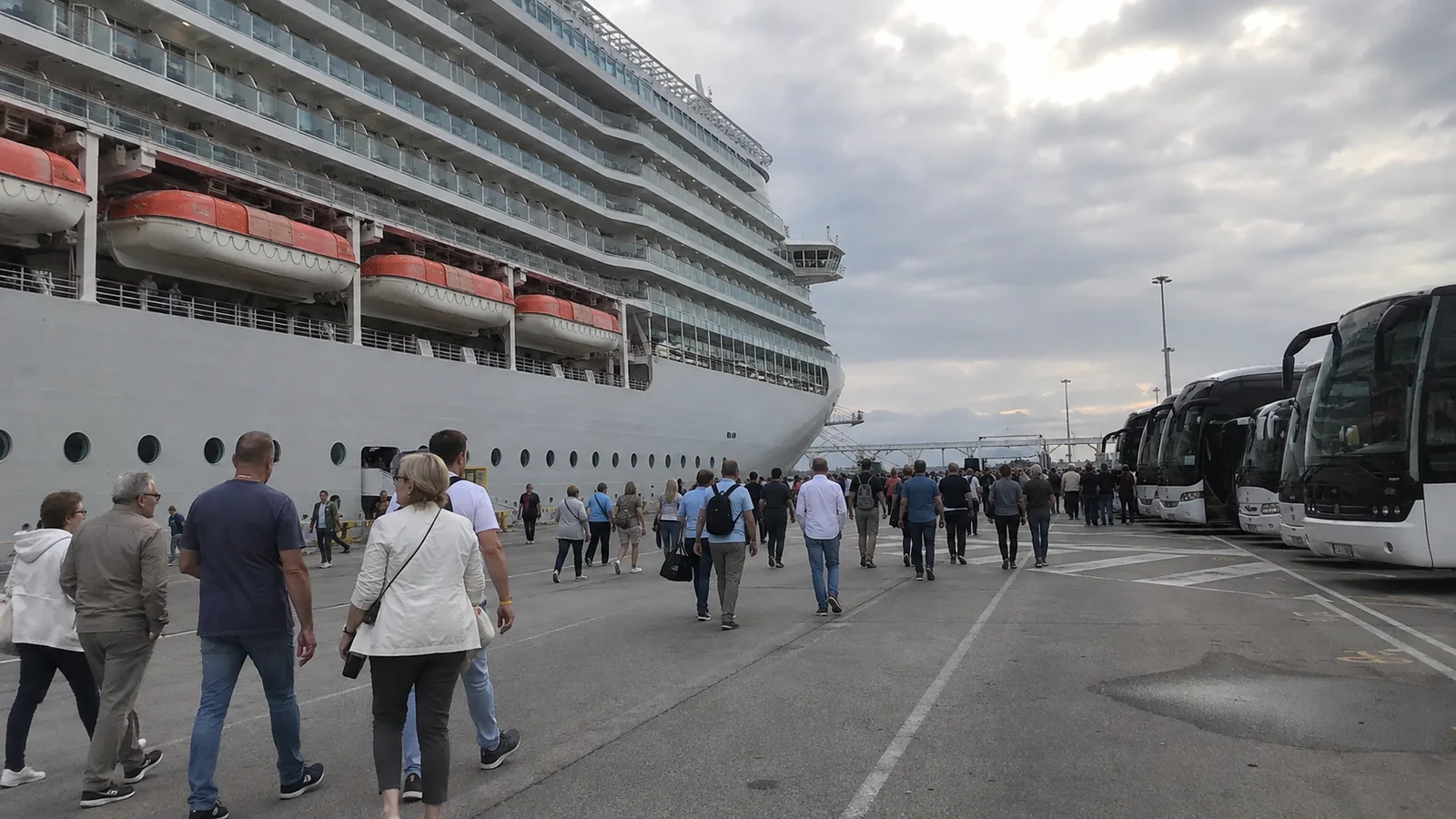
The current Port of Barcelona terminal list includes A, B, C, D-Palacruceros, E-Helix, MSC, and WTCB. The letter or terminal name on your cruise documents is far more useful than a generic map search for “Barcelona cruise port.”
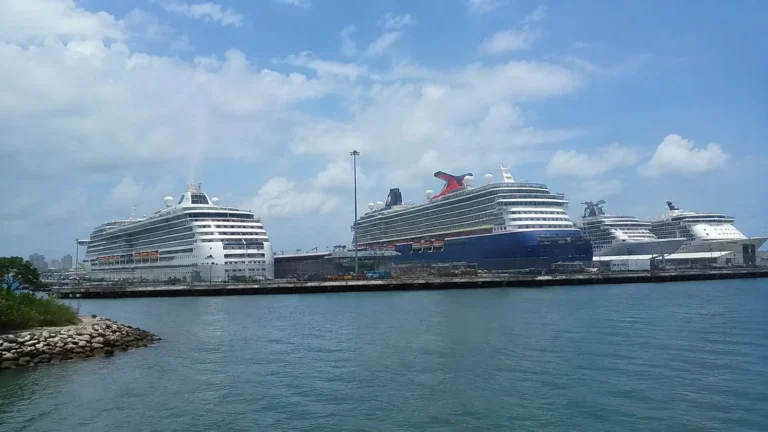
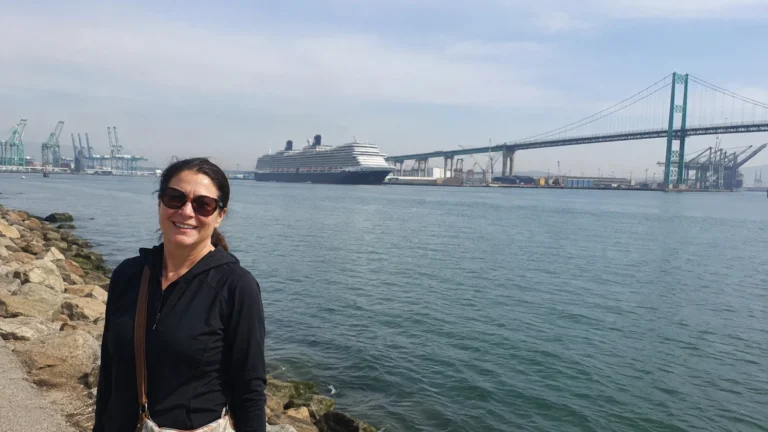
Most large ships use the Moll Adossat group, separated from the city by the harbor approach and bridge. The World Trade Center Barcelona terminal, abbreviated WTCB, sits on the Barcelona quay much closer to La Rambla and the old city.
- Moll Adossat: Plan on a taxi, prearranged vehicle, cruise transfer, or T-3 Portbus for the final leg.
- World Trade Center Barcelona: Walking can be reasonable from the lower end of La Rambla with light luggage, but a taxi is still easier with bags.
- Unknown terminal: Confirm in the cruise app or final documents before entering a destination in your phone.
Do not choose a transfer based only on the cruise line because operators can use different berths on different dates. A ship name, sailing date, and terminal letter are the combination that gets you to the right door.
Moll Adossat Is Not a Practical Luggage Walk
A map can make Moll Adossat look close to the Columbus Monument, especially when the ship is visible across the water. The route is an exposed working-port approach, and the final terminal may be farther along the pier than it appears.
Skip the walk if you have rolling luggage, children, limited mobility, summer heat, rain, or an embarkation deadline. Saving a few euros is not a victory if you arrive sweaty, late, or on the wrong side of a controlled access point.
Taxis and private vehicles may drop passengers and luggage at cruise terminals, while curbside parking is not allowed. Have the terminal name ready in writing so the driver does not need to guess which ship or building you mean.
World Trade Center Barcelona Is the Walkable Exception
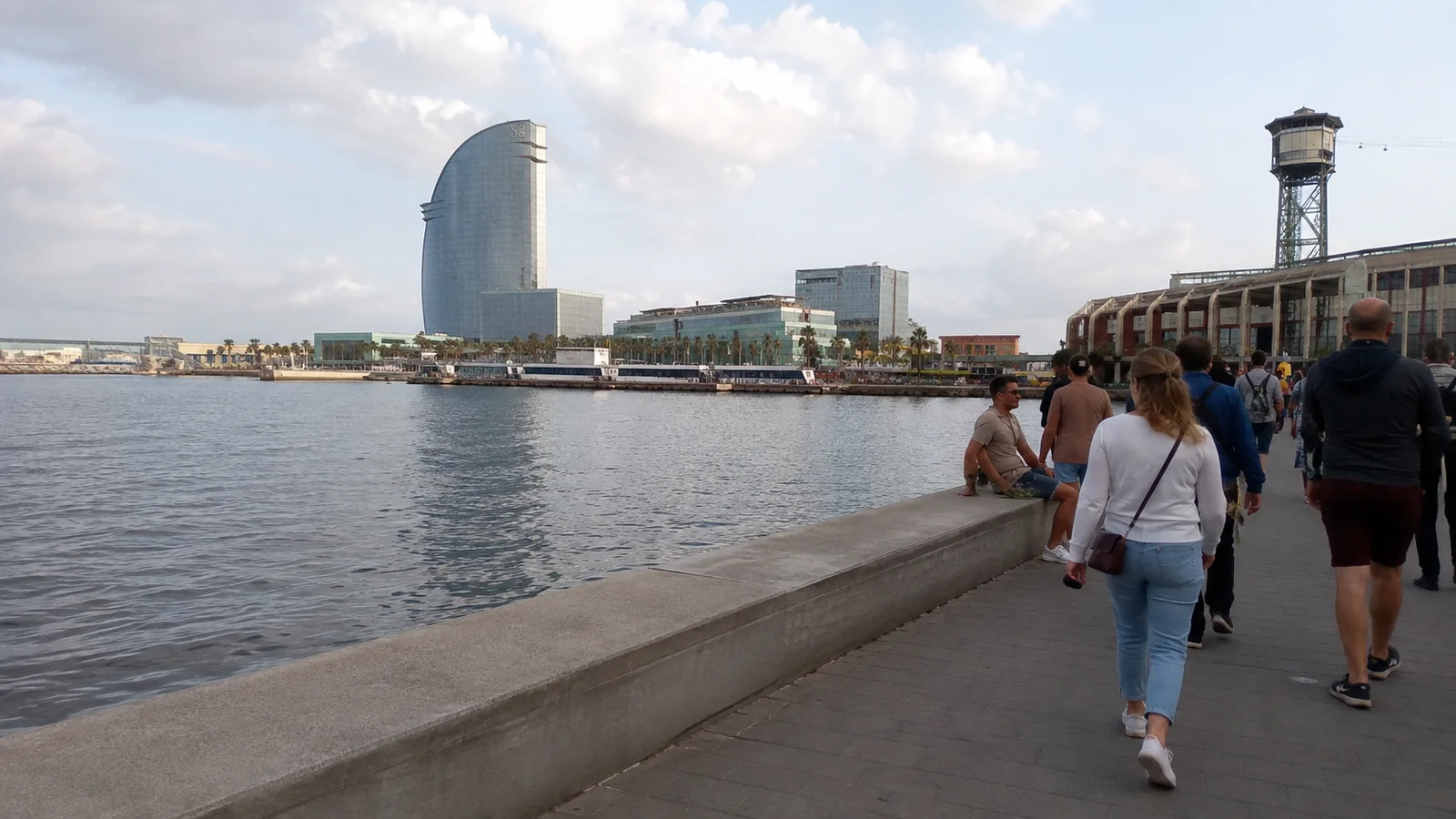
The Port of Barcelona places WTCB about 1,300 feet from the city, beside the lower end of La Rambla and Port Vell. That makes it the rare Barcelona cruise terminal where walking from a nearby hotel can be sensible.
“Walkable” still depends on your suitcase wheels, the weather, and the exact hotel. Cobblestones, curb cuts, crowds, and a heavy bag can turn a short map distance into an unpleasant start.
World Trade Center is not shorthand for every Barcelona berth. If your documents show Terminal A through E or MSC, do not walk to WTCB and expect a ship shuttle to solve the mistake.
The T-3 Portbus Shuttle
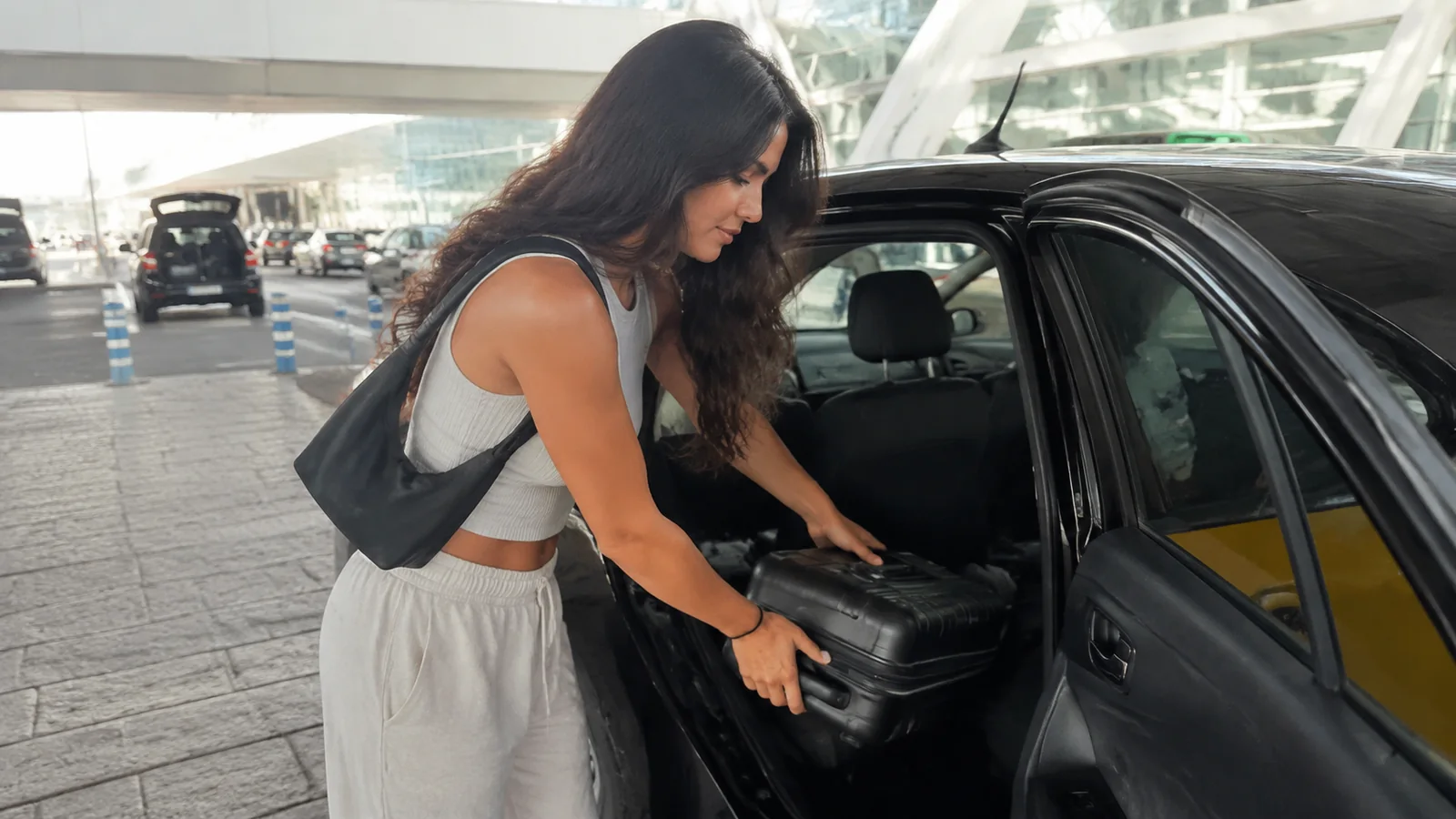
The T-3 Portbus links the Adossat terminals with the Barcelona quay near the city end of the port. According to the port’s official transport page, the fare checked in September 2026 is €3 one way or €4.50 round trip.
This shuttle is useful for a port-call passenger heading into the city and for a budget-conscious embarkation traveler with manageable luggage. It is not a door-to-door airport bus, and it does not continue to your hotel.
Service follows ship activity rather than functioning like a round-the-clock city route. Check the stop sign, operating hours, payment method, and return pickup that day instead of building the plan around an old online timetable.
At busy disembarkation times, a bus may fill before you board. If you have a fixed train or flight, a taxi protects the schedule better than waiting through an uncertain queue.
Can You Take the Metro to the Cruise Port?
No metro train runs to the Moll Adossat cruise terminals. Drassanes on Line 3 is near the lower end of La Rambla and the city-side Portbus area, but it is not a station at your ship.
A metro journey to Moll Adossat therefore ends with a walk and shuttle or a taxi. That can work for a solo traveler with one small bag, but it is rarely the easiest choice for a family moving several suitcases.
For WTCB, Drassanes may be a useful city connection because the terminal is nearby. Even there, check the walking route rather than expecting a station exit to place you at cruise check-in.
Barcelona’s metro is excellent for sightseeing after dropping bags. It is less charming when stairs, crowded cars, and suitcase supervision become the first event of the vacation.
Barcelona Airport to the Cruise Port
Josep Tarradellas Barcelona-El Prat Airport uses the code BCN and has Terminals 1 and 2. Before choosing any bus, train, or pickup point, check which airport terminal your airline uses.
There is no single public train or metro ride from the airport directly to a cruise terminal. Every public transit option requires at least one transfer plus a taxi, walk, or Portbus for Moll Adossat.
Taxi: Best for Most Embarkation Travelers
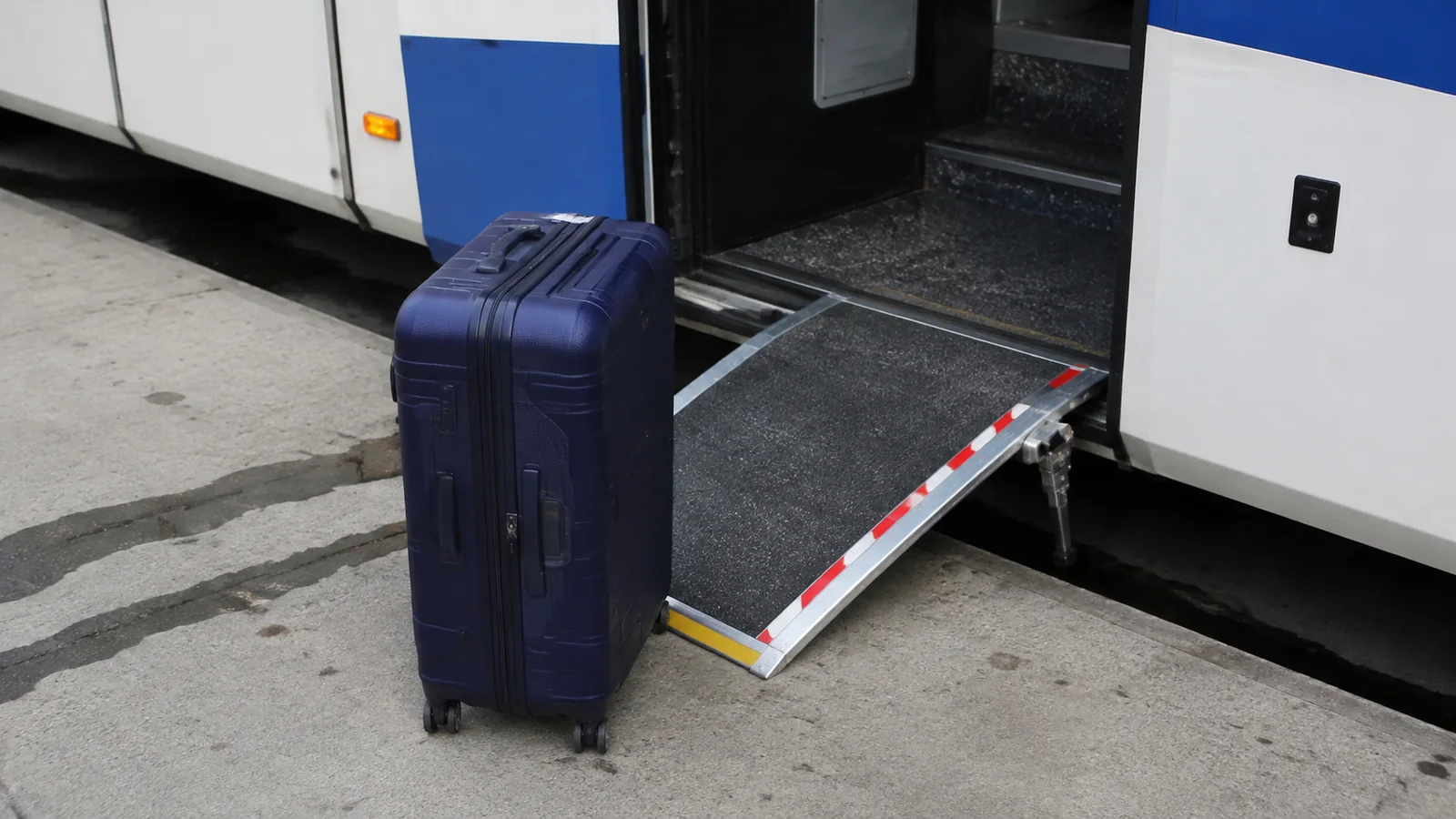
A licensed taxi is the cleanest choice when you land with cruise luggage. Under ordinary traffic, the ride often takes roughly 25 to 40 minutes, but congestion, construction, and terminal queues can stretch it.
Barcelona taxis use regulated fares and may include applicable airport, port, luggage, or larger-vehicle rules. Check the current Barcelona Metropolitan Taxi information rather than trusting a fare quoted in an old forum post.
Show the driver the full terminal name, not just the ship. If the cruise line has not assigned a terminal yet, pull up the latest document before joining the taxi line.
A party of three or four may find the taxi cost competitive once separate transit tickets and the final port connection are counted. Confirm that passengers and bags fit before leaving the airport rank, especially if several large suitcases are involved.
Aerobús: Useful for a City Stay, Not Direct to the Ship
Aerobús A1 links Terminal 1 with central Barcelona, while A2 serves Terminal 2. The official Aena airport transport page identifies Plaça Catalunya as the city endpoint.
This is a good choice when your hotel is near an Aerobús stop and you are staying before the cruise. On embarkation morning, take a taxi from the hotel or continue to the Portbus only if the luggage is genuinely easy to handle.
Aerobús is not a cruise-port shuttle. A traveler who boards expecting a direct ride to Moll Adossat will still be several steps from ship check-in.
Airport Metro: Best for Light Luggage and Time
Metro Line 9 connects the airport with Barcelona’s network, but it does not run to the waterfront cruise terminals. Reaching Drassanes requires transfers, then Moll Adossat requires the final Portbus or taxi leg.
This can be the lowest-stress choice for neither a jet-lagged family nor someone guarding formalwear in a large case. It fits a light-packing traveler who understands the network and is not racing a boarding cutoff.
Airport Train: Another Connection, Not a Port Train
Commuter rail can be useful for a hotel near a central station, but it does not deliver passengers to the cruise pier. Airport rail access can also depend on the terminal and current construction, so confirm the live Aena and Rodalies information before travel.
Count the full chain, including terminal movement, waiting, transfers, and the final ride to the ship. Comparing only the time the train is moving hides most of the effort.
From a Barcelona Hotel to the Ship
For a hotel near Plaça Catalunya, Eixample, Sagrada Família, or farther uptown, a taxi is normally the practical answer. Leave extra time during the morning rush and on days with several ships turning around.
From a hotel near the lower end of La Rambla, WTCB may be walkable and Moll Adossat may be a short taxi or a walk-to-shuttle combination. The terminal distinction still decides the route.
Ask the hotel to call a larger taxi if the group has more bags than a standard car can hold. Splitting into two vehicles is better than discovering at the curb that one suitcase has no place to go.
Plan at least one night in Barcelona before sailing if an international flight is involved. The neighborhood sequence in this Barcelona five-day itinerary also works for choosing a pre-cruise hotel area, even if you have only one or two days.
Arriving by Train at Barcelona Sants
Barcelona Sants is the main station for many intercity and high-speed trains, but it is not next to the cruise port. A taxi from the station is usually the best luggage solution.
Metro can reduce the fare for a light-packing traveler, though the final port leg remains. Protect time for the walk through a large station and for finding the correct taxi or transit exit.
Disembarkation Morning to BCN Airport
A taxi line normally forms outside the terminal, and the first wave can be busy. Self-assist guests may leave earlier, but carrying every bag independently is part of that bargain.
Do not book a flight based on a perfect 25-minute drive. The ship must be cleared, you must get off, reclaim luggage if applicable, reach a vehicle, travel to the correct airport terminal, and clear airline formalities.
A flight around noon or later is more forgiving than an early-morning departure, but there is no universally safe time. Follow the cruise line’s minimum recommendation, then add margin for traffic, mobility, checked bags, and international processing.
If the flight is late afternoon, arrange luggage storage through a reputable staffed service rather than dragging suitcases through attractions. Confirm opening hours, reservation requirements, identification rules, and pickup time before leaving the terminal.
Accessibility and Family Logistics
Request an adapted taxi in advance if a wheelchair user needs a ramp or lift. A standard sedan with a large trunk does not automatically meet mobility needs.
The Portbus may work for some travelers, but boarding height, crowding, luggage handling, and the distance at either end still matter. Ask the port or cruise line about assistance at the assigned terminal rather than assuming every building has the same route.
Families should put one adult in charge of documents and another in charge of head count and bags. Barcelona’s transport is manageable, but embarkation is a poor moment to scatter passports across three backpacks.

How Early Should You Leave?
Use the cruise line’s check-in window and final boarding time as hard boundaries. Then work backward for traffic, the wrong vehicle size, a missed shuttle, and time to find the correct terminal entrance.
- Airport arrival on sailing day: Leave several hours of protection and accept that a serious flight delay can still defeat the plan.
- City hotel by taxi: Add at least 30 minutes beyond the expected drive during busy periods.
- Metro plus Portbus: Add time for transfers, walking, waiting, and a full shuttle.
- WTCB walk: Recheck the terminal that morning and allow for slow luggage wheels.
The calmest solution is arriving in Barcelona the day before and treating the city as part of the vacation. If your dates are flexible, this overview of when to cruise by destination helps frame Mediterranean heat and crowd tradeoffs.
Barcelona Cruise Transfer Mistakes to Avoid
- Using “Port of Barcelona” as the destination: Enter the assigned cruise terminal.
- Walking to Moll Adossat with luggage: The port approach is longer and less pedestrian-friendly than the map suggests.
- Calling Aerobús a port transfer: It connects the airport and city, not the cruise ship.
- Calling Drassanes a cruise-terminal metro stop: It is a city-side connection, not the end of the journey.
- Booking a tight departure flight: Disembarkation, queues, traffic, and airport processing all sit outside the drive time.
What to Keep With You
- Passport and cruise boarding documents
- Screenshot of the ship, sailing date, and terminal name
- Airline terminal for the return journey
- Medication and valuables in a personal bag
- Euros or a payment card for ground transportation
- Bag tags attached only when the cruise line instructs
Keep anything needed before cabin access out of checked cruise luggage. The small practical items in this cruise essentials list are especially helpful on a port-intensive Mediterranean sailing.
The Simplest Barcelona Cruise Port Plan
From BCN airport, take a taxi directly to the named terminal if you are traveling on embarkation day. From a city hotel, use a taxi for Moll Adossat and consider walking only when your documents say WTCB and your bags cooperate.
Use the Portbus for a budget city connection, not as a substitute for checking the berth. One terminal screenshot and one realistic luggage decision will do more for a smooth Barcelona transfer than the cleverest multi-transfer route.