
Are you ready to ride the biggest waves and experience the thrill of a lifetime at the best surfing spots? Look no further than the magnificent Big Island, one of the top islands for surfing in Maui. This right place is home to world-class surf breaks and surrounded by stunning natural beauty. Whether you're a seasoned pro or just starting out, this island paradise offers an ideal destination for surf enthusiasts of all levels.
Big Island surfing is more than just catching waves; it's immersing yourself in a rich surfing history and culture that dates back generations. From ancient Hawaiian legends to modern-day competitions, the spirit of surfing runs deep through these shores. Whether you're stopping on a Hawaii cruise in Maui, surrounded by stunning islands, or exploring the sea, make sure to stay safe by following the guidance of a lifeguard.
So grab your board and get ready for an unforgettable adventure on Big Island! Whether you're seeking epic barrels or simply want to soak up the sun while watching others ride the waves, this tropical paradise has it all. Get ready to experience big island surfing like never before with the perfect swell direction!

Surfboard Rentals on the Big Island
If you're planning a trip to the Big Island and have dreams of riding the waves, you're in luck. The island is home to numerous rental shops that cater to surfers' needs, ensuring that you can hit the water with ease. Whether you're a beginner or an experienced surfer, there are plenty of options available to suit your preferences and skill level.
Wide Range of Surfboards for Different Wave Conditions
You'll find a wide variety of high-quality boards suitable for different wave conditions. From longboards ideal for catching smaller waves to shortboards designed for more aggressive maneuvers, there's something for everyone.
For beginners who are just starting their surfing journey, rental shops offer soft-top surfboards that provide stability and buoyancy. These boards are perfect for learning how to balance and catch your first waves. On the other hand, if you're an experienced surfer looking for a challenge, performance shortboards will allow you to make quick turns and ride bigger swells with ease.
Options Catering to All Skill Levels
One of the great things about surfboard rentals on the Big Island is that they cater to all skill levels. Whether you're a complete novice or an advanced rider, there are options available that will enhance your surfing experience.
For beginners, rental shops often provide packages that include not only a board but also other necessary equipment such as leashes and wax. This ensures that newcomers have everything they need to get started without having to worry about purchasing additional gear.
Experienced surfers can choose from a range of high-performance boards tailored specifically for their needs. These boards are designed with advanced features such as increased maneuverability and responsiveness, allowing seasoned riders to push their limits in the water.
Flexible Rental Durations
Another advantage of renting surfboards on the Big Island is the flexibility in rental durations. Whether you're planning a short day trip or an extended stay, rental shops offer options that suit your schedule.
If you're only looking to spend a few hours catching waves, many rental shops provide hourly rates. This allows you to make the most of your time without having to commit to a full-day rental.
For those planning a longer surfing excursion, daily and weekly rentals are available. This provides the freedom to explore different surf spots around the island at your own pace, ensuring that you don't miss out on any epic waves.
Knowledgeable Staff Offering Expert Advice
When renting surfboards on the Big Island, you'll have access to knowledgeable staff who can offer expert advice. These individuals are passionate about surfing and have extensive experience in the local waters.
Whether you're unsure about which board is best suited for your skill level or need tips on where to find the best breaks, the staff at rental shops are there to assist you. They can provide valuable insights into wave conditions, tide times, and even recommend lesser-known spots that may not be as crowded.
Their expertise ensures that you make the most of your time in the water and have an unforgettable surfing experience on the Big Island.


Popular Surf Spots in Kona
Catch the Waves at World-Famous Banyans Beach
If you're looking for an unforgettable surfing experience on the Big Island, Banyans Beach is the place to be. Renowned worldwide for its consistent waves, this popular surf spot attracts both locals and visitors alike. As you paddle out into the crystal-clear waters, you'll feel a rush of excitement knowing that you're about to ride some of the best waves in Kona.
Banyans Beach offers a variety of breaks suitable for surfers of all skill levels. Whether you're a seasoned pro or just starting out, there's something for everyone here. The reef break provides thrilling rides with powerful barrels and fast walls that will challenge even the most experienced riders. If you're new to surfing, don't worry! There are also smaller waves closer to shore where beginners can practice their skills and catch their first wave.
The atmosphere at Banyans Beach is electric. Surrounded by lush greenery and stunning coastal views, it's easy to see why this spot is so popular among surfers. You'll often find a vibrant community of locals and fellow enthusiasts cheering each other on from the shoreline. Soak up the positive energy as you wait for your turn to drop in on one of Banyans' legendary waves.
Experience the Lively Vibes at Magic Sands Beach Park
Magic Sands Beach Park is not only known for its beautiful sandy shores but also its lively atmosphere that draws surfers from near and far. Located just south of downtown Kona, this beach park offers fantastic waves that are perfect for catching some serious air or showing off your tricks.
As soon as you arrive at Magic Sands, you'll notice the energetic buzz in the air. Surfers flock here to take advantage of the consistent swells that roll onto its shores year-round. The beach break creates fun and fast waves suitable for surfers of all levels. Whether you're a beginner looking to improve your skills or an advanced rider seeking some adrenaline-pumping action, Magic Sands has got you covered.
Aside from the great waves, Magic Sands Beach Park is also a popular spot for beachgoers and spectators. Soak up the sun on the golden sand, watch other surfers carve through the waves, or simply enjoy the vibrant atmosphere as families and friends gather for picnics and beach volleyball games. With its lively vibes and excellent surf conditions, Magic Sands Beach Park is a must-visit destination for any surfer in Kona.
Hang Ten with Local Surfers at Honl's Beach
If you want to experience Kona like a local, head over to Honl's Beach. This hidden gem is a favorite among residents and offers an authentic surfing experience away from the crowds. Located just south of downtown Kona, Honl's Beach boasts consistent waves that attract skilled surfers seeking challenging breaks.
Honl's Beach is known for its reef break that produces powerful waves suitable for experienced riders. The combination of deep water swells and offshore winds creates ideal conditions for those looking to push their limits and catch some epic rides. As you paddle out into the lineup, you'll likely find yourself surrounded by seasoned locals who are always up for a friendly competition or sharing tips on how to navigate these thrilling waves.
Aside from its fantastic surf conditions, Honl's Beach offers stunning coastal views that add to its allure. Picture yourself riding down the face of a wave while enjoying breathtaking vistas of palm-fringed shorelines and crystal-clear waters. It's moments like these that make surfing at Honl's Beach an unforgettable experience.
Conquer Challenging Waves at Sandy's Reef Break
For experienced riders seeking an adrenaline rush like no other, Sandy's is where it's at. Known as one of the most challenging reef breaks on the Big Island, this surf spot attracts thrill-seekers from around the world. Located in a remote area of Kona, Sandy's offers a raw and untamed surfing experience that will test your skills to the limit.
The powerful waves at Sandy's are not for the faint of heart. With its shallow reef bottom, fast take-offs, and hollow barrels, this break demands precision and confidence.


Discover Honoli'i Beach Park
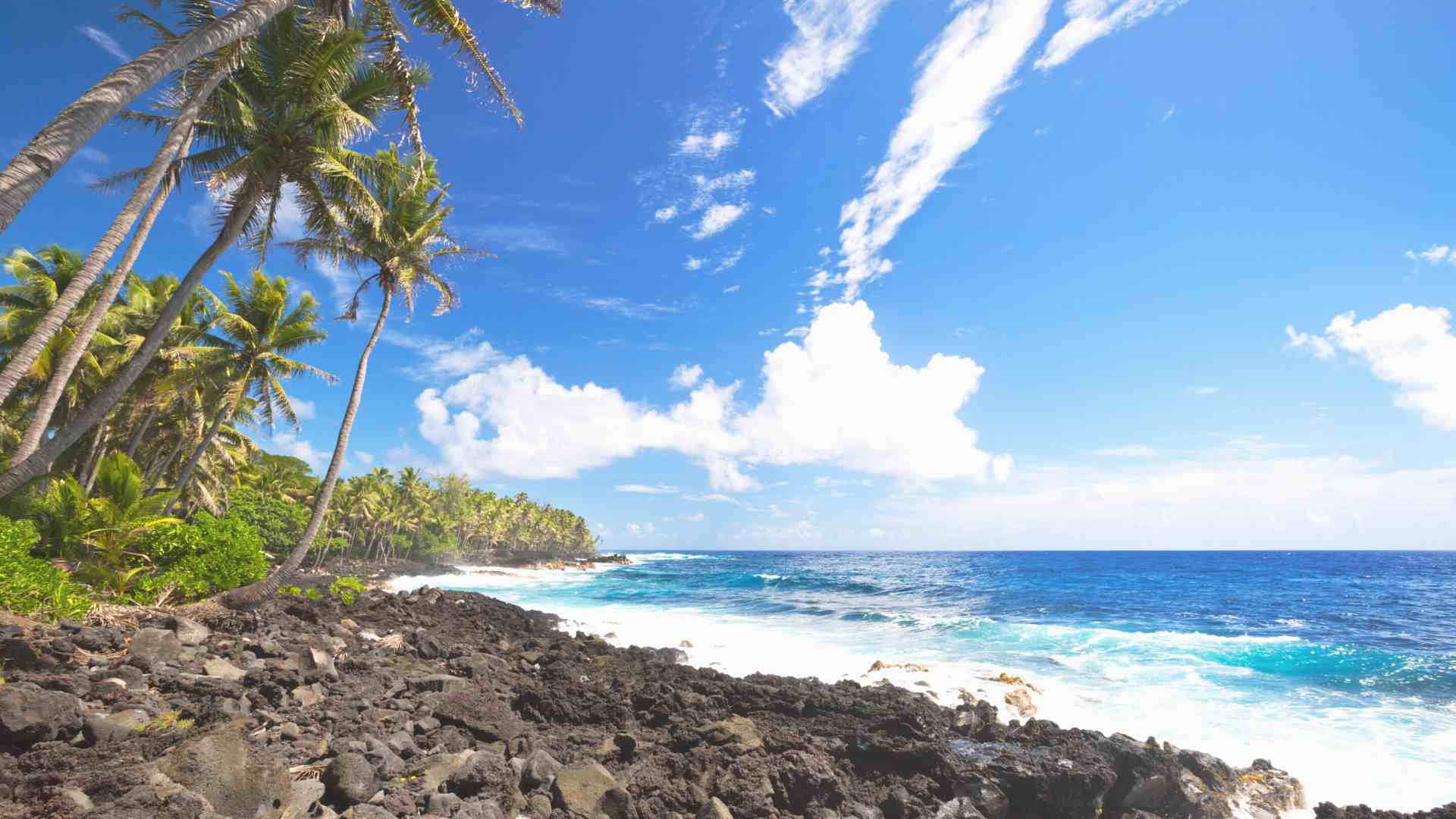
Honoli'i Beach Park is a hidden gem nestled on the Big Island of Hawaii. This breathtaking black sand beach is surrounded by lush greenery, creating a picturesque paradise that will leave you in awe. As you step onto the soft, volcanic sand, you'll be captivated by the beauty that surrounds you.
A Tropical Oasis
The first thing that strikes visitors to Honoli'i Beach Park is its unique black sand. Formed from volcanic activity, this stunning contrast against the turquoise waters creates a mesmerizing sight. The beach park's natural beauty is further enhanced by the vibrant greenery that envelops it. Towering palm trees sway gently in the ocean breeze, providing shade and adding to the tropical oasis atmosphere.
Powerful Waves for Thrill-Seekers
If you're an experienced surfer seeking an adrenaline rush, Honoli'i Beach Park offers some of the most powerful waves on the island. Advanced surfers flock to this spot to test their skills against the challenging breaks. The strong currents and consistent swells make it an ideal location for those looking for an exhilarating ride.
A Welcoming Local Community
One of the standout features of Honoli'i Beach Park is its friendly local community. Surrounded by warm and welcoming individuals who are passionate about their island home, visitors instantly feel at ease here. Whether you're a seasoned surfer or just starting out, locals are always happy to offer tips and advice to ensure your experience at Honoli'i Beach Park is unforgettable.
Spectacular Surfing Spectacle
Even if surfing isn't your cup of tea, Honoli'i Beach Park still offers plenty of excitement. Grab a spot on one of the benches overlooking the water and watch as skilled surfers showcase their talents in these impressive waves. It's like watching a live performance where each wave becomes part of a breathtaking routine.
Convenient Access and Parking
Getting to Honoli'i Beach Park is a breeze, with easy access and convenient parking facilities available. You can spend less time worrying about logistics and more time enjoying the beauty of the beach park. Whether you're driving your own vehicle or taking public transportation, reaching this coastal paradise is a hassle-free experience.


Exploring Pine Trees at Kohanaiki Beach Park
If you're on the hunt for the perfect spot to catch some waves and soak up the sun, look no further than Pine Trees at Kohanaiki Beach Park. This hidden gem on the Big Island of Hawaii is a surfer's paradise with its stunning beach lined with tall palm trees that provide welcome shade from the tropical heat.
The crystal-clear waters at Pine Trees are not only ideal for surfing but also perfect for swimming and snorkeling. Whether you're a seasoned pro or just starting out, this bay offers gentle waves that are suitable for longboarding or beginner practice. You can paddle out and catch some waves without feeling overwhelmed by powerful swells.
One of the things that sets Pine Trees apart is its laid-back vibe, which attracts both locals and tourists alike. The atmosphere here is relaxed and friendly, making it a great place to meet fellow surf enthusiasts. You'll find people of all ages and skill levels enjoying the waves and soaking up the sun. It's not uncommon to strike up a conversation with a local surfer who may be willing to share their tips and tricks.
But it's not just about surfing at Pine Trees; this beach park has something for everyone. If you're into photography, make sure to bring your camera because this place is a photographer's dream come true. The picturesque sunsets over the ocean create a breathtaking backdrop that will make your Instagram followers green with envy. Capture those magical moments as the sun dips below the horizon, casting vibrant hues across the sky.
When you've had your fill of riding waves or taking photos, take some time to explore what else Kohanaiki Beach Park has to offer. Take a leisurely stroll along Alii Drive, where you'll find charming shops, cafes, and restaurants serving up delicious local cuisine. Check out Richardson Ocean Center nearby if you want to learn more about marine life in Hawaii through interactive exhibits.


Pohoiki/Isaac Hale Beach Park: A Hidden Gem for Surfers
Are you tired of crowded beaches and fighting for waves? Look no further than Pohoiki/Isaac Hale Beach Park, a secluded paradise that offers uncrowded surf breaks and an unforgettable experience. Nestled on the Big Island of Hawaii, this hidden gem is a great place for experienced surfers seeking a challenge. Let's dive into what makes this beach so special.
Secluded beach with uncrowded surf breaks
Imagine paddling out into the crystal-clear waters with only a handful of other surfers around you. At Pohoiki/Isaac Hale Beach Park, that dream becomes a reality. This hidden gem is tucked away from the tourist crowds, allowing you to enjoy the thrill of catching waves without any distractions. The lack of crowds not only enhances your surfing experience but also creates a sense of tranquility that is hard to find elsewhere.
Unique black sand beach created by recent volcanic activity
One of the most striking features of Pohoiki/Isaac Hale Beach Park is its unique black sand beach. Created by recent volcanic activity in the area, the contrasting colors of the dark sand against the vibrant blue ocean create a mesmerizing sight. Walking along this black sandy shore feels like stepping into another world, immersing yourself in nature's masterpiece.
Thrilling waves for experienced surfers seeking a challenge
If you're an experienced surfer looking for an adrenaline rush, Pohoiki/Isaac Hale Beach Park has got you covered. The powerful waves here provide an exhilarating challenge that will put your skills to the test. From fast barrels to steep drops, there's no shortage of excitement awaiting you in these waters. Be prepared to paddle hard and ride some epic swells as you push yourself to new limits.
Opportunity to witness the beauty of a lava flow into the ocean
One truly unique aspect of Pohoiki/Isaac Hale Beach Park is the opportunity to witness the beauty of a lava flow into the ocean. The Big Island is renowned for its volcanic activity, and if you're lucky, you may get to see molten lava meeting the crashing waves. It's a mesmerizing spectacle that reminds us of the raw power and beauty of nature. Just make sure to follow local guidelines and stay at a safe distance to fully appreciate this awe-inspiring phenomenon.
Charming local community and nearby hot springs
Beyond the incredible surfing opportunities, Pohoiki/Isaac Hale Beach Park offers more than meets the eye. The surrounding area is home to a charming local community that welcomes visitors with open arms. Take some time to explore their vibrant culture, sample delicious local cuisine, and immerse yourself in the aloha spirit.
Don't miss out on the nearby hot springs that provide a perfect way to relax after an intense surf session. Soak in the warm waters while enjoying breathtaking views of the coastline – it's pure bliss.


Overcoming Challenges as a Mainlander Surfer
Surfing on the Big Island as a mainlander can be both exciting and challenging. One of the biggest hurdles you'll face is navigating unfamiliar surf spots and conditions. Unlike your local breaks back home, the Big Island offers a diverse range of waves that require careful observation and understanding.
To tackle this challenge head-on, start by doing your research. Study surf guides, talk to locals, and check out online forums to gather information about different breaks on the island. Pay attention to factors such as wave size, shape, and difficulty level. This knowledge will give you an idea of which spots are suitable for your skills.
Once you arrive at a new break, take some time to observe the ocean before paddling out. Look for patterns in wave sets, currents, and any hazards that may be present. It's essential to understand how each spot works before jumping into the lineup.
Remember that safety should always come first. If you're unsure about the conditions or feel uncomfortable with the size of the waves, it's better to sit it out or find a more suitable spot rather than risking injury.
Adapting to the Big Island's unique wave patterns
The Big Island is known for its unique wave patterns due to its volcanic geography and exposure to various swells from different directions. As a mainlander surfer accustomed to predictable breaks at home, adapting to these unfamiliar wave patterns can be quite challenging.
To overcome this challenge, spend some time observing how waves behave at different spots around the island. Take note of how they break along reefs or over sandbars, their consistency throughout tides, and any other distinct characteristics.
Keep in mind that timing is crucial. Some breaks work better during certain tides or swell directions. By understanding these nuances, you can increase your chances of catching the best waves.
Don't be afraid to ask local surfers for advice or guidance. They have a wealth of knowledge about the island's surf spots and can offer valuable insights into wave patterns and conditions. Building connections with locals not only helps you overcome this challenge but also fosters a sense of community within the surfing culture.
Learning local etiquette and respecting the culture
As a mainlander surfer, it's essential to learn and respect the local etiquette on the Big Island. Surfing is not just a sport here; it's deeply ingrained in Hawaiian culture, and there are certain customs and practices that should be followed.
One key aspect of local etiquette is giving respect to experienced surfers who have been riding these waves for years. As an out-of-towner, it's important to show humility in the lineup and wait your turn patiently. Avoid dropping in on others' waves or hogging all the sets, as this can lead to tension in the water.
Another important aspect is understanding and respecting Hawaiian cultural traditions associated with surfing. The ocean holds significant spiritual value in Hawaiian culture, so treat it with reverence. Leave no trace behind, pick up any trash you see on the beach, and avoid any disrespectful behavior that could harm marine life or pollute the sea.
By embracing local etiquette and respecting Hawaiian culture, you'll not only earn respect from fellow surfers but also contribute positively to preserving the integrity of surfing on the Big Island.
Finding suitable accommodations near desired surf breaks
When planning your big island surfing trip, finding suitable accommodations near your desired surf breaks is crucial for convenience and maximizing your time in the water. Fortunately, there are plenty of options available that cater specifically to surfers visiting from mainland areas.
Consider staying at one of the many beachfront resorts or vacation rentals located along both sides of the island. On the south side, areas like Kailua-Kona offer easy access to popular surf breaks such as Banyans and Lymans. On the north side, towns like Hilo provide proximity to spots like Honoli'i and Pohoiki.
If you prefer a more budget-friendly option, there are also surf camps and hostels that cater specifically to surfers. These accommodations often offer amenities such as board rentals, outdoor showers, and communal spaces where you can meet other like-minded individuals.
When choosing your accommodation, consider factors such as proximity to the beach, parking availability (if you're bringing your own boards), and any additional amenities that may enhance your overall surfing experience.
Building connections with local surfers for guidance
Building connections with local surfers is not only a great way to overcome challenges but also an opportunity to learn from experienced individuals who know the island's waves inside out. They can provide valuable guidance on navigating unfamiliar breaks, understanding wave patterns, and even share some secret spots that aren't widely known.


Beginner-Friendly Surfing Spots on the Big Island
Kahaluu Bay: Where Your Surfing Journey Begins
If you're a beginner looking to catch your first wave on the Big Island, Kahaluu Bay is the perfect spot for you. Located just south of Kailua, this beach offers gentle waves that are ideal for learning to ride. The bay's protected cove creates a calm and shallow area, making it easier for beginners to get their balance on the board. You'll find many surf schools operating in this area, ready to guide you through your first surfing experience.
At Kahaluu Bay, you'll have the opportunity to learn from experienced instructors who will teach you the basics of surfing. They will show you how to paddle out, catch a wave, and maintain your balance as you ride towards shore. With their guidance and support, you'll gain confidence in no time and be riding waves like a pro.
Honoli'i Beach Park: A Wave Haven for Beginners
For those seeking manageable waves suitable for beginners, Honoli'i Beach Park is an excellent choice. Located just north of Hilo, this surf spot offers consistent swells that are not too intimidating for novices. The beach features a sandy bottom with rock formations that create smaller waves compared to other areas on the island.
Honoli'i Beach Park is popular among local surfers who appreciate its friendly atmosphere and welcoming waves. It's not uncommon to see experienced riders sharing tips with beginners or cheering them on as they catch their first waves. This sense of community makes Honoli'i Beach Park an inviting place for newcomers looking to immerse themselves in the world of surfing.
Magic Sands Beach Park: Small Swells with Big Rewards
If you're looking for consistent small swells that provide ample opportunities for practice, head over to Magic Sands Beach Park in Kailua-Kona. This popular beach is known for its sandy shoreline that seems to magically disappear during high surf, hence the name "Magic Sands." Despite occasional disappearing sand, the waves at this spot remain manageable for beginners.
Magic Sands Beach Park is a great place to hone your skills and build confidence on the board. The consistent small swells allow you to practice catching waves and riding them without feeling overwhelmed. With each successful ride, you'll feel a sense of accomplishment that will keep you coming back for more.
Pine Trees @ Kohanaiki Beach Park: Gentle Waves for Novices
Nestled within Kohanaiki Beach Park, Pine Trees is a surf spot that offers gentle waves ideal for novice surfers. Located just north of Kailua-Kona, this area is known for its picturesque setting and beginner-friendly conditions. The waves here are not too powerful, allowing beginners to focus on improving their technique without feeling intimidated.
Pine Trees is frequented by both locals and visitors who appreciate its mellow vibe and welcoming atmosphere. Surrounded by lush greenery and swaying palm trees, this surf spot provides the perfect backdrop for your surfing journey. Whether you're a first-time surfer or someone looking to progress from beginner to intermediate level, Pine Trees @ Kohanaiki Beach Park is the right place for you.
Anaehoomalu Bay: A Tranquil Haven for Beginner Paddleboarding
While not strictly a surfing spot, Anaehoomalu Bay deserves a mention as it offers calm waters that are perfect for beginner paddleboarding. Located in Waikoloa Beach Resort on the Big Island's west coast, this bay provides an idyllic setting where beginners can learn paddleboarding in peace.
Anaehoomalu Bay features crystal-clear waters with minimal currents, making it an excellent choice for those new to paddleboarding. You can glide along the tranquil surface while enjoying breathtaking views of the surrounding coastline. So grab your paddleboard and embark on an adventure in these calm waters, where you can soak up the beauty of the Big Island while honing your skills.


Safety Tips for Big Island Surfers
Check the Weather Conditions
Before heading out to catch some waves on the Big Island, it's crucial to check the weather conditions. The weather can greatly impact the safety of your surfing experience. Keep an eye on the forecast and look out for any warnings or advisories issued by local authorities. High winds, storms, or rough seas can make surfing dangerous, so it's important to stay informed.
Wear Appropriate Protective Gear
When you hit the waves on the Big Island, make sure you're wearing the right protective gear. A rash guard is essential to protect your skin from sunburn and irritation caused by rubbing against your surfboard. Always wear a leash that attaches your board to your ankle. This prevents your board from getting away from you in case of a wipeout and helps you avoid collisions with other surfers.
Know Your Limits
Surfing on the Big Island can be exhilarating, but it's important to know your limits and avoid pushing yourself beyond what you're capable of. If you're a beginner or intermediate surfer, stick to beaches with smaller waves and gentler breaks. Trying to tackle big waves without sufficient skill and experience can lead to accidents and injuries.
Be Aware of Potential Hazards
The Big Island offers stunning surf spots, but it also presents potential hazards that every surfer should be aware of. Reef formations are common along many coastlines, so familiarize yourself with their locations before paddling out. Hitting a reef can result in painful cuts or even more serious injuries. Strong currents are another hazard to watch out for; they can quickly carry you away from shore if you're not careful.
Surf with a Buddy or Let Someone Know Your Plans
Surfing alone is never recommended, especially when exploring new spots on the Big Island. It's always safer to have someone watching out for you in case of an emergency. Surfing with a buddy not only adds to the fun but also provides an extra layer of safety. If you don't have a surfing companion, make sure to let someone on land know your plans, including where you'll be surfing and when you expect to return.
By following these safety tips, you can enjoy the thrill of big island surfing while minimizing the risks. Remember surf etiquette and respect other surfers in the water. Keep in mind that lifeguards are there to help ensure your safety, so pay attention to their instructions and guidance. Stay informed, be prepared, and have a fantastic time catching those epic waves on the Big Island!

Ellie is the founder of Ellie's Travel Tips, where she shares practical cruise tips, port guides, and step-by-step itineraries to help you plan smarter trips for less. Her checklists and packing guides turn travel daydreams into doable plans.