
Looking for an underwater adventure that will leave you breathless? Look no further than Cozumel, Mexico's ultimate diving paradise. With its crystal-clear waters, vibrant marine life, and stunning coral reefs, this island is a diver's dream come true. Whether you're a seasoned pro or just starting out, Cozumel offers a variety of dive sites that cater to all experience levels.
Cozumel's fame as a renowned diving destination is well-deserved. Picture yourself descending into the depths of the Caribbean Sea, surrounded by an explosion of colors and marine biodiversity. The warm tropical climate ensures that diving in Cozumel is possible throughout the year, so you can plan your underwater escapades whenever it suits you.
So why wait? Grab your gear and get ready for an extraordinary adventure in these captivating Cozumel dive sites. Immerse yourself in the beauty of its coral reefs, encounter fascinating sea creatures up close, and create memories that will last a lifetime. Get ready to dive into the depths of this underwater paradise – Cozumel awaits!
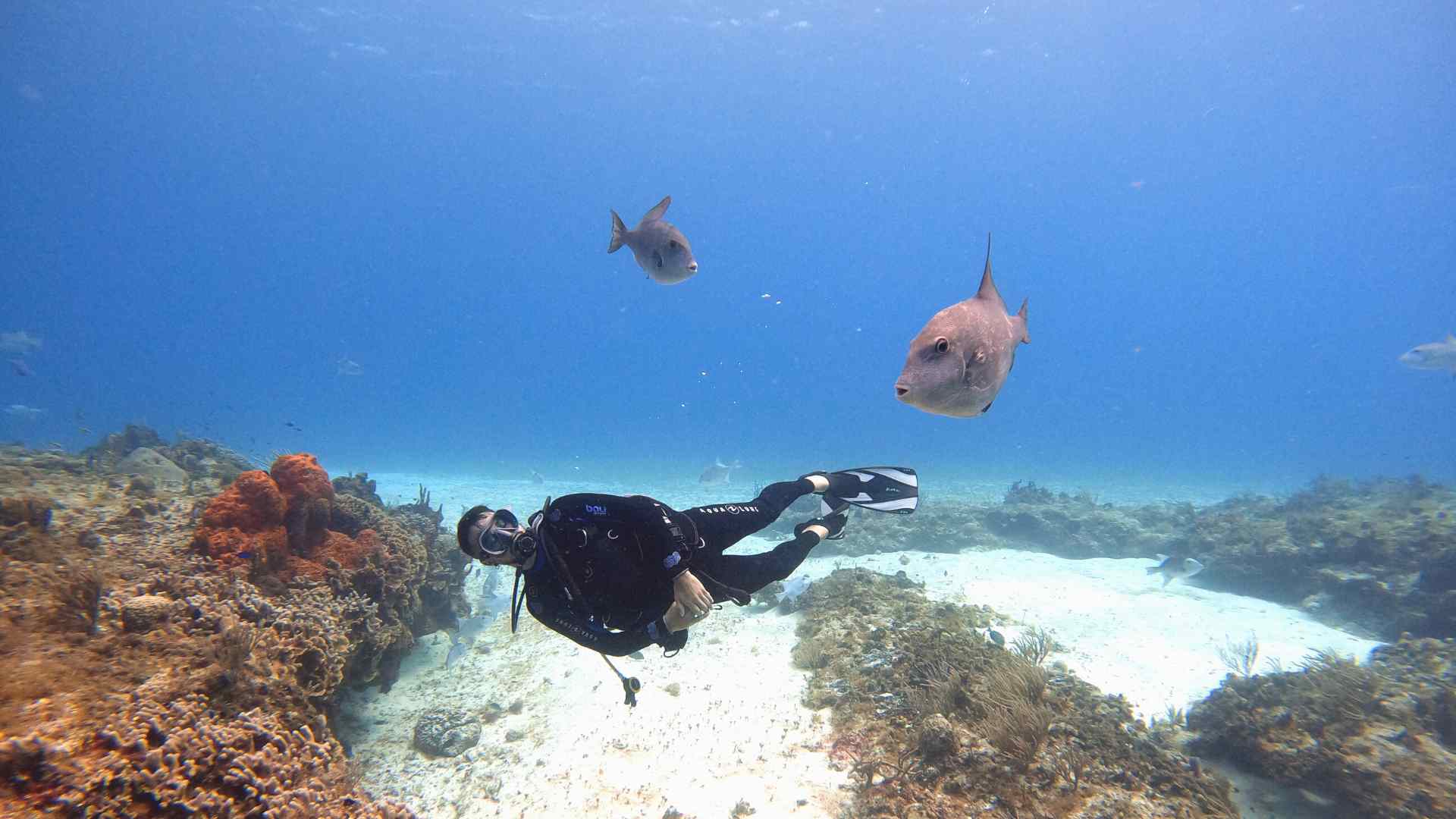

Best Dive Sites in Cozumel
Palancar Reef: A Colorful Coral Wonderland
Palancar Reef is undoubtedly one of the best Cozumel dive sites, and it's easy to see why. This magnificent underwater paradise is famous for its vibrant and diverse coral formations that will leave you in awe. As you descend into the crystal-clear waters, you'll be greeted by an explosion of colors as the reef comes to life.
The coral gardens at Palancar Reef are home to an incredible array of marine life, including tropical fish, sea turtles, and even nurse sharks. The intricate formations create a maze-like environment where you can explore hidden caves and tunnels teeming with life. Whether you're an experienced diver or a beginner looking for an unforgettable adventure, Palancar Reef offers something for everyone.
Santa Rosa Wall: Thrilling Drift Dives and Marine Life Galore
For thrill-seekers and nature enthusiasts alike, Santa Rosa Wall is a must-visit dive site in Cozumel. This dramatic vertical drop-off provides exhilarating drift dives along its sheer face. As you glide effortlessly with the current, keep your eyes peeled for encounters with majestic eagle rays gracefully soaring through the water.
Santa Rosa Wall also offers abundant opportunities to spot other marine creatures such as barracudas, groupers, and moray eels hiding within crevices along the wall. The vibrant corals clinging to the edge provide a stunning backdrop as you navigate this underwater wonderland.
Paradise Reef: Beginner-Friendly Exploration
If you're new to diving or simply prefer calm conditions, Paradise Reef is the ideal choice for your underwater adventure in Cozumel. With its shallow depths and tranquil waters, this dive site offers a perfect setting for beginners to gain confidence in their diving skills while marveling at Cozumel's beauty beneath the surface.
As you descend into the clear turquoise waters, you'll be greeted by an abundance of marine life. Colorful tropical fish dart in and out of the coral formations, while curious sea turtles glide gracefully by. The calm conditions also make Paradise Reef an excellent spot for snorkelers who want to discover Cozumel's underwater wonders.
Punta Sur: Cliffside Exploration and Encounter with Pelagic Species
For those seeking a more adventurous diving experience, Punta Sur is a dive site that should not be missed. Located at the southern tip of Cozumel, Punta Sur offers breathtaking underwater cliffs that plunge into the abyss below. As you explore these dramatic walls, you'll have the opportunity to encounter large pelagic species such as sharks and barracudas.
The strong currents around Punta Sur create an exhilarating drift dive where you can let yourself be carried along while admiring the awe-inspiring underwater landscape. The sheer size of the cliffs combined with the diverse marine life makes this dive site a favorite among experienced divers looking for an adrenaline rush.
Chankanaab Reef: A Haven for Marine Life
Chankanaab Reef is a true gem among Cozumel's dive sites, offering a haven for diverse marine life. This vibrant reef is home to an abundance of sea creatures including turtles, eagle rays, and colorful tropical fish. As you explore its depths, you'll witness firsthand the interconnectedness of this thriving ecosystem.
Diving at Chankanaab Reef allows you to immerse yourself in a world teeming with life and color. Swim alongside graceful sea turtles as they glide through the water or witness schools of vibrant fish moving in unison. With each turn, there's something new to discover at Chankanaab Reef—a testament to Cozumel's rich biodiversity.
Columbia Deep: Wall Dives with Unparalleled Visibility
If you're searching for unparalleled visibility and breathtaking wall dives, look no further than Columbia Deep. This dive site showcases the beauty of Cozumel's underwater world in all its glory. As you descend into the depths, you'll be greeted by crystal-clear waters that allow for exceptional visibility, revealing the intricate details of the stunning coral formations.
The walls at Columbia Deep seem to go on forever, adorned with colorful sponges and sea fans. Diving along these walls is like floating through an underwater art gallery. The sheer beauty and tranquility of this dive site make it a favorite among photographers who want to capture Cozumel's marine wonders in their full splendor.

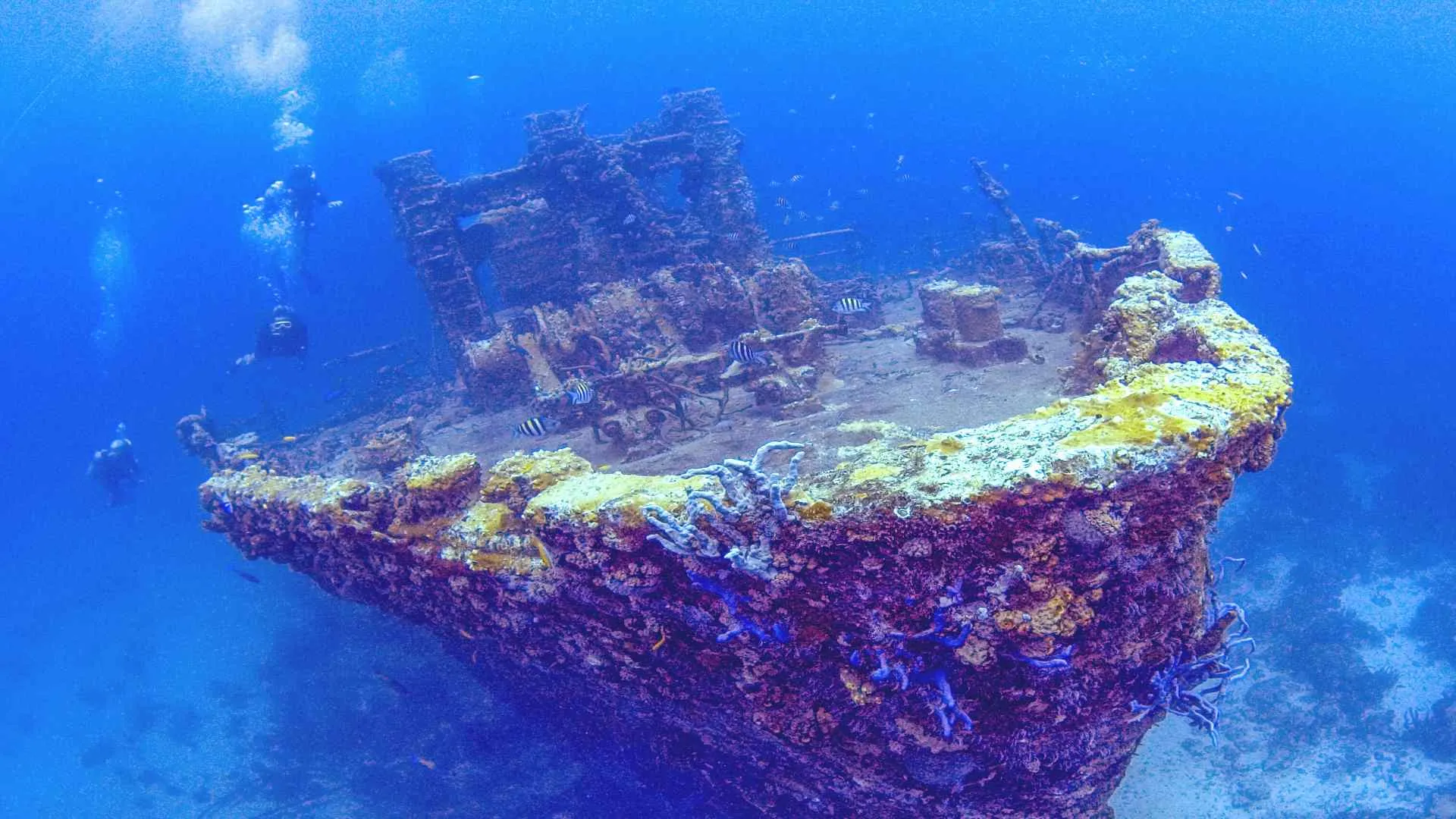
C Shipwreck: Exploring the Depths
Are you ready to embark on an underwater adventure like no other? Cozumel is renowned for its mesmerizing dive sites, and one that stands out is the C53 Felipe Xicotencatl shipwreck. Plunging into the depths of approximately 80 feet (24 meters), this sunken vessel offers an exhilarating experience for divers of all levels.
As you descend into the azure waters surrounding Cozumel, the shipwreck gradually comes into view. The sight is awe-inspiring as corals and sponges have claimed their territory, adorning the structure with vibrant colors. It's a true testament to nature's ability to reclaim its space even in the depths of the ocean.
The artificial reef created by the C53 Felipe Xicotencatl attracts a diverse range of marine life, making it a haven for underwater enthusiasts. As you navigate around the shipwreck, you'll encounter schools of fish gracefully swimming through its nooks and crannies. Groupers and snappers are just some of the species that call this place home, creating a spectacle that will leave you breathless.
For wreck diving enthusiasts seeking an adrenaline rush, exploring the interior chambers of this shipwreck is an opportunity not to be missed. However, it's important to note that venturing inside requires advanced diving skills and should only be attempted under professional guidance. The dark passageways and large holes within create an eerie ambiance, reminding divers of the vessel's tragic past while adding an element of mystery.
Drift diving is another highlight at this site. As you glide along with gentle currents, your surroundings constantly change before your eyes. The sensation is akin to flying through water as you observe colorful marine life darting in and out of coral formations. It's truly a thrilling experience that adds an extra layer of excitement to your dive.
To fully enjoy your adventure to the C53 Felipe Xicotencatl shipwreck, it's essential to plan accordingly. Make sure you have a detailed guide or seek guidance from experienced dive shops in Cozumel. They can provide valuable insights into the difficulty level of this dive and offer tips on how to make the most of your underwater exploration.
Before embarking on this deep dive, ensure that you are comfortable with the maximum depth of 80 feet (24 meters). It's crucial to be mindful of your own limitations and always prioritize safety during your underwater escapades. Cozumel offers an array of shallow reef dives for those who prefer a more relaxed experience, so there's something for everyone.


Towering Coral Pinnacles and Swim Throughs
Cozumel is renowned for its breathtaking dive sites, and one of the most captivating experiences awaits at Tormentos Reef. This underwater paradise features towering coral pinnacles that stretch towards the surface, creating a mesmerizing sight for divers. As you descend into the depths, you'll be greeted by a vibrant tapestry of corals in all shapes and sizes.
The coral formations at Tormentos Reef are truly awe-inspiring. These majestic structures have been sculpted over time by nature's artistic touch. The colorful corals create an underwater landscape that seems straight out of a dream. It's like swimming through an artist's palette, with hues ranging from vivid oranges and yellows to deep blues and purples.
As you explore this underwater wonderland, you'll encounter numerous swim-throughs that beckon you to venture deeper into their mysterious depths. These impressive swim-throughs are carved into the coral formations, offering divers an exhilarating passage through narrow channels and arches.
Swimming through these natural tunnels is an adventure in itself. The currents gently guide you along as you navigate through the intricate maze of coral heads and reefs. Schools of tropical fish dart around you, adding to the sense of wonder as they weave between the pinnacles and formations.
Photographers will find themselves in paradise at Tormentos Reef. With every turn, there are ample opportunities to capture unique and beautiful underwater shots. The vibrant colors of the corals combined with the playfulness of marine life make for stunning compositions that will leave any photographer enthralled.
One must-visit spot within Tormentos Reef is Punta Sur, located at its southern tip. Here, divers can explore walls adorned with cascading corals that seem to extend infinitely downwards. These sloping walls provide a dramatic backdrop against which marine life thrives abundantly.
It's important to note that Tormentos Reef can experience strong currents at times. While these currents may seem intimidating, they also bring life to the reef by transporting nutrients and attracting larger pelagic species. Divers should always be aware of their skill level and consult with experienced guides to ensure a safe and enjoyable dive.

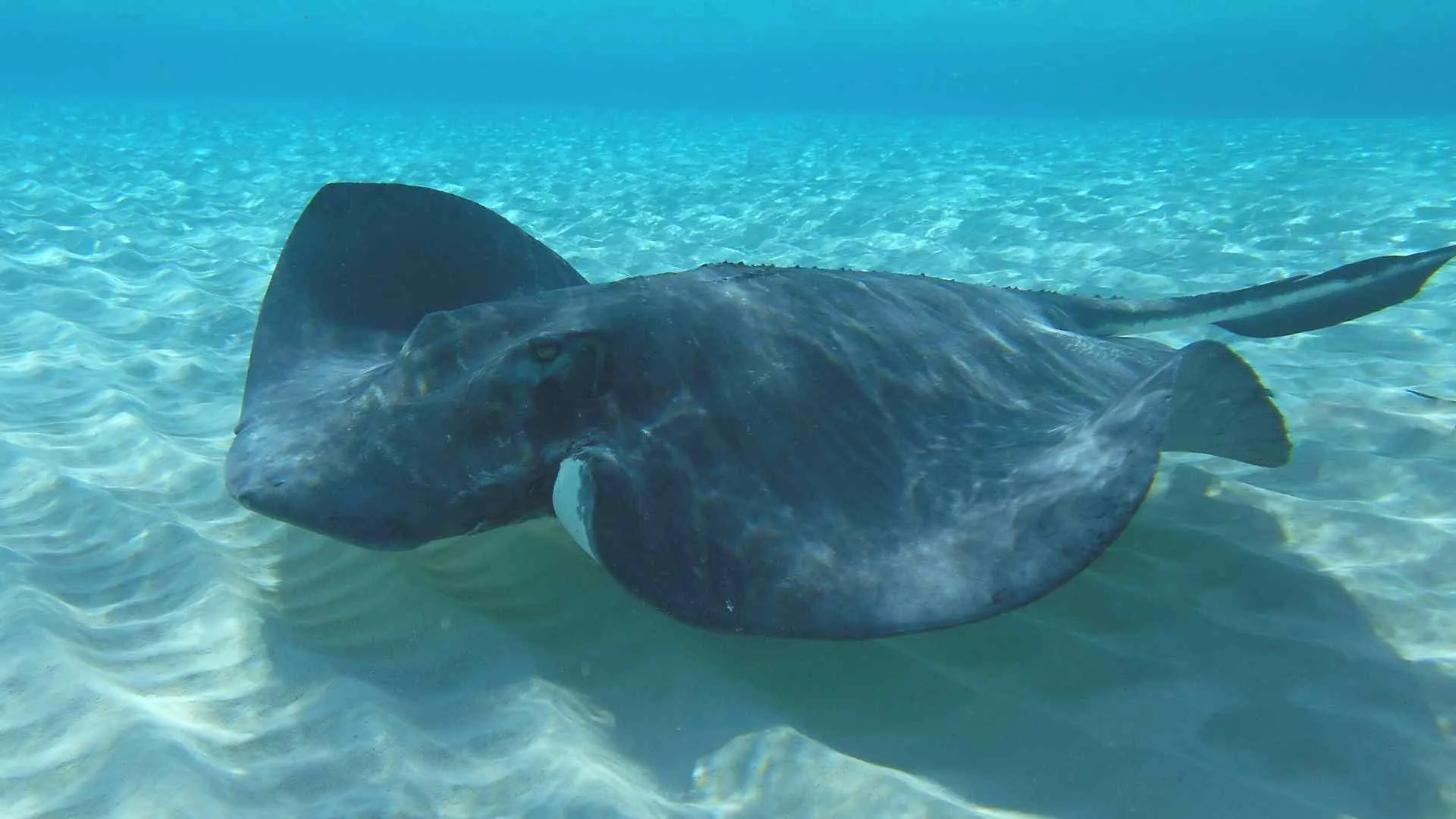
Sting Rays, Turtles, and Seahorses
Cozumel's dive sites are renowned for their incredible marine life, offering divers the opportunity to explore a world teeming with fascinating sea creatures. From graceful stingrays gliding through the water to majestic sea turtles in their natural habitat, and seahorses hiding among seagrass beds and coral branches, these underwater encounters provide unforgettable moments for both novice and experienced divers.
Graceful Sting Rays
One of the most captivating sights in Cozumel's dive sites is the presence of stingrays gracefully navigating through the crystal-clear waters. These magnificent sea creatures glide effortlessly, showcasing their elegant movements as they search for food or simply enjoy the ocean currents. Divers can witness up-close encounters with various species of stingrays, including spotted eagle rays and nurse sharks. The sight of these majestic creatures gracefully swimming by is truly awe-inspiring.
Majestic Sea Turtles
Cozumel's dive sites also offer divers the chance to swim alongside majestic sea turtles in their natural habitat. These ancient creatures can be found leisurely swimming through the reefs or resting on sandy patches on the ocean floor. With two prominent species frequently spotted - loggerhead turtles and hawksbill turtles - divers have ample opportunities to observe these gentle giants up close. It is a humbling experience to witness these magnificent animals navigating through their underwater world with grace and tranquility.
Enigmatic Seahorses
Amongst Cozumel's vibrant coral reefs lie hidden treasures like seahorses. These elusive creatures can be found camouflaged amidst seagrass beds and coral branches, often requiring a keen eye to spot them. Divers who take their time exploring these intricate ecosystems may be rewarded with sightings of seahorses clinging onto seagrass blades or swaying gently with the ocean currents. Capturing a photograph of these enchanting beings adds an extra level of excitement for underwater photographers.
The abundance of stingrays, turtles, and seahorses in Cozumel's dive sites makes it a haven for marine life enthusiasts. The sheer diversity and richness of sea creatures found here are unparalleled. Alongside the sting rays, sea turtles, and seahorses, divers can also encounter an array of other fascinating marine life. From colorful reef fish darting through the corals to lobsters hiding in crevices, the underwater world of Cozumel is a treasure trove waiting to be explored.

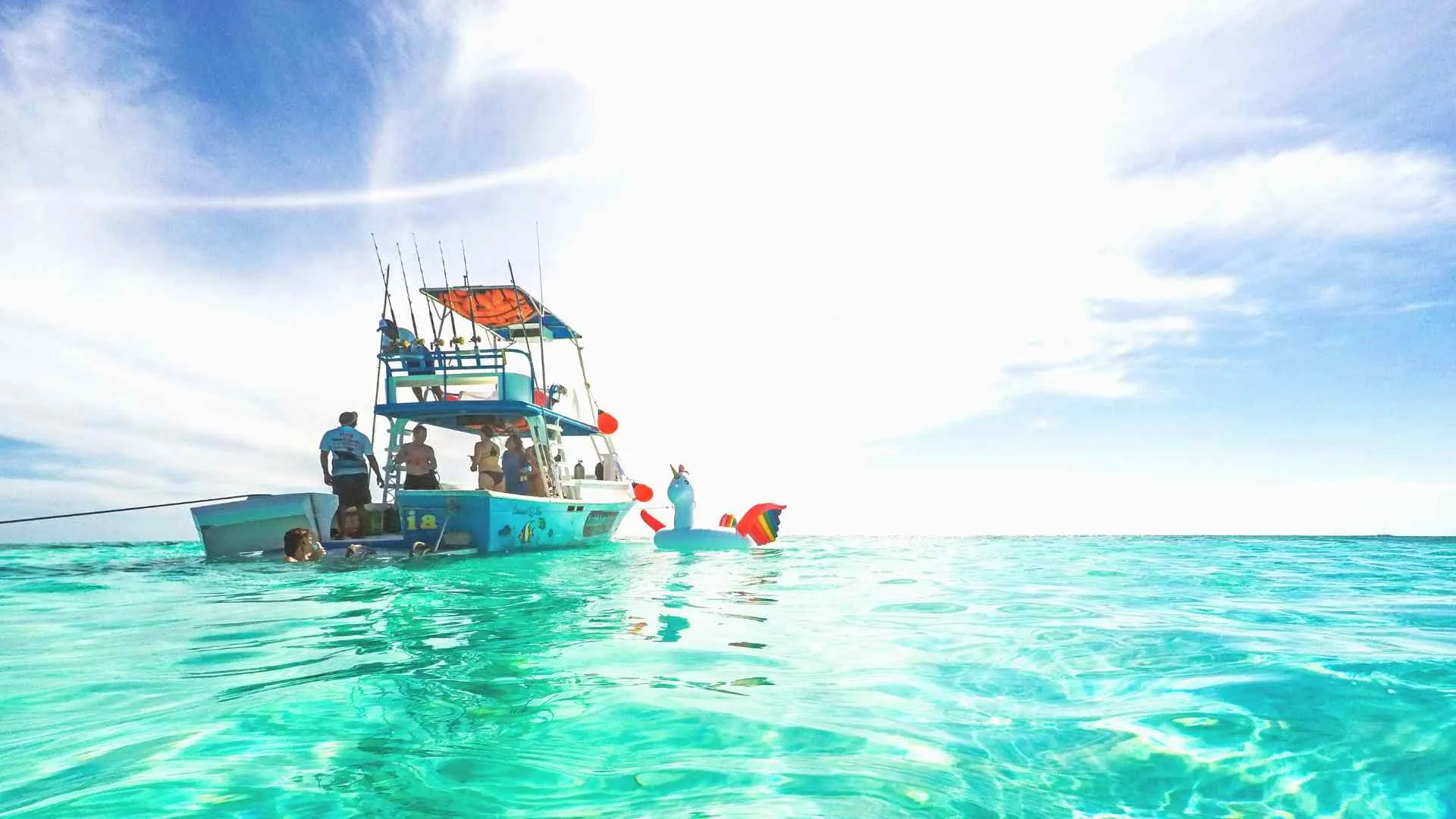
Ten Unforgettable Dive Sites in Cozumel
Maracaibo Deep: Where Dramatic Wall Dives Meet Impressive Visibility
Maracaibo Deep is a dive site in Cozumel that will leave you awestruck with its dramatic wall dives and exceptional visibility. As you descend into the depths, the vibrant colors of the coral formations come alive, creating a mesmerizing underwater landscape. The crystal-clear waters allow for excellent visibility, giving you a front-row seat to the breathtaking marine life that calls this place home.
Imagine gliding along the sheer walls, surrounded by schools of tropical fish darting in and out of crevices. The sensation of weightlessness engulfs you as you explore this underwater wonderland. Keep an eye out for majestic eagle rays gracefully soaring through the water or even catch a glimpse of a curious sea turtle swimming alongside you.
Yucab Reef: A Kaleidoscope of Colors and Abundant Marine Life
Prepare to be captivated by the kaleidoscope of colors and abundant marine life at Yucab Reef. This dive site boasts an impressive array of corals that paint the ocean floor in vibrant hues. As you navigate through this underwater paradise, you'll encounter countless species of fish darting between coral formations.
The diversity found at Yucab Reef is truly astounding. From tiny seahorses camouflaging themselves among the corals to larger creatures like barracudas patrolling their territory, there's always something new to discover here. Be sure to keep your eyes peeled for hidden critters like octopuses and moray eels lurking beneath ledges or seeking shelter within crevices.
San Francisco Wall: Dive into Breathtaking Drop-Offs and Vibrant Coral Formations
San Francisco Wall is a dive site that promises awe-inspiring drop-offs and vibrant coral formations that will take your breath away. Descending into the depths, you'll be greeted by towering walls adorned with an array of corals in every shade imaginable. The sheer size and beauty of these formations create a truly immersive experience.
As you explore the wall, you'll encounter fascinating marine life that thrives in this underwater ecosystem. Keep your eyes peeled for colorful parrotfish grazing on coral polyps or the graceful movements of spotted eagle rays gliding effortlessly through the water. With each turn, you'll uncover new surprises and be left in awe of the wonders that lie beneath the surface.
Tormentos Reef: Towering Pinnacles and Diverse Marine Life Await
Tormentos Reef is a dive site renowned for its towering pinnacles and diverse marine life. As you descend into this underwater realm, you'll find yourself surrounded by impressive rock formations rising from the sandy seabed. These pinnacles provide shelter to an abundance of marine creatures, making it a haven for divers seeking an unforgettable experience.
Navigate through crevices and swim alongside schools of fish as they weave their way around these natural structures. Marvel at the vibrant colors of sponges and corals clinging to the rocks, creating a picturesque backdrop for your dive. Don't be surprised if you encounter larger inhabitants like nurse sharks gracefully patrolling their territory or majestic sea turtles leisurely swimming by.
Punta Tunich: Dive into Stunning Coral Gardens Teeming with Life
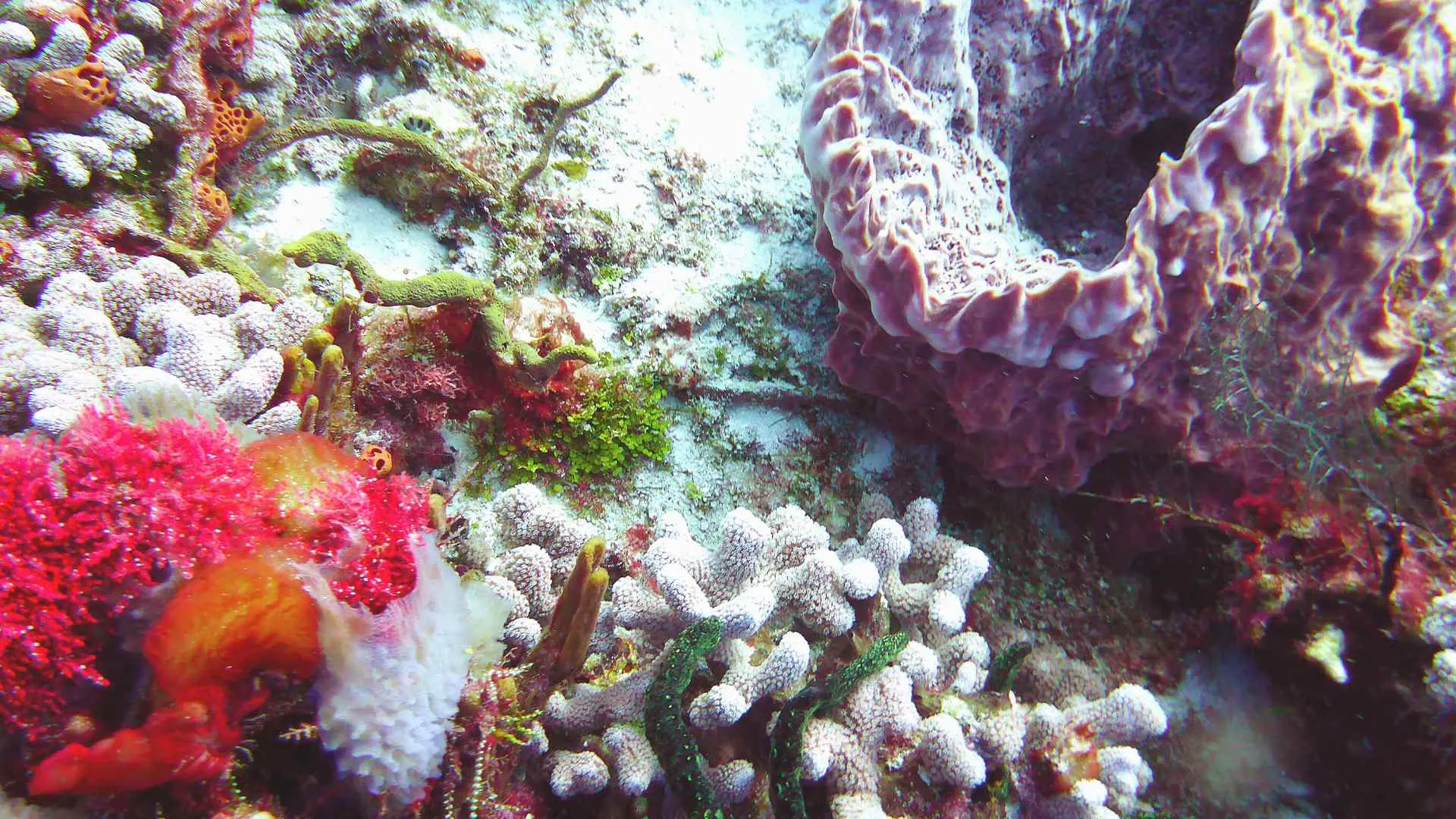
Punta Tunich is a dive site that boasts stunning coral gardens teeming with life. As you descend into this underwater paradise, you'll find yourself surrounded by a kaleidoscope of colors as vibrant corals stretch out before your eyes. The intricate formations provide shelter to countless species of tropical fish, creating a bustling ecosystem beneath the waves.

Favorite Dive Operators on the Island
Dive Paradise: The Ultimate Dive Experience
Looking to explore the incredible dive sites of Cozumel? Look no further than Dive Paradise! As one of the top dive operators on the island, Dive Paradise offers an unforgettable dive experience for divers of all levels. With their team of experienced guides, you can rest assured that you'll be in safe hands as you embark on your underwater adventure.
Dive Paradise understands that every diver is unique, which is why they offer a wide range of diving packages to suit your preferences. Whether you're a beginner diver looking to take your first plunge or an experienced diver seeking new thrills, they have something for everyone. From shallow reefs teeming with colorful marine life to thrilling drift dives along the famous Palancar Reef, their dive sites are sure to leave you in awe.
Aldora Divers: Personalized Attention and Small Group Experiences
If personalized attention and intimate diving experiences are what you seek, Aldora Divers is the perfect choice for your dive vacation. This dive operator specializes in small group diving, ensuring that each diver receives individualized care and guidance throughout their underwater journey.
With Aldora Divers, you can expect a truly immersive and tailored diving experience. Their knowledgeable instructors will not only guide you through some of Cozumel's most popular dive sites but also share their passion for marine life conservation. Whether you're a seasoned diver or just starting out, Aldora Divers will make sure your time beneath the waves is nothing short of extraordinary.
Pro Dive Mexico: Professional Services for All Levels
For professional services catering to divers of all levels, Pro Dive Mexico stands out among Cozumel's top dive operators. With their team of certified instructors and well-maintained equipment, they provide a safe and enjoyable environment for divers to explore the wonders below.
Whether you're a beginner looking to obtain your scuba certification or an experienced diver seeking new adventures, Pro Dive Mexico has you covered. They offer a variety of dive trips and packages tailored to different skill levels, ensuring that everyone can make the most of their time underwater. From incredible dives at the Santa Rosa Wall to exploring the famous Cenotes, Pro Dive Mexico will take you on an unforgettable dive journey.
Cozumel Marine World: Eco-Friendly Diving Excursions
If you're passionate about conservation and want to support eco-friendly practices, Cozumel Marine World is the dive operator for you. They are committed to offering diving excursions that prioritize the preservation of Cozumel's marine ecosystem.
When diving with Cozumel Marine World, not only will you have the opportunity to explore breathtaking dive sites, but you'll also contribute to ongoing conservation efforts. Their knowledgeable guides will educate you on the importance of protecting coral reefs and marine life while showcasing the beauty that lies beneath the surface. Dive with them and be part of something bigger – a sustainable future for our oceans.
Sand Dollar Sports: Convenience and Multiple Locations
For divers seeking convenience and flexibility during their dive vacation, Sand Dollar Sports has got you covered. With multiple locations across Cozumel, they make it easy for divers to access their services no matter where they are staying on the island.
Sand Dollar Sports offers a range of options for both beginner and experienced divers alike. Whether you prefer shore dives or boat dives, they have diverse dive sites suitable for all levels of experience. Explore vibrant coral formations, encounter majestic marine creatures, and create memories that will last a lifetime with Sand Dollar Sports as your trusted dive operator.
Aqua Safari: Knowledgeable Instructors and Excellent Customer Service
Looking for a dive operator that goes above and beyond in terms of customer service? Look no further than Aqua Safari!

Occidental Cozumel: All-Inclusive Resort with Dive Shop
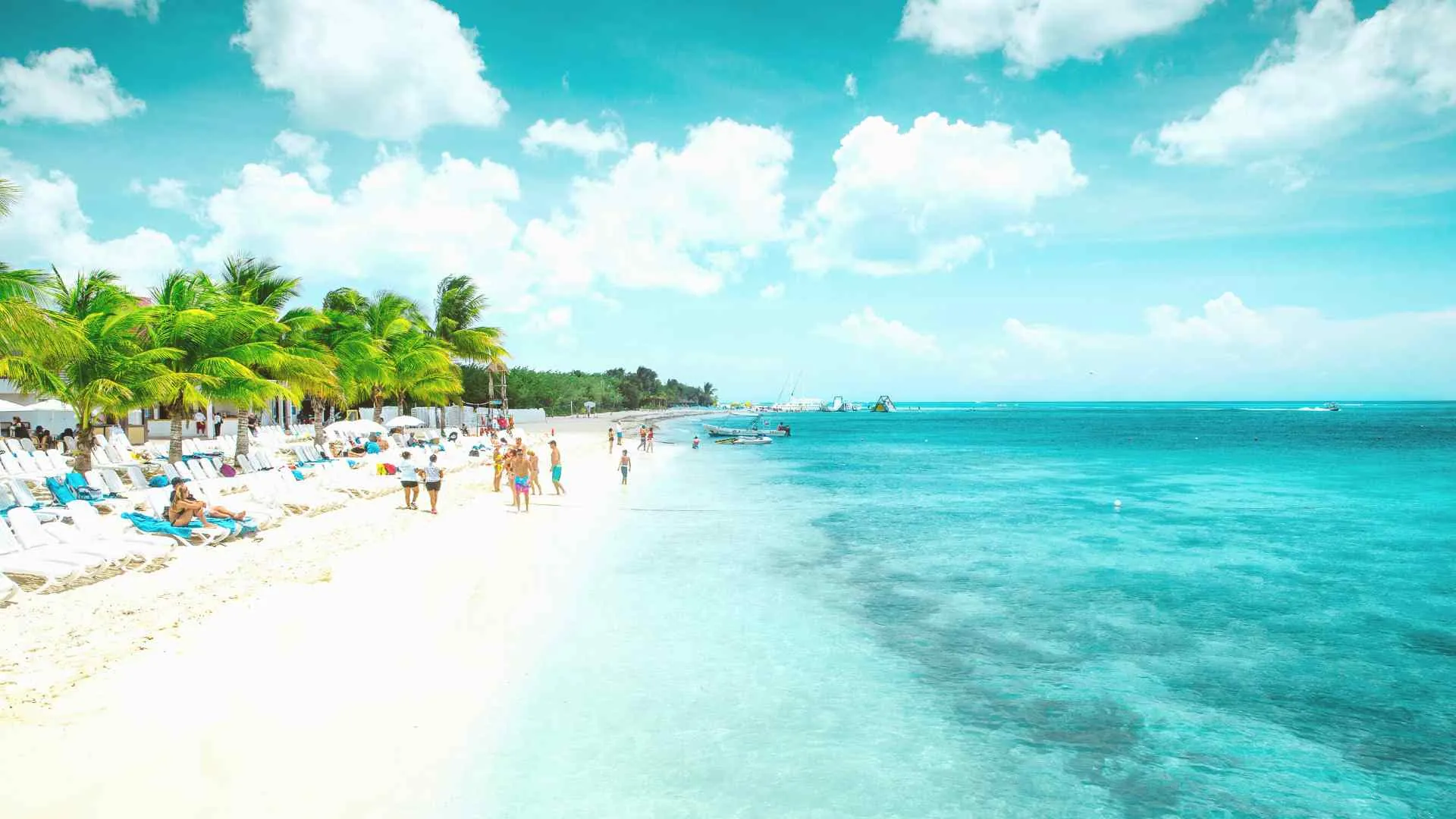
Looking for the perfect destination to indulge in your passion for diving? Look no further than Occidental Cozumel, an all-inclusive resort that offers an unforgettable experience for diving enthusiasts. With its convenient onsite dive shop, prime location near top dive sites, and a range of accommodation options, this resort is an ideal choice for those seeking adventure beneath the waves.
All-Inclusive Experience at Occidental Cozumel
Occidental Cozumel prides itself on providing guests with a truly all-inclusive experience. From the moment you arrive, you'll be greeted with warm hospitality and a wide array of amenities to ensure your stay is nothing short of exceptional. The resort boasts multiple restaurants serving delicious cuisine from around the world, allowing you to savor diverse flavors throughout your stay. Whether you crave Mexican delicacies or international favorites, there's something to tantalize every taste bud.
After a thrilling day exploring the underwater wonders of Cozumel's dive sites, guests can unwind by taking advantage of the resort's luxurious pools and spa facilities. Pamper yourself with rejuvenating treatments or simply bask in the sun while enjoying a refreshing cocktail from one of the poolside bars. At Occidental Cozumel, relaxation knows no bounds.
Onsite Dive Shop for Convenient Access
One of the standout features of Occidental Cozumel is its onsite dive shop, which provides divers with easy access to equipment rentals and expert guidance. Whether you're a seasoned diver or just starting out, this fully equipped dive shop has everything you need to embark on unforgettable underwater adventures.
The professional staff at the dive shop are passionate about diving and dedicated to ensuring your safety and enjoyment throughout your dives. They can offer valuable insights into the best dive sites in Cozumel based on your skill level and preferences. With their expertise, you can rest assured that every dive will be a memorable experience.
Prime Location near Top Dive Sites
Location is keyAnd Occidental Cozumel excels in this aspect. Situated near some of the most renowned dive sites in Cozumel, this resort allows divers to explore the breathtaking underwater landscapes teeming with vibrant marine life.
Imagine descending into crystal-clear waters and encountering majestic coral formations, colorful tropical fish, and even the occasional sea turtle or nurse shark. With easy access to these top dive sites, you'll have ample opportunities to create lasting memories beneath the surface.
Accommodation Options for Every Preference
Occidental Cozumel understands that each guest has unique preferences. That's why they offer a range of options to suit different needs. Whether you prefer a spacious suite overlooking the ocean or a cozy room nestled amidst lush gardens, there's an accommodation choice that will make you feel right at home.
Each room is thoughtfully designed with comfort and relaxation in mind. You can expect modern amenities, plush bedding, and stunning views that enhance your overall stay. After an exhilarating day exploring the wonders of Cozumel's dive sites, returning to your comfortable sanctuary at Occidental Cozumel will be a welcome treat.

Colombia Wall: Must-Visit Diving Site
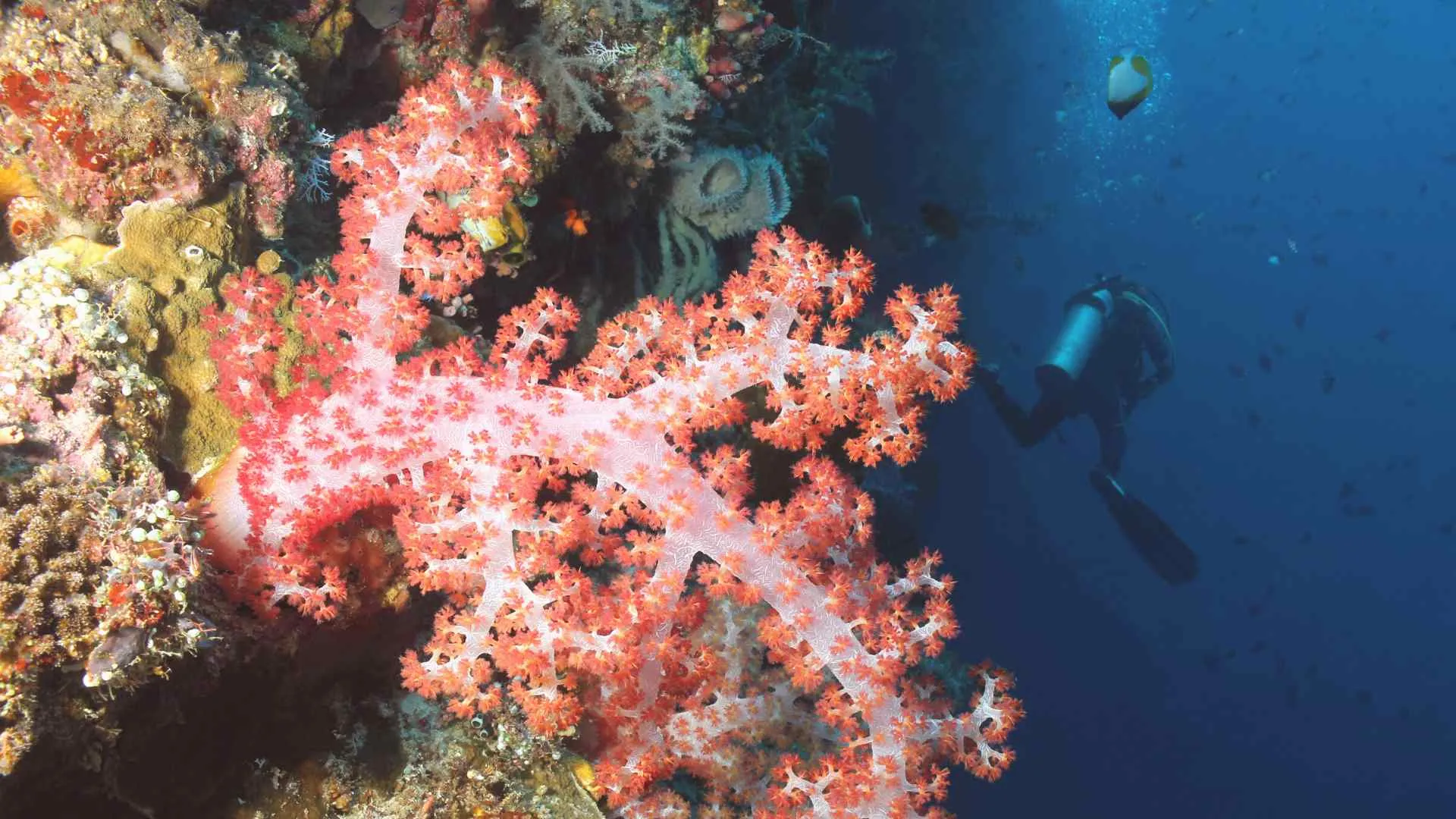
Colombia Wall is a renowned wall dive site in Cozumel that offers divers an exhilarating underwater experience. With its stunning vertical drop-offs adorned with vibrant corals, this site is a must-visit for diving enthusiasts. Let's delve into the captivating features of Colombia Wall and why it attracts divers from all around the world.
A Spectacular Dive at Colombia Wall
At Colombia Wall, divers are treated to dramatic walls that plunge deep into the ocean depths. The steep walls create an awe-inspiring sight as they disappear into the blue abyss. As you descend along the wall, you'll be mesmerized by the sheer beauty of the underwater landscape.
The walls of Colombia Wall are covered in a myriad of colorful corals, creating a vibrant and breathtaking backdrop for your dive. From soft corals swaying gently with the current to hard corals providing shelter for small marine creatures, there is an abundance of life thriving on these vertical surfaces.
Exploring Crevices and Ledges Teeming with Marine Life
One of the highlights of diving at Colombia Wall is the opportunity to explore its crevices and ledges teeming with marine life. These hidden nooks and crannies provide shelter for various species, making them a haven for underwater photographers.
As you navigate through the crevices, you'll encounter schools of fish darting between coral formations. Angelfish and parrotfish gracefully swim past you, adding splashes of color to your dive. Keep an eye out for moray eels peeking out from their hiding spots or camouflaged octopuses blending seamlessly with their surroundings.
The biodiversity found within Colombia Wall is truly remarkable. From tiny critters such as nudibranchs to larger marine animals like sea turtles gliding effortlessly through the water, every dive at this site promises exciting encounters with fascinating underwater inhabitants.
Excellent Visibility for an Unforgettable Experience
Colombia Wall boasts excellent visibility, which enhances your diving experience and allows you to fully appreciate the underwater scenery. With crystal-clear waters, you'll have a clear view of the vibrant corals, marine life, and the mesmerizing drop-off that stretches into the depths.
The visibility at Colombia Wall is often exceptional due to the site's location and favorable ocean currents. This means that even from a distance, you can witness the breathtaking sight of the wall disappearing into the blue abyss. As you explore further, the clarity of the water will make you feel like you're floating in a dream.
Suitable for Divers of All Levels
Whether you're a beginner or an advanced diver, Colombia Wall caters to divers of all levels. The shallow parts near the top of the wall are ideal for those who are new to diving or looking to gain more experience. Here, you can practice your buoyancy skills while marveling at the stunning corals just below the surface.
For more experienced divers seeking an adrenaline rush, venturing deeper along Colombia Wall offers a thrilling adventure. Descending along its steep face reveals hidden caves and crevices waiting to be explored. Advanced divers can navigate through these features while encountering larger marine species that inhabit this mesmerizing wall.

Sandy Grassy Areas for Marine Life Encounters
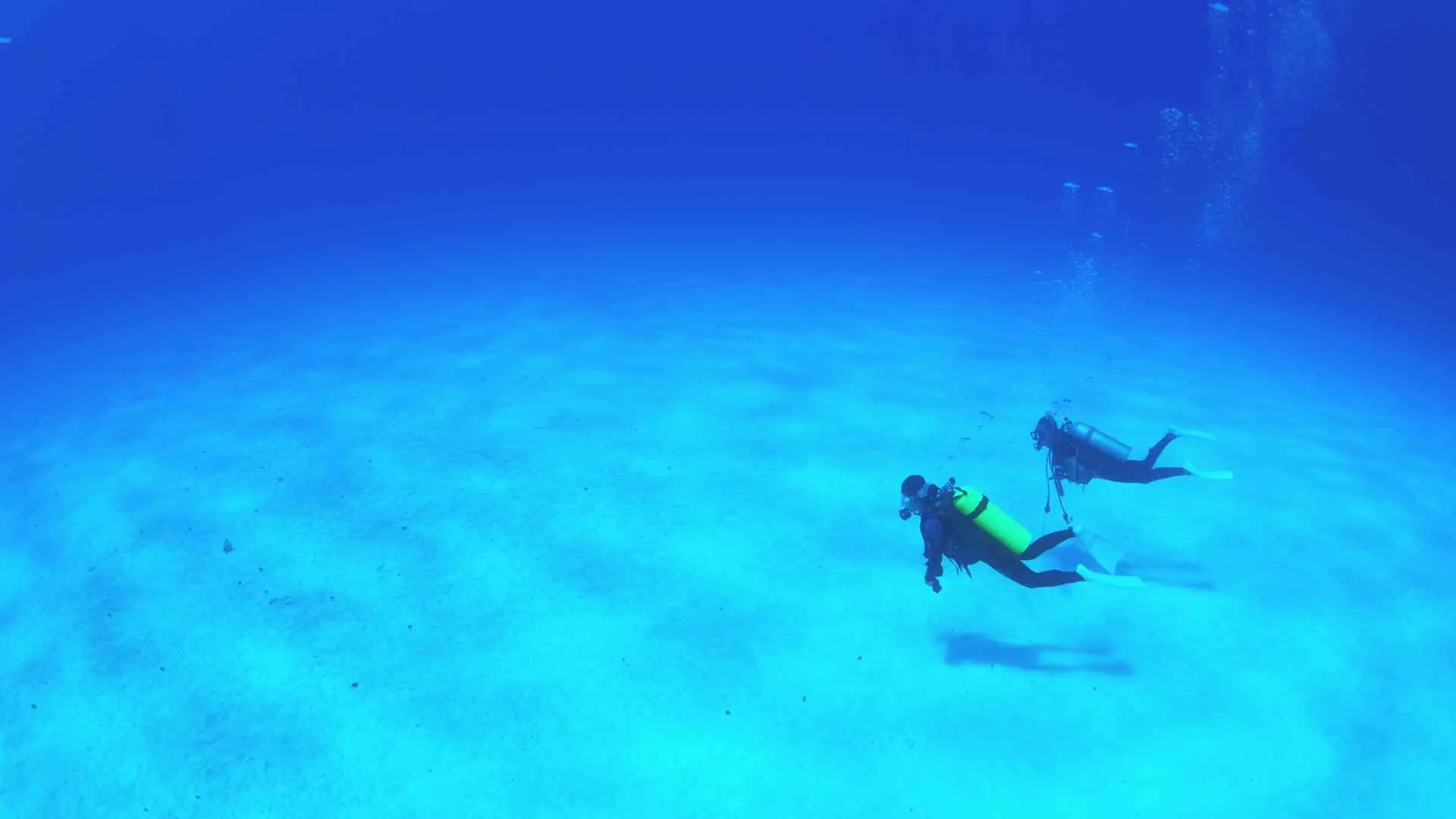
Cozumel's dive sites are renowned for their stunning underwater landscapes and diverse marine life. One of the fascinating features of these dive sites is the presence of sandy areas, which provide a unique opportunity for divers to encounter a variety of marine species. Let's explore some of the highlights that await you in these sandy grassy areas.
Seagrass Beds: A Haven for Small Creatures
As you venture into the shallow reefs off Cozumel, you'll come across expansive seagrass beds teeming with life. These underwater meadows serve as crucial habitats for an array of fascinating creatures. Among them are seahorses and pipefish, whose slender bodies blend seamlessly with the swaying seagrass blades. Keep your eyes peeled, as spotting these elusive creatures requires a keen eye and a touch of luck.
Stingrays: Masters of Camouflage
While exploring the sandy bottoms, be on the lookout for stingrays gracefully gliding through the water. These majestic creatures often bury themselves in the sand while hunting for food or taking a moment to rest. Their ability to camouflage against their surroundings is truly remarkable. Witnessing a stingray emerge from beneath its sandy hideaway is an awe-inspiring sight that will leave you captivated.
Camouflaged Critters: Blending into Sandy Surroundings
The sandy areas around Cozumel's dive sites are home to an assortment of camouflaged critters that have perfected the art of blending in. Flounders, known for their ability to mimic their environment, expertly match their coloration to that of the sandy seabed they inhabit. It takes a discerning eye to spot these masters of disguise as they lie motionless waiting for unsuspecting prey.
Another peculiar creature found in these areas is the garden eel. These fascinating animals create burrows in the sand where they reside upright, with only their heads protruding. Their slender bodies sway in the gentle current, resembling a vibrant underwater garden. Observing these peculiar eels in action is an unforgettable experience that showcases the remarkable diversity of marine life.
Fascinating Behaviors and Interactions
Exploring the sandy grassy areas of Cozumel's dive sites offers divers a front-row seat to observe captivating behaviors and interactions among marine species. You may witness large groupers lurking near sandy ledges, patiently waiting for their next meal to pass by. These impressive predators are known for their strength and agility, making them an imposing presence in these waters.
The crystal-clear waters surrounding Cozumel provide excellent visibility, allowing you to appreciate every intricate detail of marine life in these shallow areas. Schools of glassy sweepers shimmer like silver ribbons as they move seamlessly through the water column. The sight of these synchronized swimmers is nothing short of mesmerizing.
Whether you are a seasoned diver or have just obtained your open water certification, exploring the sandy grassy areas off Cozumel is a must-do experience. Immerse yourself in this underwater wonderland where blue meets sand, and encounter an abundance of unique marine species that call these dive sites home.
So grab your gear and head south towards Cozumel's mesmerizing blue waters; it's time to embark on an extraordinary adventure beneath the surface!

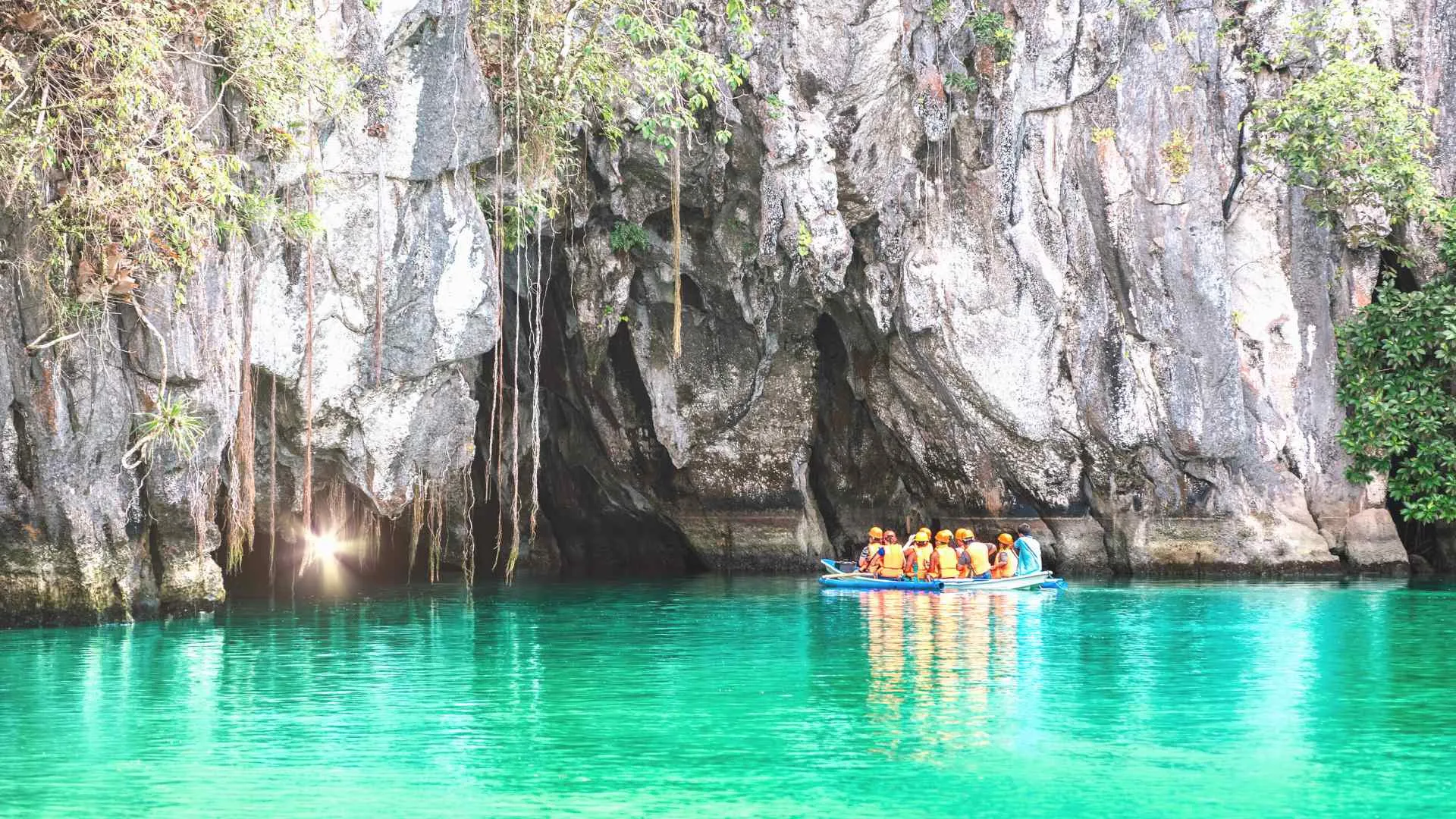
Palancar Caves: Underwater Labyrinth Exploration
Are you ready for an exhilarating adventure beneath the crystal-clear waters of Cozumel? Look no further than the mesmerizing Palancar Caves, where a maze-like network of tunnels and swim-throughs awaits your exploration. Get ready to embark on a thrilling journey through these underwater labyrinths, adorned with colorful corals and enchanting light patterns.
1. Palancar Caves offer a maze-like network of tunnels and swim-throughs to explore.
As you descend into the depths of the ocean, you'll find yourself surrounded by the intricate passageways that make up the Palancar Caves. These caves are renowned for their complex layout, providing divers with a true sense of adventure as they navigate through narrow passages and winding corridors. The interconnecting tunnels create an otherworldly experience, giving you the feeling of being lost in an underwater labyrinth.
2. Divers can navigate through narrow passages adorned with colorful corals.
One of the highlights of diving in Palancar Caves is encountering the vibrant marine life that calls this place home. As you venture deeper into the caves, you'll be greeted by an array of colorful corals that line the walls and ceilings of these narrow passages. The sight is nothing short of breathtaking, as hues of reds, oranges, purples, and blues paint a vivid picture before your eyes.
Swimming alongside these stunning coral formations is like exploring a living work of art. You may come across delicate sea fans swaying gently with the current or encounter schools of tropical fish darting playfully between crevices. Every turn reveals new surprises as nature's palette unfolds around you.
3. The caves' formations create mesmerizing light patterns that add to the enchantment.
The unique geological formations within Palancar Caves also give rise to mesmerizing light patterns that dance upon the walls. As sunlight filters through cracks and crevices, it creates an ethereal glow, illuminating the underwater landscape in a magical way. The interplay of light and shadow adds to the enchantment of this dive site, making it a photographer's dream.
Imagine yourself swimming through a tunnel with rays of sunlight piercing through overhead, casting shimmering reflections on the cave walls. The ever-changing play of light creates an ambiance that is both surreal and captivating. It's moments like these that remind us of the wonders nature has to offer.
4. This dive site is suitable for experienced divers due to its complex layout.
While Palancar Caves offer an awe-inspiring experience, it's important to note that this dive site is best suited for experienced divers. The intricate network of tunnels and swim-throughs requires good navigation skills and comfort in confined spaces. Divers should have a solid understanding of buoyancy control and be prepared for potential challenges posed by the complex layout.
For those who meet the requirements, diving in Palancar Caves offers an unparalleled sense of accomplishment. It pushes your limits as you navigate through tight squeezes and discover hidden corners within this underwater labyrinth. The rewards are well worth it as you witness nature's grandeur unfold before your eyes.


Allegro Cozumel: Affordable Resort with Dive Shop
Budget-friendly Accommodation Options
Looking for an affordable place to stay in Cozumel? Look no further than Allegro Cozumel resort. This charming resort offers a range of budget-conscious accommodation options that won't break the bank. Whether you're traveling solo, as a couple, or with a group of friends, there's something for everyone at this wallet-friendly paradise.
From cozy rooms to spacious suites, Allegro Cozumel has it all. The resort understands that not everyone wants to splurge on luxurious accommodations, so they provide comfortable and clean rooms at affordable prices. You can rest easy knowing that your hard-earned money is being well-spent on a comfortable place to lay your head after an exciting day of diving.
Convenient Onsite Dive Shop
One of the standout features of Allegro Cozumel is its onsite dive shop. For avid divers or those looking to try their hand at scuba diving for the first time, having a dive shop right at your doorstep is incredibly convenient. No need to worry about transportation or searching for a reputable dive operator – everything you need is right here.
The dive shop at Allegro Cozumel offers a range of services tailored to divers of all levels. Whether you're a beginner looking for an introductory dive or an experienced diver seeking thrilling underwater adventures, the knowledgeable staff will ensure you have an unforgettable experience. From equipment rental to guided dives, they have you covered every step of the way.
Abundance of Amenities
When staying at Allegro Cozumel, it's not just about diving – the resort boasts an array of amenities designed to enhance your overall vacation experience. After a day exploring the vibrant underwater world off the coast of Cozumel, take some time to relax by one of the resort's refreshing swimming pools. Soak up the sun, sip on a tropical cocktail, and let your worries melt away.
Hungry after a day filled with underwater exploration? Allegro Cozumel has you covered with its diverse selection of restaurants. From international cuisine to local specialties, there's something to satisfy every palate. Indulge in mouthwatering dishes and savor the flavors of Mexico while enjoying the laid-back atmosphere of the resort.
In the evenings, why not head to one of the resort's bars for some lively entertainment? Enjoy live music, dance the night away, or simply unwind with a drink in hand as you soak up the vibrant atmosphere. Allegro Cozumel ensures that your vacation is not only about diving but also about creating unforgettable memories through their range of amenities.
Proximity to Popular Dive Sites
One of the major advantages of choosing Allegro Cozumel as your base for exploring Cozumel's underwater wonders is its prime location near popular dive sites. The island is renowned for its crystal-clear waters teeming with marine life and stunning coral reefs. With easy access to these incredible dive sites, you'll be able to immerse yourself in an underwater paradise within minutes.
Imagine descending into turquoise waters surrounded by colorful fish darting between vibrant coral formations. Swim alongside majestic sea turtles or marvel at intricate seahorses hiding among swaying sea fans. With each dive, you'll discover something new and awe-inspiring beneath the surface.
Allegro Cozumel provides divers with an excellent opportunity to explore famous dive sites such as Palancar Reef and Columbia Wall. These sites are known for their breathtaking beauty and abundant marine biodiversity. Whether you're an experienced diver or just starting out, these sites offer something for everyone.
FAQs: Best Cozumel Dive Sites
What is the best time to visit Cozumel for diving?
The best time to visit Cozumel for diving is between November and April when the water visibility is at its peak and there are fewer chances of rain or storms affecting your dives.
Are there any age restrictions for diving in Cozumel?
Yes, most dive operators in Cozumel have a minimum age requirement of 10-12 years old for scuba diving. However, younger children can still participate in snorkeling activities.
Do I need to be a certified diver to explore the dive sites in Cozumel?
While certification is not mandatory for all dive sites in Cozumel, it is highly recommended. Some of the more advanced dive sites may require specific certifications or experience levels due to their depth or current conditions.
What kind of marine life can I expect to see while diving in Cofzumel?
Cozumel is known for its abundant marine life. You can expect to encounter colorful coral reefs, tropical fish, turtles, rays, seahorses, and even the occasional nurse shark or eagle ray during your dives.

Ellie is the founder of Ellie's Travel Tips, where she shares practical cruise tips, port guides, and step-by-step itineraries to help you plan smarter trips for less. Her checklists and packing guides turn travel daydreams into doable plans.