Cruising Doubtful Sound: Day Trips, Overnights and Access
Cruising Doubtful Sound is not a simple arrive-and-board outing. Reaching this remote New Zealand fiord is part of the experience, and choosing between a day trip, overnight cruise, or local charter changes your schedule, comfort, cost, and time on the water.
What Makes a Doubtful Sound Cruise Different?
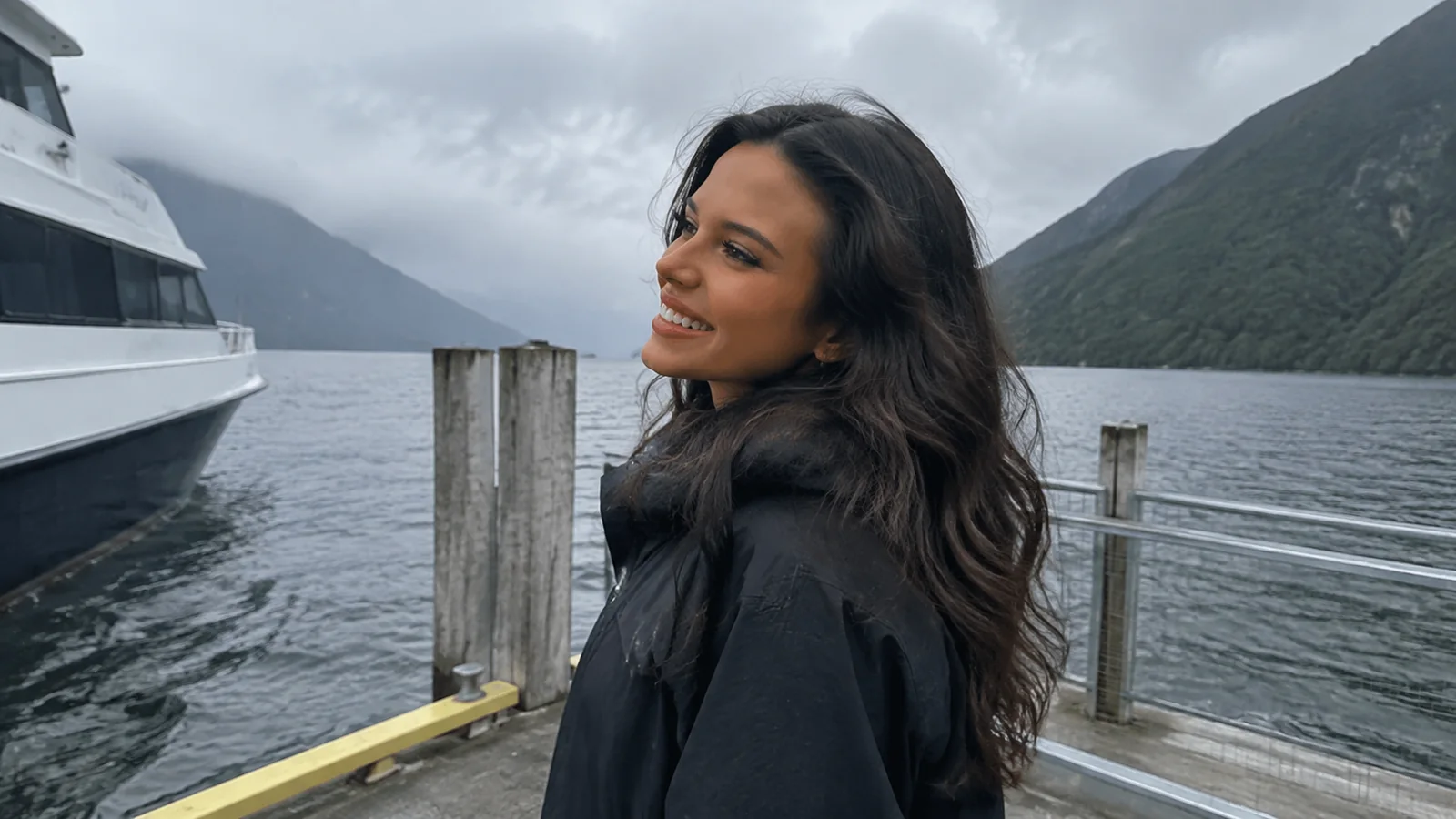
Patea/Doubtful Sound has no direct public-road access, which is the first fact to understand before comparing tours. Most visitors cross Lake Manapouri by boat, ride a coach over Wilmot Pass, and board a second vessel at Deep Cove.
The New Zealand Department of Conservation describes Patea as one of Fiordland’s largest fiords, with three main arms and three marine reserves. Its remoteness is real, not a marketing flourish.
- Best first choice: A full day trip from Manapouri for the simplest introduction
- Best for quiet and changing light: An overnight cruise
- Best for small groups: A small-vessel overnight or private charter with confirmed transfers
- Best base: Te Anau or Manapouri, not Queenstown, if you dislike very long days
- Biggest misconception: The boat across Lake Manapouri is not the Doubtful Sound scenic cruise itself
The Access Chain, Step by Step
Start at Pearl Harbour in Manapouri
Standard excursions begin at Pearl Harbour, a small departure point in the town of Manapouri. Arrive early enough to park, check in, use the restroom, and sort any lunch order without turning the first transfer into a sprint.
Manapouri is about a 20-minute drive from Te Anau under ordinary conditions, while Queenstown makes the outing much longer. The official Fiordland tourism site confirms that day and overnight trips include the necessary boat-and-bus access when sold as a complete package.
Cross Lake Manapouri
The first boat carries guests across freshwater Lake Manapouri to West Arm. RealNZ currently schedules about 45 minutes for this crossing, but the exact vessel and timing belong to your booked departure.
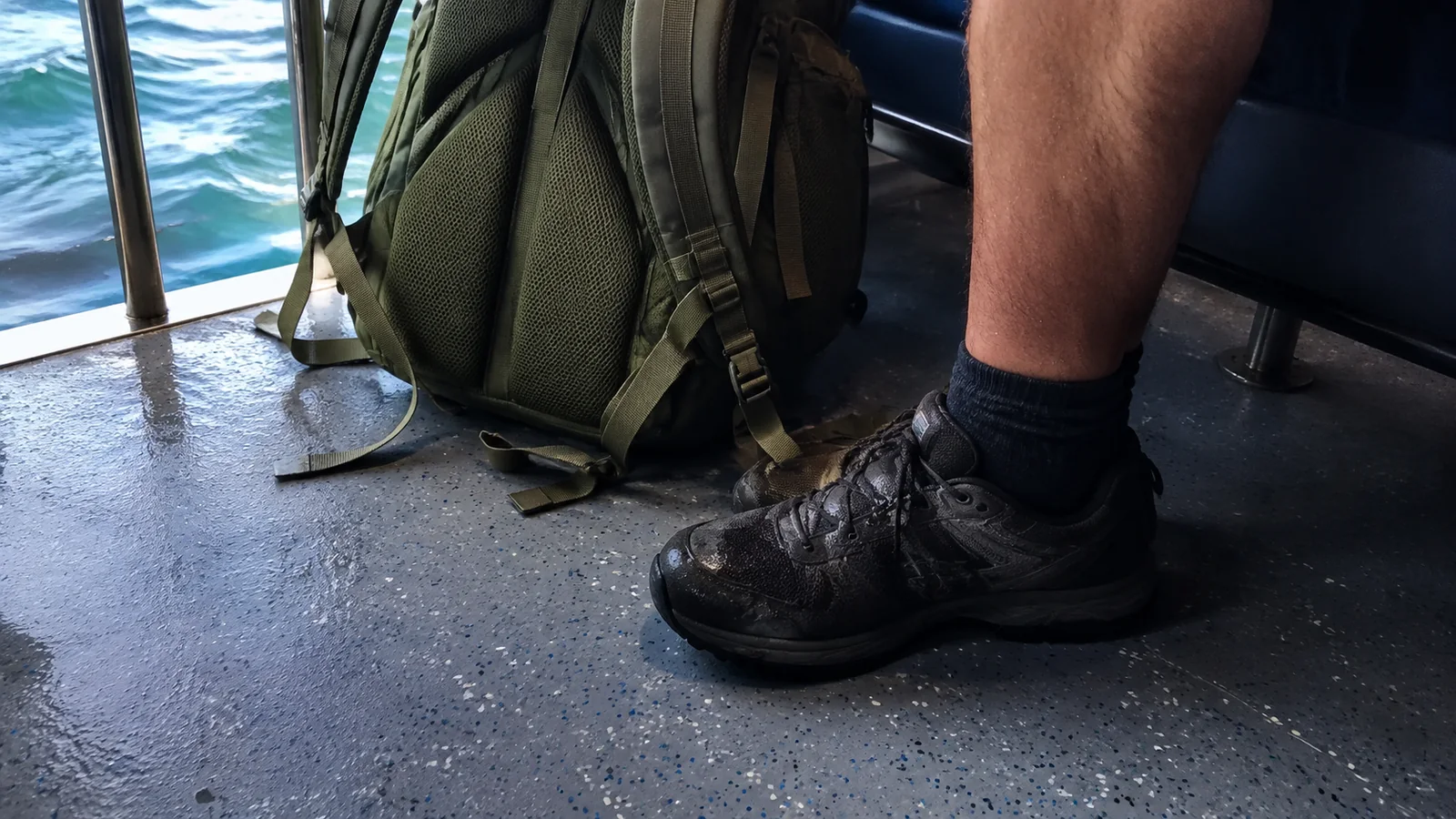
This segment can be scenic, yet it is transportation rather than the main fiord cruise. Keep a layer and rain shell accessible because you may move between enclosed seating, outdoor decks, docks, and a coach several times.
Ride over Wilmot Pass
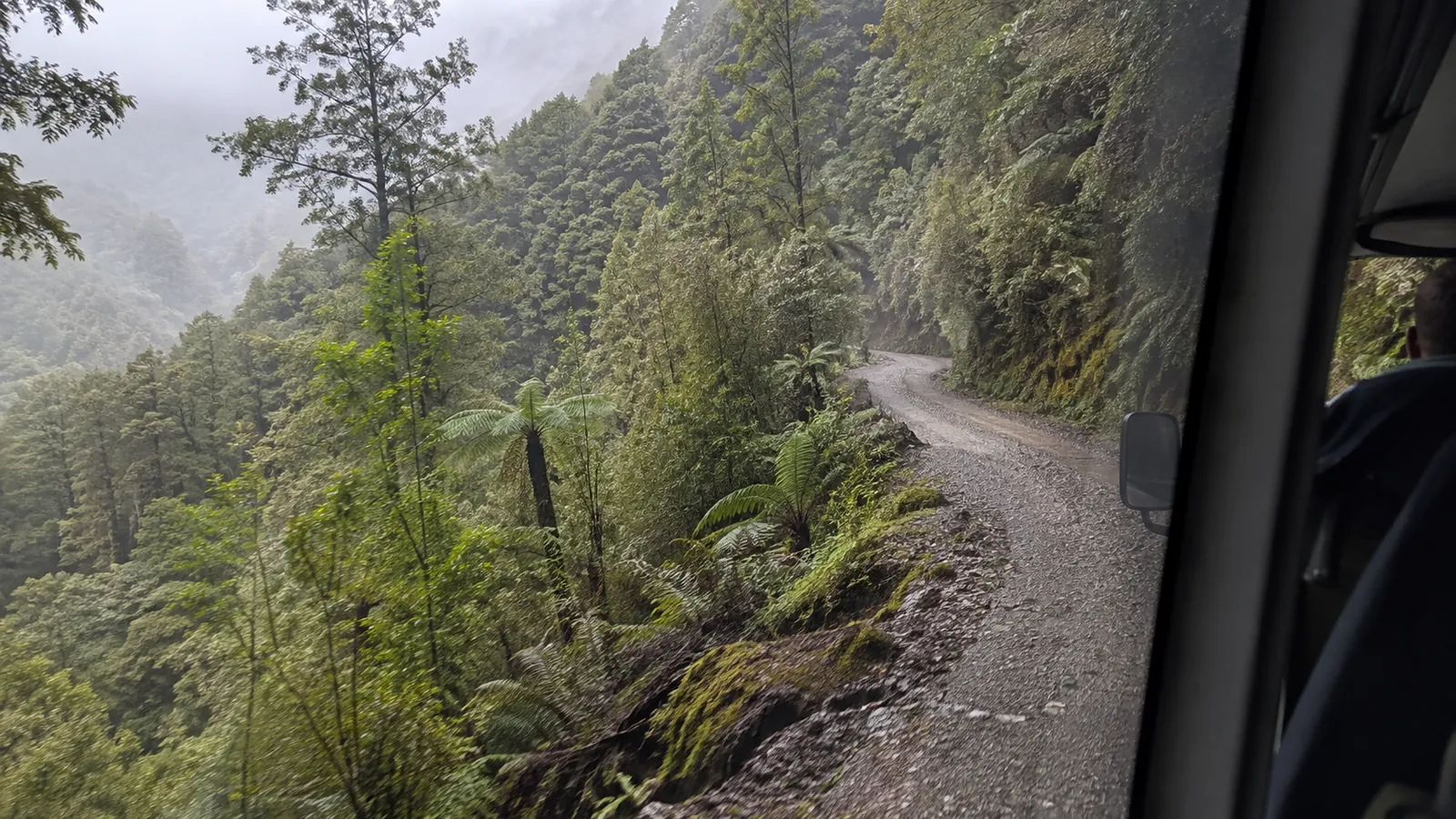
At West Arm, guests transfer to a coach for the road over Wilmot Pass to Deep Cove. The approximately 45-minute ride crosses rainforest and can include a viewpoint stop when conditions and operations allow.
You cannot treat Wilmot Pass like a normal rental-car shortcut. If a listing begins at Deep Cove, ask exactly how you will reach its dock and whether round-trip lake and coach transfers are included in the quoted price.
Board the Doubtful Sound vessel
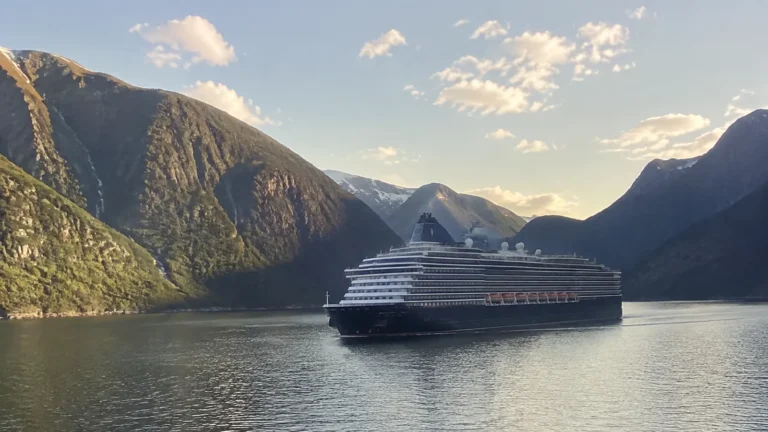
Deep Cove is where the actual fiord cruise begins. A day boat typically explores the waterways for a few hours, while an overnight vessel has time to travel farther, anchor, serve meals, and potentially offer tender or kayak activities.
Then the access sequence runs in reverse unless you are staying overnight. A “seven-hour tour” does not mean seven hours cruising Patea, so compare water time and total duration separately.
Day Cruise, Overnight Cruise, or Local Cruise?
Day cruise from Manapouri
A day tour is the practical choice for travelers with one available day, a tighter budget, or no interest in sleeping aboard. RealNZ’s current Wilderness Cruise itinerary includes the lake crossing, Wilmot Pass coach ride, and about 2.5 hours cruising the fiord.
The compromise is arithmetic: much of the day is spent reaching and leaving Deep Cove. That is not wasted time if you enjoy the lake and pass, but it can disappoint someone expecting an all-day boat ride within Doubtful Sound.
Overnight cruise
An overnight is for travelers who want dusk, early morning, meals aboard, and a slower sense of place. Current RealNZ overnight options offer one- or two-night formats, with kayaking or a small-boat excursion dependent on weather.
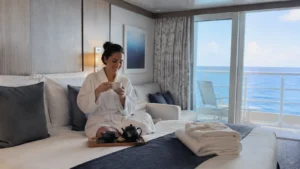
Cabins, bathroom arrangements, vessel size, meals, and activity menus differ, so “overnight cruise” is not one standard product. Check whether your room is private, whether its bathroom is ensuite, and how stairs or ladders affect access.
The overnight premium buys more than a bed, but it does not buy guaranteed wildlife or a perfect sunset. It buys more time and more chances to experience the fiord under different conditions.
Local cruise or charter from Deep Cove
Small vessels based at Deep Cove may sell overnights, fishing trips, or private charters that feel more local than a large packaged departure. They can be wonderful for a small group, but the transportation question becomes even more important.
Do not assume a water-only price includes the Manapouri boat and Wilmot Pass coach. Ask who controls each transfer, what happens if an incoming connection is delayed, and whether the entire journey is covered by one cancellation policy.
Scenic flight plus cruise
Some itineraries combine a flight with time on the water, creating dramatic aerial context and reducing certain surface transfers. Weather has greater power over this plan, and a landing or flight path should never be assumed until the operator confirms it.
Choose this format because flying is part of the dream, not because it is the only way to see Patea. Build a backup day and understand whether a weather cancellation refunds the full combination or only one component.
Where Should You Stay?
Manapouri for the cleanest morning
Manapouri removes the pre-dawn road transfer and puts you close to the check-in point. It is the calmest base for an early departure, especially if you are self-driving or traveling with children.
The town is small, so dining and lodging choices are more limited than in Te Anau. Reserve both accommodation and dinner rather than expecting a broad late-night selection.
Te Anau for the best balance
Te Anau offers more rooms, restaurants, groceries, and activities while remaining close enough for an easy transfer to Manapouri. It is my practical pick for most travelers spending several days in Fiordland.
You can add a coach connection or drive yourself, but confirm whether your departure uses Te Anau pickup or requires Manapouri check-in. The product name alone may not reveal the starting point.
Queenstown for convenience, not brevity
A Queenstown coach package avoids changing hotels, yet it creates a very long day around an already layered excursion. This works when Queenstown is your fixed base and you are comfortable sitting for hours.
If Doubtful Sound is a priority, one night in Te Anau or Manapouri usually gives it more breathing room. It also reduces the consequences of road delays before the lake departure.
Weather Is Part of the Scenery
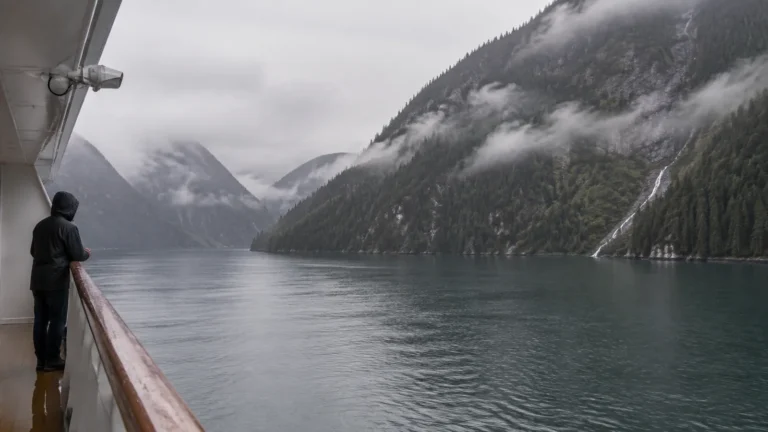
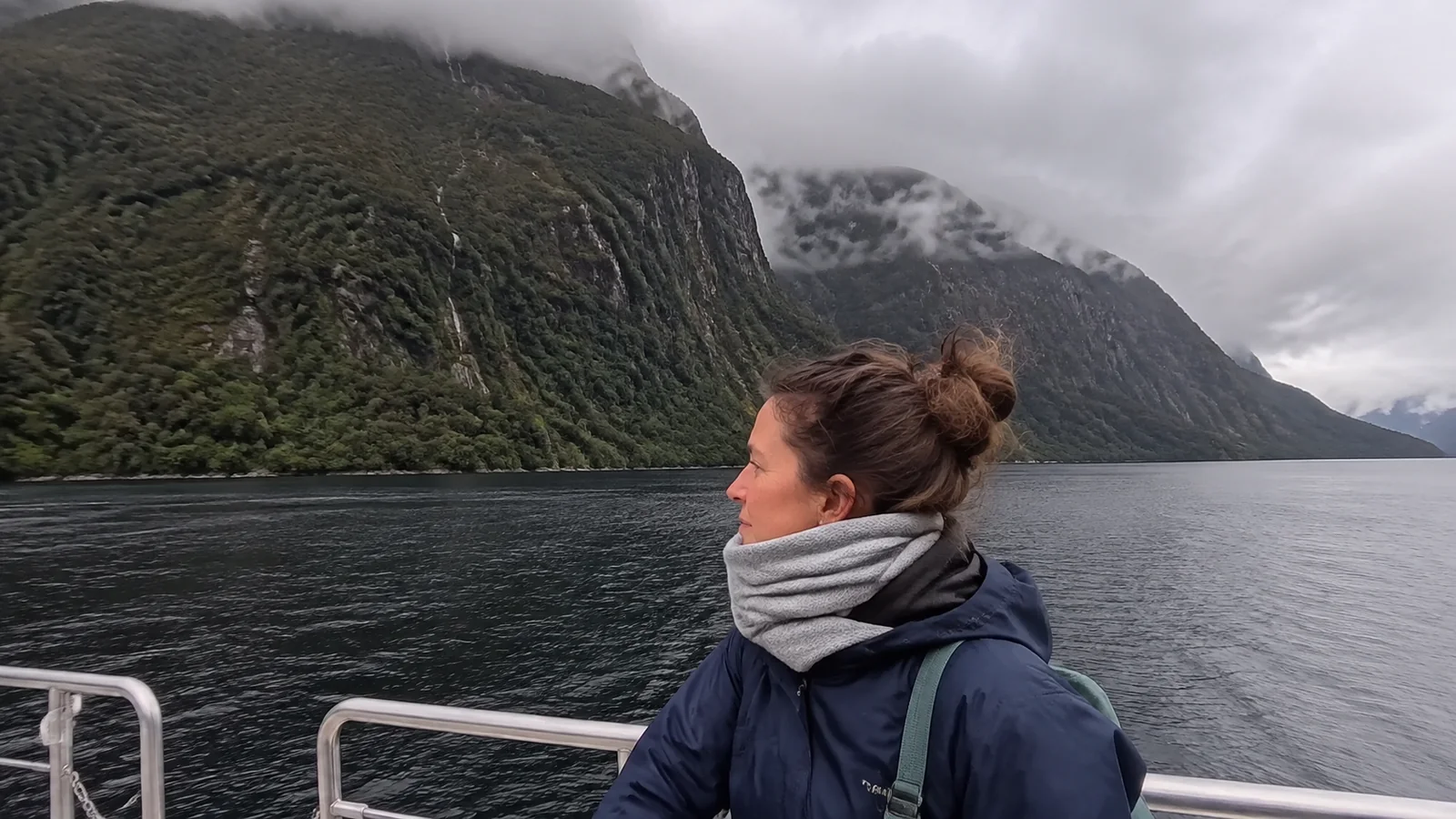
Fiordland is famously wet, and rain can turn bare rock walls into hundreds of temporary waterfalls. Clear weather opens distant views, while cloud and mist make the fiord moodier and more enclosed.
Neither is the universally “best” version. The smart plan is waterproof clothing, flexible expectations, and enough schedule margin to cope with changing marine, road, or flight conditions.
Wear a waterproof shell over warm layers, even in New Zealand’s summer. A compact packing system like the one in these cruise packing tips is more useful here than a bulky suitcase full of single-purpose outfits.
Wildlife Without Promises
Patea supports bottlenose dolphins, New Zealand fur seals, penguins, seabirds, and other marine life. Sightings depend on season, location, animal behavior, visibility, and simple luck.
A responsible operator should frame wildlife as possible rather than scheduled. Give animals space, follow crew instructions, and keep voices and movement controlled during close encounters.
Binoculars help more than a long wish list. A phone lanyard or secure camera strap is also sensible on wet decks, but never lean beyond rails for a photograph.
Conservation Etiquette Matters
Doubtful Sound’s quiet is one of its greatest assets, and visitors have a role in preserving it. Carry out every item, keep food secured, and never feed or pursue wildlife.
Clean footwear and outdoor gear before entering Fiordland, particularly if they have been used around soil or waterways elsewhere. Follow biosecurity instructions from your operator and New Zealand authorities rather than improvising at the dock.
Choose the smallest impact that still meets your needs. A small vessel can feel intimate, but environmental quality depends on operating practices, passenger behavior, routing, and compliance, not boat size alone.
Accessibility and Comfort Questions to Ask
This journey involves multiple vessels, gangways, a coach, docks, variable weather, and possibly stairs. “Accessible” needs to be defined around your mobility, balance, vision, hearing, fatigue, and transfer needs.
- Is step-free boarding available at every transfer point?
- Can the coach secure my exact wheelchair or mobility device?
- Are accessible toilets available on both boats and during the pass transfer?
- Can I remain seated during boarding, or must I walk a gangway?
- Which overnight cabins avoid stairs, thresholds, and upper bunks?
- Can dietary or medical refrigeration needs be accommodated?
Ask the operating company, not only a reseller, and get important answers in writing. Conditions can affect gangway angles and activity access even when the main trip can operate.
What to Pack for the Day
- A waterproof hooded shell and warm midlayer
- Closed shoes with reliable traction
- Water, snacks, and any preordered lunch confirmation
- Prescription medicine kept in your day bag
- Sunscreen and sunglasses for bright reflections
- Insect repellent for calm, damp stops
- Binoculars and a secured camera or phone
- A dry pouch for documents and electronics
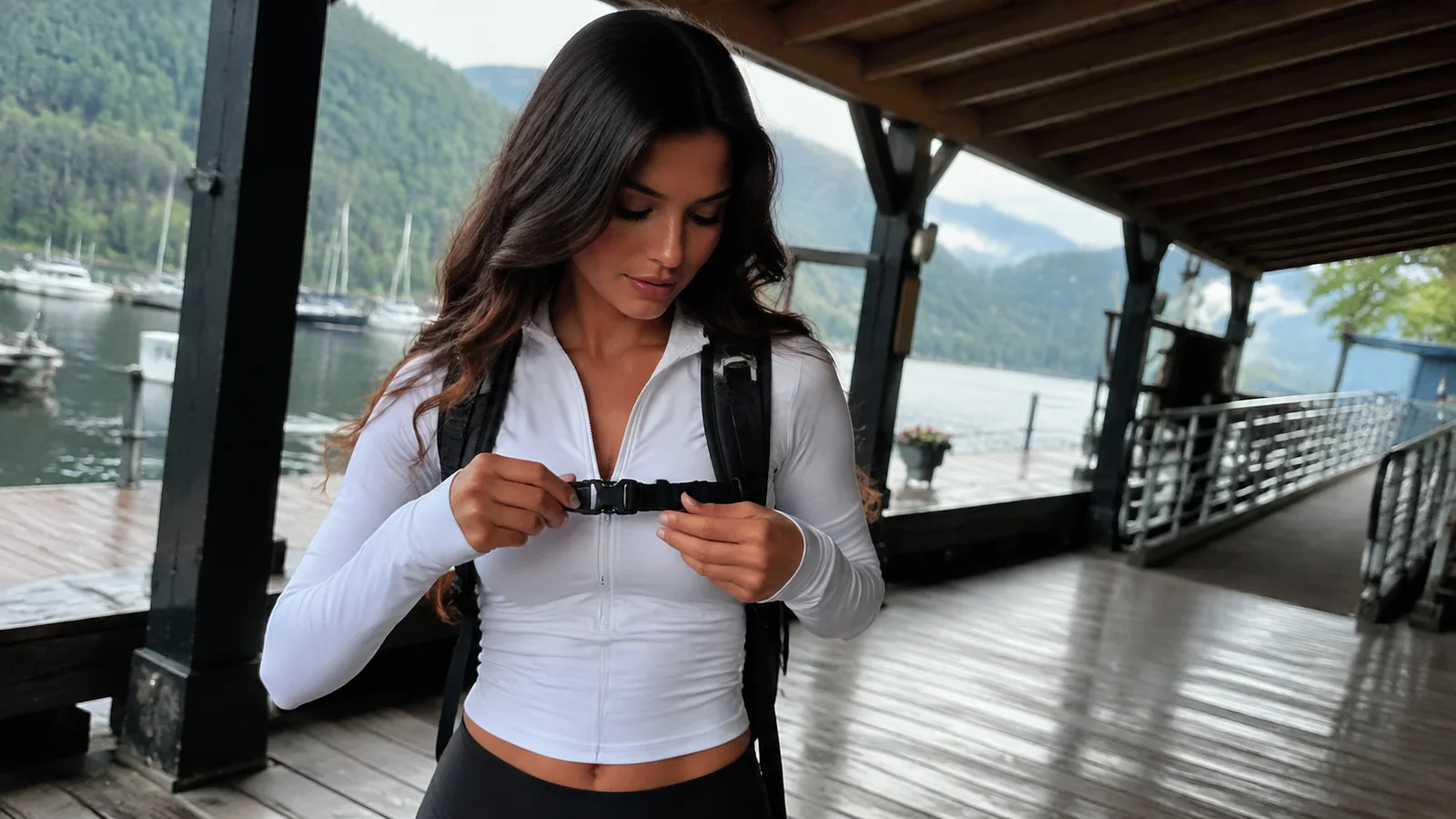
Keep essentials in one compact bag because you will transfer repeatedly. If this excursion is one piece of a longer trip, these budget travel strategies can help you decide where the overnight upgrade is worth the splurge.
How to Compare Prices Honestly
Start with what is included from your chosen departure point. Add coach transfers, parking, meals, drinks, accommodation, kayak or tender activities, and the cost of changing a hotel night.
Then compare cancellation terms for weather, personal changes, missed check-in, and interrupted transfers. The cheapest listing can become the most fragile if separate companies control the road, lake crossing, and fiord vessel.
Book in New Zealand dollars and check your card’s foreign-transaction policy. Published starting prices change by date and cabin, so they are useful for screening but not for declaring a permanent bargain.
Can a Cruise-Ship Passenger Visit Doubtful Sound?
Most conventional New Zealand cruise itineraries do not give passengers enough independent time to travel from a distant port, complete both transfers, cruise Patea, and return safely. A ship may scenic-cruise Fiordland from the sea, but that is not the same as joining a Deep Cove excursion.
If your cruise line sells a named Doubtful Sound experience, examine its exact logistics and return protection. The broader planning checks in these cruise travel tips are especially important whenever an excursion sits far from the ship.
My Practical Pick
For a first visit, I would choose a complete day package from Manapouri and sleep nearby before departure. It keeps the access chain under one booking and delivers the landscape without committing to a cabin or a higher overnight price.
I would upgrade to an overnight for travelers who value silence, naturalist-led time, and changing light more than a packed New Zealand checklist. Choose the smaller charter only after transfers, cabin facilities, meals, and cancellation responsibility are completely clear.
The Bottom Line
Cruising Doubtful Sound rewards travelers who accept that the journey is layered and the weather is uncontrollable. Compare total travel time, actual hours in the fiord, cabin details, accessibility, and who owns each connection.
A day trip is not a lesser experience, and an overnight is not a wildlife guarantee. The right choice is the one whose pace, logistics, and level of immersion match the way you genuinely like to travel.