
Are you ready for snorkeling adventures in the Florida Keys? Look no further than Dry Tortugas National Park, a hidden gem nestled in the crystal-clear waters of the Gulf of Mexico. This snorkeler's paradise consists of seven small islands, each offering a unique opportunity to explore vibrant coral reefs and encounter an abundance of marine life in this popular snorkeling area.
Imagine snorkeling in the turquoise waters of the Florida Keys, surrounded by schools of colorful fish and intricate coral formations. In Dry Tortugas, experienced snorkelers can dive deep into nature's wonders and encounter sea turtles while exploring the beaches.
So pack your swimsuit and get ready for an adventure like no other in the Florida Keys. Dry Tortugas snorkeling is calling – will you answer? Dive in and immerse yourself in nature's underwater playground; it's time to create memories that will last a lifetime at this incredible snorkeling area.


Best Snorkeling Spots in Dry Tortugas National Park
Loggerhead Reef: Dive into a World of Colorful Coral and Majestic Sea Turtles
If you're looking for an unforgettable Dry Tortugas snorkeling and diving experience, look no further than Loggerhead Reef in the Florida Keys. This mesmerizing spot is renowned for its diverse coral formations that create a vibrant underwater landscape with clear waters. As you dip below the surface, prepare to be greeted by an array of colors as corals in every shape and size stretch out before your eyes. Key West is also a popular destination for diving in the Florida Keys.
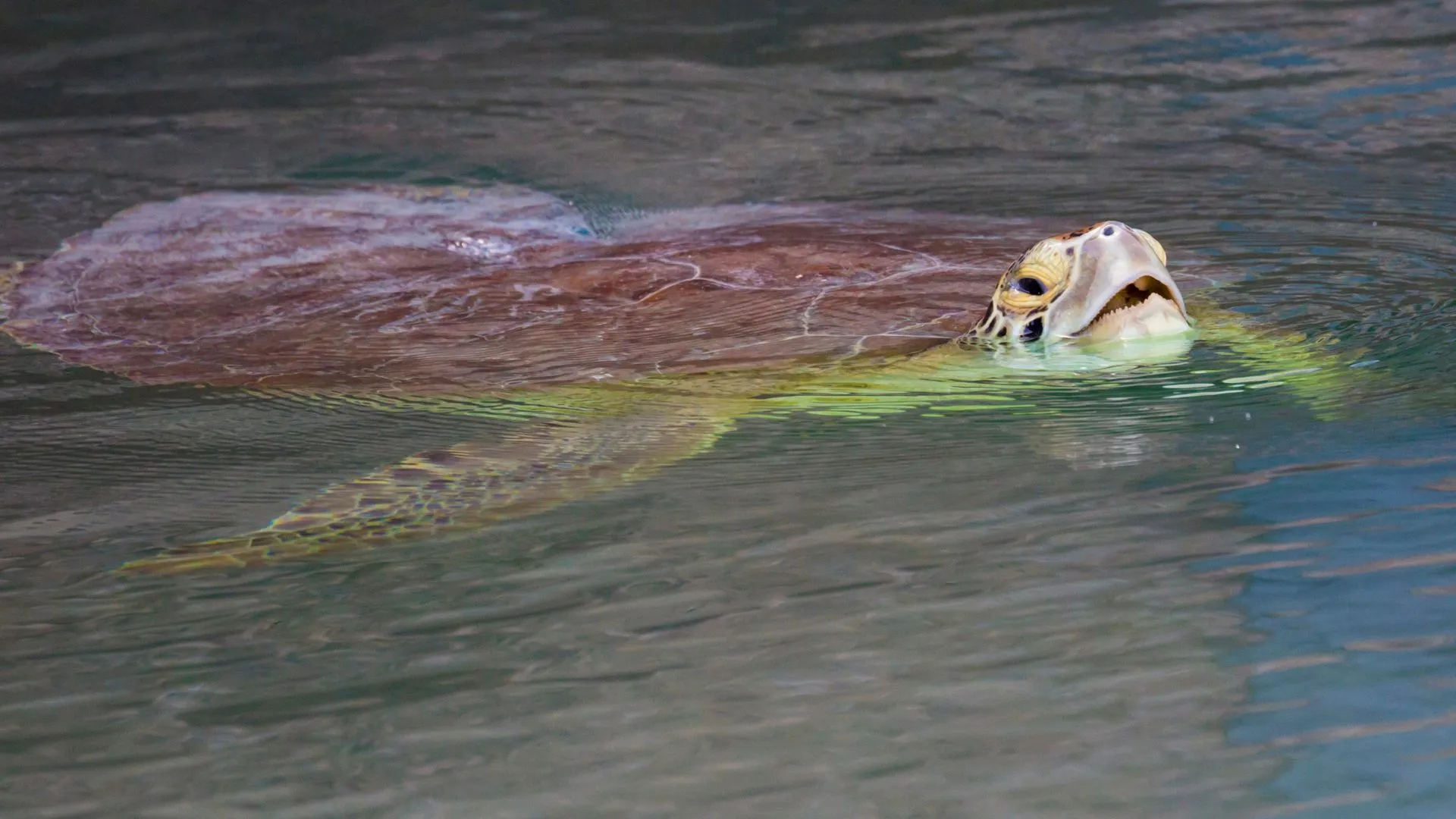
But it's not just the corals that make Loggerhead Reef special; it's also home to a large population of magnificent sea turtles. These majestic creatures gracefully glide through the water, their shells adorned with intricate patterns. Snorkelers have the incredible opportunity to witness these gentle giants up close in the dry tortugas snorkeling area, observing their natural behavior in their serene underwater habitat.
Imagine yourself surrounded by the tranquility of the ocean, snorkeling and diving in the clear waters of Dry Tortugas. Swim alongside graceful sea turtles as they navigate through this underwater wonderland at Loggerhead Reef. The sheer beauty and biodiversity found here will leave you in awe and provide memories of a lifetime on this stunning beach.
Little Africa: Discover an Underwater Paradise with Stunning Coral Gardens
For those seeking a slice of paradise beneath the waves, Little Africa is a must-visit snorkeling spot within Dry Tortugas National Park. As you descend into this submerged sanctuary, prepare to be captivated by its stunning coral gardens teeming with life. The islands and open water surrounding Little Africa offer clear waters and fresh water for an unforgettable snorkeling experience.
The name "Little Africa" perfectly captures the diversity and abundance of marine species found on the islands. Just like an African savannah bustling with wildlife, this underwater realm is alive with activity. Schools of tropical fish dart among intricate coral formations in the clear waters, creating a kaleidoscope of colors that dance before your eyes. Dry Tortugas snorkeling and diving offer unique opportunities to explore this vibrant ecosystem.
As you explore the crystal-clear waters while Dry Tortugas snorkeling, keep an eye out for some of its most famous residents. From vibrant parrotfish to elusive angelfish and curious butterflyfish, the variety of species is truly astounding. Snorkelers are often greeted by friendly turtles and even the occasional gentle manatee, adding an extra touch of magic to this already enchanting Dry Tortugas diving spot. Take the ferry to experience this incredible underwater world.
Davis Reef: Dive into a World of Clarity and Encounter Fascinating Marine Life
If you're craving excellent visibility and the chance to encounter some intriguing marine creatures, look no further than Davis Reef in the Dry Tortugas National Park islands. This snorkeling spot offers an underwater experience that will leave you breathless. Take a ferry to reach this amazing destination.
As you descend into the crystal-clear waters surrounding Davis Reef, get ready for a visual feast during your dry tortugas snorkeling experience. The remarkable clarity of the water allows you to see every detail of your surroundings with unparalleled precision. It's like stepping into an underwater dreamland where colors pop and marine life comes alive in vivid detail. Don't forget to catch the ferry to reach this amazing snorkeling spot!
Davis Reef is a popular spot for dry tortugas snorkeling, with encounters with barracudas, groupers, and nurse sharks. These fascinating creatures call these waters home, showcasing their grace and power as they navigate through their natural habitat. Snorkelers on the ferry have the opportunity to observe them from a respectful distance, marveling at their beauty while learning about their importance within the delicate balance of this underwater ecosystem.
So grab your snorkel gear and get ready for an adventure filled with awe-inspiring sights at Davis Reef in the Dry Tortugas. Immerse yourself in this world of clarity and let the wonders of marine life unfold before your eyes during your Dry Tortugas snorkeling experience. Don't forget to take the ferry to reach this incredible destination.
East Key: Dive Into Shallow Waters Ideal for Beginners
Are you new to snorkeling or simply prefer exploring shallower waters? Look no further than East Key with Dry Tortugas national park snorkeling. The Dry Tortugas snorkeling spot is perfect for beginners or those who prefer calmer conditions while still providing a captivating underwater experience.
As you dip beneath the surface at East Key for Dry Tortugas snorkeling, be prepared to enter a world bursting with vibrant corals and schools of colorful fish. The shallow depths allow ample sunlight to penetrate through the water, illuminating the coral gardens below. This creates a mesmerizing display of colors, as if you've stepped into an underwater kaleidoscope for dry tortugas snorkeling.
Swim among the corals and observe the intricate patterns and shapes they form while Dry Tortugas snorkeling. Schools of tropical fish playfully dart around, their vibrant hues contrasting against the coral backdrop. It's a sight that will leave you feeling like you've entered a hidden paradise for Dry Tortugas snorkeling.
Whether you're a beginner or simply enjoy snorkeling in calm waters, East Key offers an unforgettable experience for all. Immerse yourself in this underwater wonderland and let the beauty of nature surround you.

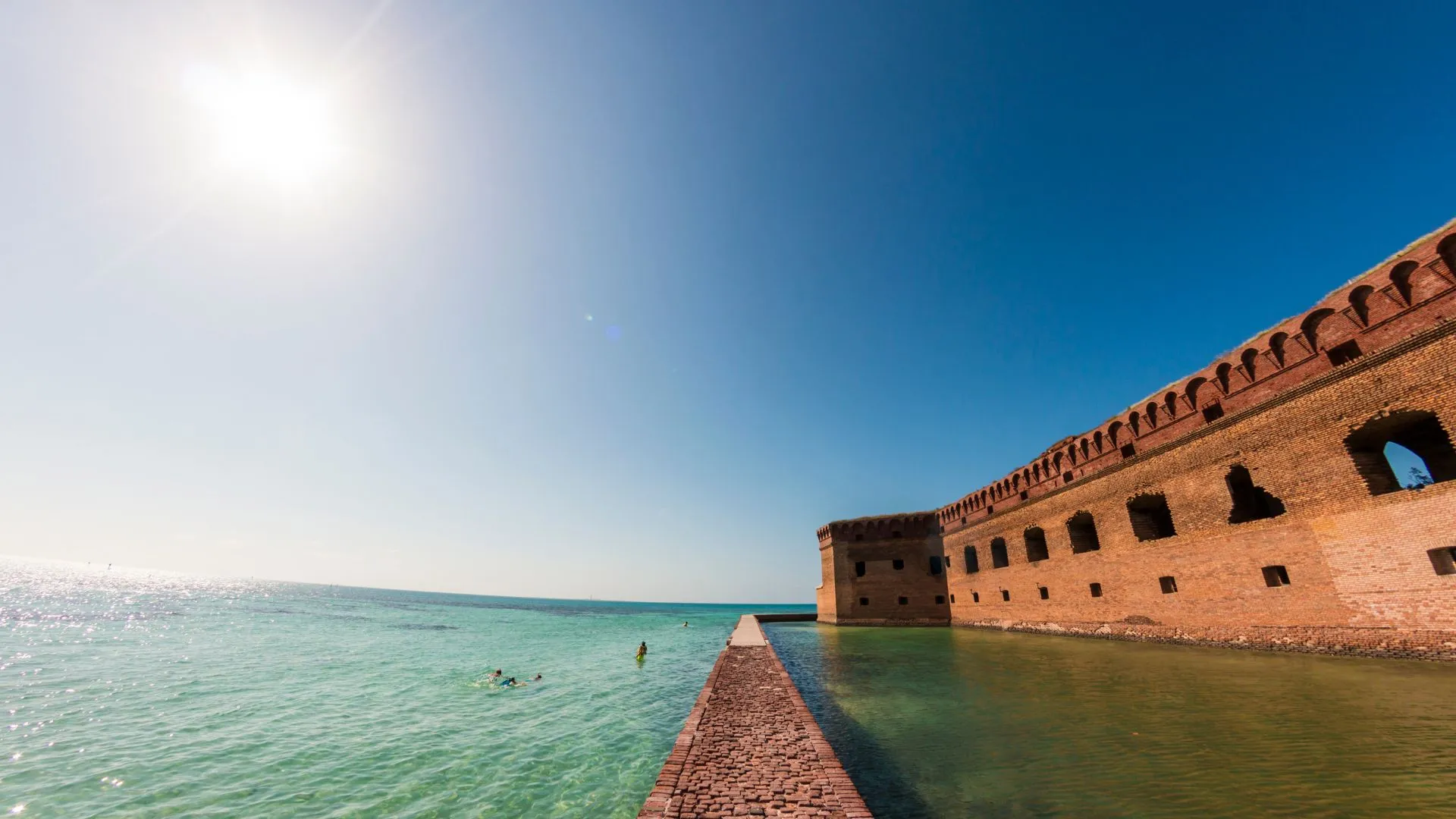
Top tips for snorkeling in Dry Tortugas National Park
Bring your own snorkel gear or rent it from the ferry service before departing for the park.
Don't forget to pack your snorkel or scuba gear when planning a trip to Dry Tortugas National Park. Bringing your own equipment ensures that you have gear that fits you comfortably and suits your personal preferences. However, if you don't have your own gear or prefer not to bring it, you can easily rent snorkel equipment from the ferry service before heading out to the park.
Renting equipment is a convenient option as it saves you from the hassle of carrying bulky gear with you. The ferry service provides high-quality snorkels, masks, and fins that are well-maintained and suitable for exploring the vibrant underwater world of Dry Tortugas National Park. By renting from them, you can rest assured that you'll have everything you need for an enjoyable snorkeling experience.
Apply reef-safe sunscreen to protect both your skin and the delicate coral reefs.
While enjoying the crystal-clear waters of Dry Tortugas National Park, it's crucial to protect both your skin and the fragile coral reefs. Ordinary sunscreens often contain harmful chemicals that can harm marine life and damage coral reefs. Therefore, opt for reef-safe sunscreen options that are free from oxybenzone and octinoxate.
Reef-safe sunscreens use mineral-based ingredients like zinc oxide or titanium dioxide, which provide effective protection against harmful UV rays without posing a threat to marine ecosystems. Applying this type of sunscreen before entering the water ensures that you're safeguarding yourself while being environmentally conscious.
Stay hydrated by bringing plenty of water with you during your snorkeling adventure.
Dry Tortugas snorkeling is an exhilarating activity but can be physically demanding. Spending time in warm water under the sun can lead to dehydration if precautions aren't taken. To prevent this, make sure to bring an ample supply of water with you during your snorkeling adventure.
Carrying a reusable water bottle is an excellent way to stay hydrated throughout the day. The park doesn't have any freshwater sources, so it's essential to bring enough water to last for the duration of your visit. Remember to drink regularly, even if you don't feel thirsty, as staying hydrated will help you maintain energy levels and enjoy your snorkeling experience to the fullest.
Practice proper buoyancy control to avoid damaging the fragile underwater environment.
When snorkeling in Dry Tortugas National Park, it's crucial to practice proper buoyancy control. This skill allows you to float effortlessly without disturbing the delicate underwater environment. By mastering buoyancy control, you can minimize accidental contact with coral reefs or other marine organisms while exploring.
To achieve optimal buoyancy, ensure that your snorkel gear fits properly and adjust any straps or buckles accordingly. It's also helpful to practice controlled breathing techniques that allow you to regulate your depth in the water. By maintaining neutral buoyancy and avoiding unnecessary contact with the reef, you can contribute to preserving the pristine condition of Dry Tortugas' underwater ecosystem.
Be mindful of any currents or changing weather conditions while snorkeling.
While snorkeling in Dry Tortugas National Park, it's vital to be aware of any currents or changing weather conditions. The park is located in an open-water setting where currents can vary throughout the day. Before entering the water, take a moment to observe the current direction and strength.
If there are strong currents present, it's advisable not to venture too far from shore unless you're an experienced swimmer or accompanied by a guide. Keep an eye on weather patterns as they can change rapidly in this region. Sudden storms or high winds may pose risks for snorkelers.
Always prioritize safety and follow any instructions provided by park rangers or tour operators regarding swimming areas and potential hazards due to weather conditions. By staying vigilant and respecting the power of nature, you can have a safe and enjoyable snorkeling experience in Dry Tortugas National Park.
Guided Snorkel Adventures at Dry Tortugas National Park
Are you ready for an unforgettable underwater adventure? Look no further than the guided snorkel adventures at Dry Tortugas National Park. Joining a guided tour allows you to explore the best snorkeling spots under expert guidance, ensuring a safe and educational experience for all skill levels.
Experienced guides are your ticket to discovering the hidden wonders of Dry Tortugas' vibrant marine life. They provide valuable insights into the unique features, history, and ecological significance of each location within the park. Whether you're a novice or an experienced snorkeler, their expertise will enhance your understanding and appreciation of this remarkable ecosystem.
When you book a guided snorkel adventure, equipment rental is often included. This means you don't have to worry about bringing your own snorkeling gear or dealing with any hassle. The tour operators take care of everything, from providing high-quality masks and fins to ensuring that all equipment is properly fitted for maximum comfort and safety.
Transportation to Dry Tortugas National Park is another perk of joining a guided tour. Instead of navigating through logistics on your own, sit back and relax as you're whisked away on a comfortable boat ride to this remote paradise. During the journey, knowledgeable guides offer insightful commentary about the area's rich history and fascinating marine ecosystem.
Due to limited availability, it's highly recommended to book your guided tour in advance. This way, you can secure your spot and avoid disappointment upon arrival at Dry Tortugas National Park. Don't miss out on this incredible opportunity to explore one of Florida's most pristine underwater playgrounds!
Expert Guidance for Unforgettable Experiences
Imagine diving into crystal-clear turquoise waters teeming with colorful coral reefs and exotic fish species. With expert guidance from experienced snorkelers who know these waters like the back of their hand, you'll be able to make the most out of your Dry Tortugas snorkeling adventure.
These knowledgeable guides are passionate about the marine life that calls Dry Tortugas National Park home. They share their extensive knowledge, pointing out different species of fish, coral formations, and other fascinating underwater treasures along the way. Their expertise adds depth to your snorkeling experience, allowing you to appreciate the intricate relationships and delicate balance of this unique ecosystem.
A Safe and Educational Experience
Safety is paramount. Guided snorkel adventures at Dry Tortugas National Park prioritize your well-being by providing a safe environment for exploration. The experienced guides are trained in water safety techniques and are equipped with first aid kits to handle any unforeseen situations.
Not only do these tours ensure your safety, but they also offer an educational aspect that sets them apart from independent snorkeling trips. As you navigate through the park's diverse dive sites, the guides provide fascinating insights into the history of Dry Tortugas and its surrounding waters. Learn about shipwrecks that lie beneath the surface or discover how various marine species have adapted to survive in this unique habitat.
Convenience and All-Inclusive Packages
Booking a guided tour means you can leave all the planning and logistics to the experts. Many tours offer convenient packages that include everything you need for a day trip to Dry Tortugas National Park. From transportation to equipment rental, these all-inclusive options allow you to focus on enjoying every moment of your snorkel adventure.
Imagine hopping aboard a private boat with fellow adventurers who share your love for exploration. As you sail towards Dry Tortugas National Park, take in breathtaking views of the surrounding turquoise waters dotted with picturesque islands. Throughout the journey, friendly guides keep you entertained with interesting anecdotes about local legends or historical events tied to this captivating region.
Upon arrival at Dry Tortugas National Park, prepare yourself for an unforgettable picnic experience like no other! Some tours provide delicious meals as part of their package deal, allowing you to refuel and recharge amidst the natural beauty of your surroundings. Enjoy a satisfying meal while soaking up the sun on pristine sandy beaches or find a shady spot under swaying palm trees for a moment of relaxation.
Don't miss out on the opportunity to explore Dry Tortugas National Park's underwater wonders with expert guidance. Book your guided snorkel adventure in advance, secure your spot, and embark on an unforgettable journey through this marine paradise.


Packing list and essentials for a day at Dry Tortugas
Snorkel gear: Dive into the underwater wonders!
Snorkeling is an absolute must. To make the most of your aquatic adventure, don't forget to pack these essential pieces of snorkel gear:
- Snorkel mask: A good-quality mask with a comfortable fit is crucial for clear underwater vision. Ensure it seals properly around your face to prevent water from entering.
- Fins: Invest in a pair of fins that fit snugly and provide efficient propulsion through the water. They will give you better control and help conserve energy during extended snorkeling sessions.
- Snorkel tube: Choose a snorkel tube that suits your preferences, whether it's a traditional J-shaped one or a dry-top design that prevents water from entering when submerged.
With this gear in tow, you'll be ready to dive beneath the surface and explore the mesmerizing coral reefs, colorful fish, and other fascinating marine creatures that call Dry Tortugas home.
Sunscreen: Shield yourself from UV rays
In this sun-drenched paradise, protecting your skin from harmful UV rays should be high on your priority list. Apply sunscreen liberally before heading out for your day at Dry Tortugas National Park. Look for a broad-spectrum sunscreen with an SPF (Sun Protection Factor) of 30 or higher to shield against both UVA and UVB rays.
Remember to reapply sunscreen every couple of hours, especially after swimming or sweating profusely. Pay extra attention to commonly overlooked areas like the back of your neck, tops of your ears, and underneath straps or clothing edges where sunlight can sneak in.
Hat and sunglasses: Beat the heat in style
Dry Tortugas' tropical climate means intense sunlight is almost always guaranteed during your visit. Keep cool and protect yourself by packing these stylish essentials:
- Hat: Choose a wide-brimmed hat that provides ample shade for your face, neck, and ears. This will help prevent sunburn and keep you comfortable under the scorching sun.
- Sunglasses: Opt for sunglasses with UV protection to shield your eyes from harmful rays. Polarized lenses can also reduce glare, allowing you to fully appreciate the stunning turquoise waters surrounding Dry Tortugas.
Not only will these accessories keep you looking effortlessly chic, but they'll also ensure you can enjoy your day without squinting or worrying about sunburned skin.
Water bottle: Stay hydrated throughout the day
Exploring Dry Tortugas National Park can be an exhilarating experience, but it's crucial to stay hydrated in this tropical environment. Carry a refillable water bottle with you and make sure it's filled to the brim before setting off on your adventure.
Sipping water regularly throughout the day will help replenish fluids lost through sweat and keep your energy levels up. Remember, staying properly hydrated is key to enjoying all that Dry Tortugas has to offer!
Picnic lunch or snacks: Fuel up for underwater adventures
Between snorkeling sessions and beach strolls, hunger may strike during your visit to Dry Tortugas. To keep those hunger pangs at bay and maintain your energy levels, pack a picnic lunch or some tasty snacks.
Consider portable options like sandwiches, fruit slices, granola bars, or trail mix. These easy-to-carry treats will provide sustenance when hunger strikes while allowing you to savor the beauty of this remote paradise without having to rush back to shore for a meal.
By packing a delicious picnic lunch or some satisfying snacks, you'll have everything you need for a delightful day of exploration at Dry Tortugas National Park.
So grab your snorkel gear, slather on sunscreen, don your stylish hat and sunglasses, fill up that water bottle, and don't forget to pack a scrumptious picnic lunch. With these essentials in tow, you'll be well-prepared for an unforgettable adventure at Dry Tortugas National Park!


Unveiling the history of Dry Tortugas National Park
Dry Tortugas National Park is not only a stunning destination for snorkeling enthusiasts but also holds a rich historical significance. Let's dive into the intriguing past of this remarkable park and uncover its fascinating stories.
The Origin of the Name
The name "Dry Tortugas" has an interesting origin that dates back to the time of Spanish explorers. These intrepid adventurers stumbled upon this group of islands and were amazed by the abundance of sea turtles, known as "tortugas" in Spanish, inhabiting the area. However, they noticed something peculiar - there was no fresh water on these islands, hence the term "dry" was added to their name. This unique combination perfectly captures the essence of this extraordinary place.
Fort Jefferson: A Strategic Military Outpost
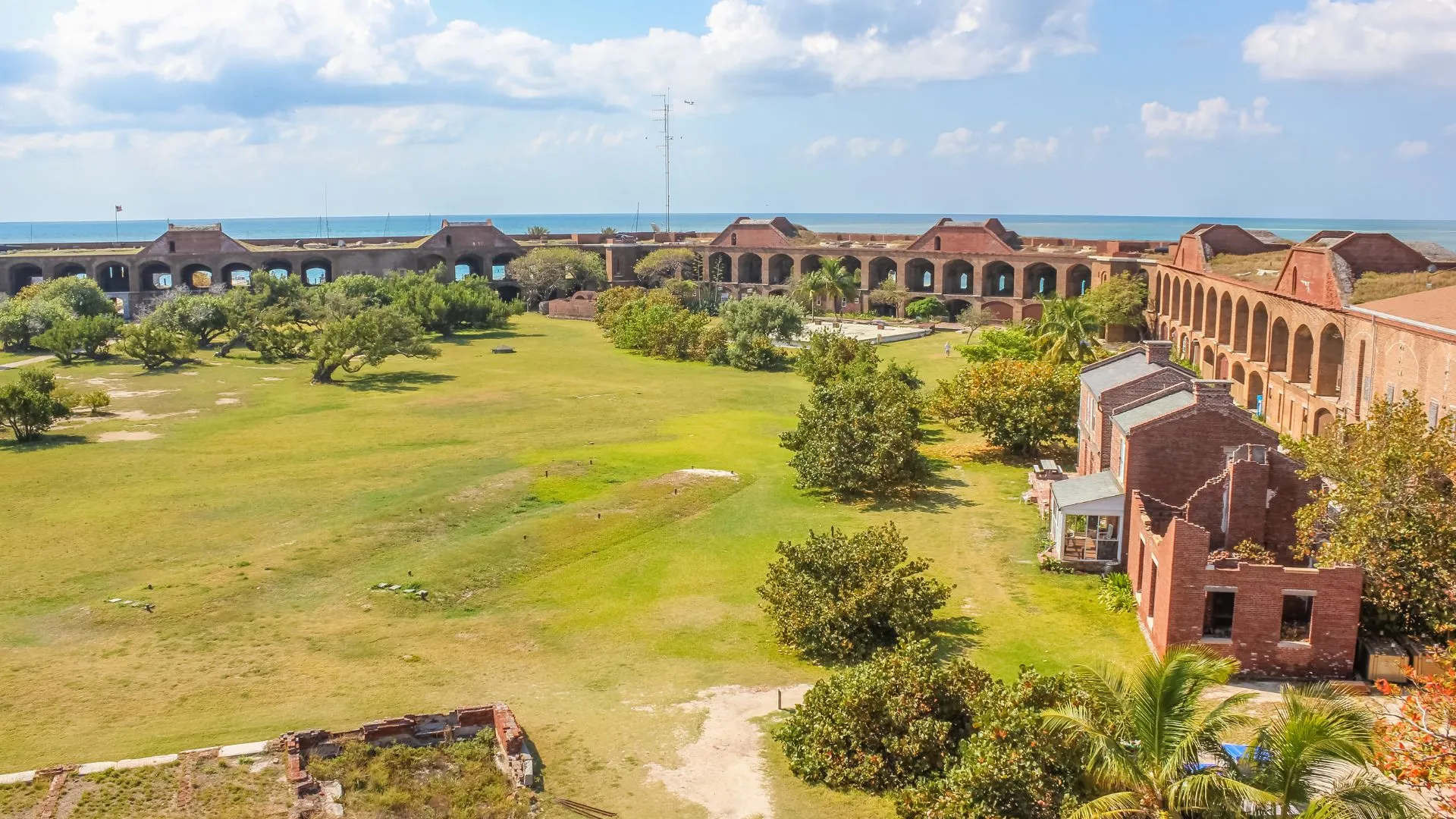
One of the most prominent features within Dry Tortugas National Park is Fort Jefferson, located on Garden Key. Constructed in the 19th century, this historic fort was initially designed as a strategic military outpost to protect American interests in the Gulf of Mexico and control access to Florida's coastline.
However, despite its grand vision, Fort Jefferson was never completed due to various challenges faced during its construction. Nevertheless, it remains an awe-inspiring testament to human engineering and ambition.
A Prison During Civil War Era
During one particular chapter in its history, Fort Jefferson served a different purpose altogether - that of a prison. In fact, it held some notable prisoners during the Civil War era. Among them was Dr. Samuel Mudd who famously treated John Wilkes Booth after President Lincoln's assassination.
The fort's remote location made it an ideal place to detain prisoners deemed too dangerous or high-profile for other facilities at that time. The stories and legends surrounding these prisoners add an intriguing layer to Dry Tortugas' historical narrative.
From Monument to National Park
In 1935, Dry Tortugas was designated as a national monument, recognizing its unique natural and cultural significance. The area's diverse marine life, vibrant coral reefs, and captivating historical sites all contributed to its designation.
However, it wasn't until 1992 that Dry Tortugas National Park received the upgraded status of a national park. This elevated recognition solidified its importance as a protected area for both natural wonders and historic treasures.
Exploring the Ruins and Natural Beauty
Today, visitors to Dry Tortugas National Park have the opportunity to explore Fort Jefferson's historic ruins while immersing themselves in the park's breathtaking natural beauty.
As you wander through the fort's corridors and gaze upon its decaying walls, you can't help but feel transported back in time. The remnants of this once-mighty structure offer a glimpse into the challenges faced by those who attempted to construct such an imposing fortress.
Pulaski Shoals provides an excellent Dry Tortugas snorkeling spot where visitors can marvel at vibrant coral formations teeming with marine life. As you glide through crystal-clear waters, keep an eye out for remnants of dock ruins that serve as reminders of past maritime activities in this area.
The park also offers opportunities for history enthusiasts to discover artifacts left behind by those who lived or visited these islands throughout history. From maps used by explorers like Ponce de Leon to various cultural artifacts found on-site, there is no shortage of historical treasures waiting to be uncovered.

Camping Checklist & Info for Dry Tortugas National Park
Camping Permits Are Required
To fully enjoy the beauty of Dry Tortugas National Park, camping permits are required for overnight stays on Garden Key. These permits can be obtained through the National Park Service's official website. It is advisable to make reservations in advance to ensure availability during your desired dates. By obtaining a camping permit, you secure your spot on this stunning island and get to experience its natural wonders up close.
Bring Your Own Camping Gear
When planning your camping trip at Dry Tortugas National Park, it's essential to bring along all the necessary gear as there are no facilities available on-site. Be sure to pack your own tent, sleeping bags, cooking equipment, and any other essentials you may need during your stay. With limited amenities provided on the island, being self-sufficient is crucial for a comfortable camping experience.
Freshwater Showers for Refreshment
After spending time snorkeling in the crystal-clear waters surrounding Dry Tortugas National Park, campers will appreciate the availability of freshwater showers near the campground area. These showers provide a refreshing opportunity to rinse off saltwater and rejuvenate before settling down for the night or continuing with further adventures on the island.
Pack Out All Trash and Waste
As an environmentally conscious camper visiting Dry Tortugas National Park, it is important to remember that there are no garbage disposal facilities available on the island. Therefore, campers must be prepared to pack out all trash and waste they generate during their stay. This responsible approach helps maintain the pristine beauty of this national park and ensures its preservation for future generations.
Reservations Through Official Website
To secure your camping permit at Dry Tortugas National Park, it is recommended to make reservations in advance through the official website of the National Park Service. By doing so, you can avoid any last-minute disappointments regarding availability and have peace of mind knowing that your camping spot is reserved. Plan ahead and make the most of your visit to this breathtaking destination.

The beauty of Dry Tortugas snorkeling
Dry Tortugas National Park offers an unparalleled snorkeling experience that will leave you in awe of its natural beauty. With crystal-clear waters, vibrant coral reefs, and an abundance of marine life, this hidden gem is a true paradise for snorkelers. Let's dive into the highlights of this remarkable destination.
Best Dry Tortugas snorkeling spots
Discovering the best snorkeling spots in Dry Tortugas National Park is like uncovering hidden treasures. From the stunning coral gardens at Loggerhead Reef to the vibrant fish-filled waters around Little Africa, each spot offers a unique underwater world waiting to be explored.
Top tips for snorkeling in Dry Tortugas National Park
To make the most out of your Dry Tortugas snorkeling adventure, here are some valuable tips to keep in mind. First and foremost, always remember to apply sunscreen and wear a rash guard to protect yourself from the sun's rays. Bring along a waterproof camera to capture those unforgettable moments beneath the surface.
Guided snorkel adventures at Dry Tortugas National Park
For those seeking expert guidance and insider knowledge about the park's marine wonders, guided snorkel adventures are available. These excursions provide an opportunity to learn from experienced guides who can enhance your understanding of the ecosystem while ensuring your safety during your underwater exploration.
Packing list and essentials for a day at Dry Tortugas
Preparing for a day at Dry Tortugas involves packing essential items such as towels, snacks, water bottles, and comfortable swimwear. Don't forget your mask, fins, and snorkel! It's also wise to bring extra layers for protection against changing weather conditions.
Unveiling the history of Dry Tortugas National Park
Beyond its exceptional snorkeling opportunities lies a rich history waiting to be discovered. Explore Fort Jefferson—a massive coastal fortress built during the 19th century—as you delve into the intriguing stories of pirates, war, and exploration that shaped this unique national park.
Camping checklist & info for Dry Tortugas National Park
For those seeking a truly immersive experience, camping at Dry Tortugas National Park is an option worth considering. To ensure a comfortable stay, make sure to bring camping essentials such as tents, sleeping bags, cooking utensils, and food supplies. Don't forget to check the park's regulations and book your campsite in advance.
In conclusion, Dry Tortugas National Park snorkeling offers an extraordinary adventure that combines natural beauty with historical intrigue. Whether you explore the best snorkeling spots independently or opt for guided adventures, this destination promises an unforgettable experience. So pack your gear, dive into the turquoise waters, and immerse yourself in the wonders of Dry Tortugas National Park.
FAQs
Can I rent snorkeling equipment at Dry Tortugas National Park?
Yes! Snorkeling equipment can be rented from authorized vendors near the park or on-site if available. It's always recommended to check availability and make reservations in advance to avoid any inconvenience.
Are there age restrictions for snorkeling at Dry Tortugas National Park?
While there are no specific age restrictions for snorkeling at Dry Tortugas National Park, it's essential to ensure that all participants are confident swimmers and comfortable in open water environments. Parents or guardians should closely supervise children during their snorkeling activities.
Can I bring my own food and drinks to Dry Tortugas National Park?
Yes! Bringing your own food and drinks is highly encouraged as there are limited dining options available within the park. Remember to pack enough provisions for your visit and dispose of any waste responsibly to help preserve the park's pristine environment.
Is it necessary to book a guided snorkel adventure in advance?
Booking a guided snorkel adventure in advance is highly recommended due to limited availability. These tours offer valuable insights from knowledgeable guides while ensuring your safety during your underwater exploration. Check with authorized tour operators or the park's website for booking information.
Can I snorkel at Dry Tortugas National Park if I'm not a strong swimmer?
While snorkeling at Dry Tortugas National Park requires basic swimming skills, there are areas suitable for less experienced swimmers. Stick to shallower waters near the shoreline and always wear a life jacket for added safety. Consider joining a guided snorkel adventure where guides can provide assistance and support.
What is the best time of year to visit Dry Tortugas National Park for snorkeling?
The best time to visit Dry Tortugas National Park for snorkeling is during the dry season, which typically runs from November to April. During this period, water visibility tends to be excellent, and weather conditions are generally favorable for outdoor activities.
How do I get to Dry Tortugas National Park?
To reach Dry Tortugas National Park, you can take a ferry or seaplane from Key West. The journey offers breathtaking views of the surrounding waters and adds an extra touch of adventure to your trip. Remember to check schedules and make reservations in advance as availability may vary throughout the year.

Ellie is the founder of Ellie's Travel Tips, where she shares practical cruise tips, port guides, and step-by-step itineraries to help you plan smarter trips for less. Her checklists and packing guides turn travel daydreams into doable plans.