
George Town is a tender port, so the best Grand Cayman day starts with boats, queues, weather, mobility, and the final return. Choose a compact town, beach, marine, or island plan only after that timing is clear.




George Town is not a docked cruise port
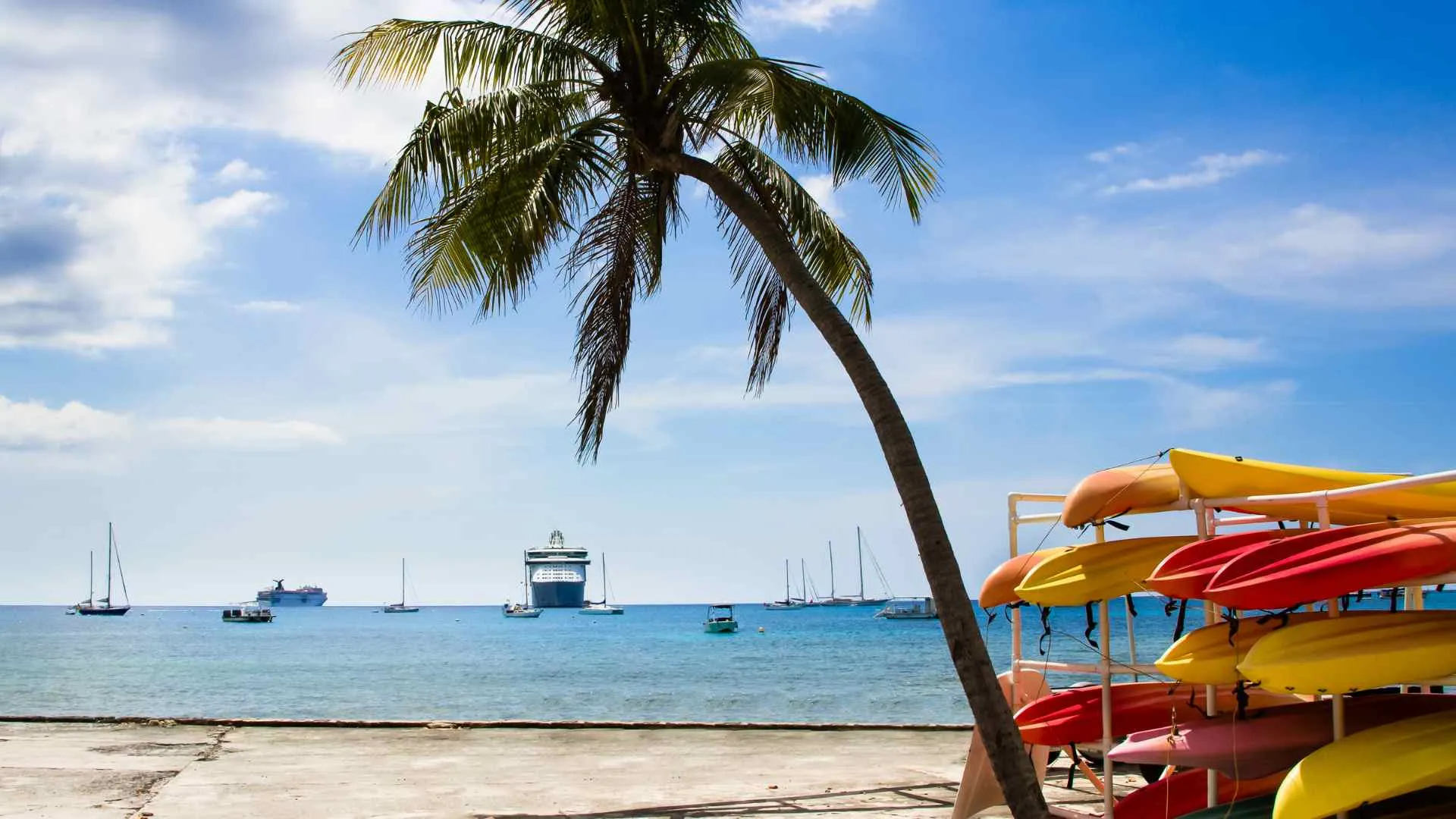
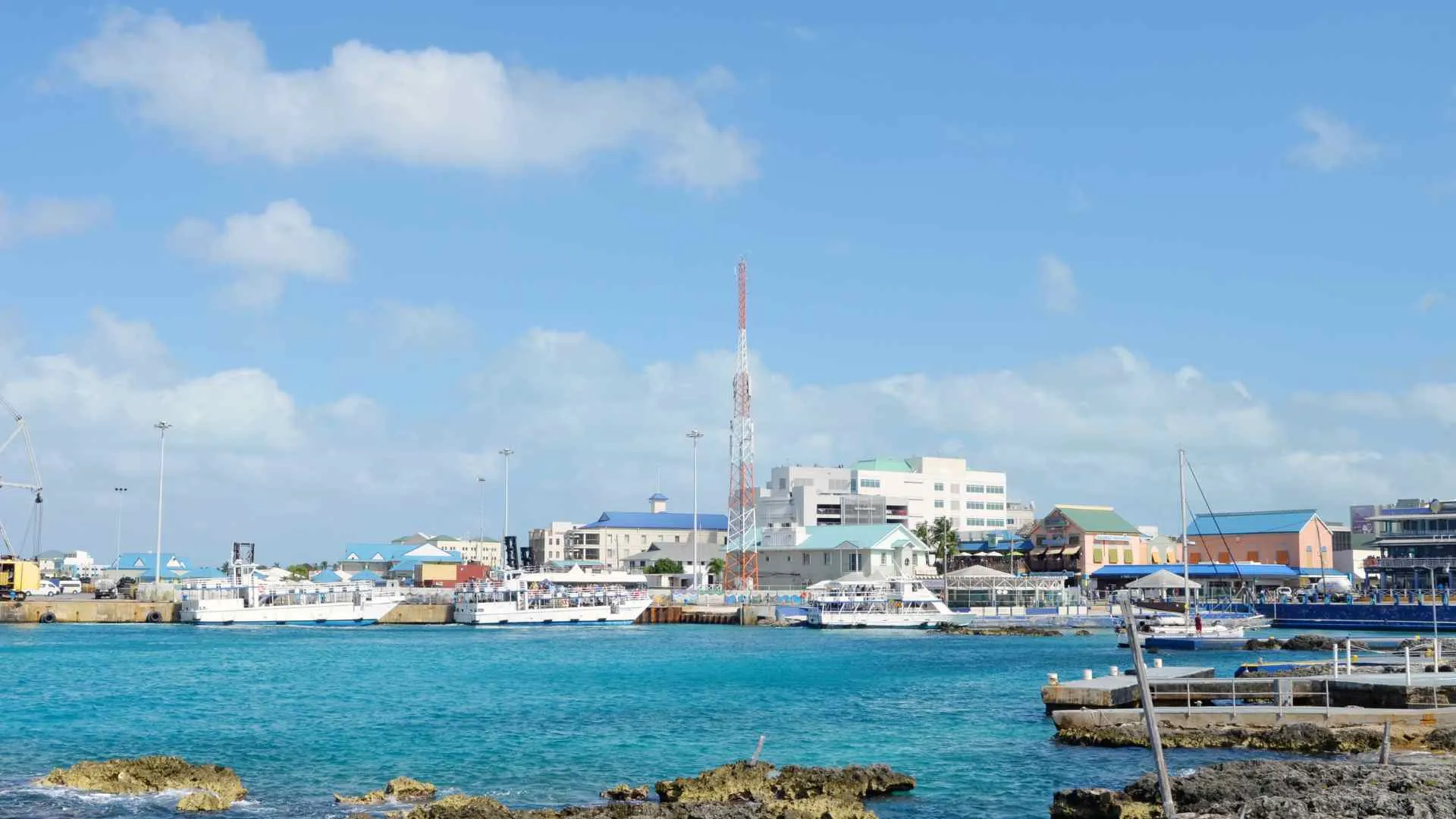
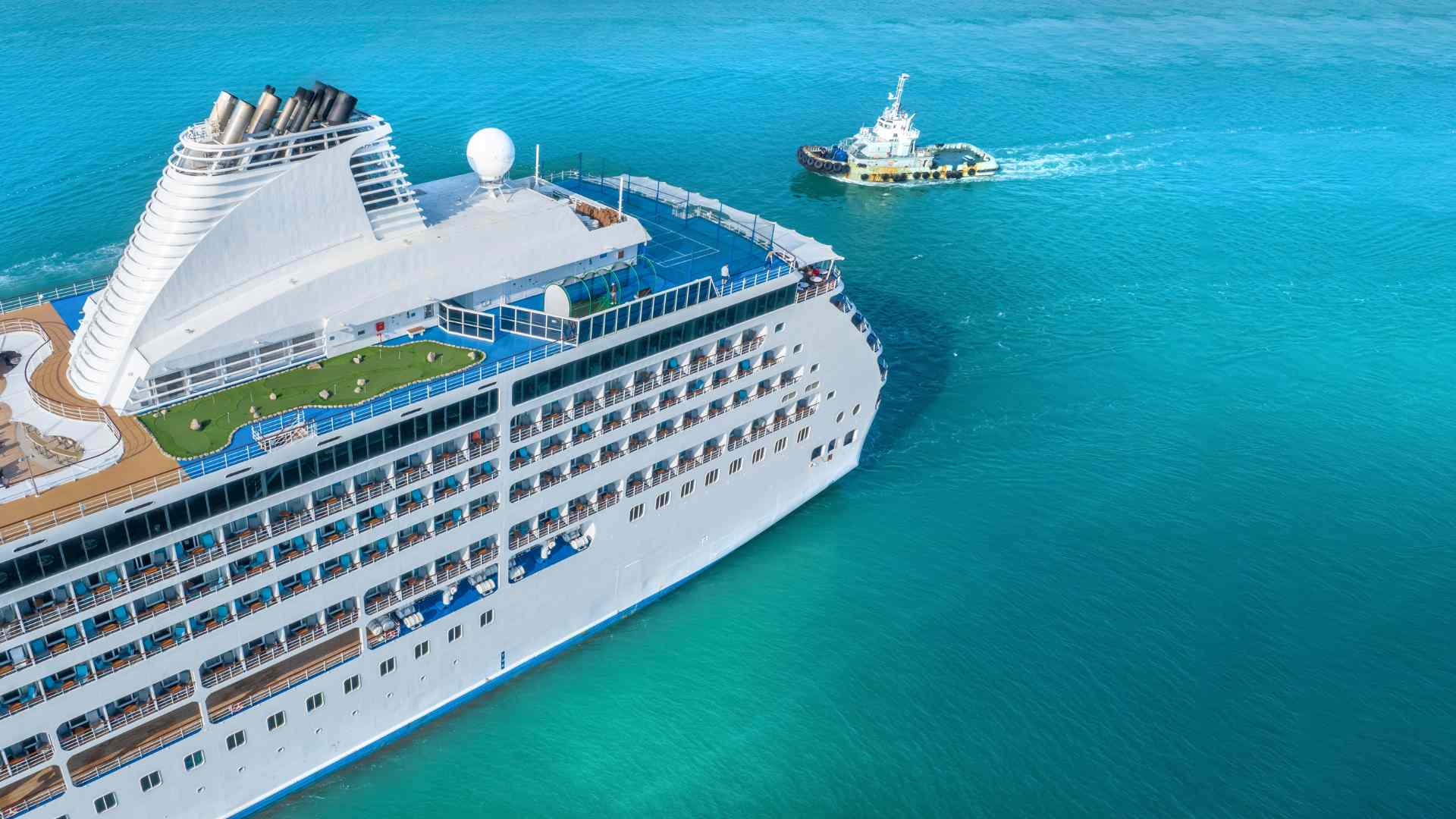
Cruise ships anchor offshore and passengers travel ashore by tender or water shuttle. Cayman Islands official tourism says passengers can arrive at one of three George Town terminals, which serve the same downtown system but not one guaranteed landing.
Read the official Cayman travel-by-ship guidance, then follow the ship's tender ticket, boarding, landing, and final-return instructions. The cruise line controls the process for your call.
Tendering reduces usable time ashore because it adds outbound waiting, boarding, boat movement, disembarkation, and the return queue. Sea conditions and port operations can also alter or cancel the call.
How the tender process changes your day
Outbound priority
Ship excursions and guests with priority status may follow specific tender procedures. Do not assume you can walk to a gangway at any moment and board the next boat.
Check where tickets are issued, when your group should report, and whether an independently booked operator will wait. Build the first reservation around realistic shore arrival rather than the ship's scheduled anchoring time.
Mobility and boarding
A tender can involve steps, movement between vessels, changing sea conditions, and crew assistance rules. Travelers using wheelchairs, scooters, walkers, or other devices must ask the cruise line what is permitted and operational for the day.
A downtown attraction described as accessible does not solve an unsuitable tender transfer. Confirm ship-to-boat, boat-to-landing, local transport, venue, restroom, and return as one chain.
The final tender
The final tender is not a flexible suggestion. Record the ship's stated return instructions and aim for an earlier boat so one traffic or excursion delay does not consume the only route back.
Use ship time, which may not match an automatic phone setting. Keep the port-agent details and tender landing information offline.



Choose one of four George Town days
Compact waterfront and town
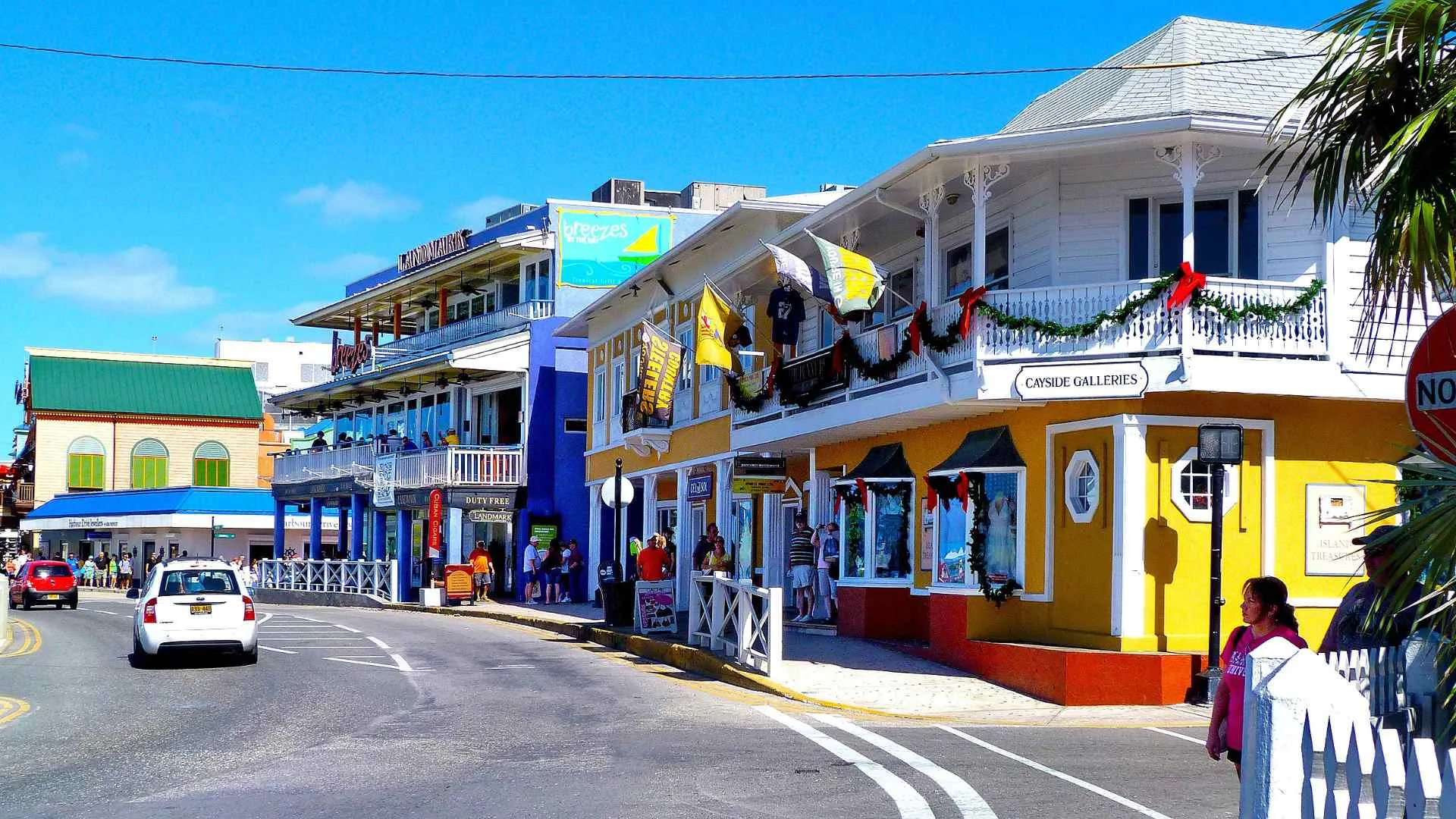
A downtown day offers the lowest transport burden after tendering. It suits short calls, uncertain weather, first-time tender users, and travelers who want food, shopping, waterfront atmosphere, or a small cultural cluster.
Confirm current openings and accessible routes instead of wandering far from the landing. Keep enough time for the return queue even when the ship remains visible offshore.
This plan also works as the fallback after a canceled marine trip. The key is staying within a route you can reverse easily.
Beach plan
A beach day adds transport, access, facility, sea-condition, valuables, and return questions. Select the beach for the complete route rather than its reputation alone.
Confirm legal access, drop-off and pickup, walking surface, shade, chair terms, restroom, swimming conditions, and the current return option. Never assume a lifeguard, calm water, available equipment, or step-free access.
Set a leave-by time that protects the tender queue. The farthest or busiest beach is not automatically the best use of a short call.


Marine activity
Snorkeling, diving, boating, and wildlife-focused trips depend on wind, sea state, visibility, operator standards, and marine rules. No provider can guarantee the weather, animal behavior, or a particular underwater view.
Ask about boat boarding, swim distance, flotation equipment, supervision, group size, age and medical restrictions, wildlife practices, cancellation terms, and return procedure. A comfortable swimmer may still find a ladder or current difficult.
Choose one marine activity as the anchor and keep town as the fallback. Avoid stacking an independent boat behind a distant land stop.
Island-route excursion
An island tour can connect cultural, food, nature, or scenic priorities without coordinating each vehicle leg. It also creates more exposure to road delays, opening changes, and an ambitious stop count.
Compare the actual route, not the number of advertised highlights. Confirm admission, walking, accessibility, food, restroom, vehicle, cancellation, and the final-tender return plan.
For an independent route, identify one anchor and make every secondary stop optional. Remove the farthest stop first when the schedule slips.
Licensed transport and current routes
Cayman public-transport law regulates passenger vehicles used for hire, and the government publishes current bus route information. Use licensed transport and current official maps rather than repeating an old fare or informal pickup instruction.
The government's public bus route update explains the current route-map system. A bus can suit a simple independent plan, but capacity, stops, accessibility, and tender timing still need confirmation.
For a taxi, confirm the authorized vehicle, charging method, destination, group size, return pickup, and accepted payment before departure. Do not turn an old fare table into a promise.


Weather controls more than the beach
Sea and weather conditions can affect the cruise call, tendering, marine excursions, swimming, roads, and visibility. Check the Cayman Islands National Weather Service close to arrival.
A monthly climate average cannot tell you whether the ship will tender or a boat tour will operate. The captain, port, cruise line, and activity operator make current operational decisions.
Keep a low-transfer downtown alternative for wind, rain, or a canceled water trip. A fallback should require fewer moving parts than the original plan.
Return planning that works
Write down the final tender and set a personal target earlier than it. Work backward through vehicle travel, pickup uncertainty, landing queue, security, boat boarding, and the ship transfer.
Increase the margin for a distant beach, independent boat, several stops, uncertain transport, limited mobility, or a first visit. The ship's apparent closeness from shore does not shorten the queue.
If the day falls behind, return directly to George Town. Do not try to recover lost time by adding a fast final stop.
Accessibility from ship to shore
Ask the cruise line about tender boarding and mobility devices before booking an excursion. Weather can change what assistance or equipment is operational even when a sailing normally offers tender access.
Then confirm the landing surface, local vehicle, beach or venue route, restroom, and return boat. Treat every transfer as a required link rather than relying on a broad “accessible” label.
When tendering cannot be confirmed, do not purchase a nonrefundable independent activity. An onboard day may be the practical result of marine conditions or ship policy.


Water and wildlife decisions
Choose an operator that explains safe distances, handling rules, group supervision, environmental protections, and what happens when animals are absent. Wildlife is not an attraction that performs on schedule.
Do not touch coral or remove marine life. Follow current local rules and crew instructions, even when another visitor or older review suggests otherwise.
Travelers with medical concerns should discuss snorkeling, diving, heat, boats, and remote activity with an appropriate professional before the trip. An operator's minimum requirement is not a personal medical clearance.
Food, shopping, and payment
When an independently booked tour is late
Contact the operator and ship's port agent as soon as a material delay appears, but do not assume the ship will wait. The booking format and cruise-line terms determine any stated assistance or responsibility.
This is why the return trigger matters before departure. A tour that reaches the landing at the final advertised moment still leaves no resilience for a queue or changed boarding instruction.
A town day can leave room for a meal without another transport leg. Confirm current hours, menu, allergy handling, currency, card acceptance, and service pace before ordering close to the return.
Ask the total before accepting a service or purchase. Keep more than one legal payment method and protect cards, cash, and phones around crowds and water.
Shopping is easiest near the tender landing, but it should not consume the return buffer. Make purchases before joining the line rather than leaving them to the last possible moment.



Plans by traveler type
First-time tender passenger
Choose downtown plus one nearby priority, or a ship excursion whose tender procedure is explicit. Learning the process is easier without a distant independent deadline.
Family group
Prioritize boat boarding comfort, shade, food, restrooms, a short transfer, and an easy return. One water or beach activity is enough.
Active traveler
Select one marine or island-route centerpiece after checking physical demands, weather, equipment, and final tender. Do not stack two fragile activities.
Limited mobility
Begin with the cruise line's tender decision, then verify every later segment. A perfect accessible taxi cannot solve an unsuitable ship-to-tender transfer.
Compare George Town with docked ports
The Costa Maya cruise port guide begins with cruise complex, Mahahual, marine, and inland choices. The Puerto Plata guide begins with Taino Bay versus Amber Cove.
For a docked Caribbean city comparison, use the Saint Kitts cruise port guide. The world cruise port directory can help compare arrival types before choosing an itinerary.


Your George Town checklist
- Confirm tender tickets, landing instructions, and final tender.
- Choose town, beach, marine, or island route.
- Verify licensed transport and the return leg.
- Check live weather and operator status.
- Confirm accessibility from ship through return.
- Keep a downtown fallback with fewer dependencies.
George Town does not need forty padded activities to be useful. A tender-first plan, one meaningful anchor, and an early return target will do more for the day than a list that ignores how passengers reach shore.



Ellie is the founder of Ellie's Travel Tips, where she shares practical cruise tips, port guides, and step-by-step itineraries to help you plan smarter trips for less. Her checklists and packing guides turn travel daydreams into doable plans.