
Welcome to the definitive guide to the Key West cruise port!
Whether it's your first visit or you're a seasoned cruiser, we'll share essential tips, hidden gems, and must-do activities to ensure your Key West experience is unforgettable.
Getting to Know Key West Cruise Port
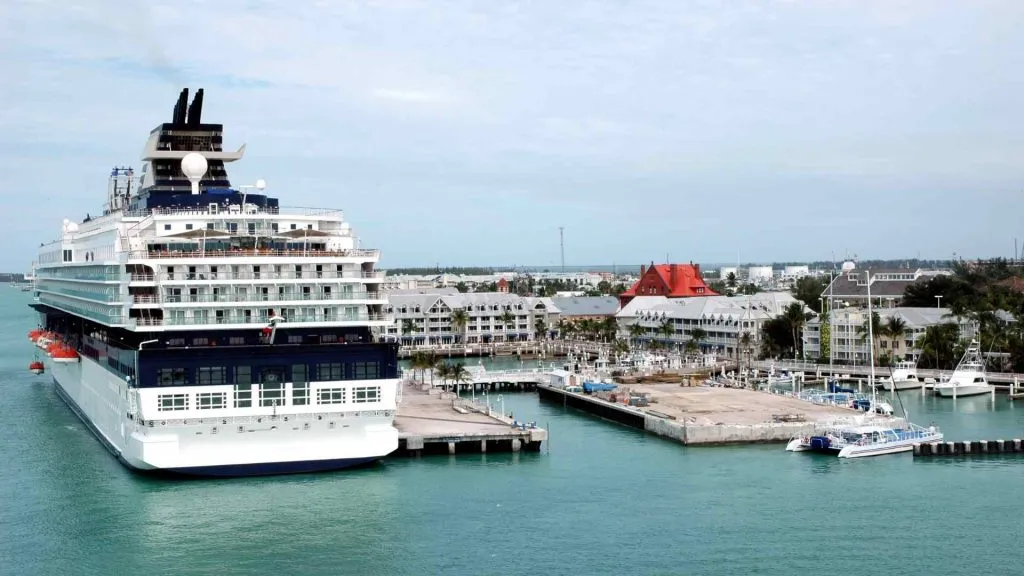
The cruise port in Key West is a gateway to the enchanting island city of Key West, the southernmost point of the continental United States.
Known for its laid-back atmosphere, rich history, and stunning natural beauty, Key West offers an unforgettable experience for cruise passengers.
Here's an overview to help you get acquainted with the Key West cruise port and what it offers.
Location and Geographical Overview
Nestled at the end of the Florida Keys archipelago, Key West is located on the island's western end, facing the Gulf of Mexico.
Its strategic position not only makes it a popular stop for Caribbean cruises but also offers easy access to the many attractions within Key West itself.
The port's location is ideal for exploring the historic Old Town, beautiful beaches, and the vibrant Duval Street.


History of the Port and Its Development
Key West has a rich maritime history, dating back to the early 19th century when it was a bustling hub for shipping and naval activities.
Over the years, the port has evolved to accommodate the growing cruise industry, transforming into a modern facility that welcomes hundreds of thousands of visitors each year.
Despite its development, Key West cruise port retains a sense of the island's historical charm and significance.
Port Facilities and Services Available for Cruisers
The Key West cruise port is equipped with all the amenities needed to ensure a smooth and enjoyable experience for passengers. Here are some of the key facilities and services available:
- Pier Locations: The port has several piers, including Mallory Square Dock, Pier B, and the Outer Mole. Your specific docking location will depend on your cruise line and ship size.
- Transportation: Upon disembarking, cruisers can easily access various transportation options, including taxis, pedicabs, rental scooters, and bicycles, to explore the island.
- Visitor Information: Near the docking areas, you'll find visitor information booths staffed with knowledgeable locals who can provide maps, brochures, and tips for enjoying your stay in Key West.
- Accessibility: The port and its facilities are designed to be accessible to passengers with mobility challenges, ensuring everyone can enjoy their visit to Key West.
- Shopping and Dining: While the cruise port itself is focused on passenger services, a short walk or ride from the pier will take you to numerous shops, restaurants, and cafes offering everything from souvenirs to gourmet dining.


Exploring Beyond the Cruise Port
One of the joys of visiting Key West is how easy it is to explore on foot, by bike, or on a guided tour.
The island's compact size means you're never far from its attractions, whether you're interested in historical sites like the Hemingway Home and Museum, natural beauty at the Key West Butterfly and Nature Conservatory, or simply soaking up the sun at one of the many beaches.
Tips for Cruisers
- Walking Distance: Many of Key West's attractions are within walking distance of the cruise port. Comfortable walking shoes are a must.
- Weather Preparedness: Key West is sunny and warm most of the year, but afternoon showers are common in the summer. A light rain jacket or umbrella can come in handy.
- Local Events: Check the local calendar for events and festivals during your visit. Key West is known for its lively celebrations and cultural events, which can add a unique flavor to your trip.
Getting to know Key West cruise port is the first step toward making the most of your time in this unique and vibrant destination.
Whether you're exploring the island's historic sites, enjoying its natural beauty, or simply relaxing in its laid-back atmosphere, Key West offers an array of experiences that cater to every type of traveler.


Amenities and Services at the Port
The cruise port in Key West is renowned for its welcoming atmosphere and comprehensive facilities designed to make your visit as comfortable and enjoyable as possible.
From the moment you step off your ship, you'll find a range of amenities and services at your disposal. Here's what you can expect:
Terminal Facilities
- Waiting Areas: Spacious and air-conditioned waiting areas provide a comfortable environment for passengers as they embark or disembark. Seating is plentiful, ensuring a place to relax during the process.
- Restrooms: Clean, well-maintained restrooms are available throughout the cruise terminal, equipped with accessibility features to accommodate all passengers.
- Wi-Fi: Stay connected with complimentary Wi-Fi throughout the terminal. Whether you're looking to post your latest vacation photos or need to catch up on emails, the port has you covered.
- Luggage Handling: Efficient cruise luggage handling services ensure that your bags are taken care of, allowing you to roam freely and explore the terminal and its surroundings without the burden of heavy bags.
Customs and Immigration
For international cruisers, the Key West Cruise Port offers streamlined customs and immigration procedures.
The process is designed to be quick and hassle-free, ensuring that you spend less time in lines and more time enjoying your visit. Staff are on hand to assist with any questions or concerns you may have.
Special Needs and Accessibility
The Key West cruise port is committed to providing an accessible experience for all visitors. Facilities and services include:
- Accessible Restrooms: Equipped to accommodate passengers with disabilities.
- Wheelchair Assistance: Available upon request for passengers who require assistance getting around the terminal or boarding the ship.
- Service Animals: Welcome at the port, provided they comply with local and state regulations.
Additional Services
- Tourist Information: Located within the terminal, the tourist information desk offers maps, brochures, and details about local attractions, tours, and activities. Friendly staff can provide recommendations and assist with bookings.
- ATMs and Currency Exchange: For your convenience, ATMs are available on-site, and currency exchange services can help you prepare for your exploration of Key West.
- Gift Shops: Souvenir shops within the terminal offer a variety of local crafts, gifts, and essentials you might need for your journey.
Tips for a Smooth Port Experience
- Arrive Early: Especially during peak times, arriving early can help you avoid the rush and ensure a smooth embarkation process.
- Stay Hydrated: Florida's heat can be intense, especially for visitors not used to the climate. Water stations are available, but carrying a refillable water bottle is also a good idea.
- Use the Wi-Fi: Download any necessary apps, maps, or boarding passes while you have access to the free Wi-Fi in the terminal.
By taking advantage of the amenities and services offered at the Key West Cruise Port, you can ensure a seamless start (or end) to your cruise adventure.
Whether you're soaking up the comfort of the terminal's facilities or making final preparations for your exploration of Key West, the port is equipped to meet your needs and exceed your expectations.


What to Do While in Port
Key West, a vibrant island city at the southernmost tip of the continental United States, offers an abundance of activities and attractions that appeal to cruisers of all ages and interests.
Whether you have just a few hours or a full day to explore, you'll find plenty to do within easy reach of the cruise port.
Here are some top recommendations for making the most of your time in Key West:
Excursions and Tours Available from the Port
- Conch Tour Train: Hop on this iconic train for a narrated tour of Key West's most famous sights, including the Hemingway House, Mallory Square, and the Southernmost Point.
- Snorkeling and Diving Trips: The coral reefs around Key West are some of the most beautiful in the world. Many local operators offer half-day snorkeling and diving excursions.
- Key West Trolley Tour: An excellent way to get an overview of the city with the flexibility to hop on and off at attractions that interest you.
Key West Must-See Attractions and Activities
- Ernest Hemingway Home and Museum: Visit the home of the Nobel Prize-winning author, where you can learn about his life and see the famous six-toed cats.
- Southernmost Point Buoy: Take a photo at this iconic landmark, which marks the southernmost point of the continental U.S.
- Mallory Square: Known for its lively atmosphere, especially during the daily sunset celebration, Mallory Square is a must-visit for first-time cruisers to Key West.
- Key West Butterfly and Nature Conservatory: A tranquil escape featuring hundreds of butterflies, colorful birds, and lush plants.


Recommendations for Dining, Shopping, and Local Flavor Near the Port
- Duval Street: Just a short walk from the cruise port, Duval Street is the heart of Key West's vibrant dining and shopping scene. Here you'll find everything from casual eateries serving fresh seafood to high-end boutiques and art galleries.
- Key West Historic Seaport: Explore this bustling area for waterfront dining options, charming shops, and the opportunity to book water-based adventures.
- Local Seafood: Don't miss the chance to try Key West's famous conch fritters, Key lime pie, and other seafood delicacies at local restaurants like Blue Heaven or Conch Republic Seafood Company.
Tips for Making the Most of Your Time
- Book Excursions in Advance: Popular tours can fill up quickly, especially during peak cruise seasons, so consider booking your excursions before you arrive.
- Wear Comfortable Shoes: Key West is best explored on foot, so comfortable walking shoes are a must.
- Stay Protected: The Florida sun can be intense, even in the cooler months. Wear sunscreen, a hat, and sunglasses to protect yourself during your exploration.
Whether you're soaking up the rich history and culture, enjoying the natural beauty, or indulging in the local cuisine, Key West offers an unforgettable port experience for every cruiser.
With so much to see and do, you'll likely leave with memories to last a lifetime—and perhaps a longing to return for more.


Off-the-Beaten-Path Things to Do in Key West
While Key West is famous for its iconic attractions like the Ernest Hemingway Home and Museum, Southernmost Point Buoy, and bustling Duval Street, there's a whole other side to this island waiting to be explored.
For those looking to venture beyond the typical tourist trails, here are some off-the-beaten-path activities that offer a glimpse into the island's unique charm and hidden gems.
Discover the Secret Gardens of Key West
- Nancy Forrester's Secret Garden: Tucked away in Old Town, this enchanting botanical garden is a paradise for nature lovers. A sanctuary for rescued parrots, it offers a peaceful retreat from the hustle and bustle of Key West’s main attractions.
Explore Local Art and Culture
- Key West Art & Historical Society Custom House Museum: Beyond its stunning architecture, the Custom House Museum showcases a range of art, history, and culture exhibitions that delve into the rich tapestry of Key West’s past and present.
- The Studios of Key West: Offering a vibrant array of art exhibitions, workshops, and performances, this hub of creativity is a great place to see the work of local artists and maybe even take part in a workshop yourself.
Take to the Water in a New Way
- Kayak Tours through the Mangroves: For an up-close look at Key West's natural beauty, consider a guided kayak tour through the mangrove ecosystems. It's a serene way to explore the island’s wildlife and quieter waters.
- Sail on a Historic Schooner: Experience the thrill of sailing on a traditional schooner. These historic vessels offer a unique perspective of Key West and the surrounding waters, often including snorkeling stops at lesser-known reefs.


Savor Local Flavors Off the Main Drag
- Eat Like a Local: Venture beyond the main tourist areas to where the locals dine. Places like El Siboney Restaurant offer authentic Cuban cuisine, while The Stoned Crab offers sustainable seafood in a less touristy setting.
- Key West Legal Rum Distillery: Take a tour of this small-batch rum distillery located in a former Coca-Cola bottling plant. Learn about the rum-making process and sample some of their unique flavors.
Engage with Key West’s Quirky Side
- Key West Cemetery: This might seem like an odd choice for a visit, but the Key West Cemetery is filled with quirky epitaphs and historical graves, offering a fascinating glimpse into the island's colorful past and attitudes toward life (and death).
- Chicken Store: Key West is known for its free-roaming chickens. The Chicken Store is dedicated to these birds, offering everything from chicken-themed art to adopting a rooster. It’s a quirky stop that embodies the island’s eclectic spirit.
Unwind in Lesser-Known Beaches
- Higgs Beach: While Smathers Beach gets most of the attention, Higgs Beach offers a quieter alternative with its charming pier, dog park, and African refugee cemetery.
- Rest Beach: A small, serene spot perfect for watching sunrise or practicing morning yoga. It’s less crowded, offering a peaceful respite from the more popular tourist beaches.
By stepping off the beaten path, you'll uncover the hidden gems that make Key West truly special.
Whether it's through engaging with local culture and art, exploring natural wonders, or dining where the locals do, these experiences can enrich your visit and provide lasting memories of this unique island paradise.


Eating and Drinking in Key West
Key West's culinary scene is as vibrant and diverse as its culture, offering an eclectic mix of flavors that reflect the island's rich history and seaside location.
From freshly caught seafood to the iconic Key lime pie, dining in Key West is an adventure in itself. Here are some top tips and recommendations for eating and drinking your way through this island paradise.
Dive into Seafood Delights
- Conch Republic Seafood Company: A waterfront staple, this restaurant offers fresh catches and beautiful views of the harbor. Don't miss their conch dishes, a local specialty.
- Half Shell Raw Bar: For a true taste of Key West, head to this laid-back spot for oysters, clams, and other raw bar favorites in a historic seaport setting.
Savor the Flavor of Key Lime Pie
- Kermit's Key West Key Lime Shoppe: No visit to Key West is complete without trying Key lime pie. Kermit's, with its famous Key lime pie on a stick, dipped in chocolate, is a must-visit for dessert enthusiasts.
- Blue Heaven: Enjoy a slice of Key lime pie with a meringue topping so high it’s almost architectural. This iconic eatery also serves up a fantastic brunch in a quirky, outdoor setting.
Enjoy Casual Eats and Local Hangouts
- El Siboney Restaurant: For authentic Cuban cuisine, El Siboney is a favorite among locals and visitors alike. The casual atmosphere and hearty portions make it perfect for a relaxed meal.
- Garbo's Grill: This food truck turned permanent fixture offers an inventive menu featuring Korean BBQ tacos, umami burgers, and more, showcasing Key West's diverse culinary influences.
Experience Fine Dining
- Latitudes: On Sunset Key, Latitudes provides a fine dining experience with stunning ocean views. The menu features innovative dishes made with local ingredients, perfect for a special evening out.
- Louie's Backyard: This upscale restaurant offers Caribbean-American cuisine in a beautiful Victorian home. The oceanfront deck is ideal for enjoying a meal with a view.
Quench Your Thirst with Unique Local Drinks
- Key West Legal Rum Distillery: Take a tour and sample some of the best rums produced right in Key West, with unique flavors that capture the essence of the island.
- The Green Parrot Bar: A Key West institution, this bar offers live music, a laid-back atmosphere, and a wide selection of beers and spirits. It's the perfect spot to unwind after a day of exploring.
Tips for Dining Out in Key West
- Reservations Are Recommended: For popular restaurants, especially during peak tourist season, it's wise to make reservations to avoid long waits.
- Explore Off Duval Street: While Duval Street has its charms, venturing off the main drag can lead you to some of Key West's best dining experiences.
- Stay Hydrated: The Key West sun can be intense, so remember to drink plenty of water, especially if you're indulging in the local cocktails.
Eating and drinking in Key West is not just about satisfying hunger; it's about experiencing the local culture, history, and flavors that make this island so unique.
Whether you're enjoying a slice of Key lime pie, sipping on a rum cocktail, or digging into a plate of fresh seafood, you're sure to find something that tantalizes your taste buds and leaves you with lasting memories of your time in Key West.


Beyond the Port: Exploring Key West
Venturing beyond the Key West Cruise Port opens up a world of adventure, culture, and natural beauty.
This section of the guide invites you to explore deeper into Key West and discover what makes this island so captivating.
From historic sites to natural wonders, there’s much to see and do that will enrich your experience.
Day Trips and Adventures
- Dry Tortugas National Park: Accessible by ferry or seaplane, this remote park is home to the impressive 19th-century Fort Jefferson, stunning coral reefs, and abundant marine life. It's a perfect spot for snorkeling, diving, and exploring history.
- Backcountry Kayak and Eco-Tours: Explore the serene waters of the Key West backcountry on a guided kayak tour. You’ll paddle through mangrove islands, spot diverse wildlife, and learn about the area's unique ecosystem.
Cultural and Historical Highlights
- Truman Little White House: Visit the winter retreat of President Harry S. Truman to learn about its history and its role as a presidential retreat and naval command headquarters.
- Key West Lighthouse and Keeper's Quarters Museum: Climb the 88 steps to the top of the lighthouse for panoramic views of the island and explore the museum to learn about the life of a lighthouse keeper.
Beaches, Natural Parks, and Outdoor Activities
- Fort Zachary Taylor Historic State Park: Not only does this park offer a beautiful beach for swimming and snorkeling, but it also has a historic fort that visitors can tour to learn about Key West’s role in the Civil and Spanish-American wars.
- Key West Garden Club: Located at the West Martello Tower, this tranquil, free-to-enter garden is a hidden gem, showcasing a variety of tropical plants, trees, and flowers.
Tips for Exploring Beyond the Port
- Plan Ahead for Remote Destinations: Some attractions, like Dry Tortugas National Park, require advance planning due to limited access. Booking tours or transport ahead of time is recommended.
- Renting Transportation: To explore at your own pace, consider renting a bike, scooter, or electric car. Key West is small and easy to navigate, making it perfect for a day of exploration.
- Stay Hydrated and Protected: The sun in Key West can be intense. Always carry water, sunscreen, and a hat, especially when venturing into outdoor activities.
- Respect the Environment: Key West is home to delicate ecosystems. Always follow guidelines for responsible tourism, whether you’re on the water or exploring inland areas.
Exploring beyond the Key West Cruise Port allows you to immerse yourself in the natural beauty, rich history, and vibrant culture of this unique island.
Whether you’re diving into the crystal-clear waters of a national park, stepping back in time at a historic site, or simply enjoying the laid-back island vibe, Key West offers unforgettable experiences that go far beyond the standard tourist paths.


Arrival and Embarkation in Key West
Arriving at Key West and beginning your cruise adventure is an exciting process, filled with anticipation for the days ahead.
Whether you're a first-time cruiser or a seasoned voyager, understanding the arrival and embarkation procedures in Key West can help ensure a smooth start to your journey. Here's what you need to know:
- Airport Transfers: If you're flying into Key West International Airport, many cruise lines offer shuttle services directly to the cruise port. Alternatively, taxis and rideshare options are readily available and provide a quick and easy way to reach the port.
- Driving to Key West: For those driving to Key West, parking is available at the port. It's advisable to check in advance for parking fees and availability, especially during peak cruising seasons.
- Public Transport: Key West is well-served by public transportation, including buses that can get you close to the cruise port. However, for ease and convenience, especially with luggage, taxis or rideshare services are recommended.
Embarkation Process
- Check-In: Upon arrival at the cruise terminal, you'll go through a check-in process. This usually involves presenting your cruise documents, passport or ID, and completing any necessary health screenings. It's a good idea to have all your documents ready and easily accessible to expedite this process.
- Security Screening: Similar to airport security, you'll go through a security screening. Be prepared to have your luggage scanned and to walk through a metal detector.
- Boarding: After completing check-in and security, you'll proceed to the boarding area. Depending on your arrival time and the cruise line's schedule, you might board immediately or wait in a designated area until boarding begins.
- Onboard Orientation: Once on board, you'll receive information about your cabin and the ship's facilities. This is a good time to familiarize yourself with the ship's layout, find your cabin, and explore the amenities available.
Tips for a Smooth Embarkation
- Arrive During Your Assigned Time Slot: Many cruise lines assign specific check-in times to manage the flow of passengers. Arriving during your assigned slot can help reduce waiting times.
- Pack a Carry-On Bag: Include essentials such as medications, a change of clothes, swimwear, and any valuables. It might take some time for your checked luggage to be delivered to your cabin.
- Stay Hydrated and Snack-Ready: The embarkation process can take a while, especially in hot weather. Carry a water bottle and some snacks to stay comfortable.
- Explore the Ship: Once you're on board and settled, take the time to walk around the ship. Locating key areas early on, like dining rooms, entertainment venues, and outdoor decks, can enhance your cruise experience.
Arrival and embarkation in Key West mark the beginning of your cruise adventure.
By preparing in advance and following these tips, you can ensure a smooth and enjoyable start to your vacation, leaving you free to focus on the excitement and relaxation that await.

Planning Your Visit to Key West Cruise Port
A visit to Key West Cruise Port promises adventure, relaxation, and unforgettable memories. To make the most of your trip, planning ahead is crucial.
This guide covers everything from the best times to visit to booking your cruise and preparing for your journey. Here's how to plan your visit for an optimal experience.
Best Times of the Year to Visit
- Peak Season: December through February is peak tourist season in Key West, offering warm weather and minimal rainfall. While this is a great time to escape colder climates, be prepared for higher prices and more crowded attractions.
- Shoulder Season: March to May, and late October to November, are considered shoulder seasons. These months offer a pleasant balance of warm weather and fewer tourists, making it an ideal time for those looking to explore Key West with a bit more tranquility.
- Off-Peak Season: The summer months (June through August) mark the off-peak season, characterized by hotter temperatures and a higher chance of rain. However, this is also when you'll find the best deals on accommodations and cruises.
Understanding Cruise Schedules and Peak Times
- Cruise Schedules: Cruise lines operating in Key West offer a variety of schedules, ranging from short getaways to longer voyages. Check the cruise line websites for the most up-to-date schedules and routes.
- Peak Times: During holidays and special events, Key West can get particularly busy. Festivals such as Fantasy Fest in October and Hemingway Days in July draw large crowds. Plan your cruise around these times if you prefer a quieter visit or join in on the fun for a more lively experience.
Booking Your Cruise: Tips and Recommendations
- Early Booking: To secure the best rates and cabin choices, book your cruise well in advance. Early booking often comes with perks like cabin upgrades or onboard credit.
- Last-Minute Deals: If you're flexible with your travel dates, last-minute cruise deals can offer significant savings. Keep an eye on cruise line websites and last-minute travel deal sites.
- Consider a Travel Agent: A travel agent specializing in cruises can provide valuable insights, help you navigate deals, and offer personalized recommendations based on your preferences.
Preparing for Your Journey
- Travel Documents: Ensure your passport is up to date and check if you need any visas or other documentation for your cruise itinerary.
- Packing Smart: Key West's casual, laid-back vibe means you can pack light. Don't forget sunscreen, swimwear, comfortable walking shoes, and a light jacket for cooler evenings.
- Stay Informed: Before your trip, check for any travel advisories or health and safety guidelines relevant to your cruise and destinations.
By carefully planning your visit to the Key West cruise port, you can ensure a smooth and enjoyable experience from start to finish.
Whether you're soaking up the sun on a tropical beach, exploring the island's rich history, or simply enjoying the laid-back atmosphere, Key West offers something for everyone.
Start planning your adventure today and get ready to discover the magic of Key West.

Ellie is the founder of Ellie's Travel Tips, where she shares practical cruise tips, port guides, and step-by-step itineraries to help you plan smarter trips for less. Her checklists and packing guides turn travel daydreams into doable plans.