
Little Corn Island rewards travelers who plan the whole chain, not just the beach. Your flight, Big Corn transfer, passenger boat, luggage, final walk, lodging systems, weather, and departure margin all shape the trip.


Is Little Corn Island right for you?
Little Corn is a living Caribbean island community with a walking-oriented, low-vehicle format. It is not an all-inclusive compound where transport, electricity, water, meals, Wi-Fi, medical help, and activities operate as one guaranteed system.
It best suits travelers who can carry or move their luggage over imperfect paths, tolerate changing marine transport, and confirm what their lodging actually provides. Those needing step-free transfers, highly predictable utilities, immediate specialist medical care, or a tightly timed international connection should examine the dependencies carefully.
Start with Nicaragua's tourism authority for broad destination context through INTUR, then verify each live operating detail directly. An official destination overview cannot promise a flight, boat, room, restaurant, dive, or weather window on your date.
The access chain: mainland to Big Corn to Little Corn


Step 1: reach Big Corn Island
Little Corn requires a connection through Big Corn Island before the passenger-boat transfer. Confirm the operating flight or other mainland connection, baggage rules, arrival point, disruption policy, and whether the timing leaves a realistic path to the wharf.
Do not build the plan around an old timetable copied across travel blogs. The transport to Big Corn, airport-to-wharf movement, and boat to Little Corn are separate bookings or decisions with separate failure points.
Step 2: move from the airport to the correct wharf
Identify the current passenger-boat departure point before arrival and ask the lodging how they recommend making the transfer. Confirm payment method, baggage handling, check-in expectation, and what to do if the arriving flight is late.
A short-looking island transfer can still consume the available connection window. Build enough time to collect bags, solve a transport problem, find the correct boat, and receive current instructions without sprinting.


Step 3: treat the panga as weather-dependent
The Big Corn to Little Corn crossing can be wet, rough, delayed, or cancelled by marine conditions. Read the practical crossing cautions at Little Corn Island's getting-here guide, then confirm the actual service and sea conditions close to departure.
Protect electronics and medicines from spray, secure loose items, and pack essentials where they remain accessible. If you are prone to motion sickness, seek appropriate medical advice before travel rather than improvising after boarding.
Step 4: plan the last mile on foot
Arrival at Little Corn does not mean arrival at your room. Ask the lodging for the exact landing-to-property route, surface, lighting, distance burden, porter availability, stairs, rain implications, and instructions if the boat arrives after dark.
Wheeled suitcases that work in an airport may be awkward on unpaved or wet paths. Pack so one person can manage the bag without assuming a cart, vehicle, porter, or paved route will appear.


Choose lodging by systems, not just the view
Ask each property about power schedule or backup, fan or cooling arrangement, potable water, shower system, connectivity, cash or card acceptance, food access, luggage help, emergency communication, and the route from the landing. These answers can matter more than a room category name.
A beachfront room may trade an easy water view for wind, salt exposure, sand, insects, or a longer walk to services. An inland room may be quieter or better protected but involve darker paths, gradients, and more effort with luggage.
Use a three-question lodging test
First, can every traveler physically reach the room in the expected conditions? Second, can the property support essential medical devices, communication, hydration, and sleep needs when an island system changes?
Third, what is the backup if the boat, weather, power, kitchen, or planned excursion does not cooperate? A clear answer is more useful than a long amenity list.


What to do without inventing a top-40 list
Little Corn does not need forty padded attractions to justify a visit. Its real appeal is a smaller set of experiences whose quality depends on current operators, marine conditions, skill, equipment, community rhythms, and the traveler's pace.
Walk the island slowly
Use daylight to learn the main paths between the landing, lodging, food options, and beaches. Ask locally about muddy sections, lighting, private areas, construction, and any route that becomes difficult after rain.
A walk is also your logistics rehearsal for departure day. Notice how long luggage movement might take without converting one casual stroll into a promised transfer time.


Choose a beach for current conditions
Beach appearance varies with weather, sea state, wind, debris, and seasonal changes. Ask which side is more suitable that day, inspect the entry, and never treat clear-looking water as proof of safe swimming.
Shade, drinking water, footwear, currents, boats, and the return path matter. If no reliable safety information is available, enjoy the shore without entering the water.
Dive with a current, suitable operator
Diving can be a major reason to visit, but the decision starts with certification, recent experience, medical fitness, operator status, equipment, briefings, site choice, emergency plan, and marine conditions. Wildlife and visibility are never guaranteed.
Ask how the operator handles a diver whose skills, comfort, or air use do not match the group. A famous site is not automatically the right site for a beginner or someone returning after a long break.


Snorkel, paddle, fish, or take a boat trip conditionally
For any marine outing, verify the operator, equipment fit, flotation, weather policy, route, permit needs, communication, skill expectations, and return plan. Do not assume a fishing, snorkeling, kayak, or boat listing seen months ago still operates.
Travelers comparing other island-water experiences may also like my Exuma planning guide. Use it for decision ideas, not as evidence that Bahamian transport or marine rules apply in Nicaragua.
Eat and participate with flexibility
Food availability and opening patterns can reflect supply deliveries, staffing, weather, and local priorities. Ask what is open today, carry appropriate backup snacks for dietary or medical needs, and avoid treating a small community as a resort service schedule.
Wellness classes, music, nightlife, and informal events may be wonderful when available. Confirm them locally rather than building the trip around a recurring claim that could be obsolete.


Health, money, connectivity, and comfort
Carry essential medication, copies of prescriptions, sun and insect protection, and supplies that would be hard to replace. Discuss relevant vaccines, medical conditions, diving fitness, and evacuation coverage with qualified providers before travel.
Confirm current cash access and card acceptance with the businesses you expect to use. Do not arrive dependent on one payment method, one phone network, or uninterrupted internet.
Ask the lodging what water is suitable for drinking and how guests refill it. Heat, walking, alcohol, boat exposure, and stomach illness can magnify dehydration quickly.


Build a weather-resistant itinerary
Create priorities rather than a rigid hourly list. Put one weather-sensitive marine activity beside a low-dependency alternative such as walking, reading, eating locally, or resting near the lodging.
Reconfirm operators after arrival and accept that a cancellation can be the responsible outcome. The island is still worthwhile when the sea refuses to support the plan.
For another destination where infrastructure and transfer choices shape the experience, see my Contadora Island guide. Keep the countries and transport systems distinct.


Departure planning is part of the trip
Reverse every arrival dependency: lodging to landing, boat to Big Corn, wharf to airport, flight to mainland, then onward travel. Sea state, boat capacity, baggage, ground transport, and flight disruption can each break a tight connection.
Do not place an irreplaceable international departure immediately behind the most fragile chain unless you knowingly accept the risk. A buffer on Big Corn or the mainland can turn one delay from a major loss into an inconvenience.
Recheck broad local travel information through Nicaragua's tourism authority, but rely on the carrier and lodging for their own live operations. Save contact details offline before connectivity becomes uncertain.


Who should reconsider Little Corn?
Reconsider or add substantial support if a traveler cannot manage uneven walking, requires guaranteed power for critical equipment, needs immediate specialist care, or cannot tolerate small-boat uncertainty. The island's beauty does not erase those constraints.
Families should test the access chain against each child's boat tolerance, sleep needs, water awareness, and ability to walk with limited carrying support. Solo travelers should share plans, preserve communications, and avoid assuming informal help will always be available.


A practical packing framework
Keep medicines, documents, water protection, a change of clothing, basic toiletries, charging support, and arrival instructions in a manageable personal bag. Pack light enough that the final walk remains realistic.
Add reef-conscious sun protection, insect protection, a reusable bottle, suitable footwear, a small light, and dry storage based on current advice. Specialized marine equipment should match the operator's guidance and your skill rather than a generic checklist.
If the trip is part of a larger Caribbean plan, my Caribbean affordability framework can help compare total costs. Little Corn's extra transfers and buffers belong in that calculation.

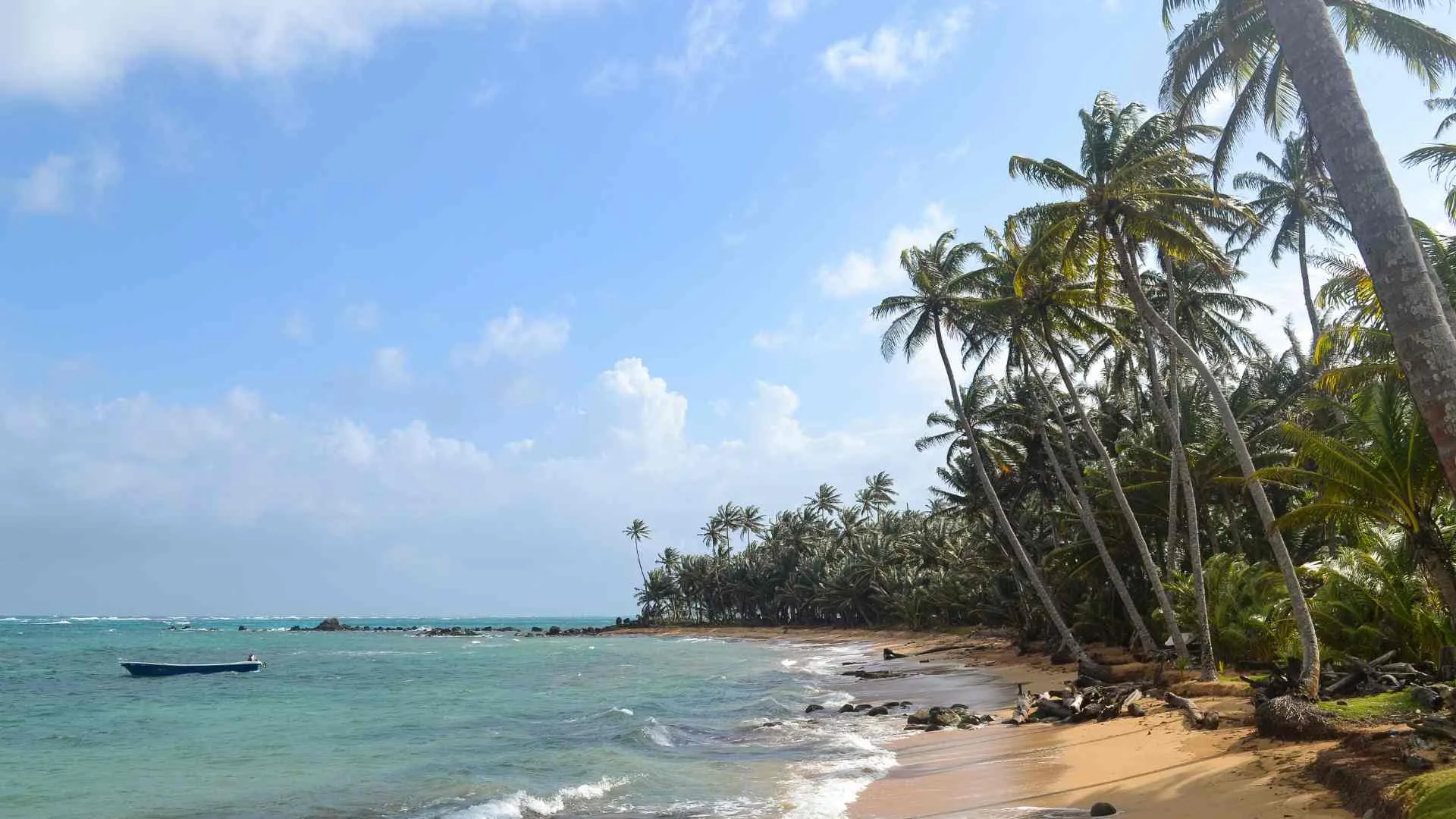
My Little Corn decision checklist
Confirm the Big Corn arrival, wharf transfer, boat, baggage, marine forecast, last-mile route, lodging systems, payment backup, medical plan, and departure buffer. If one part is unknown, identify a fallback before committing money to the dependent parts.
Then choose only the activities that fit current conditions and your actual skills. Little Corn is most rewarding when the itinerary leaves room for the island to be itself.


Ellie is the founder of Ellie's Travel Tips, where she shares practical cruise tips, port guides, and step-by-step itineraries to help you plan smarter trips for less. Her checklists and packing guides turn travel daydreams into doable plans.