
Are you ready to set sail on an unforgettable adventure? Norwegian Cruise Line and Royal Caribbean are two of the top cruise lines that offer incredible experiences and memories that last a lifetime. These select ships from Norwegian Cruise Line and Royal Caribbean have captured the hearts of travelers around the world. They offer several class ships with new ships being added regularly.
Get ready for a wild ride as we uncover all the secrets behind Norwegian Cruise Line and Royal Caribbean's success stories. It's time to weigh anchor and discover which cruise line's class ships will be your perfect match in the seas. Pick your adventure now!


Ship Size Matters: Understanding the Differences
Norwegian Cruise Line's Ship Sizes
One of the factors that can greatly impact your experience on a cruise is the size of the ships they offer. Norwegian Cruise Line (NCL) and Royal Caribbean are two popular choices, each with their own unique fleet. NCL offers a range of ship sizes, allowing you to pick one that suits your preferences for rooms and seas.
NCL has several ships in their fleet, ranging from smaller vessels to larger ones, that sail the seas. Their selection includes ships like the Norwegian Escape, Norwegian Bliss, and Norwegian Joy. These ships fall under different classes and offer various amenities and styles to cater to different types of travelers. Onboard, you can enjoy the beautiful views from the deck and pick from a wide range of activities at Coco Cay.
One advantage of opting for a smaller ship with NCL is the more intimate atmosphere it provides on the seas. With fewer passengers onboard, you'll have more opportunities to pick personalized service and a sense of exclusivity. Smaller ships also tend to have a more relaxed vibe, making them ideal for those seeking an escape to a quieter and more laid-back cruising experience. The bottom line is that smaller ships offer a unique and intimate way to enjoy the seas.
Royal Caribbean's Fleet of Larger Ships
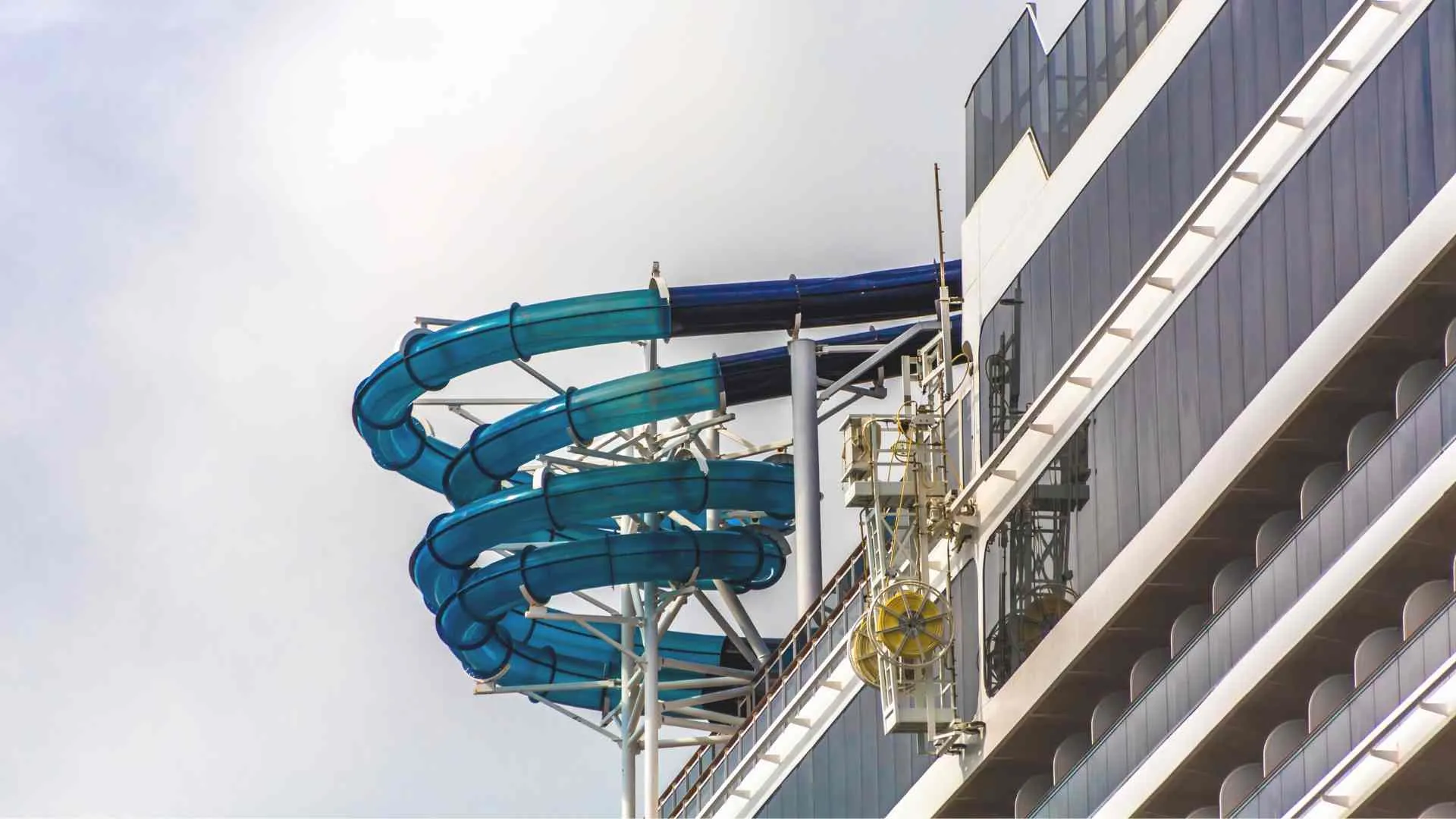
On the other hand, Royal Caribbean boasts an impressive fleet that includes some truly massive vessels. Their new ships like Symphony of the Seas and Harmony of the Seas are known for their grandeur and size, offering an array of exciting features such as water slides, surf simulators, Broadway-style shows, and even ice skating rinks. These large ships contribute to Royal Caribbean's impressive bottom line.
The benefits of sailing on these larger ships are plentiful, especially when it comes to exploring the seas. With so much space available onboard, you'll find an extensive selection of dining options, entertainment venues, shops, and activities to keep you entertained throughout your journey. The sheer scale of these vessels allows for innovative designs that include multiple neighborhoods within the ship itself, ultimately contributing to a positive bottom line.
Royal Caribbean's larger ships offer a more vibrant atmosphere at sea. With their higher capacity, they can accommodate more passengers, enhancing the bottom line. If you enjoy socializing and prefer an energetic environment, these ships provide the perfect setting on the seas.
Impact on Your Cruising Experience
When choosing between Norwegian Cruise Line and Royal Caribbean, it's essential to consider how ship size can impact your overall cruising experience. The size of the class ships you select will determine the type of atmosphere, amenities, and activities available onboard in the vast seas.
If you value a more intimate and relaxed ambiance at sea, NCL's smaller ships may be the ideal choice for you. You can expect personalized service, fewer crowds, and a quieter environment at the bottom line that allows you to unwind and enjoy your vacation at your own pace.
On the other hand, if you thrive in a bustling and vibrant atmosphere with endless entertainment options, Royal Caribbean's larger ships are sure to deliver. From thrilling water slides to Broadway-caliber shows, these mega-ships offer an unparalleled variety of experiences that cater to all ages and interests. Whether it's the excitement of the seas or maximizing your bottom line, these ships have it all.


Food and Drink Comparison: Norwegian vs. Royal Caribbean
Dining Options Onboard Norwegian Cruise Line
Norwegian Cruise Line (NCL) is renowned for its diverse dining options that cater to a wide range of tastes and preferences on the seas. From casual buffets to elegant specialty restaurants, NCL offers a plethora of choices to satisfy every craving. One standout feature is their selection of specialty restaurants on the seas, which provide guests with unique culinary experiences. For example, Cagney's Steakhouse offers succulent cuts of meat cooked to perfection on the seas, while Le Bistro serves up delectable French cuisine in an intimate setting on the seas.
In addition to the specialty restaurants, NCL also boasts a variety of complimentary dining venues. The main dining rooms offer a more traditional cruise experience with multi-course menus featuring dishes inspired by international cuisines. Guests can savor flavors from around the world without ever leaving the ship, making it a great choice for those who love the seas and want to experience different tastes. Plus, trying out these dining options won't affect your bottom line.
Variety of Cuisines Available on Royal Caribbean Cruises
Royal Caribbean takes pride in offering a diverse array of cuisines onboard their ships, catering to the taste buds of passengers at sea. With options ranging from casual eateries to upscale dining establishments, Royal Caribbean ensures that there is something for everyone's bottom line. Whether you're craving Italian fare or Asian-inspired dishes, Royal Caribbean has got you covered with their seas-worthy culinary offerings.
One highlight on Royal Caribbean cruises is the Windjammer Marketplace, a buffet-style restaurant offering an extensive selection of international cuisines. From fresh seafood to mouthwatering desserts, guests can indulge in a wide range of culinary delights, all while enjoying the beautiful seas. Plus, it's a great way to enhance the bottom line of your vacation experience.
For those seeking a more elevated dining experience on cruise ships, Royal Caribbean features specialty restaurants such as Chops Grille and Izumi Japanese Cuisine. These venues offer premium ingredients and expertly crafted dishes that are sure to impress even the most discerning food enthusiasts at sea.
Beverage Packages Offered by Both Cruise Lines
To enhance the overall cruising experience and provide guests with convenience, both Norwegian Cruise Line and Royal Caribbean offer beverage packages on their seas. These packages allow passengers to enjoy unlimited drinks throughout their voyage without worrying about additional costs.
Norwegian Cruise Line offers several beverage packages, including the Ultimate Beverage Package and the Corks and Caps Wine and Beer Package. The Ultimate Beverage Package covers a wide range of alcoholic and non-alcoholic beverages, from cocktails to sodas, while the Corks and Caps package focuses on wine and beer options.
Similarly, Royal Caribbean provides various beverage packages to suit different preferences on cruise ships. The Deluxe Beverage Package on cruise ships includes a vast selection of alcoholic beverages, premium coffees, bottled water, and more. For those who prefer non-alcoholic options on cruise ships, the Refreshment Package offers unlimited fountain sodas and mocktails.
Comparing Food and Drink Options on Norwegian vs. Royal Caribbean
Both Norwegian Cruise Line and Royal Caribbean excel in providing an extensive range of choices for their guests. While NCL stands out with its specialty restaurants offering unique dining experiences, Royal Caribbean impresses with its diverse selection of cuisines available throughout their ships.
Furthermore, both cruise lines understand the importance of offering beverage packages to enhance guest satisfaction. Whether you prefer indulging in a variety of cocktails or sipping on refreshing mocktails by the poolside, these packages ensure a hassle-free experience where you can quench your thirst without worrying about additional expenses.


Luxury or Not? Cons of Royal Caribbean vs. Norwegian
Evaluating the luxury offerings on board Norwegian Cruise Line ships.
Norwegian Cruise Line (NCL) has made a name for itself with its upscale amenities and top-notch service. From the moment you step foot on one of their ships, you are greeted by an ambiance of elegance and sophistication. The luxurious experience begins with the ship's stunning interior design, which showcases exquisite craftsmanship and attention to detail.
NCL takes pride in offering spacious and well-appointed staterooms that provide a comfortable retreat for passengers. These rooms are tastefully decorated with high-quality furnishings and plush bedding, ensuring a restful night's sleep. NCL offers various suite options for those seeking an even more lavish experience, complete with private balconies, butler service, and exclusive access to VIP areas.
One of the standout features of NCL's luxury offerings is their renowned dining experiences. With a wide range of specialty restaurants helmed by world-class chefs, passengers can indulge in gourmet cuisine prepared with the finest ingredients. From succulent steaks to fresh seafood delicacies and international flavors from around the globe, NCL ensures that every meal is a culinary delight.
Identifying areas where Royal Caribbean may fall short in terms of luxury amenities.
While Royal Caribbean (RC) offers an exceptional cruise experience overall, there are some areas where they may fall short when compared to Norwegian Cruise Line in terms of luxury amenities. One such area is the size and layout of their staterooms. While RC provides comfortable accommodations for passengers, they may not offer the same level of spaciousness as NCL's staterooms. This can be particularly noticeable for those who value extra room to relax and unwind during their cruise vacation.
Another aspect where RC might lag behind NCL is in terms of exclusive perks offered to suite guests. While both cruise lines provide suite options, NCL goes the extra mile to create a truly luxurious experience for their suite guests. From dedicated concierge service to private lounges and priority access to onboard facilities, NCL ensures that their suite guests feel pampered and well taken care of throughout their voyage.
Considering the price point differences between these two cruise lines' luxury experiences.
Price is often a significant factor in decision-making. Norwegian Cruise Line tends to position itself as a premium cruise line with higher price points compared to Royal Caribbean. This higher cost is reflective of the elevated level of luxury amenities and services provided by NCL. However, it's important to note that RC still offers an excellent cruise experience at a more affordable price point.
For those seeking a more budget-friendly option without compromising on quality, Royal Caribbean can be an attractive choice. While they may not offer the same level of opulence as NCL, RC provides a wide range of amenities and activities that cater to different tastes and preferences. Passengers can still enjoy world-class entertainment, diverse dining options, and exciting onboard experiences while keeping costs in check.
Determining whether a luxurious experience is a priority when choosing between these two cruise lines.
In deciding between Norwegian Cruise Line and Royal Caribbean, determining whether a luxurious experience is a priority depends on individual preferences and expectations. If you are someone who values upscale accommodations, exquisite dining options, and personalized service, then NCL might be the ideal choice for you.
On the other hand, if you prioritize variety in terms of onboard activities and entertainment while keeping costs reasonable, Royal Caribbean offers an excellent balance between affordability and quality. Their ships boast innovative features like surf simulators, rock climbing walls, Broadway-style shows, and thrilling water slides – perfect for those seeking adventure alongside relaxation.
Ultimately, both Norwegian Cruise Line and Royal Caribbean have their own unique offerings. It's essential to consider your personal preferences, budget constraints, and desired onboard activities before making a decision. Whichever cruise line you choose, rest assured that both will provide unforgettable memories and an enjoyable vacation experience.
So, whether you're seeking the epitome of luxury or a more budget-friendly option without compromising on quality, Norwegian Cruise Line and Royal Caribbean have something to offer every type of traveler.

Family-Friendly Cruising: Kids & Programs for All Ages
Norwegian Cruise Line and Royal Caribbean are two popular choices for families looking to embark on a memorable cruise experience. Both cruise lines understand the importance of catering to passengers of all ages, especially children. With age-specific programs and a wide range of family-friendly amenities, these cruise lines ensure that kids of all ages have an unforgettable time on board.
Age-Specific Programs for Children, Tweens, and Teens
Norwegian Cruise Line and Royal Caribbean go above and beyond. Both cruise lines offer comprehensive programs designed specifically for different age groups.
For young children aged 3 to 12, Norwegian Cruise Line's "Splash Academy" provides an array of engaging activities such as arts and crafts, interactive games, treasure hunts, and even circus skills training. Meanwhile, Royal Caribbean's "Adventure Ocean" program offers similar excitement with age-appropriate activities like science experiments, sports tournaments, themed parties, and educational workshops.
As children transition into their teenage years, both cruise lines continue to provide tailored experiences that cater to their interests. Norwegian Cruise Line's "Entourage" is a dedicated teen club where older kids can socialize with peers while enjoying video games, dance parties, sports competitions, and movie nights. Similarly, Royal Caribbean's "Teen Spaces" offer a variety of hangout spots where teens can relax or participate in activities like DJ classes or mocktail-making sessions.
Evaluating Onboard Activities Suitable for Families Traveling with Kids Across Different Age Groups
When planning a family vacation at sea, it's essential to choose a cruise line that offers a diverse range of onboard activities suitable for various age groups. Norwegian Cruise Line excels in providing options that appeal to both younger children and teenagers alike.
For families traveling with younger kids on Norwegian Cruise Line ships like the Breakaway or Getaway class vessels, the Aqua Park and Sports Complex offer a thrilling experience. The water slides, splash zones, and climbing walls provide endless hours of fun for children of all ages. The cruise line's partnership with Nickelodeon ensures character meet-and-greets, themed parties, and interactive game shows that will delight young cruisers.
Royal Caribbean also offers an array of family-friendly amenities across their fleet. One standout feature is the onboard ice skating rinks found on ships like the Oasis class vessels. Families can enjoy gliding across the ice together or watching professional ice shows performed by talented skaters. This unique offering provides a memorable experience that sets Royal Caribbean apart from other cruise lines.
Determining Which Cruise Line Offers Better Family-Focused Amenities
Both Norwegian Cruise Line and Royal Caribbean have made significant investments in creating family-focused amenities to enhance the overall cruise experience for travelers with kids. Deciding which cruise line offers better options ultimately comes down to personal preferences and priorities.
Norwegian Cruise Line's "Freestyle Cruising" concept allows families to dine at their own pace and choose from a diverse range of dining experiences. From casual buffets to specialty restaurants, there are plenty of options to suit every palate. Norwegian Cruise Line's spacious accommodations cater well to families traveling together, providing comfortable spaces for everyone.
On the other hand, Royal Caribbean boasts a wide variety of outdoor activities suitable for families with kids of all ages. From rock climbing walls and surf simulators to mini-golf courses and zip lines, there is no shortage of adventure on board their ships. Furthermore, Royal Caribbean's dedicated family-friendly neighborhoods such as Central Park or Boardwalk offer a vibrant atmosphere with shops, restaurants, carousel rides, and more.


Exploring Itineraries: Norwegian vs. Royal Caribbean
Overview of itineraries offered by both Norwegian Cruise Line and Royal Caribbean
Norwegian Cruise Line (NCL) and Royal Caribbean are two popular cruise lines known for their diverse itineraries that cater to different types of travelers. Whether you're a solo traveler seeking adventure or a family looking for a relaxing getaway, both NCL and Royal Caribbean have something to offer.
NCL boasts an impressive array of itineraries that span across the globe. From the crystal-clear waters of the Caribbean to the breathtaking fjords of Norway, NCL takes you on unforgettable journeys. One standout feature is their innovative "Freestyle Cruising" concept, which allows passengers to choose when and where they dine, giving them more flexibility during their vacation.
On the other hand, Royal Caribbean is renowned for its extensive range of itineraries that cover almost every corner of the world. Their ships are floating cities with numerous onboard activities and entertainment options. Whether you want to explore ancient ruins in Greece or bask in the sun on a private island like CocoCay, Royal Caribbean has an itinerary that will suit your preferences.
Comparing the destinations covered by each cruise line, including Hawaii
Both NCL and Royal Caribbean offer incredible choices for travelers. However, if you have your heart set on exploring Hawaii's tropical paradise, Norwegian Cruise Line should be at the top of your list.
NCL offers several exciting itineraries that include stops in Hawaii's stunning islands such as Maui, Oahu, Kauai, and Big Island. Imagine waking up to breathtaking views of lush green landscapes and pristine beaches while enjoying all the amenities onboard an NCL ship. Whether you want to snorkel in Hanauma Bay or witness the majestic beauty of Haleakala National Park in Maui, these Hawaiian adventures await you with NCL.
While Royal Caribbean doesn't offer specific itineraries solely focused on Hawaii, they do have cruises that include stops in Honolulu or Lahaina. Although these stops provide a taste of Hawaii's beauty, keep in mind that the time spent on the islands might be limited compared to dedicated Hawaiian itineraries offered by NCL.
Evaluating the duration and variety of itineraries available for travelers
When choosing between Norwegian Cruise Line and Royal Caribbean, it's essential to consider the duration and variety of their itineraries. Both cruise lines offer a range of options to suit different preferences and budgets.
NCL provides a mix of shorter cruises ranging from 3 to 7 days, perfect for those looking for a quick getaway. They also offer longer voyages lasting up to several weeks, allowing travelers to fully immerse themselves in multiple destinations. With NCL, you can pick an itinerary that suits your desired duration, whether you're seeking a short escape or an extended adventure.
Royal Caribbean offers similar flexibility in terms of itinerary duration. From weekend trips to week-long vacations or even month-long expeditions, there's something for everyone. Their extensive fleet allows them to cover a wide range of destinations across various continents, providing ample choices for travelers with different preferences.
Choosing between Norwegian Cruise Line and Royal Caribbean based on desired destinations
Ultimately, when deciding between Norwegian Cruise Line and Royal Caribbean, your choice should depend on your desired destinations. If exploring Hawaii is at the top of your bucket list, NCL offers dedicated itineraries that allow you to experience the beauty and culture of the Hawaiian Islands fully.
On the other hand, if you're looking for more diverse global options with occasional stops in Hawaii or want access to private islands like CocoCay through Royal Caribbean's Perfect Day at CocoCay program, then Royal Caribbean might be the better fit for you. Their extensive network allows them to offer a wide variety of destinations worldwide, providing travelers with endless possibilities.


Entertainment Galore: Activities on Norwegian vs. Royal Caribbean
A World of Fun and Excitement
Both Norwegian Cruise Line and Royal Caribbean offer a plethora of activities that are sure to keep guests entertained throughout their voyage. From live performances to themed parties, these cruise lines go above and beyond to create an unforgettable experience for their passengers.
Onboard Activities That Wow
Norwegian Cruise Line is renowned for its diverse range of onboard activities. Whether you're seeking high-energy thrills or more laid-back pursuits, there's something for everyone on their ships. The Broadway shows featured on Norwegian are a highlight not to be missed. From Tony Award-winning productions like "Jersey Boys" to beloved classics like "Grease," these performances bring the magic of the theater right onto the ship's stage.
For those who prefer a touch of adventure, Norwegian offers unique experiences such as ice skating shows and escape rooms. Imagine gliding across the ice while watching a jaw-dropping performance or testing your wits in an immersive puzzle-solving challenge. These activities add an extra layer of excitement and make each day onboard truly memorable.
Let the Good Times Roll with Royal Caribbean
Royal Caribbean is equally committed to providing exceptional entertainment options for its guests. With a wide array of live performances, this cruise line ensures that there's never a dull moment onboard. From Broadway-style productions featuring top-notch talent to captivating aerial acrobatics shows, every night brings new delights.
One standout feature offered by Royal Caribbean is their Galaxy Pavilion—an interactive playground where cutting-edge technology meets fun-filled activities. Guests can step into virtual reality worlds, engage in thrilling laser tag battles, or even take part in simulated skydiving experiences using state-of-the-art equipment. The Galaxy Pavilion takes entertainment to another level by immersing guests in extraordinary adventures they won't soon forget.
Comparing the Best Shows at Sea
Both Norwegian Cruise Line and Royal Caribbean deliver exceptional performances. Norwegian's Broadway shows are a treat for theater enthusiasts, offering the chance to witness world-class talent in intimate settings. From the captivating storytelling of "Kinky Boots" to the mesmerizing dance numbers in "Footloose," these productions bring the magic of Broadway straight to your cruise vacation.
On the other hand, Royal Caribbean's entertainment lineup is equally impressive. Their innovative ice skating shows combine breathtaking athleticism with artistic flair, creating a spectacle that never fails to amaze audiences. Their themed parties add an extra element of fun and allow guests to let loose and dance the night away under the stars.
The Ultimate Entertainment Experience
Both Norwegian Cruise Line and Royal Caribbean offer an abundance of entertainment options that cater to different interests and preferences. Ultimately, determining which cruise line offers a more exciting and engaging entertainment experience depends on individual tastes.
If you're a fan of Broadway shows and want to be transported into enchanting storylines brought to life by talented performers, Norwegian Cruise Line is sure to delight you. On the other hand, if you crave thrilling adventures and cutting-edge technology blended with high-energy performances, Royal Caribbean's Galaxy Pavilion is not to be missed.
No matter which cruise line you choose, rest assured that both Norwegian Cruise Line and Royal Caribbean will go above and beyond to ensure your days at sea are filled with excitement, laughter, and memories that will last a lifetime. So pack your dancing shoes or get ready for a front-row seat—it's time for some unforgettable entertainment on the high seas!


Cabins and Suites: A Look at Royal Caribbean vs. Norwegian
Overview of Cabin Categories
Both Norwegian Cruise Line and Royal Caribbean offer a variety of options to suit every traveler's needs. Let's take a closer look at the different cabin categories available on their ships.
- Inside Cabins:
- These cozy retreats are perfect for budget-conscious travelers who prioritize spending time exploring the ship and ports of call rather than their cabin.
- While lacking windows or balconies, inside cabins provide all the essential amenities needed for a comfortable stay.
- Oceanview Cabins:
- For those who crave natural light and a glimpse of the ocean, oceanview cabins offer large windows that allow you to enjoy scenic views right from your room.
- These cabins often come with additional space compared to inside cabins, providing more comfort during your voyage.
- Balcony Cabins:
- If you desire your own private outdoor space with stunning vistas, balcony cabins are an excellent choice.
- With a personal balcony attached to your room, you can savor breathtaking sunrises and sunsets while enjoying some peaceful moments alone or with loved ones.
- Suite Accommodations:
- For those seeking ultimate luxury and indulgence, both cruise lines offer various suite options.
- Suites often come with separate living areas, spacious balconies, enhanced amenities, personalized service, and exclusive access to special venues on board.
Comparing Size, Amenities, and Comfort Level
Now let's delve into comparing the size, amenities, and comfort level provided by each cruise line in their cabin offerings:
- Norwegian Cruise Line (NCL):
- NCL is known for its innovative "Freestyle Cruising" concept that emphasizes flexibility in dining options.
- Many NCL ships feature Studio Cabins designed specifically for solo travelers, offering a comfortable and cost-effective solution.
- The line also boasts Haven Suites, which provide a luxurious experience with perks like 24-hour butler service, priority embarkation, and access to exclusive dining venues.
- Royal Caribbean (RC):
- RC offers Virtual Balcony Cabins, an ingenious concept that provides guests in interior cabins with real-time views of the ocean through floor-to-ceiling HD screens.
- The cruise line's Suite Class accommodations pamper guests with amenities like private concierge service, access to suite-only lounges and restaurants, and complimentary beverages.
Both cruise lines strive to ensure a pleasant stay for their passengers. Norwegian Cruise Line focuses on contemporary design and modern comforts while Royal Caribbean aims to create a welcoming ambiance with attention to detail.
Unique Features and Perks
Each cruise line has its own unique features and perks associated with suite accommodations:
- Norwegian Cruise Line:
- The Haven Suite Experience: NCL's Haven Suites offer an exclusive retreat within the ship featuring private amenities such as a pool area, sun deck, restaurant, and lounge.
- Courtyard Villas: These extravagant suites come with multiple bedrooms, spacious living areas, private balconies, jacuzzis, and even personal butlers.
- Royal Caribbean:
- Star Class Suites: RC's Star Class takes luxury to new heights by providing guests with their own Genie – a dedicated personal assistant who ensures every aspect of your vacation is tailored to your preferences.
- Royal Loft Suites: These impressive two-story suites boast panoramic views from floor-to-ceiling windows along with elegant furnishings and expansive living spaces.
Personal Preferences
Deciding which cruise line provides better cabin options ultimately depends on your personal preferences. Consider the following factors when making your choice:
- Cabin Size: Determine how much space you require during your voyage based on the number of travelers and your comfort preferences.
- Balcony vs. Interior: Decide if having a private balcony or window is essential to you, or if you are content with an interior cabin.
- Suite Amenities: Consider the additional perks and services offered by each cruise line's suite accommodations and decide which aligns better with your desires.
Remember that both Norwegian Cruise Line and Royal Caribbean strive to provide exceptional cabin options, ensuring a comfortable and enjoyable experience for all passengers.
FAQs about Norwegian Cruise Line and Royal Caribbean
Booking Procedures and Cancellation Policies
Wondering how to book a cruise with Norwegian Cruise Line or Royal Caribbean? It's as easy as pie! Simply visit their official websites or contact their customer service representatives, who are always happy to assist you. You can choose your desired destination, departure date, and cabin type. Once you've made your selection, follow the prompts to complete the booking process.
Now, let's talk cancellation policies. Life happens, and sometimes plans change. If you find yourself needing to cancel your reservation with either cruise line, it's important to understand their policies. Norwegian Cruise Line offers a flexible cancellation policy that allows you to cancel up to 120 days prior to departure without incurring any penalties. However, if you cancel within 119-15 days of departure, there may be some fees involved. On the other hand, Royal Caribbean has a tiered cancellation policy based on the length of your cruise. The closer it gets to your sail date, the higher the cancellation fee will be.
Onboard Safety Measures
Your safety is of utmost importance when cruising with Norwegian Cruise Line or Royal Caribbean. Both cruise lines have implemented comprehensive onboard safety measures to ensure a worry-free vacation experience for all passengers.
Norwegian Cruise Line follows strict protocols and guidelines set forth by health authorities around the world. They have enhanced cleaning procedures throughout their ships and provide hand sanitizing stations in key areas. They conduct regular health screenings for both crew members and guests before embarkation.
Royal Caribbean takes onboard safety seriously too! They have introduced their "Healthy Sail Panel" consisting of leading experts in public health and infectious diseases who provide guidance on implementing effective measures across their fleet. These measures include increased sanitization practices, social distancing protocols, mandatory mask-wearing in certain areas when required by local regulations or circumstances, and frequent testing for crew members.
Rest assured that both cruise lines are committed to creating a safe and enjoyable environment for everyone onboard.
Loyalty Programs for Repeat Cruisers
Are you a frequent cruiser looking for some extra perks? Norwegian Cruise Line and Royal Caribbean have got you covered with their loyalty programs!
Norwegian Cruise Line offers the Latitudes Rewards program. As you sail with them more, you'll earn points that can be redeemed for various benefits such as priority embarkation, complimentary dinners at specialty restaurants, spa discounts, and even free cruises! The more points you accumulate, the higher your tier status becomes, unlocking even greater rewards.
Royal Caribbean's loyalty program is called Crown & Anchor Society. By joining this program, you'll enjoy exclusive benefits like priority check-in, access to private lounges, discounts on shore excursions, and members-only events onboard. As you move up the tiers (Gold, Platinum, Emerald, Diamond), the perks become even more enticing.
So why not take advantage of these loyalty programs and make your next cruise even more memorable?
Special Dietary Requirements and Medical Considerations
Worried about dietary restrictions or medical considerations while cruising? Both Norwegian Cruise Line and Royal Caribbean strive to accommodate passengers' special needs.
If you have specific dietary requirements such as vegetarian, gluten-free, or kosher meals, rest assured that both cruise lines offer a wide range of options to cater to your needs. Simply inform them in advance during the booking process or contact their customer service team to ensure they are aware of your requirements. They will do their best to provide suitable meals throughout your journey.
For those with medical considerations or disabilities requiring special assistance or equipment onboard, it's essential to notify the cruise line in advance. They have dedicated accessibility teams who will work closely with you to ensure a smooth sailing experience. From wheelchair-accessible cabins to accessible shore excursions and facilities onboard, they aim to make every aspect of your cruise comfortable and enjoyable.

Comparing Cruise Lines: Royal Caribbean vs. Norwegian Cruise Line
Key Differences and Similarities
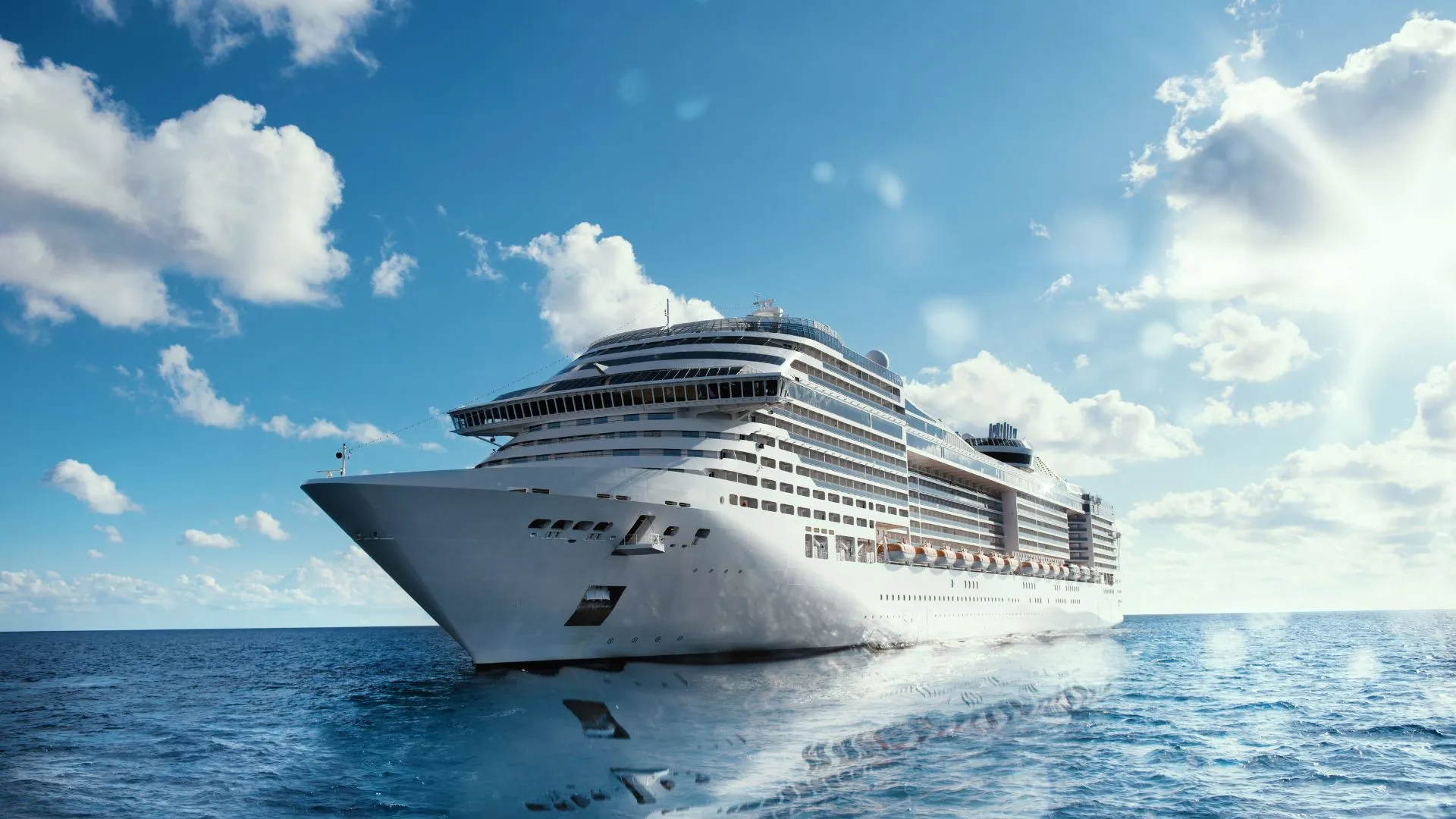
Two names that often come up are Royal Caribbean and Norwegian Cruise Line. Both cruise lines offer exceptional experiences at sea, but they have their own unique features that set them apart.
Dining: One of the main highlights of any cruise is the dining experience. Royal Caribbean is known for its diverse range of dining options, offering everything from casual buffets to specialty restaurants with world-class chefs. On the other hand, Norwegian Cruise Line prides itself on its "Freestyle Dining" concept, which allows passengers to dine whenever and wherever they want without assigned seating or fixed dining times. This flexibility gives guests more control over their dining experience.
**Entertainment:**Both cruise lines excel in providing a wide array of activities and shows for passengers of all ages. Royal Caribbean is famous for its Broadway-style productions, thrilling water slides, rock climbing walls, and ice skating rinks. Norwegian Cruise Line offers innovative entertainment options like virtual reality experiences, go-kart racing tracks, and live music performances by renowned artists. Whether you prefer high-energy activities or more laid-back entertainment, both cruise lines have something to offer.
Itineraries: Another factor to consider when choosing a cruise line is the variety of itineraries available. Royal Caribbean has an extensive selection of destinations worldwide, including popular ports in the Caribbean, Europe, Alaska, and Asia. They also offer private island experiences such as Perfect Day at CocoCay in the Bahamas. Norwegian Cruise Line also covers a wide range of destinations with a focus on North America (including Alaska), the Caribbean, Europe, and Hawaii. They are known for their unique itineraries that explore lesser-known ports.
Side-by-Side Comparison
To help you make an informed decision between these two cruise lines, let's compare them side by side on various aspects:
| Aspect | Royal Caribbean | Norwegian Cruise Line |
|---|---|---|
| Dining | Diverse dining options, specialty restaurants, and flexible dining times. | "Freestyle Dining" concept, allowing passengers to dine whenever and wherever they want. |
| Entertainment | Broadway-style productions, water slides, rock climbing walls, ice skating rinks. | Virtual reality experiences, go-kart racing tracks, live music performances by renowned artists. |
| Itineraries | Extensive selection worldwide with popular ports in the Caribbean, Europe, Alaska, and Asia. | Wide range of destinations including North America (including Alaska), the Caribbean, Europe, and Hawaii. |
Overall Experience and Reputation
Both Royal Caribbean and Norwegian Cruise Line have a strong reputation for delivering memorable experiences at sea.
Royal Caribbean is often celebrated for its innovative ships that offer a multitude of onboard activities catering to diverse interests. Their Oasis-class ships are particularly renowned for their size and amenities. With award-winning entertainment options and exceptional service standards, Royal Caribbean has established itself as one of the leading cruise lines in the industry.
Norwegian Cruise Line prides itself on providing a relaxed yet vibrant atmosphere onboard its ships. The line is known for its modern fleet featuring unique hull artwork designed by acclaimed artists. Norwegian Cruise Line's commitment to "Freestyle Cruising" allows passengers to create their own personalized vacation experience while enjoying top-notch service.
Both cruise lines have loyal followings among travelers who appreciate their distinct offerings.
Final Thoughts on Norwegian Cruise Line vs. Royal Caribbean
After comparing Norwegian Cruise Line and Royal Caribbean across various aspects, it is clear that both cruise lines offer unique experiences for travelers. Whether you prioritize ship size, dining options, luxury amenities, family-friendly activities, itineraries, entertainment choices, or cabin types, there are key differences to consider when choosing between these two popular cruise lines.
Ship Size Matters: Understanding the Differences Norwegian Cruise Line and Royal Caribbean differ in terms of ship size. While Royal Caribbean boasts larger ships with a wide range of onboard facilities and activities, Norwegian Cruise Line offers smaller vessels that provide a more intimate cruising experience.
Food and Drink Comparison: Norwegian vs. Royal Caribbean Both cruise lines offer a variety of dining venues and cuisine choices. However, Norwegian Cruise Line takes pride in its Freestyle Dining concept that allows passengers to dine whenever and wherever they please without assigned seating times.
Luxury or Not? Cons of Royal Caribbean vs. Norwegian While both cruise lines offer luxurious amenities and services, some travelers may find that Norwegian Cruise Line provides a more upscale experience with its Haven Suites offering exclusive access to private areas and personalized service.
Family-Friendly Cruising: Kids & Programs for All Ages For families traveling with children of all ages, both Norwegian Cruise Line and Royal Caribbean have extensive kids' programs filled with engaging activities suitable for different age groups. However, Royal Caribbean's partnership with DreamWorks Animation sets it apart by offering character meet-and-greets on select sailings.
Exploring Itineraries: Norwegian vs. Royal Caribbean, Including Hawaii Both cruise lines have an impressive array of itineraries to choose from. However, if you're specifically interested in cruising to Hawaii, Norwegian Cruise Line stands out as one of the few major cruise lines that offers year-round sailings to the Hawaiian Islands.
Entertainment Galore: Activities on Norwegian vs. Royal Caribbean Both Norwegian Cruise Line and Royal Caribbean excel in providing a wide range of entertainment options onboard. From Broadway-style shows to thrilling water slides and innovative activities like go-kart racing, passengers will find plenty of entertainment choices on either cruise line.
Cabins and Suites: A Look at Royal Caribbean vs. Norwegian Both cruise lines offer a variety of options to suit different budgets and preferences. However, Norwegian Cruise Line's Haven Suites provide an elevated level of luxury with spacious accommodations, private amenities, and dedicated concierge service.
Unveiling the Free at Sea Offer One notable feature offered by Norwegian Cruise Line is their "Free at Sea" promotion, which allows passengers to choose from various perks such as free beverage packages, specialty dining credits, shore excursion credits, or Wi-Fi packages when booking select sailings.
Comparing Cruise Lines: Royal Caribbean vs. Norwegian Cruise Line In summary, choosing between Norwegian Cruise Line and Royal Caribbean depends on your personal preferences and priorities. Whether you value larger ships with a multitude of onboard activities or prefer a more intimate cruising experience with luxury touches, both cruise lines have something unique to offer.
In conclusion, before making your final decision between these two popular cruise lines, consider what matters most to you - ship size, dining options, luxury amenities, family-friendly activities, itineraries, entertainment choices or cabin types. Take into account your travel goals and preferences to ensure an unforgettable cruising experience tailored just for you.

Ellie is the founder of Ellie's Travel Tips, where she shares practical cruise tips, port guides, and step-by-step itineraries to help you plan smarter trips for less. Her checklists and packing guides turn travel daydreams into doable plans.