
Princess Formal Nights: Dress Guidance and How to Check Your Sailing
Princess publishes an example formal-evening schedule by voyage length, but the exact sailing controls. Use the table for early packing, then confirm the date, venue, and attire guidance in current booking and onboard materials.
Treat the formal-night count as an estimate
Princess formal evenings are a sailing-specific planning question, not a reason to dress formally throughout the ship. Determine the likely count, confirm the real schedule, and decide which relevant evening venues you plan to use.
For daytime, pool, smart-casual, specialty-restaurant, and shore contexts, use the broader Princess dress-code guide. Keeping those subjects separate prevents a formal example from becoming a blanket ship rule.
Treat personal style as a choice within the current guidance. Formal examples should never be converted into gender roles, body advice, a required shopping list, or a promise about how other guests will dress.
Princess's example schedule and formal attire range
Princess’s pre-cruise FAQ publishes an example schedule by voyage length: none for one to four days, one for five to six, two for seven to thirteen, three for fourteen to twenty, four for twenty-one to twenty-eight, and at least five for twenty-nine days or longer. The word example matters because the booked voyage controls.
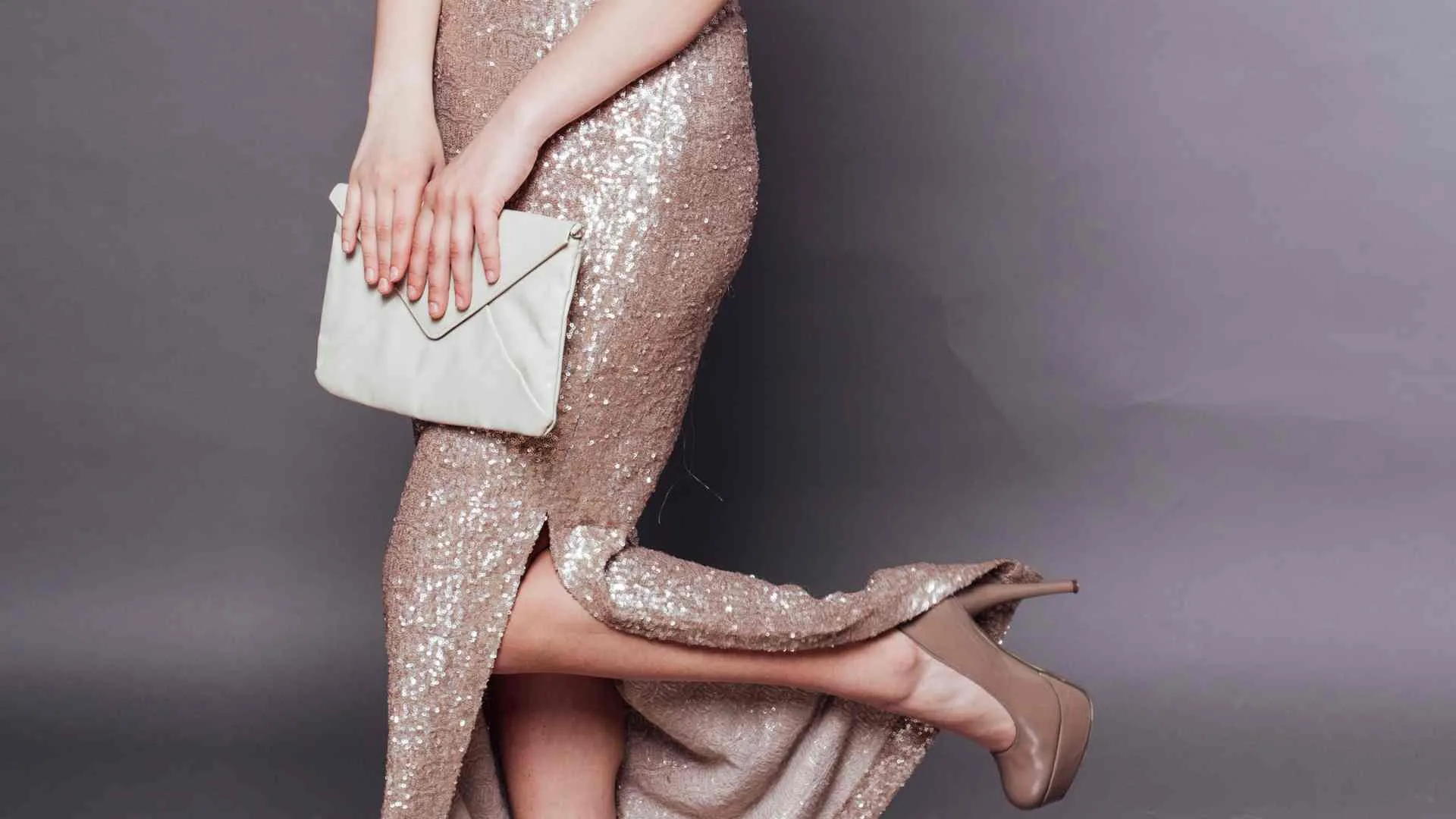
That same Princess planning guidance lists gowns, cocktail dresses, elegant pantsuits, tuxedos, dark suits, dinner jackets, and slacks as formal-evening examples. Read this as a range of options rather than a set of gendered assignments or a command to purchase formalwear.
Princess’s onboard experience FAQ says attire varies by venue and time of day and points guests to the ship’s daily schedule for specific themes and guidance. Specialty restaurants may have their own expectations, so verify the named venue as well as the evening.
Interpret Princess’s example schedule correctly
The published table supports early suitcase planning, but it is not the operational schedule for an individual booking. Preserve that distinction every time the numbers appear.
One to four days
Princess’s example shows no formal evening in this length band. That does not prove the absence of every dressy event, theme, or venue-specific expectation on a particular short voyage.
Pack for the actual dining and activity plans rather than inventing a formal night. The daily schedule and named venue remain the useful sources once onboard.

Five to six days
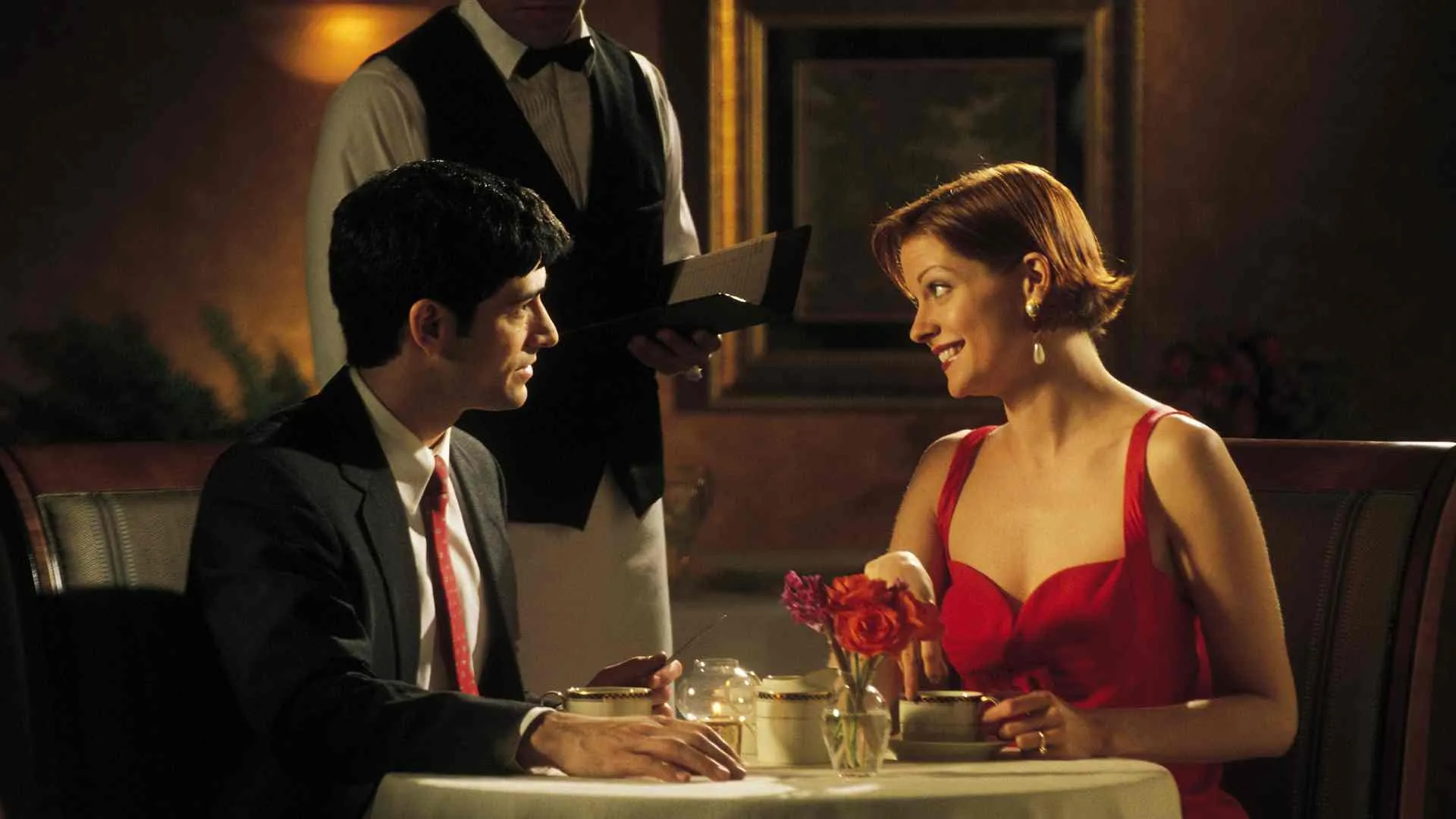
The example shows one formal evening, which supports bringing one adaptable combination. It does not identify a fixed sea day, date, restaurant, or event sequence.
Choose pieces that can serve another dinner if the plan changes. This protects suitcase space and avoids relying on a single-use outfit for an unconfirmed calendar position.

Seven to thirteen days
Princess’s table gives two as the example in this band. A traveler can prepare two looks by repeating a foundation piece and changing a top, layer, or accessory.
Do not assert that both events always occur on sea days or at the same point in every itinerary. The ship’s current daily schedule supplies the real details.

Longer voyages
The example increases across fourteen to twenty, twenty-one to twenty-eight, and twenty-nine or more days. Those bands are useful for estimating rewear and garment-care needs, not for assigning exact nights.
Long voyages also make versatility more valuable. Confirm onboard services and venue guidance rather than assuming pressing, rentals, shops, or the same programming will be available throughout.


Choose a formal outfit from the official range
Princess provides multiple examples, so travelers can select a combination that supports their comfort, expression, mobility, and existing wardrobe. No option carries a higher level of passenger legitimacy.
Polished separates
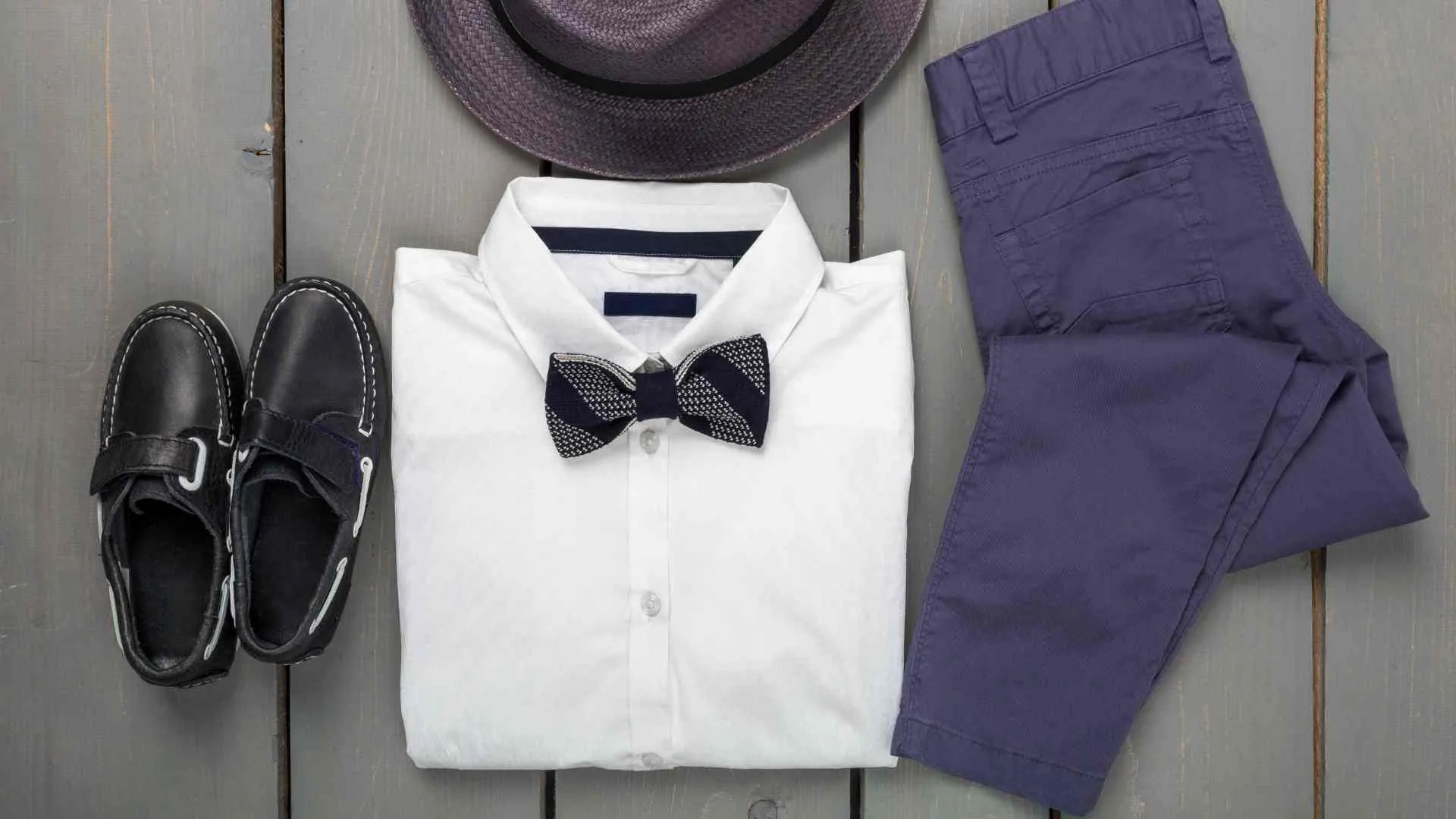
Slacks with a dinner jacket or another refined top can create a formal combination without a one-piece outfit. Test the full set while seated and walking, because comfort at dinner matters as much as appearance standing still.
A pantsuit or coordinated separates can be equally practical for travelers who prefer coverage, pockets, easier temperature control, or simpler restroom access. These decisions should remain body-neutral.


Dresses and gowns
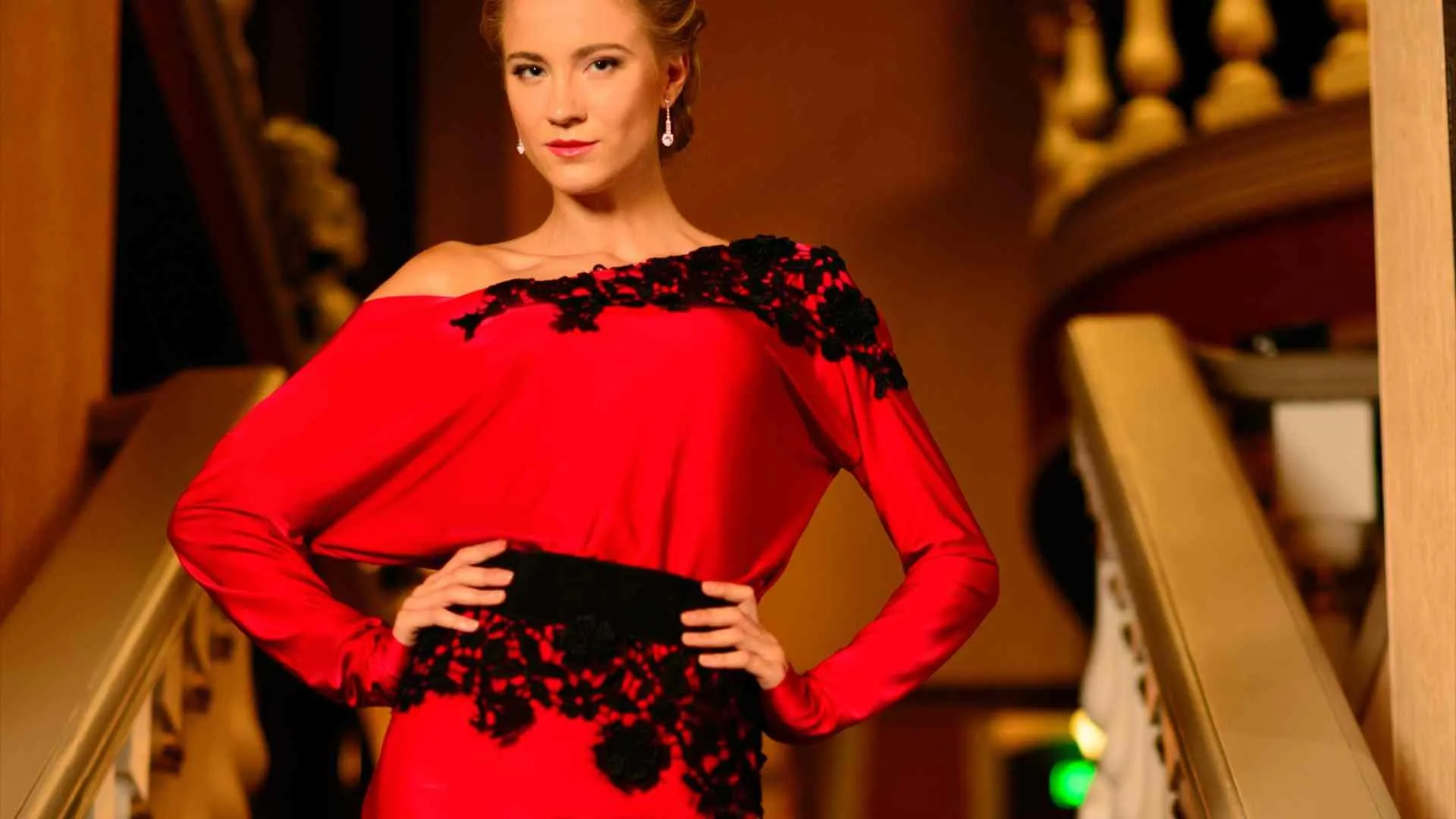
An evening gown or cocktail dress appears among Princess’s examples, but neither is assigned to a gender or required of every guest. Choose length, fabric, and shape according to movement, sensory comfort, and the planned venue.
Add a wrap or other layer only when it serves comfort in indoor spaces. Avoid advice about looking thinner, hiding a body area, or matching an age-based fashion rule.


Suits and jackets
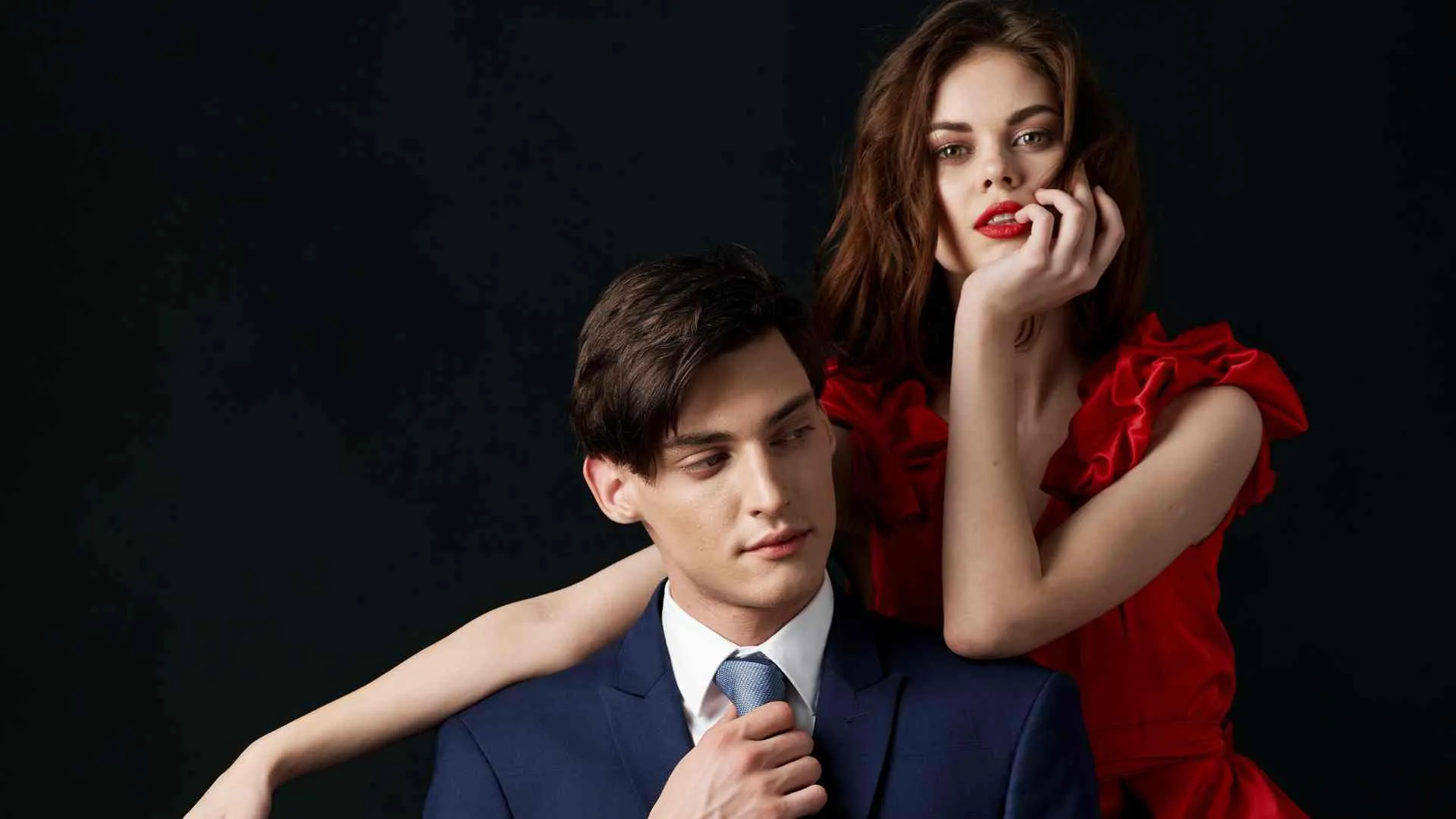
A tuxedo, dark suit, or dinner jacket is another listed route, not a universal minimum. A traveler who enjoys tailoring can choose it, while another may prefer a different accepted combination.
Fit the jacket with the shirt, trousers, mobility device, and seating position that will be used. Do not rely on onboard alterations, rentals, or shop inventory without current ship-specific confirmation.

Shoes and accessories
Select footwear for stability, fit, walking distance, and current venue guidance. Heels, flats, loafers, dress shoes, and other polished options can be evaluated without attaching them to gender.
An accessory can vary a repeated outfit, but it should not interfere with movement or become a costly obligation. A familiar, tested item is usually more dependable than a speculative formal-night purchase.


Confirm the evening on the booked voyage
A strong verification routine moves from general information to the reservation and finally to the live ship schedule. Each step narrows uncertainty without pretending that old examples are guarantees.
Review Princess information before packing
Check the current FAQ, booking details, itinerary, and any pre-cruise communication. Use the example count to reserve flexible suitcase space while leaving the precise date open.
A screenshot from another traveler or an earlier sailing can illustrate a possibility, but it cannot establish the current program. Ship, itinerary, and operational choices may differ.


Read the onboard daily schedule
Princess directs guests to the daily schedule for themes and attire guidance. Check it early enough to coordinate dinner, clothing, and any confirmed activity without rushing.
If the schedule changes, follow the updated information rather than defending an earlier plan. The garment capsule should be adaptable enough to move with the event.


Verify the restaurant separately
Formal-night guidance and a specialty restaurant’s own expectations are related but not identical. Check the reservation and current venue information before assuming one standard covers every dining room.
Keep any answer attached to that named restaurant and time. A decision at one entrance does not prove what will happen elsewhere on the ship.

Use comparisons carefully
A Carnival Cruise Elegant guide explains Carnival terminology, while the Carnival dress-code guide covers that line’s broader venue rules. Neither source can resolve a Princess question.
Comparisons are useful only when they preserve line boundaries. Do not transfer a count, label, clothing example, or reported enforcement outcome from one operator to another.


Create a compact formal-night plan
Formal clothing does not need to dominate the suitcase. Start with the number of likely evenings, then choose repeatable foundations and one resilient fallback.
Plan a one-evening capsule
Pack one complete combination that has already passed the sitting, walking, and comfort test. Add a small backup element, such as another top or accessory, only if it can serve another real use.
Do not make the plan depend on a rental delivery, onboard retailer, or alteration. Those services, timing, stock, fit, and prices require current confirmation and can change.
Plan multiple looks through rewear
For two or more likely formal evenings, repeat trousers, a jacket, shoes, a dress, or another foundation and vary a smaller piece if desired. Repeating clothing is a practical packing choice.
Choose care-friendly fabrics based on the garment label and personal tolerance. Never recommend an iron, steamer, or other device without verifying the cruise line’s current prohibited-items rules.
Coordinate with companions without uniforms
A group can agree on a level of dressiness or a color accent while allowing each person to select comfortable clothing. Matching is optional and should not override accessibility, identity, or budget.
Ask before buying or assigning clothing for someone else. A surprise outfit can create fit, sensory, cultural, or mobility problems that a shared plan would avoid.
Keep a venue fallback
If the chosen outfit becomes unusable, switch to another accepted combination and ask the venue for current guidance. A casual dining alternative may exist, but hours, access, and menus should not be promised by a generic article.
The fallback should reduce stress, not frame the evening as a test. Enjoyment does not depend on portraits, officer appearances, champagne, dancing, or a particular menu.
Princess formal-night questions
Concise answers work when each one retains the example-versus-sailing distinction. The final authority is always more specific than a general article.
Are the published numbers guaranteed?
No. Princess labels its length-based table as an example schedule, so it supports planning rather than a guarantee for a particular booking.
Use the current reservation materials and onboard daily schedule for the exact voyage. Avoid assigning nights from an old program.
Is formal dress required everywhere?
Princess says attire varies by venue and time of day. Formal guidance for a relevant evening context does not turn every daytime or casual space into a formal setting.
Check the named restaurant or event. Do not generalize one entrance decision to the entire ship.
Does a guest need a gown or tuxedo?
Those garments appear as examples alongside pantsuits, slacks, dinner jackets, suits, and cocktail dresses. The list offers options rather than one uniform.
Select a suitable combination without gender or body assumptions. A known, comfortable outfit is preferable to an unverified shopping recommendation.
What is worth confirming onboard?
Confirm the date, theme if any, venue guidance, reservation, and any activity that matters to the evening. Check photography, entertainment, or hosted events separately if they influence the plan.
This prevents the formal label from becoming a bundle of unsupported promises. The evening can still work even when optional programming differs from expectations.

Ellie is the founder of Ellie's Travel Tips, where she shares practical cruise tips, port guides, and step-by-step itineraries to help you plan smarter trips for less. Her checklists and packing guides turn travel daydreams into doable plans.