
Saskatchewan Provincial Parks: A Practical Guide to Choosing One
Saskatchewan's park system is too varied for one ranked list. Compare a selected group by landscape, access, services, and trip style, then verify the exact provincial park, campground, reservation, permit, road, and advisory details before leaving.


Quick answer: match the park to the trip
Choose Lac La Ronge for a large northern park with many lakes and canoe routes, Cypress Hills for an interprovincial prairie-and-upland trip, Meadow Lake for a multi-lake boreal stay, Pike Lake for a more developed Saskatoon-area outing, and Greenwater Lake for a developed park with summer and winter options.
Sask Parks manages more than 100 provincial parks and recreation sites across nine ecoregions. Its current planning portal is the place to check classifications, permits, reservations, advisories, and operating details.
This guide is a selector, not a complete directory. A longer Canada road trip should also account for the large distances between southern prairie, central parkland, and northern boreal destinations.
First, keep the park classifications exact
A provincial park is not the same as a provincial recreation site, regional park, national park, private resort, or campground. A campground can sit inside a larger park without being a separate provincial park.
Prince Albert is a national park managed by Parks Canada and should not be inserted into a Saskatchewan provincial-parks list. Emma Lake is a destination area with its own planning context, while any campground claim needs an exact current name and managing authority.
Sask Parks acknowledges that provincial parks are located across Treaty 2, 4, 5, 6, 8, and 10 territories, the ancestral and traditional lands of named First Nations, and the Homeland of the Métis. That system-level acknowledgement should not be used to invent a park-specific Nation or boundary.

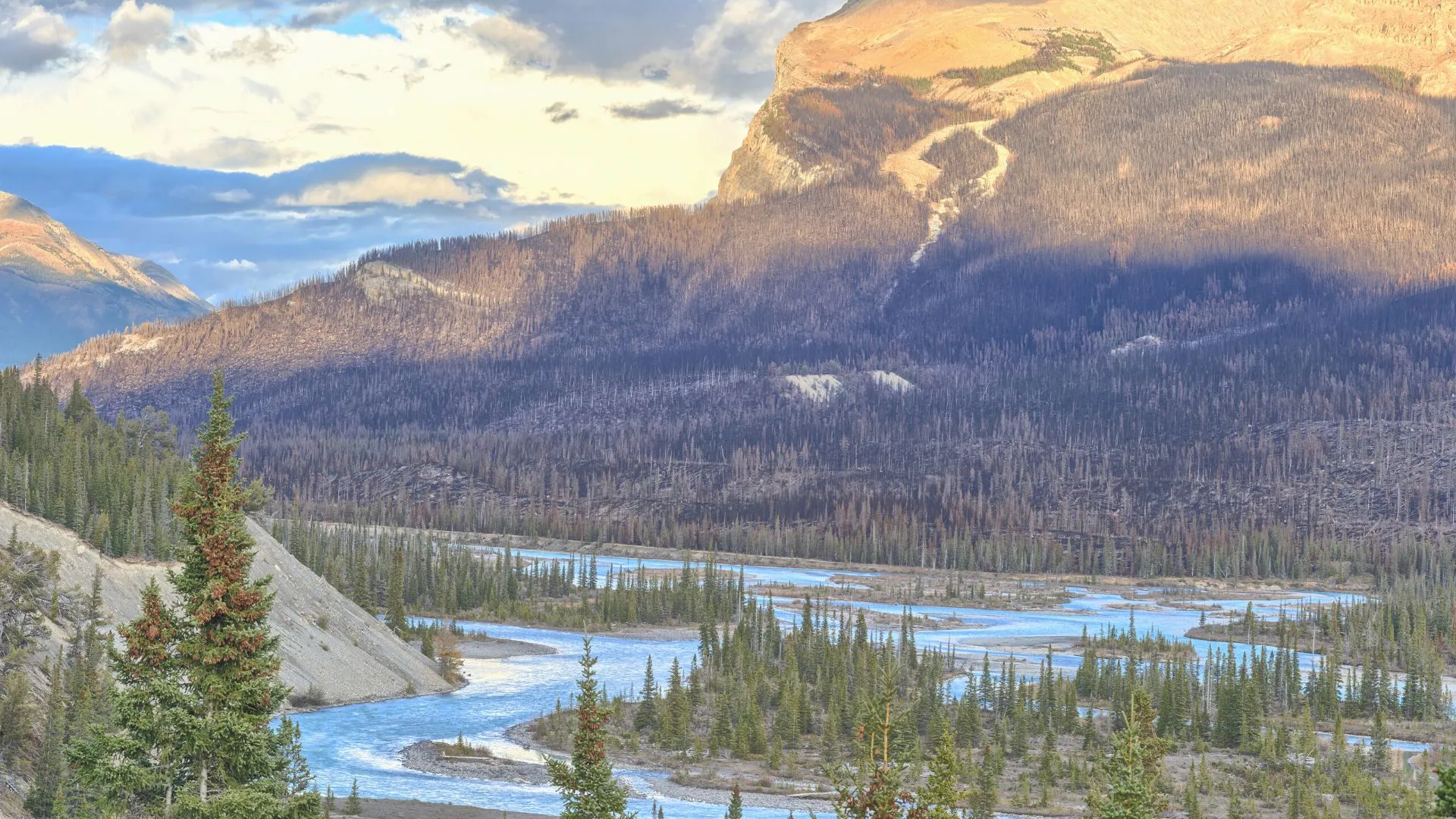
Lac La Ronge Provincial Park
Lac La Ronge Provincial Park is one of Saskatchewan's largest parks, but Lac La Ronge should not be labeled the province's largest lake. The park sits within the Churchill River system and contains close to 100 lakes and more than 30 documented canoe routes.
The official Lac La Ronge park listing describes multiple campgrounds, backcountry camping on canoe routes, hiking, fishing, and remote attractions. Current wildfire damage, campground closures, route conditions, and services can materially alter a trip.
Who should choose it
This park fits travelers who want a northern, water-centered itinerary and are willing to choose a specific access point. It is not one compact campground where every lake and trail begins from the same parking lot.
Paddlers should match the route to their skills, water conditions, portages, communications plan, and available time. A documented route is not proof that it is appropriate for a first backcountry trip.
What to verify
Check the exact campground, road, launch, drinking-water status, fire restrictions, reservation method, and wildfire notices. Remote features such as Nistowiak Falls require distinct boat, air, winter, or guided access planning rather than casual driving directions.
Wildlife may be present, but black bear, moose, or bird sightings are never guaranteed. Food storage and encounter guidance matter even when no animal has recently been reported.
Cypress Hills Interprovincial Park
Cypress Hills crosses the Saskatchewan and Alberta boundary and was Canada's first interprovincial park. The Saskatchewan side includes a developed Centre Block south of Maple Creek and a more rustic West Block.
These blocks should not be treated as adjacent campground loops. The official Cypress Hills listing directs travelers to check road conditions between them.


Who should choose it
Cypress Hills suits travelers who want a landscape that contrasts with Saskatchewan's lake-heavy boreal parks. It can combine prairie views, forested uplands, hiking, camping, and dark-sky interest without requiring a northern canoe expedition.
Choose the Centre Block when developed services are important and the West Block when a more rustic setting fits the group. Confirm what “rustic” means for the exact campground, road, vehicle, and season.
Claims to avoid
Do not repeat a sweeping claim that Cypress Hills is the highest point between the Rockies and Labrador unless an official source provides the exact benchmark and comparison. The park's unusual elevation and landscape are compelling without an unsupported continental superlative.
Do not move an Alberta-side activity into the Saskatchewan section because both share the same park name. Check the block and province for every trail, facility, program, and reservation.
Meadow Lake Provincial Park
Meadow Lake Provincial Park spans more than 1,600 square kilometres and includes more than 20 lakes, rivers, and streams. Access corridors near Goodsoil, Pierceland, and Dorintosh show why the park needs a base-specific plan.
The park can support beach, paddling, fishing, frontcountry camping, backcountry travel, and trail-focused stays. It cannot responsibly be summarized as one lake or one campground.
Who should choose it
Choose Meadow Lake when the group wants a multi-day boreal park with several developed camping areas and a choice of water-based activities. It works less well as an improvised stop if the group has not selected an entrance and overnight area.
Long-distance hikers may be interested in the Boreal Trail, while families may prefer a developed lake campground. Those are different trips with different reservations, equipment, time, and exit plans.


What to verify
Check which campground is reservable, which sites are self-registration, and which services are available at the chosen lake. Do not transfer a store, shower, beach, boat launch, or electrical hookup from one campground to another.
Road surfaces, wildfire conditions, water levels, and trail maintenance can affect movement across such a large park. Save the current park map offline and keep fuel and turnaround limits conservative.
Pike Lake Provincial Park
Pike Lake is the practical choice in this group for travelers seeking a more developed park near Saskatoon. Its location can make it suitable for a day outing or short camping stay, but proximity does not guarantee available parking, campsites, swimming, or programs.
Confirm the current park map, entry permit, beach status, reservation inventory, and activity rules. Watercraft and cycling claims should be tied to current designated areas rather than copied from a broad “water sports” list.
Who should choose it
Choose Pike Lake when reducing transfer time matters more than reaching a remote wilderness setting. It can be a good first provincial-park experience for a group that wants developed facilities and a clear return to Saskatoon.
If solitude or a multi-day boreal route is the goal, Meadow Lake or Lac La Ronge may be a closer match. If unusual high prairie landscapes are the priority, consider Cypress Hills instead.
Greenwater Lake Provincial Park
Greenwater Lake is an official provincial park reached via Highway 38 and supports both summer and winter recreation. Its developed setting can include camping, cabins, trails, water activities, and winter facilities, subject to current operations.
“Year-round destination” does not mean every service operates continuously. Full services, rentals, food, visitor facilities, trails, and ice-dependent activities require separate seasonal checks.


Who should choose it
Greenwater Lake can work for travelers who want a developed base and multiple activity options without the scale of Meadow Lake. It also gives winter travelers an official park to investigate rather than assuming all parks offer the same cold-season services.
Choose it for the activities confirmed for the actual date, not for an evergreen amenity list. Wildlife, bird species, fishing, lake ice, snow, and trail grooming remain conditional.
Other parks and campgrounds
Douglas, Good Spirit Lake, Buffalo Pound, and Echo Valley are legitimate provincial-park names, but each needs its own current comparison. A short selector should not turn a handful of campground descriptions into a province-wide ranking.
For a lake destination discussed outside this selection, use a dedicated Emma Lake guide while confirming its exact land manager and campground names. Do not use “Emma Lake Campground” as a substitute for that verification.
Travelers comparing protected areas elsewhere in Canada can also review Bonshaw Hills Provincial Park or the different park context in this Alberta national-parks guide.


Reservations, entry permits, and camping
Sask Parks opens reservations on date-specific schedules that can differ by park and product. Nightly sites, seasonal sites, group areas, backcountry sites, and roofed accommodations may follow different processes.
An annual park-entry permit does not automatically reserve a campsite. Likewise, a campsite booking does not prove that a beach, fire pit, water system, trail, or rental is available.
Check the portal for the current year and keep the confirmation accessible offline. If a first-choice campground is full, choose a verified alternative rather than sleeping in an undesignated area.
Fire, water, and wildlife decisions
Campfire permission can change with fire danger, and a fire ring does not override a ban. Bring a cooking alternative allowed under the current restriction and confirm whether firewood transport is regulated.
Swimming areas have changing water quality, temperature, depth, and supervision. A sandy beach is not a guarantee of safe swimming, and children need active supervision even where swimming is allowed.
Fishing requires the correct current licence and compliance with species, season, and water-specific rules. A park described as a fishing destination cannot promise catch success.
Store food and scented items according to current park guidance. Wildlife viewing should remain opportunistic and distant rather than a reason to approach, feed, or crowd an animal.


How to choose in five questions
How far do you want to travel?
A Saskatoon-area outing points toward Pike Lake, while Lac La Ronge and Meadow Lake require a northern route. Cypress Hills and Greenwater Lake serve different parts of the province and should be measured from the actual starting point.
Do you want one developed base or multiple access areas?
Pike Lake and Greenwater Lake can support a more concentrated plan. Meadow Lake and Lac La Ronge demand more precise choices among entrances, campgrounds, lakes, and routes.
Is the trip frontcountry or backcountry?
Frontcountry facilities reduce some logistical demands but still require reservations and current checks. Backcountry paddling or hiking adds route skills, communications, water, food storage, weather, and exit planning.
Which activity remains worthwhile if conditions change?
Build around two compatible activities instead of one promise, such as a short trail plus an interpretive stop. A trip based only on swimming, fishing, wildlife, stars, or snow is more vulnerable to conditions.
What is the fallback?
Choose a lawful alternative campground, trail, or indoor stop before departure. Driving to another distant park after a closure may be unrealistic in a province this large.


Frequently asked questions
Are pets allowed?
Pet rules vary by park, campground, beach, trail, and season. Check the exact park page and keep a leash, waste supplies, and a heat-aware plan.
Can campsites be reserved?
Many can, while some sites or products use different booking or self-registration methods. Confirm the chosen campground and site type in the current reservation system.
Are entry fees required?
Sask Parks uses park-entry permits, but current products, prices, and exceptions can change. Check the official portal rather than relying on a copied fee.
Can visitors have a campfire?
Only when the site and current restrictions permit it. Fire bans and local rules take priority over the presence of a fire pit.
Which Saskatchewan provincial park is best?
No park is best for everyone. Choose by region, access, services, desired activity, and tolerance for remote logistics, then confirm current conditions.
Final planning rule
Use the park name, campground name, and managing authority precisely. Saskatchewan's provincial parks become easier to compare when each claim is attached to the correct location, season, and current official notice.

Ellie is the founder of Ellie's Travel Tips, where she shares practical cruise tips, port guides, and step-by-step itineraries to help you plan smarter trips for less. Her checklists and packing guides turn travel daydreams into doable plans.