
Sitka’s port day changes with the arrival point. Confirm whether you dock, shuttle, or tender before choosing a three-hour walk, a five-hour culture plan, or a longer wildlife outing.
Identify the arrival before anything else
Sitka uses more than one cruise arrival: Sitka Sound Cruise Terminal, Gary Paxton Industrial Park, and tender anchorages near downtown can all appear. The Visit Sitka transportation guide directs passengers to the live calendar because each arrival creates different transport.
A downtown tender can remove the terminal shuttle, while an outlying dock adds vehicle boarding and a return cutoff. Never copy another traveler’s Sitka timeline until you know their arrival matched yours.
Sitka Sound terminal shuttle
The terminal currently provides complimentary downtown shuttles and lists ADA-accessible vehicles with a typical ride of 10 to 15 minutes. The Sitka Sound Cruise Terminal guide also indicates a reservation process, which requires a fresh check before travel.


Ask whether a mobility device needs its own reservation and how companions are handled. Ride time is not the same as total transfer time when boarding queues and the walk through the terminal are included.
Downtown drop-off and return
Confirm the shuttle’s current downtown drop-off in the terminal instructions rather than relying on a saved map. Photograph the pickup location because the return line can look different when several ships share the day.
Visit Sitka advises that the final terminal shuttle leaves 30 minutes before all aboard. Treat current ship and shuttle instructions as controlling because an article cannot safely maintain an operational cutoff.
Tender and industrial-port differences

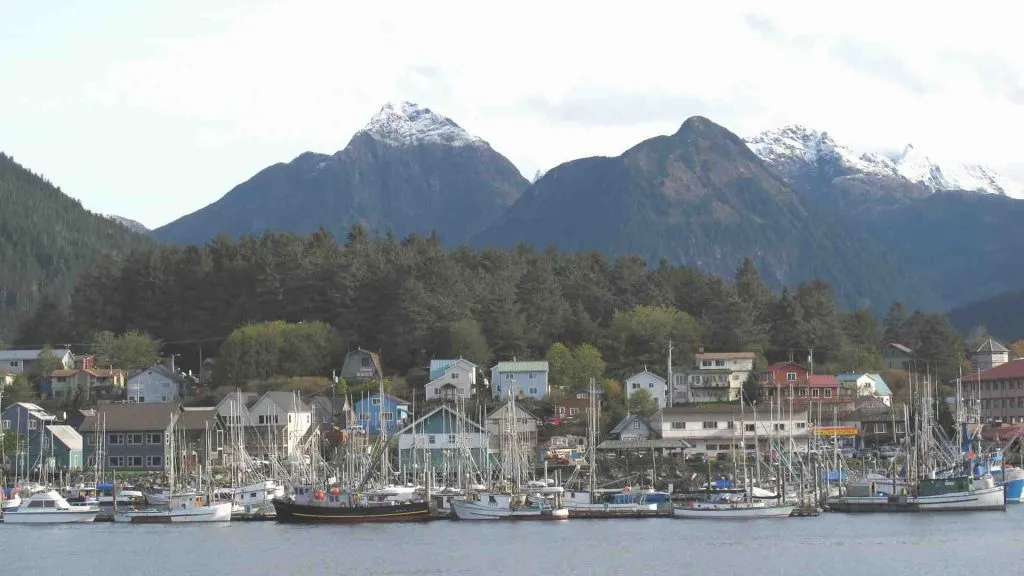
Tender passengers may arrive close to the downtown core but must account for boat queues and a ship-set last tender. Gary Paxton passengers need the assigned transfer and should not assume terminal shuttle rules are identical.
Weather or operations can change the arrival plan. Keep screenshots of ship messages and ask crew which return instruction applies instead of following signs intended for another vessel.
Three usable hours
Use downtown and Sitka National Historical Park as the core, with one cultural or indoor stop. This branch limits transport exposure and can contract gracefully if a shuttle or tender delay steals time.
The Sitka National Historical Park directions says the park’s principal downtown sites are walkable, with roughly ten minutes between the visitor center and Russian Bishop’s House for most people. That estimate does not include the terminal transfer or individual mobility needs.

Five usable hours
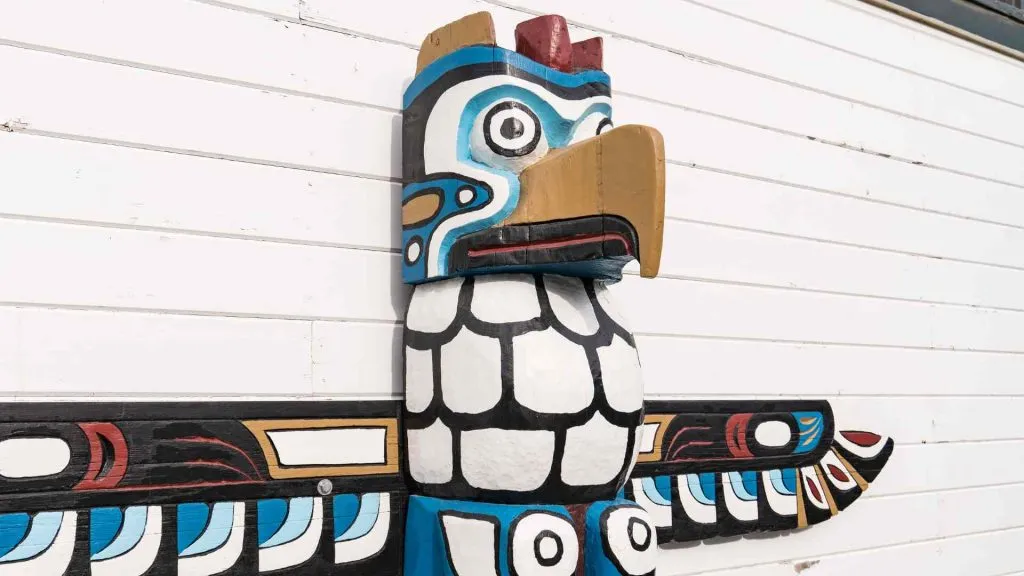
Combine a focused guided activity with a downtown loop, or devote the time to the park, cultural interpretation, harbor, and a meal. Keep the scheduled element first unless its operator specifically recommends another sequence.
Do not attach a distant wildlife excursion to a self-guided plan without a verified handoff. The city is compact, but boats, vans, and shuttle return points can sit on different clocks.
A long Sitka call
A longer day can support marine wildlife, a remote nature outing, or a deeper culture-and-trail plan. Use the extra hours as a disruption buffer rather than filling every block with reservations.


Compare paid products across Alaska in the Alaska excursion guide, then decide whether Sitka’s distinctive history and walkability are more valuable than another boat tour. Repetition matters when several itinerary ports sell similar wildlife outings.
Accessibility from ship to park
Sitka National Historical Park provides paved access with curb cuts, barrier-free exhibits, accessible restrooms, captioning, assistive listening, and a public-use wheelchair. These facts begin at the park, not at the ship.
Confirm gangway or tender boarding, shuttle lift, tie-down capacity, downtown surfaces, and restroom locations as one chain. An accessible destination does not fix a transport link that cannot take the device.
Tour pickup discipline

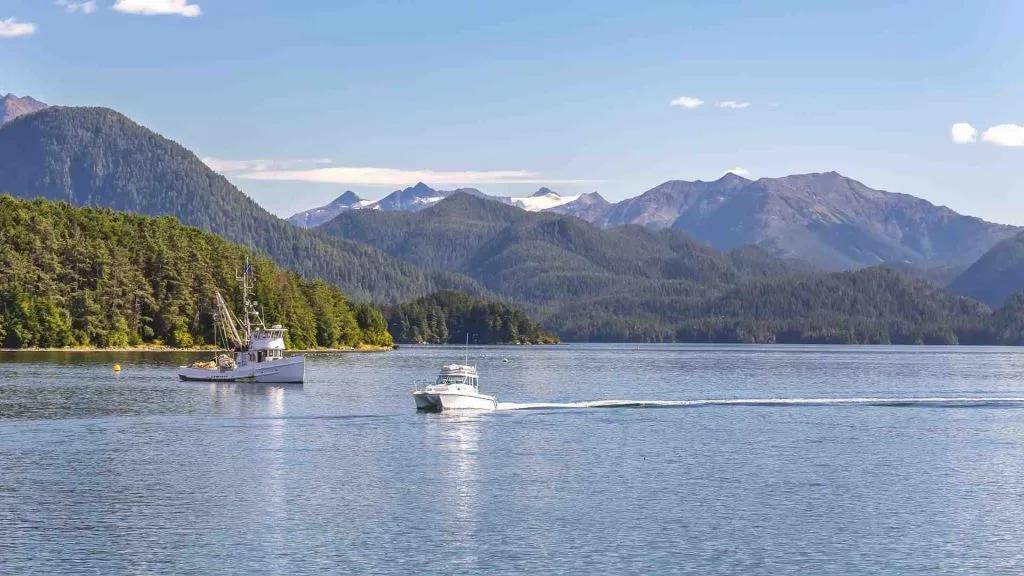
Ask whether the tour meets at the terminal, the current downtown shuttle stop, the tender landing, or another harbor. “Downtown pickup” is not precise enough when return time matters.
Share the ship name and arrival type with an independent operator. Save the dispatch number offline and clarify what happens if the shuttle or tender delays your arrival.
Weather fallback
Sitka’s rainforest setting makes rain planning part of logistics. Keep an indoor cultural stop, visitor center, meal, or compact downtown route ready when a boat or exposed trail becomes unattractive.
Waterproof footwear and a shell help more than a plan that assumes showers pass quickly. A wet day can still support strong interpretation if the group avoids unnecessary transfers.


Do not duplicate the activity directory
This guide deliberately stops at a few time-boxed branches because the separate Sitka activity page should own trails, food, museums, crafts, wildlife, and tour depth. Port logistics and destination discovery solve different reader problems.
Use the Juneau port guide to compare Juneau’s downtown-to-glacier transport problem. For late-season timing, the September Alaska guide explains why daylight and operations need a separate September check.
Food and shopping as schedule tools
A meal or local shopping works best near the downtown transfer point after the main activity. It should absorb spare time, not sit between a remote tour and the last shuttle.
Verify business hours on the day and avoid claims that every product is locally made. Ask artists or retailers about origin when local craft is important.


Return strategy
Set a personal downtown departure earlier than the published final shuttle or tender. Allow for a restroom stop, line, mobility boarding, terminal walk, and ship security.
Do not assume a cruise-line tour and independent tour use the same buffer. The ship’s all-aboard time remains the hard boundary even if a local schedule appears more generous.
Sitka compared with other ports
Sitka is strongest for layered Tlingit, Russian-American, rainforest, and marine context in a compact area. Juneau is more transport-intensive when the glacier is the goal, while Victoria port guide has its own terminal and city-access pattern.


Choose the port excursion portfolio across the whole itinerary. A quiet self-guided Sitka day can balance more expensive, structured outings elsewhere.
Final arrival card
Record arrival type, shuttle reservation, downtown drop, tour meeting point, last return, all aboard, and accessible-vehicle confirmation. If any field is unknown, keep the first hour flexible.
Sitka rewards visitors who solve transport once and then slow down. The port day becomes fragile only when a terminal assumption, tour pickup, and last shuttle are all left to chance.
Three arrival scenarios side by side


From Sitka Sound Cruise Terminal, reserve or confirm the shuttle, budget the terminal queue, and set an early downtown return. From an industrial berth, follow the ship-assigned transfer because the terminal’s public instructions may not apply.
From a tender anchorage, note the last tender and expected boat queue, then build outward from the downtown landing. Tender convenience can disappear when wind, capacity, or mobility boarding slows the operation.
If the arrival changes on the day, discard the old timeline before choosing a tour. Recalculate usable time from the new landing rather than trying to preserve every reservation.
A port-day plan for mixed abilities
Let the least flexible transport or mobility requirement set the group’s first decision. Other travelers can split for a trail or longer walk and reunite at a precise downtown landmark with a time buffer.


Choose attractions with seating, accessible restrooms, and an indoor component when fatigue or weather could shorten the day. Confirm whether a wheelchair available at the NPS site can leave that site, because facility equipment is not general transport.
Keep meals close to the shuttle hub and avoid a final reservation that ends at all aboard minus the transfer time. Mixed-ability days succeed through predictable reunions, not identical activity for every person.
Shuttle queues without guesswork
A stated 10-to-15-minute ride excludes the terminal walk, boarding wait, mobility-device loading, and time locating the downtown stop. Add those parts separately rather than changing the official ride into a made-up average.
Reserve when the terminal requests it, but arrive before the selected departure. A reservation can organize boarding without eliminating passenger flow, security, or a vehicle change.


Choose a return shuttle earlier than the final published option and identify a nearby indoor wait. That protects the ship return and reduces exposure if rain arrives during a queue.
What this port page should not promise
Do not promise that every vessel uses the same dock, that the shuttle is always walk-up, or that tender passengers receive terminal return instructions. Those facts belong to the ship day.
Do not turn an accessibility feature at one facility into a claim about the complete route. Identify which link is confirmed and which still needs the terminal, operator, or ship to respond.
Do not duplicate dozens of attractions here. A port page earns its place by preventing a missed shuttle, wrong pickup, or impossible connection.
Questions to settle before a Sitka tour
Ask whether the operator meets at the ship terminal, downtown shuttle stop, tender landing, or a separate marina. Confirm how the meeting changes if the vessel receives a different berth.
Request the planned return location and time, plus the operator’s procedure for a delayed shuttle or tender. A vague promise to get cruise passengers back is weaker than a written timeline tied to your arrival type.
For boat trips, confirm boarding steps, enclosed seating, restroom access, and motion exposure. For land tours, ask about vehicle height, transfer assistance, walking surfaces, and how much standing the itinerary requires.


Ellie is the founder of Ellie's Travel Tips, where she shares practical cruise tips, port guides, and step-by-step itineraries to help you plan smarter trips for less. Her checklists and packing guides turn travel daydreams into doable plans.