
Alaska, known as "The Last Frontier", beckons with its vast landscapes, teeming wildlife, and breathtaking glaciers.
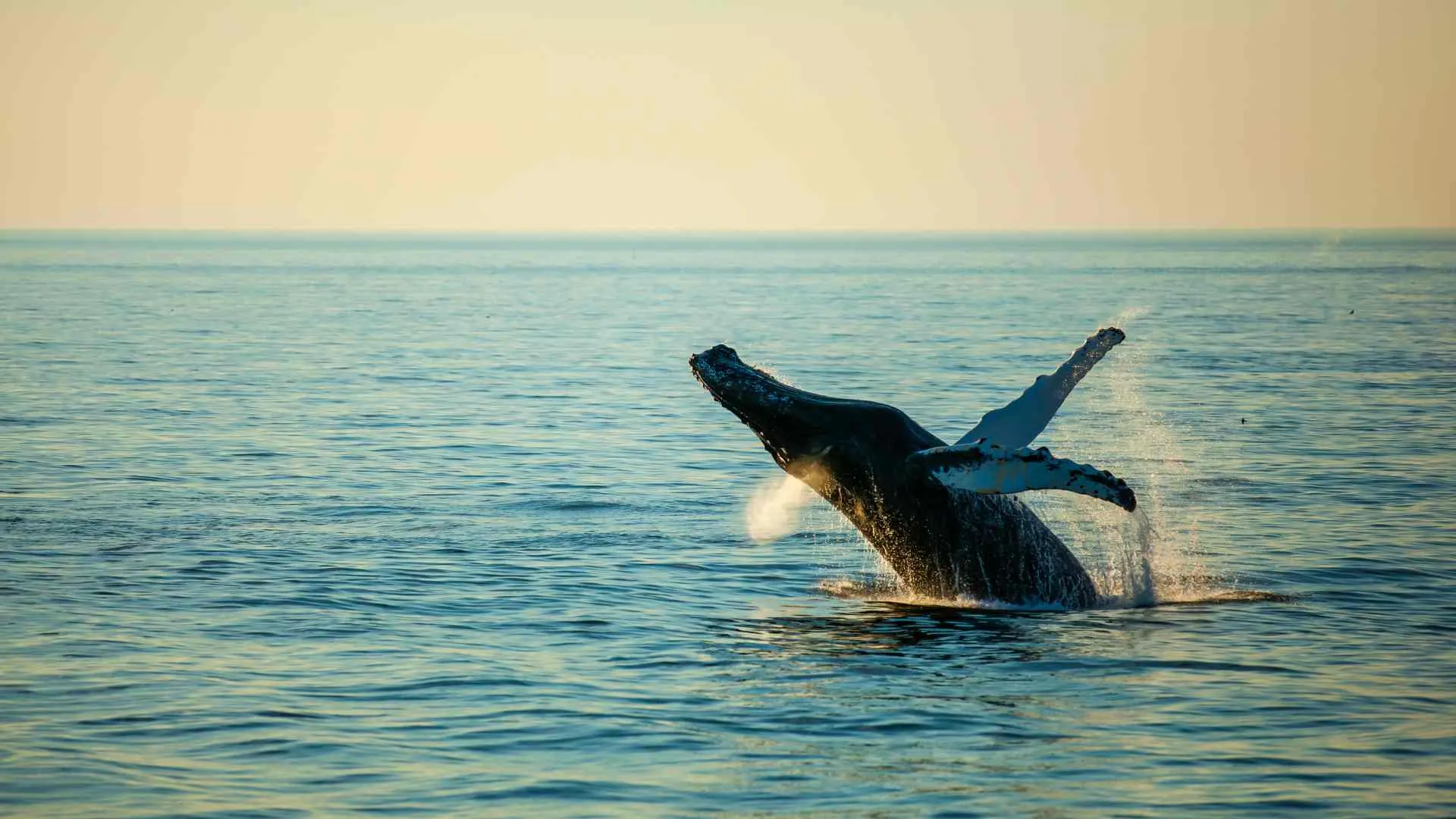
Why cruise to Alaska, you ask? Imagine waking up to a panorama of misty fjords, snow-capped peaks, and pristine waters. Picture yourself sipping hot cocoa, wrapped in a cozy blanket, as humpback whales breach in the distance.
Now, add the crimson and gold tapestry of fall foliage, and you've captured the essence of an Alaska September cruise.

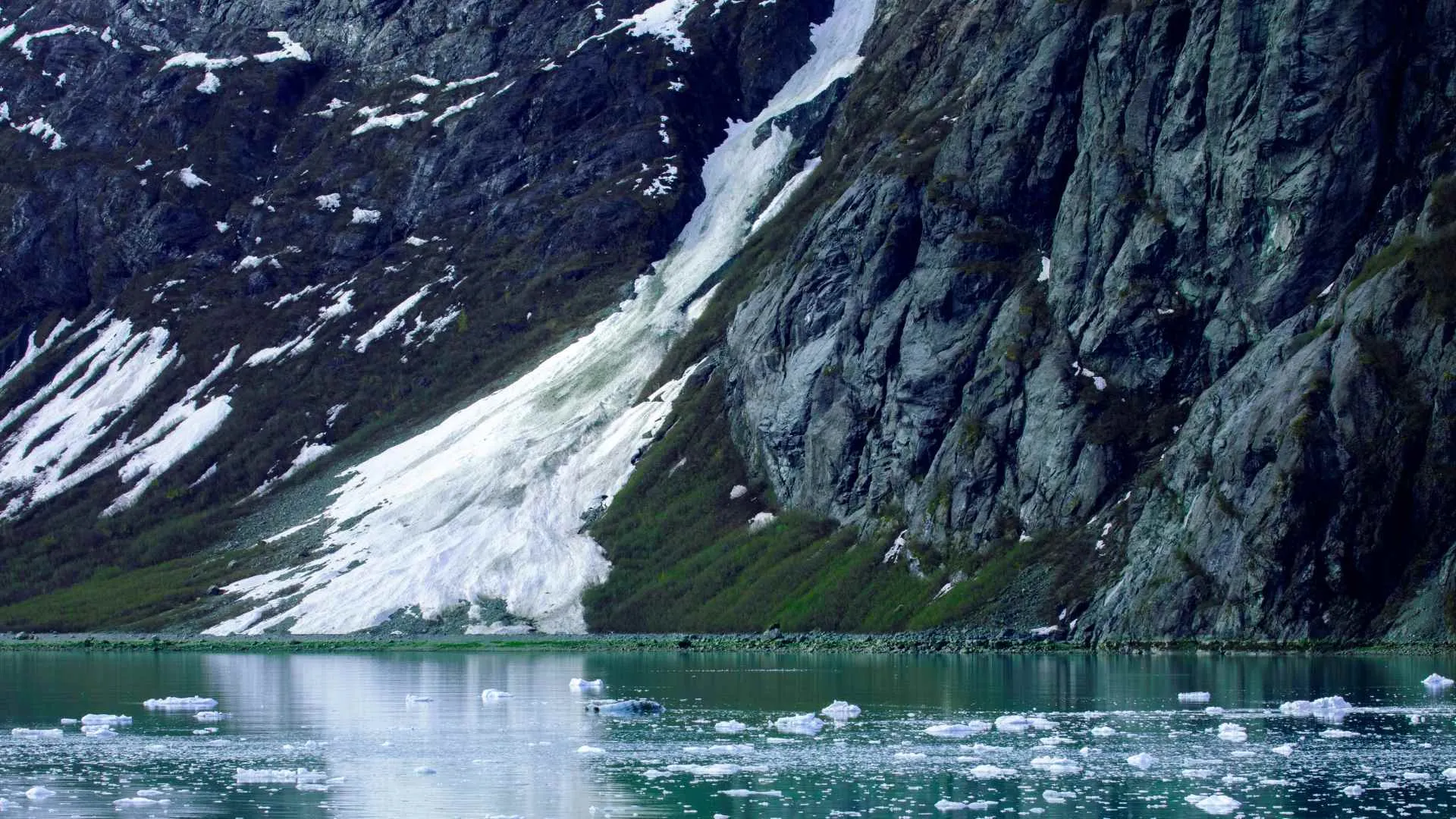
Understanding the Alaskan Cruising Season
When charting a course for Alaska, it's vital to understand the ebb and flow of the cruising season. Alaska, unlike many cruise destinations, has a distinctly defined cruise window due to its unique geography and climate.
Whether you are enjoying a Seattle to Alaska cruise or completing a longer journey, it is important to understand the different seasons.
Peak vs. Off-Peak Season
Peak Season (June to August)
- Weather: Expect warmer temperatures ranging from the mid-50s to the 70s (Fahrenheit). Long days, with up to 18 hours of daylight in June, mean extended periods to soak in the views.
- Wildlife: Prime time for wildlife spotting, especially for those eager to catch a glimpse of bears feasting on salmon or pods of orcas chasing their next meal.
- Crowds: This is when most cruisers set sail for Alaska, resulting in bustling ports of call and popular excursions often being fully booked.


Off-Peak Season (May & September)
- Weather: Cooler with temperatures in the 40s to 60s. While May heralds the start of spring with budding flowers, September showcases the stunning fall colors.
- Wildlife: September brings unique opportunities like seeing the majestic northern lights and observing animals prepare for winter. While some wildlife like bears might be less visible as they head towards hibernation, others like moose might be spotted more frequently due to the mating season.
- Crowds: One of the best parts of cruising in September is the thinner crowds. You'll find more tranquility onboard and ashore, making for a more intimate experience.


Why Choose September?
Choosing September for your Alaska cruise comes with a blend of advantages and considerations.
Pros
- Autumnal Beauty: Few sights are as mesmerizing as Alaska blanketed in autumn hues. The trees explode in shades of yellow, orange, and red, contrasting beautifully against the evergreens.
- Northern Lights: As the nights grow longer, September offers a chance to witness the ethereal Aurora Borealis or northern lights, especially in the latter half of the month.
- Fewer Tourists: Enjoy popular sites without the summer rush. This also often translates to better deals and discounts as cruise lines aim to fill their cabins.


Cons
- Cooler Temperatures: You might encounter chillier weather, so packing layers is essential (more on this later!).
- Variable Wildlife Sightings: While some animals become more active, others start retreating. However, the beauty of Alaska is that it always has some form of wildlife magic to showcase.
- Shorter Days: Days begin to shorten, but the upside is the increased chance of viewing the northern lights.
All in all, cruising to Alaska in September is like discovering a well-kept secret. While it's different from the peak summer experience, it offers its own array of unforgettable moments. It's perfect for those seeking a serene, picturesque, and slightly cooler Alaskan adventure.

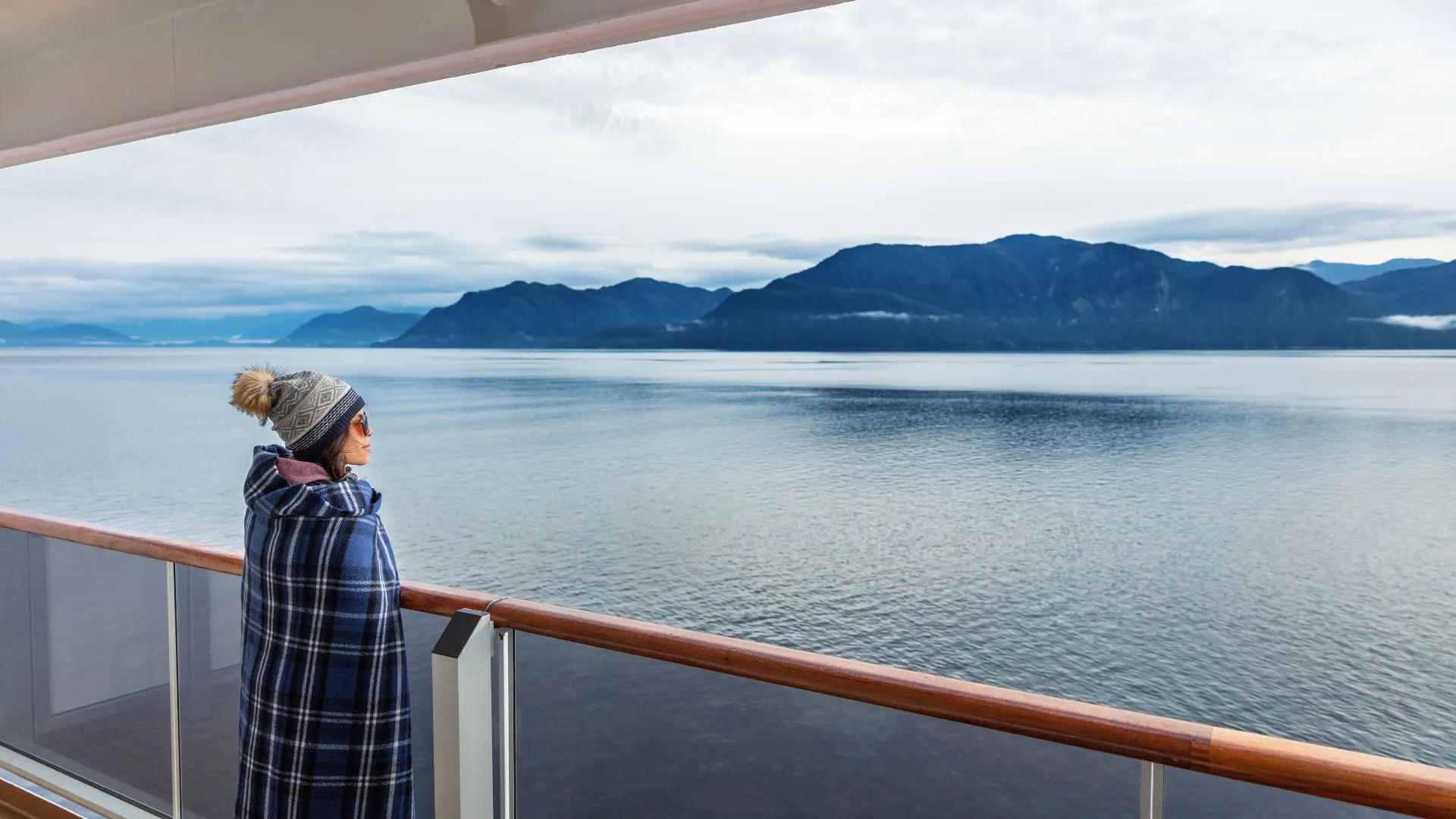
What to Expect in September
September in Alaska is a time of transformation. As the final frontier bids adieu to the warmth of summer, it begins its graceful transition into the cozy embrace of fall. Let's dive into what September holds for those venturing on an Alaskan cruise.
Climate and Weather
The Alaskan climate varies, but September brings a certain predictability in its unpredictability.
- Temperature Range: Generally, expect temperatures to hover between the mid-40s to the 60s (Fahrenheit). However, it can occasionally dip lower, especially during early mornings or late evenings.
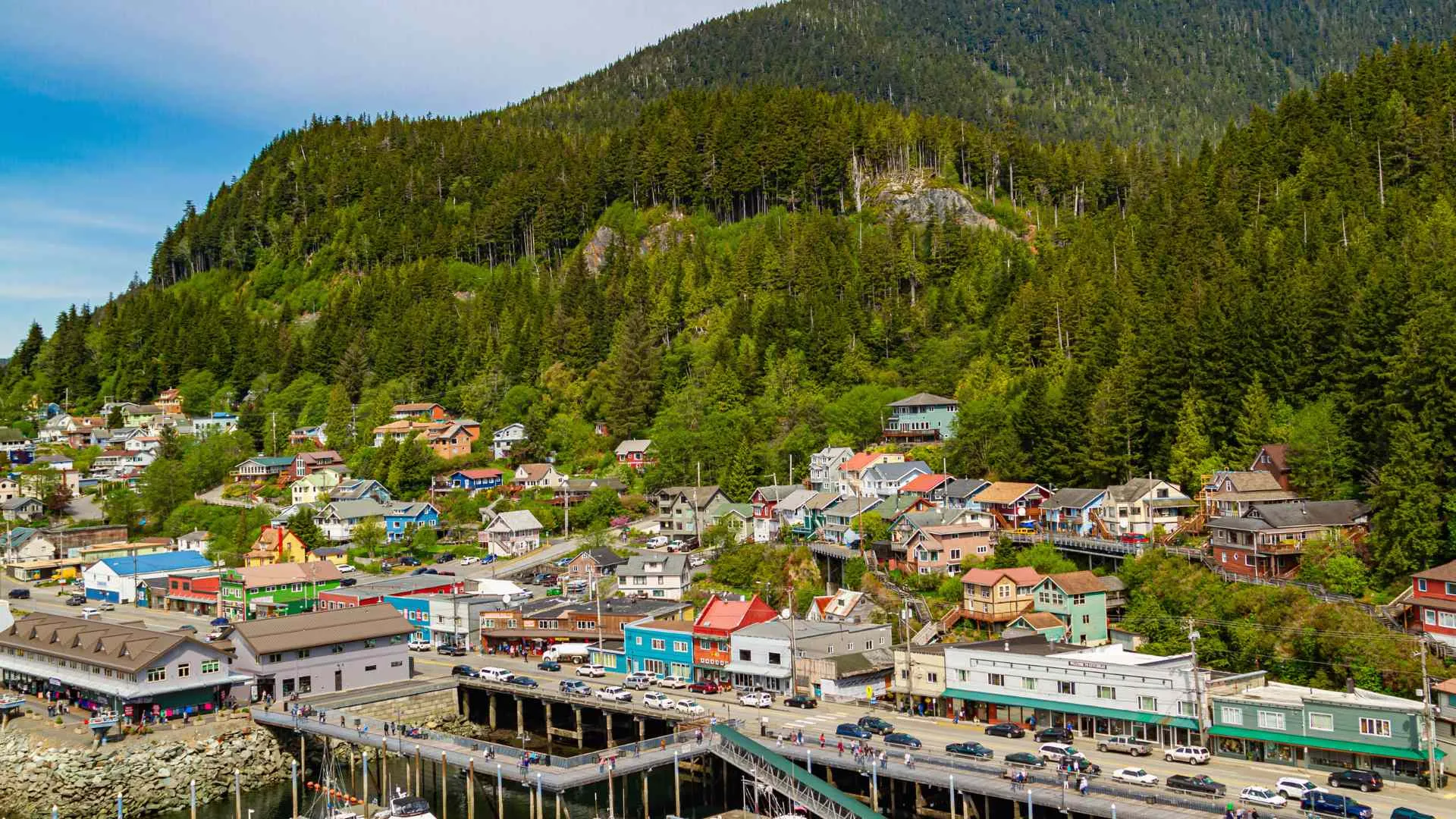
- Rainfall: September is one of the wetter months, especially in coastal areas. Ports like Ketchikan might greet you with drizzles or showers. But as they say in Alaska, there's no such thing as bad weather, only inappropriate clothing! So, a good rain jacket is your best friend.
- Chance of Northern Lights: As the nights stretch out, the dark skies become a canvas for nature's most mesmerizing light show: the Aurora Borealis. While not guaranteed, cruising later in September increases your odds of witnessing this phenomenon.


Wildlife Sightings
Alaska is a wildlife enthusiast's dream, and September has its own set of marvels.
- Marine Life: Humpback whales, preparing for their migration, are active feeders during this month. You might also spot orcas, sea lions, and harbor seals.
- Land Animals: While bears start retreating to higher grounds, moose become more active due to the rutting season. September is a fantastic time for bird watchers as migratory birds prepare to head south.
- Fish: For those inclined towards fishing, September is great for rainbow trout and silver salmon, especially in freshwater regions.


Scenic Landscapes
- Fall Foliage: From the Tongass National Forest in Southeast Alaska to the taiga forests in the interior, the landscapes are painted in gold, amber, and fiery reds. Every turn offers a photo opportunity.
- Glaciers: While glaciers are a year-round marvel, September's cooler temperatures mean lesser melt and clearer waters, especially in glacier-fed lakes and rivers.
Local Culture and Events
September is a time when Alaskans prepare for the impending winter. It's a period of harvest festivals, art fairs, and indigenous celebrations. Participating or witnessing these events provides a deeper connection to the land and its people.
In summary, a September cruise to Alaska is a voyage of sensory delight. From the rustling leaves of the forests to the gentle lapping of waves, from the distant cry of an eagle to the soft hues of twilight, every moment holds the promise of something memorable. Remember to pack your sense of adventure (and perhaps a waterproof camera), because Alaska in September is an experience like no other.

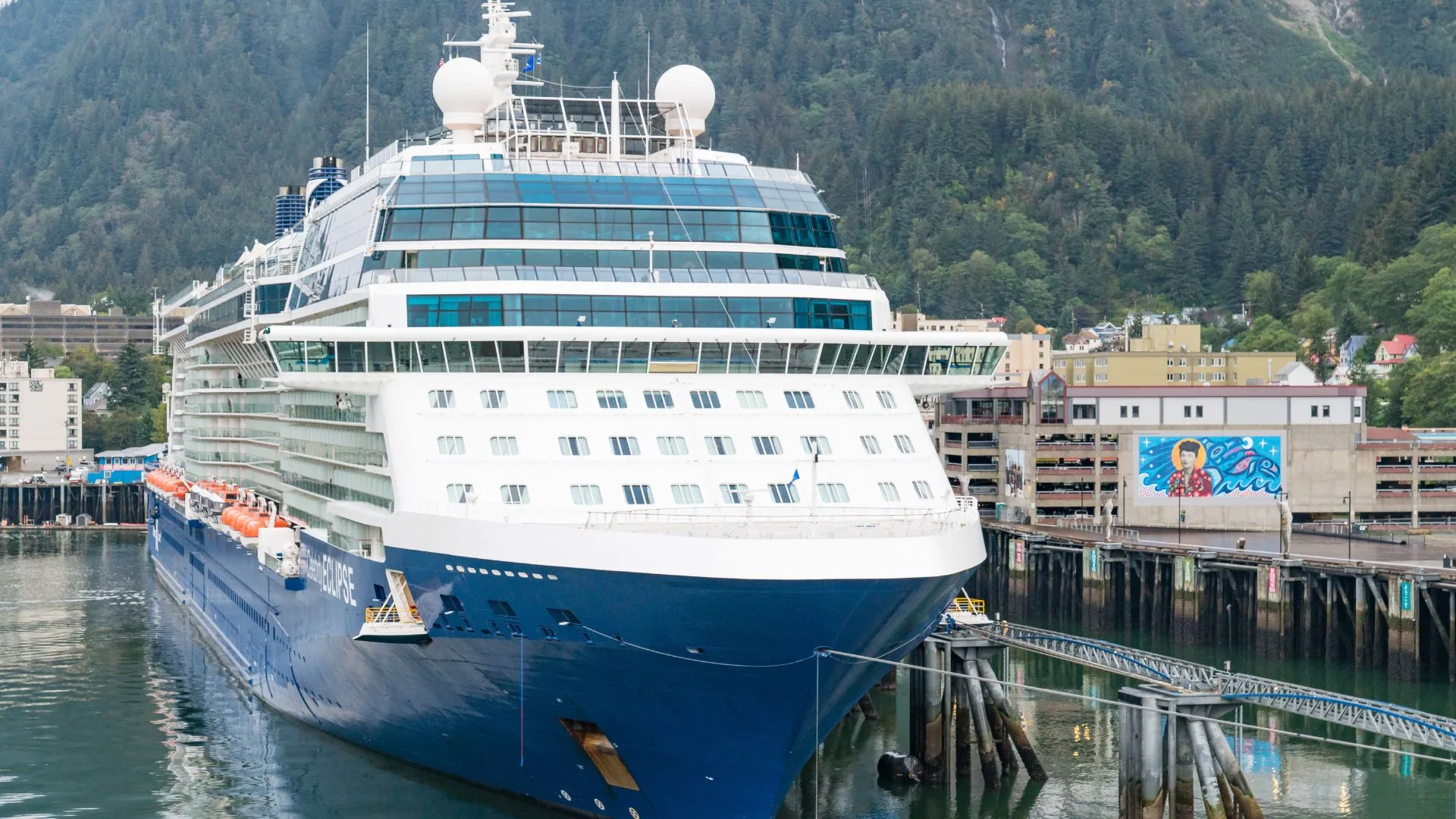
Choosing the Right Cruise Line
One of the most critical decisions you'll make in your Alaska September cruise journey is selecting the right cruise line. Given the variety of options available, this choice can feel overwhelming. But fret not! Here's a breakdown of what you need to know to find the perfect fit for your Alaskan adventure.
Major Cruise Lines Operating in September
These big players in the cruise industry have made a name for themselves with their luxurious ships, top-notch entertainment, and wide array of amenities.
- Princess Cruises: A stalwart in Alaskan cruising, Princess offers a variety of itineraries, catering both to those wanting a quick glimpse and those aiming for an in-depth exploration.
- Holland America Line: With a rich history of cruising in Alaska, Holland America offers a blend of traditional cruising elegance with immersive Alaskan experiences.
- Norwegian Cruise Line: Known for its freestyle cruising, Norwegian offers a more flexible experience with plenty of dining and entertainment options.
- Royal Caribbean: If you're looking for a mix of Alaska's natural beauty and onboard extravagance, Royal Caribbean provides a balance of both.

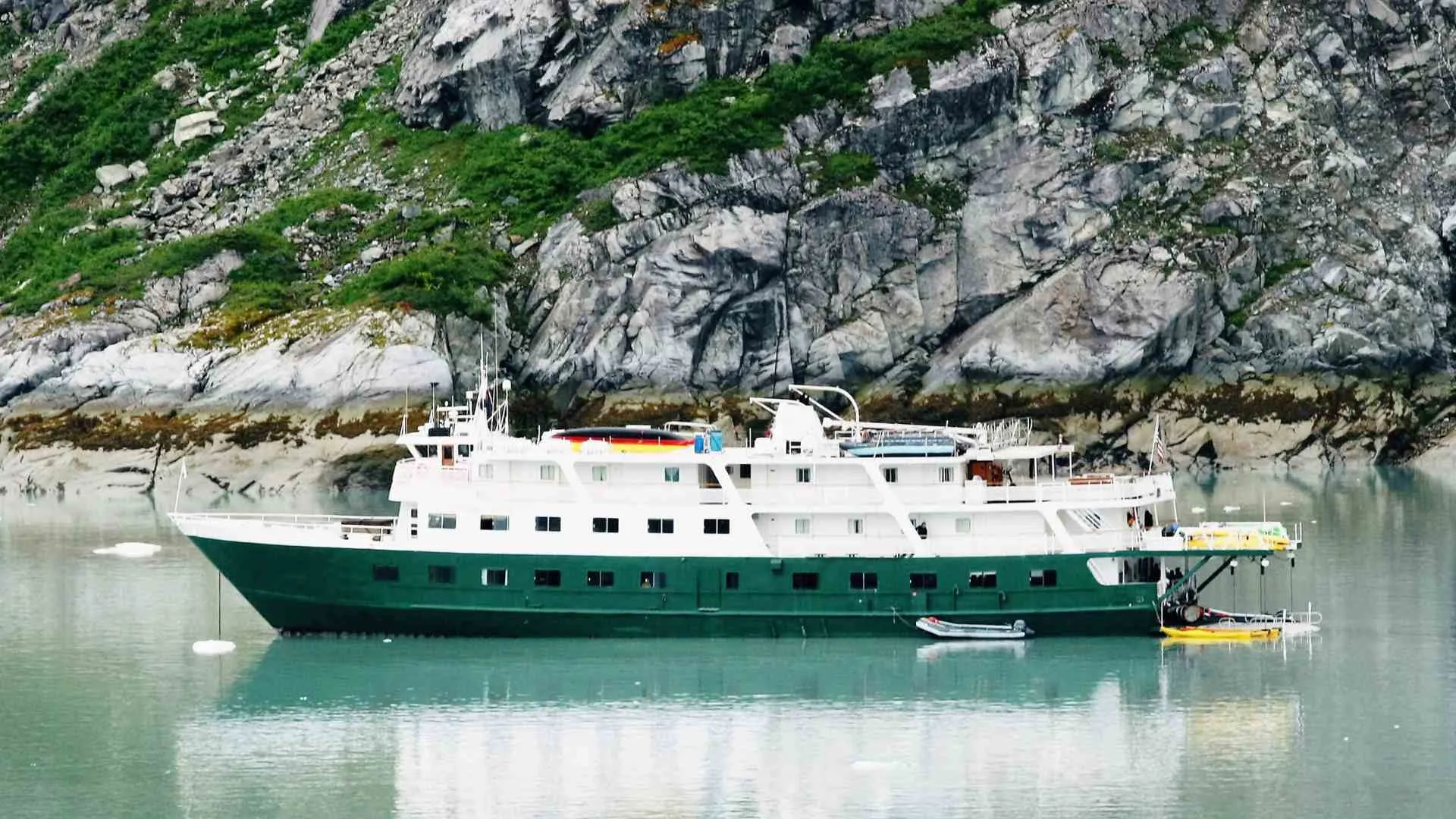
Specialty or Smaller Cruises
For those looking to get closer to nature and enjoy a more personalized experience.
- UnCruise Adventures: Emphasizing adventure and nature over onboard entertainment, UnCruise offers a unique, intimate view of Alaska's wilderness with small ship sizes.
- Alaskan Dream Cruises: Owned and operated by Alaska Natives, this cruise line offers a deeper cultural immersion into the Alaskan way of life.
- SilverSea: A luxury small-ship experience, SilverSea combines elegance with immersive Alaskan excursions.


Amenities and Unique Selling Points of Each Cruise Line
Every cruise line offers its own flavor, making each journey distinct.
- Food and Dining: While major cruise lines like Princess and Royal Caribbean boast a plethora of dining options from buffet to fine dining, smaller cruise lines might focus on locally sourced, Alaskan-inspired menus.
- Onboard Entertainment: Major cruise lines will typically offer Broadway-style shows, casinos, and a range of entertainment options. In contrast, smaller cruise lines may prioritize lectures, workshops, and presentations about Alaska's culture and environment.
- Excursions: All cruise lines offer a variety of Alaska shore excursions, but smaller cruise lines might offer more specialized, off-the-beaten-path adventures.
- Ship Size and Crowd: Decide whether you prefer the grandeur and extensive amenities of a larger ship, or the intimacy, quiet, and closer shore access of a smaller vessel.
- Sustainability: If environmentally conscious travel is essential for you, look for cruise lines like UnCruise or Alaskan Dream Cruises that emphasize sustainable practices and eco-friendly excursions.
Your choice of cruise line can significantly shape your Alaskan experience. Whether you're leaning towards the grandiose amenities of major cruise lines or the intimate touch of smaller vessels, ensure that your choice aligns with your expectations and travel style.
Remember, Alaska's beauty is unparalleled, and whichever cruise you opt for, the Last Frontier will undoubtedly leave an indelible mark on your heart.


Top Ports of Call & Highlights
Alaska's sprawling coastline is dotted with a myriad of fascinating destinations. Each port of call is a gateway to unique landscapes, cultures, and experiences. Here’s a guide to some of the most sought-after stops on an Alaska September cruise, ensuring you soak in the essence of the Last Frontier.
Juneau
The state capital Juneau is an eclectic blend of city life and wilderness, nestled between the Gastineau Channel and the coastal mountains.
- Mendenhall Glacier: A massive river of ice, this glacier offers awe-inspiring views, waterfall hikes, and even a visitor center to learn about glacial processes.
- Whale Watching: Set sail into the Auke Bay and watch humpback whales in their natural habitat. With a bit of luck, you might witness the spectacular bubble-net feeding!
- Mount Roberts Tramway: Ascend 1,800 feet for panoramic vistas of the city, the channel, and the surrounding mountains.


Skagway
Step back in time in this Gold Rush town with its charming historic buildings and tales of fortune seekers.
- White Pass & Yukon Route Railroad: A scenic railway journey offering stunning vistas of mountains, glaciers, and waterfalls.
- Gold Rush Cemetery and Lower Reid Falls: A quiet spot, rich in history, leading to a beautiful waterfall.
- Dyea: Once a thriving city during the Gold Rush, now a ghost town, this site in Skagway offers a serene setting and an insight into history.


Ketchikan
Dubbed the “Salmon Capital of the World”, this vibrant town is a mosaic of Native culture, colorful totem poles, and lush rainforests.
- Totem Bight State Park: Discover towering totem poles, each narrating a unique story, set against the backdrop of the Tongass National Forest.
- Creek Street: A historic boardwalk, once infamous for its brothels, now a delightful array of shops, restaurants, and art galleries.
- Misty Fjords National Monument: Accessible by floatplane or boat, this wilderness area boasts dramatic cliffs, pristine lakes, and a wealth of wildlife.


Glacier Bay National Park
A UNESCO World Heritage site, this vast expanse of ice and water is the pinnacle of nature's grandeur.
- Marjorie Glacier: Witness the magnificence of tidewater glaciers, and if you’re fortunate, you might catch a glacier calving - where chunks of ice break off and crash into the water.
- Wildlife Watching: Spot humpback whales, puffins, sea otters, and seals amidst a landscape of shimmering icebergs.
- Tlingit Cultural Demonstrations: Learn about the indigenous people of the land and their deep connection with the environment.


Sitka
A unique blend of Tlingit culture and Russian history, Sitka is a scenic beauty poised against the Pacific.
- Sitka National Historical Park: Walk amidst totem poles, witness cultural demonstrations, and learn about the famous battle between the Tlingit and Russian settlers.
- Raptor Center: An opportunity to get close to rescued eagles, hawks, and owls, and understand the efforts to rehabilitate them.
- Saint Michael’s Cathedral: A Russian Orthodox cathedral, this structure stands as a testament to Sitka’s Russian past.


Anchorage (for some cruise itineraries)
Alaska’s largest city is a hub of culture, surrounded by wilderness.
- Tony Knowles Coastal Trail: A scenic trail offering views of the city, Chugach Mountains, and Cook Inlet.
- Alaska Native Heritage Center: Delve deep into the traditions, art, and crafts of Alaska's indigenous communities.
- Flattop Mountain: Popular for hiking, this spot provides panoramic views of the city and surrounding mountain ranges.
In essence, each port of call is a treasure trove of experiences. Whether you're into history, nature, culture, or adventure, Alaska's ports have something magical in store for every traveler.


Excursions and Activities
While cruising offers the luxury of witnessing Alaska's coastline splendor, it's the shore excursions and activities that immerse you truly into the heart of the Last Frontier. Here's a curated list of top activities that make your Alaska September cruise an unforgettable journey.
Helicopter Glacier Tours
- Description: Soar over sprawling ice fields, alpine ridges, and deep crevasses to touch down on ancient glaciers.
- Highlights: Trek on the glacier with crampons, sip on millennia-old glacial water, and witness ice formations up close.
- Top Spot: The dog sledding camp on Norris Glacier (near Juneau) combines glacier exploration with an exhilarating dog sledding experience.

 Insert Image
Wilderness Safaris
- Description: Journey into Alaska's backcountry, exploring pristine landscapes either by jeep, ATVs, or even on foot.
- Highlights: Encounter wildlife, from grazing deer to soaring eagles, amidst meandering rivers and majestic mountains.
- Top Spot: Denali National Park (accessible from Anchorage) offers the chance to see the "Big Five" - bears, wolves, moose, caribou, and Dall sheep.
Kayaking & Canoeing
- Description: Paddle through calm waters, surrounded by towering cliffs, waterfalls, and icebergs.
- Highlights: Get close to tidewater glaciers, observe marine life, and enjoy the serene beauty of Alaska's waters.
- Top Spot: Valdez, often dubbed as the "Switzerland of Alaska", is renowned for its sea kayaking opportunities amidst glaciers.


Fishing Expeditions
- Description: Try your hand at catching some of Alaska's famous fish, guided by local experts.
- Highlights: Depending on the region and season, reel in salmon, halibut, or trout, and perhaps even enjoy your catch for dinner!
- Top Spot: Ketchikan's rich waters make it a prime spot for both novice and experienced anglers.
Native Cultural Tours
- Description: Delve into the rich tapestry of Alaska's indigenous communities, their traditions, art, and connection to the land.
- Highlights: Watch traditional dances, learn crafts, and hear stories passed down through generations.
- Top Spot: Icy Strait Point (near Hoonah) offers an authentic experience of Tlingit culture.


Wildlife Viewing Cruises
- Description: Set sail on smaller boats to explore secluded bays and coves, home to an array of wildlife.
- Highlights: Spot whales, seals, sea lions, and myriad bird species, all while gaining insights from naturalist guides.
- Top Spot: Resurrection Bay in Seward is teeming with marine life, set against a backdrop of glaciers and fjords.
Zip Lining & Adventure Parks
- Description: For thrill-seekers, zip through the canopy of Alaska's rainforests or challenge yourself in adventure courses.
- Highlights: Enjoy panoramic views, traverse suspension bridges, and feel the rush of zip lining over rivers and valleys.
- Top Spot: Grizzly Falls Ziplining Expedition in Skagway takes you through 11 zip lines with views of waterfalls and mountain vistas.


Natural Hot Springs
- Description: After adventurous days, relax and rejuvenate in natural geothermal hot springs surrounded by nature.
- Highlights: Soak in mineral-rich waters while possibly catching a glimpse of the Northern Lights in the September night sky.
- Top Spot: Chena Hot Springs (near Fairbanks) is a blissful retreat set in a scenic landscape.
When it comes to excursions and activities, Alaska's diverse landscapes and cultures provide a rich palette of options. Whether you're seeking relaxation, adventure, culture, or wildlife, Alaska promises memories that will last a lifetime.


Packing for Your September Cruise
Ah, Alaska cruise packing – that age-old travel conundrum! But when it comes to an Alaska September cruise, it's less about the quantity and more about being strategic.
Alaska's weather in September can be a blend of late summer warmth and early autumn chill, so being prepared is key. Here's a comprehensive guide to ensure you're comfortable, stylish, and ready for anything the Last Frontier throws at you.
Layering is Key
- Base Layer: Think thermal or moisture-wicking shirts and leggings. These keep you warm and draw moisture away from your skin.
- Insulating Layer: Fleece jackets, lightweight down jackets, or wool sweaters. These trap heat and keep you toasty.
- Outer Layer: Waterproof and windproof jackets, preferably with a hood. This shields you from unpredictable rain showers and chilly winds.

Footwear
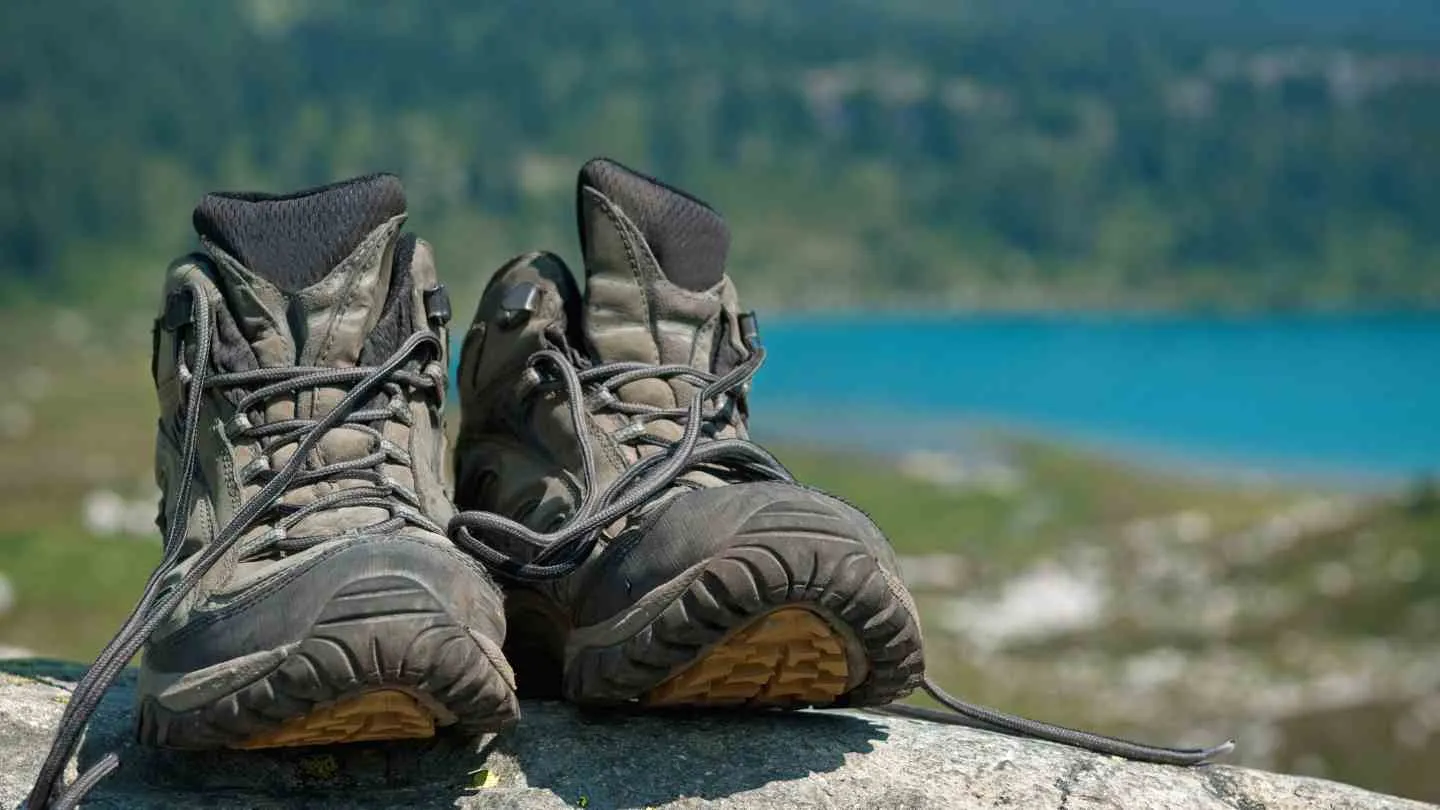
- Waterproof Boots: Given the likelihood of rain in September, waterproof hiking boots can be a lifesaver. Ensure they have a good grip for those nature treks.
- Comfortable Walking Shoes: For days on the ship or in town, pack comfortable sneakers or walking shoes.
- Warm Socks: Wool or thermal socks can make all the difference during chilly excursions.
Accessories
- Hats and Gloves: Both a sun hat for brighter days and a warm beanie for colder ones. Gloves, preferably waterproof, are essential, especially during glacier excursions.
- Scarf or Neck Gaiter: A versatile piece that can add warmth when needed.
- Sunglasses and Sunscreen: Yes, even in Alaska and even in September! The reflection off glaciers can be bright.
- Backpack: A lightweight, waterproof backpack can be incredibly useful for excursions.


Formal Wear
- Dining Nights: Some cruises have formal dining nights. Bring along a nice dress or a suit. However, "Alaskan formal" tends to be more casual than on Caribbean cruises, so no need to go overboard.
Miscellaneous Essentials
- Binoculars: A must for wildlife watching or taking in distant glaciers.
- Camera with Extra Batteries: Cold can drain batteries quickly, so spares are handy.
- Reusable Water Bottle: Stay hydrated and be eco-friendly.
- Umbrella or Poncho: Handy for those unexpected showers.


Toiletries and Medications
- Medication: Any personal medication, motion sickness pills, and a basic first aid kit.
- Toiletries: While cruises usually provide the basics, bring any specialty items you need. Consider moisturizer and lip balm, as the Alaskan air can be dry.
Documentation
- Passport and Visas: Ensure they are up to date if you’re visiting ports that require them.
- Cruise Documentation: Print out boarding passes, excursion tickets, and any reservation confirmations.


Packing Tips
- Check Cruise Line Restrictions: Some cruises might have luggage restrictions or specific guidelines.
- Roll, Don’t Fold: Rolling clothes can save space and prevent wrinkles.
- Use Packing Cubes: These can help organize and compartmentalize your belongings.
Remember, Alaska in September is a mesmerizing blend of lingering summer sunsets and the crisp promise of fall. Packing appropriately ensures you're not only comfortable but also free to immerse yourself in every stunning moment of your Alaska September cruise. Safe travels and happy packing!


Making the Most of Your Alaska September Cruise
Congratulations! You've packed perfectly and are now aboard the ship, setting sail for the adventure of a lifetime. But how do you maximize your onboard experience? Whether you're a cruise newbie or a seasoned sailor, here are some insider tips and hacks to ensure your journey is as smooth as the Alaskan waters.
Embrace the Daily Schedule
- Cruise Newsletters: Most cruise lines distribute a daily newsletter detailing the day's events, timings, and special offers. This little guide is gold. Read it front to back!
- Highlight Must-Do Activities: With a plethora of options, marking your favorites ensures you don't miss out.


Location, Location, Location!
- Scenic Spots: Find the ship's hidden gems for the best views, especially during scenic cruising moments, like sailing past glaciers or wildlife-rich areas.
- Quiet Corners: Discover tucked-away spots for some downtime — be it reading, journaling, or just basking in the serenity.
Stay Connected (or Not!)
- Wi-Fi Packages: Internet on cruise ships can be pricey. If staying connected is essential, check for package deals on day one; they're often discounted.
- Digital Detox: Alternatively, embrace the disconnection. After all, you're surrounded by some of nature's finest views!

Dining Delights
- Book Specialty Restaurants Early: Popular onboard restaurants can book up fast. If you're keen, reserve your spot early.
- Try the Main Dining Room: While buffets are convenient, the main dining room offers a more refined experience and often features local Alaskan specialties.
- Stay Hydrated: Remember, your reusable water bottle isn't just for excursions. Fill it up on the ship and keep sipping.
Wellness and Fitness
- Onboard Gyms: Combat those delicious cruise meals with a workout. Gyms onboard offer stellar ocean views.
- Spa Time: Look for spa deals, often available on port days when most passengers are ashore.


Engage in Onboard Learning
- Lectures and Workshops: Many Alaska cruises feature experts who give talks on local wildlife, history, and culture. Don't miss these enriching sessions!
- Art and Auction Events: Even if you're not in the market to buy, these can be entertaining and enlightening.
Plan for Port Days
- Gather Information: Attend the cruise's port talks, usually held a day before arrival. They offer useful insights and tips.
- Pack a Day Bag: Keep essentials like ID, cruise card, camera, water, and some snacks.


Financial Finesse
- Monitor Your Onboard Account: Keep an eye on your expenses by checking your account every couple of days. This helps avoid end-of-cruise bill shock.
- Tipping Etiquette: Research your cruise line's tipping policy. Some automatically add gratuities, while others leave it to your discretion.
Safety First
- Attend the Muster Drill: It's mandatory, but it's also essential. This safety drill teaches you what to do in emergencies.
- Wash Hands Regularly: Onboard illnesses can spread quickly. Regular hand washing, combined with using hand sanitizers available around the ship, keeps you healthy.


Capture the Memories
- Photo Ops: While professional photos onboard can be pricey, they're also high-quality. Indulge in a few, especially on formal nights.
- Journaling: Take a few minutes daily to jot down memories, experiences, and feelings. It's a beautiful keepsake.
Finally, the real hack? Engage with the crew and fellow passengers. Shared experiences, stories, and the camaraderie can elevate your Alaska September cruise from fantastic to unforgettable. Bon voyage!


Staying Connected & Safe
When embarking on an Alaskan voyage, the thrill of adventure is coupled with the necessity of staying both connected and safe. Here, we'll guide you on balancing the joy of unplugging with the convenience of connectivity, all while ensuring your personal safety and security during the journey.
Staying Digitally Connected
- Wi-Fi Onboard: Most cruise ships offer Wi-Fi, but it might be slower than what you're used to and can sometimes come at a premium price.
- Tip: Purchase Wi-Fi packages on the first day of the cruise or during promotional periods for potential discounts.
- Roaming and Port Stops: Remember, when the ship is in port, you're technically in another country, and roaming charges can apply.
- Tip: Check with your mobile carrier for international or cruise-specific packages to avoid hefty bills.
- Offline Apps: Download maps, guides, and translators for offline use in ports where you might not have connectivity.
- Backup Power: Carry a portable charger. The cold can drain batteries quickly, and you don't want to be left without a working phone during an excursion.


Personal Safety Onboard and Ashore
- Attend Safety Drills: Participate actively in the ship's mandatory safety drills. Familiarize yourself with emergency exits, life vest locations, and muster points.
- Stay Aware: While ships are generally safe, it's always good to be aware of your surroundings, especially in bars or entertainment areas during the late hours.
- Balcony Safety: If you have a cabin with a balcony, never climb or sit on the railings, and always lock balcony doors at night or when you're out.


Safety in Ports and During Excursions
- Stick to Designated Areas: Especially in wilderness areas of Alaska, wandering off can be dangerous due to wildlife and unfamiliar terrain.
- Respect Wildlife: The beauty of Alaska lies in its wild inhabitants. Always maintain a safe distance and never feed wild animals.
- Local Laws and Customs: While Alaska is a U.S. state, being respectful of local customs and regulations is always advisable.
- Travel in Groups: Especially if exploring areas that are less touristy. There's safety in numbers.
- Emergency Contact: Always have the contact details of the cruise ship and local emergency services when you're ashore.
Protecting Valuables
- Use the Safe: Every cabin usually has a safe. Use it for passports, jewelry, and other valuables.
- Limit What You Carry: When heading ashore, only take what you need. Leave unnecessary valuables and extra cash on the ship.
- Backup Important Documents: Make digital copies of essential documents like your passport, ID, and cruise tickets. Store them securely online or on a USB drive.


Health Precautions
- Sanitize: Cruises take health seriously, especially in current times. Utilize hand sanitizing stations available around the ship and wash your hands regularly.
- Stay Insured: Ensure you have travel insurance that covers medical emergencies. Medical facilities onboard can be expensive, and evacuations, if ever needed, more so.
- Know the Medical Facilities: Familiarize yourself with the ship's medical center location and services.
- Stay Hydrated and Rested: The excitement can be overwhelming, but remember to drink plenty of water and get adequate sleep.
Embracing the digital detox that an Alaska September cruise offers while still being reachable when necessary is a balance. But more importantly, prioritizing safety ensures your journey remains memorable for all the right reasons. Happy and safe cruising!


Cruising Alaska Responsibly in September
The pristine wilderness of Alaska, with its majestic glaciers, dense forests, and diverse wildlife, is more than just a tourist destination; it's a testament to nature's enduring grandeur.
As such, when cruising these serene waters, it's our collective responsibility to minimize our environmental footprint. Let's explore how you can be an eco-conscious traveler during your Alaska September cruise.
Respect the Wildlife
- Safe Distances: Always observe wildlife from a distance. Whether it's a bald eagle in the sky, a bear onshore, or a humpback whale breaching the waters, avoid actions that might disturb them.
- No Feeding: Never feed wild animals. Human food can harm them and alter their natural behaviors.
- Guided Tours: Opt for eco-friendly tours that prioritize wildlife conservation and are led by knowledgeable guides.


Leave No Trace
- Carry In, Carry Out: Anything you bring ashore, whether it's a snack wrapper or a water bottle, should return with you to the ship.
- Stay on Marked Paths: When hiking or exploring, always stick to designated trails to avoid damaging native plants and ecosystems.
- Cigarette Butts: If you smoke, ensure that cigarette butts are disposed of properly and not thrown overboard or left ashore.
Conserve Resources Onboard
- Limit Water Usage: While ships have advanced water treatment systems, it's always a good practice to take shorter showers and turn off the tap while brushing.
- Reuse Towels and Linens: Many cruise lines offer guests the option to reuse towels and bed linens for multiple days to reduce laundry loads and conserve water.
- Turn Off Lights: When leaving your cabin, remember to turn off all lights and unplug chargers.


Support Local
- Buy Local: When shopping in ports, prioritize local artisans and businesses. This supports the local economy and reduces the carbon footprint of imported goods.
- Taste Local: Try local delicacies and foods, which often have a lower environmental impact than foods shipped from afar.
Educate Yourself
- Attend Eco Talks: Many Alaska cruises offer lectures on the local environment, conservation efforts, and how tourists can help.
- Read Up: Before or during your cruise, read about Alaska's ecosystems, indigenous cultures, and conservation challenges. Knowledge can inspire more respectful behaviors.


Opt for Eco-friendly Excursions
- Research Operators: Choose tour operators who have eco-certifications or prioritize sustainable tourism practices.
- Kayaking and Paddling: Instead of motorized water tours, opt for kayaking or paddleboarding to explore the waters without emissions.
Carbon Offset
- Offset Your Travel: Some organizations allow travelers to offset the carbon footprint of their travels. Consider purchasing carbon credits to neutralize your journey's impact.
- Spread the Word: After your cruise, share your eco-experiences with friends and family. Encourage them to also adopt responsible travel behaviors.
- Feedback to Cruise Lines: Provide feedback on the eco-initiatives of your cruise line. Positive reinforcement can encourage them to continue or expand their green efforts.
Embracing these environmental considerations ensures that the breathtaking beauty of Alaska remains untouched for generations to come. After all, being a traveler comes with the joy of discovery and the responsibility of preservation. Let's cruise consciously!


Reflecting on Your Alaska September Cruise Adventure
As we dock at the end of our comprehensive guide to cruising Alaska in September, it's worth pausing to reflect on the unique journey you're about to undertake or have just experienced.
An Alaska September cruise isn't just any vacation; it's an immersive experience into one of the last great wild frontiers on Earth. From the sheer icy facades of ancient glaciers to the captivating dance of the Northern Lights, every moment on this cruise offers an opportunity to connect deeper with our planet and understand the importance of its preservation.
However, beyond the breathtaking landscapes and awe-inspiring wildlife encounters, it's the intangibles that linger. The stories shared by locals in the ports of call, the camaraderie forged with fellow travelers onboard, the gentle rocking of the ship that lulls you to sleep, and the vast, starry skies that remind you of the vastness of the universe and our small yet significant place within it.
Travel, they say, broadens the mind. An Alaska cruise in September, however, does more than that—it touches the soul. The pristine beauty of Alaska serves as a reminder of the incredible wonders that exist in our world, and our responsibility to protect and cherish them.
As you disembark, whether in spirit through this guide or in reality from the ship, carry with you not just the photographs and souvenirs but also the sense of wonder and respect for nature. Share your stories, advocate for the environment, and inspire others to experience and protect the beauty of Alaska.
Thank you for joining us on this voyage through words. Until the next adventure, fair winds and following seas!
FAQs About an Alaska September Cruise
Navigating the ins and outs of an Alaska September cruise can be as adventurous as the voyage itself. Here's a comprehensive FAQ to guide you through the most common queries and concerns:
1. Why should I choose September for an Alaska cruise?
September offers a unique blend of cooler temperatures, fewer crowds, and the possibility of witnessing the Northern Lights. However, it's also the tail end of the cruising season, so expect some variable weather.
2. What wildlife can I expect to see?
September is a great time to spot brown bears, moose, and caribou as they prepare for winter. In the waters, you might see humpback and orca whales, seals, and sea otters.
3. How cold will it be?
September temperatures can range from 40°F to 60°F. Be prepared for colder evenings, especially on open decks.
4. Will all excursions be available in September?
Most excursions operate through September. However, as it's later in the season, there might be occasional cancellations based on weather conditions.
5. Can I see the Northern Lights?
While the Northern Lights are more prominent in winter, there's a chance of witnessing them in late September, especially in the northern parts of Alaska.
6. What should I pack?
Layers are key! Pack thermal underlayers, fleece or wool mid-layers, and waterproof outer layers. Don't forget waterproof boots, gloves, scarves, and hats.
7. Are there any special events or festivals in Alaska in September?
Yes! Events like the Alaska State Fair, the Blueberry Arts Festival, and various Autumn Harvest Fests occur in September.
8. Will I get seasick?
While the Inside Passage's waters are calm, some open sections can be rougher. If prone to seasickness, bring motion sickness medications or wristbands.
9. Can I stay connected on the cruise?
Most ships offer Wi-Fi, albeit at a slower speed and a higher cost than on land. Consider unplugging or purchasing a package for essential connectivity.
10. Is it safe to travel to Alaska during the COVID-19 pandemic?
Cruise lines have implemented rigorous health and safety protocols. It's essential to stay updated on travel advisories, vaccination requirements, and onboard guidelines.
11. What's the dining experience like?
From buffets to fine dining, expect a mix of international cuisines with a spotlight on local Alaskan specialties like salmon, king crab, and wild berries.
12. Are Alaska cruises child-friendly?
Absolutely! Many cruise lines cater to families with kid clubs, activities, and family-friendly excursions.
13. What's the best way to book an Alaska September Cruise?
Consider using a travel agent specializing in cruises or booking directly through a cruise line's official website. Look for deals and discounts, especially as September is late in the season.
14. How can I be an eco-conscious cruiser?
Opt for eco-friendly excursions, respect local wildlife, reduce waste, and support local businesses during port stops.
15. Do I need a passport?
While Alaska is a U.S. state, some cruises might pass through Canadian waters or ports. U.S. citizens will need a passport for such routes. Always check with your cruise line.
16. What type of onboard entertainment can I expect?
Most cruise ships offer a variety of entertainment options, from Broadway-style shows and live music to trivia nights, dance classes, and lectures about Alaskan culture and wildlife.
17. Do I need to tip on board?
Most cruise lines add a daily service charge to your account, which covers gratuities for the main service staff. Additional tipping is at your discretion for services like spa treatments or exceptional service.
18. What kind of power outlets are on the ship?
Most cruise ships cater to international travelers and thus provide both 110V and 220V outlets. It's advisable to bring a universal adapter just in case.
19. Is smoking allowed on the ship?
Smoking policies vary by cruise line, but generally, smoking is not allowed in the cabins or indoor areas. Designated smoking areas are usually provided on open decks.
20. Can I bring my own alcohol onboard?
Each cruise line has its alcohol policy. While some allow a limited amount of wine or champagne to be brought onboard, others might charge a corkage fee. It's essential to check the cruise line's specific policy before packing.
21. What health facilities are available onboard?
Most cruise ships have a medical center onboard staffed with qualified medical professionals. However, services at sea can be costly, so travel insurance with medical coverage is recommended.
22. Are there age restrictions for certain activities or areas on the ship?
Yes, some areas like casinos, certain bars, or adult-only pools may have age restrictions. Similarly, some excursions may have age or health restrictions. Always check in advance.
23. What happens if I miss the ship at a port of call?
It's crucial to return to the ship on time as it will not wait for late passengers. If you miss your ship, you'll be responsible for your transportation to the next port or back home.
24. How accessible are ships for passengers with disabilities?
Modern cruise ships are designed with accessibility in mind. They typically offer cabins equipped for passengers with disabilities, accessible routes, and facilities throughout the ship. If you have specific needs, it's best to check with the cruise line directly before booking.
25. Are there laundry facilities onboard?
Most ships offer laundry services for a fee, and some even have self-service laundrettes. Remember to pack enough clothing or budget for laundry, especially on longer voyages.
26. How does payment work onboard?
Cruise ships operate cashless systems. Upon boarding, you'll receive a card linked to your onboard account, which you use for all purchases. At the end of your cruise, you can settle your account with cash or a credit card.
27. Can I customize my excursions or is it better to stick with the ship's offerings?
While ship-offered excursions provide convenience, booking independently or customizing your excursion can offer more flexibility and sometimes cost savings. However, ensure you return to the ship on time, as ship-sponsored tours guarantee your return.
28. Are there dress codes onboard?
While daytime attire is usually casual, evenings, especially formal nights, may require more formal attire. Check your cruise line's specific guidelines.
29. What languages are spoken onboard?
English is the primary language spoken onboard most Alaska cruises. However, staff hail from around the world and often speak multiple languages. Key announcements are usually made in several major languages.
30. Can I bring my pet on the cruise?
Most cruise lines do not allow pets onboard, with the exception of service animals. Always check with your cruise line for their specific policy.

Ellie is the founder of Ellie's Travel Tips, where she shares practical cruise tips, port guides, and step-by-step itineraries to help you plan smarter trips for less. Her checklists and packing guides turn travel daydreams into doable plans.