
The rhythmic lull of the sea, the thrill of spotting a humpback whale breaching in the distance, the silhouette of majestic mountains against the setting sun – these are just snippets of what awaits you on a Seattle to Alaska cruise.
Whether you're a seasoned cruiser or a first-timer, longing for adventure or seeking relaxation, our guide promises to be your compass, leading you through an unforgettable voyage of discovery.

Why Start from Seattle?
The Emerald City, with its iconic skyline piercing the blue skies, serves as more than just a starting point for the Alaska-bound voyage; it’s a prelude to the grand symphony of nature and culture that lies ahead.
Nestled between the Puget Sound and Lake Washington, Seattle offers more than just a port; it offers a rich tapestry of experiences for the curious traveler.
The City's Maritime History
Seattle's bond with the sea is inseparable. The city owes much of its growth and prosperity to its ports and waterways. Strolling along the historic waterfront, you can almost hear the tales of old seafarers, fishermen, and pioneers who ventured into the unknown.
Visit the Museum of History and Industry (MOHAI) to get a glimpse of Seattle’s maritime past, or simply sip a latte by Elliott Bay and let the maritime vibes seep in.


Proximity to Alaskan Wonders
One of the key reasons for Seattle's popularity as a cruise starting point is its strategic location. Closer than any other major U.S. city to Alaska, it provides a direct route through the scenic Inside Passage. This ensures cruisers enjoy maximum Alaskan beauty with fewer days at sea.
It’s like getting a head start on your adventure!
Other Attractions in Seattle
Before you dive deep into Alaskan wonders, indulge in Seattle’s urban delights. Head to Pike Place Market for fresh produce, artisanal goods, and of course, the original Starbucks.
Ascend the Space Needle for panoramic views of the city or immerse yourself in the tunes at the Museum of Pop Culture.
Nature lovers can explore the nearby Olympic National Park or bask in the serene beauty of the Japanese Garden. And remember, the city's culinary scene is to die for - from the freshest seafood to innovative Pacific Northwest cuisine, there's a plate for every palate.
Seattle is not just a stepping stone; it's an essential chapter in the story of your Seattle to Alaska journey. So, before you set sail, ensure you soak in the unique character and charm of this vibrant city.


Best Time to Cruise
Plotting your course from Seattle to Alaska isn't just about the route; timing is everything. The unique geographical and climatic traits of the Pacific Northwest and Alaska ensure that every season paints a different picture. Let’s dive into deciphering the ideal times to embark on this voyage.
Climate Considerations
Alaska's weather can be as unpredictable as its wild landscapes. Generally, cruising season starts in late April and ends in September, aligning with Alaska's milder months.
- Spring (Late April to Early June): Cruising early in the season means cooler temperatures, but the pristine landscapes are worth it. Snow-capped mountains are at their most majestic, and spring blooms begin to emerge.
- Summer (June to August): This is the peak season, and it's easy to see why. Days are long (with almost 18 hours of daylight at summer solstice!), and temperatures are warm but comfortable. Wildlife is active, and the landscapes are lush.
- Fall (September): The early part of September can be a sweet spot. The crowds have thinned out, and there's a crispness in the air. Fall foliage starts to show, especially towards the end of the month. However, it's a shorter window, as many cruise lines wrap up their Alaska voyages by mid-September due to cooler weather.


Peak Cruise Seasons vs. Off-Peak
June to August is undeniably the peak period. The weather's delightful, and all tourist attractions are in full swing.
However, cruising in the shoulder months (late April, May, and September) has its perks: fewer tourists, potentially cheaper fares, and unique seasonal attractions.


Wildlife Spotting Opportunities by Month
Every month unveils a new chapter in Alaska's wildlife saga.
- Spring: Spot gray whales as they migrate north. Bald eagles are also more prominent during these months.
- Summer: Prime time for spotting brown bears, especially around salmon streams. Orca sightings peak around July. Humpback whales, sea lions, and puffins are also active.
- Fall: As salmon start their upstream journey, bears frequent rivers for a feast. Late season might also offer a chance to witness the Northern Lights.
When choosing the best time to cruise, it boils down to personal preferences.
Whether you're chasing the midnight sun, eager for wildlife encounters, or seeking serenity away from the crowds, there’s a perfect window waiting for you.
Just remember to pack accordingly and brace yourself for a spectacle, because Alaska never disappoints.


Choosing the Right Cruise Line
With the shimmering waters of the Pacific Northwest calling, there's a flotilla of cruise lines ready to whisk you away on your Seattle to Alaska journey.
But with each offering its unique flair, how do you choose the one that aligns with your travel dreams?
Let's set the course by exploring some top contenders and what they bring to the sea table.
Overview of Popular Cruise Lines for This Route
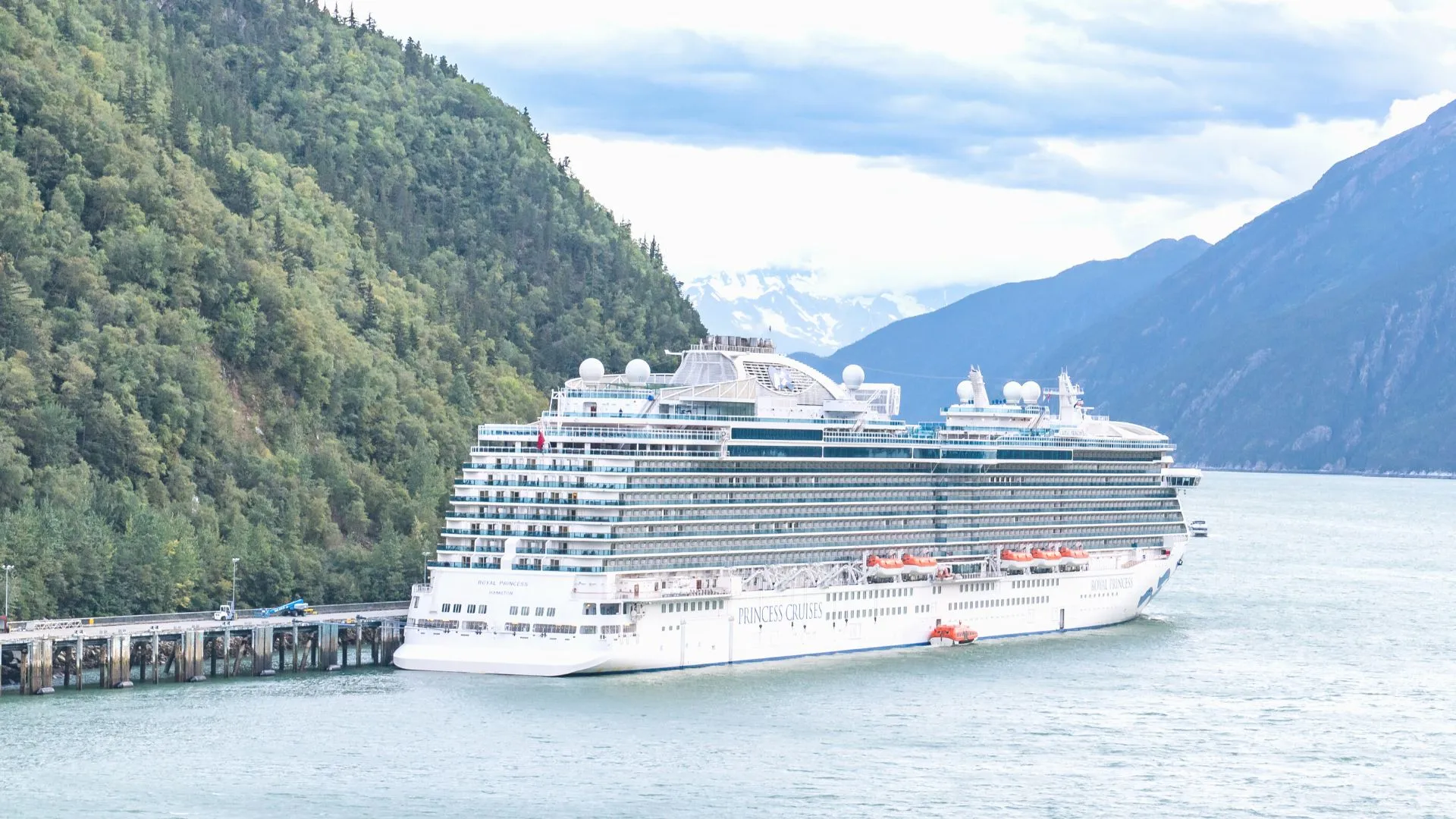
- Princess Cruises: Often hailed as the "pioneer of Alaskan cruising," Princess offers a blend of luxury and immersion. With their "North to Alaska" program, travelers are treated to authentic Alaskan experiences, from local seafood feasts to guest speakers who share tales of the Last Frontier.
- Holland America Line: With a legacy stretching over 70 years in Alaska, they promise both comfort and depth. Their ships are often smaller, allowing for a more intimate experience, and they offer extensive land and sea tour combinations.
- Royal Caribbean: If you're looking for a blend of adrenaline-pumping onboard activities and Alaskan adventures, this might be your pick. From rock climbing walls and surf simulators to immersive excursions in Alaskan ports, they ensure both thrill and chill.

What Differentiates Each Line
- Price: While all cruise lines offer a range of stateroom options, some, like Princess and Holland America, might lean slightly more towards the luxury side, reflecting in their pricing. Royal Caribbean, while still offering luxury, often has more budget-friendly options too.
- Amenities: Want a spa treatment with an Alaskan glacier backdrop? Or perhaps a Broadway-style show post a day of wildlife spotting? Each line boasts unique amenities. For instance, while Royal Caribbean leans heavily on entertainment, Princess might allure with its enrichment programs.
- Excursion Offerings: While most cruises offer similar shore excursions, each line might have exclusive partnerships or private reserves. For example, Holland America's McKinley Chalet Resort offers travelers an in-depth Denali experience.


Recommendations for:
- Families: Royal Caribbean is often a hit with families thanks to its plethora of kid-friendly activities, both on and off the ship.
- Couples: For those seeking romance, the ambiance of Princess Cruises, with its serene retreats and romantic dinner options, might be just the ticket.
- Solo Travelers: Holland America, with its thoughtful programs and excursions, ensures solo travelers never feel alone.
- Adventurers: If your heart beats faster for ziplining, dog sledding, or glacier trekking, delve into the excursion options each line offers. However, Royal Caribbean, with its adventurous spirit, often resonates with thrill-seekers.
Remember, the ship is more than just a vessel; it's your home, entertainment center, and gateway to Alaskan wonders. Picking the right one ensures your voyage is as enchanting as the destinations you're sailing to. Happy cruising!


Key Stops and Highlights
As you sail from Seattle to Alaska, each port of call unfolds a new chapter of discovery, painting a mosaic of cultures, histories, and natural wonders. Here’s a guided tour of the must-visit stops and their highlights on this epic journey.
Inside Passage
The gateway to Alaska's coastal wonders, this labyrinth of fjords, bays, and lush islands is nothing short of mesmerizing.
- Scenic Beauty and Wildlife: As you cruise through these serene waters, keep an eye out for orcas, humpback whales, and sea lions. The backdrop? Towering cliffs, dense forests, and occasionally, a distant glacier.
- Brief History and Significance: The Inside Passage has been a navigation route for centuries, first for the indigenous Tlingit and Haida peoples, and later for explorers and traders.


Juneau
Alaska’s capital is a fusion of nature and culture, surrounded by water and unreachable by road.
- Mendenhall Glacier: Just a short drive from downtown, this glacier offers walking trails, wildlife spotting, and the chance to witness ice calving.
- Cultural and Historical Insights: Dive into Juneau’s rich history at the Alaska State Museum or experience indigenous culture at the Sealaska Heritage Institute.


Skagway
Step back in time to the days of the Gold Rush in this charming town.
- The Gold Rush History: The Klondike Gold Rush National Historical Park brings the tales of gold seekers to life. Don't miss the White Pass & Yukon Route Railroad, a scenic journey through history.
- Popular Excursions: Beyond gold rush tales, consider helicopter tours to glaciers or dog sledding adventures on offer in Skagway cruise port.

Glacier Bay National Park
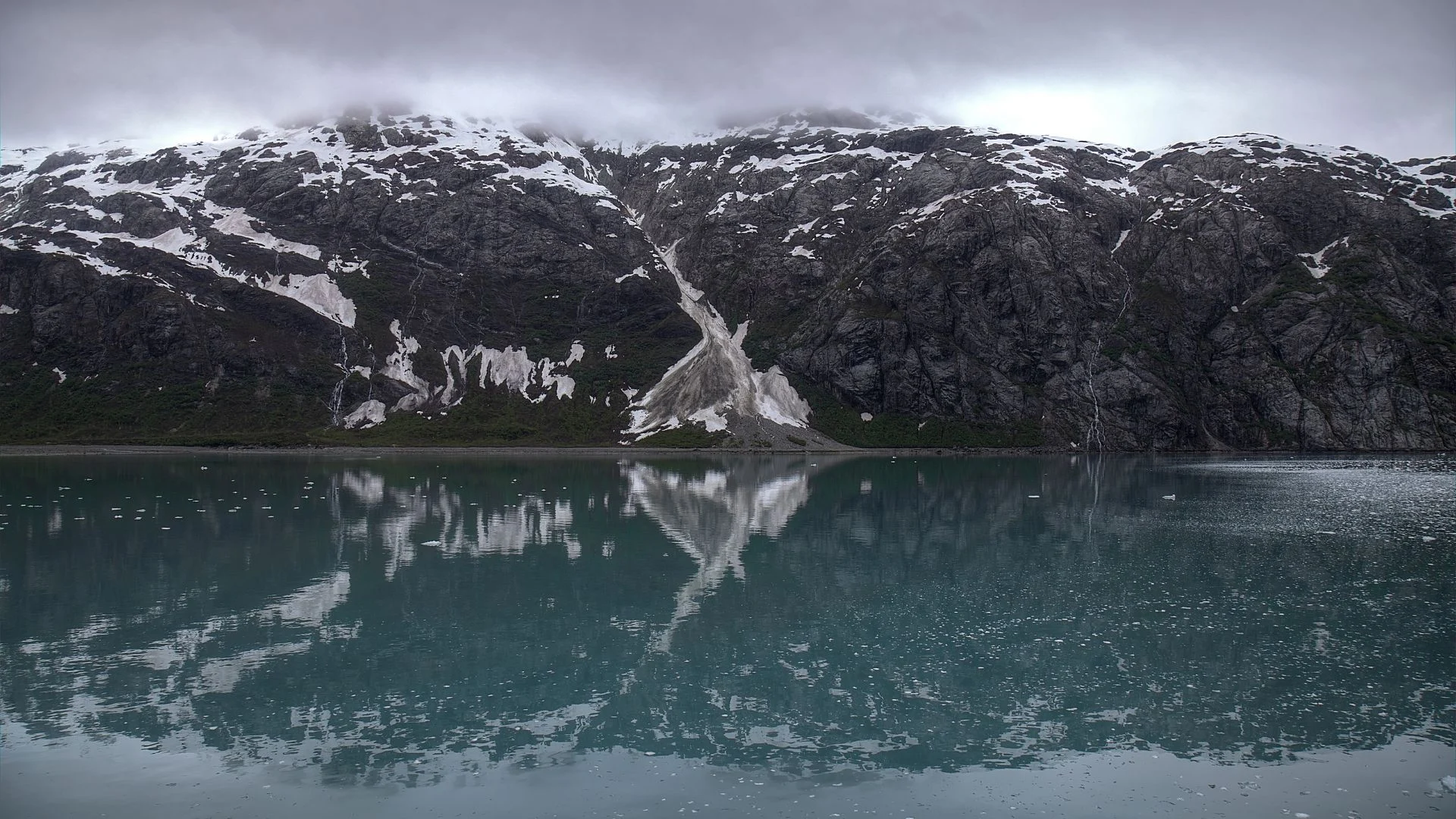
A UNESCO World Heritage site, this is a haven for glacier enthusiasts and wildlife lovers.
- Overview of Glaciers: Witness tidewater glaciers like Margerie and Lamplugh, marveling at their grandeur and occasional calving.
- Wildlife Spotting: The park is teeming with life, from brown bears on land to seals, porpoises, and sea otters in the waters.


Ketchikan
Dubbed the “Salmon Capital of the World”, this town is rich in indigenous culture and scenic beauty.
- Totem Poles and Indigenous Culture: Explore Totem Bight State Park or the Saxman Native Village to understand the Tlingit and Haida cultures and their totemic traditions.
- Misty Fjords National Monument: A dream for nature lovers, it offers dramatic cliffs, cascading waterfalls, and pristine lakes.


Sitka
A town where Russian heritage meets indigenous culture.
- Russian Influence: Visit the iconic St. Michael’s Cathedral, and explore the Russian Bishop’s House.
- Natural Attractions: From the lush Sitka National Historical Park, with its totem poles and walking trails, to the Raptor Rehabilitation Center, nature and wildlife are at the heart of Sitka.
As your ship docks at each port, you're not just stepping onto a new land; you're immersing yourself in stories that have shaped the Pacific Northwest. From the whispers of glaciers to the echoes of gold rush pioneers, your journey promises a symphony of experiences that resonate long after you disembark.

Onboard Activities and Entertainment
While the destinations on a Seattle to Alaska cruise are undeniably the stars of the show, the voyage in-between offers its own set of enchanting experiences.
With a ship equipped to both entertain and pamper, the journey on the sea becomes as memorable as the stops along the way. Let’s uncover the treasure trove of onboard activities and entertainment awaiting you.
Fun-filled Activities
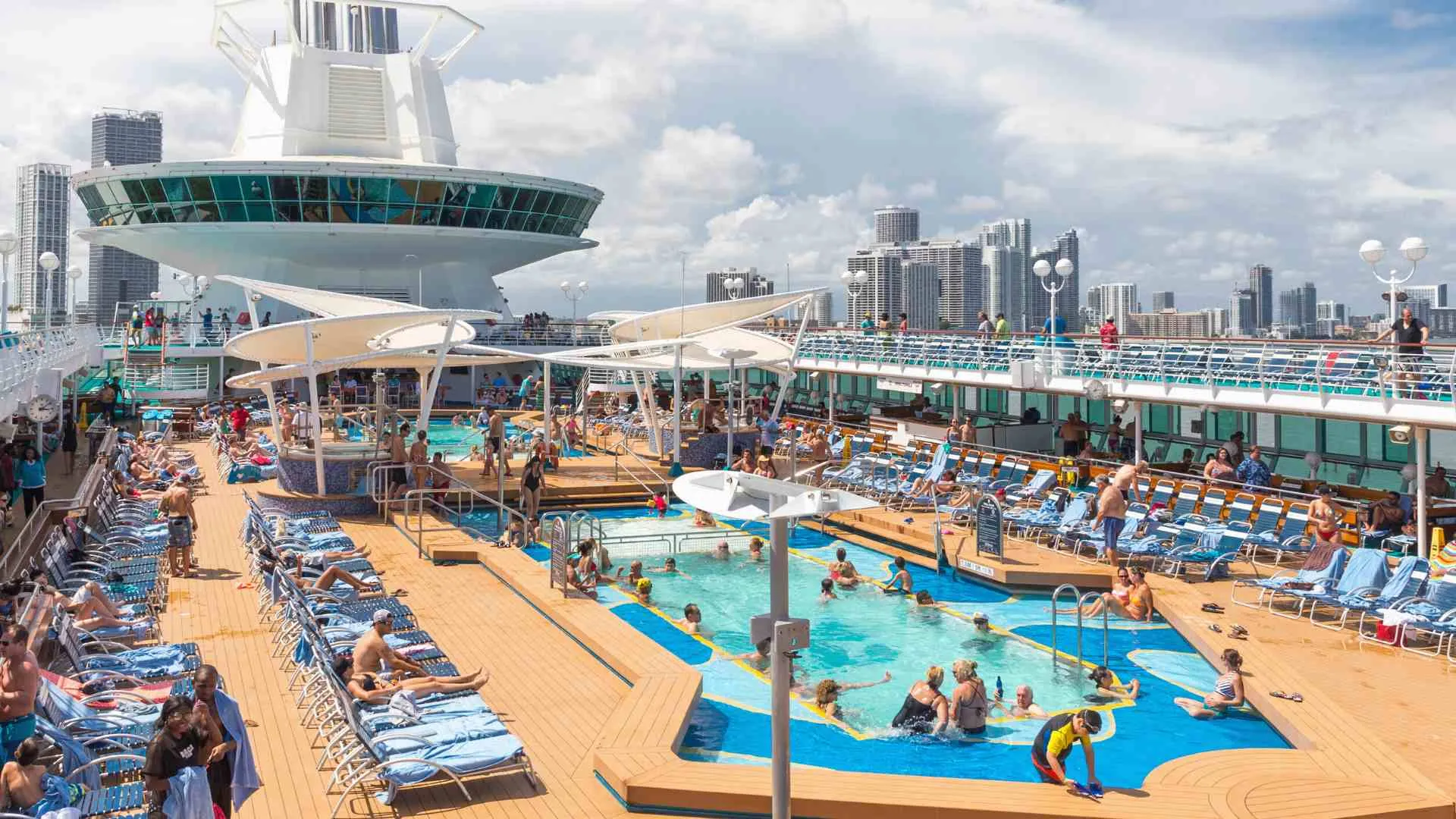
- Poolside Leisure: Most ships come equipped with pools and hot tubs. Whether you're seeking a refreshing dip or simply lounging with a cocktail in hand, the pool deck is the place to be.
- Fitness and Wellness: Whether it's a state-of-the-art gym, yoga sessions with sea views, or pilates classes, staying active has never been this scenic. For those seeking relaxation, spa services, from massages to facials, promise rejuvenation.
- Classes and Workshops: Dive into Alaskan culture with native art workshops, learn about the region's wildlife from onboard naturalists, or indulge in culinary classes whipping up local delicacies.


Evening Entertainment
- Live Shows: From Broadway-style performances to local dance troupes showcasing Alaskan traditions, every night offers a new spectacle. Some ships even boast ice skating shows or aerial acrobatics!
- Bars and Lounges: Whether it's a piano bar playing classics, a jazz lounge, or a nightclub with a dance floor, there's a venue for every mood. Don't miss themed nights, from karaoke to 80s retro.
- Cinema under the Stars: Some cruise lines offer outdoor movie screenings. Imagine watching a film with the gentle sea breeze and the Alaskan skyline as your backdrop.
Interactive and Engaging Activities
- Trivia and Game Nights: Test your knowledge on everything from pop culture to Alaska's history. Team up with fellow passengers for some friendly competition.
- Art Auctions: Explore the world of art with onboard galleries and live auctions. Even if you're not buying, it's a visual treat.
- Kids and Teens Clubs: Traveling with young ones? Most cruise lines offer specialized clubs and activities for different age groups, ensuring the younger travelers are equally entertained.
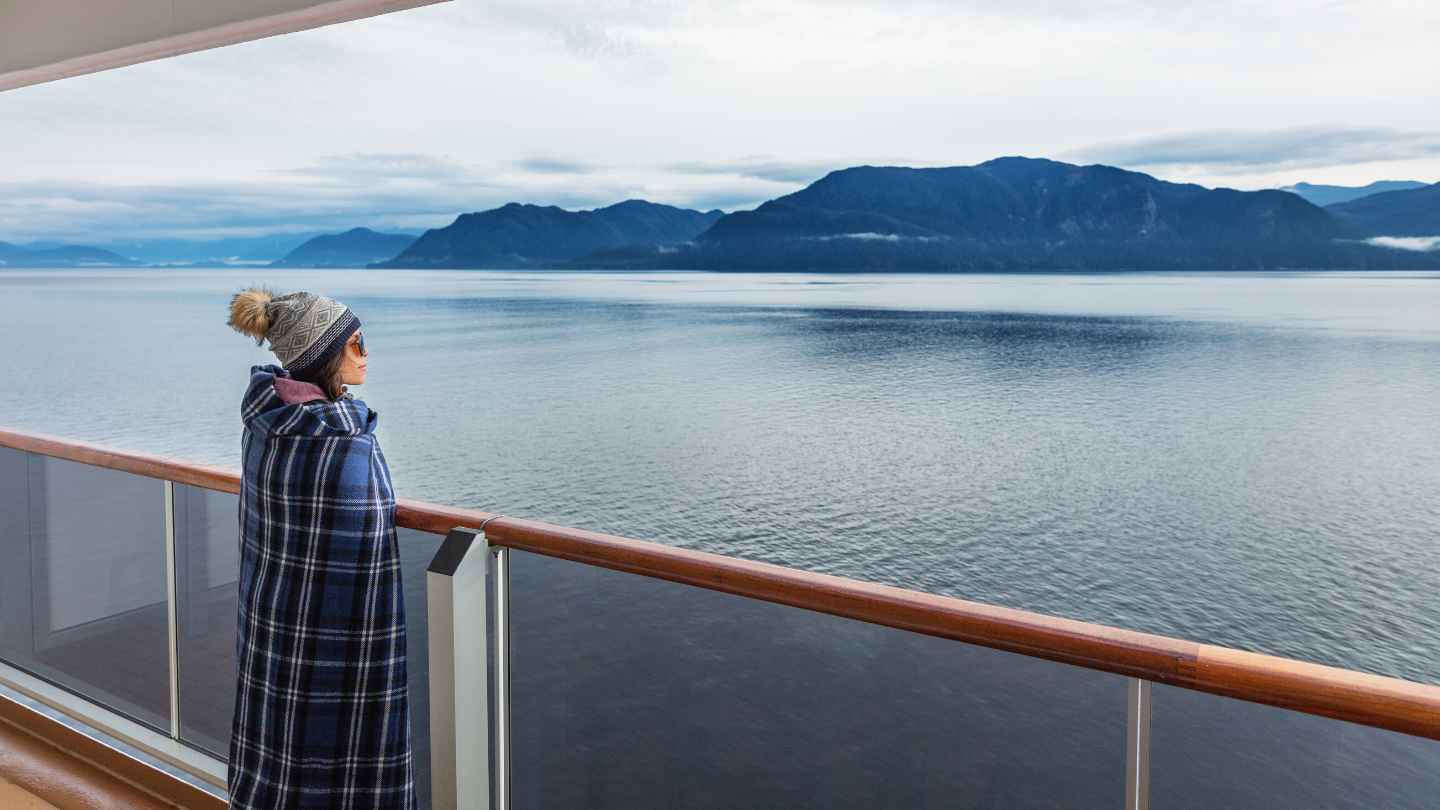

Special Events
- Themed Nights: From masquerade balls to Alaskan festivals, cruise lines often host special themed nights. Dress up, join in, and revel in the festivities.
- Guest Speakers and Lectures: Enhance your understanding of the region with lectures from guest experts. Topics can range from Alaskan wildlife to Northern Lights phenomena.
The magic of a cruise is in the balance it strikes. As the ship sails through mesmerizing landscapes, onboard activities ensure that there’s never a dull moment. Whether you're seeking relaxation, entertainment, or education, there's something onboard for every cruiser, turning the journey itself into a destination.


Packing Tips for an Alaskan Cruise
Alaska's unpredictable weather, combined with the varied activities both onboard and ashore, might make packing for Alaska seem like a daunting task. But fret not!
With a bit of foresight and some handy tips, you can ensure you're well-equipped for every moment of your journey. Here’s a guide to packing smart for your Seattle to Alaska cruise.
Layer Up!
Given the fluctuating temperatures and conditions, layers are your best friend.
- Base Layer: Think thermal or moisture-wicking garments that sit close to the skin, ensuring you stay warm and dry.
- Middle Layer: This is your insulating layer. Sweaters, fleece jackets, or down vests will do the trick.
- Outer Layer: Waterproof and windproof jackets are crucial. Ensure they're breathable to handle both rain and sunny spells.


Footwear
Your feet will be doing a lot of work, from ship decks to Alaskan trails.
- Walking Shoes: Comfortable sneakers or walking shoes for days on the ship or in towns.
- Waterproof Boots: Essential for excursions, especially those involving glacier treks or rainforest hikes.
Accessories
It's all in the details. Accessories can make or break your comfort.
- Hats & Gloves: Both for warmth and sun protection. Consider gloves that allow touch-screen use to capture those picturesque moments without removing them.
- Scarves & Buffs: Great for versatility, from protecting your neck from chills to covering your face during windy moments.
- Sunglasses & Sunscreen: Yes, even in Alaska. Glacial glare can be intense, and on sunny days, protection is key.


Formal Wear
Most cruises have at least one formal night. A nice dress, suit, or tuxedo can come in handy. But remember, "cruise formal" can be less stringent than traditional formal.
Gear & Gadgets
- Binoculars: A must-have for wildlife spotting and glacier gazing.
- Camera & Extra Batteries: The cold can drain batteries quickly. Always carry spares.
- Waterproof Bags: Useful for shore excursions to keep your gadgets and essentials dry.
Miscellaneous
- Umbrella & Rain Poncho: For those unpredictable rain showers.
- Reusable Water Bottle: Stay hydrated during excursions and reduce plastic waste.
- Day Pack: For carrying essentials during port visits.


Onboard Essentials
- Swimwear: For those pool or hot tub sessions.
- Evening Wear: Apart from the formal nights, you might want some semi-casual outfits for dinners and shows.
- Workout Gear: If you plan to use the gym or attend fitness classes.
Documentation
Always have your passport, cruise documentation, any necessary visas, and travel insurance details handy. A small folder or travel organizer can keep everything in one place.
Remember, while it's essential to be prepared, most cruise ships offer onboard shops for essentials you might forget. Packing for an Alaskan cruise is all about anticipating various scenarios and being ready for adventure at every turn. Happy packing!


Shore Excursions
While cruising offers the chance to soak in Alaska's majestic landscapes from the vantage of the sea, Alaska shore excursions are where the true adventure unfolds.
They're your ticket to delve deeper into Alaska's culture, history, and unparalleled natural wonders. Here's your compass to navigate the exciting array of shore excursions awaiting at each port.


Nature and Wildlife Adventures
- Whale Watching Tours: Especially popular in Juneau and Sitka, these tours get you up close with majestic humpbacks, orcas, and more.
- Bear Spotting: Head to Neets Bay from Ketchikan or Pack Creek on Admiralty Island from Juneau to watch bears in their natural habitat.
- Bird Watching: Especially in Sitka, where you can spot bald eagles, puffins, and other Alaskan bird species.
- Glacier Tours: Helicopter rides to glaciers like Mendenhall or dog sledding adventures on glacial expanses offer unforgettable experiences.
Cultural and Historical Outings
- Totem Pole Tours: In Ketchikan, visit Totem Bight State Park or Saxman Native Village to dive deep into indigenous stories and art.
- Gold Rush Experiences: Skagway's White Pass & Yukon Route Railroad and gold panning excursions transport you back to the frenzied gold rush days.
- Museums and Cultural Centers: Stops like the Sealaska Heritage Institute in Juneau offer insights into the rich tapestry of Alaska's indigenous cultures.


Active and Adventure
- Kayaking and Canoeing: Paddle through serene waters, especially in places like Ketchikan's Misty Fjords or Juneau's Auke Bay.
- Ziplining: Feel the thrill in Skagway or Ketchikan as you zip over lush forests and streams.
- Hiking: Trails abound, whether you're exploring the rainforest around Ketchikan or trekking near Juneau's Mendenhall Glacier.
Culinary and Craft
- Salmon Tasting: Ketchikan, the 'Salmon Capital', offers tours of salmon hatcheries followed by delicious tastings.
- Brewery and Distillery Visits: In places like Juneau, get a taste of Alaskan beers and spirits, reflecting the flavors of the region.
- Craft Workshops: Dive into local crafts, be it totem carving or learning native beadwork.


Relaxation and Scenic
- Hot Springs: Near Skagway, relax in the warm waters of the Liarsville Gold Rush Trail Camp or take a longer trip to the White Sulphur Springs.
- Scenic Flights: Take to the skies in a seaplane or helicopter to gain a bird's-eye view of Alaska's sprawling landscapes.
Tips for Booking Shore Excursions
- Book in Advance: Popular excursions can fill up quickly, especially in peak seasons.
- Check Activity Levels: Ensure the excursion matches your physical ability and comfort level.
- Local vs. Cruise-Booked: While cruise-offered excursions might offer the convenience, sometimes local operators can provide smaller, more personalized tours.
Every port on your Seattle to Alaska cruise is a gateway to new adventures. Whether you're an adrenaline junkie, a culture enthusiast, or someone who just wants to soak in nature's wonders, shore excursions promise experiences that will etch memories for a lifetime.


Sustainable and Responsible Alaska Cruising
The pristine landscapes of Alaska — with its shimmering glaciers, lush rainforests, and rich marine ecosystems — are more than just a visual treat. They're delicate environments that require our utmost respect and care.
As the cruising industry grows, it's vital to approach this frontier with a sustainable lens. Here’s a guide on how you can embark on your Seattle to Alaska cruise responsibly, ensuring the beauty of the Last Frontier remains intact for future generations.
Choose Eco-friendly Cruise Lines
- Environmental Initiatives: Opt for cruise lines that have active sustainability programs, such as waste reduction, energy efficiency, and water conservation.
- Cleaner Fuels: Some modern ships are transitioning to liquified natural gas (LNG) or hybrid solutions to reduce emissions.
- Certifications: Look for cruise lines affiliated with eco-certifications or those partnering with conservation organizations.


Mindful Shore Excursions
- Local and Indigenous Operators: Support the local economy by choosing tours run by native Alaskans or local businesses.
- Leave No Trace: Always carry back your waste, stick to designated paths, and avoid disturbing wildlife.
- Eco Tours: Opt for mindful travel excursions that prioritize wildlife conservation, cultural preservation, and environmental education.
Reduce, Reuse, Recycle Onboard
- Limit Single-Use Plastics: Carry a reusable water bottle, decline straws, and bring reusable shopping bags for port visits.
- Eco-friendly Toiletries: Use biodegradable sunscreens and shampoos to minimize water pollution.
- Participate in Ship’s Recycling Programs: Properly sort and dispose of waste as per the ship’s guidelines.


Wildlife Interaction Guidelines
- Maintain a Distance: Use binoculars and zoom lenses for viewing and photographing wildlife. Never feed or attempt to touch wild animals.
- Listen to Naturalists: Onboard experts and guides will provide insights into how to safely and respectfully observe wildlife.
Cultural Respect and Engagement
- Learn About Alaskan Cultures: Attend onboard lectures about indigenous cultures and histories. This knowledge will enrich your interactions ashore.
- Support Local Artisans: Purchase authentic souvenirs directly from artisans, ensuring your money supports the local community and not mass-produced goods.


Carbon Offsetting
- Travel to and from the Cruise: Consider offsetting the carbon footprint of your flight to Seattle or other transportation methods.
- Cruise Offsetting Programs: Some cruise lines offer carbon offset programs where passengers can donate to environmental projects that balance out their cruise's emissions.
Advocate and Educate
- Share with Fellow Travelers: Encourage sustainable practices by discussing them with fellow passengers. The more cruisers adopt these habits, the bigger the positive impact.
- Stay Updated: Post-cruise, continue supporting organizations working to preserve Alaska and its unique ecosystems.
As cruisers, our collective actions — big or small — can pave the way for sustainable and responsible tourism in Alaska. Let’s not just be passive observers but active stewards, ensuring that Alaska's splendors continue to thrive for many cruises to come.


Ending the Journey
The final day of your Seattle to Alaska cruise can be a mix of emotions — the nostalgia of the unforgettable voyage you've undertaken, combined with the excitement of what lies ahead.
But like all good things, your cruise too has its final chapter. Here's a guide to ensuring a smooth disembarkation process and making the most of your post-cruise time.
Disembarkation Process and Tips
- Customs and Declarations: Depending on your itinerary and stops, you may need to pass through customs. Ensure you have your passport, cruise documentation, and any purchased items to declare.
- Scheduled Times: Each deck or cabin class may have a set disembarkation time. Stick to this to avoid overcrowding.
- Settling Bills: Most cruise lines link your onboard expenses to a card. Ensure all charges are correct and cleared before leaving.
- Luggage Options: Some cruise lines offer a service where they directly send your luggage to the airport. Otherwise, you may be asked to place your luggage outside your cabin the night before disembarkation.


Extend Your Stay in Seattle
- City Attractions: Consider spending an extra day or two in Seattle. Visit the Space Needle, Pike Place Market, or the Museum of Pop Culture.
- Nearby Nature: Explore the nearby Mount Rainier National Park or go whale watching in the Puget Sound.
- Local Cuisine: Relish in Seattle's culinary scene, from fresh seafood to international delicacies.
Further Explorations in Alaska
- Land Packages: Some cruise lines offer extended land tours in Alaska, taking you deeper into its interior, like Denali National Park or the Kenai Peninsula.
- Adventure Activities: If the cruise has left you yearning for more Alaskan adventures, consider booking activities like fishing trips, hiking excursions, or even scenic flights.
Connecting Flights and Travel
- Seattle-Tacoma International Airport: If you're flying out, ensure you've allowed ample time between disembarkation and your flight. Traffic, customs, and other unforeseen delays can occur.
- Train and Bus Options: Seattle's King Street Station provides train services, while the Greyhound bus terminal can be a choice for those traveling by bus.

- Review and Feedback: Cruise lines value passenger feedback. Take a moment to review your experience, helping future travelers and the cruise line itself.
- Social Media and Blogs: Share your memorable moments, tips, and stories on social platforms. Your insights can guide and inspire other travelers.
Plan Your Next Adventure
- Early Booking Deals: Inspired for another voyage? Cruise lines often offer deals onboard for those who book their next cruise before disembarking.
- Join Loyalty Programs: Many cruise lines have loyalty programs, providing perks and discounts to repeat cruisers.
As you step off the ship, carry with you not just souvenirs and photographs, but also a treasure trove of memories and experiences. Whether you're heading straight home, extending your vacation, or even dreaming about your next cruise, remember that every journey shapes you in unique ways. Here's to many more adventures on the horizon!


Setting Sail with Memories and Anticipation
As the glacial waters merge with the vastness of the Pacific and the towering Alaskan peaks fade into horizons, one realizes that a Seattle to Alaska cruise is more than just a journey; it's a transformative experience. The landscapes, wildlife, onboard camaraderies, and immersive shore excursions coalesce into a symphony of memories that will resonate for years to come.
While the echo of the ship's horn may have marked the end of this voyage, it's truly the beginning of countless stories you'll recount, the friendships you've forged, and the love you've developed for a region so wild, so pristine, and so inspiring.
We hope this guide has been a reliable compass, steering you through the vast waters of decision-making, preparation, and immersing into Alaska's wonders. And as you find yourself daydreaming about the ethereal glow of the Northern Lights or the melody of humpback whales, remember that the Last Frontier is always there, waiting for your return.
So, whether you're a seasoned cruiser or someone embarking on their maiden voyage, know that the allure of Alaska is timeless. And in the words of John Muir, "To the lover of wilderness, Alaska is one of the most wonderful countries in the world." Happy Cruising!
FAQs on the Best Seattle to Alaska Cruise
How long is a Seattle to Alaska cruise typically?
- Most cruises from Seattle to Alaska are 7 days long, but there are options ranging from short 5-day trips to extended 14-day voyages that explore more ports and regions.
What is the best time to take a Seattle to Alaska cruise?
- The prime Alaska cruise season is from late May to early September, with July and August being peak months due to warmer temperatures and longer days.
Which cruise lines operate the Seattle to Alaska route?
- Multiple cruise lines offer this route, including Princess Cruises, Norwegian Cruise Line, Holland America Line, Royal Caribbean, and Celebrity Cruises, among others.
Do I need a passport for a Seattle to Alaska cruise?
- While Alaska is a U.S. state, many cruises stop in Canadian ports like Victoria, requiring a passport for entry. It's advisable to carry a valid passport even if your itinerary doesn't include Canadian stops, as unplanned deviations can occur.
What wildlife can I expect to see on the cruise?
- Common wildlife sightings include humpback whales, orcas, sea lions, bald eagles, bears, moose, and various bird species, depending on the ports and excursions you choose.
Are there any seasickness concerns on this route?
- The Inside Passage, commonly traversed in this route, offers calmer waters than the open ocean. However, those prone to seasickness should come prepared with remedies or consult a physician before departure.
Is there a dress code on board?
- While daytime attire is generally casual, many cruises have formal nights where guests dress up. It's advisable to check with your specific cruise line for their dress code.
What is the onboard currency used?
- Most cruise ships operate in U.S. dollars. While in port, the local currency of the destination applies, but most Alaskan towns also accept U.S. dollars.
Are meals and entertainment included in the cruise fare?
- Most cruises include main dining room meals, buffet options, and entertainment in the fare. Specialty restaurants, certain shows, or exclusive events may have an additional cost.
Can I stay connected at sea?
- Most modern cruise ships offer Wi-Fi packages for purchase. However, signal strength and speed can vary, especially when cruising in remote Alaskan regions.
How accessible are these cruises for passengers with mobility issues?
- Many ships are equipped with accessible cabins and facilities. However, certain excursions or destinations might be challenging. It's essential to discuss specific needs with the cruise line before booking.
What should I pack for a Seattle to Alaska cruise?
- Due to varying weather conditions, it's advised to pack layers. Essentials include waterproof clothing, comfortable walking shoes, sunglasses, binoculars, a camera, and warm clothing for glacier viewing or cooler days.
How do I book shore excursions?
- Excursions can be booked in advance through the cruise line's website or onboard. There's also the option to book directly with local operators upon arrival, though availability might be limited during peak season.
Are there family-friendly activities onboard?
- Yes, many cruise ships are equipped with kid's clubs, teen lounges, family-friendly shows, and activities suitable for all age groups.
How can I make my cruise more eco-friendly?
- Opt for cruise lines with strong environmental policies, participate in sustainable shore excursions, reduce plastic use onboard, and support local economies by buying authentic souvenirs.
What’s the average cost of a Seattle to Alaska cruise?
- Costs can vary widely based on cruise line, cabin type, duration, and inclusions. On average, a 7-day cruise might range from $700 to $3,000+ per person, excluding flights, excursions, and additional onboard expenses.
Are there medical facilities onboard?
- Yes, most cruise ships have a medical center staffed with trained medical professionals to handle emergencies and basic medical needs. However, it's advisable to carry essential medications and inform the cruise line of any significant medical conditions beforehand.
Is travel insurance necessary for this cruise?
- While not mandatory, travel insurance is highly recommended. It can cover unforeseen events like medical emergencies, trip cancellations, baggage loss, and other unexpected incidents.
Do the ships have onboard laundry services?
- Most cruise ships offer laundry services, either self-service laundromats or full-service laundering. There might be an additional charge for these services.
Can I bring my own alcohol onboard?
- Cruise lines have varying policies on this. Some allow a limited quantity of wine or champagne in your carry-on, while others might charge a corkage fee. It's best to check the specific cruise line's alcohol policy.
Is there an age requirement to go on a cruise?
- Minors typically need to be accompanied by an adult. Some cruise lines also have age restrictions for infants, usually requiring them to be at least six months old by the day of departure.
What kind of power outlets will be in the cabins?
- Most cruise ship cabins have both 110V (US standard) and 220V (European standard) outlets. It's advisable to carry a universal adapter for convenience.
Can I choose my dining times and tablemates?
- Many cruise lines offer both fixed dining times with assigned seating and a more flexible "anytime dining" option. Tablemate preferences can often be communicated to the maître d' once onboard.
Are gratuities included in the cruise fare?
- Some cruise lines include gratuities in the overall fare, while others automatically add it to your onboard account. Guests usually have the flexibility to adjust or remove these gratuities based on service satisfaction.
What happens if I miss the ship at a port stop?
- It's crucial to return to the ship well before the departure time. If you miss the ship, you're responsible for catching up with it at the next port, including all associated expenses.
Are special dietary needs accommodated onboard?
- Yes, most cruise lines cater to various dietary needs, such as vegetarian, vegan, gluten-free, and kosher. It's best to notify the cruise line in advance to ensure they meet your specific requirements.
Do I get to see the Northern Lights on this cruise?
- The Northern Lights, or Aurora Borealis, are visible in Alaska primarily in the winter months. Summer cruises have extended daylight, making sightings rare. If seeing the Northern Lights is a priority, consider an off-season land trip to Alaska instead.
How much cash should I carry onboard and for port stops?
- While most onboard expenses are cashless and charged to your room card, carrying some cash for tipping, small vendors at port stops, or unforeseen emergencies is advisable.
Can I get a room upgrade once onboard?
- If there's availability, some cruise lines might offer room upgrades for an additional charge. However, it's often more cost-effective to choose your desired room category during the booking process.
Are there any solo traveler amenities or programs?
- Many cruise lines are increasingly catering to solo travelers, offering dedicated single cabins, reducing single supplements, and hosting solo traveler meet-ups.

Ellie is the founder of Ellie's Travel Tips, where she shares practical cruise tips, port guides, and step-by-step itineraries to help you plan smarter trips for less. Her checklists and packing guides turn travel daydreams into doable plans.