
A San Francisco Alaska cruise trades a longer Pacific approach for a convenient local departure. It makes sense when sea days are part of the vacation, the exact itinerary earns the extra time, and avoiding a flight improves the complete trip.


Do the sea-day math first
San Francisco sits farther from Alaska than Seattle or Vancouver, so departures generally require more sailing time. Count port days, scenic-cruising days, and ordinary sea days rather than comparing only total voyage length.
The right traveler sees those days as useful rest and ship time. The wrong traveler sees them as days removed from Alaska and may get better value by flying north.


Use three tests before booking
The itinerary test
A San Francisco departure does not prove that the ship visits Glacier Bay, a particular glacier, or your preferred ports. Verify every call, its duration, the scenic-cruising location, and whether the Canadian stop is daytime or evening.


The ship test
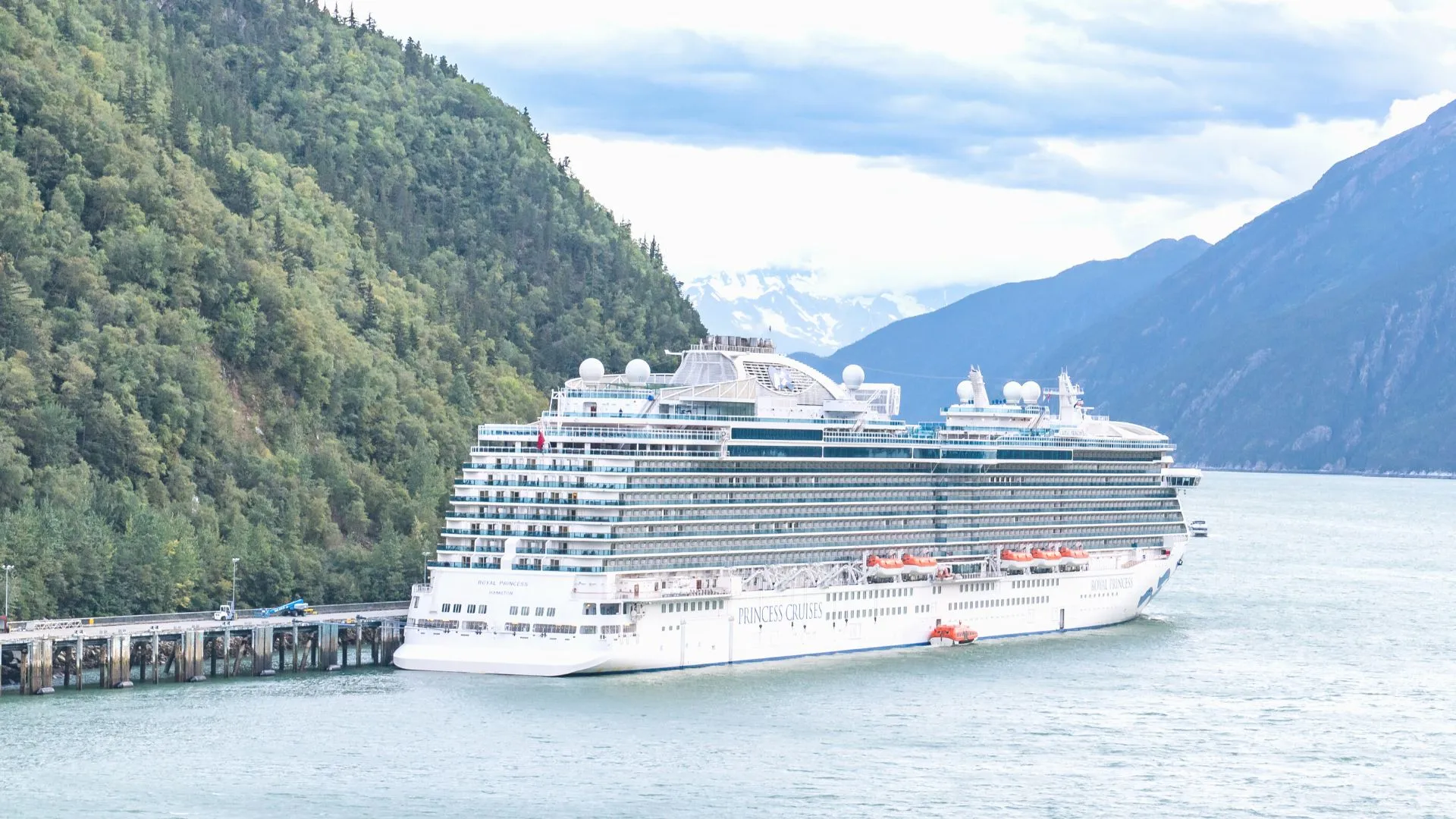
More sea days make indoor observation, covered decks, cabin comfort, enrichment, dining hours, and bad-weather capacity especially important. Choose a ship you would enjoy even if one outdoor day is cold, windy, or wet.

The door-to-door test
Add parking or local transport, hotel, cruise fare, taxes, gratuities, excursions, drinks, dining, insurance, and the value of extra vacation days. Compare that total with airfare and hotels for Seattle or Vancouver.

Verify the live San Francisco departure
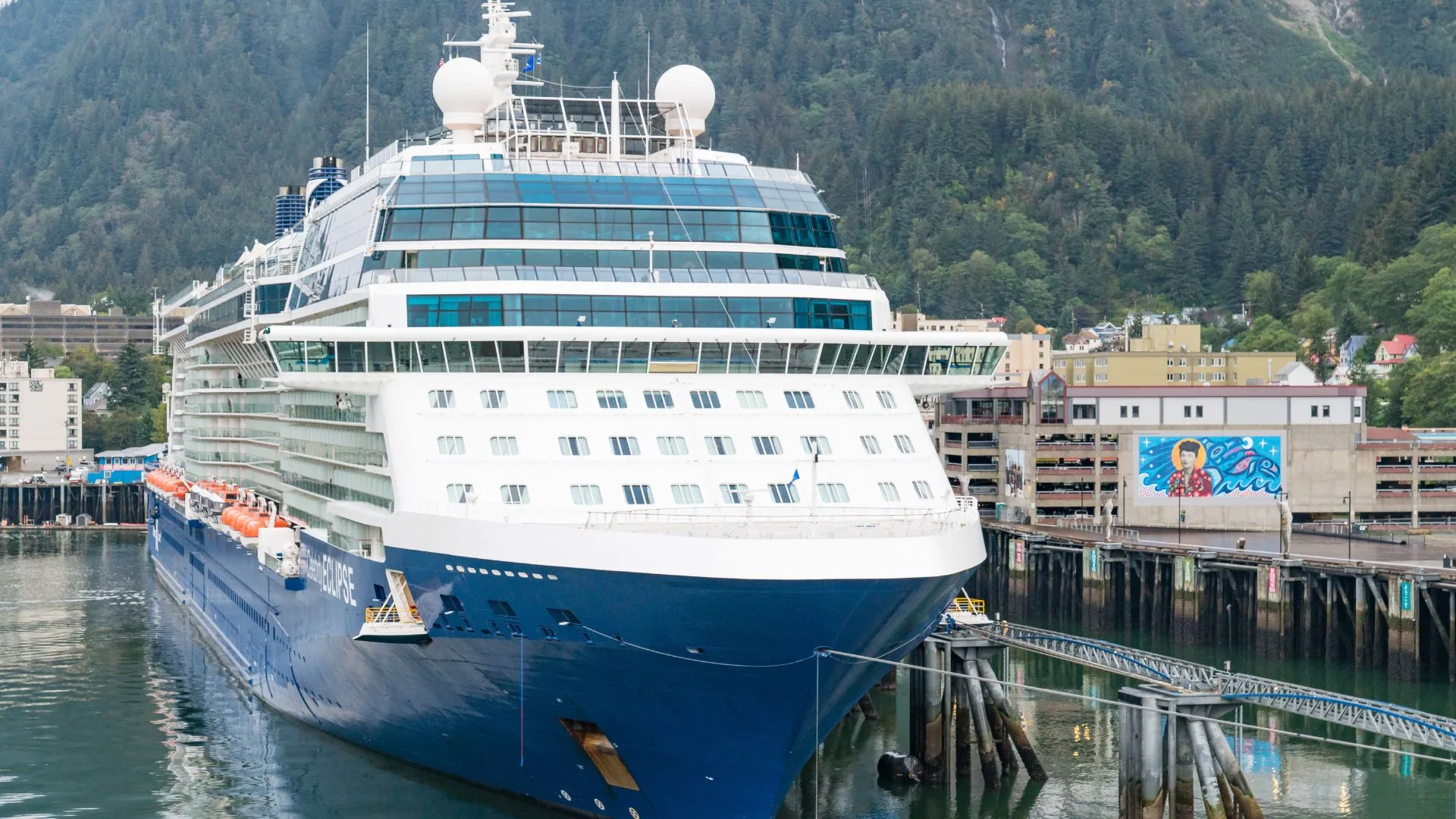
The Port of San Francisco lists current homeport operators and publishes schedules that include Alaska voyages. Use its official cruise page to confirm ship, date, and terminal rather than relying on an old roundup.


Ship assignments, port orders, and availability can change after publication. Save the itinerary and fare terms you booked, then recheck terminal instructions close to departure.
Terminal, hotel, and arrival strategy


Confirm the terminal address, baggage drop, check-in window, parking, rideshare area, and accessibility support. Cruise-day traffic and curb controls can make a familiar waterfront feel unfamiliar.


Travelers coming from outside the region should arrive early enough to absorb an ordinary flight, rail, or road delay. Choose a hotel after confirming the terminal, not from a generic cruise-package label.


Ask where accessibility assistance begins and whether the hotel or parking provider can handle mobility equipment. Keep the pier address and cruise emergency number available offline.
Choose the San Francisco arrival mode deliberately
Local travelers can compare a family drop-off, rideshare, taxi, rail connection, or terminal parking. The cheapest option is not always easiest once luggage, mobility equipment, children, traffic, and the return trip are included.
Drivers should verify the current garage, reservation method, vehicle-height limit, overnight rules, and walking or shuttle route to the terminal. Do not leave valuables visible in a parked vehicle, and keep cruise documents with you rather than in a checked suitcase.
Air and rail travelers should confirm how they will reach the hotel as well as the pier. A transfer that works smoothly at midday may operate differently during morning commute traffic or a major waterfront event.
The Pacific motion tradeoff

San Francisco itineraries spend more time on the open Pacific than shorter gateway routes. Sea state cannot be predicted from the departure city alone, but motion-sensitive travelers should factor the exposure into ship and cabin choice.


A lower, more central cabin is a sensible starting point, and stabilizers or cabin location cannot guarantee comfort. Discuss medication with a qualified clinician before travel if motion illness is a concern.
What the longer route should include


Look for enough meaningful Alaska calls, a scenic-cruising area you value, and port times that support the excursions you want. A long itinerary with short calls can be less useful than a shorter trip with stronger days ashore.


Current operator programs show that San Francisco remains a real Alaska homeport, but exact routes are year-specific. Do not infer a port list from last season's sailing.


Glacier Bay and scenic cruising
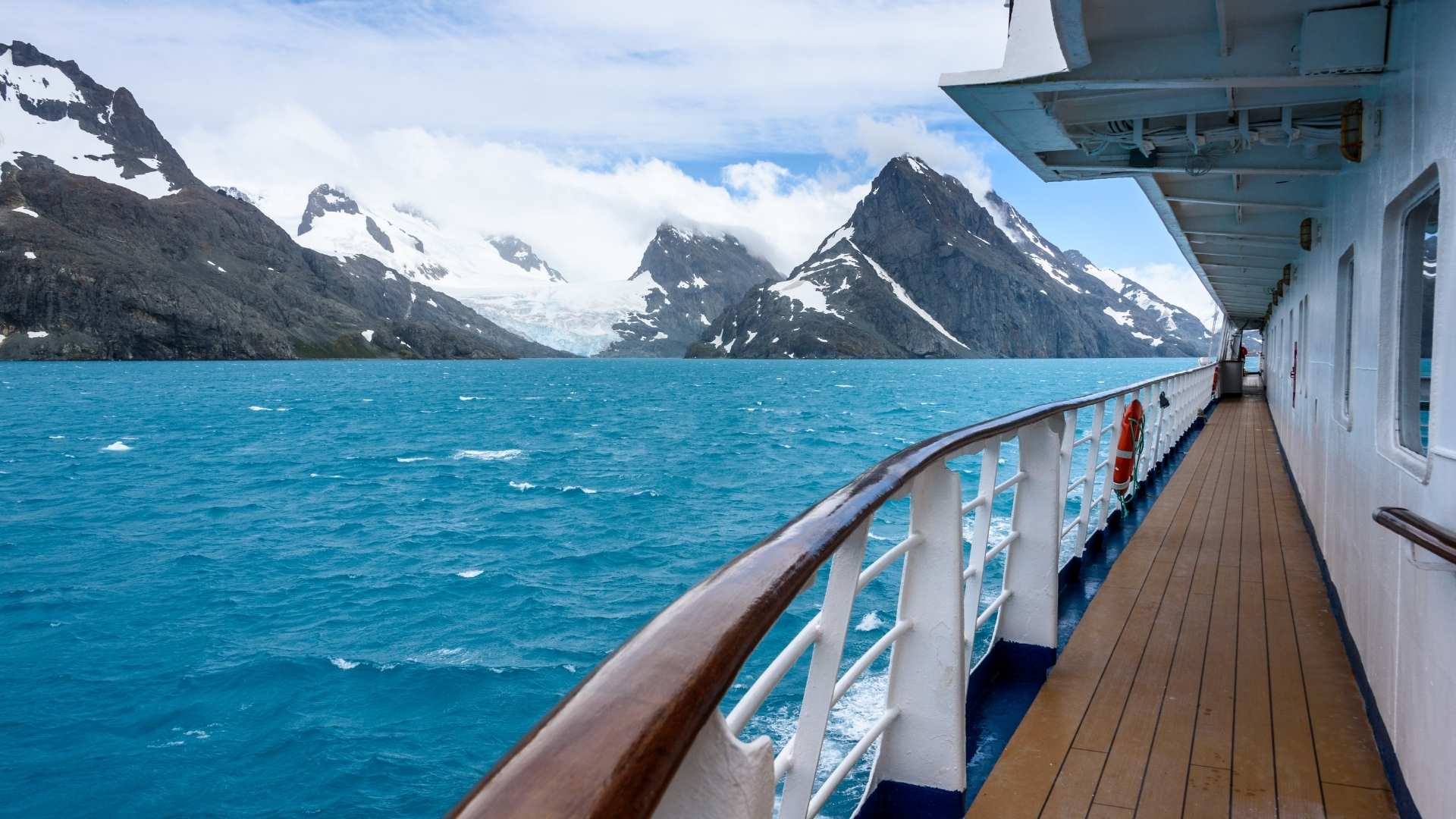
Large cruise ships generally spend nine to ten hours cruising Glacier Bay and do not dock there. The National Park Service's cruise guidance explains that this is a shipboard park day, not a standard excursion port.


Hubbard Glacier, Endicott Arm, Tracy Arm, and Glacier Bay are different places and experiences. Verify the name in the itinerary and treat visibility, ice, and route access as conditions-dependent.
Port calls need time, not just names


Sitka
Arrival can involve a terminal shuttle, a different facility, or tendering near downtown. Set the return plan before booking two independent activities.


Skagway
Railway, Gold Rush, hiking, and Yukon choices require different amounts of time and documentation. A cross-border tour deserves the largest return buffer.


Juneau
Downtown is accessible from the dock area, while Mendenhall and whale tours add transport. Check berth, pickup, cancellation, and return arrangements.


Ketchikan
Ships can use downtown berths or Ward Cove several miles away. That location changes whether Creek Street, a tour, and shopping fit comfortably.


Choose the ship for repeated sea days
Review covered viewing, windowed public rooms, seating, lectures, laundry, internet, medical support, children's programming, dining variety, and evening entertainment. A feature used once matters less than the places you will use every sea day.


Read ship-specific reviews and deck plans rather than relying on brand reputation. If considering Norwegian, the Norwegian cruise overview can frame questions, but the exact Alaska ship and route control the decision.
Create a sea-day routine before sailing
Identify two indoor viewing locations, a quiet reading space, the laundry arrangement, and dining venues that do not require reservations. This matters more on a long Pacific approach than collecting a list of activities you may never use.
Families should check youth-program age bands and opening hours for sea days, while remote workers should verify internet terms and accept that service can vary. Travelers with dietary needs should confirm how menus and advance requests work across a longer voyage.
Use the cabin as functional space
Review storage, seating, bathroom layout, connecting doors, balcony exposure, and distance from noisy venues. A room that feels adequate for seven nights can become frustrating when extra sea days increase time aboard.
Pack for three environments


San Francisco embarkation, open-ocean sea days, and Southeast Alaska ports can feel different. Use breathable layers, insulation, waterproof outerwear, secure shoes, sun protection, and a water-resistant day bag.


Keep medication, documents, chargers, a change of clothes, and weather protection in hand luggage. Longer trips also make laundry access and repeatable outfits more useful than extra formalwear.


Canada and document rules still matter
Many Alaska cruises from United States ports include Canada, and travelers must satisfy applicable entry and cruise-line requirements even if they plan to stay aboard. Rules depend on citizenship, status, age, itinerary, and transport.


United States closed-loop rules can permit certain proof of citizenship, but CBP warns that cruise lines may require a passport. Check the official document framework and current line policy for every traveler.


Compare San Francisco with Vancouver
Vancouver can offer shorter Inside Passage round trips and one-way Gulf formats, while San Francisco favors the longer United States round-trip experience. The Vancouver Alaska guide covers Canada Place and one-way logistics.


Compare the same route priorities, cabin type, hotel nights, flights, and transfer costs. A local departure can win even with more days, but only when those days fit the traveler.
Excursion budget for a long voyage


Choose one experience that requires specialized transport, then keep another port flexible. Weather-sensitive flights, boats, and kayaks need written cancellation terms.


Wildlife is never guaranteed, and ethical operators follow viewing-distance rules. Price tours separately from the cruise fare before comparing gateways.


Northern lights are not the route's promise
Most Alaska cruise dates overlap long daylight, and Southeast Alaska can be cloudy. Use the Alaska northern lights guide before adding aurora expectations to a late-season departure.

Return to San Francisco without a race
Allow for clearance, luggage, terminal congestion, and transport before a flight or train. Keep documents and medication with you if checked luggage is collected overnight.


Drivers should verify current parking pickup and payment procedures. Travelers staying overnight should confirm luggage storage and accessible transport from the terminal.
Protect the final travel day
Do not build the return around being first off the ship because clearance, weather, luggage, and terminal conditions can change. Choose a flight or train that can absorb routine delays without requiring a sprint through the city.
If the cruise has many sea days, use the last one to organize receipts, confirm transport, charge devices, and move documents and medication into hand luggage. This keeps disembarkation focused on following the ship's instructions rather than repacking in a corridor.
San Francisco booking checklist

- Count Alaska port, scenic, and ordinary sea days.
- Confirm current ship, terminal, and route.
- Compare total trip cost with Seattle and Vancouver.
- Choose a ship and cabin for Pacific sailing.
- Verify documents for Canada and the cruise line.
- Plan arrival, parking, hotel, and return buffers.
- Keep weather-sensitive excursions refundable where possible.

A San Francisco Alaska cruise is excellent when the ship is part of the destination and local embarkation removes stressful flights. It is poor value when the extra days replace Alaska experiences you care about.




Ellie is the founder of Ellie's Travel Tips, where she shares practical cruise tips, port guides, and step-by-step itineraries to help you plan smarter trips for less. Her checklists and packing guides turn travel daydreams into doable plans.