
A small Alaska ship is not automatically quieter, greener, or better for wildlife. It is a different travel format, and the right choice depends on small-boat transfers, activity demands, cabin comfort, medical support, route flexibility, and what the fare actually includes.

Start with the format, not the brand
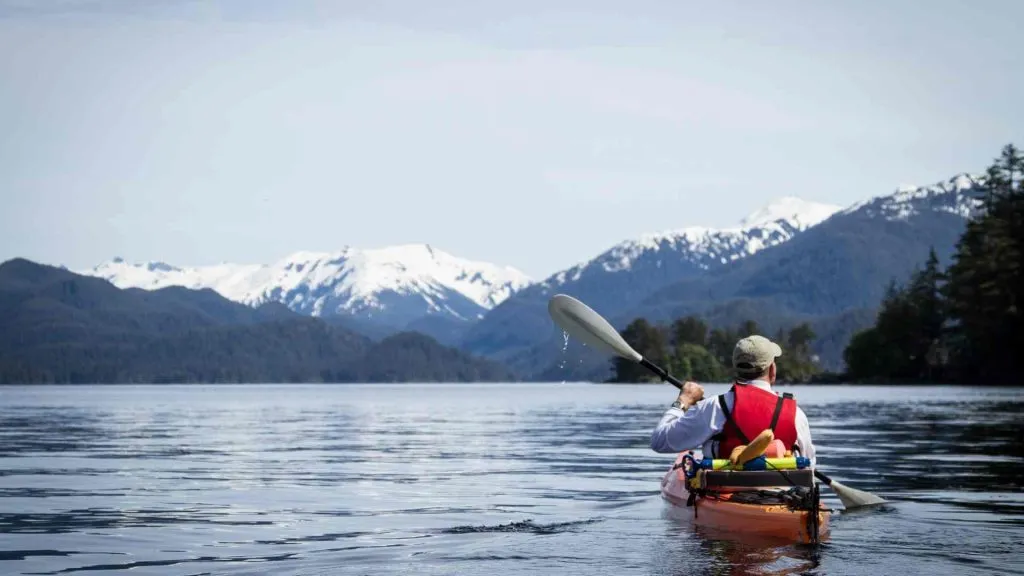
CLIA describes exploration ships as generally smaller and more agile than traditional cruise ships, with the ability to navigate some remote or shallow waters. Its expedition cruising overview explains the category, but only the exact itinerary proves where a vessel will go.
Small ship can mean a rugged expedition vessel, a yacht-style product, a sailing ship, a premium coastal vessel, or a photography-focused departure. Those products differ in activity level, service, cabin design, dress, dining, and price.
The supplied evidence does not establish one passenger-capacity cutoff that defines a small ship. Record the exact vessel, guest capacity, transfer craft, landing method, and daily operating style instead of treating small ship and expedition ship as synonyms.
The seven questions that decide suitability
Can you use the transfer craft?
Many expedition days involve stepping into a skiff, inflatable boat, or other small craft. Ask about steps, handholds, transfer assistance, weight limits, seating, spray, beach landings, and whether mobility devices can be carried.
How flexible can your itinerary be?
Weather, wildlife, tides, permits, and local conditions can change the daily plan. That flexibility can be a strength for curious travelers and a serious drawback for anyone who booked for one nonnegotiable landing.
What is included?
Some fares include guided hikes, kayaking, small-boat outings, boots, rain gear, transfers, drinks, or gratuities, while others do not. Compare written inclusions line by line rather than treating all expedition fares as all-inclusive.
Will the cabin work for you?
Small vessels may offer less storage, compact bathrooms, fewer cabin categories, and limited elevator access. Review dimensions, bed arrangement, window type, stairs, noise sources, ventilation, and electrical outlets before paying.
What medical support exists?
Ask who provides medical care, what hours support is available, how evacuation works, and how far the route may be from advanced treatment. Travel insurance must fit remote travel and any pre-existing conditions.
How active is the trip?
Daily hiking and paddling may be optional on one ship and central on another. Ask for actual distance, elevation, pace, surface, duration, and alternatives for guests who skip an outing.
How much conventional entertainment do you need?
A naturalist talk and shared lounge may replace theaters, casinos, multiple restaurants, and large children's facilities. Travelers who enjoy resort amenities may prefer a larger ship even if remote access sounds appealing.


Small ship advantages, stated honestly
A smaller exploration vessel may be suited to some remote or shallow waters and may use small-boat operations that differ from a large resort ship. The actual route, authorization, landing plan, and guide ratio must prove those advantages for the sailing.
None of that guarantees closer whales, bears, glaciers, or ice. Wildlife moves, permits matter, safe-distance rules apply, and the captain can change course only within operational limits.
UnCruise currently markets vessels carrying 22 to 86 guests and flexible Alaska itineraries that can adjust for wildlife, weather, and opportunity. Its current Alaska collection is a useful time-bound example, not a description of every small ship.
Tradeoffs that marketing photos hide
Motion
Do not assume a smaller ship will have less or more motion than another vessel. Ask about the route, stabilizers, cabin position, exposed-water segments, and the operator's guidance for motion-sensitive guests.
Noise
Fewer passengers do not make a vessel silent. Engines, generators, anchor operations, crew work, thin partitions, and early small-boat preparation can affect cabins.
Accessibility
A small passenger count does not guarantee physical access. Stairs, narrow corridors, raised thresholds, steep gangways, wet landings, and limited lifts can be decisive barriers.
Connectivity
Remote routes may have limited internet and phone service. Confirm whether connectivity is included, where it generally works, and how family can reach the ship in an emergency.
Choice aboard
Dining times, menus, entertainment, and public rooms may be limited. Travelers with allergies should discuss food handling and backup meals before booking, not after embarkation.


Choose among five small-ship styles
Travelers comparing the format beyond Alaska can also use the Mediterranean small-ship guide to see how destination, port access, and daily rhythm change the value of a smaller vessel.
Activity-led expedition
Choose this format when hiking, paddling, skiff outings, and flexible daily exploration are the main reason to travel. Confirm whether easier and harder activity groups are offered.
Wildlife-led expedition
These itineraries emphasize searching, observation, and naturalist interpretation. No itinerary can schedule a sighting, so evaluate guide quality and ethical viewing practice rather than a species checklist.
Photography departure
A photography sailing may add specialist guides, longer observation time, editing sessions, or equipment advice. Check group size, skill level, tripod rules, charging, dry storage, and whether non-photographers will enjoy the pace.
This style may prioritize comfort, service, food, and less strenuous sightseeing. Verify actual landing methods and included excursions because yacht-like design does not prove expedition access.
Sailing vessel
A sail-assisted ship can offer a distinctive maritime experience, but routes still use engines when operations require them. Do not assume silence, zero emissions, or a fixed amount of time under sail.

Season is a secondary filter
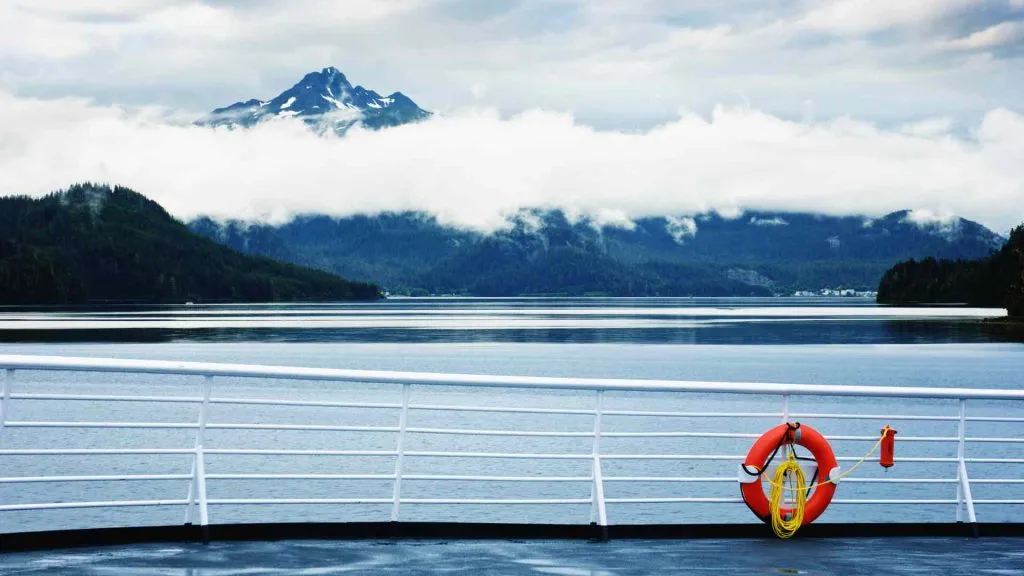
Travel Alaska describes May through September as the main Alaska cruise season, while noting that some lines add April or October departures. Its cruise planning guidance supports that broad pattern, but exact small-ship dates need live verification.
Early season
Early departures still require rain layers and vessel-specific checks for water, trail, and activity access. They do not guarantee fewer people, a particular ice condition, or specific emerging wildlife.
Midseason
Long daylight supports activity, but rain and mist remain possible in the Inside Passage. Popular departure dates may also reduce cabin choice.
Late season
Shorter daylight can change the rhythm, while some operators begin winding down their published Alaska programs. Aurora is possible only under darkness and clear sky, with stronger Alaska opportunities generally inland and farther north than cloudy Southeast cruise routes.
Route formats change the logistics
One current operator catalog includes round-trip Juneau or Seward, one-way Juneau to Sitka or Ketchikan, Seattle to Juneau, Gulf connections, and Aleutian routes. Treat that as a time-bound example and recheck every vessel, route, and date.
A one-way route may provide more geographic variety but adds flights, hotels, transfers, and luggage decisions. A round trip can simplify transport but should still be judged by actual cruising areas and activity days.


Do not assume Glacier Bay access
Glacier Bay manages vessel access through daily limits, authorizations, and rules that differ by vessel class. Large cruise-ship visitors generally remain aboard, but a smaller hull alone proves neither entry nor a landing, so verify the exact operating plan.
A phrase such as glacier day may refer to distant viewing, small-boat exploration, a landing elsewhere, or a route change. Ask the operator what guests usually do, what requires favorable conditions, and what the substitute might be.
Wildlife without false promises
Small groups can make guide communication easier, but they do not control animal location or behavior. Federal rules require vessels to keep appropriate distance from humpback whales and avoid disrupting them.
For bears, follow Alaska guidance: remain alert, make noise to avoid surprise, never approach, secure attractants, stay calm, group together, and do not run. An operator should explain how guides manage wildlife encounters before the first landing.


Sustainability needs evidence
A small hull is not proof of a smaller impact per passenger. Compare fuel and emissions information, wastewater practices, wildlife rules, local purchasing, community partnerships, group management, and third-party reporting.
Ask how the operator limits disturbance at landing sites and supports Indigenous communities without turning culture into decoration. Specific policies are more useful than eco-friendly branding.
Cabin questions worth asking
- Is the bed fixed, convertible, or accessed from one side?
- Does the window open, or is it a fixed pane?
- What sits beside, above, and below the cabin?
- How many stairs separate it from dining and embarkation areas?
- Is there space for wet gear and luggage?
- What bathroom thresholds and grab supports are present?
- How is temperature controlled?
The cruise cabin guide provides a broader checklist, but small-vessel deck plans and access routes deserve direct operator confirmation.


Price the complete expedition
Start with fare, taxes, transfers, flights, hotel nights, gratuities, drinks, gear, excursions, insurance, and expected onboard purchases. Then subtract the activities and equipment genuinely included.
A higher fare can represent better value when it includes daily guided outings you would otherwise buy. It can also hide expensive travel to a remote embarkation point, so compare the trip door to door.
Pack for small boats and wet weather
Use layered clothing, a waterproof shell, warm hat, gloves, secure footwear, sun protection, and a water-resistant day bag. Follow the operator's exact footwear and gear list because landing method changes what works.
Bring medication in hand luggage and carry enough for delays. Camera users need charging, dry storage, lens protection, and a safe way to keep both hands available during transfers.


Who should book a small ship?
Book when flexible days, guided outdoor activity, small groups, naturalist interpretation, and remote settings matter more than resort amenities. Accept that the plan may change and that cabins or public rooms can be compact.
Choose a larger ship when lifts, medical infrastructure, children's programs, entertainment choice, dining variety, or stable daily routines are central. Neither choice is a lesser Alaska experience.
Travelers considering a much longer combined voyage can use the back-to-back cruise guide, then verify whether the small-ship operator permits consecutive itineraries and how turnaround works.
Small-ship booking checklist
- Verify vessel, capacity, route, dates, and permit-dependent access.
- Read the daily activity and transfer requirements.
- Compare inclusions and exclusions in writing.
- Inspect cabin access, stairs, and noise sources.
- Confirm medical, evacuation, insurance, and connectivity plans.
- Review wildlife and sustainability policies.
- Price flights, hotels, transfers, and gear.
A good small-ship Alaska cruise matches the guest's body, budget, comfort threshold, and curiosity. Choose the exact vessel and operating plan, not the romantic promise attached to its size.


Ellie is the founder of Ellie's Travel Tips, where she shares practical cruise tips, port guides, and step-by-step itineraries to help you plan smarter trips for less. Her checklists and packing guides turn travel daydreams into doable plans.