
Watching your ship leave without you is the cruise nightmare everyone jokes about until it nearly happens to them. The good news is that the rules are knowable.
The bad news is that most of the cost lands on you.
My quick take
The single decision that changes your risk is who books the tour. A ship operated excursion comes with a promise, and an independent one does not.
That does not mean you should never book independently. It means you should build a much bigger time buffer when you do, and understand exactly what you are accepting.
I book independently in walkable ports and with the ship where the good stuff is two hours inland. Icy Strait Point is a stroll, and a drive into the Andes is not.


All aboard time is not departure time
Royal Caribbean is the one major line that publishes a number, stating that all aboard is generally scheduled approximately 30 minutes before sailing. It also tells you to verify the time once onboard, because it is posted near the gangway.
Other lines are vaguer, which is itself informative. Cunard simply says you will be told a time to be back on board, with no fixed gap stated.
Treat all aboard as a hard wall, not a suggestion. The gangway comes up on that schedule and the paperwork to sail starts before the ship physically moves.
Then there is ship time, which is the detail that actually catches people. Carnival tells guests to keep their watch set to ship's time, because your phone will happily update itself to local time in a port that is an hour off.
An hour is exactly enough to miss a ship while believing you are early. Set one device to ship time and do not negotiate with it.
What a ship-sponsored excursion actually guarantees
Royal Caribbean's language is the clearest in the industry. Its shore excursion FAQ says that when you book through Royal Caribbean, the line guarantees the ship will wait if your tour is delayed, and if it cannot wait, it will make all the arrangements to return you to the ship at no expense to you.
The same page is equally clear about the other side. The ship will not wait for any guest traveling on their own.
Carnival makes a similar assurance on its shore excursions page, saying your ship will be there when you return even if there are unexpected delays, and that if you make your own arrangements or leave an organized excursion, you are on your own.
Be aware of the gap between marketing language and contract language. Carnival's own excursion terms note that independent contractors operate all shore excursions and that Carnival assumes no responsibility for them.
Norwegian and Princess do not publish an equivalent wait or rescue promise in their excursion terms at all. Princess states it acts only as agent, which is a meaningfully weaker position.
So the practical hierarchy is: Royal Caribbean and Carnival state a clear promise, and other lines vary. Read your own line's page before you assume the ship will wait for anyone.

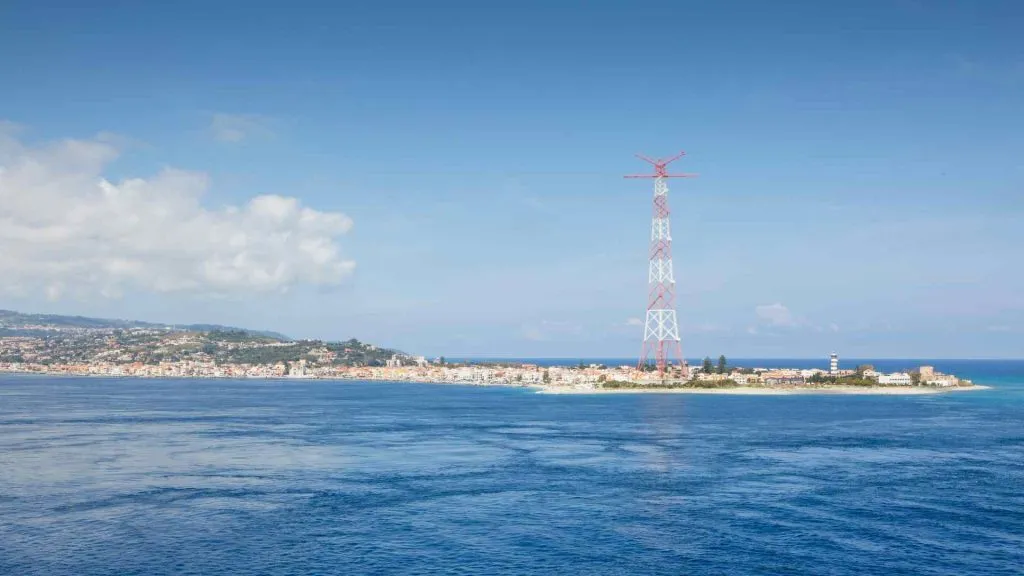
What actually happens if you miss it
The ship does not wait, and it does not come back. Cunard states the position plainly: it is not possible for a ship to wait for late guests, and you will need to meet your ship at the next port if that is possible, or make your way home.
Here is a frustrating honesty note. No cruise line publishes a detailed description of what the port agent does, how you will be contacted, or whether your luggage and passport are landed ashore or carried onward.
What is consistent is the advice to carry your passport and travel documents with you when you go ashore, which Cunard states directly. That single habit is what turns a disaster into an expensive inconvenience.
The port agent is the local representative whose contact details appear on your daily program and on the gangway sign. Photograph that sign at every port, because it is the one phone number that matters when this happens.
Belongings left in your cabin are handled under the passage contract, and those terms are not generous. Princess states that unclaimed property held more than 90 days is deemed abandoned.
Who pays, and how much
You do, and the contracts say so explicitly. Norwegian's guest ticket contract states the guest is fully responsible to pay for or indemnify the carrier from all expenses incurred to rejoin the vessel at the next port, including government fees or fines, visa fees, subsistence, lodging, air fare, launch fare, car hire or agency fees, with no refund.
Princess uses similar language, saying failure to make any sailing at any port is at your sole risk and expense, and that you are not entitled to any refund. Royal Caribbean tells guests they are responsible for any expense incurred to meet the ship at its next port of call, unless they hold the line's own travel protection.
Real world costs vary enormously with geography. Catching up within the Caribbean might be a same day flight and a hotel night, while catching up in Alaska or the Mediterranean can mean two flights and a border crossing.
Do call the line's emergency travel team, which Royal Caribbean specifically directs guests to. They cannot pay for it, but they can tell you where the ship will actually be.

The passport problem nobody thinks about
This is the part that turns an expensive day into a genuinely stuck one. The State Department's cruise ship page states that if you cannot return on the cruise ship and need to fly back to the United States for any reason, you will need a passport book.
A passport card does not solve this. State is explicit that the card is not valid for international travel by air, and covers only sea and land entry from Canada, Mexico, some Caribbean countries and Bermuda.
Now think about a closed loop cruise where you sailed on a birth certificate and a driver's license, which is legal. Miss the ship in a foreign port and you have no document that gets you on a plane home.
This is exactly why I keep saying to bring a passport book even when a closed loop sailing does not require one. My closed loop passport guide lays out where the exceptions apply and where they quietly fall apart.
There is a second layer too. Arriving by air in a country your cruise only visits by sea can trigger entry requirements you were never subject to as a cruise passenger, and those vary by country.
Where travel insurance helps, and where it does not
Most policies address this under missed connection or trip interruption benefits rather than under a heading called missing the ship. The limits are usually modest.
One widely sold plan pays between $500 and $1,500 for missed connection depending on tier, with a minimum three hour delay requirement. Another pays up to $750 for missed connections when a delay of three hours or more causes it.
Trip interruption is the larger benefit, often 100 to 150 percent of trip cost. That is the one that matters if you end up flying home instead of catching up.
Read the covered causes carefully. Benefits generally trigger on a covered reason such as a common carrier delay, and oversleeping or losing track of time is not one of them.
The blunt summary is that insurance protects you against the airline that made you late, not against the beach bar that made you late.
The PVSA fine that can land on your bill
The Passenger Vessel Services Act creates a penalty for improper foreign vessel transport between US ports. The statutory base is $300 per passenger, and the current inflation adjusted figure in the Code of Federal Regulations is $996.
The trigger is disembarking early at a different US port, regardless of the reason, rather than missing a foreign port. So this is about leaving the cruise, not about being late back from a beach.
The penalty is assessed against the vessel operator, but it does not stay there. Royal Caribbean's cruise ticket contract states the passenger agrees to pay any such fine or penalty imposed because the passenger failed to complete the entire voyage.
If a family emergency means you must leave a cruise early at a US port, call the line before you walk off. There are situations where they can handle it properly, and none of them start with disappearing.


How to not be that person
Keep one device on ship time and check it against the daily program every single port morning. This alone prevents the most common version of this story.
Photograph the gangway sign with the all aboard time and the port agent details. It takes three seconds and it is the only reference you will want if things go wrong.
Build your return buffer around the tour's stated end time plus traffic, not around the all aboard time. If a tour ends 45 minutes before all aboard and involves a highway, that is not a buffer.
Tender ports need more margin than docked ports, because you are dependent on a boat queue you do not control. My guide to tender ports covers how the queue actually works and why the last tender is not the one to aim for.
Carry your passport, a charged phone, a payment card and any essential medication ashore, which is the same short list I use in my general cruise travel tips. Everything else can be replaced.
Finally, do not stack an ambitious independent tour onto a short port call. My port day planning guide and the first time cruise tips collection both push the same principle: match the ambition of the day to the hours you actually have.
Quick answers
Will the ship wait for me?
Only on a line operated excursion. Royal Caribbean guarantees it for its own tours and says the ship will not wait for independent guests.
Who pays to get me to the next port?
You do. Norwegian and Princess contracts make the guest responsible for airfare, lodging, visas and agency fees, with no refund.
How long before departure is all aboard?
Royal Caribbean says approximately 30 minutes. Verify the posted time at the gangway, because it varies by port and sailing.
Do I need a passport if I miss the ship?
To fly home, yes. The State Department says you need a passport book, and a passport card is not valid for air travel.
Does travel insurance cover missing the ship?
Sometimes, under missed connection or trip interruption benefits with a covered cause. Being late on your own is usually not covered.
What is the fine for leaving a cruise early?
The PVSA penalty is currently $996 per passenger. Royal Caribbean's contract passes it to the guest who did not complete the voyage.
The last word
Missing the ship is rare, and it is almost always the result of a small time decision made hours earlier. Ship time, a photographed gangway sign, and a realistic buffer prevent nearly all of it.
Carry your passport ashore even when the rules say you do not have to. It costs you nothing on the 99 days it does not matter, and it is everything on the one day it does.

Ellie Simons is an engineer by background who has been cruising since her first Disney Magic sailing at age eight. She has sailed the Panama Canal and the Pacific coast of South America, plus Alaska, and researches every guide from official deck plans and port authority sources. She also runs Cruise Ports, a reference library of more than 1,000 ocean and river port guides.