
Boston to Bermuda Cruises: Gateway and Port Planning
A Boston-to-Bermuda cruise begins with a gateway plan, not a fictional eight-day template. Confirm the current sailing, follow Flynn Cruiseport instructions, identify the real Bermuda berth, and connect every transfer and island day to the booked dates.
Confirm that the sailing exists
Search the cruise operator for the exact departure date, ship, itinerary, cabin, and return. A route offered in a prior year does not prove that Boston service, the same ship, or the same Bermuda pattern is currently available.
Save the booking record and note when final documents are expected. Recheck after itinerary notices because a departure, arrival point, call duration, or ship can change.
Read the itinerary literally
List each day using the operator's labels: Boston departure, sea day, named Bermuda berth or call, overnight status, final departure, and Boston arrival. Do not insert Hamilton or Saint George's as separate ship calls unless the itinerary actually lists them.
Many visitors travel to those places after docking elsewhere. Island destinations and ship berths are different facts, and confusing them breaks timing, transport, and accessibility plans.
Use Flynn Cruiseport as the gateway
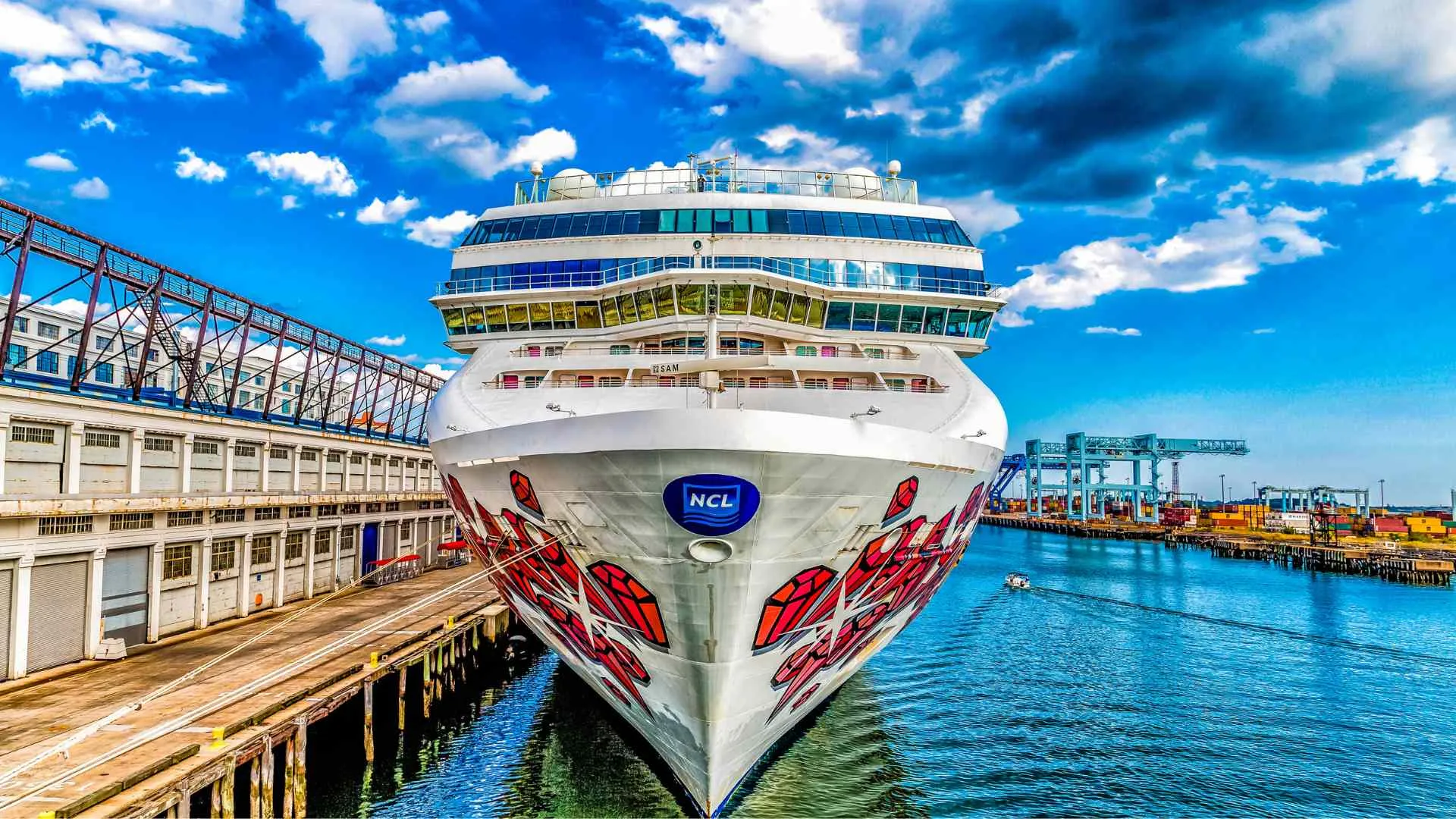
Massport's Flynn Cruiseport page identifies the official Boston cruise facility. The cruise line's current documents should still control the terminal entrance, arrival window, identification, security, baggage handoff, accessibility, and boarding steps.
Do not rely on an old terminal photograph or third-party map pin. Construction, event traffic, curb controls, and operating procedures can change how the facility is reached.
Choose an arrival method by dependencies
Compare driving, parking, rail, public transit, taxi, rideshare, private transfer, and a pre-cruise hotel by number of connections, luggage handling, mobility, operating hours, disruption exposure, and cancellation flexibility. No single mode works best for every traveler.
Record a primary and fallback route without publishing a fixed travel time or fare. Traffic, service changes, weather, and demand can make an old estimate unusable.
Handle parking as a current booking
Massport currently lists cruise parking at 93 Fargo Street, but location alone does not establish price, space, hours, shuttle, walking route, payment method, or accessibility. Confirm those details for the departure date before driving into the Seaport.
Keep the vehicle's return access, keys, luggage transfer, and post-cruise exit in the plan. A parking space is not useful if the traveler cannot manage the route between it and the required terminal point.
Protect the embarkation core
Keep required documents, prescribed medicine, essential medical and accessibility equipment, valuables, communication, and other high-consequence items under the traveler's control within provider rules. Portered luggage may be handled separately.
Add one practical change or early-use item only after the core fits. Do not promise a cabin access or luggage-delivery time from another line or sailing.
Build an arrival buffer without a magic number
Work backward from the operator's required arrival and check-in window through terminal access, city transport, hotel checkout, rail or flight arrival, baggage collection, and possible disruption. The useful margin depends on the complete chain.
A fixed recommendation can be too short for one traveler and wasteful for another. Use changeable reservations where practical and avoid placing the only feasible arrival immediately before embarkation.
Verify the Bermuda call independently
Bermuda's official cruise schedule helps confirm the current ship, date, and published arrival point. Compare it with the operator itinerary and recheck because marine operations can alter a berth or call.
King's Wharf and Heritage Wharf are at Royal Naval Dockyard, while Hamilton and Saint George's can be separate calls for suitable ships. The exact record decides whether a place is a berth or a day-trip destination.
Plan island transport from the berth
Once the arrival point is known, map the gangway, ferry, bus, taxi, walk, attraction, restroom, and return segments. A beautiful island route can still be impractical when one inaccessible or infrequent connection controls the day.
The government's 2026 summer ferry announcement included direct Dockyard-to-Saint George's service Monday through Saturday, weather permitting. Treat that as dated information and check the current timetable and notices.
Separate overnight time from final-day time
An overnight may support an evening ashore or early second-day start when the ship and transport allow it. Confirm gangway access, service hours, personal comfort, and a reliable return rather than assuming the island operates around the ship.
The final day has a firm departure sequence and usually needs a shorter geographic plan. Reconfirm ship time and all-aboard instead of copying the prior day's return behavior.
Use a Boston-specific packing module
Pack for the complete chain from home through Boston, Atlantic sea days, Bermuda activities, the return crossing, and the trip home. Include flexible layers and familiar footwear without predicting exact weather.
The step-by-step cruise packing system covers bag roles and rule checks. This gateway guide should not become another enormous product list.
Keep the Triangle story optional
A Boston-to-Bermuda route may cross waters included in a popular Bermuda Triangle depiction, but no official boundary defines the area. That label does not change the itinerary into a supernatural or specially regulated cruise.
Use the Bermuda Triangle fact-versus-myth guide for that cultural question. Use the ship, port, weather, and destination sources for operational decisions.
Compare the complete price
Start with the same cabin basis and date, then add taxes, fees, transport to Boston, hotel if used, parking, baggage, insurance if chosen, onboard purchases, island transport, activities, and return costs. Save cancellation and change terms beside each number.
Do not quote an old fare range as a current deal. Availability, cabin category, occupancy, promotions, and included services can change the comparison.
Verify ship services separately
Dining, dress guidance, youth programs, pools, entertainment, laundry, Wi-Fi, drinks, medical capability, accessibility, and gratuities belong to the exact ship and fare. A Boston departure creates no universal onboard package.
Ask specific questions using ship, date, cabin, venue, traveler, and equipment details. Keep important confirmations rather than relying on a broad sales label.
Build accessibility through both ports
Check home transport, Boston curb, terminal, security, gangway, cabin route, evacuation information, Bermuda gangway, local transport, attraction, restroom, and return. A wheelchair-accessible terminal does not establish an accessible island day.
Confirm mobility-device dimensions, battery, transfer assistance, seating, service animal, sensory support, and personal-care boundaries directly. Create a reduced-dependency fallback near the berth.
Keep documents traveler-specific
Requirements depend on nationality, residence, age, name, itinerary, transit, emergency air return, and carrier rules. A document accepted on one closed-loop journey may not answer this sailing.
Verify each traveler with current authorities and the cruise line. Keep required originals accessible and protect backups without treating a photocopy or phone image as automatic replacement.
Plan medical needs for time at sea
Discuss personal fitness, medication, motion sensitivity, storage, refrigeration, equipment, and emergency planning with appropriate professionals and the cruise line. Shipboard services and evacuation constraints vary.
Do not rely on a generic remedy or promise that the Atlantic will be calm. The relevant plan accounts for the traveler's condition, exact ship, route, and time away from shore care.
Use one island priority per fragile chain
Choose the Bermuda experience that matters most, then count each transport, ticket, weather, access, and timing dependency. Add a nearby substitute rather than stacking several distant commitments.
The Great Lakes cruise guide offers another example of route-dependent planning. Its ports and conditions do not transfer to Bermuda, but the discipline of reading the actual itinerary does.
Prepare for Boston disembarkation
Review the operator's baggage, customs, meeting, assistance, and departure instructions. Connect the expected process to parking, pickup, rail, flight, hotel, or home transport without a fixed exit-time promise.
A delayed clearance or changed berth can affect the next reservation. Flexible arrangements and a written fallback are more useful than an optimistic minute-by-minute schedule.
Final Boston-to-Bermuda worksheet
Record ship, sailing date, terminal instruction, arrival method, fallback, baggage roles, required documents, Bermuda berth, overnight status, all-aboard, island priority, transport checks, accessibility chain, full cost, and return plan. Date every volatile confirmation.
This worksheet keeps the article's purpose narrow. It helps a traveler use Boston as a gateway without inventing a fixed cruise product or duplicating a full Bermuda destination guide.
Separate gateway costs from island costs
Build two budget columns. The Boston column can include transport to the city, lodging, terminal transfer, meals, baggage handling, and parking if applicable, while the Bermuda column covers island transport, reservations, food, and flexible alternatives.
This separation makes headline fares easier to compare because a traveler can see which expenses result from the gateway and which belong to the destination. Add cancellation terms and currency notes instead of copying a sample price that may not apply.
Plan the return through Boston
Disembarkation time is not the same as the moment a traveler can board a flight, train, or car. Customs or immigration, baggage collection, terminal exit, traffic, and carrier rules can affect the chain.
Check the cruise line's latest disembarkation guidance and the terms of the onward ticket. A single recommended connection time cannot account for every ship, terminal, traveler, or separate booking.
Keep the two guides distinct
Use this page to choose and manage Boston as the departure gateway. Use the broader Bermuda guide for berth-specific island days, ferry and bus dependencies, overnight planning, and destination fallbacks.
That division prevents the same generic itinerary from appearing in both places. It also lets a traveler update one transport module without rebuilding the entire vacation plan.







Ellie is the founder of Ellie's Travel Tips, where she shares practical cruise tips, port guides, and step-by-step itineraries to help you plan smarter trips for less. Her checklists and packing guides turn travel daydreams into doable plans.