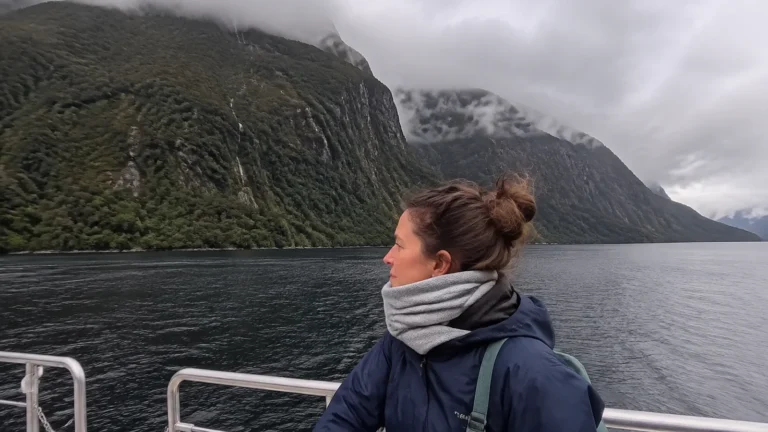
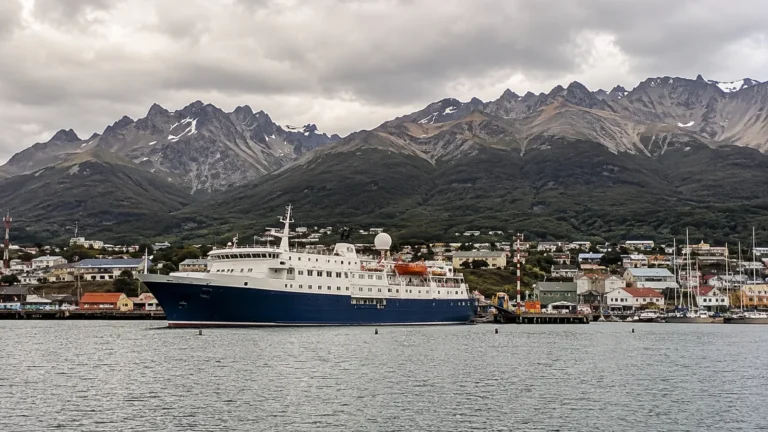
14 Best Cruise Destinations for Every Travel Style
The best cruise destination is the region where the ship adds real value. It might carry you through Alaskan glacier country, wake you beside a Mediterranean old town, or connect Caribbean islands that would be awkward and expensive to combine by air.
How to choose a cruise destination
This guide compares whole cruise regions rather than individual ports. Choose by season, travel time, scenery, sea days, and what you want to do ashore, then find the itinerary that delivers that version of the destination.
Start with the experience, not the cruise line. Write down whether you want wildlife, beaches, food, history, dramatic sailing, warm weather, or a ship-focused break.
Next, compare the route rather than the region name. Two “Mediterranean” cruises can share no ports, while two Alaska sailings may differ in glacier-viewing days, port hours, and whether they begin or end far from the airport.
Check these five things before falling for a fare:
- Season: Is this the comfortable, wildlife-rich, rainy, storm-prone, or closed period?
- Port hours: Does the call leave enough time for the experience you want?
- Dock or tender: Can weather or queues shorten the day?
- Gateway cost: What do flights, hotels, transfers, and open-jaw tickets add?
- Ship fit: Will you enjoy the vessel during sea days and bad weather?
Our list of the best individual cruise ports by port-day style is the next step once you narrow the region. This page stays at the destination and itinerary level.
1. Alaska for glaciers, wildlife, and scenery
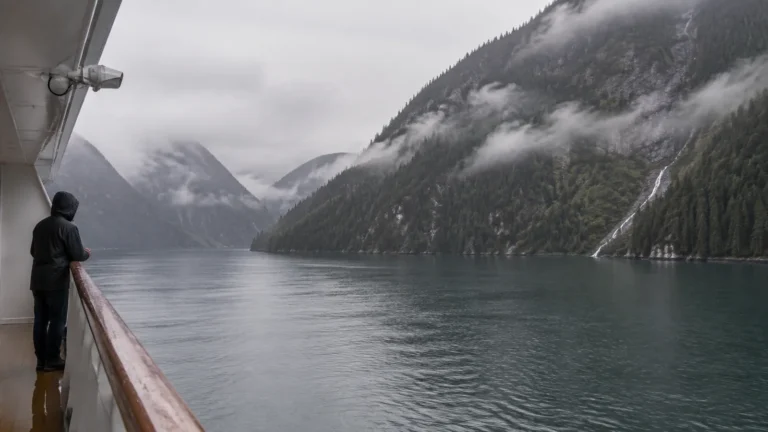
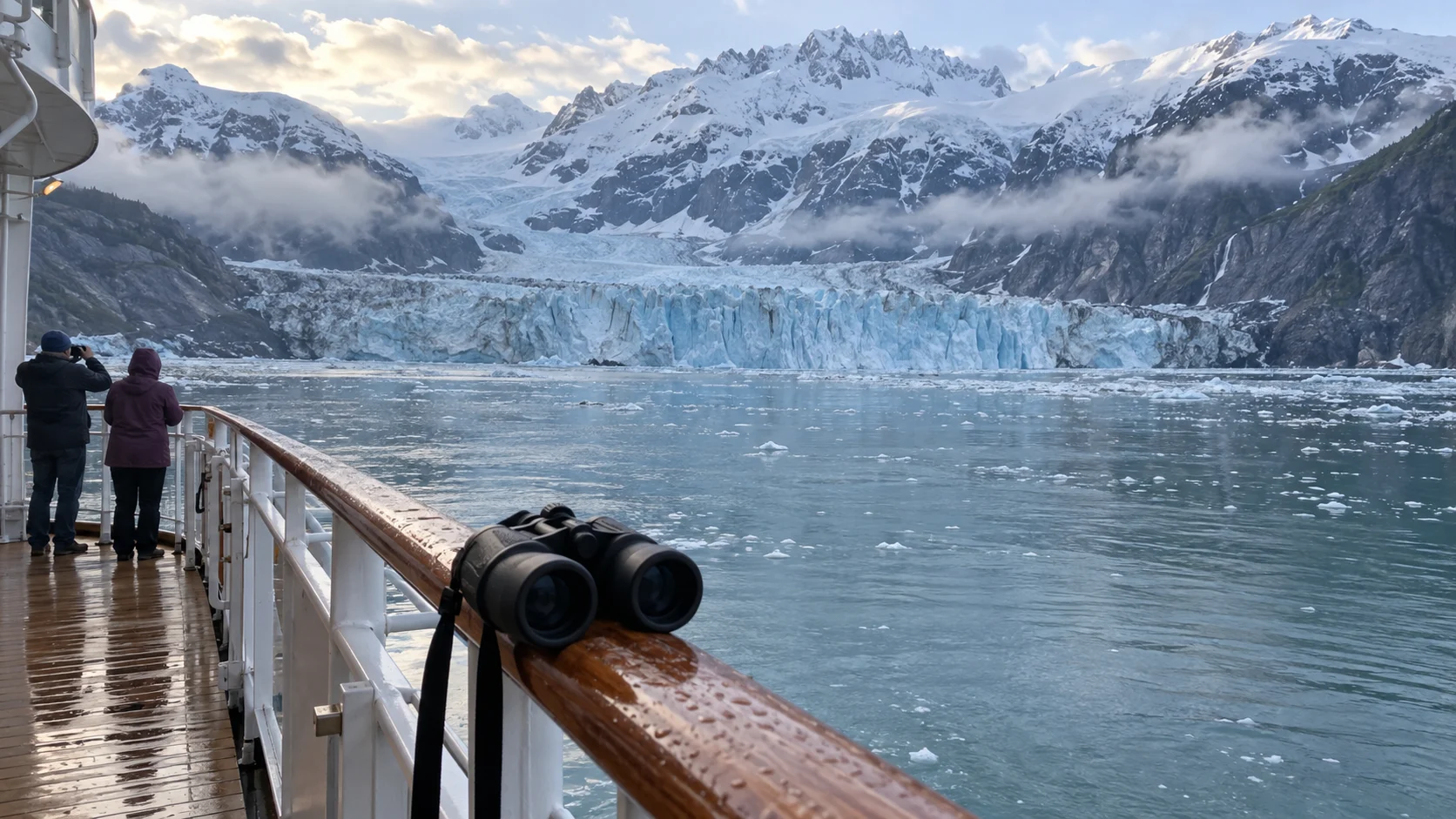
Alaska is one of the clearest examples of cruising making sense. The ship moves through protected waterways and glacier country while connecting coastal communities that are not linked by ordinary road trips.
Compare round-trip Inside Passage routes with one-way Gulf itineraries. Round trips can simplify flights, while one-way sailings make it easier to add Southcentral or Interior Alaska by rail, coach, or independent travel.
Do not assume every itinerary visits the same glacier area. Glacier Bay, Hubbard Glacier, College Fjord, and Tracy Arm are different experiences, and weather or ice can alter scenic sailing.
The state’s official travel site says the main cruise season generally runs May through September, with some shoulder sailings outside that window. Its Alaska cruise-planning overview helps compare timing and route styles.
Best for: First-time cruisers who care more about scenery and ports than swimming pools.
2. Norwegian fjords for spectacular sailing days
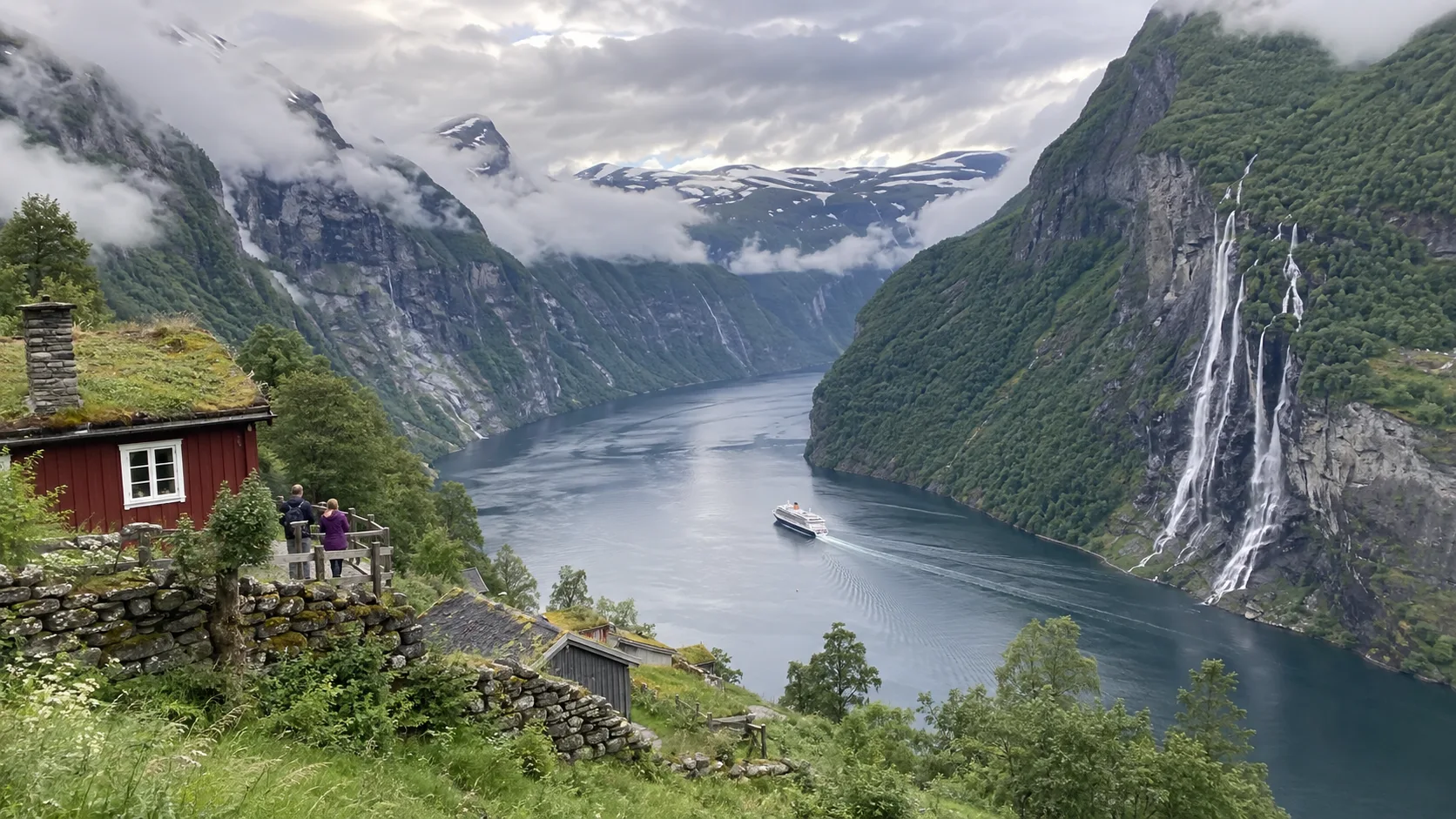
A Norwegian fjords cruise can bring waterfalls, steep green walls, compact harbor towns, and long summer light into the same week. The best moments may happen from the open deck before breakfast rather than on a formal excursion.
Look beyond “Norway” and identify the actual fjords and ports. Bergen, Flåm, Geiranger, Olden, Ålesund, Stavanger, and northern routes offer different landscapes and transport options.
Weather changes quickly, and early or late season can limit mountain roads and activities. Pack layers and choose at least one port that remains satisfying in rain.
Best for: Cool-weather scenery, photographers, and travelers who want the ship’s route to be part of the attraction.
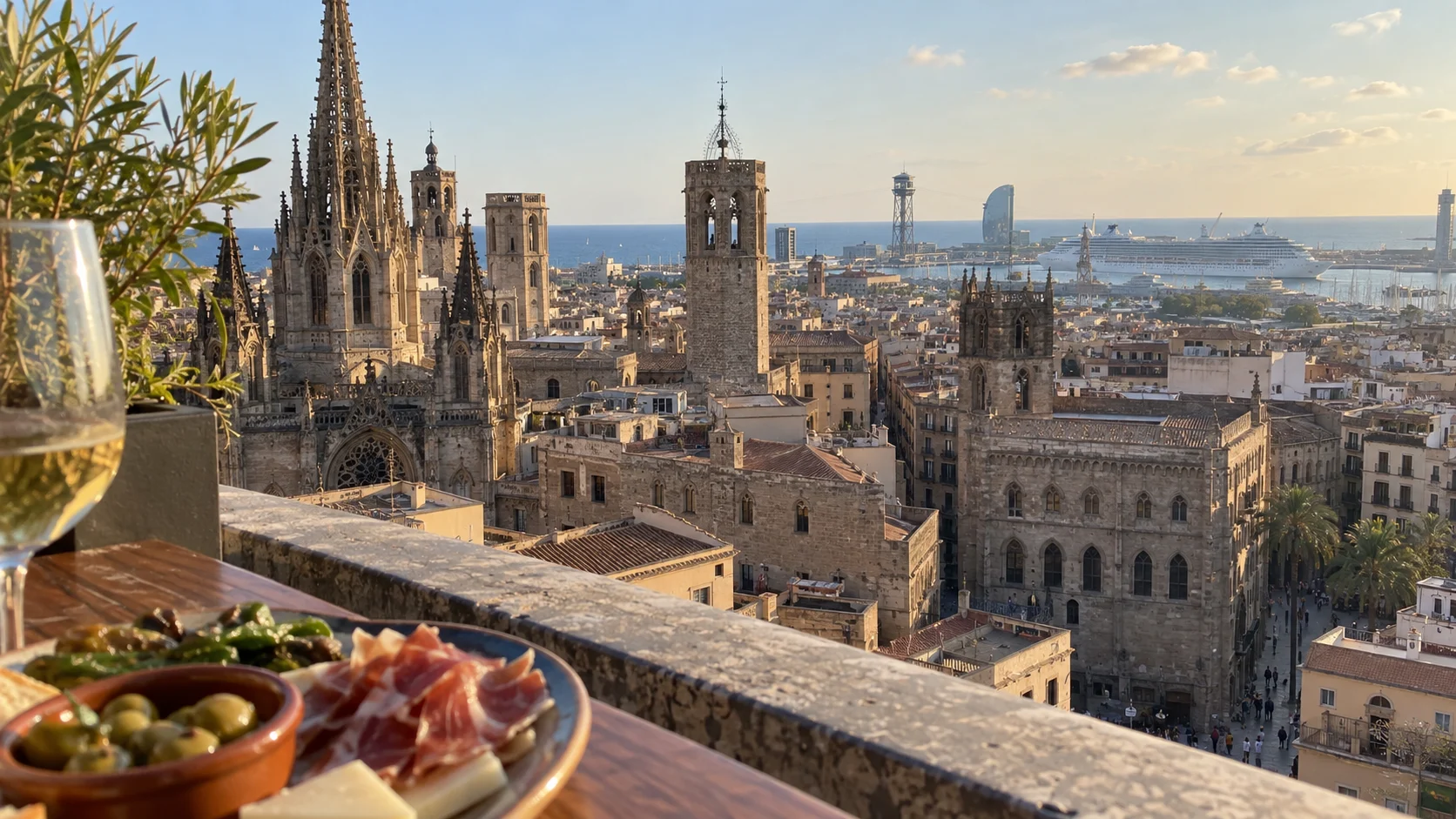
3. Western Mediterranean for art, food, and history
Western Mediterranean itineraries often connect Spain, France, and Italy, sometimes adding Malta or North Africa. This is a wonderful first European cruise because each day can feel completely different.
The tradeoff is distance between port and headline city. Rome is reached from Civitavecchia, Florence is commonly approached from Livorno or La Spezia, and rushed transportation can dominate a short call.
Choose fewer bucket-list transfers and more ports where you can enjoy the place near the ship. Barcelona, Palma, Valletta, Naples, and Marseille all reward a focused plan, but berth and terminal still matter.
Best for: Travelers who enjoy early mornings, intensive sightseeing, and a different cuisine every day.
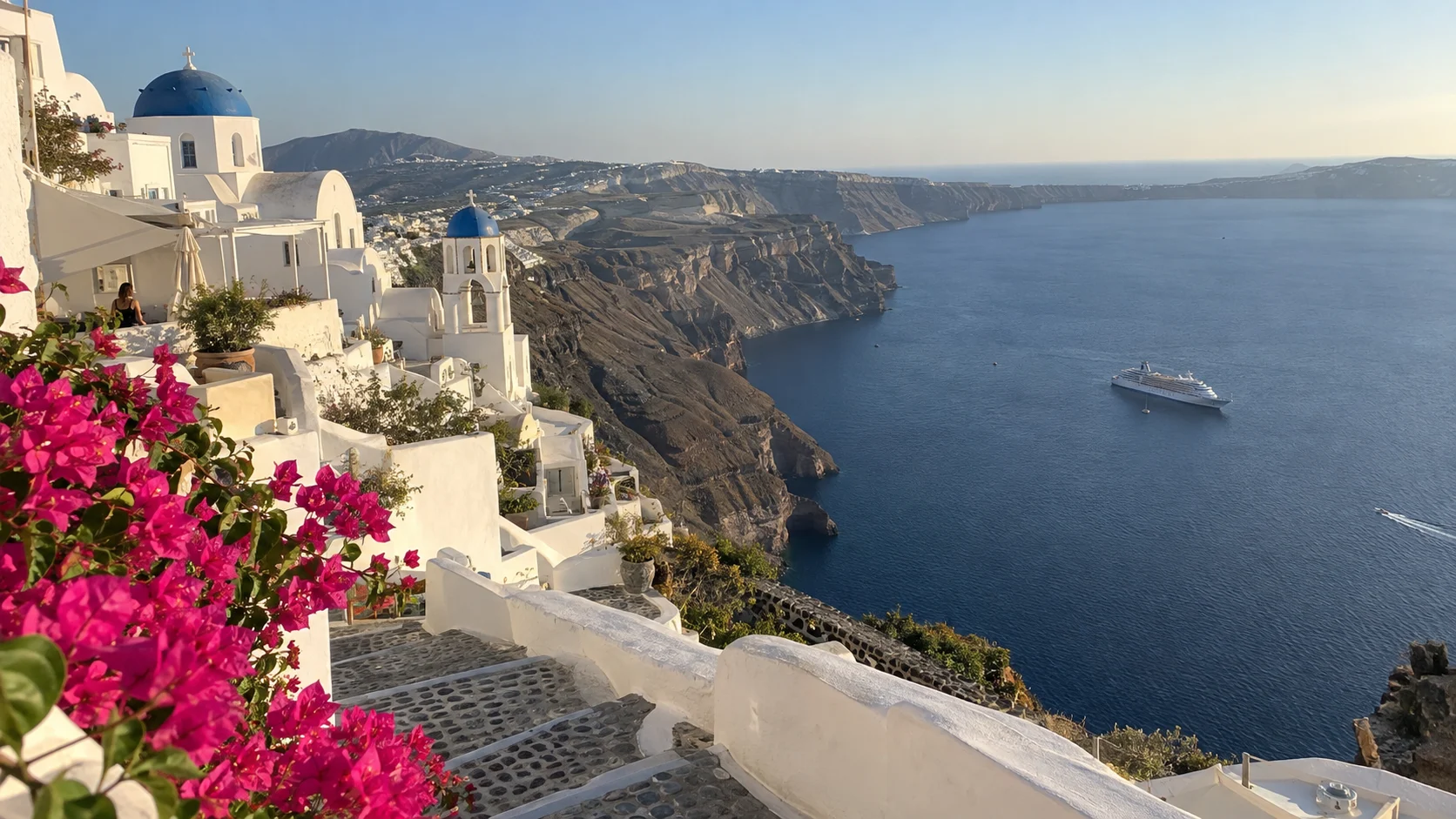
4. Greek Isles and the Adriatic for island beauty
Greek Isles and Adriatic routes can combine whitewashed villages, ancient ruins, blue water, and walled cities. Athens, Santorini, Mykonos, Corfu, Kotor, Split, and Dubrovnik are common anchors, but no sailing includes everything.
Tendering, summer heat, steps, and simultaneous ship calls can turn famous ports into logistical puzzles. A smaller island or overnight call may add more pleasure than another name everyone recognizes.
May, early June, September, and October can offer a different balance of heat and crowds than peak summer, although weather and service are never guaranteed. Check ferry and attraction seasons if you plan independent side trips.
Best for: Couples, island collectors, swimmers, and travelers who can handle uneven historic streets.
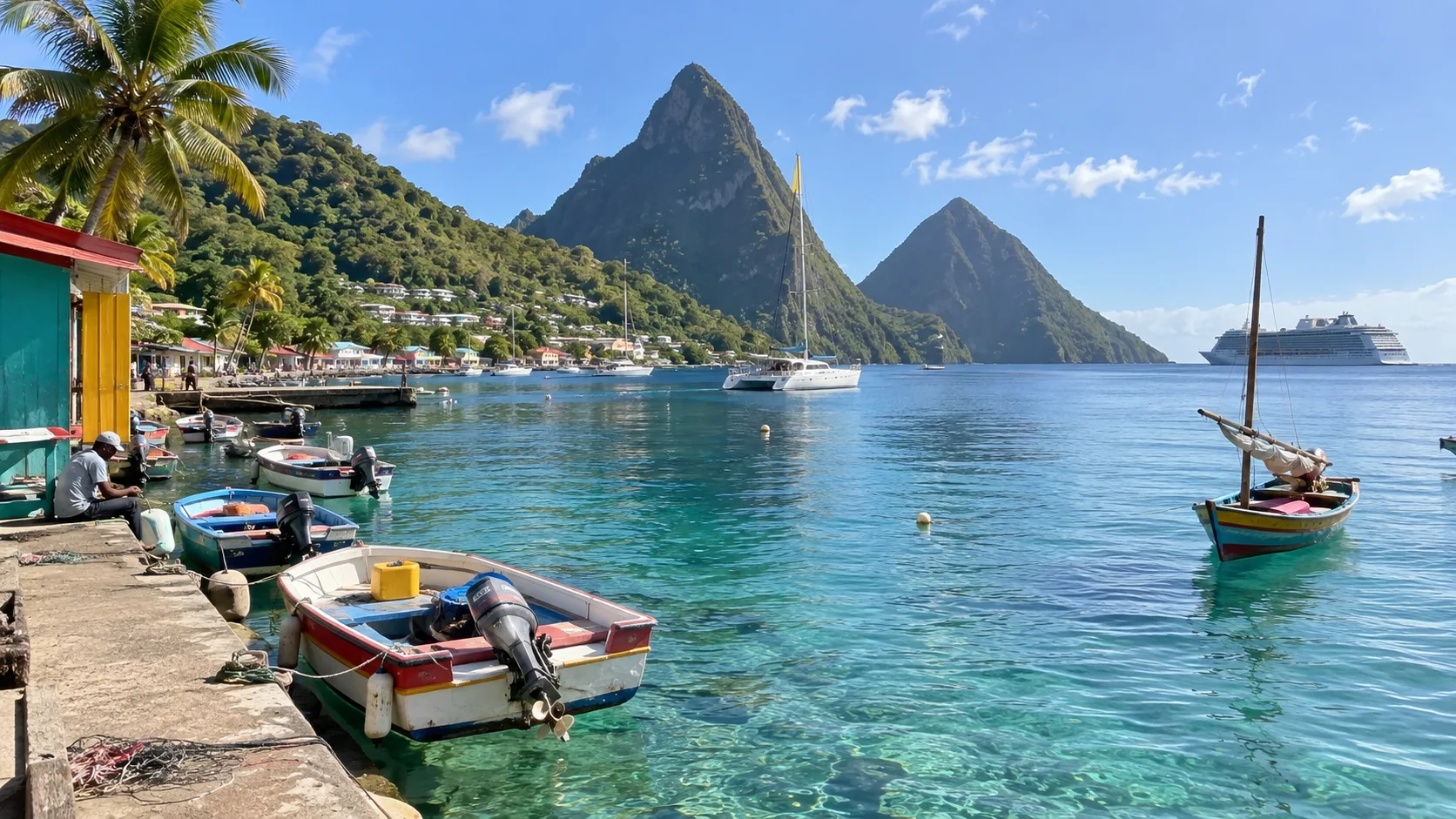
5. Caribbean for warmth and easy variety
The Caribbean is not one interchangeable destination. Eastern, Western, and Southern routes differ in flight access, sea-day rhythm, languages, landscapes, and the kinds of port days they support.
Eastern routes often emphasize beaches and island scenery, while Western itineraries may add reefs, Maya sites, and longer mainland transfers. Southern routes can reach distinctive islands but may require flying to Puerto Rico or another regional gateway.
Hurricane season and tropical weather require flexible expectations. Insurance terms, flight buffers, and willingness to accept itinerary changes matter more than a promise of perfect sun.
Best for: First cruises, winter warmth, beaches, and groups with different activity levels.
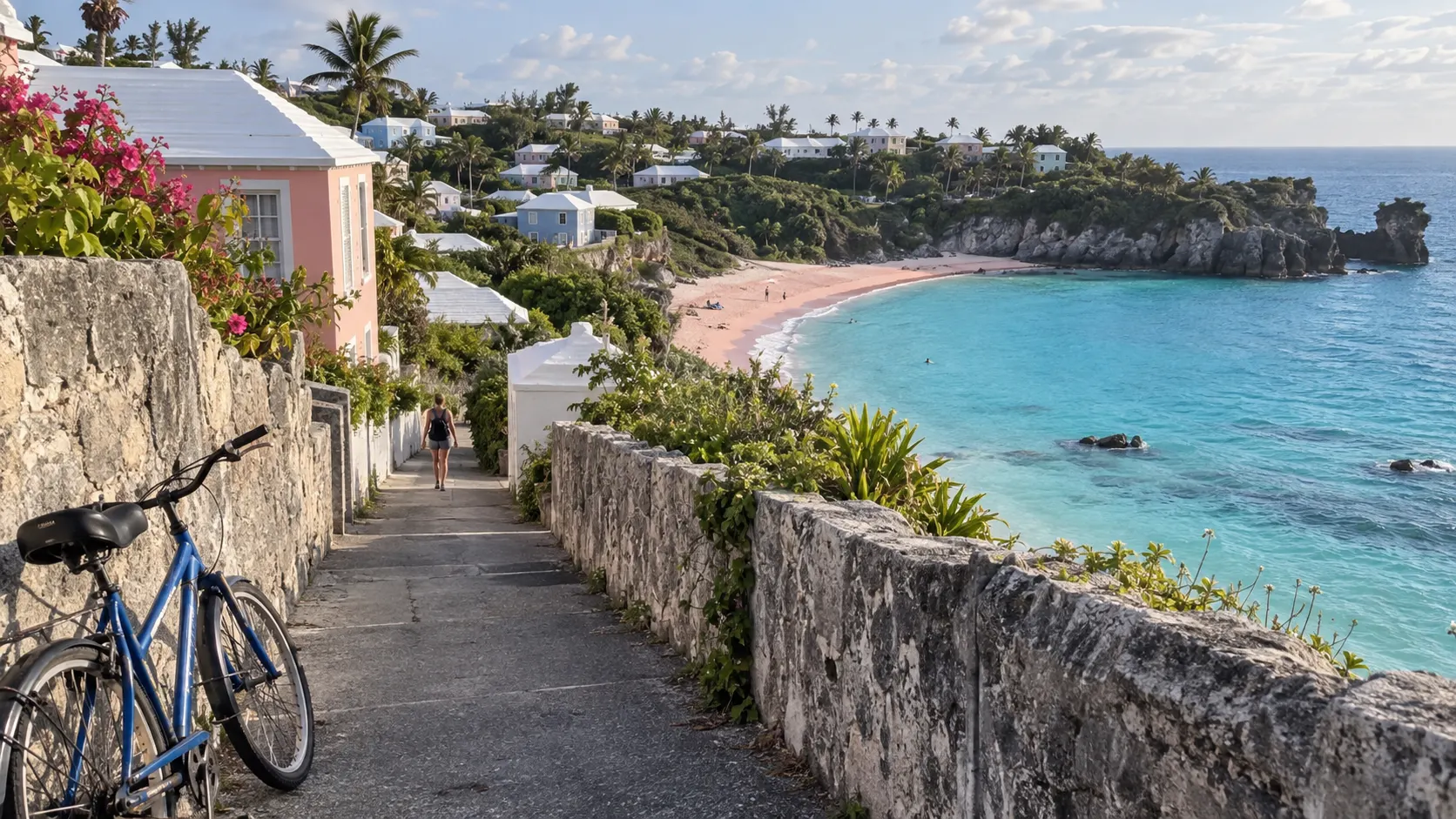
6. Bermuda for a slower island cruise
Bermuda cruises often stay for multiple days, letting the ship function more like a floating hotel. That creates time for beaches, Hamilton, Saint George’s, museums, and public transit without a new all-aboard countdown every afternoon.
Many ships berth at Royal Naval Dockyard, so the cruise terminal is not the same thing as downtown Hamilton. Seasonal ferry and bus schedules shape how much island travel is realistic.
Our Bermuda itinerary and logistics guide explains the route in much more detail.
Best for: Couples, multigenerational groups, and travelers who prefer depth over a new island each morning.
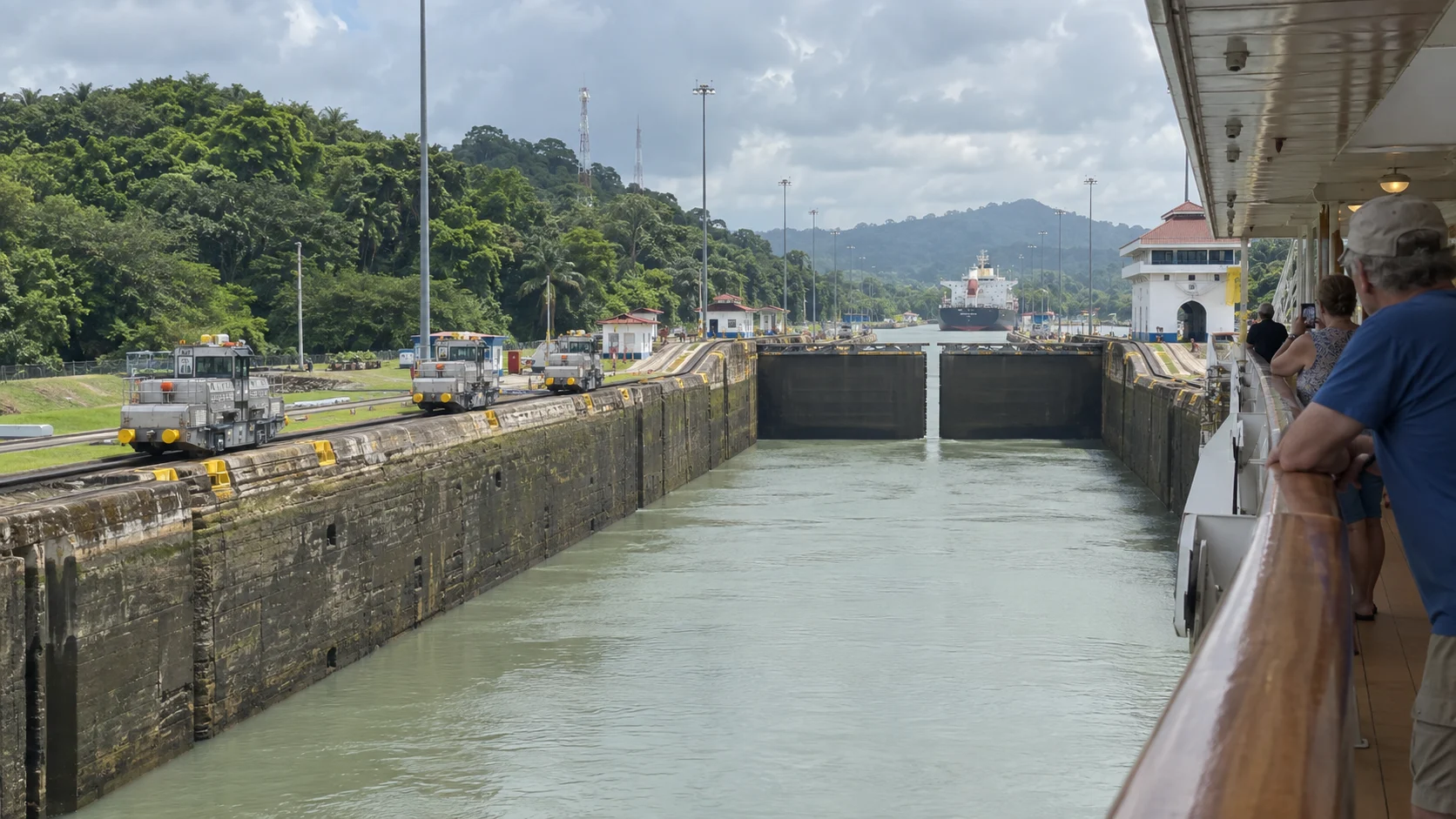
7. Panama Canal for engineering and transit days
A Panama Canal cruise turns infrastructure into the main event. Watching locks, water levels, tugs, bridges, and ship operations unfold over hours is completely different from checking a landmark off during a port call.
Understand whether the itinerary offers a full transit, partial transit, or a port visit marketed with canal language. Those experiences differ in duration, scenery, flights, and whether the voyage ends in another city.
Our Panama Canal cruise guide helps separate those route types before you book.
Best for: Engineering fans, patient observers, and travelers who enjoy long scenic days onboard.
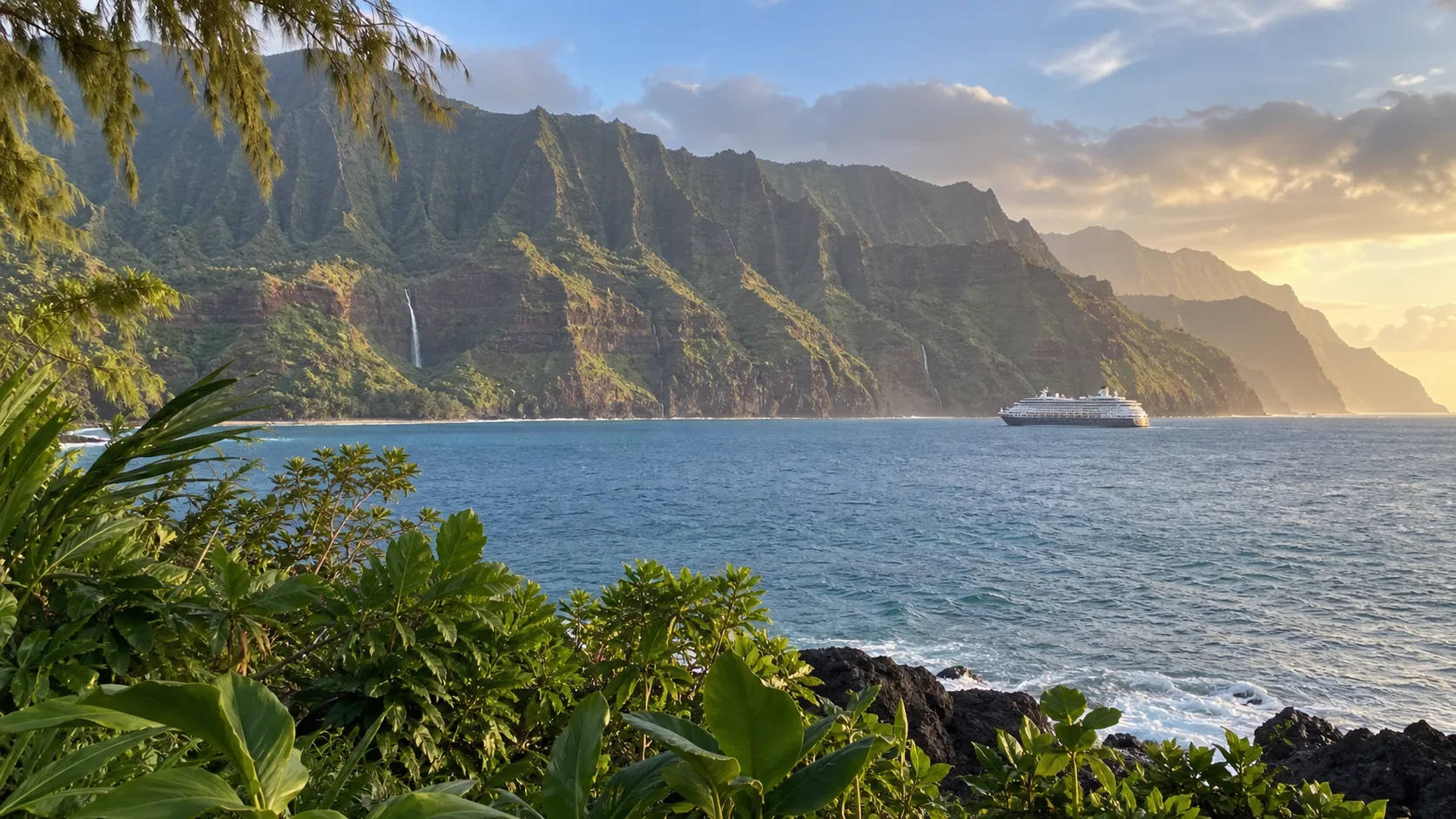
8. Hawai‘i for island-hopping with fewer flights
A Hawai‘i cruise can connect several islands without repeated airport days and hotel changes. It suits travelers who value a sampler and accept that a port call cannot replace a full land stay.
Round-trip West Coast cruises include many sea days, while island-focused itineraries require a flight to Hawai‘i but provide more time around the islands. International registry and routing rules also shape which ports appear.
Treat cultural sites and natural areas with respect, follow local access rules, and support locally owned businesses where possible. Do not reduce Hawai‘i to interchangeable beaches.
Best for: Travelers who enjoy sea days or want a first look at multiple islands.
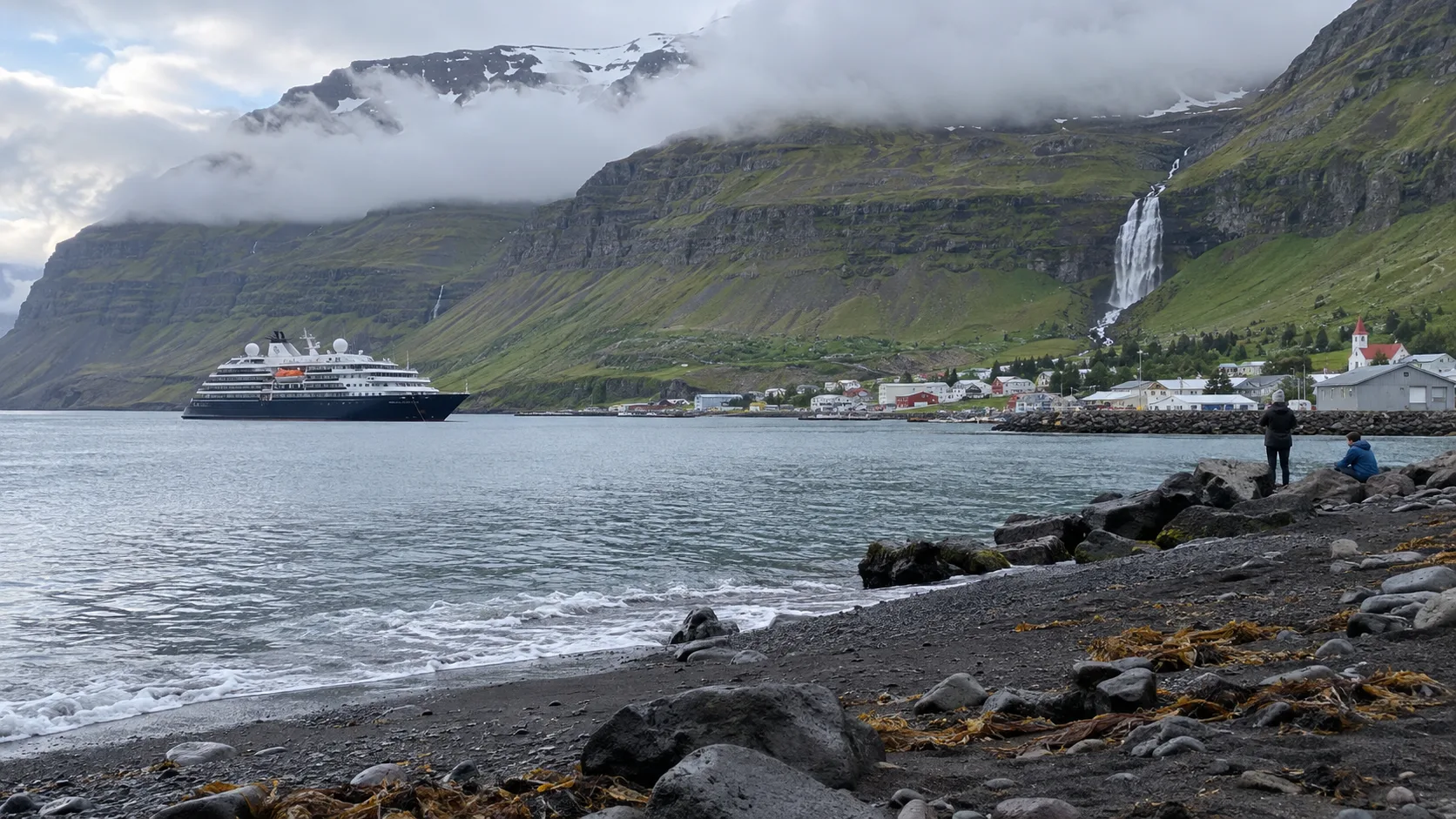
9. Iceland for waterfalls and volcanic landscapes
Iceland cruises offer waterfalls, lava landscapes, geothermal areas, cliffs, and long summer daylight. Circumnavigation-style routes can reach regions that many short land trips skip.
Weather, wind, tendering, and long drives make itinerary design important. Reykjavík alone does not represent the whole country, and one distant Golden Circle tour should not consume every Iceland call.
Pack waterproof layers and keep expectations flexible. Northern lights are not a sensible summer-cruise promise because the brightest months bring very short or absent darkness.
Best for: Geology, cool weather, landscape photography, and repeat Europe travelers.
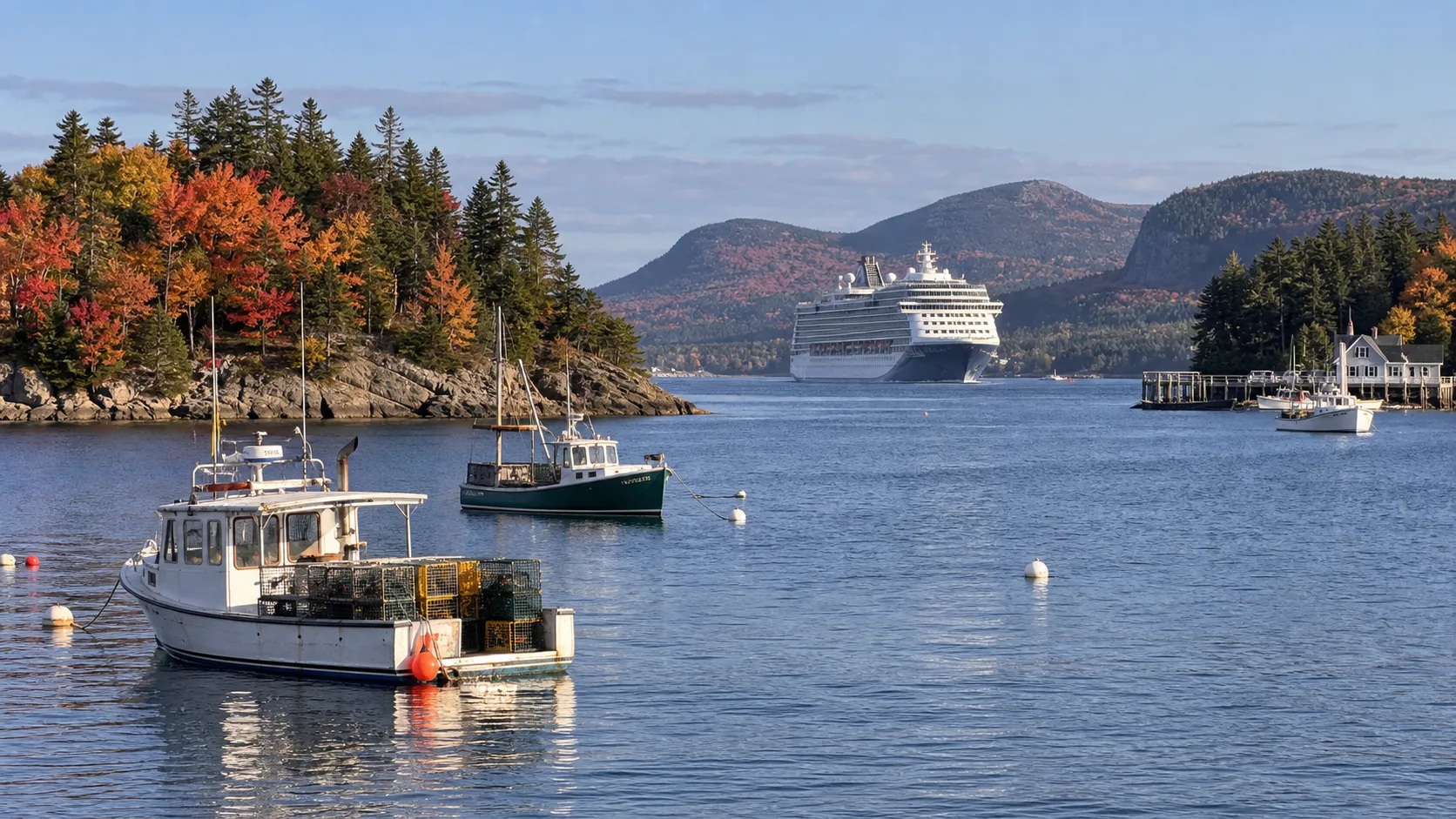
10. New England and Canada for accessible fall cruising
New England and eastern Canada routes mix coastal cities, seafood, maritime history, and seasonal landscapes. Embarkations from New York, Boston, Québec City, or Montréal can reduce flight complexity for some American travelers.
Fall color timing varies by latitude, elevation, temperature, storms, and year. Choose the route because you want the ports, not because a brochure guarantees peak foliage on a particular Tuesday.
Some itineraries include tender ports and cool, wet days. A good rain layer and a satisfying town plan matter as much as a scenic drive.
Best for: Food, history, cooler weather, and travelers who can reach an East Coast homeport easily.
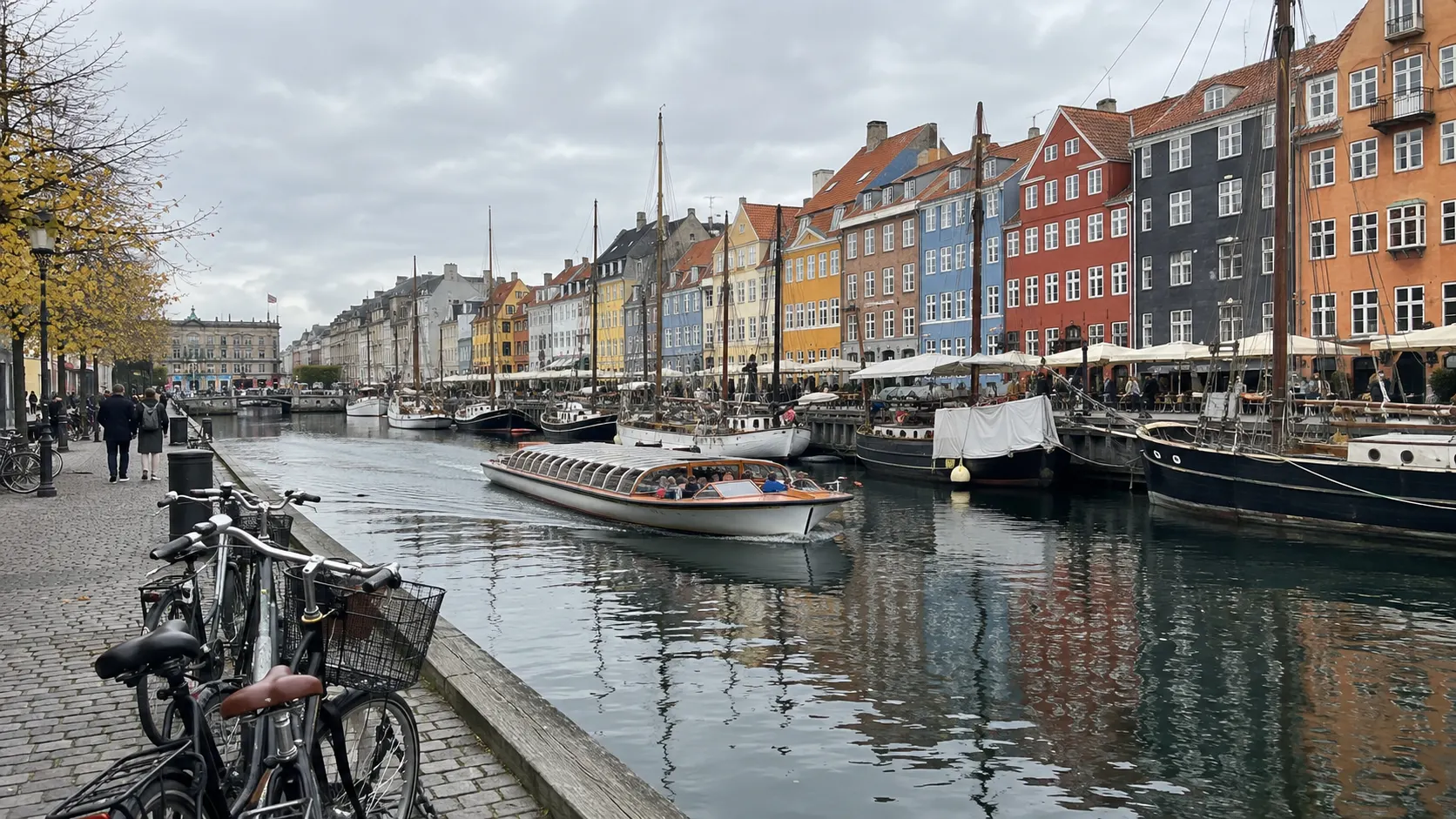
11. Northern Europe and the Baltic for capitals
Northern Europe cruises can connect Copenhagen, Stockholm, Helsinki, Tallinn, and other Baltic or North Sea cities without repeated flights. Long daylight supports full port days, while sea days create recovery time between museums.
Itineraries and regional security conditions change, so an old list of ports may be badly outdated. Check the exact route, government guidance, and cancellation terms before choosing a sailing for one particular city.
Berths can sit well outside historic centers, and some lines use broad destination labels. Map each port independently before counting the itinerary as an easy city sampler.
Best for: Museums, architecture, design, and travelers who prefer cities to beaches.
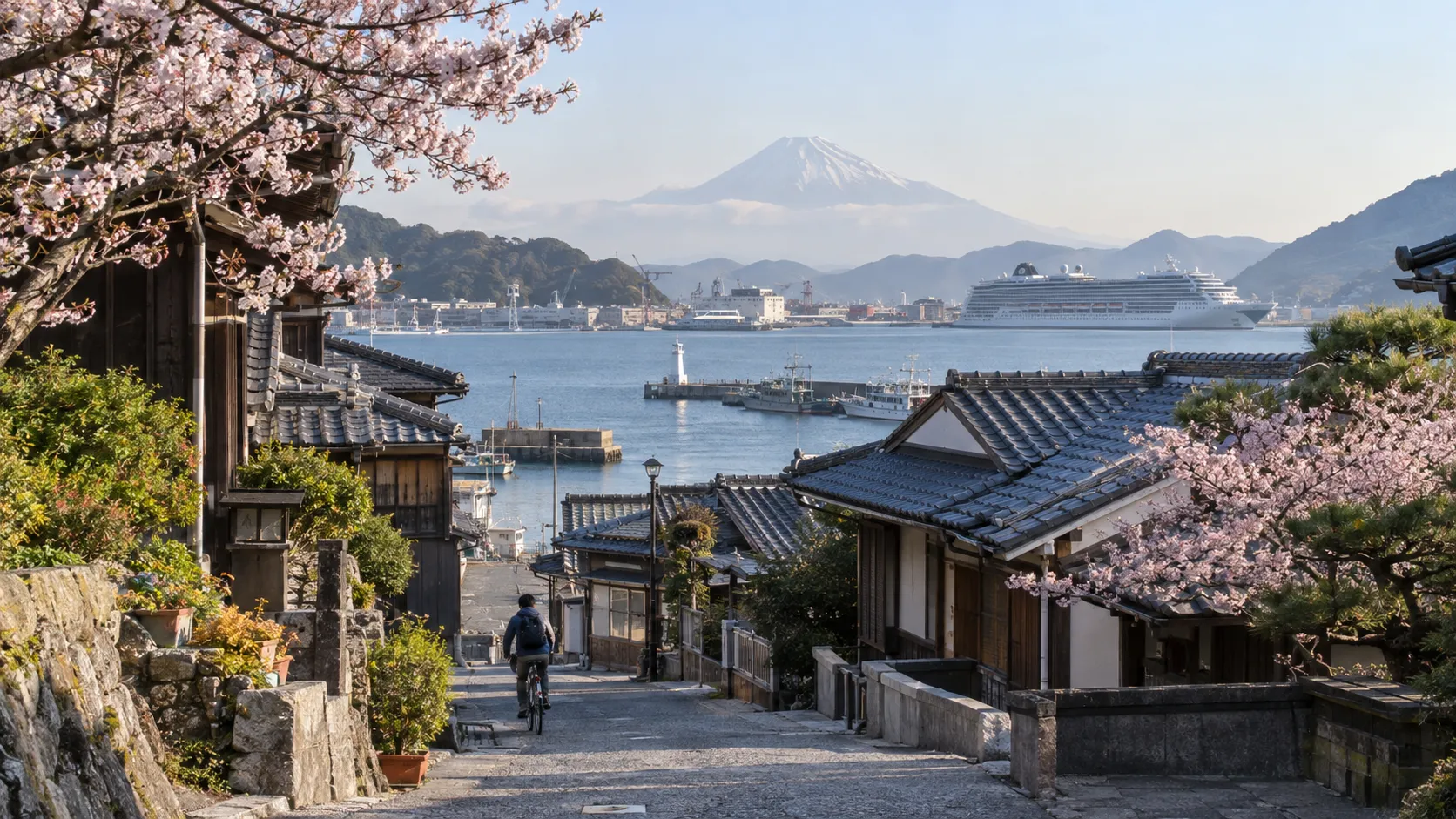
12. Japan for food, culture, and seasonal variety
Japan cruises can combine major cities with smaller ports, hot-spring regions, gardens, castles, and regional food. Domestic and international itineraries differ, so route details matter more than the country label.
Cherry blossoms and fall color are natural events with variable timing. Holiday periods can raise demand, while typhoon season requires flexibility in late summer and fall.
Research port transportation because industrial terminals can be distant from rail stations or city centers. A little Japanese etiquette and language preparation makes independent exploring much easier.
Best for: Food lovers, repeat cruisers, and travelers comfortable planning public transportation.
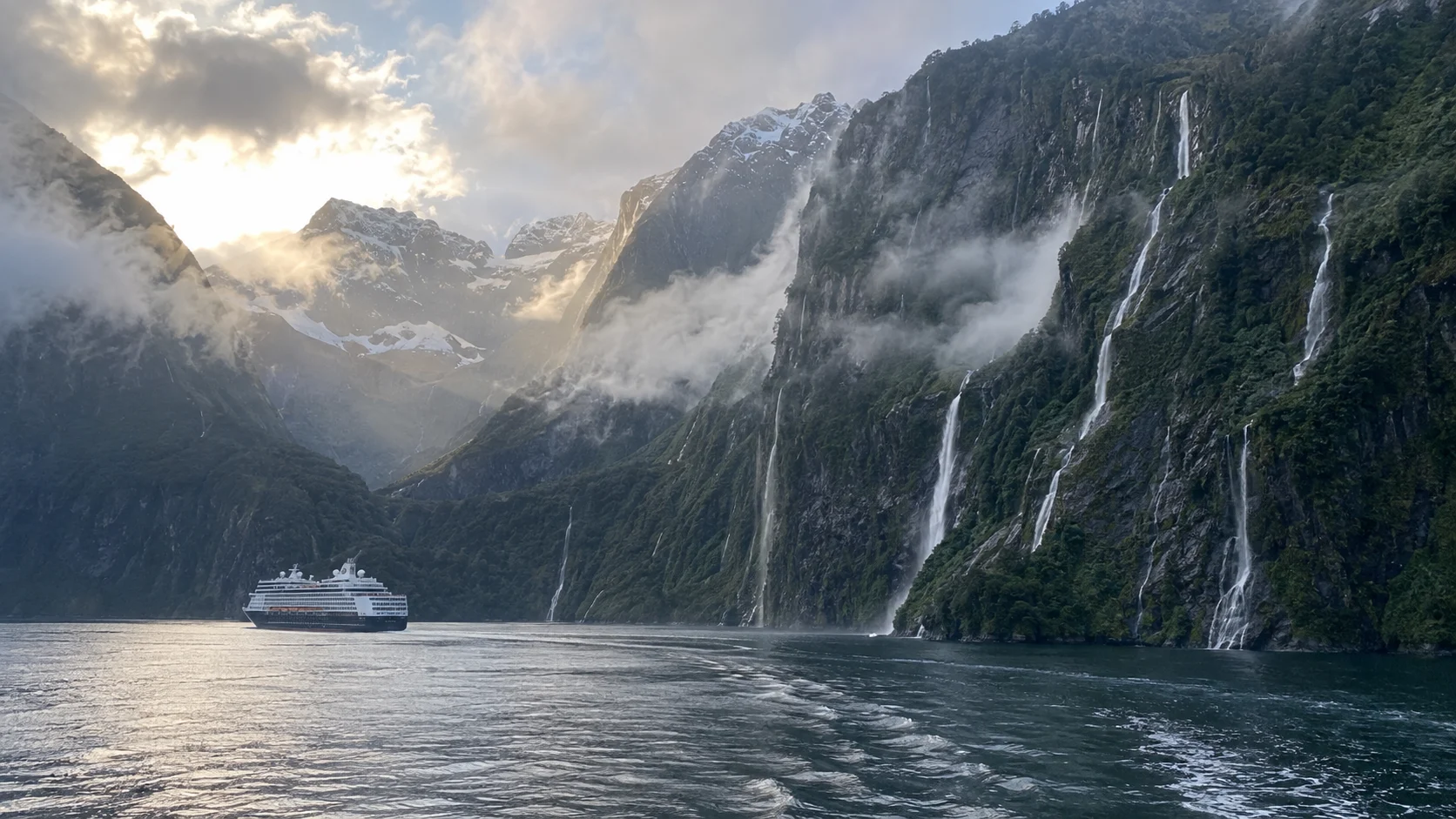
13. Australia and New Zealand for a long-haul adventure
Australia and New Zealand cruises can connect Sydney’s harbor, New Zealand fjords, coastal cities, islands, and wildlife regions. The journey is long for North American travelers, so a pre-cruise buffer and land extension add value.
Do not assume one route delivers the entire region. A New Zealand-focused sailing, Australia coastal itinerary, and trans-Tasman voyage have different sea-day patterns and climates.
Biosecurity rules are strict, and weather can affect scenic cruising or tender ports. Follow official declarations and never carry undeclared food, plants, or outdoor gear contaminated with soil.
Best for: Longer vacations, wildlife, scenic sailing, and travelers who can justify the airfare with extra land time.
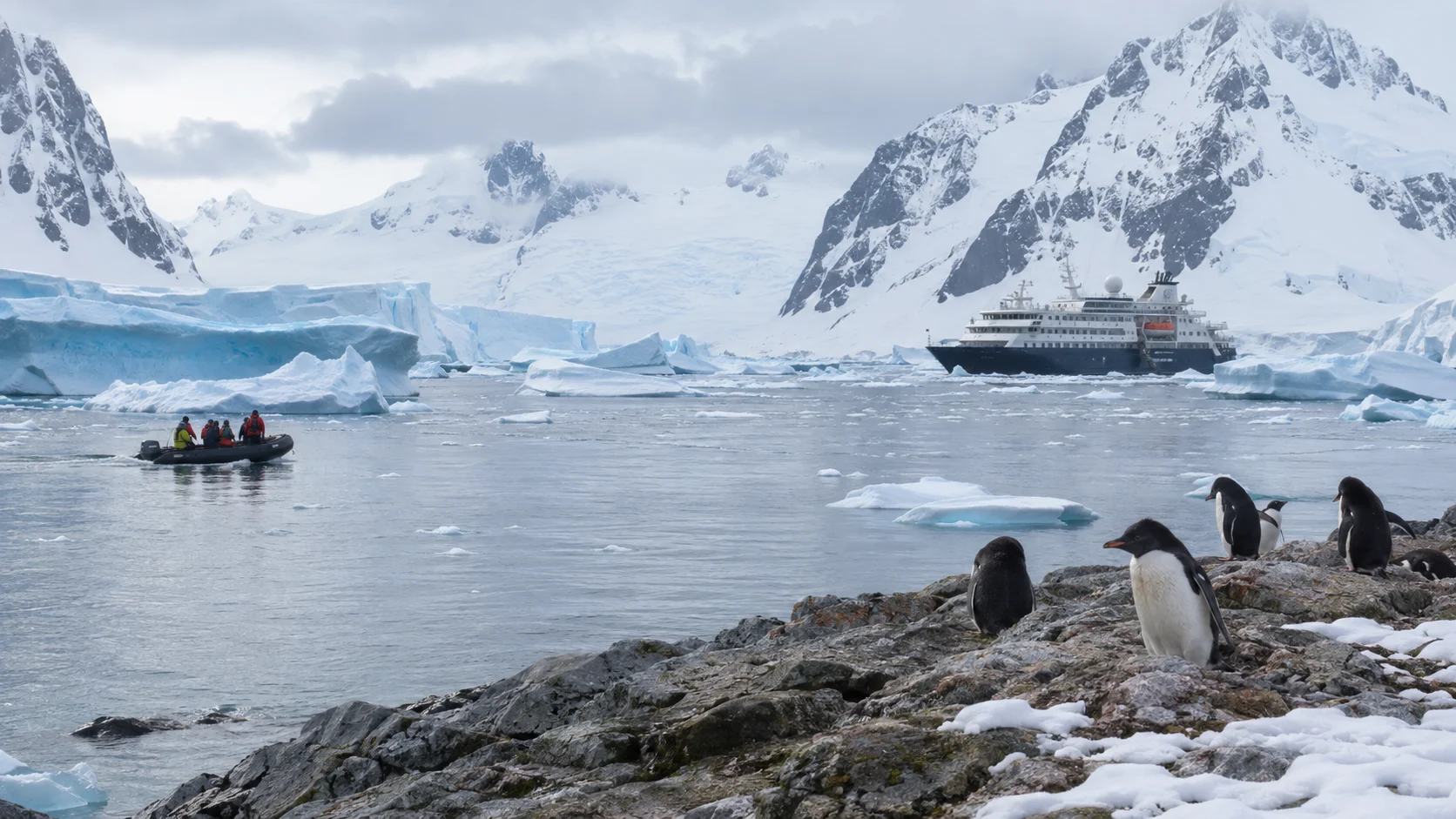
14. Antarctica for expedition travel
Antarctica is not a casual scenic cruise choice. The ship, passenger count, expedition team, landing rules, environmental standards, medical screening, insurance, and Drake Passage conditions define the experience.
IAATO explains that vessels carrying more than 500 passengers cannot land passengers in Antarctic waters, making those voyages cruise-only. Review the organization’s passenger-landing explanation before comparing a large ship with an expedition vessel.
Landings, wildlife, and routes remain weather-dependent even on an appropriate ship. Read IAATO’s visitor guidelines and choose an operator whose environmental and safety practices withstand scrutiny.
Best for: Well-prepared expedition travelers with flexible expectations and a substantial budget.
Which destination is best for your first cruise?
The Caribbean is easiest for many American travelers because sailings are plentiful and trip lengths vary. Alaska is the stronger first choice when scenery and wildlife matter more than warm-weather relaxation.
Western Mediterranean cruises suit travelers ready for busy port days, while Bermuda’s longer call can feel gentler. Pick the region that offers several acceptable outcomes rather than one fragile must-see moment.
When cruising is not the best way to visit
A land trip may be better when your dream requires evenings, remote inland locations, several days in one city, or spontaneous route changes. Rome, Kyoto, Iceland’s interior, and Hawai‘i each deserve more time than a typical port call can provide.
Cruising excels at connection and scenic movement, not depth everywhere. A sampler can guide a future land trip, but it should not be marketed as complete immersion.
Plan for documents and health
Document requirements depend on citizenship, itinerary, embarkation port, and every destination visited. The State Department recommends a passport book for cruise passengers even when it is not strictly required, especially because emergencies may require an international flight.
Review health needs with enough time for vaccination or medication decisions. The CDC’s current cruise travel guidance covers motion sickness, illness prevention, medical care, and destination preparation.
Frequently asked questions
What is the best cruise destination overall?
Alaska is my strongest all-around pick when the destination matters most because the sailing itself reveals landscapes that are difficult to reproduce by road. The Caribbean wins for choice, warmth, and easier short itineraries.
What is the best cruise destination for couples?
Greek Isles, Bermuda, Norway, and Japan can all be romantic for different reasons. Choose by preferred pace, climate, flight time, and whether romance means a quiet deck or a full day exploring together.
Which cruise destination is best for families?
The Caribbean offers broad ship choice and straightforward beach days, while Alaska works beautifully for families excited by wildlife and scenery. Port hours, children’s ages, swimming ability, and excursion costs should drive the final decision.
Where should experienced cruisers go next?
Japan, Iceland, the Panama Canal, Norway, and Australia or New Zealand offer distinctive sailing and port-day challenges. Antarctica belongs later only when expedition conditions, cost, and environmental responsibilities match the traveler.
Choose the region before the ship
I would begin with the landscape and port experiences I want, shortlist routes that deliver them, and only then compare suitable ships. That order keeps a flashy onboard feature from selling you the wrong part of the world.
The best cruise destinations make the hours at sea meaningful and the time ashore possible. Find that combination, verify the exact itinerary, and you have the beginnings of a genuinely great cruise.