Cruise Ship Captain Salaries: What the Public Data Can and Cannot Tell You
Cruise ship captains can be highly paid, but the internet’s favorite six-figure “average” is usually impossible to audit. Public data combine captains with mates, pilots, ferries, tugs, cargo vessels, and other employers, while cruise contracts vary by flag, nationality, company, ship, and rotation.
The honest salary answer
There is no reliable, public, worldwide average salary for captains of large cruise ships. Cruise lines rarely publish master contracts, and official labor datasets do not isolate that tiny senior group cleanly.
In the United States, the Bureau of Labor Statistics reported a May 2025 median annual wage of $92,460 for “captains, mates, and pilots of water vessels.” The BLS occupation page is a useful benchmark, but it is not a cruise-captain salary survey.
The category includes people commanding or helping navigate many vessel types and sizes. It also reflects U.S. employment, while most oceangoing cruise ships and their multinational crews operate under other flags and employment structures.
The United Kingdom’s National Careers Service gives a broad £30,000 starter to £80,000 experienced range for merchant navy deck officers, a profile that includes masters. That is another career anchor, not proof that every cruise captain falls inside it.
Why salary websites disagree so wildly
One page may quote annual cash salary, another monthly onboard pay, and a third total compensation. A self-reported figure may come from a harbor vessel captain while the headline quietly turns it into mega-ship pay.
Small samples create false precision. If three anonymous people submit pay, an “average” with two decimal places is not suddenly representative of an international profession.
Job titles also blur the comparison. Captain, master, staff captain, chief officer, safety officer, relief captain, and port captain can describe different legal authority and operational responsibility.
A realistic conclusion is that a master of a large passenger vessel is a senior licensed professional whose contract may exceed broad maritime medians. The exact amount still belongs to the employer and employee unless a verified agreement or posting discloses it.
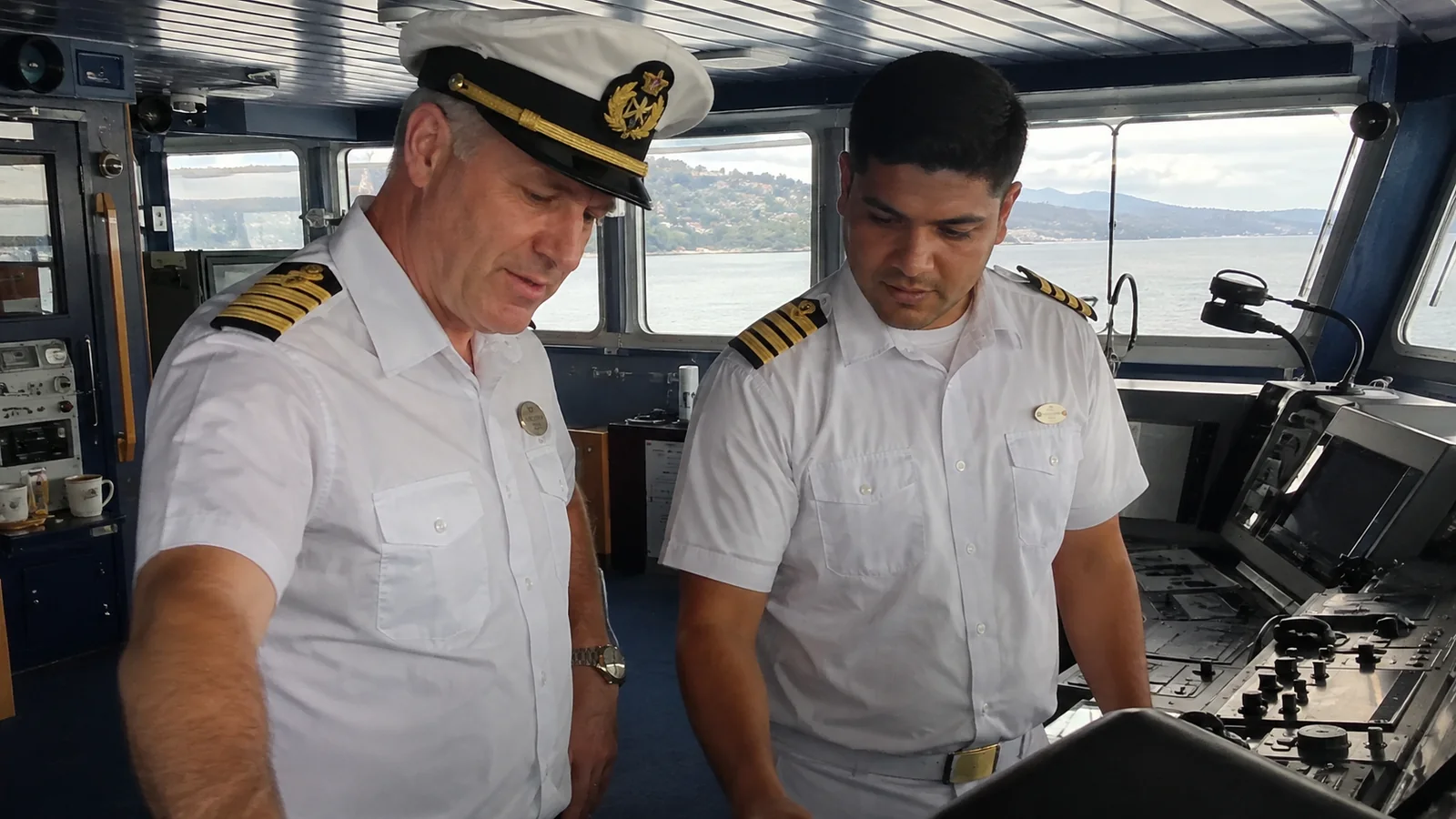
The eight variables that shape captain pay
1. Role and command authority
The master has ultimate command responsibility for navigation, safety, regulatory compliance, emergency response, security, environmental duties, and the ship’s overall operation. A staff captain or chief officer may perform major operational work without holding the same command contract.
Always ask whether a salary claim concerns the actual master, a relief master, or another deck officer. Rank alone can change compensation, rotation, and legal accountability.
2. Ship size and operation
A 1,000-foot resort ship with thousands of passengers is not equivalent to a 150-foot coastal vessel. Company complexity, itinerary, passenger capacity, propulsion, bridge systems, and operational risk affect the experience an employer values.
Our cruise ship size guide shows how widely passenger vessels differ. Length does not set salary by formula, but it helps explain why one “captain” category covers incomparable jobs.
3. Employer and contract
Each cruise group has its own fleet, promotion system, salary bands, allowances, bonuses, and retention practices. A luxury line, expedition operator, mass-market brand, and river company should not be assumed to pay identically.
Even two masters at one group may have different legacy terms, seniority, performance components, or rotation arrangements. Confidentiality clauses also reduce the public evidence available.
4. Flag state and labor framework
The ship’s flag connects the vessel to a national administration, but employment can also involve the seafarer’s home country, a collective agreement, and the employer’s corporate jurisdiction. That legal stack influences minimum standards, dispute channels, payroll treatment, and social contributions.
The International Labour Organization’s Maritime Labour Convention overview covers seafarers’ employment agreements, wages, work and rest, leave, medical care, and repatriation. It creates important protections, not one global cruise-captain pay scale.
5. Rotation and paid leave
A monthly figure is meaningless until you know whether it is paid for all 12 months, onboard months only, or a fixed rotation cycle. Four months on and two months off can be compensated very differently from a continuous annual salary with paid leave.
Compare annual guaranteed cash under the actual rotation. Then separate discretionary bonus, travel-day pay, leave pay, pension, and benefits.
6. Nationality, residence, and tax
Two people earning the same gross amount may keep different net amounts because tax residence, treaties, social insurance, and seafarer rules vary. A ship’s flag does not automatically determine the captain’s personal tax bill.
Do not use a travel blog as tax advice. A seafarer needs a qualified adviser familiar with residence, days at sea, payroll country, and applicable exclusions.
7. Benefits and onboard living costs
Senior officers normally receive a cabin and meals while serving, and the contract may include flights, medical care, uniform support, insurance, retirement contributions, or family travel. Those items have value but should not be casually converted into a fake salary uplift.
Ask what happens during leave, illness, training, medical disqualification, and repatriation. A generous-looking monthly number can hide unpaid months or weak long-term protection.
8. Scarce experience
Command experience on comparable passenger ships, advanced maneuvering, polar or expedition work, new-build delivery, incident leadership, language ability, and company tenure can influence selection. Employers are paying for judgment built across years of progressively responsible sea service.
The master of a historic liner and the captain of a modern cruise ship also work in different commercial contexts. Our ocean liner explainer separates transportation-led liner service from leisure-led cruising.
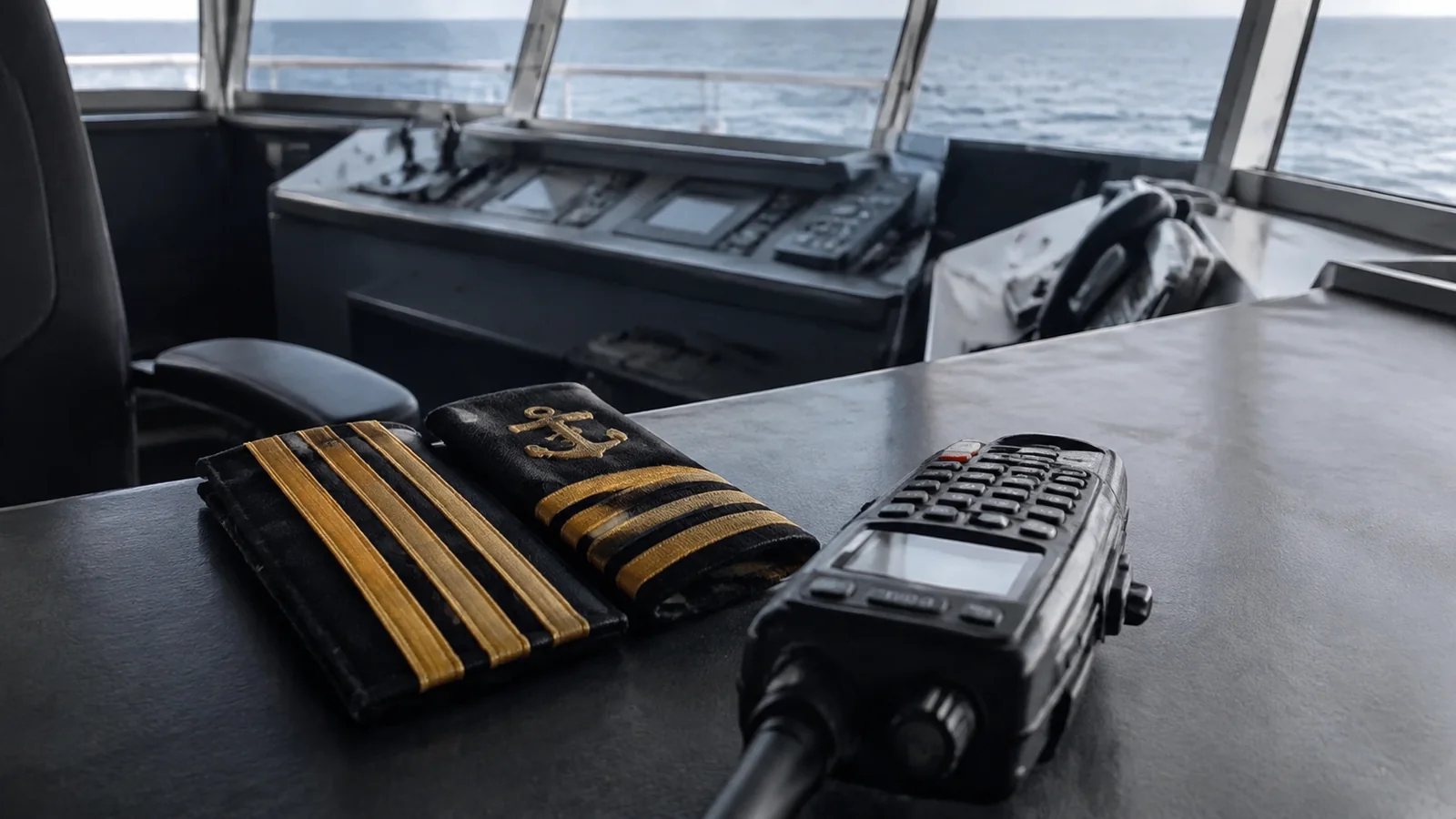
What counts as salary?
For a clean comparison, start with guaranteed base cash. Do not combine it with hypothetical bonuses, free food, employer payroll costs, or the retail price of a passenger cabin.
- Base pay: guaranteed compensation under the employment agreement.
- Leave pay: compensation during scheduled time ashore, if provided separately.
- Bonus: performance, retention, or company awards that may not be guaranteed.
- Allowances: travel, communication, uniform, training, or other specified payments.
- Benefits: medical, insurance, pension, flights, cabin, and meals.
- Net pay: what remains after tax, social contributions, and deductions.
Passenger gratuities are not a dependable captain income source. Cruise tip systems generally focus on hotel and service teams, while the master’s compensation comes through an officer contract.
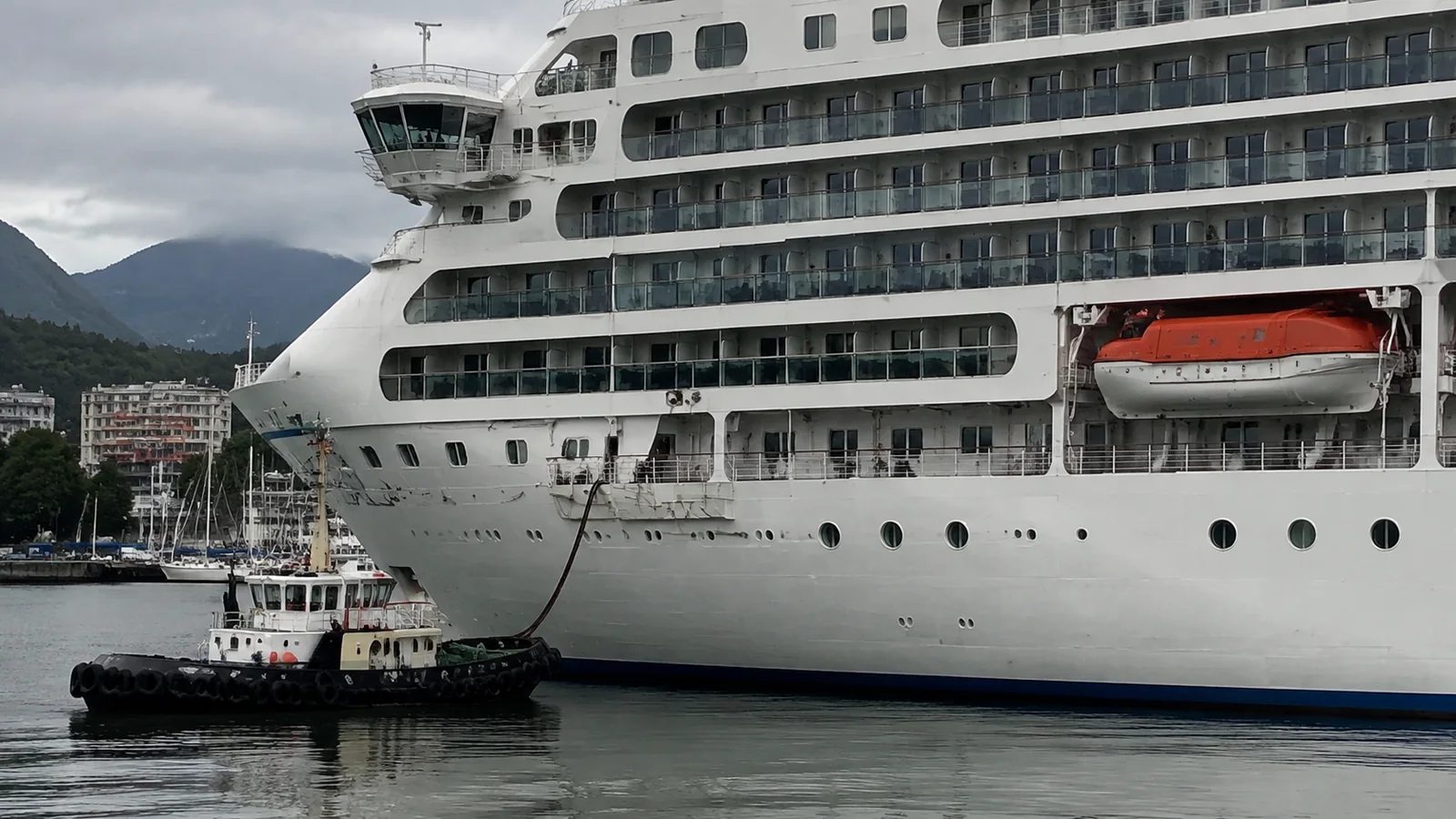
What the captain is paid to do
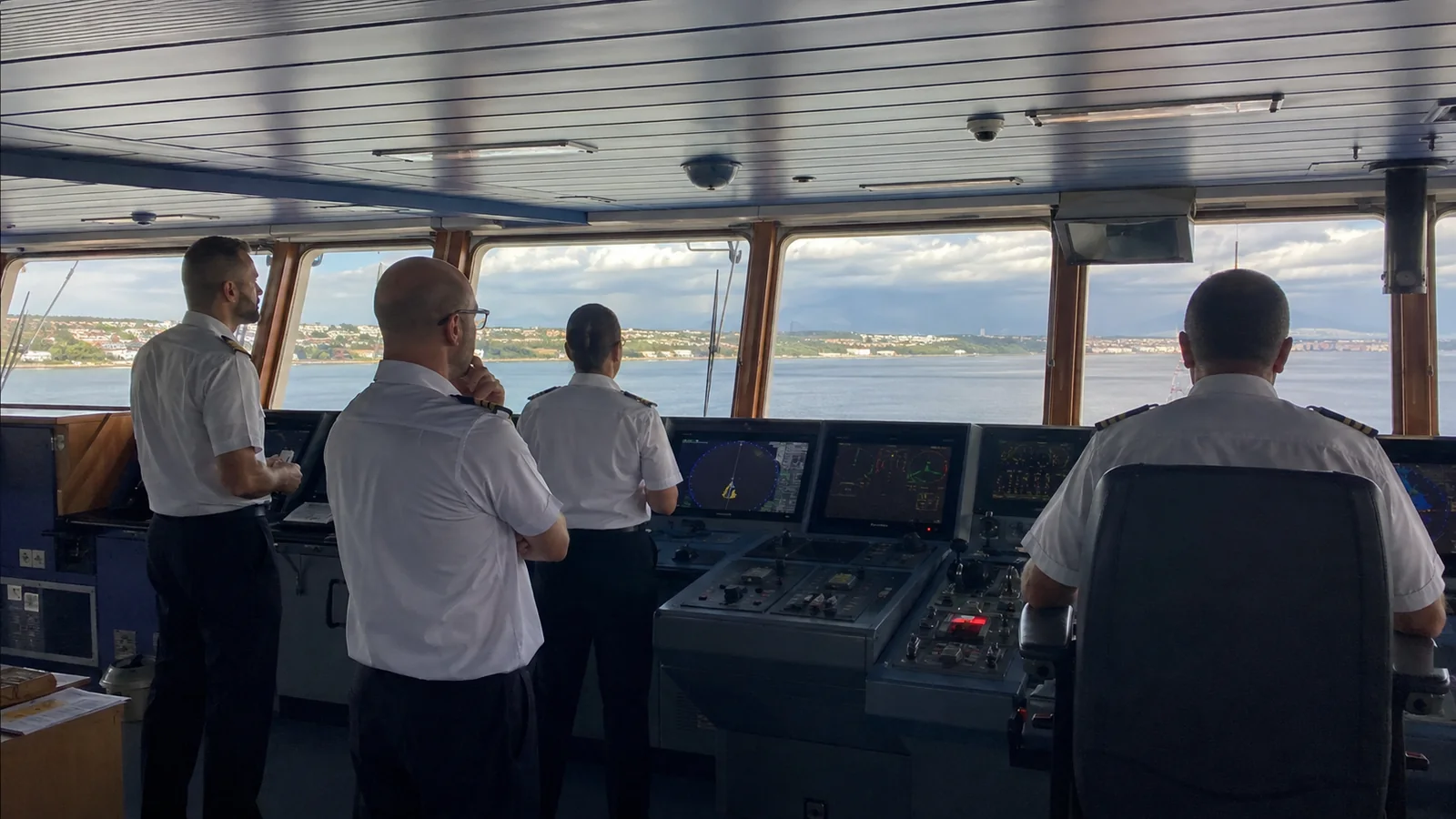
The captain is not simply the person who makes announcements and attends receptions. The job coordinates navigation, weather decisions, bridge resource management, port arrivals, emergency preparedness, compliance, security, environmental performance, crew leadership, and communication with shoreside management.
Specialist officers and pilots provide expertise, but command responsibility does not disappear when a harbor pilot boards. The exact allocation of legal duties depends on applicable rules and circumstances.
Large cruise ships operate like moving hotels, power plants, transportation systems, and workplaces at once. The scale discussed in our Titanic and modern ship comparison helps explain why command is an executive safety role, not a glamorous shortcut to travel.
How someone becomes a cruise ship captain
The route normally begins with maritime education or an approved cadet path, followed by sea time, examinations, medical fitness, and progressively higher deck licenses. National systems differ, and one credential does not authorize every vessel, tonnage, or trading area.
The International Maritime Organization’s STCW Convention sets international training, certification, and watchkeeping standards. Its STCW information is the right starting point for understanding why command requires documented competence.
A common progression is deck cadet, junior deck officer, second officer, chief officer or staff captain, then master. Titles and sequence vary, promotions are competitive, and reaching command of a large cruise ship can take well over a decade.
Credentials are specific, not decorative
In the United States, mariners apply for Merchant Mariner Credentials and relevant endorsements through the Coast Guard’s National Maritime Center. The official credential portal ties applications to sea service, training, medical requirements, examinations, and the authority sought.
A small passenger-vessel license is not a direct ticket to command an unlimited-tonnage international cruise ship. Tonnage, waters, propulsion, sea time, and STCW endorsements matter.
Training and career costs
Prospective officers should budget for education, medical examinations, travel, documents, courses, exams, renewals, and periods of low-paid cadet work. Sponsorships or employer-funded training can change the personal cost dramatically.
Do not choose a private course because its advertisement promises a captain salary. Verify approval with the maritime administration that will issue the credential and confirm how graduates obtain qualifying sea berths.
The financially smart question is not only “What can a captain make?” It is “What does the complete route cost, how likely is advancement, and would I still want the work if command takes 15 years?”
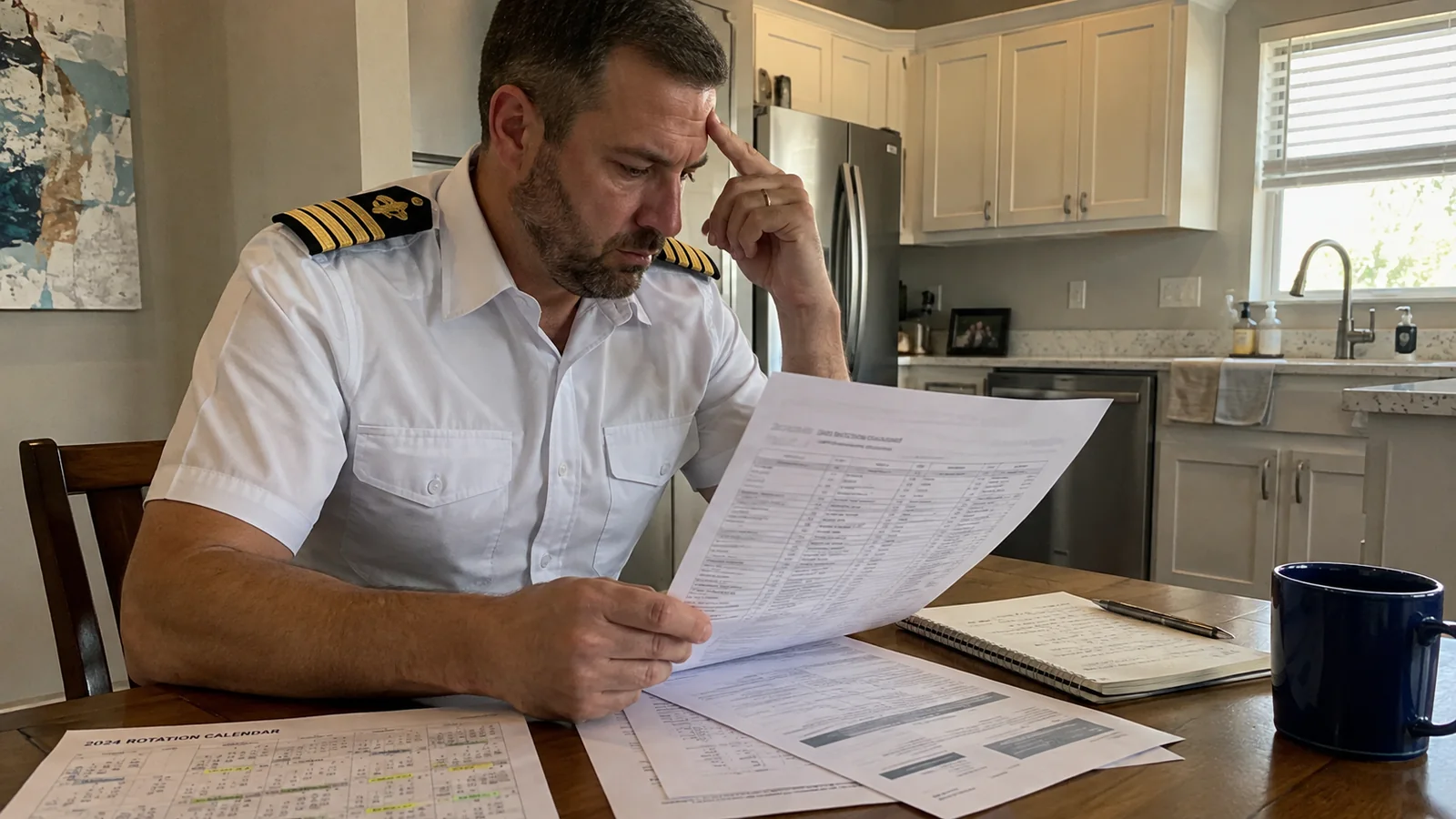
Contract questions a candidate should ask
- Is pay annual, monthly, daily, or onboard-only?
- What rotation is guaranteed, and is leave paid?
- Which entity is the legal employer?
- Which law and collective agreement govern the contract?
- Are flights, hotels, visas, medicals, and training covered?
- How are bonuses calculated and when do they vest?
- What pension, insurance, sickness, and disability benefits apply?
- Who pays repatriation if employment ends unexpectedly?
Get answers in the seafarer employment agreement, not a recruiter’s chat message. A prestigious title does not compensate for unclear payroll or repatriation terms.
How to evaluate a salary claim online
First, check the date, currency, and country. Then ask whether the source identifies the role, vessel type, sample size, annualization method, and whether compensation is gross or net.
Reject any number that silently turns mate pay into captain pay or a small-vessel job into cruise command. Also reject a range so wide that it cannot help with a decision.
A job posting or collective agreement for a named role is useful evidence for that job and date. It still does not become a global average.
Is the career worth it?
It can be rewarding for someone who enjoys navigation, leadership, systems, regulation, and long responsibility cycles. It is a poor match for someone attracted mainly by formal dinners, travel photos, or the highest number on a salary blog.
Months away from home, disrupted sleep, recurrent medical certification, public scrutiny, emergency accountability, and constant professional development are part of the bargain. Free accommodation onboard is not the same as personal freedom.
Bottom line
The best verified U.S. benchmark is $92,460 median pay for the much broader captains, mates, and pilots category in May 2025. It should never be relabeled as the average salary of a cruise ship captain.
For an actual offer, compare guaranteed annual cash, rotation, leave, tax, benefits, flag and contract law, and career risk. That answer is less flashy than a fabricated $200,000 average, but it is useful enough to make a life decision.