
Cruise ships range widely in length, and there is no universal small, medium, large, or mega cutoff. The useful number is the exact ship's length overall, checked alongside beam, draft, air draft, tonnage, capacity, and port limits.


How long is a cruise ship?
There is no single average that describes every cruise ship well. Expedition vessels, river ships, premium mid-sized ships, and the largest resort ships serve different routes and can have very different dimensions.
For a named ship, look for length overall, often abbreviated LOA. This is the labeled end-to-end measurement readers usually mean when asking how long a cruise ship is.
A current large-ship example
Royal Caribbean's own Icon of the Seas pages illustrate why false precision is risky. The current deck-plan page lists 1,198 feet, while another official comparison lists 1,196 feet.
The two-foot difference may reflect rounding, methodology, or publishing inconsistency, but the packet does not establish which. The safe wording is that Royal Caribbean lists Icon at about 1,200 feet long, with the specific source and date attached.
You can see the operator figure on the official Icon of the Seas deck-plan page. Do not use that one dimension to declare a vessel largest in every possible sense.

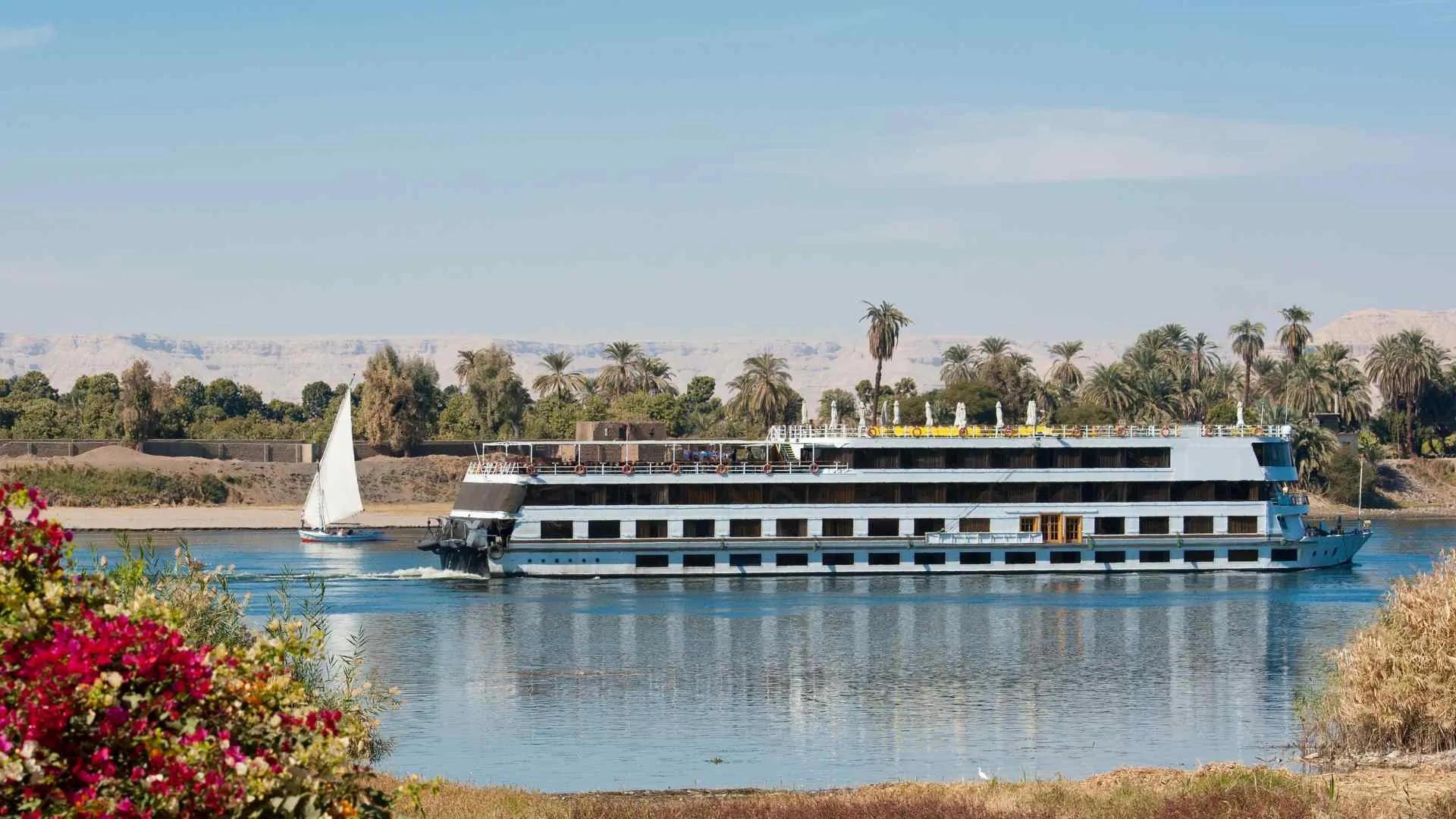
What length overall actually tells you
LOA is useful for comparing the end-to-end physical footprint of ships when sources use the same measurement. It can help explain berth planning, turning needs, and why two ships look very different alongside a pier.
Length does not directly tell you passenger capacity, enclosed volume, weight, stability, comfort, luxury, or environmental performance. Those questions require different measurements and ship-specific evidence.
Why source labels matter
A headline may round a dimension while a technical plan uses another convention. When two official pages conflict, report the conflict or use “about” rather than silently choosing the more dramatic number.


Length is only one ship dimension
Beam
Beam describes width under the measurement convention used by the source. It affects berth fit, canal restrictions, internal arrangement, and handling, but it does not create a simple comfort score.
Draft
Draft describes how far the vessel extends below the waterline under stated conditions. Water depth, under-keel clearance, tide, loading, and local rules can all affect whether a ship can use a channel or berth.
Air draft
Air draft concerns the vessel's height above the waterline. It becomes critical near bridges and overhead restrictions, but the exact reference points and current water level matter.
NOAA explains that bridge clearance is measured between a defined point under the bridge and the water surface, and that it changes with water level. Its air-gap explanation shows why comparing one static ship height with one bridge height is unsafe.


Gross tonnage
Gross tonnage is not the ship's weight. Under the modern international system it is derived from the moulded volume of enclosed spaces through a formula.
The IMO tonnage convention overview is the controlling reference supplied for this distinction. Historic gross registered tonnage and modern GT also come from different regimes, so old and new figures need a comparability warning.
Deadweight and displacement
Deadweight describes carrying capability, while displacement relates to the mass of water displaced by the vessel. Lightship mass, cargo capacity, GT, and DWT answer different questions and should never be collapsed into one “weight” number.

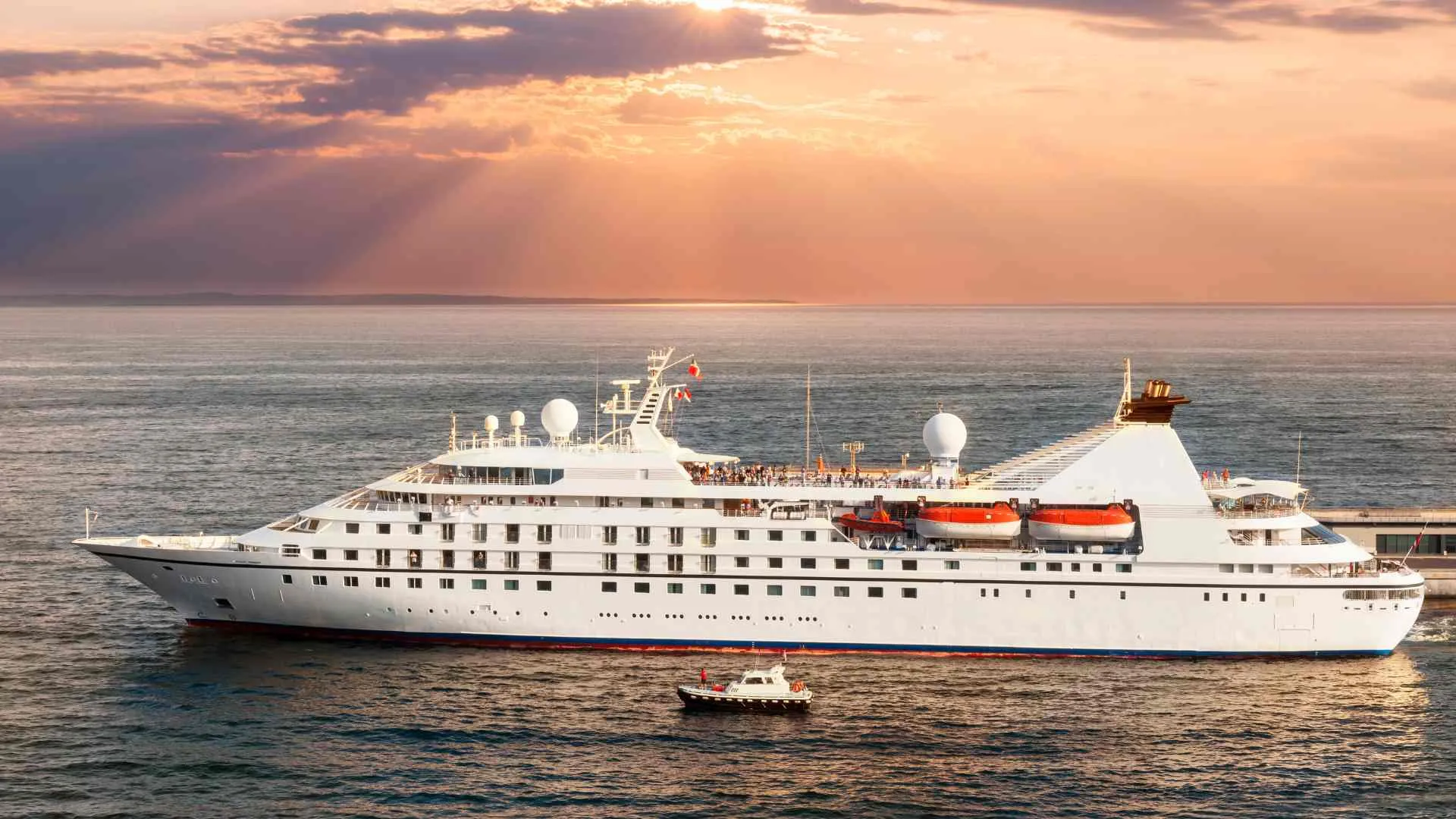
Why cruise ships vary so much in length
Route and port strategy
A ship designed for small destinations and constrained berths may prioritize a compact footprint. A ship designed around high-capacity home ports and extensive onboard amenities may use a much larger platform.
Length alone does not determine access. Beam, draft, air draft, turning basin, tug requirements, berth strength, terminal capacity, and local operating limits also matter.
Passenger experience
A longer ship can create room for more cabins, venues, machinery, and circulation, but design choices determine how that room is used. Two ships of similar length can feel different because of passenger count, layout, outdoor space, and operating style.
Ship purpose
Expedition, river, luxury, mainstream, and destination-focused ships have different priorities. Editorial labels such as small, mid-sized, large, and mega are convenient shorthand, not universal legal classes.

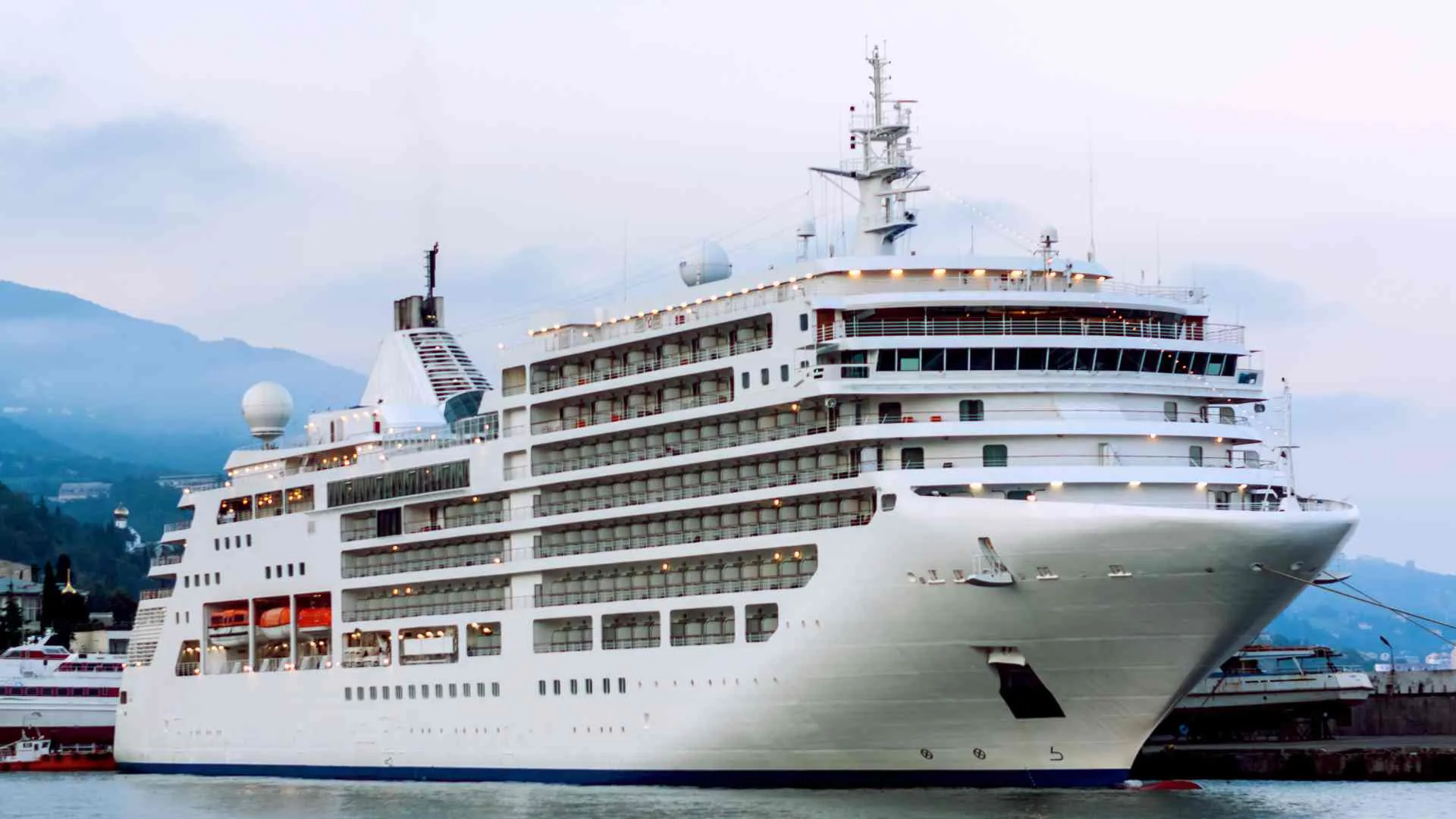

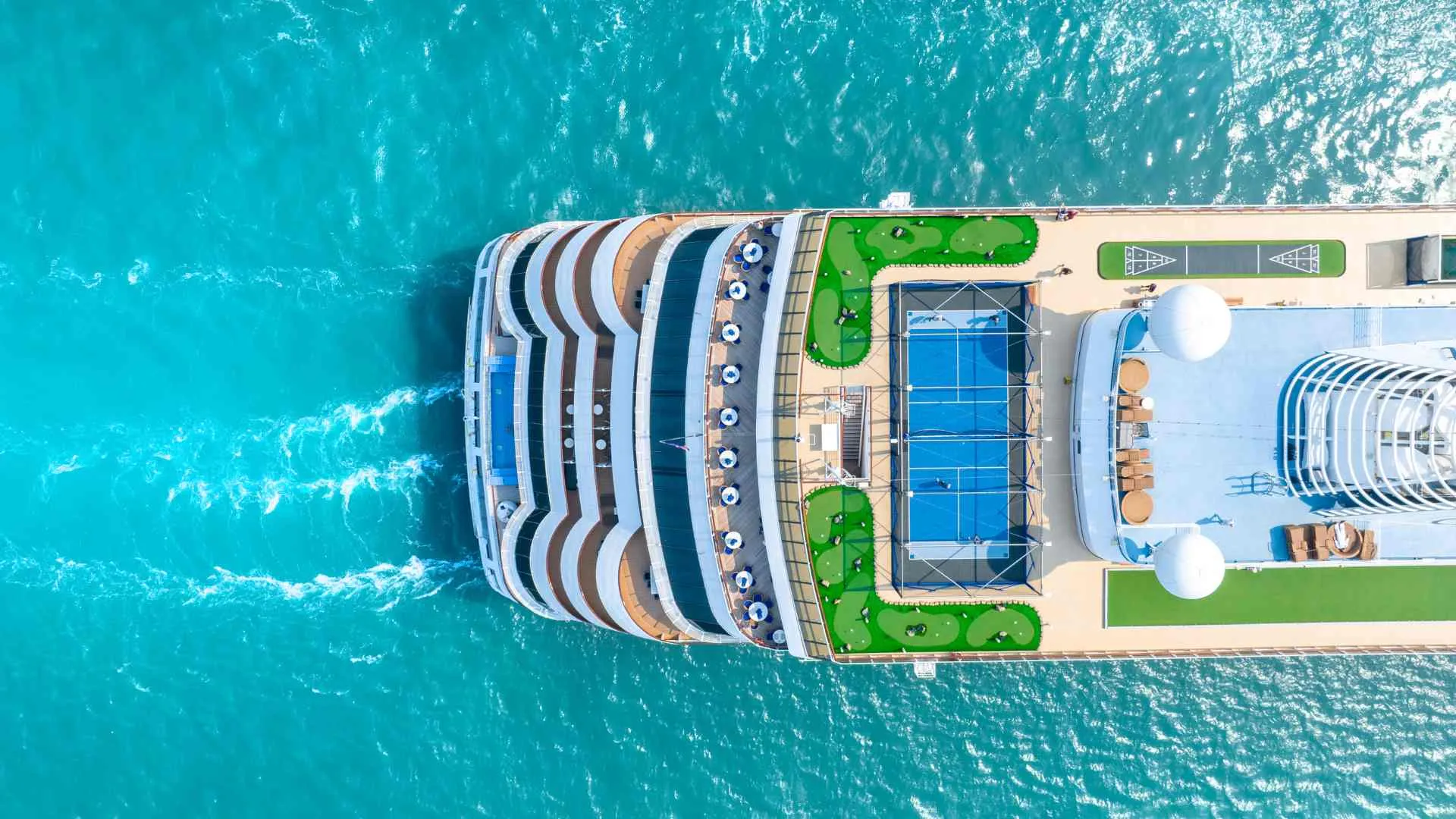
Does a longer ship mean a better cruise?
No. Length can correlate with room for more features, but it cannot predict whether those features match your interests or how busy a sailing will feel.
When a larger ship may suit you
- You want many dining, entertainment, and cabin choices.
- You enjoy treating the ship as a major part of the destination.
- Your group has varied interests and needs options in one place.
- You are comfortable planning around reservations and walking distances.
When a smaller ship may suit you
- You value a compact layout and shorter walks.
- The itinerary includes smaller ports or expedition-style landings.
- You prefer fewer venues and a simpler daily rhythm.
- You care more about destination access than headline attractions.
Smaller does not automatically mean luxurious, intimate, expensive, or unstable. Larger does not automatically mean crowded, smooth, impersonal, profitable, or environmentally preferable.

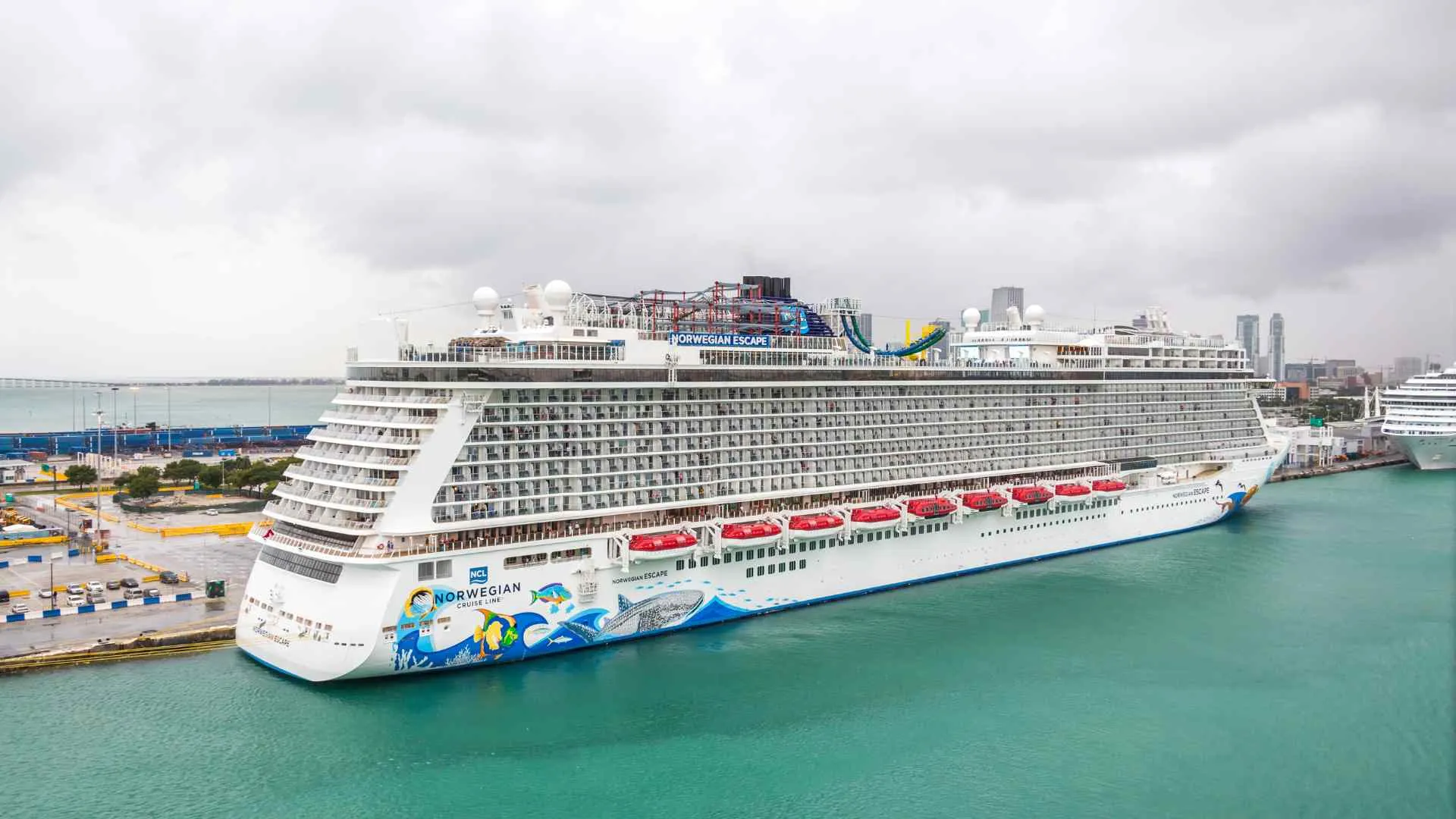

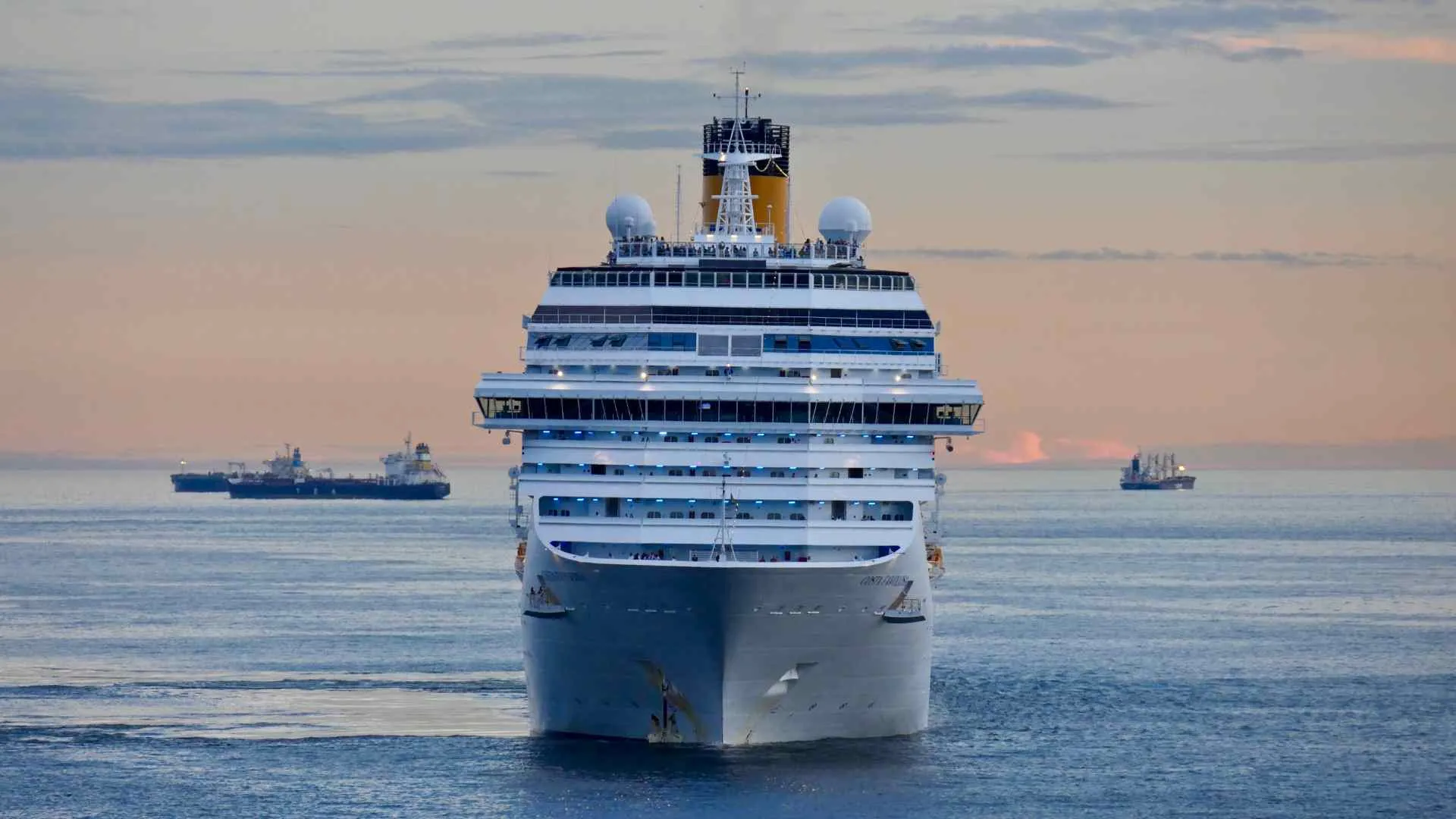


How ship length affects ports and tenders
A vessel may be too large for a berth because of several combined constraints rather than length alone. Even a physically suitable ship can face terminal, traffic, weather, or scheduling limits.
When a ship cannot berth alongside, it may anchor and transfer passengers by smaller craft. My guide to cruise tender boats and ports explains the passenger experience and why tendering is not simply a ship-length decision.
Bridge passages need current data
A safe passage requires the vessel's current air draft, the bridge's current clearance, the water-level datum, and an operational safety margin. A travel article should never promise clearance by subtracting two unlabeled headline figures.

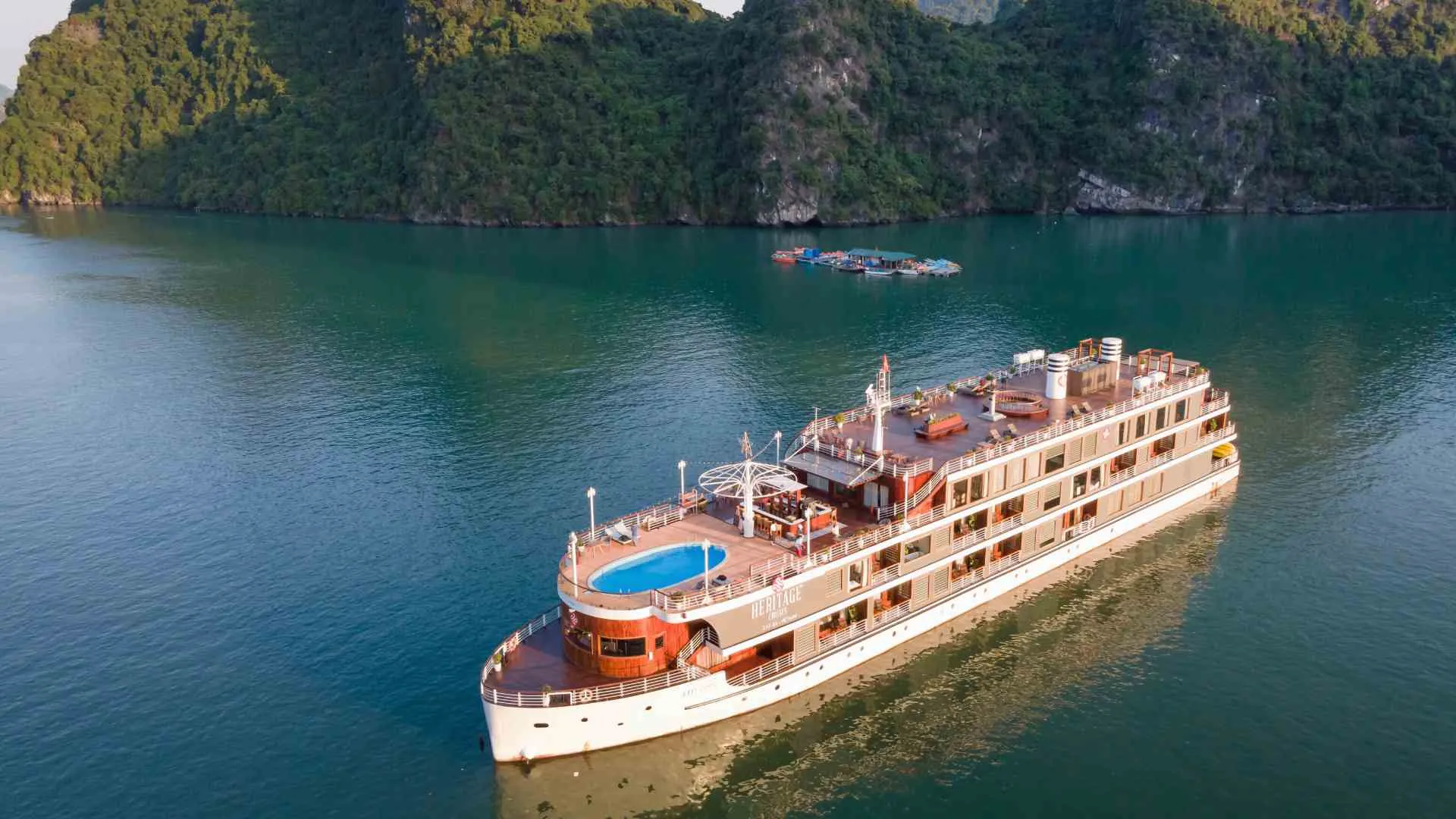

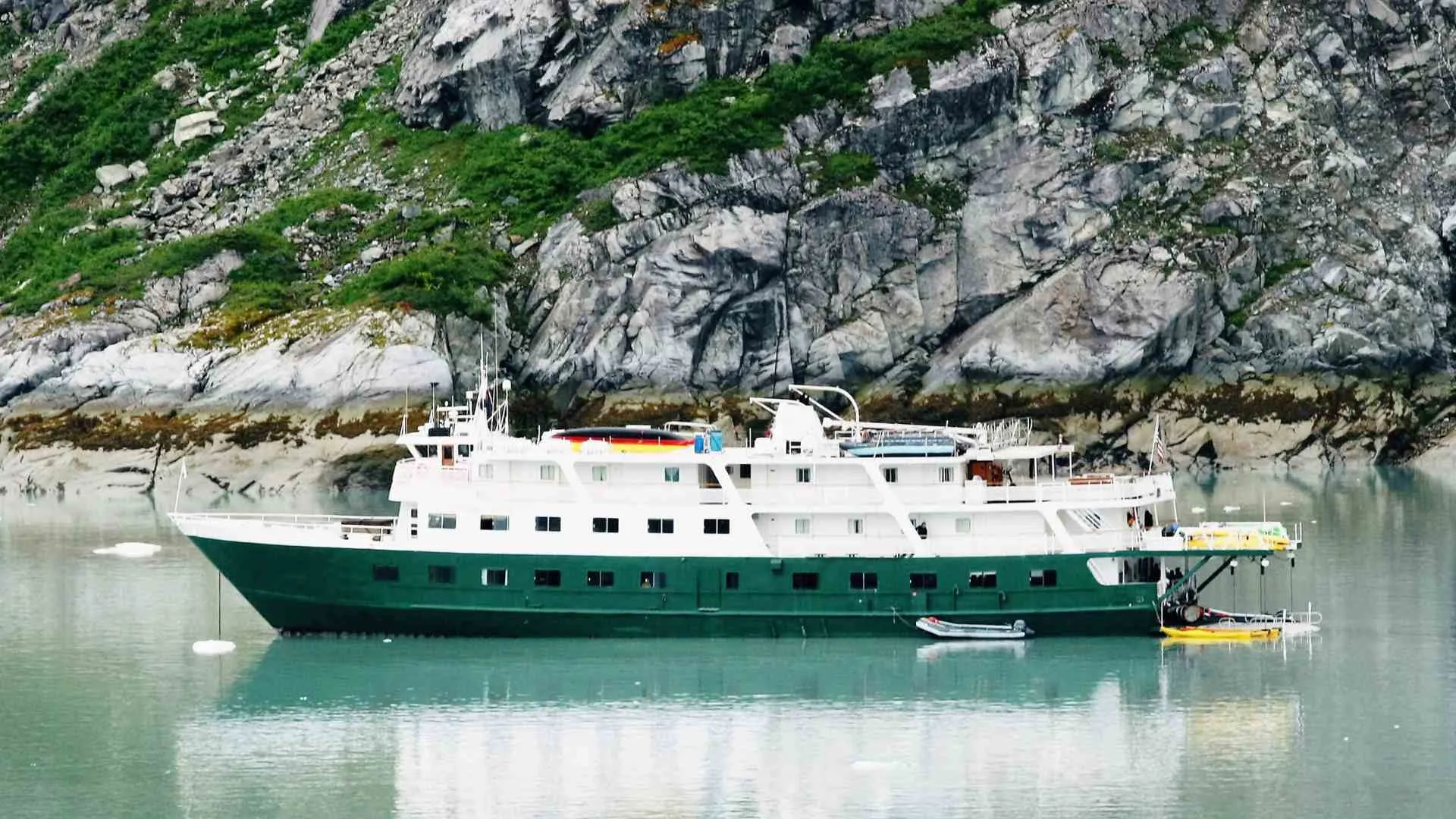


How to compare ships accurately
Use the same measurement axis
Compare LOA with LOA, GT with modern GT, and capacity with the same capacity basis. Do not place length, volume, weight, and passenger count in one ranking and call the result largest.
Use current operator plans
Check the exact vessel, not only the ship class, because published figures may be rounded or revised. Record the source date when a dimension supports a travel decision.
Separate dimensions from experience
After confirming the measurements, compare deck layout, passenger capacity, itinerary, cabin location, and the venues you will actually use. Your preferred experience matters more than winning a numerical comparison.
Learning port and starboard also makes official deck plans easier to read. The bow-to-stern orientation helps you understand where the length is distributed.


Cruise ship length FAQs
What is the average cruise ship length?
A single average is not very useful because the fleet includes very different vessel types. Check the exact ship's LOA and compare it with ships serving a similar market.
Is Icon of the Seas more than 1,200 feet long?
The supplied Royal Caribbean pages list about 1,196 to 1,198 feet, not more than 1,200. Treat the figure as roughly 1,200 feet and identify the official page used.
Is gross tonnage the weight of a cruise ship?
No. Modern GT is based on enclosed volume through an international formula.
Are longer ships more stable?
Length alone cannot answer that question. Hull form, beam, displacement, loading, stabilizers, speed, heading, and sea conditions all contribute.
Can the longest ships visit every port?
No, but length is only one restriction. Beam, draft, air draft, turning space, berth and terminal capacity, and local limits also matter.


Turn dimensions into a booking decision
For families and activity seekers
A long ship may support many venues, but confirm that the exact vessel has activities your group will use. My guide to the best cruises for kids helps shift the comparison from raw dimensions to age fit, programming, and daily routines.
For travelers with limited mobility
Walking distance can matter more than the ship's total length. Check the cabin's route to dining, the theater, open decks, lifts, and the gangway rather than assuming a midship label makes every destination nearby.
For destination-first travelers
Start with the ports and landing method, then ask which ships can operate the itinerary. A smaller vessel may access a compact berth, while another itinerary uses a tender regardless of the ship's headline length.
For motion-sensitive travelers
Do not treat length as a seasickness guarantee. Cabin position, sea state, route, weather, hull behavior, and individual sensitivity all affect the experience, so choose with several factors rather than one measurement.
The best comparison pairs verified dimensions with the ship's actual plan and your daily priorities. A record-setting number is useful trivia, but it is rarely the deciding reason a particular ship fits you.
Bottom line
Ask for a ship's length overall, but never stop there. Beam, draft, air draft, GT, capacity, route, and port constraints explain far more about what the vessel can do and how it may feel.
For Icon of the Seas, current official Royal Caribbean pages disagree slightly and place the ship at roughly 1,200 feet. That conflict is a useful lesson: label the measurement, attribute the source, and avoid precision the evidence cannot support.


Ellie is the founder of Ellie's Travel Tips, where she shares practical cruise tips, port guides, and step-by-step itineraries to help you plan smarter trips for less. Her checklists and packing guides turn travel daydreams into doable plans.