
Curaçao is easy only after you identify your pier. Build the day from Mega Pier or the Otrobanda wharves, protect a return buffer, and choose one main goal instead of chasing an inflated list.


Start With Your Curaçao Cruise Terminal
The Curaçao Ports Authority says ships use the Mega Pier facility or wharves in the Saint Anna Bay inlet. Check the official terminal information for your sailing, then confirm the location in the ship notice because assignments can change.
Mega Pier arrivals
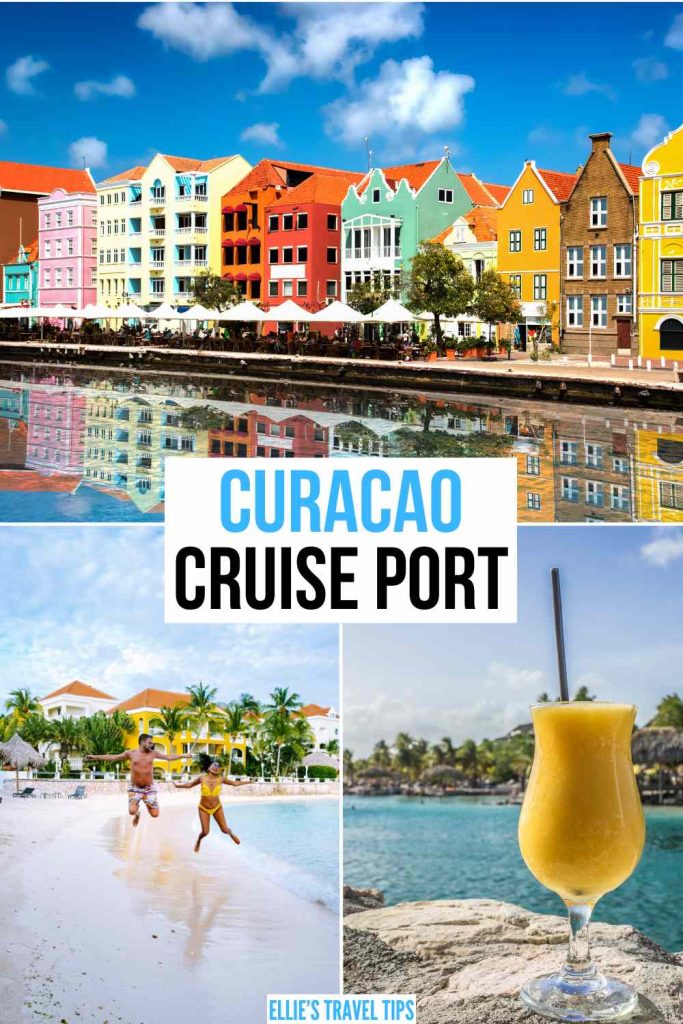
Mega Pier places you on the Otrobanda side of Willemstad. The useful mental route is pier, Rif Fort area, Otrobanda, Queen Emma Bridge, then Punda if the bridge and your mobility allow.
Do not treat a map distance as a guaranteed walking time. Heat, crowds, photo stops, bridge operation, and the distance from your cabin to the gangway all affect the real trip.
Otrobanda and Saint Anna Bay wharves
An inlet berth can change the first turn and the distance to downtown sights. Follow the marked passenger exit rather than copying directions written for Mega Pier.


Use ship time, not assumptions
Write the all-aboard time in your phone and photograph the port sign before leaving. If ship time differs from local time, keep every alarm on the clock specified by the ship.
Your personal return target should be earlier than the official cutoff. Increase that margin when you add a rental return, bus connection, boat ride, distant beach, mobility delay, or multiple parties traveling together.
The Lowest-Complexity Day: Willemstad on Foot
A city day is the most forgiving independent plan because you can shorten it without abandoning a distant activity. It also works well when the forecast is unsettled or your call is shorter than expected.
Otrobanda first
Start with the district you arrive in rather than rushing across the harbor. Look for public art, restored streets, waterfront views, and a café that fits your actual pace.
Rif Fort and the surrounding commercial area can be a convenient orientation point, but opening businesses and access vary. Treat shopping as optional time, not the backbone of the plan.


Cross to Punda deliberately
The Queen Emma Bridge is part of the experience, not merely a shortcut. Harbor operations can affect the crossing, so pay attention to local directions and leave enough time to use the available alternative if needed.
In Punda, choose a compact loop of Handelskade views, streets, shops, and one cultural stop. A good city day leaves room to sit down rather than turning every painted facade into another item to check off.
Add culture without overloading the day
Select one museum or historic site after checking current hours and admission. Kura Hulanda can make sense from Otrobanda, while a Punda-focused visit works better when paired with nearby streets.


Accessibility differs across old streets, curbs, bridges, and historic buildings. Ask the attraction about step-free entry and accessible restrooms instead of assuming a downtown location means an easy route.
Beach Day: Pick Access Before Beauty
Curaçao's beaches are spread around the island, with many on the calmer southern and western coasts. The best cruise-day beach is the one whose transport, facilities, water conditions, and return plan fit your call.
Choose the experience
Decide whether you need snorkeling, gentle entry, shade, food, restrooms, chair rental, or a lively club atmosphere. A beautiful cove may be a poor choice for a traveler who needs paved access and a dependable pickup.
Verify whether the beach is public, whether a business controls facilities, and whether equipment is available that day. Never assume a photo proves free entry, calm water, or a sandy bottom.


Choose transport with the return built in
The tourism board describes Konvoi buses and smaller vans, mainly from terminals in Punda and Otrobanda. Read its current transportation overview, but do not rely on an assumed frequency for a tight ship return.
For a taxi, agree on the destination, currency, fare basis, party size, and return arrangement before departure. A rental offers schedule control but adds paperwork, navigation, parking, fuel, and vehicle-return risk.
Nature and Island-Loop Plans
Christoffel-area hiking, Shete Boka scenery, and western coves belong in a higher-complexity branch. They require live checks for access, weather, road conditions, fitness, and the amount of usable port time.


Choose one anchor, not the whole island
A nature-focused day works best with one major park or one west-coast cluster. Combining a strenuous hike, multiple beaches, caves, and downtown creates too many failure points for a single call.
North-coast scenery can be exposed, while beach conditions differ around the island. Check park access and live conditions instead of applying a monthly weather label to your exact day.
Klein Curaçao is a prebooked boat day
Klein Curaçao is not a casual add-on from the cruise terminal. It requires a boat operator, sea conditions, a schedule compatible with the ship, and a return plan that survives ordinary delays.
If the margin is thin, choose Willemstad or an island activity with fewer transport links. A ship-sponsored option may reduce coordination risk, but it cannot guarantee weather or boat operation.


Food, Drinks, and Shopping Without Losing the Day
Plan a meal by location and service style, not by a viral checklist. A sit-down lunch can consume the flexible part of the day, so place it after the activity with the strictest timing.
Ask about current menus, allergens, service charges, and accepted payment before ordering. Currency acceptance does not guarantee a favorable conversion, and cards can still fail.


For shopping, keep receipts and understand the ship's rules for food, alcohol, and duty-free goods. Return large purchases to the ship only if another security line and walk will not damage your schedule.
Three Port-Day Plans That Actually Fit
Plan A: flexible city day
Walk Otrobanda, cross to Punda when practical, choose one cultural stop, and eat near the return route. This is the strongest plan for uncertain weather, limited mobility, late disembarkation, or travelers who dislike negotiating transport.
Plan B: beach plus short city finish
Use confirmed round-trip transport to one beach, then return to the port area before adding downtown. The city portion is the part you cut if traffic, pickup, or beach service runs late.


Plan C: guided west or nature day
Choose a route with a clearly stated meeting point, cancellation policy, accessibility description, and ship-compatible return. Do not add an independent dinner reservation or separate beach transfer after a long loop.
Weather, Mobility, and Return Rules
Check the current regional weather picture near arrival, then follow the ship and local operators. Wind, waves, rain, heat, and local warnings can change a boat, beach, or exposed walking plan.
Mobility planning should cover the entire chain from cabin to gangway, curb, vehicle, attraction entrance, restroom, and return. Ask whether a safari-style vehicle, boat ladder, cobbled street, or beach surface creates a barrier.


Keep medication, ship contact details, identification, and a payment backup with you. Do not leave the port area without knowing what you would do if your return vehicle fails.
How This Port Compares
Curaçao rewards a walkable city plan more than a port that empties directly onto a beach. For different arrival constraints, compare my guides to the Grand Cayman tender port, Cozumel's three terminals, and Falmouth cruise logistics.
If you are staying overnight, use the separate Curaçao island guide for lodging bases and multi-day sequencing. A cruise call should remain a controlled one-day plan.

Before You Leave the Ship
Questions to answer before paying
Ask an operator to name the exact pickup point relative to your assigned pier, the vehicle or vessel used, what is included, and the cancellation trigger. Ask how the plan changes if the ship clears late or weather removes its main feature.
For a beach, confirm facilities, shade, chair arrangements, food, restrooms, and the actual route into the water. For a park, confirm the entrance, surface, heat exposure, footwear, and whether the stop justifies the road time.
Keep the group easy to reunite
Choose one meeting landmark near the passenger route and one deadline for switching to the fallback plan. Everyone should carry the ship name, pier, all-aboard time, and one another's contact details.
If people split between shopping and an excursion, reunite well before the final return. A missing phone signal or slow restaurant should not force the group to choose between waiting and boarding.
What to carry ashore
Carry the identification the ship directs, medication, sun protection, water, a payment backup, and the daily notice. Download maps and booking details before leaving reliable connectivity.
Quick Independent Planning Check
A Willemstad day can remain independent when the assigned pier, walking route, mobility, and return time all work. Beaches and distant nature stops need a deliberate transport plan.
Save the port route, choose a return landmark, and know which optional stop disappears first when the day runs late.
Final Decision
Choose Willemstad when flexibility matters, one beach when water time leads, or one guided island route when scenery justifies the transport. Verify the pier, preserve a generous buffer, and let the most failure-prone leg set the plan.

Ellie is the founder of Ellie's Travel Tips, where she shares practical cruise tips, port guides, and step-by-step itineraries to help you plan smarter trips for less. Her checklists and packing guides turn travel daydreams into doable plans.