Ecotourism in Odisha: Nature Camps and Wildlife Guide
Odisha rewards travelers who trade wildlife checklists for patience. Mangrove creeks, tiger-reserve forest, a vast coastal lagoon, river gorges, community-managed nature camps, and turtle beaches make the state an ecotourism heavyweight, but only when access rules and animal welfare lead the plan.
Why choose Odisha for ecotourism?
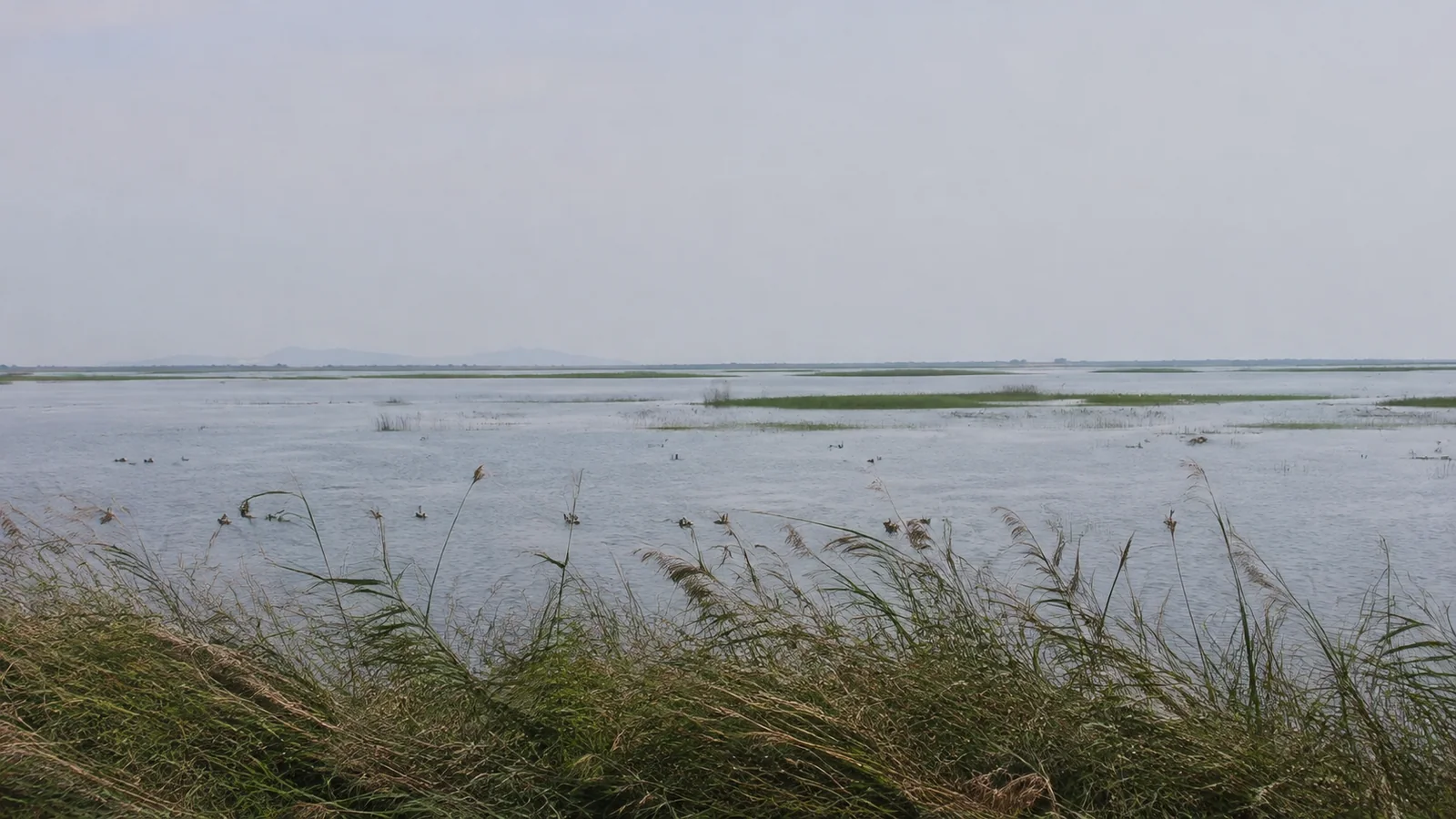
Odisha stretches from the Bay of Bengal through wetlands, mangroves, sal forest, hills, reservoirs, and major river landscapes. That variety supports birding, boating, forest drives, guided walks, community stays, and quieter nature travel across several regions.
The state also has a formal network of nature camps, many linked to forest landscapes and local management. Odisha Tourism’s nature-camp directory is a useful overview, while each destination still needs a live availability and access check.
What responsible ecotourism looks like here
- Use authorized gates, boats, guides, camps, and safari routes.
- Keep wildlife viewing quiet, distant, and free of feeding or chasing.
- Choose community-managed stays and ask how local benefits work.
- Accept seasonal closures, nesting restrictions, and daily capacity limits.
- Carry reusable essentials and take non-compostable waste away.
- Ask before photographing people, villages, homes, ceremonies, or work.
- Spend longer in fewer landscapes to reduce rushed road transfers.
The official EcoTour Odisha portal lets travelers check current camps, experiences, and booking information. A government-linked listing is helpful, but it does not remove your responsibility to ask about water, waste, group size, wages, and wildlife practices.
Best ecotourism destinations in Odisha
Bhitarkanika National Park
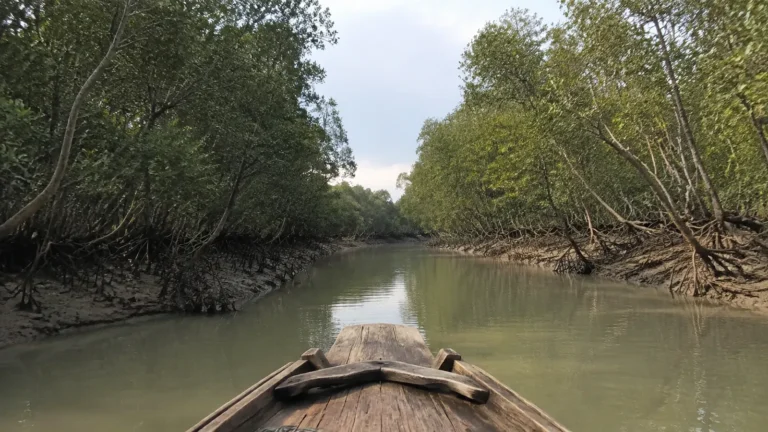
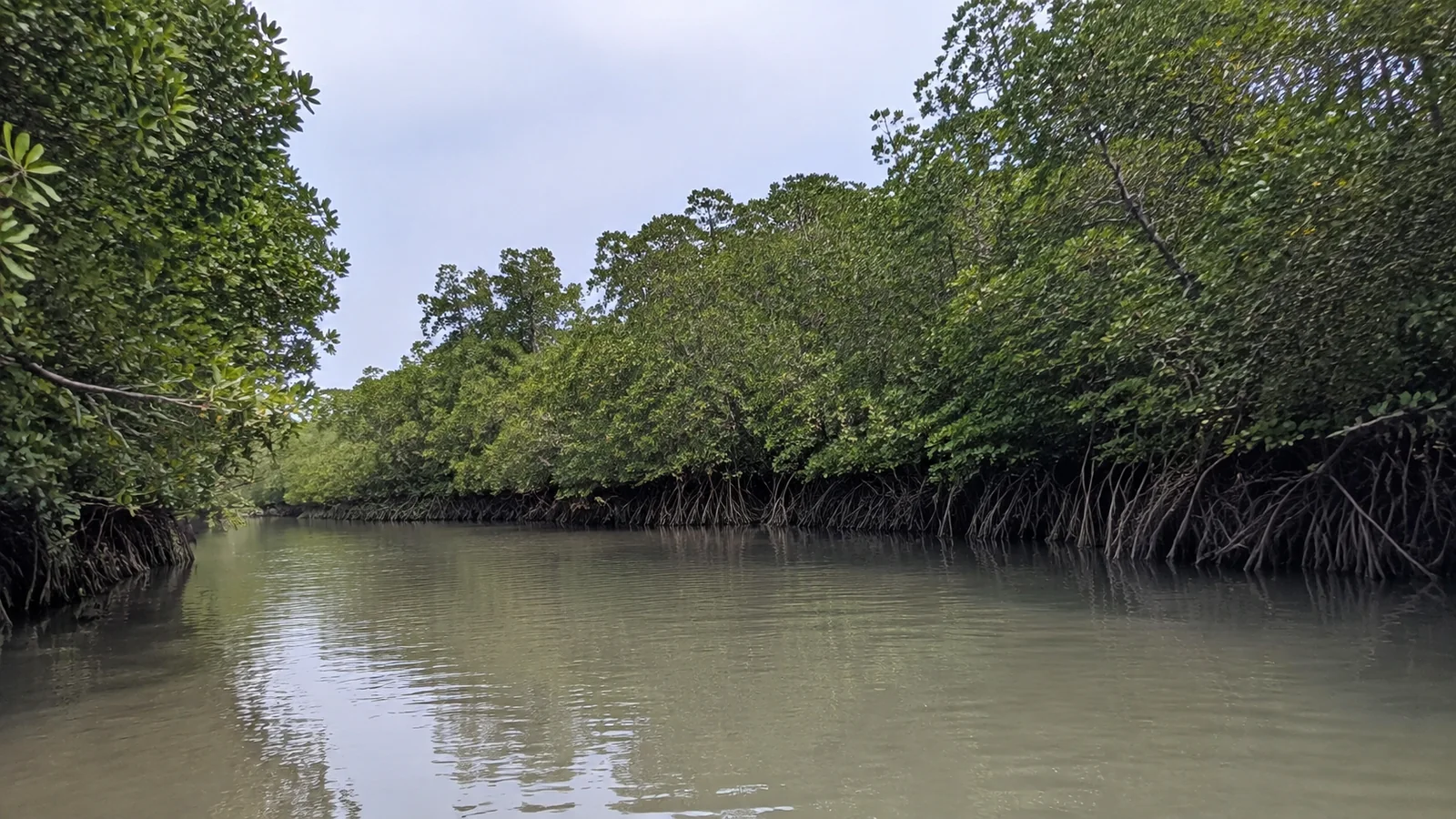
Bhitarkanika protects a mangrove landscape threaded by tidal creeks and rivers. Boat travel reveals roots, mudbanks, birds, reptiles, and the habitat of saltwater crocodiles, while forest walks may be possible in designated areas.
Odisha Tourism’s Bhitarkanika overview describes the mangrove ecosystem, crocodiles, monitor lizards, pythons, mammals, migratory birds, and a major heronry. None of those species or nesting events is guaranteed on one visit.
Choose an authorized boat with life jackets, a licensed operator, and an engine kept at a respectful distance from animals. Never ask the driver to crowd a crocodile, enter a closed creek, or accelerate toward birds for flight photographs.
Nature camps can reduce a punishing same-day drive and let visitors experience quieter morning and evening conditions. Confirm the operating gate, boat point, meal plan, transfer, permit, and monsoon or breeding-season closure before leaving Bhubaneswar.
Chilika Lake
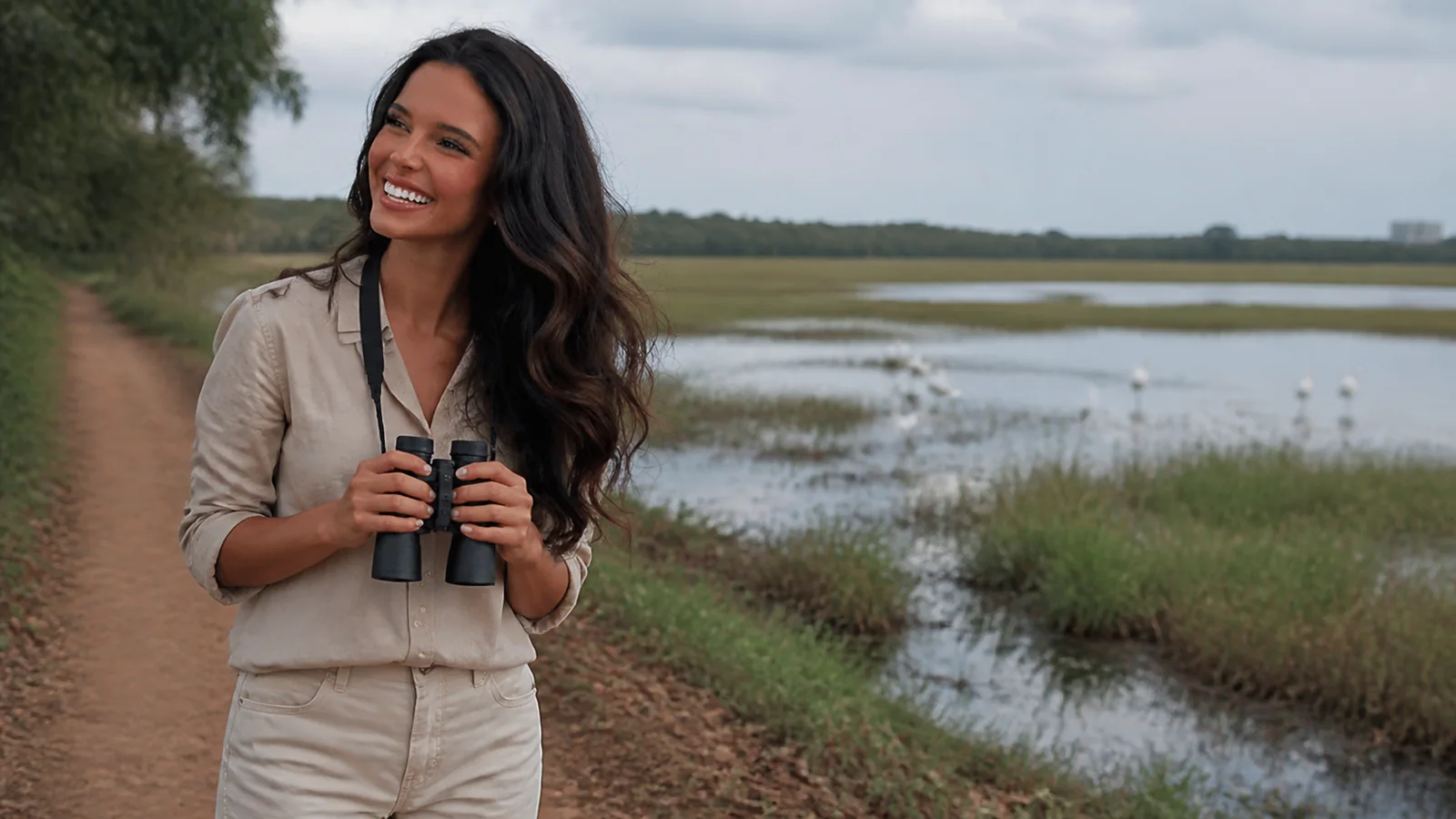
I would choose Mangalajodi for birding and Satapada for a dolphin-focused outing: they are different parts of a large lagoon, not interchangeable boat departures. Mangalajodi’s northern wetland channels suit a slow guided birding boat, especially during the cooler migratory season, while Satapada serves the southern dolphin-watching area.
Stay near Mangalajodi or Tangi if you want an early boat without a long predawn drive, and ask a local guide about water levels and which channels are open. For a first visit I would prioritize one patient birding outing over trying to cover both sectors in one day.
Chilika is a vast brackish-water lagoon connected to the Bay of Bengal and important for waterbirds, fisheries, communities, and Irrawaddy dolphins. Different access points suit different interests, so “a Chilika tour” is not one standardized experience.
Satapada is widely used for dolphin-focused boat trips, while other sectors can work better for birding, islands, or a nature-camp stay. Ask a local operator which jetty matches the season and your priority before booking a long transfer.
The Chilika Development Authority describes local boatmen serving as nature guides and the lagoon’s potential to support nearby livelihoods. Choose trained operators who follow dolphin-watching guidance and refuse to chase, encircle, cut off, or feed animals.
A distant dorsal fin is a successful wild encounter, not a disappointing one. Carry binoculars, keep noise low, wear a life jacket, and let the boat return without a sighting if conditions do not cooperate.
Similipal Biosphere Reserve
Similipal’s sal forest, waterfalls, hills, rivers, and wildlife make it one of Odisha’s defining inland landscapes. The experience is as much about forest scale, plants, birds, and changing light as it is about famous mammals.
UNESCO’s Similipal Biosphere Reserve profile documents high biodiversity and the presence of Bengal tigers and Asian elephants. It does not mean ordinary visitors should expect to see either.
Entry gates, vehicle rules, routes, camps, fire conditions, and seasonal opening can change. Confirm current permits and road suitability, use an authorized driver or guide, and never pressure staff to ignore a closure.
Waterfall viewpoints and forest roads may involve rough surfaces, heat, dust, or long driving hours. Ask for actual distances and restroom availability instead of accepting “easy sightseeing” as a complete accessibility description.
Satkosia Gorge
Satkosia centers on the Mahanadi River passing through forested gorge country. Nature camps, river views, birding, and approved boating or guided activities can make a slower alternative to a wildlife-sighting chase.
Protected-area operations have changed at different times, so old itineraries may advertise camps or boat rides that are not currently available. Verify the exact camp, access road, permit, and activity through the official booking system before travel.
Crocodilians and river birds require quiet distance from boats and sandbanks. Never land on a restricted bank or treat a guide’s safety instruction as optional.
Debrigarh Wildlife Sanctuary
Debrigarh sits beside the Hirakud Reservoir in western Odisha, combining dry forest, open water, grassland edges, and wildlife-viewing possibilities. Its different landscape makes a strong choice for travelers already moving through Sambalpur rather than starting on the coast.
Look for current nature-camp packages, guided drives, walks, or cycling only through authorized channels. Wildlife remains wild, and a quiet view of habitat can be more honest than a rushed promise of gaur, deer, or other mammals.
Rushikulya coast
The Rushikulya coast is known for mass nesting by olive ridley sea turtles in suitable years and conditions. Nesting timing, location, access, and whether a mass event occurs are never guaranteed.
Visit only under current forest-department directions and keep lights, flash, noise, vehicles, and physical contact away from turtles. Never handle a hatchling or reposition it for a photograph, even if someone nearby is doing so.
Turtle tourism can quickly become harmful when crowds block nesting females or use bright screens. A closure is conservation working, not an inconvenience to negotiate around.
Daringbadi and Mandasaru
The Kandhamal highlands offer forest, coffee-growing areas, viewpoints, cooler conditions, waterfalls, and community-linked nature stays. They can provide a landscape and cultural counterpoint to coastal Odisha.
Do not market or consume Adivasi identity as a spectacle. Use community-approved guides, ask before entering settlements or photographing anyone, buy directly from named makers, and accept that ceremonies and daily life are not scheduled entertainment.
When to visit
Cooler months generally make forest travel and birding more comfortable, while migratory species follow their own seasonal patterns. Exact openings vary across reserves, and heavy monsoon rain can close roads, parks, camps, or boat services.
Turtle nesting is especially unpredictable and should never be advertised as a fixed-date show. Contact official local authorities close to travel and be content with a beach visit that respects restrictions even if no turtles appear.
Heat can be severe before the monsoon, and wildfire risk may affect forest entry. Build a cultural or coastal backup day rather than trying to push through a protected-area closure.
Nature camps: what to expect
For a first coastal Odisha trip, I would book two nights at Dangamal and two around Mangalajodi, with a city night between the longer transfers. That pairing gives you mangrove channels and quieter wetland birding without adding a distant western wildlife reserve to the same week.
- Bhitarkanika Nature Camp, Dangamal: Mangrove reserve; arrange the camp’s specified boat access from Gupti or Khola, rather than navigating directly to a forest room. Meal packages are offered; confirm boat transfer, guided mangrove cruise, entry, and guide charges separately. Suggested nights: 2.
- Mangalajodi Nature Camp: Northern Chilika wetlands; reach Mangalajodi village through Tangi off NH16, then use the local birding jetty. Confirm the meal plan and reserve a local guided birding boat; do not assume the boat is included in a room booking. Suggested nights: 2 for birders, 1 for a brief stop.
- Debrigarh Nature Camp, Dhodrokusum: Forest and Hirakud reservoir in western Odisha; enter through the Dhudrokusum gateway and coordinate the onward camp drive. Confirm the room’s meal package, then book available vehicle safari or reservoir cruise and transfers with the camp. Suggested nights: 2 or 3 on a separate western route.
These are real camp choices checked against the official booking listings on September 5, 2026, but an activity shown on a destination page is not automatically included in every room rate. Ask for a written voucher spelling out meals, boat or vehicle time, guide fees, entry permits, taxes, and the exact arrival meeting point.
Dangamal is my pick when mangroves and a boat-based stay are the main reason for coming, while Debrigarh makes more sense when your trip already reaches Sambalpur. For the latter, ask whether the booked vehicle can reach your specific accommodation and who meets you at the gate before leaving town.
Odisha’s nature camps range across forest, wetland, hill, river, and coastal settings, with cottages or tents and packaged meals at many locations. The exact room, electricity, cooling, hot water, mobile signal, food, and accessibility vary substantially.
Ask whether the quoted price includes meals, permits, guides, boats, safari vehicles, taxes, and transfers. Confirm cancellation terms for closures because access to nature is the part most likely to change.
How to evaluate community benefit
- Ask how many staff, guides, drivers, and suppliers are local.
- Check whether the community participates in management decisions.
- Buy crafts or food directly when invited and prices are clear.
- Tip fairly without turning children or residents into photo subjects.
- Avoid visits that enter homes or ceremonies without explicit consent.
- Give constructive feedback about waste and animal welfare to management.
Wildlife-watching rules that matter
Never feed, call, touch, corner, or pursue an animal. Keep voices low, silence camera sounds where possible, and accept the guide’s distance even when another vehicle behaves badly.
Do not buy feathers, shells, coral, turtle products, ivory, skins, live animals, or unidentified wildlife material. Legal restrictions and ecological harm matter regardless of a seller’s assurance.
Use a telephoto lens or binoculars instead of closing the gap. Avoid sharing precise locations of nests, dens, or rare species when publicity could increase disturbance.
A realistic ten-day Odisha ecotourism route
Days 1 and 2: Stay in Bhubaneswar for temples, museums, supplies, and travel recovery. Confirm the Dangamal camp, your exact jetty, boat transfer, and current reserve access before leaving the city.
Days 3 and 4: Transfer to the agreed Gupti or Khola meeting point and stay two nights at Dangamal Nature Camp. Give the second day to the booked mangrove boat outing and any permitted guided land walk rather than another road transfer.
Day 5: Return through your arranged jetty to Bhubaneswar for the night. I would keep this as a transfer day so a slow boat departure does not compromise a second remote check-in.
Days 6 and 7: Travel through Tangi to Mangalajodi and stay two nights at the nature camp or another confirmed local stay. Reserve the next morning for guided wetland birding, with the afternoon free for rest or a second outing if conditions and interest justify it.
Days 8 and 9: Continue to Puri for two nights, using one day for Konark and the coast. Add Satapada only if dolphins are a personal priority and a regulated operator has a suitable departure, rather than treating it as part of the Mangalajodi boat trip.
Day 10: Return to Bhubaneswar with a generous buffer before onward travel. I would save Debrigarh, Similipal, and Satkosia for another route because adding one now would trade a useful wildlife morning for a substantial drive.
Transportation and booking
Bhubaneswar is the main arrival hub for many coastal and central routes, while rail stations and regional cities can shorten some journeys. Remote camps often require a prearranged car, and night driving is best avoided where roads, animals, or visibility are concerns.
Book protected-area stays and activities through current official channels or an authorized operator. Save permits, payment receipts, camp contacts, driver details, and gate names offline.
Never rely on a single spelling of a village or camp in navigation. Ask the property for a map pin and written directions because similarly named places can sit far apart.
Health, comfort, and safety
Discuss vaccinations, malaria risk, and personal medical needs with a qualified travel-health professional before leaving home. Carry prescription medicine, oral rehydration supplies, sun protection, and effective insect repellent.
Drink sealed or reliably treated water and ask the camp how refill water is purified. Heat illness can develop quickly during boat rides, viewpoints, and long vehicle days.
Wear a life jacket on boats, keep hands inside around crocodile habitat, and follow guides near elephants or other large wildlife. Travel insurance should cover remote treatment, evacuation, and the specific activities booked.
What to pack
- Light, breathable clothing with modest coverage
- Warm layer for cool-season mornings
- Rain shell and quick-drying shoes
- Sun hat, sunscreen, and insect repellent
- Binoculars and protected camera gear
- Refillable bottle and trusted water-treatment method
- Dry bag for boat travel
- Personal medications and basic first aid
- Offline maps, permits, and camp contacts
- Small reusable bag for non-compostable waste
The questions in this ecotourism standards checklist help separate measurable practices from green marketing. Low-impact nature activities can also replace close-contact animal attractions.
Travelers comparing regions may find Kerala’s ecotourism options useful, but Odisha deserves its own route rather than being squeezed into a pan-India sprint. Both states reward slower travel and careful local operators.
Ecotourism in Odisha FAQs
Which Odisha destination is best for a first visit?
Bhitarkanika is a strong first choice for mangroves, boating, birds, and a nature-camp stay. Chilika is easier to combine with Puri, while Similipal suits a dedicated forest journey.
Can you see tigers in Similipal?
Tigers live in the biosphere reserve, but a visitor sighting is unlikely and never guaranteed. Choose Similipal for the entire forest ecosystem rather than one species.
Are Chilika dolphin tours ethical?
They can be when authorized operators follow distance, speed, approach, and group guidance. Leave any boat that chases or encircles dolphins if it is safe to do so, then report the concern.
Can you book Odisha nature camps online?
Yes, the official EcoTour Odisha portal lists live stays and activities. Reconfirm protected-area access and every inclusion before travel.

Final thoughts
Odisha’s wild places do not need exaggerated sightings to justify a journey. A mangrove boat at dawn, a quiet lagoon, sal forest after rain, or a locally managed camp can carry the whole experience.
Plan fewer regions, use authorized guides, pay fairly, and let closures remain closed. The result is a better trip because conservation is not scenery around the itinerary; it is the structure holding the itinerary together.