
Cruising is one of the top forms of travel found throughout the world. As the top vacation vessel in the Caribbean, cruising is the perfect way to have a blast with your best girlfriends on any girls trip!
To make sure you plan the perfect girls trip for everyone, I have put together the ultimate list of Caribbean ports to visit while on your girls cruise.
So make sure to pick up one of the cruise planners and check out these top tropical ports to book on your itinerary for your next girls cruise.
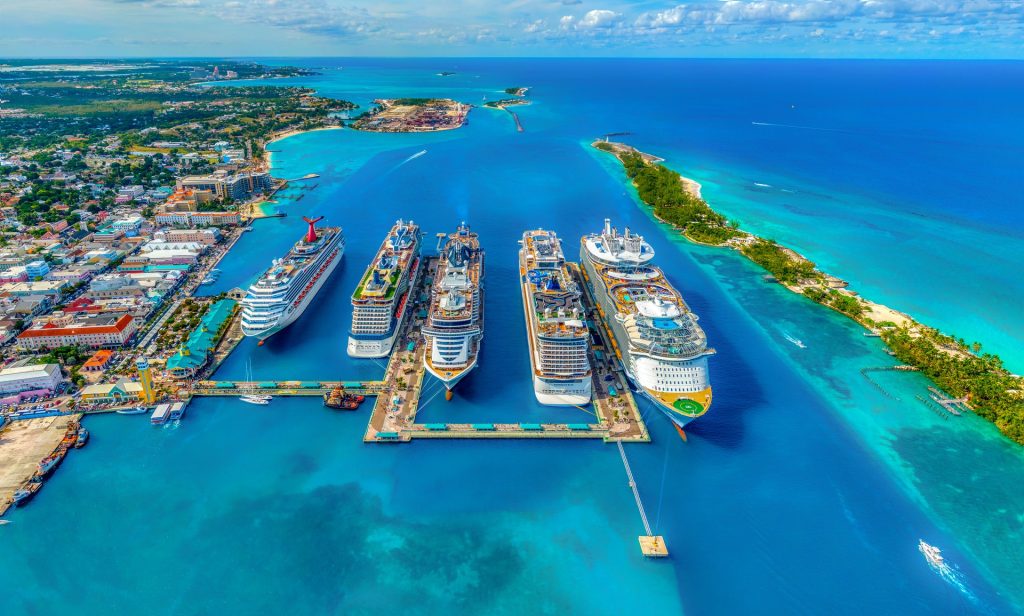
Nassau
Just steps away from local shops and delicious restaurants, you will want to make sure to book a girls cruise visiting Nassau, Bahamas.
Head on down Bay Street where you will find a huge shopping district where you and your girlfriends can explore the local shops. Later, jump on a cab to head over to the famous Junkanoo Beach. Catch some intense sun rays and hop in the ocean to experience the crystal blues Nassau famously boasts.
If you and your friends want to get away from the hustle and bustle of the big port city of Nassau, book a 10-minute water taxi to the rejuvenating Paradise Island.
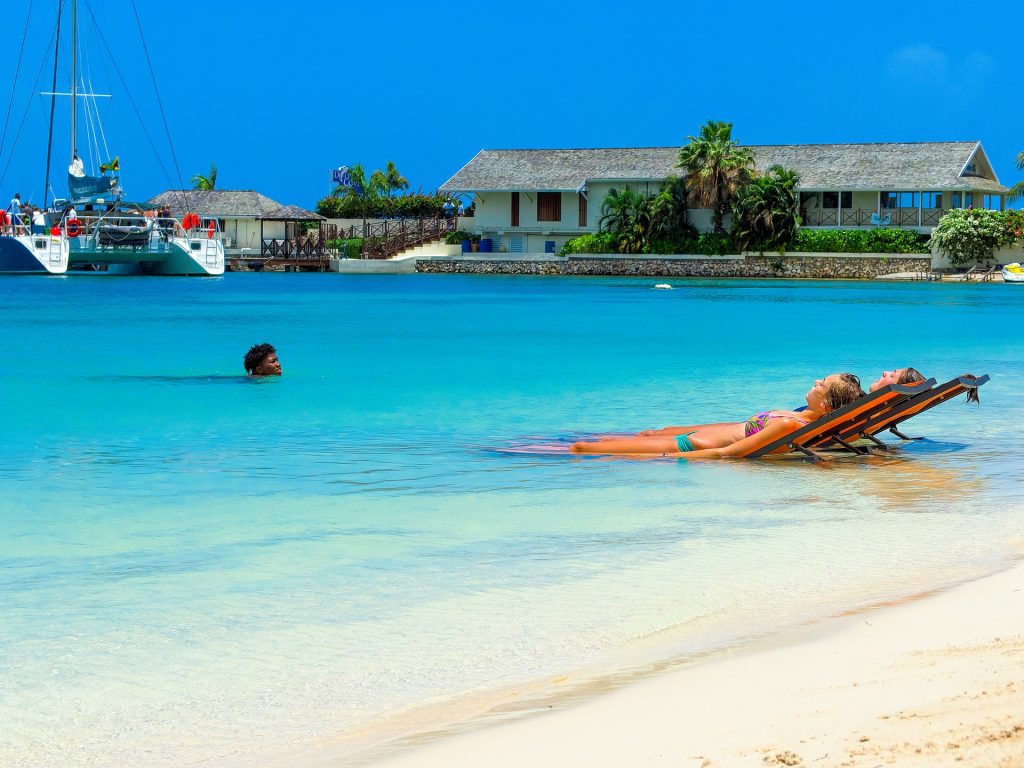
Ocho Rios
As a perfect destination for art lovers and sun tanners alike, Ocho Rios in Jamaica is a must-see stop on your next girls cruise.
This classic girls cruise port is the gateway to some of Jamaica's famous attractions. Catch one of the taxis after getting off the ship to the famous Blue Hole. Here, you and your best girlfriends can hop in your cutest bikinis and take beautiful Insta-worthy pics in the stunning waters and scenery.
Later, make sure to stop at Dunn's River Falls where you will link arms with each other and fight your way through a magnificent waterfall! Travelers from around the world love this spot as Dunn's River Falls offers a unique, one-of-a-kind experience.
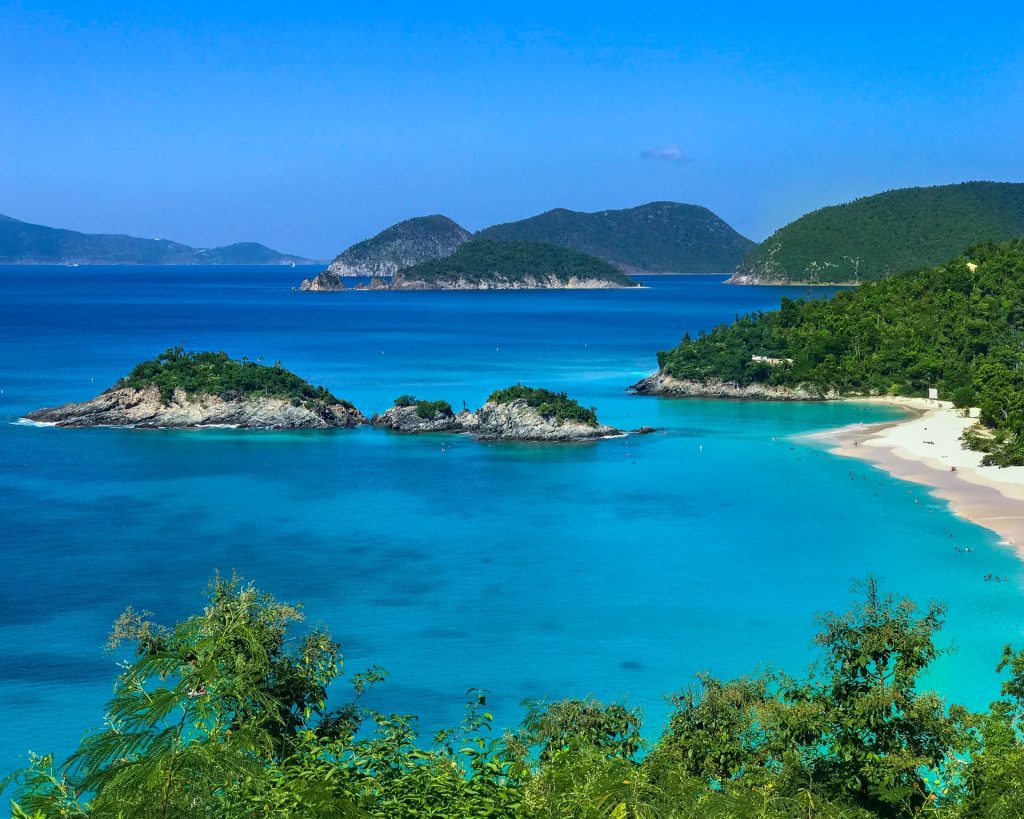
Basseterre
As a popular southern Caribbean destination, you are gonna want to stop into Basseterre, St. Kitts on your next Caribbean girls cruise!
Most major cruise ships will drop off their passengers in Port Zante. From here, you girls can enjoy a five-minute stroll to the Kittitian capital's bustling town square, filled with popular shops and delicious local restaurants.
After, hop in a taxi to head to the beach bars found at Frigate Bay. If you are looking to find your own tropical paradise, book a 45-minute ferry ride to St. Kitts' beautiful sister island of Nevis.
On your way back, make sure to stop into the Caribelle Batik fabric factory where you will enjoy a historic history of the fabric industry in St. Kitts.

Fort-de-France
You definitely want to add Fort-de-France, Martinique to your must-see port list for your upcoming girls cruise.
The French-Caribbean island's awe-inspiring atmosphere will leave you wishing you had more time to explore the area. With your cruise ship dropping you at Pointe Simon (city center), you will be very close to the covered market where you and your friends can go shopping for the best local spices.
After, stop into one of the numerous, tasty eateries Fort-de-France has to offer. Later, catch a 20-minute ferry ride to the charming beach town of Trois Ilets. Here you can soak in the sunrays with a refreshing, fruit cocktail in hand.
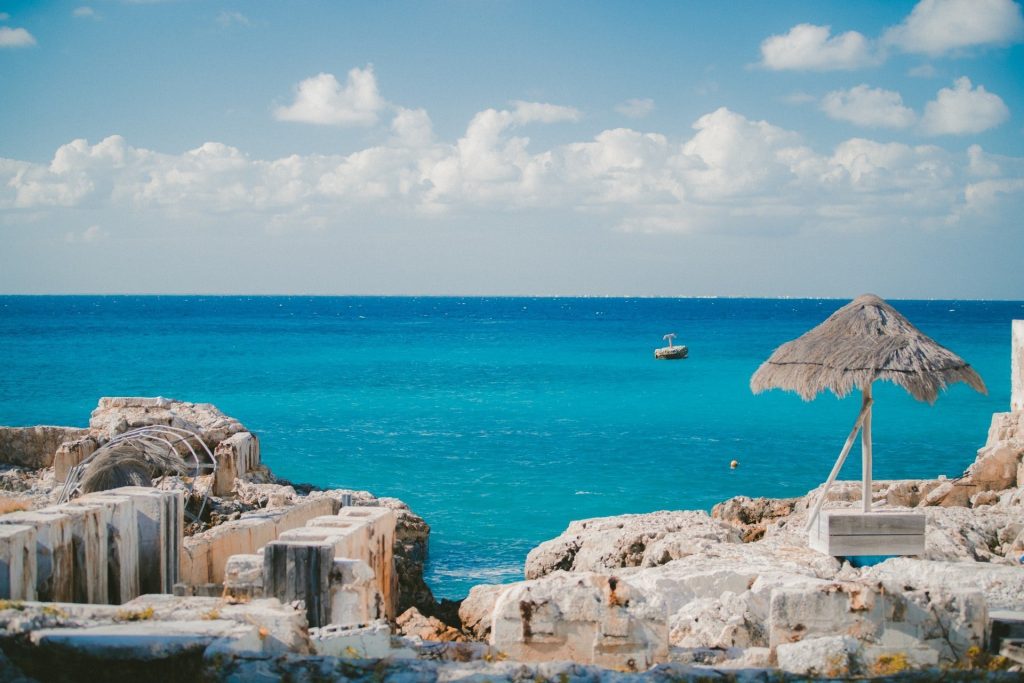
Cozumel
With only 300-square-miles to its name, Cozumel, Mexico has a lot more to offer than what meets the eye-- perfect for your girls cruise.
This island off the Yucatan peninsula boasts three cruise piers to bring ships coming from everywhere into the bustling port. Start enjoying the best things to do in Cozumel by strolling down to San Miguel where you will notice cute shops and restaurants.
Later, check out the world's second-largest barrier reef where you can rent some snorkel gear and head out into the sea with your friends. If you prefer to get further away, take a 45-minute ferry ride to neighboring Playa Del Carmen. Here you will enjoy rejuvenating boho beach vibes on Mexico's mainland.
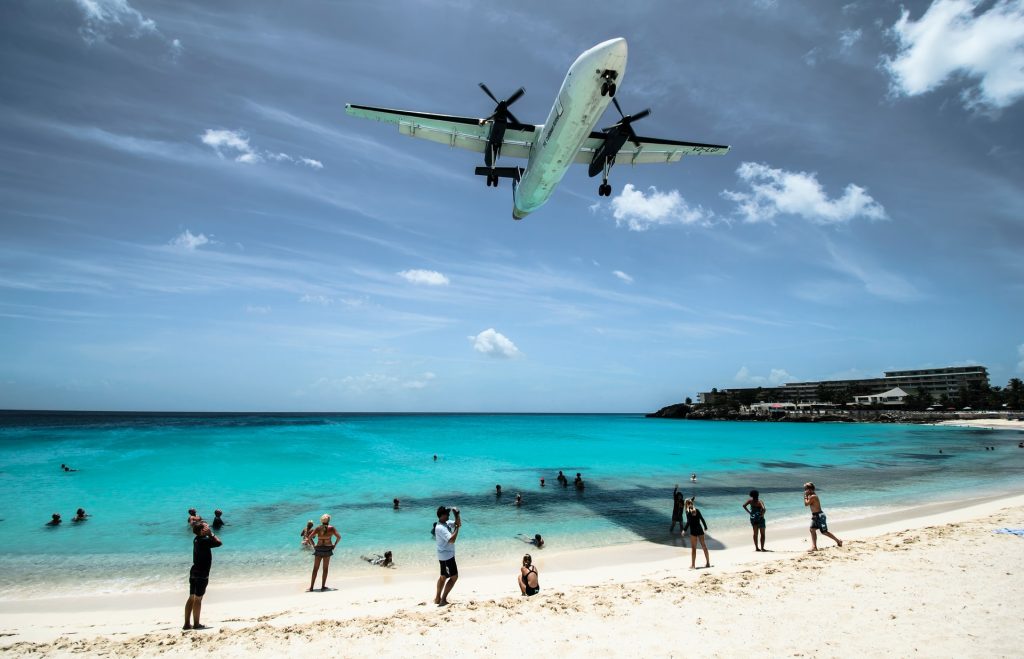
Philipsburg
If you and your girlfriends are avid shoppers or prefer the beach bum lifestyle, this is definitely your port for your best girls cruise.
Once arriving at the terminal, walk around the neighboring area where plenty of shopportunities begin. Later, visit the Dutch-side sandy sweep found at Great Bay which is only a taxi ride away. If you and your friends are looking for a clothing-optional beach, head over to St. Maarten's capital, Marigot.
Plus, while you are here, you can explore the famous open-air market to see all of what St. Maarten has to offer its tourists and visitors. Do not worry, there are plenty of other beaches to visit if Great Bay is too crowded for your liking!
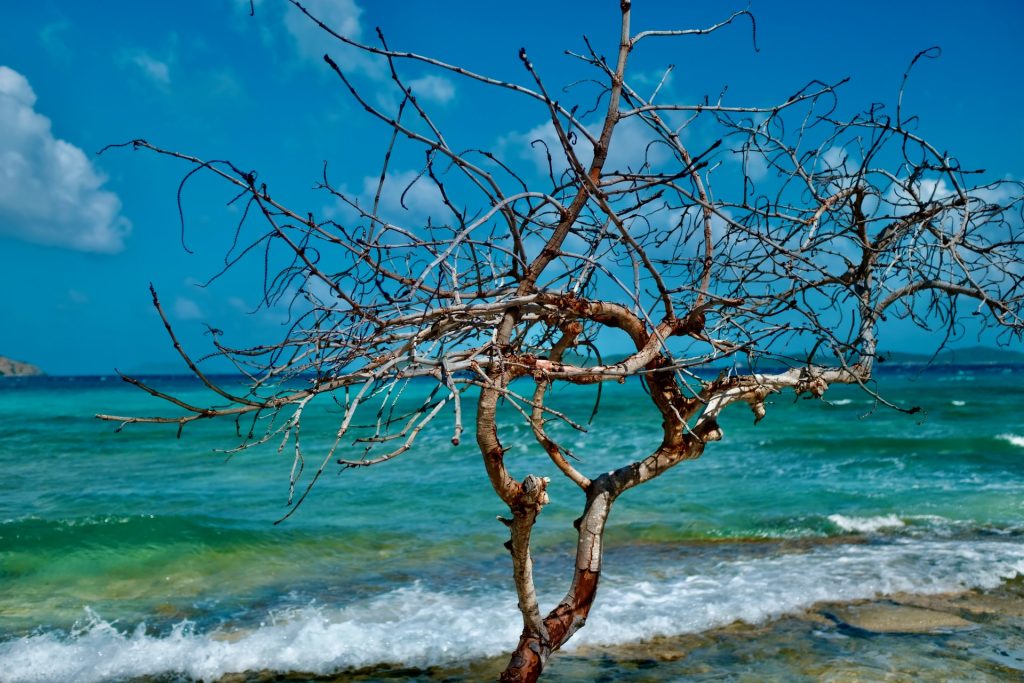
Charlotte Amalie
As the Caribbean's most popular cruise port, you and your friends are definitely gonna wanna see what all the hype is about and add Charlotte Amalie to your girls cruise itinerary.
With as many as six cruise ships docked at a time, there are always things to see in Charlotte Amalie, St. Thomas. If you are looking to spend some more time in the sun, check out the picturesque, sand-lined Magen Bay beach.
Later, enjoy a duty-free shopping run to the many local shops located in the city center. If you also want to check out a neighboring island, you are in lucky. The U.S. Virgin Islands are just a ferry boat ride away for you and your best girlfriends to enjoy!
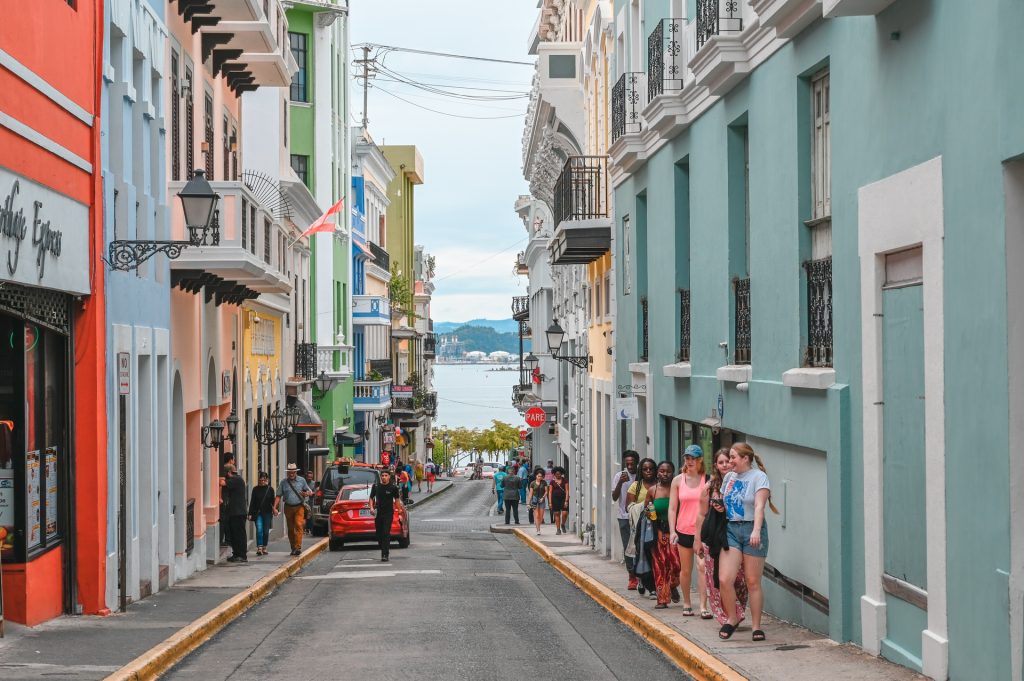
San Juan
As one of the busiest ports found in the Caribbean, San Juan, Puerto Rico has countless attractions and excursions for you girls to enjoy on your girls cruise.
Hop off the ship to enjoy the numerous quick trips around the area. If you have some history buffs in your travel group, check out some of the forts that the Americas have to offer at Castillo San Felipe del Morro. Later, grab your friends and head towards historic Old San Juan.
With colorful buildings, a variety of local shops, and delicious restaurants, this is the perfect spot to snap a selfie or pose for Insta-worthy pics with your besties. At the end of the day, make sure to cool off with some Piraguas, which are a local specialty -- crushed ice cones flavored with locally made fruit syrups (cherry, strawberry, passionfruit, coconut, and more).
That completes our ultimate Caribbean port guide for your next girls cruise. Make sure to pack plenty of swimsuits and your cameras before heading to these stunning destinations!

Ellie is the founder of Ellie's Travel Tips, where she shares practical cruise tips, port guides, and step-by-step itineraries to help you plan smarter trips for less. Her checklists and packing guides turn travel daydreams into doable plans.