
There is no single standard Great Lakes cruise itinerary. Routes vary by operator, ship, sailing direction, border crossings, lock passages, port access, and the number of lakes included, so the booked voyage matters more than a generic sample schedule.


What “Great Lakes cruise” can mean
The label covers a network of American and Canadian ports, rivers, canals, Georgian Bay, the North Channel, and Lake Superior destinations. The Great Lakes Cruise Association destination directory illustrates that breadth without implying that every ship visits every listed place.
Some cruises concentrate on the lower lakes and the Saint Lawrence corridor, while others emphasize Lake Michigan, Lake Superior, Georgian Bay, or an all-five-lakes crossing. A shorter regional sailing can be just as intentional as a longer traversal, depending on what the traveler values.
“All five lakes” is therefore a feature to verify, not part of the definition. Confirm Lake Ontario, Erie, Huron, Michigan, and Superior individually on the selected sailing if visiting all five is important.
Direction changes the experience
Two cruises with similar port names may run in opposite directions or begin in different gateway cities. That can affect flight planning, pre-cruise hotels, daylight during scenic segments, and which border formalities occur at embarkation.
Read the itinerary from embarkation to disembarkation instead of assuming a round trip. Then confirm whether the advertised city is the actual berth, a transfer point, or simply the commercial name used for a broader region.

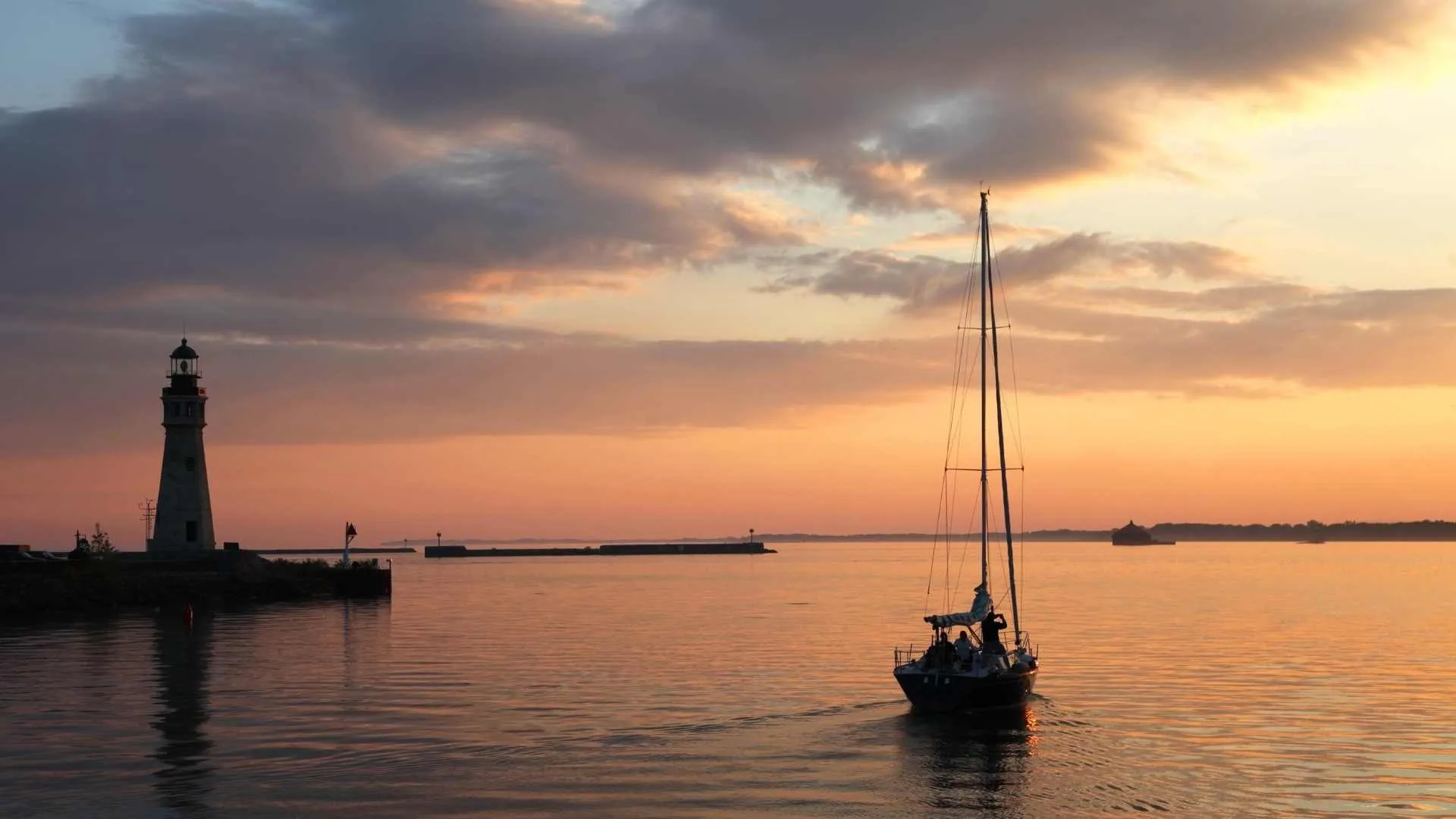
Five useful route families
Lower lakes and Niagara-focused routes
These patterns may combine Lake Ontario, Lake Erie, the Welland Canal, and Saint Lawrence connections. Niagara Falls can appear as a shore excursion from a regional port rather than as a place where the ship docks beside the falls.
Check whether the excursion is included, optional, or merely possible from the port. Also examine the transfer length, mobility demands, border implications, and amount of independent time rather than treating “Niagara” as a self-explanatory port call.
Lake Michigan city and shoreline routes
A Lake Michigan itinerary may feature major urban gateways, smaller shoreline communities, islands, or a combination. Milwaukee, Chicago, Muskegon, Holland, and Mackinac Island are examples of places that can appear, but none belongs to every Lake Michigan sailing.
Port infrastructure differs considerably. One call may allow a straightforward walk from the ship, while another relies on a tender, shuttle, or organized excursion, so compare the arrival method as carefully as the destination name.
Lake Superior and northern routes
Lake Superior-focused voyages can emphasize scenery, industrial or maritime history, Indigenous cultural context, remote shorelines, and selected cities. These routes may allocate more time to navigation or expedition-style activity than travelers expecting a sequence of downtown port days anticipate.
Check the ship's activity descriptions and physical requirements for every landing or excursion. An expedition outing, scenic passage, and conventional berth are three different experiences even when they occupy similar space in a brochure.
Georgian Bay and North Channel routes
Georgian Bay and the North Channel can add island landscapes and smaller communities to the itinerary. They should not be treated as one generic destination, and a scenic-cruising segment should not be counted as an independent walk-off port.
Look for exact landing names, arrival methods, and shore descriptions. If a photograph or headline drives the decision, verify that the booked date includes the relevant place rather than another part of the same broad waterway.
All-five-lakes and St. Lawrence traversals
Longer patterns may connect all five Great Lakes and extend along the Saint Lawrence. Their appeal is the connected waterway story, but the title alone does not confirm every lock, canal, lake, or headline city.
List the desired features and match each one to the day-by-day itinerary. Travelers who simply want a varied cruise destination may find it useful to compare these routes with other cruise destination styles before paying for geographic completeness they may not value.


How to read a day-by-day itinerary
Identify the arrival type
A named stop may be a dock, anchorage, tender operation, expedition landing, scenic segment, or gateway for a bus excursion. The Cruise the Great Lakes port directory provides destination context, but the booked line's documents determine the actual arrival method.
This distinction matters for mobility, independent exploration, and time ashore. A traveler who requires step-free access should ask about the specific ship, landing, transfer, and excursion rather than relying on a general port description.
Separate the port from the excursion region
A port page may highlight museums, waterfalls, parks, or historic districts reached by ground transport. That does not make every attraction walkable from the vessel or available on every call.
Mark each priority as walkable, shuttle-dependent, excursion-dependent, or unresolved. This small exercise exposes itinerary days where the headline attraction depends on a sold-out tour or a transfer that does not suit the traveler.
Check inclusions rather than assuming them
Shore programs, pre-cruise stays, transfers, meals ashore, and special access differ among operators and fares. Compare the exact inclusion language for the selected cabin category and sailing date.
A lower advertised fare may require extra spending for the experience a traveler actually wants. Conversely, a more inclusive fare has little value if its bundled excursions are not a good physical or thematic match.

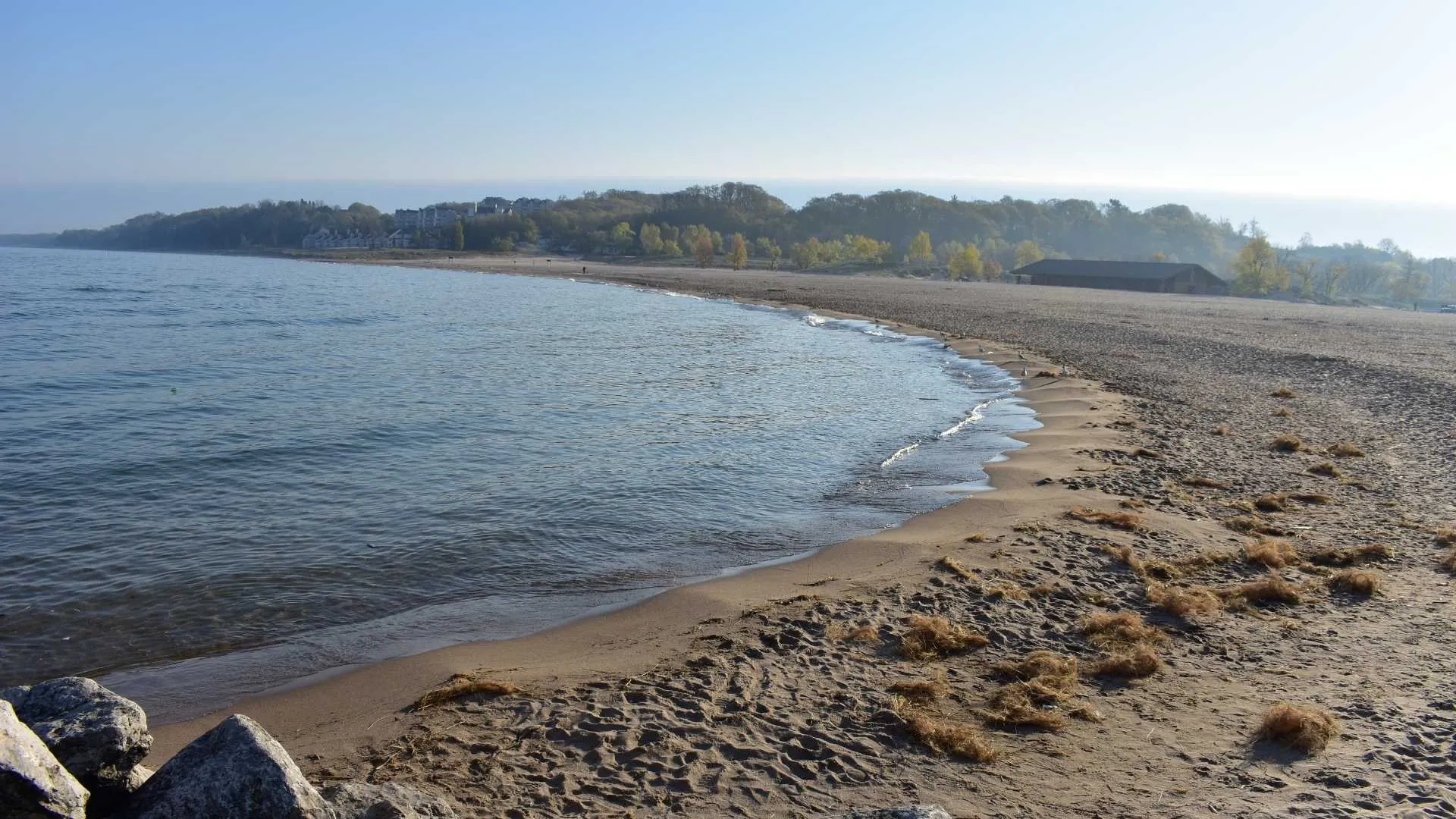
Holland and Lake Macatawa are examples, not a template
Holland, Michigan is one possible Great Lakes cruise destination, and Lake Macatawa connects the local setting to Lake Michigan. Its presence in an older sample itinerary does not establish a standard first, second, or third day for the region.
A current sailing might call at Holland, another Michigan port, or neither. Keep the imagery as an illustration of one shoreline environment while using the operator's live itinerary to decide what the booked trip contains.
Decide what a Michigan port day should accomplish
Choose among urban culture, maritime history, island character, beach scenery, or a quieter small-city day. A route with fewer Michigan calls may still be preferable if it provides the particular experience that matters most.
For travelers comparing port logistics across regions, a Bermuda itinerary guide offers a useful contrast. Great Lakes routes generally involve more distinct jurisdictions, waterways, and arrival types than a stay centered on one island territory.

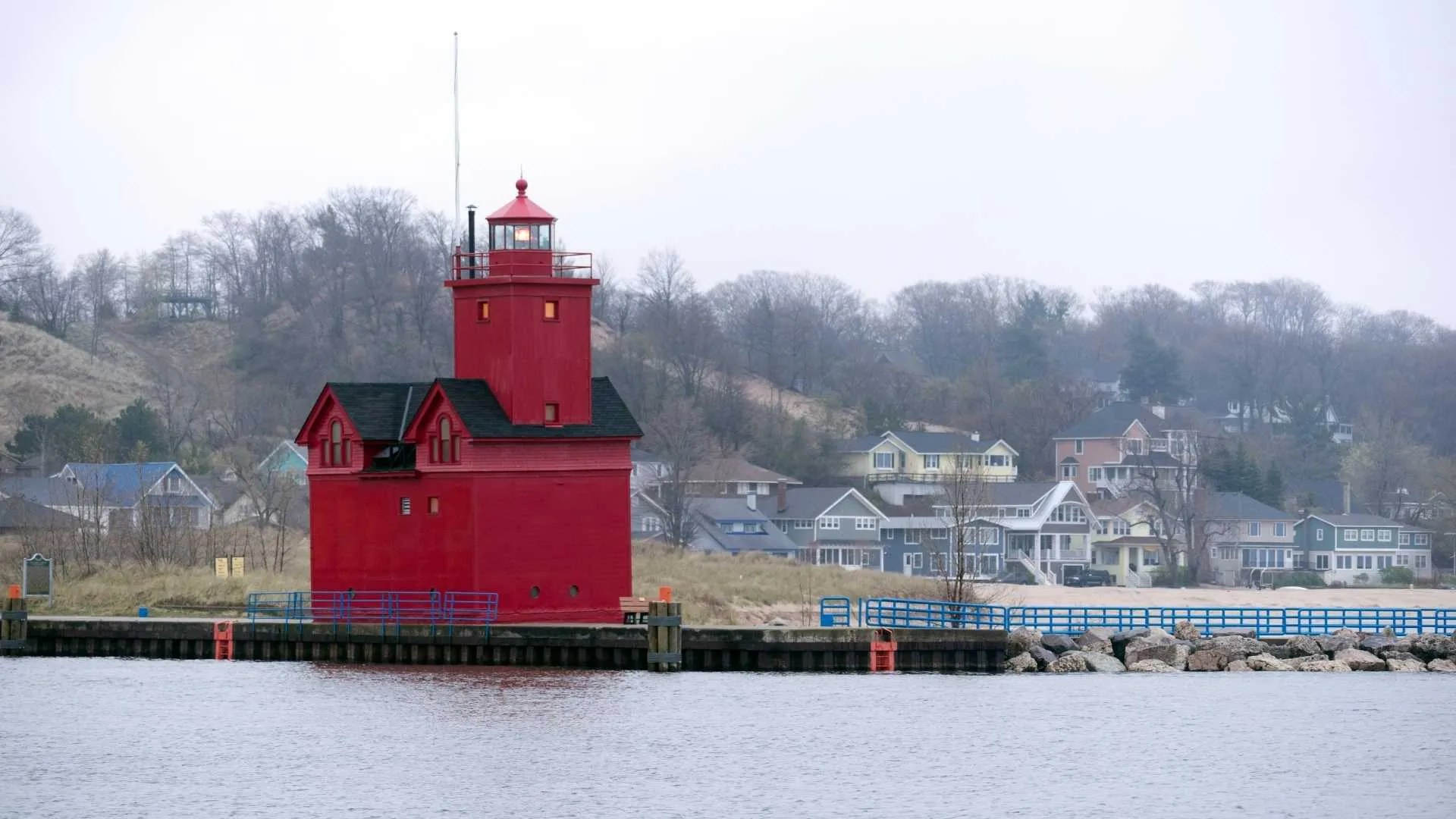
The Great Lakes and Saint Lawrence form a managed navigation system with seasonal operations and multiple locks. The binational Great Lakes Saint Lawrence Seaway System publishes current navigation information, but it should not be converted into a fixed passenger-cruise timetable.
A route may use the Welland Canal to move between Lake Ontario and Lake Erie, while other routes involve the Saint Marys River and Soo Locks between Lakes Huron and Superior. Verify the exact waterways on the selected itinerary instead of inferring them from a nearby destination.
Treat a lock passage as conditional
Lock timing depends on managed traffic and operating conditions. A brochure may identify a passage as a highlight, but an evergreen guide cannot promise the exact hour, duration, viewing position, or absence of operational changes.
If seeing the engineering is a priority, ask where outdoor viewing is normally possible and whether narration is planned. Even then, follow onboard notices because the final sequence belongs to the vessel and waterway authorities.
Cross-border documents require two checks
Many Great Lakes cruises cross between the United States and Canada, sometimes more than once. Government admission rules depend on citizenship and status, while the cruise line can impose boarding-document requirements for its own operation.
Check both sets of rules for the actual itinerary and every traveler. Do not assume that a round trip from an American city removes Canadian requirements, or that another passenger's document list applies to a child, permanent resident, or different nationality.
Also verify rules for any pre-cruise flight, land transfer, or independently arranged border crossing. The method of entering a country can matter, and generic cruise advice is not a substitute for current official guidance.

Why routes can change
Weather, water conditions, authorities, locks, port availability, ship capability, and other operational decisions can change a call or sequence. The line's final documents and onboard announcements govern the sailing, not an example shown in an older trip description.
Build flexibility into independent plans and avoid nonrefundable arrangements that depend on a precise arrival unless the provider's terms fit that risk. A replacement port may be worthwhile, but it will not recreate a canceled destination exactly.
Create a priority ladder
Label each desired feature essential, preferred, or optional. If all five lakes are essential, reject any route that does not name them; if cultural port days matter more, compare time ashore and excursion fit instead.
This method also improves comparisons with expedition-heavy regions such as the ports in an Iceland cruise itinerary. Destination count alone says little about landing conditions, transfer burdens, or the substance of each day.
A booking checklist that fits any Great Lakes route
Trace the water
Write down every lake, river, bay, canal, and lock explicitly named. Do not fill gaps with assumptions based on the embarkation and disembarkation cities.
Classify every stop
Note berth, tender, expedition landing, scenic cruising, or excursion gateway. Then record mobility demands and whether independent exploration is realistically supported.
Verify the international pieces
Check government entry requirements and the cruise line's boarding rules for each traveler. Add any separate airline, rail, or land-border conditions created by the pre-cruise and post-cruise plan.
Compare the real package
Review included excursions, transfers, accommodations, and cancellation terms for the exact fare. Compare what the day delivers, not just the port count or promotional route map.
Recheck near departure
Review final documents, port updates, and onboard notices. Keep optional plans flexible enough to absorb a changed time, arrival method, or destination.
The right itinerary is the one that proves its fit
A Great Lakes cruise can be a city-focused journey, a waterway traversal, an expedition-style exploration, or a blend of all three. The useful question is not what a typical itinerary does, but whether the selected sailing documents the lakes, ports, arrival methods, and shore experiences the traveler values.
Compare route families, verify borders and locks, and treat sample schedules as illustrations only. That produces a more honest choice and leaves room for the operational changes that are part of cruising a large, shared inland-waterway system.

Ellie is the founder of Ellie's Travel Tips, where she shares practical cruise tips, port guides, and step-by-step itineraries to help you plan smarter trips for less. Her checklists and packing guides turn travel daydreams into doable plans.