Ortigia, Sicily: A Practical Guide to Syracuse’s Old City
Ortigia is the compact island heart of Syracuse, joined to mainland Sicily by bridges and best explored on foot. Give it one full day for the market, Temple of Apollo, Piazza Duomo, Fonte Aretusa, and seafront, or stay two nights to enjoy the lanes after day-trippers leave.
Ortigia quick facts
- Location: the historic island center of Syracuse in southeastern Sicily.
- Best stay: two nights, though one full day covers the main route.
- Getting around: walking is the default; buses and taxis help with luggage and mainland sights.
- Driving: restricted by the Ortigia ZTL, with camera-controlled access.
- Nearest rail station: Siracusa, on the mainland roughly a mile from the bridges.
- Best seasons: spring and fall for milder walking weather.
My strongest recommendation is to separate Ortigia from greater Syracuse in your planning. Ortigia is a tight historic center, while Neapolis Archaeological Park and the Paolo Orsi museum sit on the mainland and require extra time or transport.
What and where is Ortigia?
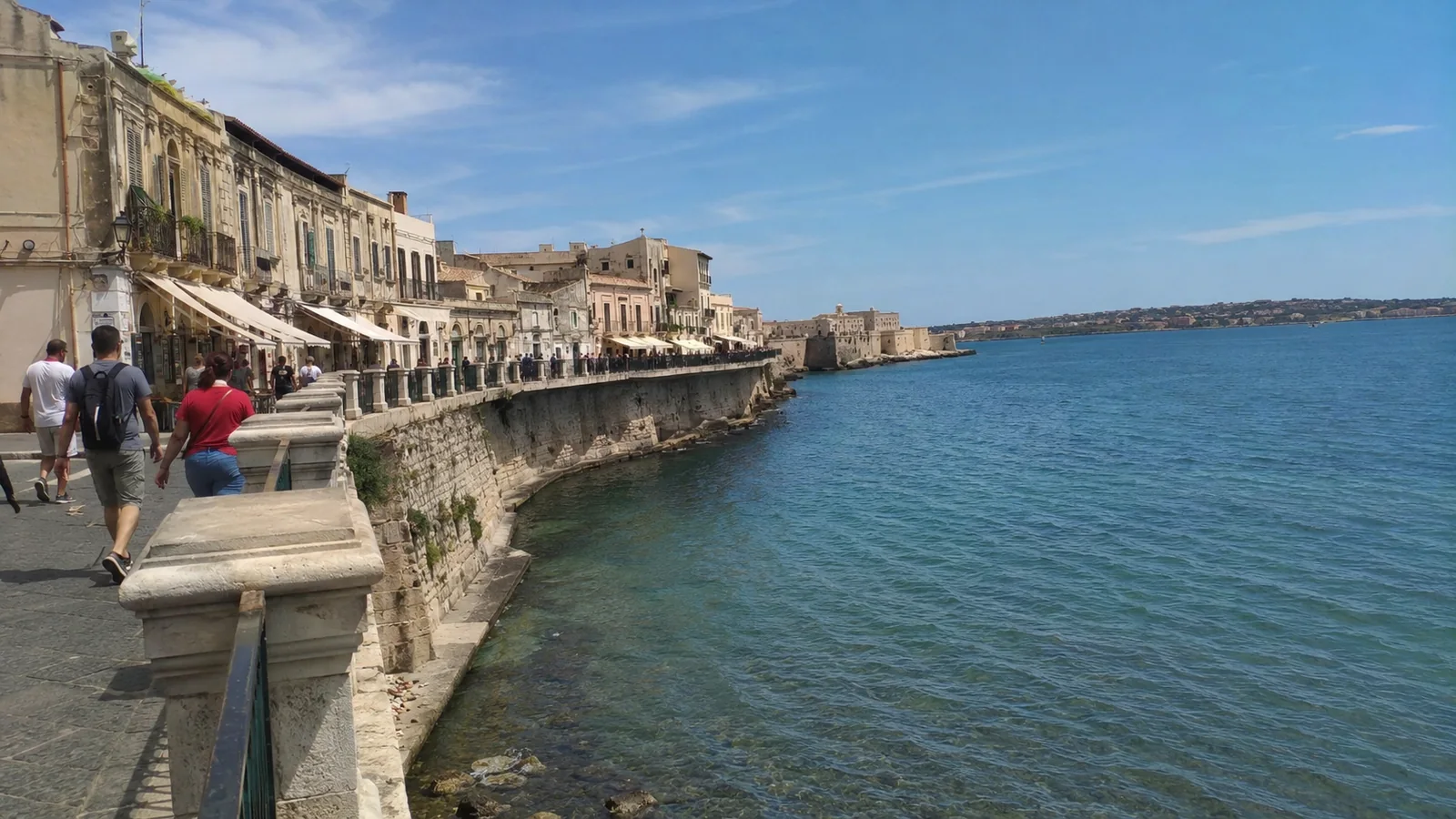
Ortigia is a low, roughly mile-long island forming the ancient core of Syracuse. Two short road bridges connect its northern end with the mainland, so it feels like a peninsula in daily use even though water surrounds it.
The island layers Greek foundations, Roman remains, medieval streets, Baroque rebuilding, churches, homes, shops, markets, and waterfront defenses. It is not a preserved stage set, and residents still need its lanes, doors, parking spaces, and morning quiet.
This is one reason Ortigia rewards the same slow approach as the compact old city in our Cádiz port guide. The best discovery comes between headline sights, not from racing a checklist.
How many days do you need?
One full day is enough for the main Ortigia loop without Neapolis. Two nights add a relaxed dinner, early market visit, swimming time, and an evening walk after tour groups thin.
Add a second full day for the Greek Theatre, Ear of Dionysius, Roman Amphitheatre, and Paolo Orsi museum on the mainland. The official Syracuse archaeological park posts current sites, hours, and ticket information.
Three nights make sense if Syracuse is your base for Noto, the southeast coast, or a slower food-focused stay. Do not keep a rental car merely to store it during two days of walking.
The best one-day Ortigia walking route
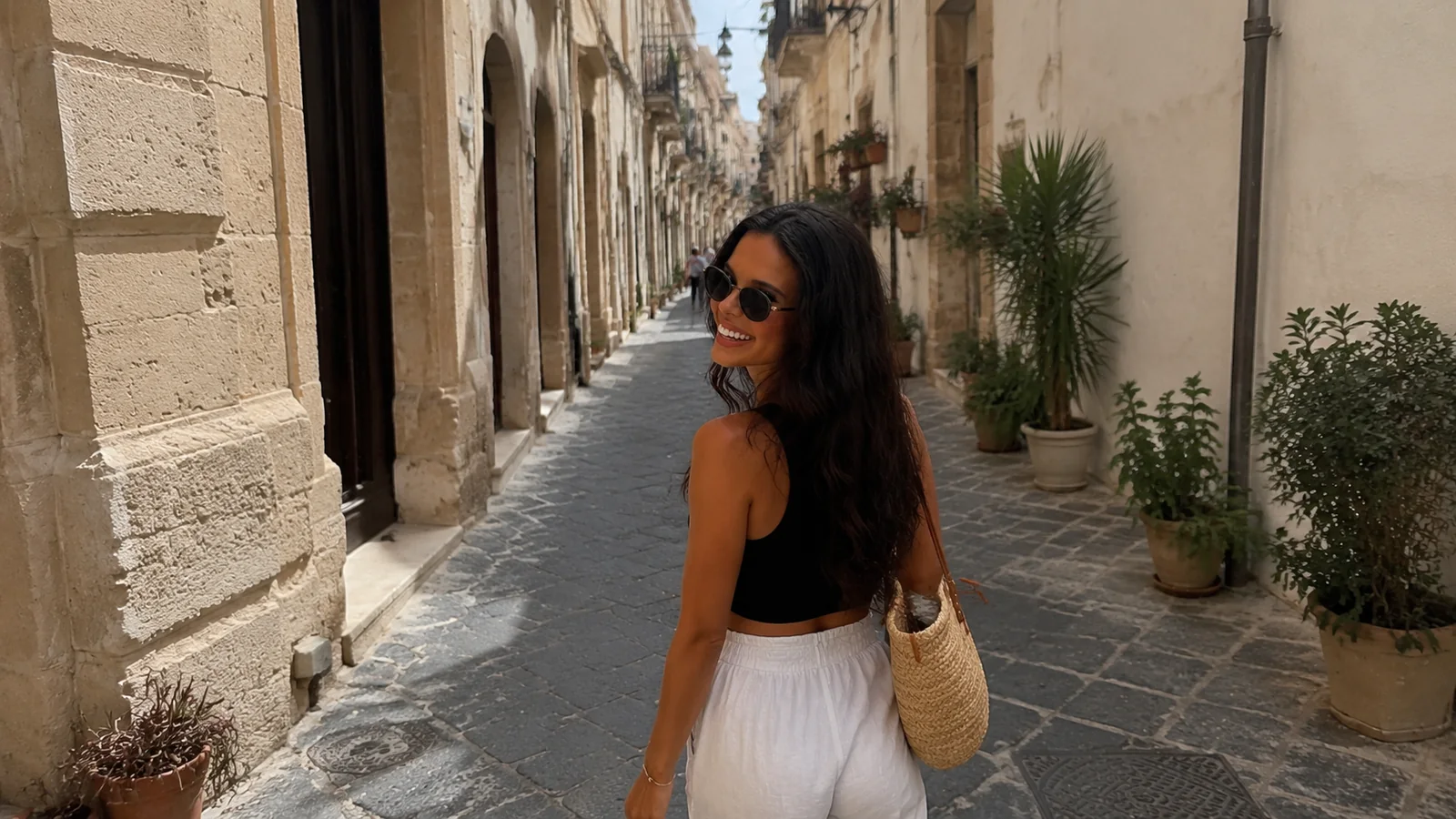
Start near the bridges and move clockwise through the market, center, and southern waterfront. This puts the market early and leaves the most atmospheric seafront stretch for afternoon.
1. Temple of Apollo
The Temple of Apollo stands near the island entrance at Largo XXV Luglio. Its visible remains make a useful orientation point and introduce the way later Syracuse grew through and around ancient structures.
Do not climb barriers or treat the archaeological edge as seating. If a gate or viewing area is closed, the monument can still be understood from the public perimeter.
2. Ortigia market
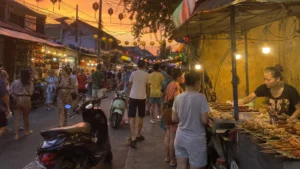
Continue to the market streets around Via Emmanuele De Benedictis in the morning for produce, fish, cheese, spices, prepared food, and household shopping. The market is most interesting as a working food space, not only a sandwich stop.
Keep the central aisle open, ask before photographing vendors closely, and do not handle produce without invitation. Individual stalls set their own days and hours, so arrive before lunch rather than assuming a permanent tourist market.
The same courtesy applies in other busy market cities, including the practical bargaining and photography advice in our Istanbul travel tips. A camera does not turn a person’s workplace into a public performance.
3. Piazza Archimede
Walk inland to Piazza Archimede and the Fountain of Diana. It is a natural junction rather than a long visit, so use it to choose a quieter lane toward Piazza Duomo.
Cafes on the main squares charge for location and table service. Check the menu and cover charge before sitting if budget matters.
4. Piazza Duomo and Syracuse Cathedral
Piazza Duomo is Ortigia’s architectural centerpiece, framed by pale Baroque facades. Syracuse Cathedral incorporates columns from an ancient Greek temple of Athena, making the building itself a visible record of changing sacred use.
Dress respectfully, silence your phone, and yield to worship and ceremonies. A ticket or posted visiting hour does not make a church behave like an attraction at every moment.
Nearby Santa Lucia alla Badia and other buildings can close between services, exhibitions, or maintenance. Verify same-day notices rather than constructing a minute-by-minute church tour.
5. Fonte Aretusa
Continue toward Fonte Aretusa, a freshwater spring basin near the sea associated with the myth of Arethusa and Alpheus. Papyrus grows around the water, and the surrounding promenade opens toward the Porto Grande.
The viewpoint is brief but especially pleasant near softer light. Keep food away from birds and water, and do not lean over barriers for a closer photograph.
6. Castello Maniace
Walk south to Castello Maniace at Ortigia’s tip for the island’s strongest sense of maritime position. Opening areas, tickets, exhibitions, and event closures change, so confirm before committing the extra distance.
The castle is a better choice for fortification history than for anyone expecting a furnished palace. Exposed stone, sun, wind, ramps, and steps also shape the visit.
7. Eastern seafront and Jewish quarter lanes
Return along the eastern seafront through narrow streets associated with Ortigia’s former Jewish quarter. The route can include the Miqweh, small churches, artisan shops, and views from Lungomare di Levante.
Choose only one or two interiors, then leave time to wander. Ortigia’s pleasure drops quickly when every doorway becomes an appointment.
Getting to Ortigia by train
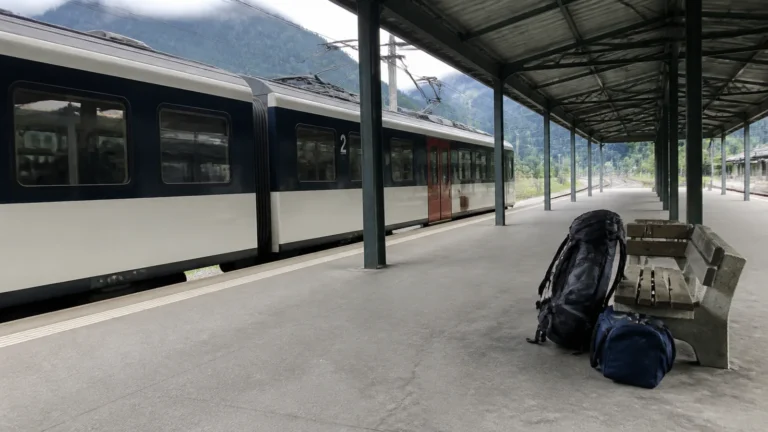
Siracusa station receives regional and intercity services, including connections toward Catania and other Sicilian cities. From the station, the Ortigia bridges are roughly a mile away, depending on your route.
Walking works with light luggage in mild weather, while taxi or local bus is kinder in heat or rain. Do not assume cobbled lanes allow a vehicle to stop directly at an apartment door.
Rete Ferroviaria Italiana identifies Siracusa as a station offering assistance for passengers with disabilities or reduced mobility, subject to its request process. Its official station page also warns that platform and train-floor height differences can affect access.
That station assistance ends at the station. Confirm the final hotel route, bridge curb cuts, building elevator, and room access separately.
Driving, ZTL, and parking
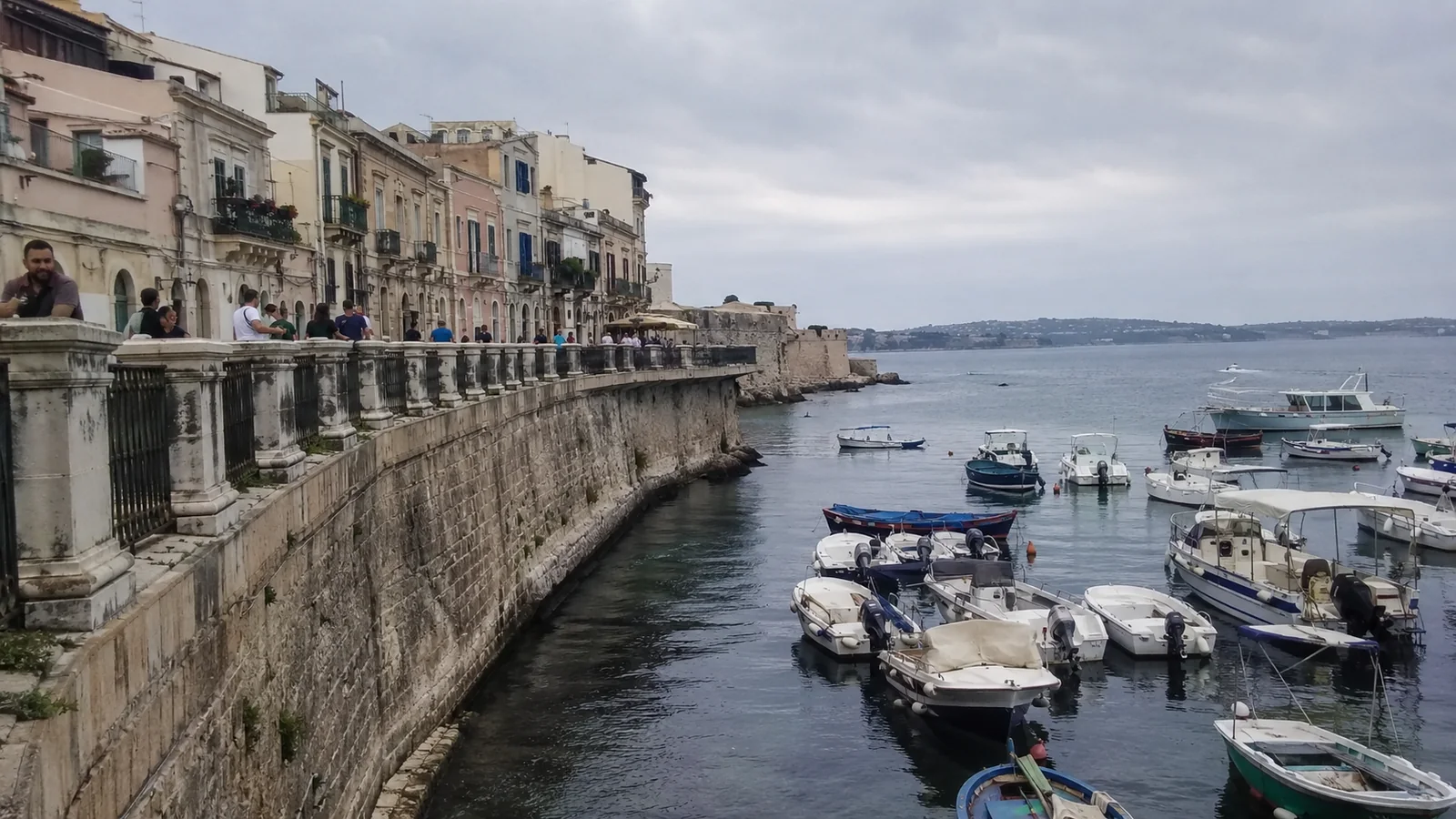
Ortigia operates a limited-traffic zone, or ZTL, with access controlled by rules and cameras. Hours and eligible vehicles can change for seasons, weekends, events, and municipal orders.
Check the Comune di Siracusa official Ortigia ZTL section before every drive. A rental agency, hotel message, or navigation app does not override an active sign at the entrance.
If your lodging says it can register a plate, get written confirmation of the date, plate number, route, and permitted window before crossing the camera. “Guests may enter” is too vague when fines follow the vehicle owner home.
Where to park
Molo Sant’Antonio sits on the mainland just before Ortigia and avoids driving deep into the island. The city lists it as a 24-hour paid facility at €1.50 per hour or €15 for 24 hours.
Use the Comune’s current Molo Sant’Antonio page for rates and payment details. Availability is not guaranteed, especially on summer evenings and event dates.
Talete is a public parking facility inside northern Ortigia, but reaching it means understanding the currently permitted route and ZTL status. I prefer mainland parking unless a hotel has confirmed legal access and luggage handling.
Do not leave bags visible in a parked vehicle. Empty the car before sightseeing and keep the rental agreement and key details somewhere other than the glove compartment.
Where to stay
Stay inside Ortigia for atmosphere, evening walking, and easy access to restaurants. Choose the mainland near the bridges or station for simpler parking, larger modern buildings, and faster departure on day trips.
On Ortigia, inspect the exact street rather than judging only by distance to Piazza Duomo. Restaurant noise, delivery scooters, stairs, church bells, and luggage access can matter more than another five minutes of walking.
Historic buildings often lack elevators, and “first floor” in Italy is one level above the ground floor. Ask about every step from curb to bed, plus bathroom dimensions and air-conditioning dates.
Eating at the market and beyond
The market is excellent for a casual morning or lunch, but do not limit Syracuse food to the most photographed sandwich counter. Compare menus, watch where locals queue, and leave room for seafood, pasta, granita, and almond-based sweets elsewhere.
Ask the day’s fish price by weight and whether side dishes, bread, or cover are separate. If a menu has no clear price for a special, confirm before ordering.
Reserve dinner during summer weekends, then cancel promptly if plans change. Small historic-center restaurants cannot absorb unused tables as easily as a resort buffet.
Can you swim in Ortigia?
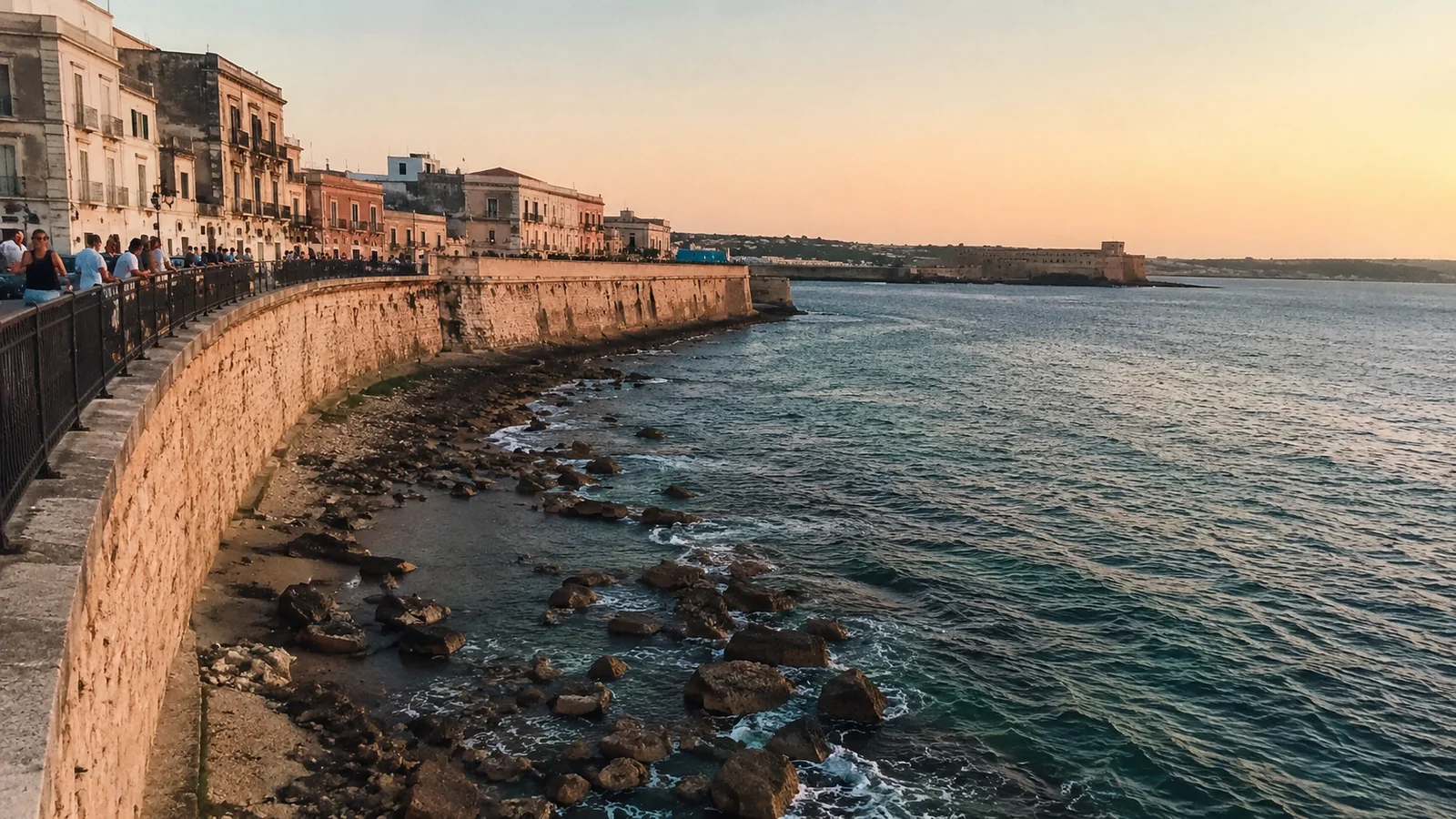
Yes, but Ortigia offers urban sea access rather than a broad sandy beach. Cala Rossa has a small rocky or pebbly entry, while seasonal solariums and ladders may provide access from other waterfront points.
Platforms, ladders, lifeguards, and facilities can be installed or removed with the bathing season and maintenance. Inspect the exit before entering because a ladder that feels easy going down can be difficult in swell.
Wear water shoes, keep valuables minimal, and stay clear of boat routes and harbor water. Follow posted closures and local water-quality notices, especially after storms.
For a full beach day, the choices in our Taormina beach guide offer more managed lidos and distinct bays. Ortigia swimming is best treated as a refreshing hour inside a culture-focused stay.
Weather and the best time to visit
July and August are hot, bright, and crowded, with intense midday sun reflecting from pale stone. Plan early walking, a long indoor or shaded break, and an evening return to the lanes.
April through June and September through October usually support more comfortable sightseeing, but rain, wind, and heat waves remain possible. The sea stays warm later than the air, yet seasonal swimming infrastructure may not match water temperature.
Winter brings fewer visitors and a more local rhythm, along with shorter days, closures, and stormier waterfront conditions. Our October cruise weather planner explains why shoulder season should mean flexible layers, not guaranteed mild sunshine.
Entry rules for Italy
Italy is part of the Schengen Area, and entry requirements depend on nationality, residence, trip length, and the rules active on the travel date. A cruise call, international flight, and land arrival can also involve different document handling.
The Italian foreign ministry’s official visa portal checks nationality, residence, purpose, and length of stay. U.S. citizens generally do not need a visa for qualifying short tourist stays, but a passport and all current Schengen conditions still apply.
Check passport validity, blank pages, travel authorization developments, and the 90-in-180-day calculation before departure. Your airline or cruise line can deny boarding even when a traveler expected to resolve the issue on arrival.
Accessibility and pacing
Ortigia is compact but not uniformly easy. Smooth promenades and major squares alternate with cobbles, broken surfaces, narrow sidewalks, steps, steep thresholds, and streets shared with vehicles.
A good reduced-mobility route enters from the bridges, uses wider streets toward Piazza Duomo, then follows the more level waterfront as conditions allow. Scout side lanes before committing because turning a scooter in a tight passage can be harder than the distance suggests.
Book licensed transport for mainland Neapolis and request site-specific access information. The Greek Theatre’s ancient stone setting and quarry paths do not behave like a modern museum floor.
Respectful historic-center planning
- Keep apartment entrances and narrow streets clear.
- Roll luggage quietly early and late.
- Dress appropriately inside active churches.
- Ask before photographing vendors or residents.
- Use public restrooms or customer facilities, not residential corners.
- Carry refillable water and dispose of trash correctly.
- Do not drive into the ZTL without verified permission.
Ortigia’s beauty survives because it remains inhabited and used. Spending locally is valuable, but courtesy matters as much as the restaurant bill.
My Ortigia verdict
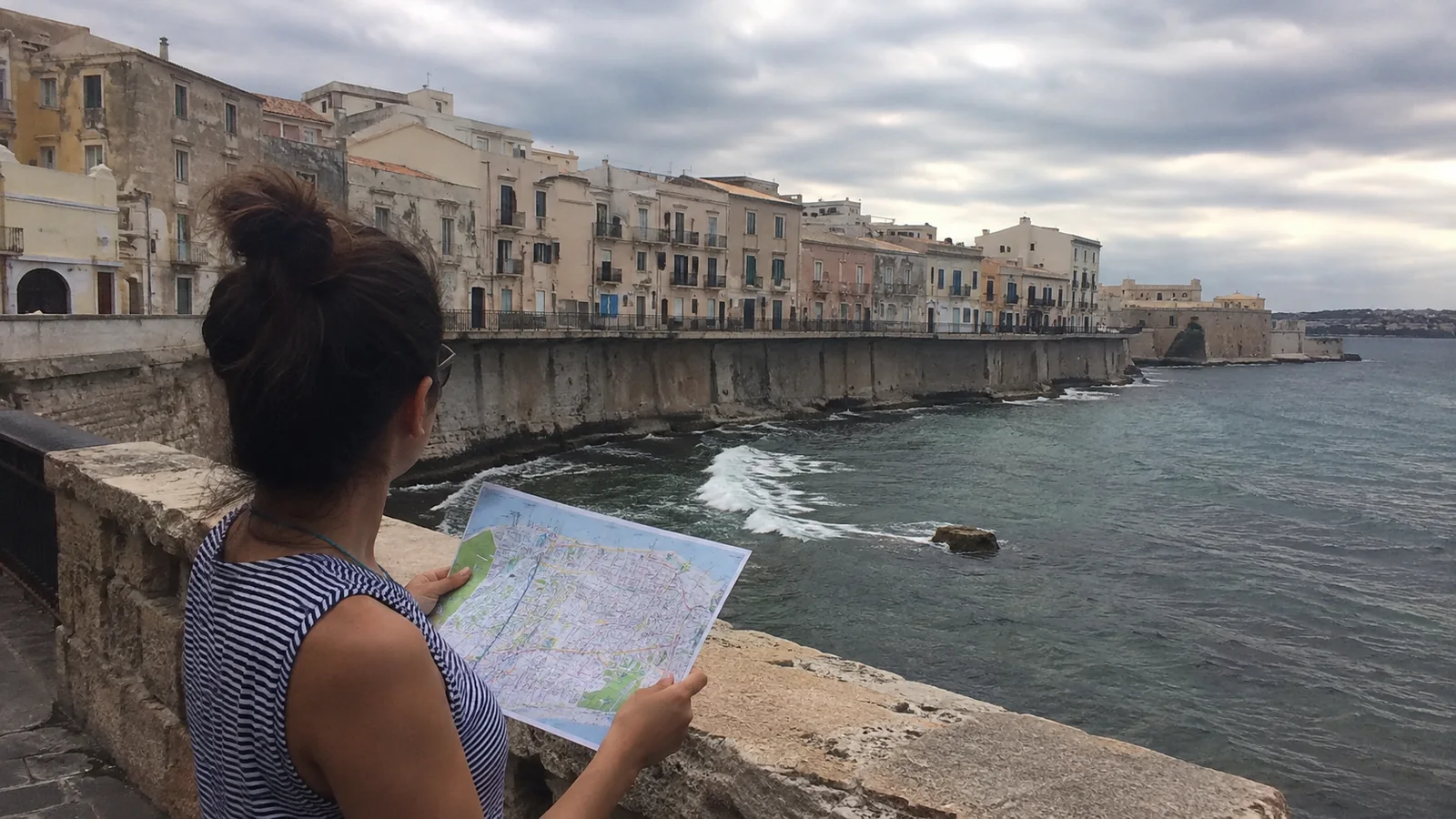
Ortigia is worth at least one full day and is even better as a two-night base. Its strongest combination is unusual: major ancient history, an elegant Baroque square, a working market, and swim access all fit inside a walkable mile.
Park before the ZTL, put the market first, save the seafront for later light, and resist stuffing Neapolis into the same hurried loop. Ortigia becomes memorable when you allow the island to function as a neighborhood, not just a background.