
South Pacific Cruises: How to Compare Islands, Routes, and Entry Rules
South Pacific cruises cross distinct countries, territories, ports, and border systems. Define the exact islands first, then compare ships, sea days, tenders, flights, entry rules, total costs, and change terms.
List every Pacific jurisdiction in the itinerary
South Seas is a broad travel label, not a country, visa area, currency, climate zone, or single cruise circuit. Replace it with the actual itinerary: embarkation, disembarkation, every country or territory, each port, sea days, and transit points.
First-time travelers can use the first-cruise guide for ship basics, but regional advice must remain jurisdiction-specific. Fiji, French Polynesia, Cook Islands, Samoa and American Samoa do not share one border authority.
The right route depends on the islands a traveler values, acceptable sea-day ratio, flight plan, passport, ship scale, port access, mobility, budget categories, and tolerance for itinerary changes. No cruise line is best across all of those variables.
Fiji’s Ministry of Immigration says visa treatment depends on nationality and that a visa does not automatically create a right of entry. Current passport, permit, onward-travel, customs and biosecurity requirements need a traveler-specific check.
The Cook Islands immigration authority lists passport validity, onward travel, accommodation, funds, character and health among standard visitor requirements. Those conditions apply to that jurisdiction, not the entire South Pacific.
French Polynesia’s maritime authority identifies recognized first-touch ports for international sea arrivals and separate customs, immigration and biosecurity formalities. Ordinary cruise passengers should follow carrier instructions, while the source establishes that French Polynesia is its own port and border context.
Define the route before choosing a ship
A route name can hide thousands of miles, several jurisdictions and very different sea-day patterns. Compare exact port sequences rather than brochure regions.
French Polynesia focused
A French Polynesia itinerary may center on Society Islands or add Tuamotu, Marquesas or other island groups. Check embarkation, domestic connections, tendering, reef access, first-touch formalities where relevant, and the specific ports actually listed.
Do not treat Tahiti, Bora Bora, Moorea and every outer island as guaranteed components. Weather, port capability and operational decisions can alter calls.


Fiji focused
Fiji routes can vary by embarkation, island group, ship size and whether the trip is domestic or part of a longer international voyage. Verify the exact ports and transfer method instead of assuming every product reaches the same beaches or villages.
Passport and permit treatment depends on nationality and circumstances. A generic visa-free statement can mislead even when it fits one reader.


Cook Islands and Samoa
Cook Islands, Samoa and American Samoa must appear as separate itinerary lines with their own authorities. Samoa is an independent state, while American Samoa has a different territorial entry system.
Do not combine them under one Samoa rule or currency. Check each port, passport, onward ticket, transit and carrier requirement.

Multi-country crossing
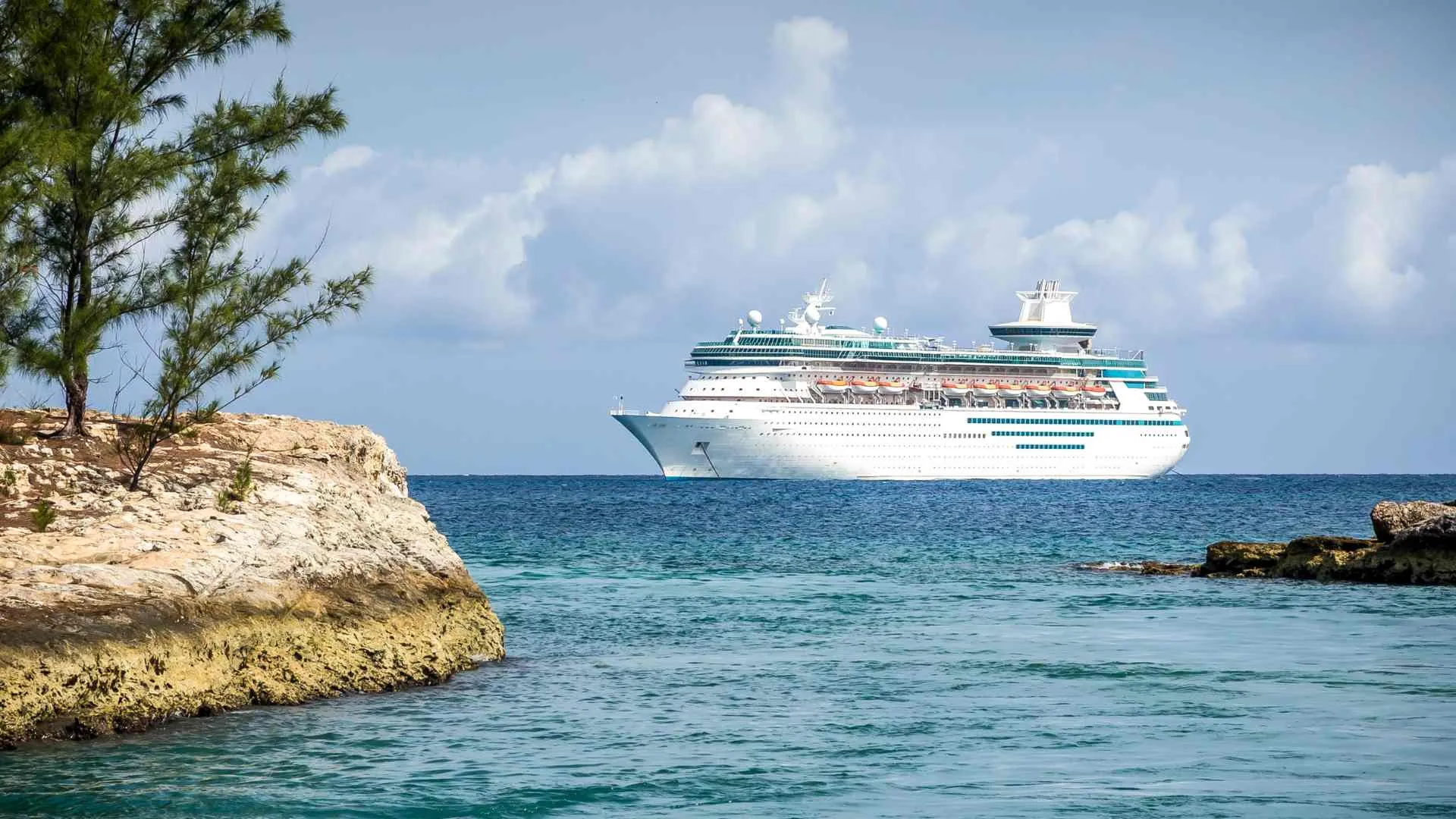
A longer cruise may combine several Pacific jurisdictions and add New Zealand, Australia, Hawaii or another gateway. The traveler must be admissible at every required stop and transit point.
An overnight ship does not bypass border, customs or biosecurity rules. Verify documentation early enough to change plans if a requirement cannot be met.


Compare cruise formats honestly
Ship scale and route design change how the destination is experienced. Choose from verified functions rather than major, luxury, expedition or authentic labels.
Large ocean ship
A large ship can offer more dining and entertainment choices but may use fewer suitable ports, tenders, or scenic cruising days. Compare berth and tender plans, port hours, sea days, cabin, accessibility and current ship facilities.
Do not promise every advertised amenity or smooth tendering. Maintenance, capacity, sea conditions and itinerary changes can affect access.


Small ship
A small ship may reach different anchorages and offer a smaller passenger environment, while cabins, medical resources, motion, stairs and activity demands can differ. Ask for exact vessel information.
Small does not automatically mean sustainable, safe, intimate or accessible. Review the operator’s current permissions and functional details.


Expedition style
An expedition product may use landing craft, snorkeling, guided walks or flexible daily plans. Confirm activity grading, equipment, swimming ability, medical review, insurance, participation alternatives and staff qualifications.
Flexibility can mean a changed landing or no landing, not a guaranteed bonus. Avoid promising wildlife, reefs, beaches or village access.


Repositioning and one-way
A repositioning or one-way cruise can add unusual ports and reduce round-trip simplicity. Price the separate inbound and outbound flights, baggage, hotels, transfers and entry points.
A low cruise fare may produce a high total trip cost. Compare the whole travel chain rather than the cabin rate alone.


Audit every border and port
A region-wide paragraph cannot answer a passport question. Build a port-by-port document checklist tied to official authorities and the carrier.
Passport and visa
Record nationality, passport validity, residence status, travel purpose, duration and every transit. Then check each destination’s current immigration page and the cruise line’s document instructions.
Do not rely on a friend’s eligibility, an old forum post or a rule written for air arrivals. Sea passengers and crew can have different procedures.

Onward travel and accommodation
Some authorities request onward travel, accommodation or funds, which can interact differently with a cruise booking and post-cruise stay. Keep confirmations accessible offline.
A ship ticket may not satisfy every evidence request in every circumstance. Ask the authority or carrier when wording is unclear.


Customs and biosecurity
Pacific islands can protect agriculture and ecosystems through strict declarations and restrictions. Review food, plant, wood, shell, animal product, outdoor equipment and souvenir rules for each arrival.
Do not carry an item from one island to the next merely because it was legal to buy. Declaration and import permission are separate questions.


Tender and berth access
A port name does not guarantee walking ashore. Confirm whether the ship expects a berth, ship tender, local tender or scenic transit, and what mobility or weather constraints apply.
The cruise-port guide can help frame the question, but the exact ship and port notice control. Never promise that tendering will run.

Price the total trip without stale fares
South Pacific comparisons fail when they list cabin prices but omit flights, nights, transfers, permits and activities. Use categories and live quotes instead.
Gateway flights and hotels
Price the flights to embarkation and from disembarkation, including schedule buffers, baggage, airport transfer and pre-cruise lodging. Remote gateways can make a nominal bargain expensive.
Do not promise a same-day connection or a particular airline schedule. Build a margin around the actual ticket rules and voyage check-in.


Cruise inclusions
Verify meals, beverages, gratuities, Wi-Fi, laundry, specialty dining, equipment and onboard credit on the exact fare. The phrase all-inclusive can still contain limits.
Keep included, optional and excluded costs separate. Currency conversion and card fees require a live check.


Port-day spending
Estimate tenders, transfers, tours, park or marine fees, meals, tips and independent transport for each confirmed port. A beach day and a guided reef trip have different dependencies.
Do not assume free beach access, cash acceptance, reliable ATMs or a fixed excursion price. Carry permitted payment options based on current advice.


Change and medical costs
Review cancellation, interruption, medical evacuation and missed-port terms with the booking and insurance documents. Remote geography can increase consequences without letting an article predict an emergency.
No insurance policy covers every event, and ship medical capability varies. Compare exclusions and required disclosures before purchase.


Match the route to the travelers
Family, solo, accessibility and activity fit come from the exact ship and ports, not a region’s reputation. Ask functional questions before accepting a marketing label.
Families
Use the family cruise guide to list children’s ages, supervision needs, swimming ability, sleeping setup and desired program. Then verify age bands, hours, capacity and port activity restrictions on the booked sailing.
Do not call a ship family-friendly without current evidence. Small ships and tenders may create different limits from large resort ships.

Mobility and access
Map aircraft, hotel, gangway, tender, cabin, bathroom, dining, landing craft and shore transport. A ship feature does not guarantee an island port is accessible.
Discuss dimensions and assistance boundaries with the operator. Avoid promises based on broad accessibility labels.

Solo travelers
Compare single supplement, cabin category, dining, group activity, tender support and independent port logistics. A social atmosphere or easy companionship cannot be guaranteed.
Choose a route that remains satisfying without meeting a group. Verify safety and transport through current local sources rather than a universal solo claim.


Water activities
Snorkeling, diving, kayaking and swimming require exact site, operator, conditions, equipment, medical and ability checks. A tropical itinerary does not promise clear water or safe access.
Keep a non-water alternative for changed conditions or personal preference. Participation should remain optional.

Create a resilient final plan
A strong itinerary survives a changed port or activity because its value is spread across route, ship and flexible interests. Avoid buying a cruise for one guaranteed image.
Pack for several jurisdictions
Use a compact cruise packing list, then add only items supported by forecasts, cultural sites, excursions and biosecurity rules. Keep documents, medication and critical access items under the traveler’s control.
Do not prescribe one tropical wardrobe. Rain, wind, indoor cooling, sun, water activities and visitor-site coverage create separate clothing needs.
Keep wildlife conditional
Whales, dolphins, rays, turtles, fish and birds are possible in parts of the Pacific, but route, season and effort do not guarantee sightings. Avoid choosing a sailing solely from wildlife marketing.
Use responsible operator practices and follow local distance rules. Never encourage feeding or touching to improve an encounter.
Keep weather conditional
Seasonal patterns help narrow dates, while a named forecast near departure guides actual plans. Cyclones, rain, heat, swell and wind are not controlled by a best-month label.
Review operator change terms and official warnings. No route is universally calm, dry or safe.
Final route gate
Confirm countries and territories, ports, entry eligibility, embarkation, disembarkation, flights, ship, cabin, tendering, access, activities, total costs and change terms. Remove any option with an unresolved border or medical dependency.
The selected cruise should fit this traveler’s priorities and evidence. It does not need to win an imaginary ranking across the South Pacific.

Ellie is the founder of Ellie's Travel Tips, where she shares practical cruise tips, port guides, and step-by-step itineraries to help you plan smarter trips for less. Her checklists and packing guides turn travel daydreams into doable plans.