
Cruise Dresses: Choosing Styles for Daytime, Dining, Formal Nights, and Shore
A cruise dress earns its suitcase space by doing a clear job. Choose by the real venue, activity, movement, weather, and care requirements, not by a product ranking or a rule that travelers must wear dresses.
Decide whether a dress solves a real need
List the moments when a dress is genuinely preferred: a casual sea day, dinner, a scheduled formal event, a pool transition, a port visit, or a photograph. A dress is optional when trousers, a pantsuit, a skirt and top, or another accepted outfit performs the same function better.
Do not shop from the word cruise alone. The useful question is whether the garment works for the booked ship, wearer, and occasion.


Check the booked line and venue
The Royal Caribbean dress FAQ says the appropriate look varies by venue. Its examples include sundresses for casual settings and dresses or pantsuits for elevated settings, while swimwear stays on the pool deck.
That policy does not govern another cruise company. Norwegian Cruise Line currently says there is no one right look, but its restaurant and bar guidance asks for shirts, footwear, respectful graphics, appropriate dining coverage, and swimwear reserved for the pool.
Read the exact venue page and daily program for the sailing. Specialty restaurants, main dining rooms, pool decks, theaters, and religious or cultural sites ashore may create different boundaries.
A five-part dress test
Every candidate should be tested for fit, movement, restroom use, venue acceptance, and care. These checks are more durable than style labels such as fashionable, flattering, forgiving, or age appropriate.
Fit without a body formula
Compare the garment's actual measurements with a dress that already works for the wearer. Check shoulders, chest, waist, hip, upper arm, length, lining, closures, and the amount of ease preferred for that activity.
A silhouette name does not predict fit across bodies or brands. A wrap, sheath, shift, empire, maxi, or fit-and-flare dress is simply a construction starting point that still requires an individual test.
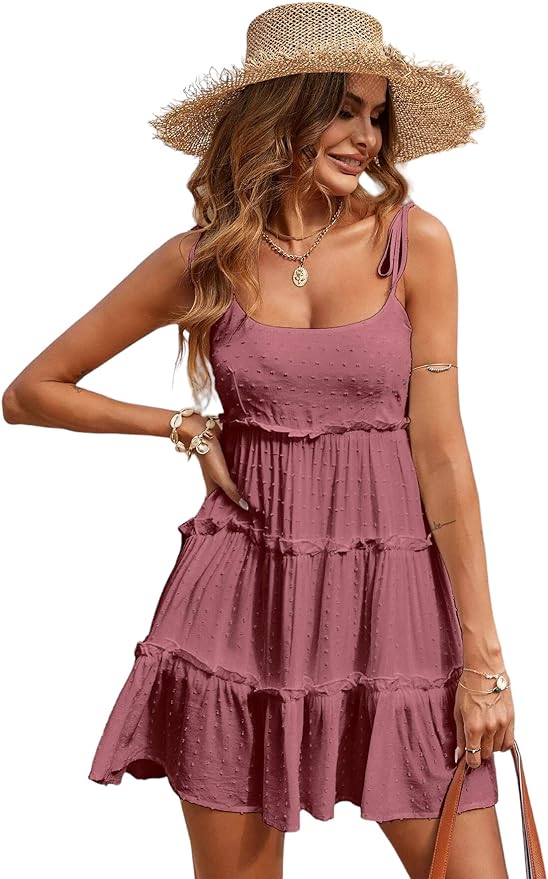


Movement in the complete outfit
Sit in a firm chair, walk, reach, bend, and use steps if they are relevant to the trip. Test the dress with its intended underlayers, shoes, bag, jacket, and mobility equipment rather than assessing it alone.
Look for a hem that catches, a slit that changes when seated, a neckline that shifts, or a closure that is difficult to reach. The answer may be an alteration, a different layer, or a different garment.
Restroom use
Long hems, trailing ties, back closures, fitted sleeves, and one-piece alternatives create different restroom steps. Practice managing the garment without placing fabric on a wet floor or relying on help that may not be available.
Venue acceptance
A dress can still fail a rule because it is wet, sheer in strong lighting, paired with bare feet, or intended as a swimsuit cover-up. Conversely, an outfit without a dress may satisfy the venue perfectly.
Garment care
Read the attached care label before packing. The FTC care-label guidance explains that covered clothing sold in the United States carries regular-care instructions and warnings when a method would harm the garment.
Follow that specific label instead of assuming a named fabric is machine washable, wrinkle free, safe to press, or suitable for ship laundry. Linings, trims, dyes, finishes, and construction can change the required care.
Daytime dresses
A daytime dress can reduce outfit decisions, but it still needs an activity. Indoor trivia, open-deck walking, a city tour, a tender ride, and a beach transfer do not impose the same movement, layer, footwear, or coverage needs.
Use the current forecast and the port plan. Add a layer only when it covers a likely temperature or site requirement, and do not promise that a fabric category will keep every wearer cool.
For a port day, check sitting comfort in the planned transport and the ability to manage stairs or uneven surfaces. Closed-toe excursion rules and protective equipment can make a different outfit more practical.


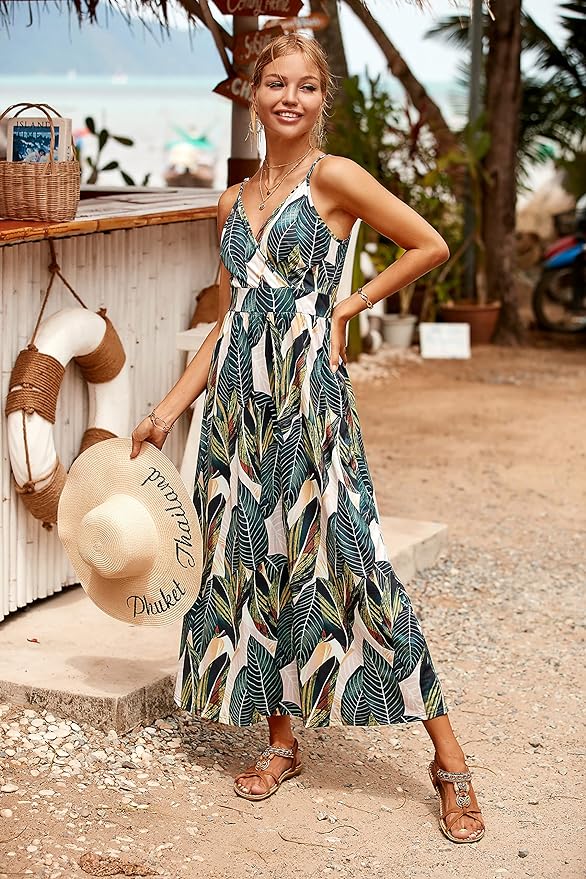


Dining and formal-event dresses
Confirm that the event exists before dedicating luggage space to it. A cruise line may publish examples by voyage length while leaving the exact number, timing, or enforcement to the ship and itinerary.
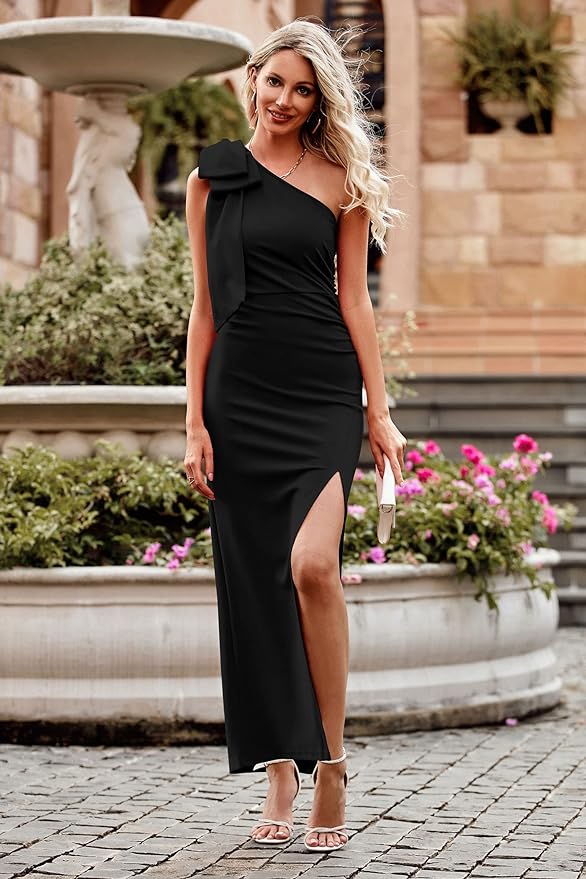
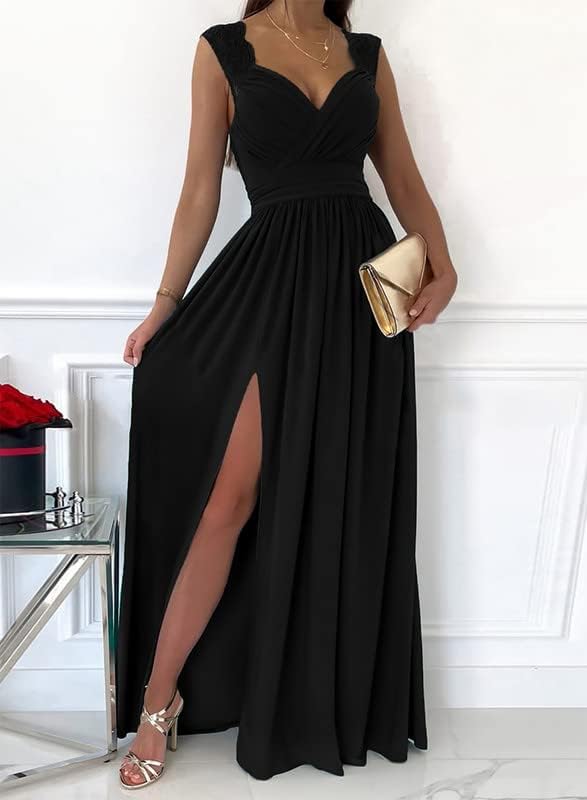
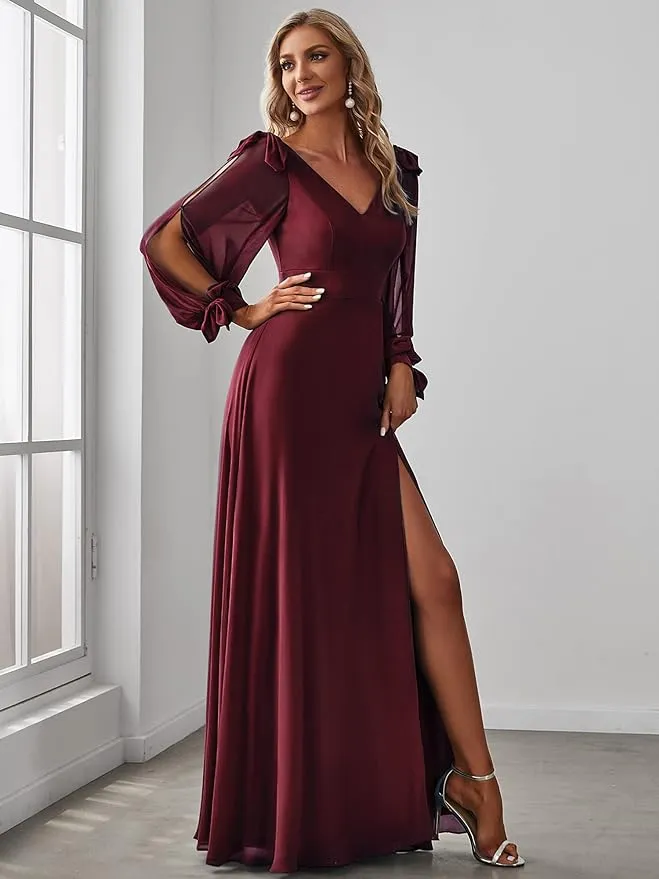
Choose the least complicated outfit that meets the desired level of dress and remains workable through dinner, walking, photographs, and a show. Heels, gowns, shapewear, and jewelry are choices, not requirements.
If a formal dress has only one use, compare it with dressy separates or a pantsuit that can serve another evening. The formal-night dress guide offers more occasion ideas, but the booked line's current rule still controls.
Check the complete outfit under bright light and while seated. Opacity, lining, slit height, neckline position, and closure strain cannot be established from a retailer image.


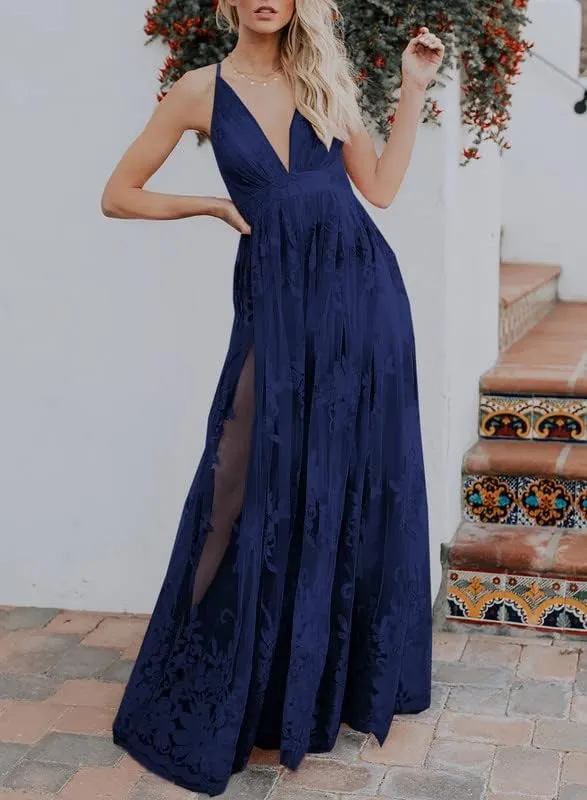




One-piece alternatives need their own test
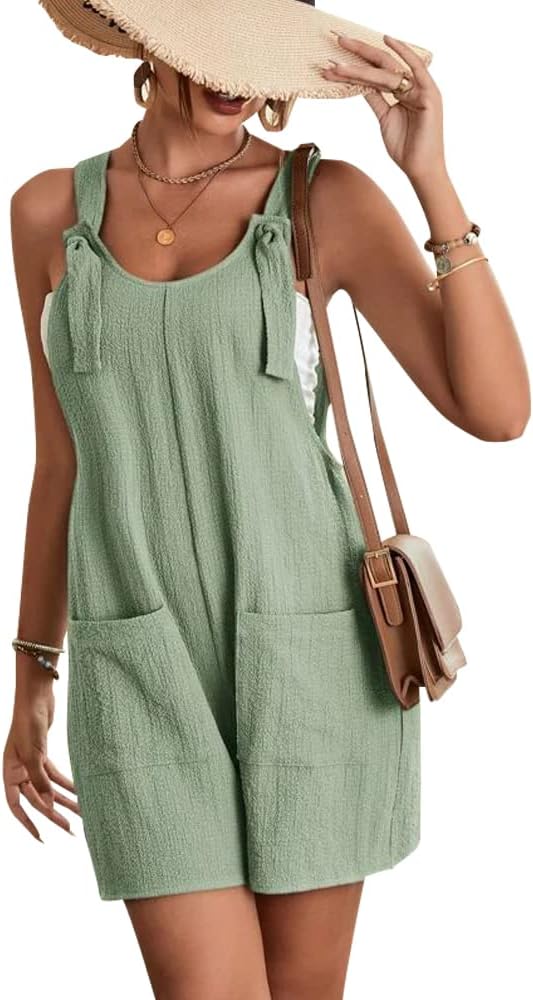
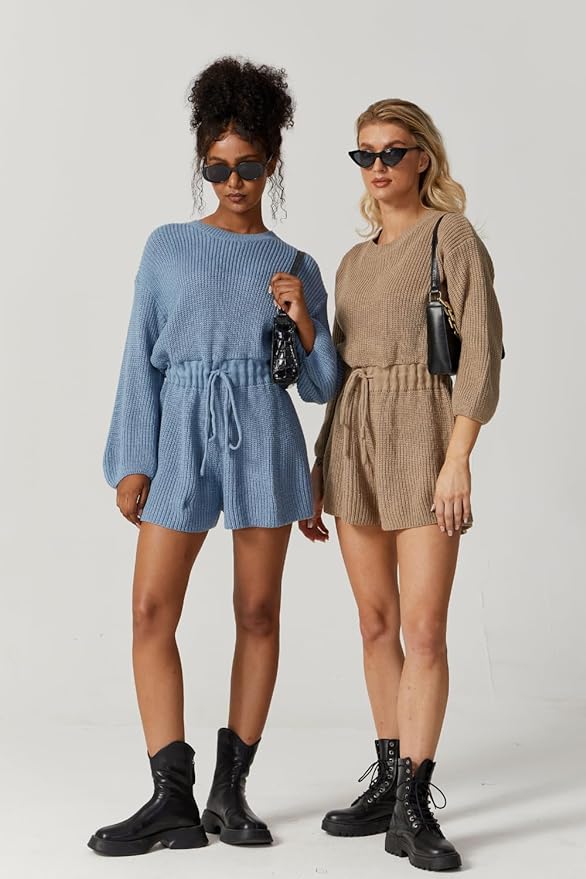
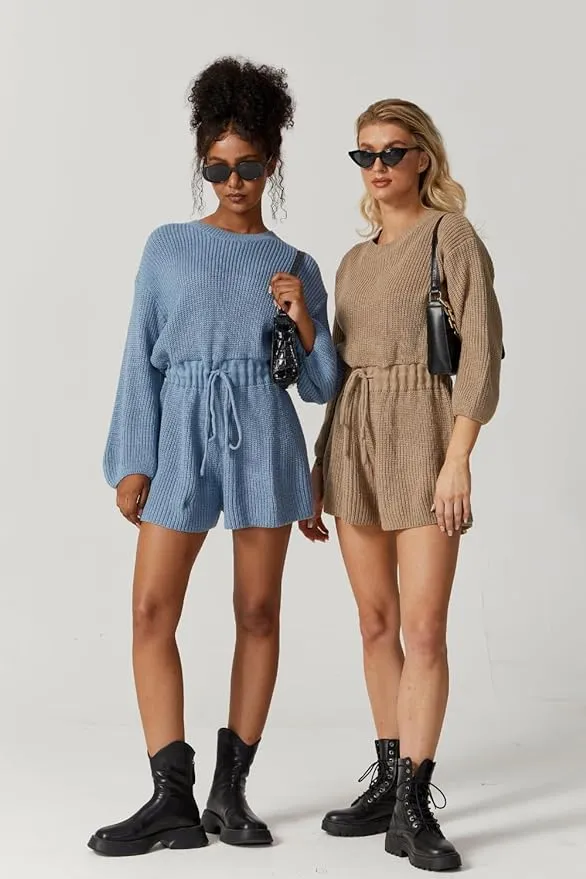
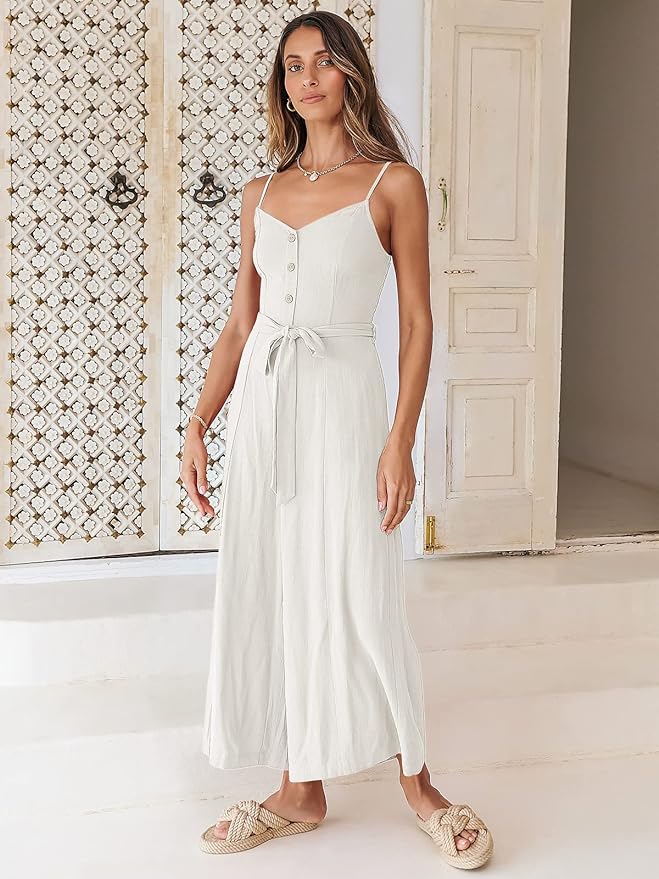
Rompers and jumpsuits may fill some of the same visual or packing roles as dresses, but they differ in closures and restroom use. Test the complete sequence and decide whether it suits the wearer and the planned day.
Do not call a one-piece garment easy for everyone. Shoulder mobility, hand dexterity, torso length, medical devices, assistance needs, and a small restroom can all change the experience.
If a garment requires personal help, identify who will provide it. Cruise staff may not provide activities-of-daily-living assistance, so the booked line's accessibility team should clarify its service boundary.





Pool cover-ups are transition garments
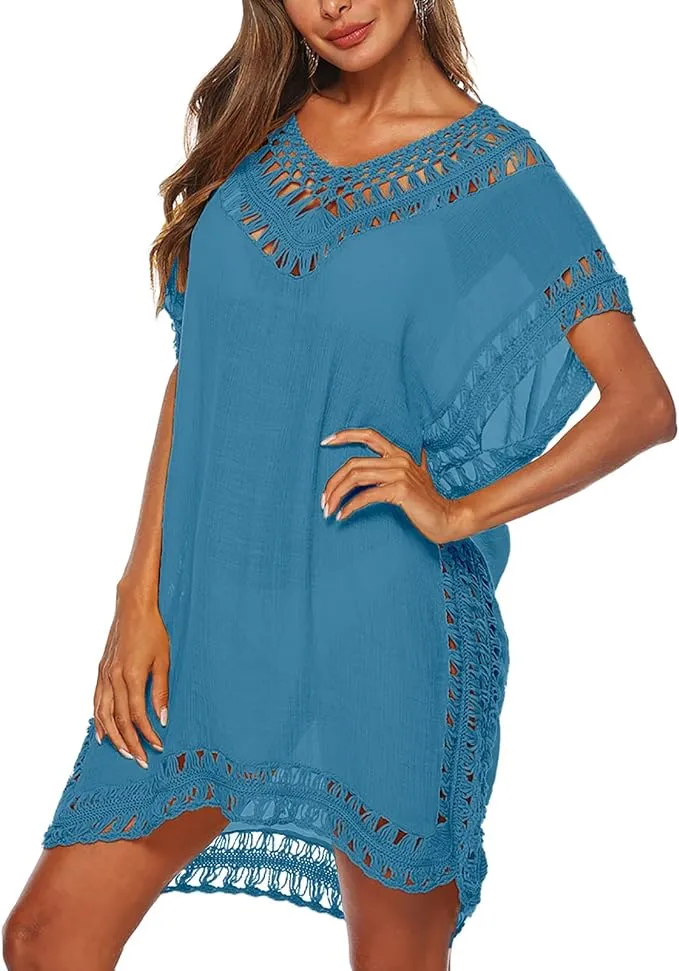
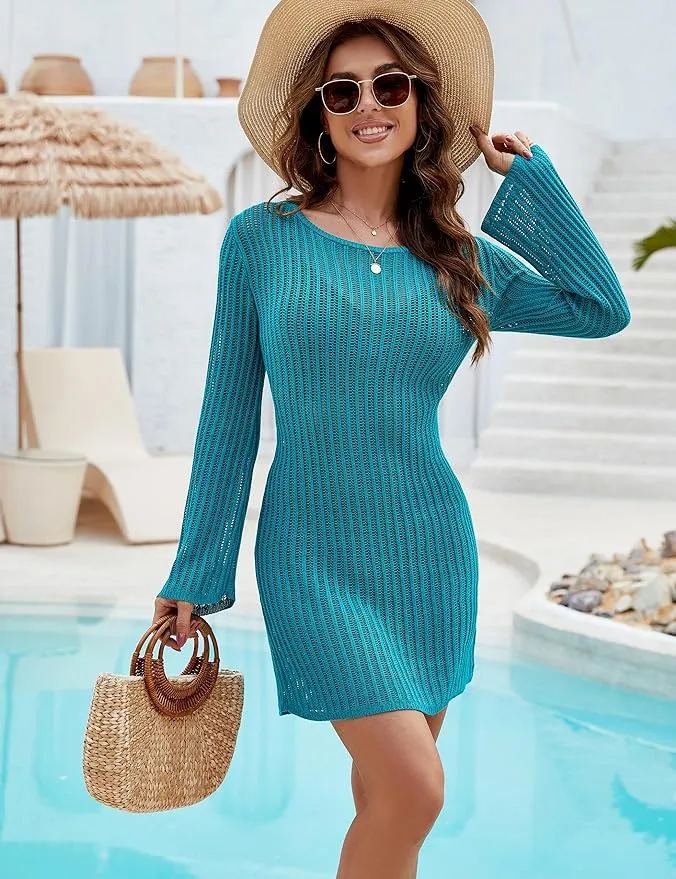
A cover-up can make the route between cabin and pool easier, provide the wearer's preferred coverage, or hold a room key in a pocket. It does not automatically become dining attire merely because its product name includes dress.
Check the pool, buffet, casino, lounge, and dining rules separately. Dry off and change when required rather than relying on a single pool garment for every venue.
For a beach port, decide whether the cover-up also works for transport or a visitor site. Some religious and cultural sites impose clothing standards that require a different layer.




Make a dress packing plan
Give each dress a row in a private planning note with its occasions, shoes, layer, undergarments, care method, and backup. A garment that has no specific occasion is a candidate to remove.
Repeat wear depends on the garment, climate, activity, personal preference, and cleaning options. It is reasonable to rewear a clean item, but no fixed formula works for every traveler.
Check the ship's laundry and pressing services before counting on them. Self-service machines, ironing rooms, turnaround, prices, and payment vary by line and ship, while irons or steamers may be prohibited in luggage.
Use the frequently forgotten cruise items guide for the rest of the packing audit. Keep medications, documents, valuables, and an arrival outfit in the bag that remains with the traveler.
Shop with evidence, not rankings
A product page should answer measurable questions: garment dimensions, fiber content, lining, pocket and closure design, care, return deadline, and availability in the required size. If those answers are missing, the listing cannot support a confident recommendation.
Order early enough to sit, walk, reach, use the restroom, and test the complete outfit. Keep packaging and deadlines organized until the decision is final.
A backup does not need to duplicate the look. It needs to satisfy the same critical venue and movement requirements if the first choice is damaged, delayed, or no longer comfortable.
Coordinate shoes, layers, and photographs
A dress decision is incomplete until the intended shoes and layers also pass the day's test. Shoes should match the walking distance, surface, and activity rule, while the layer should answer a realistic indoor temperature, wind, rain, or visitor-site need.
Try the combination with the bag and any mobility equipment that will be used. A hem or loose layer that behaves well in a bedroom may catch differently near wheels, a cane, stairs, a windy deck, or a tender transfer.
Photographs can influence color or detail choices without controlling the entire wardrobe. The cruise picture ideas guide can help plan settings and timing, but a photo outfit still needs to work outside the frame.
Plan for alterations and a failed first choice
If tailoring is being considered, ask what the alteration can realistically change and schedule a final fitting with the planned underlayers and shoes. Hem, strap, waist, sleeve, and closure changes affect movement differently, and a rushed alteration is not guaranteed to solve an unsuitable cut.
Keep one venue-compatible backup until embarkation. Delayed luggage, a broken closure, a changed event schedule, unexpected weather, or a garment that no longer feels workable should not force an onboard purchase from a limited size range.
A backup can be separates already assigned to another night. This protects the important function without adding a second single-use formal garment.
Account for sensory and access needs
Labels, sequins, stiff seams, tight elastics, heavy embellishment, and noisy fabrics may matter to some travelers and not others. Test them for the expected duration instead of assuming a special-occasion garment will be tolerable for an entire dinner and show.
If closures or garment management require assistance, confirm the plan with the person who will provide it. Contact the booked line's accessibility team for its service boundary rather than assuming crew can help with personal dressing.
These checks are not reasons to avoid a dress. They are tools for finding a garment that respects the wearer's priorities and reduces avoidable dependencies during the trip.
Final dress decision
Pack a dress because the wearer wants it and it passes the relevant tests, not because cruise content says it is mandatory. Leave it home when another garment performs the job with fewer dependencies.
Recheck the daily program, forecast, excursion instructions, and venue rules near departure. A small wardrobe built on exact functions will remain more useful than forty unverified products.

Ellie is the founder of Ellie's Travel Tips, where she shares practical cruise tips, port guides, and step-by-step itineraries to help you plan smarter trips for less. Her checklists and packing guides turn travel daydreams into doable plans.