
10 Cruise Packing Checks Travelers Often Miss
This is a final gap scan, not a shopping list. Check these ten categories after packing the core trip, keep high-consequence items under your control, and verify every policy-sensitive object with the booked line, airline, port, and destination.
Electrical rules belong to the booked line
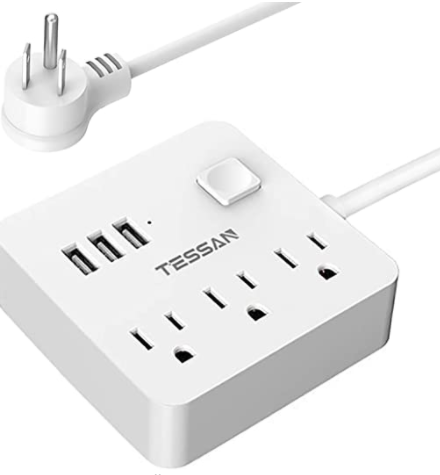
Royal Caribbean's current prohibited-items policy bars extension cords, power strips, multi-plug outlets, irons, and garment steamers while narrowly defining some charger exceptions. That is one line's rule, so cruise approved on a product listing does not establish permission on another line or sailing.

Medication needs its own check
The Centers for Disease Control and Prevention medicine guidance says destination and transit laws can differ and recommends original labeled containers, appropriate documentation, adequate supply, storage planning, and carry-on placement. The exact medicine, traveler, airline, ports, and cruise medical arrangements still control.
Keep critical items with the traveler
Princess advises travelers to hand carry essential medicine, documents, valuables, and breakables in its current pre-cruise guidance. Treat this as a useful risk principle, then follow the actual provider's bag limits, terminal handoff, accessibility, and security instructions.
How to use the ten checks
Complete the ordinary clothing and toiletries list first, then ask whether each category below solves a real failure on the booked trip. Mark pack, verify, substitute, buy later, or skip rather than automatically purchasing a product.
A forgotten item matters most when it is hard to replace, legally sensitive, medically important, needed before cabin luggage arrives, or required for an activity. Convenience accessories rank lower when the ship supplies an alternative or the traveler can comfortably do without them.

1. The document set, not just a passport
Match the traveler's name, nationality, residence, age, itinerary, embarkation port, transit, and return route to current government and carrier requirements. A passport, card, birth certificate, licence, visa, consent form, or copy can serve different purposes, and no single combination works for every cruise.
Keep required originals under the traveler's control and protect backups without exposing identity data. Confirm boarding documents and check-in steps close to departure, but do not treat an app screenshot or photocopy as a substitute unless the responsible authority explicitly accepts it.
2. Prescription medicine and essential devices
Pack prescribed medicine, rescue medication, glasses, hearing equipment, diabetes supplies, mobility-device accessories, and other essential health items before convenience products. Confirm destination legality, transit rules, labels, quantity, refrigeration, sharps, batteries, documentation, and what must remain accessible.
Do not decant prescriptions into an unidentified organizer for the travel chain or assume a prescription copy clears customs. A clinician, pharmacist, destination authority, airline, security service, and cruise accessibility or medical team may each answer a different part of the plan.
3. A first-day hand-carried kit
Cabin luggage may be handled separately, so keep documents, medicine, valuables, communication, charging, accessibility essentials, and one practical clothing change under direct control within current bag rules. Add swimwear or dinner clothing only when it fits the actual schedule and does not displace higher-consequence items.
The kit should remain light enough for the traveler to manage through check-in and boarding. Never promise a delivery time or assume a porter, airline, transfer company, terminal, and cruise line use the same carry-on dimensions or liability terms.

4. The correct charging setup
List each device, cable, plug, voltage input, battery type, and charging need, then compare the setup with the booked line's current policy. A certified single-device or USB charger may be easier to verify than an outlet splitter, power strip, extension cord, or unfamiliar multi-function gadget.
If flying, inspect power banks and spare batteries for readable watt-hour markings, damage, or recalls and follow airline rules. A plug adapter changes physical connection but does not convert voltage, and a device working in a hotel does not prove that it is accepted on the ship.
5. Sun protection matched to use
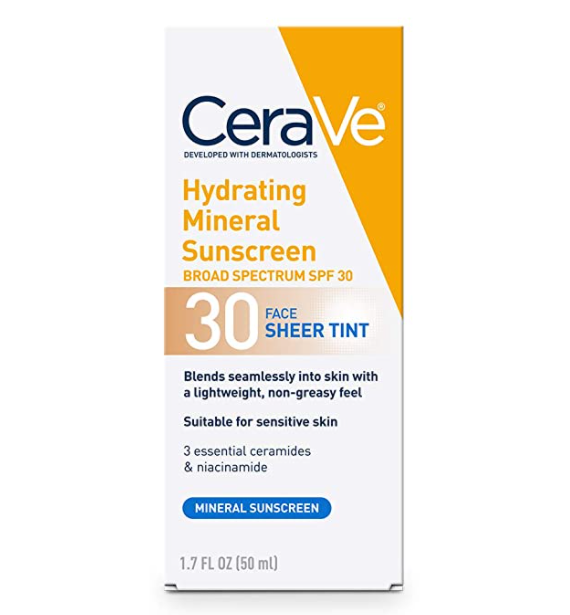
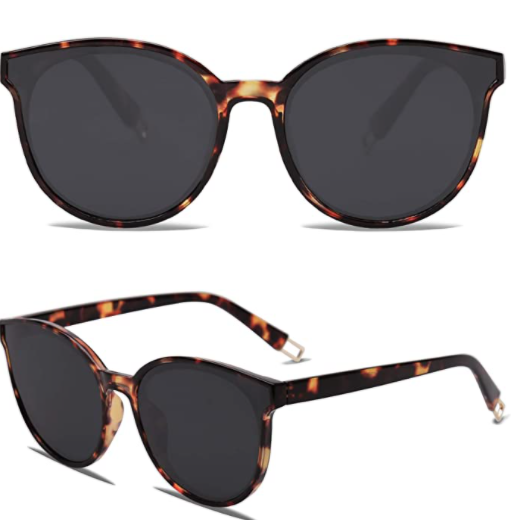
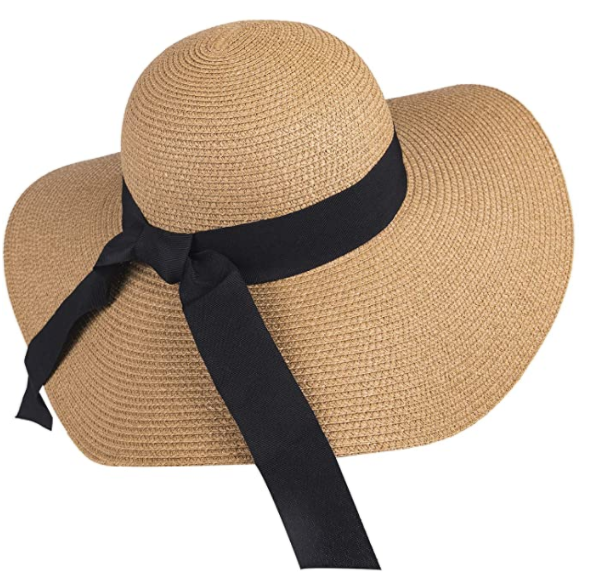
Choose sunglasses, a hat, protective clothing, shade plans, and sunscreen according to itinerary, activities, skin needs, and the exact label. No sunscreen is waterproof, and water-resistance, use area, application, reapplication, age, and sensitivity directions differ.
A large beach product may create airline liquid or checked-bag issues when the trip includes a flight, while a tiny container may not cover the planned use. Check the entire transport chain and avoid calling one formula safe, reef safe, best, or suitable for everyone without precise evidence.
6. A refillable bottle only if workable
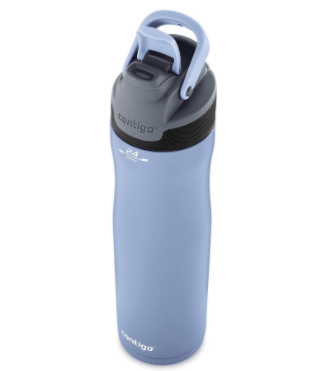
A reusable bottle can support ordinary hydration when it is permitted, easy to wash, and compatible with the ship's refill rules. Empty it when required by security and never place the mouth against a shared dispenser when posted instructions prohibit direct contact.
Choose a closure the traveler can operate and a size that fits the carry bag without leaking. A bottle does not guarantee safe water availability in every port, and flavored liquids, alcohol, or opened beverages can face different embarkation and customs rules.
7. A room-card carrying method
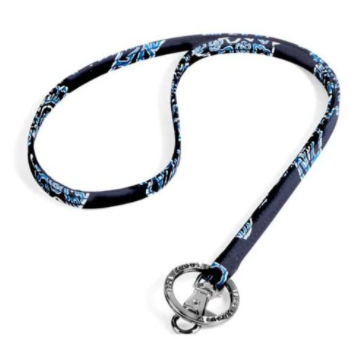
A lanyard, clip, wallet, pocket, or small pouch can help, but the best method depends on dexterity, sensory comfort, clothing, card technology, and line practice. Do not punch or alter a card until the booked line confirms that doing so will not damage embedded technology.
Keep the card private and accessible rather than displaying names, cabin numbers, or payment information. A lanyard is optional, and someone who reliably uses a secure pocket does not need another cruise-branded accessory.
8. One cabin organization aid
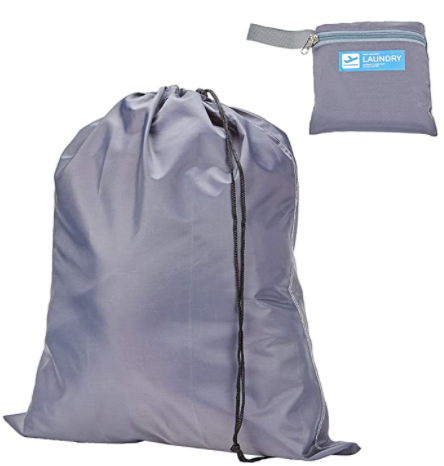
A laundry bag, toiletry pouch, packing cube, or permitted hook can reduce clutter when it solves a known cabin problem. Pick one useful system rather than packing several overlapping organizers that consume the same limited storage they claim to save.
Magnets, hooks, adhesives, over-door products, and hanging bags require line and surface checks and must not damage doors, block closure, cover fixtures, or obstruct an accessible route. A soft pouch placed in a drawer or closet is often the lower-risk substitute.
9. Activity-specific footwear and eye protection
Check the actual excursion surface, wet areas, venue expectations, walking distance, weather, fit, and mobility needs. Familiar walking shoes, pool footwear, water shoes, dress shoes, or sunglasses belong only when they match a scheduled use rather than a generic cruise image.
Test fit before travel and keep the footwear count small enough to manage. No sole guarantees traction on wet decks, and sunglasses do not replace a wider sun plan or establish suitability for prescription, sport, or eye-health needs.
10. A low-tech coordination fallback
Write meeting points, check-in times, all-aboard information, and essential contact details on a protected card. This works when batteries, apps, radios, roaming, Wi-Fi, notifications, or group habits do not cooperate.
Do not post cabin schedules or children's locations publicly or transmit sensitive information on shared channels. The fallback supports coordination but does not guarantee that a traveler will arrive, receive an update, or be found without crew or emergency help.
Run a substitution pass
For every optional item, name the free or already-owned alternative. A pocket can replace a lanyard, a cloth bag can replace a branded laundry sack, a certified existing charger can replace a gadget, and a paper meeting card can reduce dependence on powered communication.
Borrow, share, or buy only after checking fit and rules. Removing one-purpose accessories leaves more room for medicine, accessibility supplies, weather layers, and the return journey without claiming that lighter luggage prevents every delay or loss.
Finish with the return trip
Packing is not complete until purchases, food, alcohol, plants, wildlife products, batteries, liquids, and checked-bag changes are considered for the journey home. Embarkation permission does not establish airline carriage or customs admission later.
Keep receipts and item details when relevant and declare goods as required. Recheck the airline, customs, agriculture, and destination rules rather than using the outbound bag as proof that every item may return the same way.
Check the ten items against bag roles
Place each accepted item in the bag where it will be usable at the moment it is needed. Documents, medicine, accessibility supplies, communication, and other critical pieces usually need direct control, while ordinary replaceable clothing may be suitable for portered or checked handling under provider rules.
Then rehearse the handoff: leaving home, airport screening, a possible gate check, transfer, terminal, embarkation, cabin access, port days, and the return. If an item repeatedly moves between bags, assign it a stable home or write a deliberate transfer reminder.
Verify without creating a paperwork pile
Record the responsible authority, page or contact, date checked, and exact object or question for every policy-sensitive decision. Keep only the confirmations useful for the trip, and do not treat an old answer about a different ship, route, airline, traveler, or product as current permission.
A short unresolved list is more actionable than dozens of screenshots. Close each question before departure by obtaining specific guidance, choosing a clearly accepted substitute, or leaving the item home.
Related packing guides
Compare the finished plan with the consequence-ranked forgotten-item guide, the step-by-step cruise packing system, the cruise clothing capsule guide, and the cruise accessory decision guide. Use each page for its stated job rather than combining every suggestion into one bag.

Ellie is the founder of Ellie's Travel Tips, where she shares practical cruise tips, port guides, and step-by-step itineraries to help you plan smarter trips for less. Her checklists and packing guides turn travel daydreams into doable plans.
Great tips!!