
The Falkland Islands reward careful planning more than a long attraction checklist. Start with the time you actually have, then choose Stanley, an East Falkland wildlife outing, or an outer-island stay that fits your transport and return window.
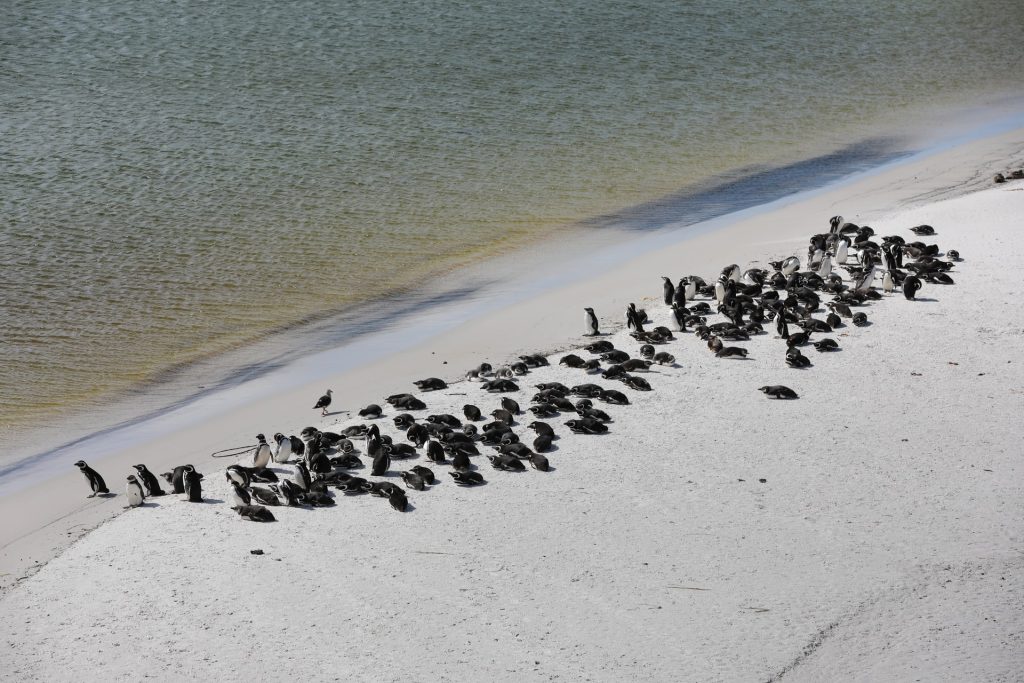
Choose your Falklands trip format first
A cruise call, a hotel stay in Stanley, and a multi-day outer-island trip are not smaller or larger versions of the same itinerary. They use different transport, tolerate different weather delays, and create very different wildlife opportunities.
Use the official Falkland Islands trip-planning hub to verify flights, ferries, local tours, and current visitor information. Treat every schedule as live, especially when a ship tender, local flight, or boat connection controls your return.
If you have one cruise day
Choose one primary goal and one Stanley backup. A long wildlife drive can consume most of the call, while Stanley's compact historical cluster works better when tender operations or weather shorten the day.
Set a personal return deadline earlier than the ship's all-aboard time. Your guide's estimate, road conditions, tender queue, and mobility needs all belong in that buffer.
If you are staying in Stanley
A land stay creates room for a separate museum morning, a coastal outing, and a weather-flexible wildlife day. It also lets you confirm transport locally instead of forcing every priority into one fragile schedule.
The Jetty Visitor Centre is the practical first stop for current guidance. It sits at Ross Road and Philomel Street, but its staff cannot make a closed site, full tour, or delayed service available.
If you want outer-island wildlife
Carcass Island and Saunders Island belong in a multi-day plan built around confirmed transport and accommodation. They are not simple walks from Stanley, and a map distance does not communicate the operational effort required to reach them.
Travelers comparing this route with a longer polar itinerary can use the Ushuaia to Antarctica cruise guide to understand why embarkation buffers and remote-landings logistics deserve separate planning.
Ask who owns or manages the landing area, whether permission is included, how luggage moves, what happens during a weather delay, and how many nights create a reasonable margin. This is where an extra day can be more valuable than another named stop.
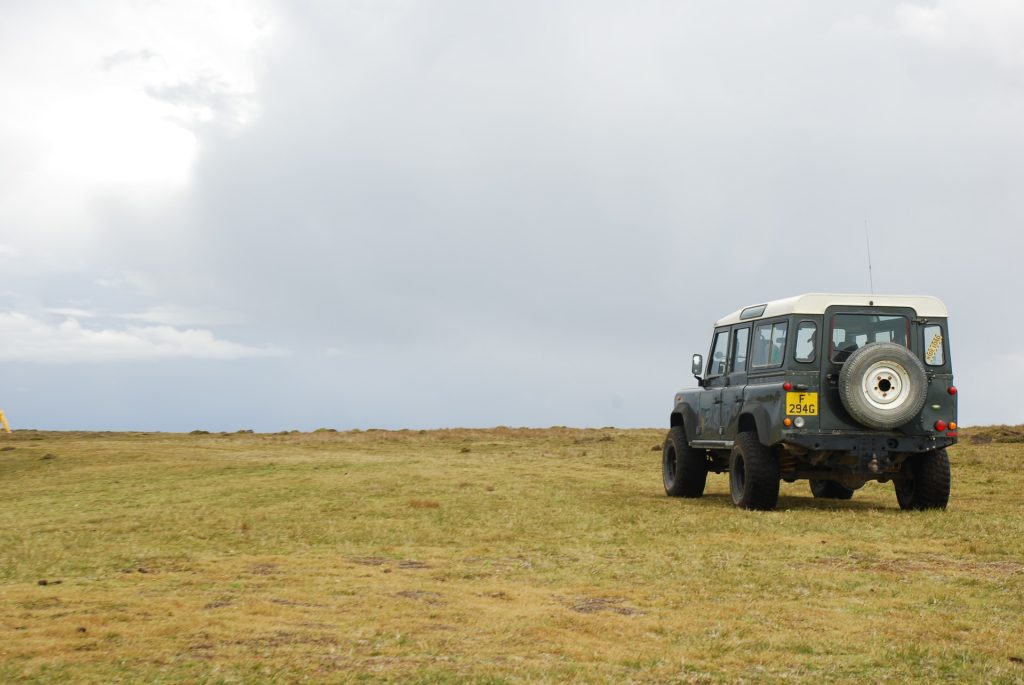
A Stanley day that does not feel rushed
Stanley works best as a sequence of small, connected places rather than a race between isolated pins. Begin at the waterfront, confirm current opening and access information, then decide how much walking fits the weather.
Historic Dockyard Museum
The museum is the natural context stop for island life, maritime history, natural history, and the 1982 conflict. Check current opening information before building the whole day around it, since cruise volume and seasonal operation can affect a practical visit.
Give it enough time to read rather than treating it as shelter between photographs. Visitors interested in regional voyages can pair this background with the broader route choices in the South America cruise guide.
Christ Church Cathedral and Whalebone Arch
The cathedral and nearby arch form an easy waterfront pairing. Keep the description modest unless current interpretation confirms construction details and historical claims, because repeated travel summaries often oversimplify the arch's story.
This stop is visually distinctive, but it should not displace the museum if history is your priority. It works especially well as a flexible final stop before returning to the jetty.
Memorials and the waterfront
Stanley's memorial landscape deserves precise names and respectful context. Confirm the memorial you intend to visit instead of combining several sites into one vague battlefield attraction.
A self-guided waterfront route is the lowest-risk option when your available time is uncertain. It also gives travelers with different walking speeds an easier way to regroup without sacrificing the core story.

Gypsy Cove as the practical wildlife choice
Gypsy Cove is one of the more manageable nature options from Stanley because travelers can approach it by walking, driving, taxi, or a suitable vehicle tour. Verify the route and conditions through the official Stanley planning guidance before choosing your mode.
Walking gives you more landscape time but uses a large portion of a short port call. A vehicle option may suit limited walkers, yet the viewpoint surface and final path still need an honest end-to-end accessibility check.
What a good wildlife visit looks like
The goal is not to get as close as possible. Stay outside colonies, keep wildlife routes open, move quietly, and accept that an animal can choose distance or remain out of sight.
Binoculars improve the experience without changing animal behavior. Long lenses are useful only when they do not tempt you to cross signs, block a penguin route, or step onto fragile ground.
What not to promise yourself
No ethical guide can guarantee a specific penguin, marine mammal, or bird sighting. Season, weather, breeding activity, food, and disturbance all affect what appears during a particular visit.
A wildlife photograph online may also come from South Georgia or another territory. The South Georgia image below provides regional expedition context and should not be mistaken for a Falklands scene.

Bluff Cove and East Falkland excursions
Bluff Cove can be a compelling wildlife and landscape outing when it is offered for your date and fits the ship or hotel schedule. It is not interchangeable with Gypsy Cove, since access method, duration, land management, and return risk differ.
Book the exact experience rather than assuming a place name includes transport, admission, refreshments, or a particular colony visit. Ask how the provider handles weather, road disruption, reduced mobility, and a shortened port call.
Battlefield and settlement visits
Battlefield touring benefits from a knowledgeable local guide because terrain alone does not explain the 1982 conflict. Choose an itinerary with a clear historical scope and avoid touching any unknown object or leaving the established route.
Goose Green, Darwin, Fitzroy, and other settlements each have their own context and access reality. One should be the focus of a day, not a list of names that a driver is expected to compress into a rushed loop.
Grave Cove is not a casual Stanley add-on
Grave Cove belongs in a deliberately arranged countryside visit with transport and land access confirmed. Do not follow generic walking directions across private property or assume a historical route is open because an old blog describes it.
Ask the owner or authorized operator about the exact start point, surface, distance, wildlife restrictions, and fee. This is also the moment to disclose knee, balance, or stamina limits rather than discovering them after leaving the road.
The Falklands Countryside Code changes how you visit
Much of the landscape that feels wild is private working land or sensitive habitat. Permission, gates, fire prevention, biosecurity, and animal welfare are part of the attraction, not administrative details around it.
The official Countryside Code guidance says to ask before entering private land, give animals the right of way, never feed or touch wildlife, and remain outside colonies at least six metres away.
Keep colonies functional
Never stand between birds and the sea, a nest, or a visible travel route. If animals change direction, raise their heads repeatedly, vocalize, or bunch together because of your position, increase the distance.
Keep food sealed and follow any cleaning instructions for footwear or equipment. Moving soil or organic material between sites can carry more risk than visitors realize.
Ask before crossing land
A beach, headland, or colony appearing on a map does not create public access. Confirm permission, the approved path, gates, parking, and any land-access fee with the owner or your authorized operator.
This rule protects visitors as well as wildlife. Landowners can flag livestock, fire danger, boggy ground, damaged tracks, or a route that is unsuitable after recent weather.
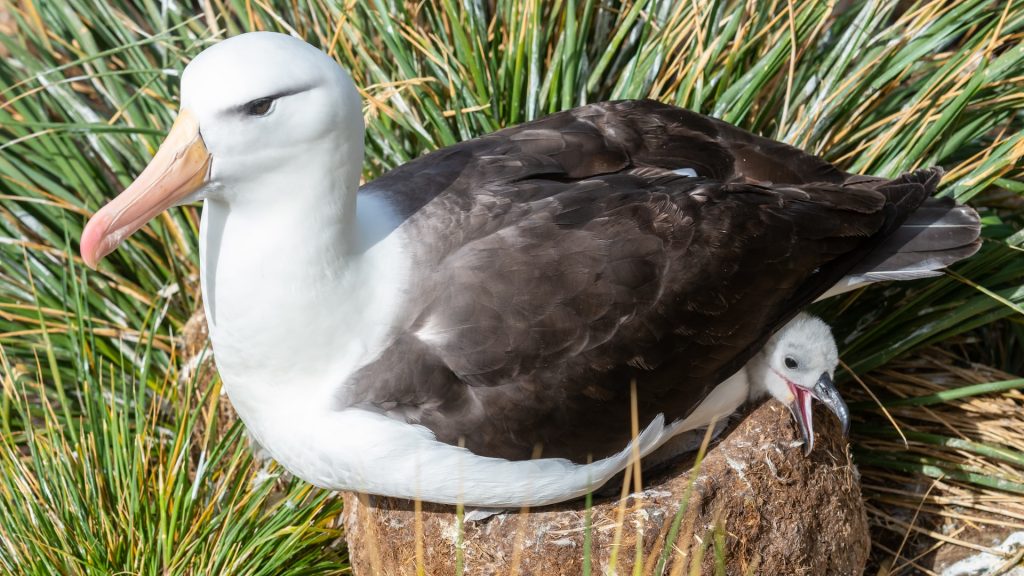
How to choose between Carcass and Saunders Island
Choose by logistics before species wish lists. The better island is the one with confirmed transport, enough nights to absorb disruption, accommodation that fits your needs, and access you can manage without pressuring the operator.
Carcass Island may suit travelers seeking a quieter multi-day stay with walking and bird interest. Saunders Island appeals to travelers who can commit more planning effort for broad landscapes and wildlife possibilities, but neither should be reduced to a guaranteed checklist.
Questions to ask before paying
Confirm the transport provider, baggage allowance, meeting point, cancellation handling, meals, private-land permission, and emergency communication. Ask whether the itinerary requires stepping from a small boat, crossing uneven ground, or carrying luggage.
Also ask what happens if your inbound connection runs late. A beautiful remote booking is poor value when its schedule cannot tolerate the arrival route you selected.
A decision plan for common travelers
For a first cruise call
Pick Stanley plus Gypsy Cove, or one prearranged East Falkland excursion plus a short waterfront buffer. Do not try to combine a long wildlife drive, several battlefields, the full museum, and distant countryside in one day.
For dedicated birders
Prioritize season, island access, time at one habitat, and ethical observation over the number of species listed in marketing. Bring binoculars, weather protection, and enough schedule flexibility to accept a changed landing or missed sighting.
If wildlife is the reason for your voyage, the wildlife cruise planning framework explains how to assess observation time, operator practice, and itinerary risk without relying on guarantees.
For history-focused visitors
Use the museum to establish context, then add one guided battlefield or settlement route. More names do not create more understanding, and a focused guide can connect terrain, personal accounts, and memorials with greater care.
For limited mobility
Build around vehicle access, short waterfront distances, toilets, seating, step heights, and the tender or aircraft transfer. Ask whether the final viewpoint path is firm and level, because an accessible vehicle does not guarantee an accessible destination.
Your final Falklands checklist
Confirm the day's weather, transport, permission, opening information, meeting point, return deadline, clothing, and communications. Carry layers and keep one Stanley alternative ready if the primary excursion changes.
The most satisfying Falklands plan is rarely the one with the most pins. It is the one that leaves enough time to understand the landscape, respect wildlife, and return without turning a remarkable day into a race.

Ellie is the founder of Ellie's Travel Tips, where she shares practical cruise tips, port guides, and step-by-step itineraries to help you plan smarter trips for less. Her checklists and packing guides turn travel daydreams into doable plans.