
Exuma is not one island with six nearby stops. Great Exuma, Little Exuma, Staniel Cay, Big Major Cay, protected park waters, and distant Long Island require different roads, flights, boats, permissions, and weather decisions.
Start with Exuma geography
The Exumas include Great Exuma, Little Exuma, and a long chain of cays. An attraction’s island determines whether you can drive, walk, fly, or need a marine operator.
The official Exuma destination map distinguishes George Town, Staniel Cay, Big Major Cay, and other island anchors. Mark the departure base before comparing tours.
A Great Exuma lodging base does not make central-cay attractions road-accessible. A Staniel Cay stay reduces some boat distance but adds its own flight, baggage, lodging, and transfer dependencies.
Remove Dean’s Blue Hole from the Exuma list
Dean’s Blue Hole is on Long Island, Bahamas, not in Exuma. It should never be counted as an Exuma attraction.
Long Island requires a separate inter-island transport and lodging plan. A map of The Bahamas can make islands look close while hiding limited flights, sea conditions, and missed-connection risk.
The preserved legacy image can illustrate the geography correction, but it must not tell readers they can visit the site from George Town casually. Choose an actual Exuma activity instead of padding the list.

Thunderball Grotto requires tide and swimming judgment
Thunderball Grotto is associated with Staniel Cay and normally involves boat access. Entry conditions can depend on tide, current, sea state, operator route, swimming ability, and equipment.
Do not describe the grotto as safe for everyone or promise an easy swim. Ask whether entry involves submersion, current, overhead space, sharp rock, a guide, flotation, or an alternative view.
Travelers with limited swimming skill, claustrophobia, mobility needs, or medical concerns should disclose them before booking. The correct choice can be to remain on the boat or select another cay.
Questions for a grotto operator
- Which tide window and entrance will be used?
- What swimming skill is required?
- Are flotation and masks provided in suitable sizes?
- What is the no-entry alternative?
- How do weather cancellation and refunds work?
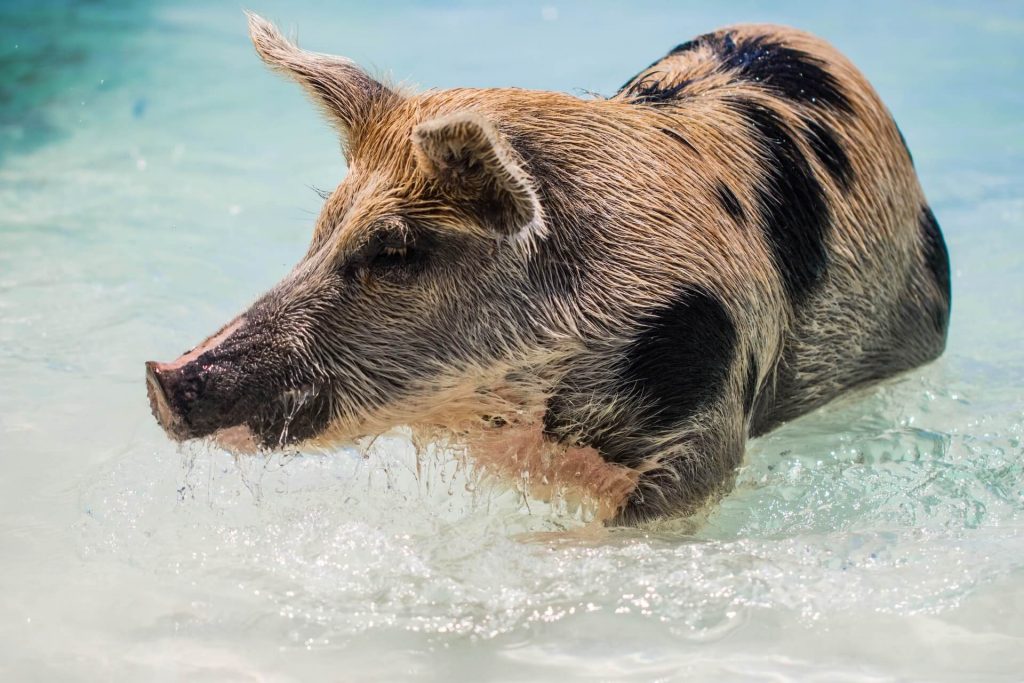
Big Major Cay and the swimming pigs
Big Major Cay is accessible by boat and is known for its pigs. Animal presence, behavior, landing conditions, and operator practices are not guaranteed.
Do not bring random food or encourage animals to climb on people. Follow current local and operator guidance, keep children supervised, and leave if the interaction becomes crowded or aggressive.
A wildlife encounter should not become a performance demanded by visitors. Choose an operator that discusses animal welfare, waste, feeding rules, and respectful distance before departure.
Exuma Cays Land and Sea Park is no-take
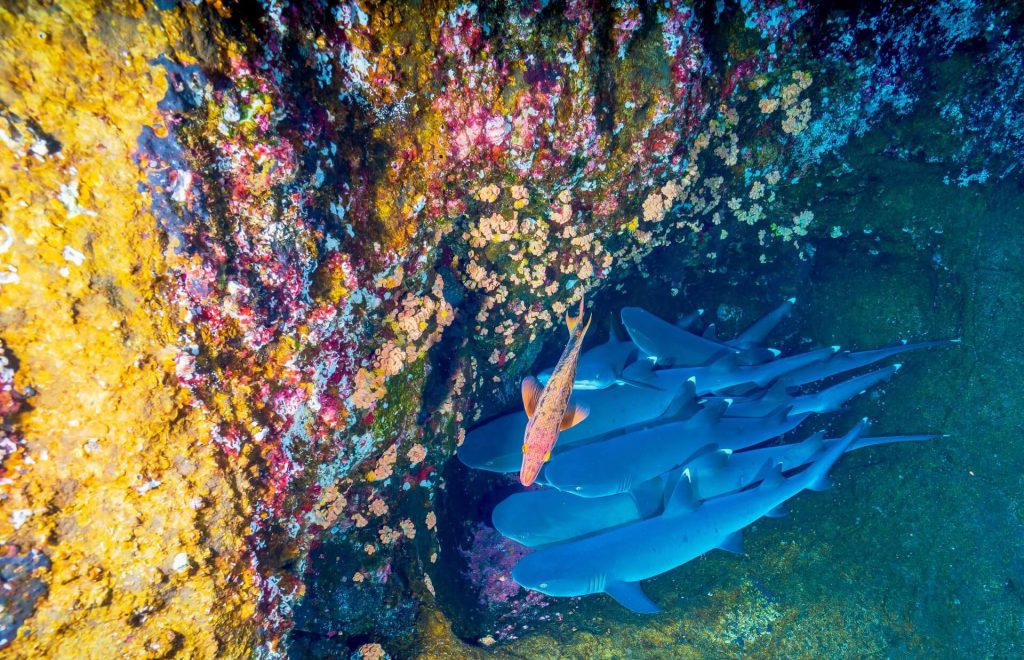
The Exuma Cays Land and Sea Park is a protected no-take area. Fishing, conching, shelling, and lobstering are prohibited within park boundaries.
The Bahamas National Trust’s Exuma park guidance should control the park plan. A tour advertisement or map pin is not permission to remove natural material.
Park payment does not automatically reserve a mooring. Boaters must verify current boundaries, anchoring, mooring, fees, waste, weather, and visitor bylaws.
Know whether your tour enters the park
Ask the operator to name each stop and identify whether it lies inside protected boundaries. Similar-looking cays can have different ownership and rules.
Do not assume a fishing charter can fish wherever it passes. Permit and protected-area compliance should be explicit before payment.
Compass Cay needs ownership and animal rules
Compass Cay is a separate commercial and marine stop whose current access, fee, dock, animal interaction, and weather rules need direct confirmation. It is not part of every Exuma boat trip.
Sharks and other marine animals are never guaranteed to behave predictably. Avoid language that labels an encounter harmless or suitable for every child.
Ask whether touching, feeding, entering water, or standing in a particular zone is permitted. Follow staff and conservation guidance even when social media shows different behavior.

Allen Cays and iguana encounters
Allen Cays are known for iguanas, but wildlife encounters require distance and current rules. Do not feed, touch, chase, or surround animals unless a responsible authority explicitly permits an action.
Landing can depend on sea state, beach conditions, crowding, and operator judgment. A planned stop may become a boat view or be skipped.
Footwear, heat, sun, sand, and boat reboarding affect traveler fit. Ask how long passengers are exposed and whether shade or toilets exist.
Bonefishing is a permit and habitat decision
Bonefishing requires current Bahamian rules, an appropriate location, and a responsible guide when needed. It cannot occur inside a no-take area merely because fish are visible.
Ask about licensing, catch-and-release practice, handling, flats etiquette, guide credentials, equipment, weather, and cancellation. No operator can guarantee a catch.
Travelers who do not fish can choose birding, paddling, beach walking, or local culture with current access. Exuma’s value should not depend on extracting or catching wildlife.
Choose the right Exuma base
Great Exuma and George Town
This base can suit travelers who want road-accessible island time, local services, and boat tours that depart nearby. Confirm the exact tour range because central cays may require a different departure or longer marine day.
Little Exuma
Little Exuma offers a quieter road-connected extension through the bridge, but lodging, food, fuel, beaches, and return transport require current checks. Do not call every shoreline public or serviced.
Staniel Cay
Staniel Cay can suit travelers prioritizing Thunderball Grotto and nearby central cays. It increases dependence on inter-island air or marine access, limited inventory, baggage rules, and weather resilience.
Boat-day questions that matter
Confirm operator identity, departure island, pier, vessel, passenger capacity, shade, seating, life jackets, toilet reality, food, water, and return. Ask whether the trip is private, shared, or changes route after pickup.
Request the exact cancellation and reschedule terms for wind or sea conditions. Do not accept a blanket promise that the water is always calm.
Separate operator price from park, dock, landing, and activity charges without copying static amounts. Understand which payments are refundable when a stop is skipped.
Accessibility is a series of moving transfers
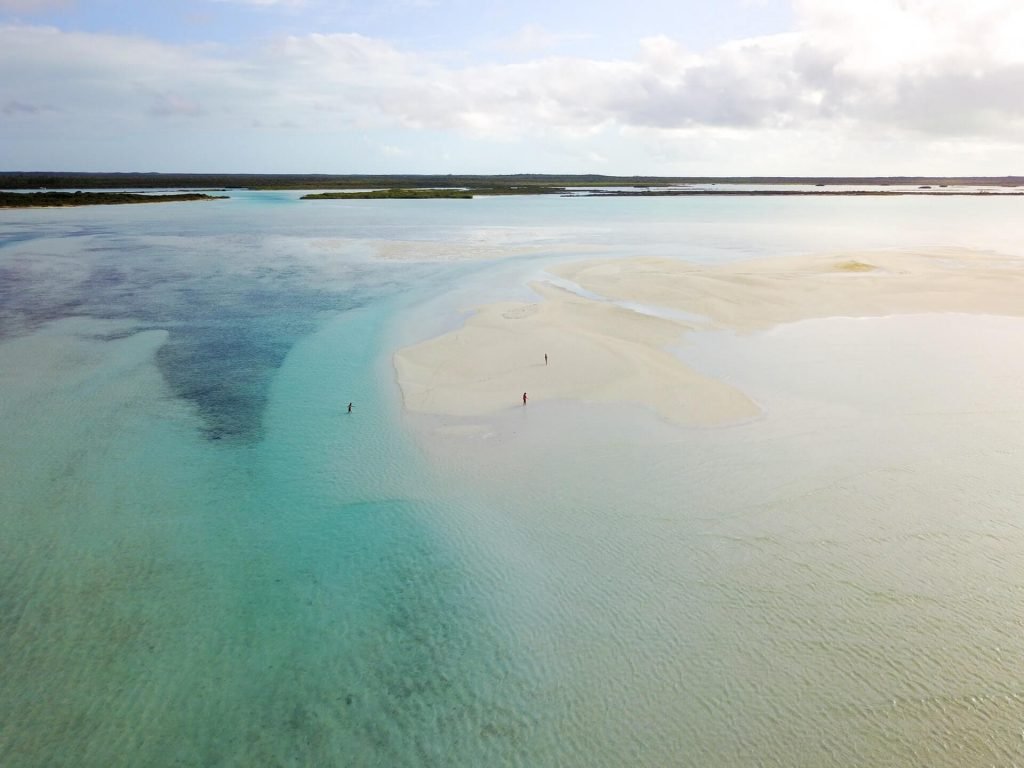
An accessible airport or hotel does not make a dock, small boat, wet beach landing, grotto, ladder, or sand route accessible. Ask about each handoff using the traveler’s actual device and transfer needs.
Request boarding photos and current measurements from the operator if necessary, but do not rely on invented precision from a guide. Confirm whether crew assistance is trained and whether the vessel can secure equipment.
A road-based Great Exuma day can be a better alternative than an unsuitable cay tour. Equivalent value matters more than completing the famous circuit.
Weather and wildlife remain conditional
Wind, waves, storms, tide, heat, visibility, and marine advisories can change a route or cancel the day. Historic season labels are not forecasts.
Keep one road-accessible beach, local meal, cultural stop, or rest day available. Do not move to an unverified vessel because a responsible operator cancels.
Pigs, sharks, iguanas, fish, turtles, and birds have no visitor schedule. A trip can be successful without close interaction.
Entry and document planning
Bahamas entry depends on traveler documents, nationality, transit, and date. For cruise-specific distinctions, use the Bahamas cruise document guide and verify current authorities.
Air travelers and private boaters can face different requirements. A domestic-looking island flight still follows the traveler’s lawful entry and carrier rules.
The official Bahamas trip-planning portal is the starting point for current fishing, diving, arrival, and destination information. Use the specific authority behind each requirement instead of treating one tourism page as a permit.
Plan lodging around the actual departure
A property marketed as being in Exuma may still be far from the pier or airstrip needed for your priority tour. Confirm island, road access, transfer provider, pickup boundary, luggage handling, and return before choosing the room.
Early marine departures can conflict with breakfast, taxi availability, and checkout. Ask the property what it can truly arrange without assuming a concierge controls weather or operator decisions.
Keep one flexible night near the most fragile air or boat connection when the onward ticket is important. The buffer cannot guarantee service, but it prevents every delay from becoming an emergency.
Reduce pressure on cays and communities
Carry out waste, avoid single-use items where practical, use established landings, and follow sanitation rules. Do not remove sand, shells, plants, coral, or cultural material.
Ask before photographing residents, workers, homes, or private docks. Cays are communities and working places as well as visitor scenery.
Build one realistic Exuma itinerary
Road-first plan: Use Great Exuma and Little Exuma, then add one local boat day if conditions cooperate.
Central-cay plan: Base near Staniel Cay, prioritize one grotto or wildlife route, and protect flight or boat connections with buffer.
Park plan: Choose a compliant operator or vessel plan centered on no-take rules, current moorings, and low-impact observation.
For another Caribbean beach comparison, the Havana-area beach guide solves an entirely different road and service problem. Do not transfer Exuma boat assumptions.
The Caribbean cost framework can help compare total flights, lodging, boats, food, and fees without calling Exuma universally cheap or expensive.

Final Exuma checklist
- Remove Dean’s Blue Hole from the Exuma count.
- Name the island and departure base for every stop.
- Respect Exuma park no-take rules.
- Verify tide, operator, vessel, and swimming skill.
- Keep wildlife interaction conditional.
- Protect flights and boats with a buffer.
Exuma becomes easier when geography leads. Choose the base, identify every cay, respect protected boundaries, and let current sea conditions decide how much of the plan operates.

Ellie is the founder of Ellie's Travel Tips, where she shares practical cruise tips, port guides, and step-by-step itineraries to help you plan smarter trips for less. Her checklists and packing guides turn travel daydreams into doable plans.