
Victoria can be an easy port day or a surprisingly rushed evening call. Confirm the pier, usable hours, and return route before choosing downtown, a nearby waterfront loop, or one vehicle-dependent excursion.


Start With Victoria’s Actual Arrival Facility
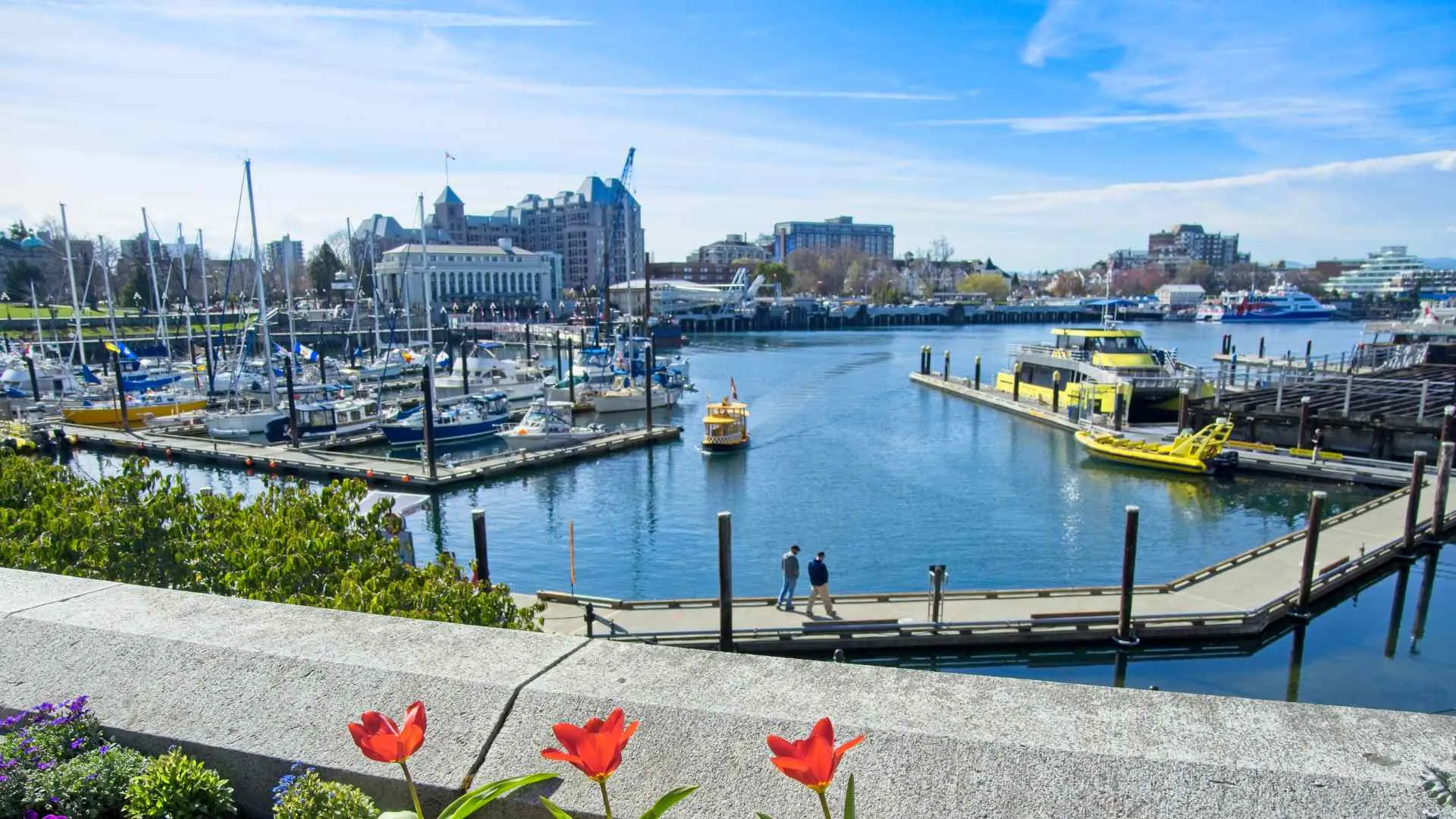
The Greater Victoria Harbour Authority identifies the Victoria Cruise Terminal at the Breakwater District, historically known as Ogden Point. That name helps with orientation, but it does not settle your ship’s specific pier or gangway.
Destination Greater Victoria lists a cruise visitor center at Pier B. Do not turn that fact into a promise that every ship uses Pier B or that every pickup begins there.

Record these details onboard
- Pier, berth, gangway, and permitted passenger exit.
- Ship time, local time, and all-aboard time.
- Current shuttle pickup and final useful return.
- Approved taxi, tour, and private pickup area.
- Return entrance and any terminal security instructions.
Take a photo of the return point and save the ship’s local contact offline. Darkness, weather, crowds, and several similar waterfront landmarks can make a remembered route less obvious later.

Choose One of Four Victoria Port-Day Styles
Plan 1: Breakwater District and nearby waterfront
This is the lowest-dependency choice for a short or late call. Keep the route near the terminal, confirm pedestrian access and lighting, and choose stops that can be dropped without damaging the day.


Fisherman’s Wharf can fit this local approach, but use the current route rather than a universal walking time. The harbour authority’s Fisherman’s Wharf page points visitors to current transit information.


Plan 2: Inner Harbour and central Victoria
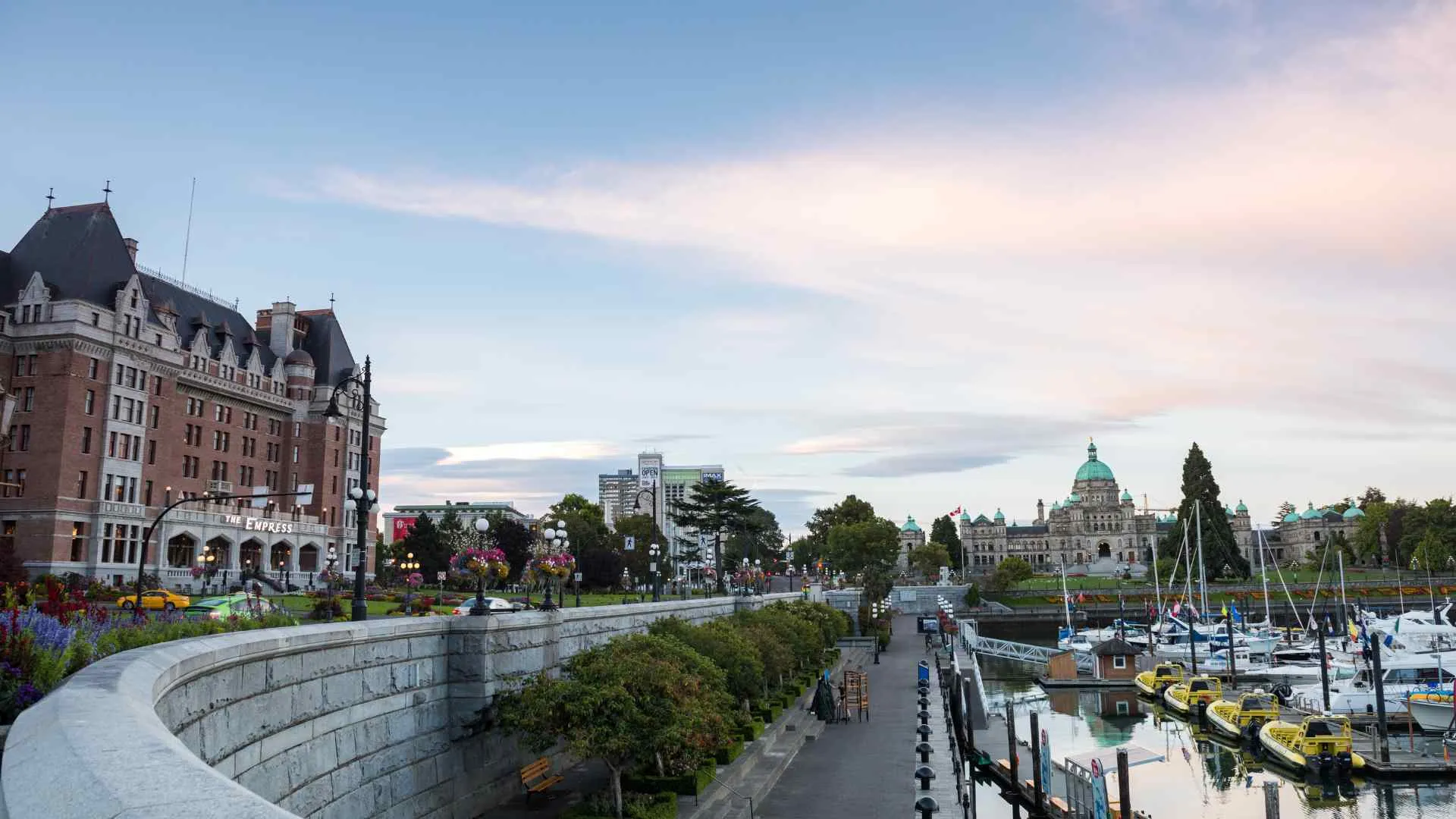
A central plan can connect the Inner Harbour, Parliament area, museum choices, food, shopping, and nearby historic streets. Select one indoor anchor and one flexible walking loop instead of collecting every landmark.


Confirm current opening, admission, last entry, and accessibility for the anchor attraction. A building visible from the harbor may not be open throughout an evening call.


Plan 3: Beacon Hill Park and city neighborhoods
Choose this when outdoor walking matters more than a long checklist. Weather, daylight, surfaces, stamina, and the return method should shape the route.


Chinatown or another city district can be paired with one central anchor when the geography remains coherent. Do not zigzag between distant points simply because each appears on a generic top-things list.


Plan 4: one prearranged excursion
Butchart Gardens, whale watching, and broader Vancouver Island trips introduce vehicle, weather, reservation, or marine dependencies. Choose one objective and preserve enough flexibility to cancel secondary stops before the return becomes fragile.


Shuttle, Taxi, Tour, or Walking?
Permitted shuttle and tour buses, taxis, and other transport operate at the cruise terminal, while motorized pickup operators require terminal authorization. That means a driver cannot always collect you wherever a map pin appears convenient.
Destination Greater Victoria identifies PNWTS as the downtown shuttle provider. Check the current provider information and terminal notice rather than relying on an evergreen fare, frequency, stop, or final departure.


Use the shuttle when
The current route and return window match your central plan. Photograph the downtown stop and confirm whether the last useful shuttle leaves enough time for the terminal and gangway.


Use a taxi or prearranged vehicle when
Your group, mobility equipment, reservation, or distant objective requires a direct route. Confirm authorization, pickup location, vehicle capacity, payment, communication, and the exact return entrance.


Walk when
The route, weather, daylight, pace, and permitted terminal exit suit everyone in the group. A published distance does not capture gangway position, standing, surfaces, road crossings, or the same journey back.


How to Plan a Short or Evening Call
An evening arrival changes the value of Victoria. Daytime attraction lists can become misleading when last entry, kitchens, shops, gardens, tours, and transit do not align with the usable call window.
Build the plan from the closing or return constraints backward. Pick one central anchor that is actually operating, add a waterfront or neighborhood loop, and keep the final stop on the route back.


A resilient evening plan
Use current lighting, weather, and transport information to choose a compact zone. Do not make a distant dinner reservation or final shuttle the only way the group can return.


Accessibility Is an End-to-End Chain
The terminal lists wheelchairs and service-animal relief areas among its accommodations and directs guests who need additional services to the operator. That does not prove that every gangway, shuttle, curb, restroom, attraction, or return route fits a particular traveler.


- Ask about the ship’s gangway and assistance at the expected pier.
- Confirm that the vehicle accepts the exact chair or scooter.
- Verify curb, restroom, entrance, seating, and service-animal needs.
- Plan the reverse route with an accessible backup.
Travelers with limited stamina should count standing and boarding as well as distance. A shorter path can still be harder when seating, lighting, shelter, or smooth surfaces are limited.


Whale Watching Without a Wildlife Promise
A marine tour depends on operator availability, sea and weather conditions, wildlife movement, vessel fit, and the cruise schedule. No responsible guide can guarantee a sighting or treat every canceled tour as easily replaceable.
Ask about the departure dock, check-in, return point, cancellation terms, accessibility, warm and wet-weather needs, and what happens if the ship arrives late. The tour’s advertised duration is only one part of the full gangway-to-gangway chain.


Food, Shopping, and Local Context
Place food inside the geographic plan instead of crossing the city for one famous stop. Confirm service pace and keep a faster alternative near the return axis when the call is short.


For First Nations history or cultural interpretation, prioritize Indigenous-led or institutionally verified experiences and use the community’s current names. Do not reduce living cultures to souvenir shopping or generic historical decoration.

Return Planning by Dependency Count
A local waterfront loop has fewer failure points than a distant garden, island drive, or marine tour. Count every transfer, reservation, weather exposure, and controlled terminal step in reverse from the gangway.


Local return chain
Final stop, walk or shuttle, correct terminal entrance, security, pier, and gangway. Leave room for darkness, slow service, crowds, and finding the correct return point.


Excursion return chain
Remote stop or marine dock, vehicle or boat, city traffic or harbor movement, terminal entrance, security, pier, and gangway. End optional stops before the plan depends on the last mathematically possible return.
Three Call Windows, Three Different Decisions
Short evening call
Stay near the Breakwater District or select one central zone that remains active during your usable hours. The plan should still feel worthwhile if an attraction closes, rain slows the walk, or the shuttle queue changes your departure.
Complete the farthest part first and let food or waterfront views fill the flexible portion. Avoid a reservation that ends so late that the entire return depends on one vehicle.
Longer evening call
A longer stay does not make every daytime attraction available. Build from current closing times and transport operations, then add evening atmosphere rather than forcing a daytime checklist into darker hours.
Groups with different energy levels can share one central anchor and meeting point before splitting briefly. Set the regrouping time and location while everyone still has reliable communication.
Daytime call
Choose either city depth or one major excursion. Combining a distant garden, marine tour, museum, shopping, and full neighborhood loop can create more transfers than the call comfortably supports.
Weather Changes the Route, Not Victoria’s Value
Carry a version of the day that works in rain, wind, or cooler conditions. An indoor anchor plus a compact waterfront route gives you options without sending the group across the city to chase better weather.
Marine conditions can alter or cancel a boat tour, while darkness and wet surfaces can change a walking plan. Check close to departure and decide in advance what replaces the headline activity.
What to bring ashore
Bring the identification required by the cruise line, ship card, offline terminal details, weather layer, payment method, medication, and any mobility essentials. Keep the return information separate from a phone that one person might carry away from the group.
Questions for an Excursion Operator
- Where exactly does pickup occur relative to the assigned pier?
- What is the ship-time turnaround point if the call begins late?
- Which stops are optional when weather or traffic changes?
- How is a cancellation or schedule change communicated?
- Can the vehicle or vessel accommodate the traveler’s actual equipment?
- Where does the tour return, and what port steps remain afterward?
A persuasive activity list is not enough. The operator’s answers should reveal whether the excursion has a controlled return or merely hopes the advertised sequence works.
Victoria for Different Travelers
Families
Use a route with bathrooms, food flexibility, and a simple way to shorten the day. Confirm child restraints and vehicle capacity rather than assuming a shuttle or taxi meets every family’s needs.
Travelers with limited stamina
Count standing at shuttle stops, terminal processing, attraction queues, and the gangway. Choosing one vehicle link and a compact central zone can preserve energy for the places that matter most.
Repeat visitors
Skip the broad highlights loop and choose one theme, such as harbor life, gardens, food, a museum, or a neighborhood. Depth reduces transit and makes the call feel different without extending the return chain.


Useful Next Guides
The West Coast cruise port guide compares regional departure gateways, while the Los Angeles cruise ports guide separates San Pedro and Long Beach. The world cruise port directory is best for broader destination discovery.


Victoria rewards a plan sized to the actual call. Confirm the pier and transport, choose one coherent zone or one excursion, and protect the return before adding another stop.

Ellie is the founder of Ellie's Travel Tips, where she shares practical cruise tips, port guides, and step-by-step itineraries to help you plan smarter trips for less. Her checklists and packing guides turn travel daydreams into doable plans.