
“Los Angeles cruise port” can mean San Pedro or Long Beach, two separate ports with different addresses and arrival routes. Confirm which one appears on your sailing documents before booking a flight, hotel, transfer, or parking.


The Los Angeles Area Has Two Cruise Port Systems
The Los Angeles Cruise Terminal is in San Pedro at the Port of Los Angeles. The official cruise terminal page identifies Berths 91 through 93 at 100 Swinford Street.
The Long Beach Cruise Terminal belongs to the separate Port of Long Beach. It is not another berth at the World Cruise Center, and San Pedro directions should never be reused for a Long Beach departure.


The quick verification that prevents the biggest mistake
- Open the current cruise line document.
- Record the port name, terminal, full address, ship, and date.
- Compare that address with the official port page.
- Use the same address for the hotel, parking, and driver.
- Recheck when final boarding instructions arrive.


San Pedro Workflow
Use San Pedro instructions when the cruise document names the Port of Los Angeles, Los Angeles Cruise Terminal, or World Cruise Center and the current address matches. Do not infer the port solely from a familiar cruise-line assignment.


Before booking transport
Give the driver the terminal address and ship, then confirm the current passenger drop-off or pickup area. A map pin near the waterfront may lead to a commercial port road or an entrance that does not serve cruise traffic.


Before choosing parking
Verify the facility currently designated for your sailing, its access route, vehicle rules, payment, and any shuttle or walking requirement. Do not preserve a price or assume the closest visible lot accepts cruise passengers.


Before choosing a hotel
A San Pedro hotel can simplify the final port approach when it works for your flight, luggage, and chosen transfer. Confirm any advertised cruise service directly because schedules, capacity, and eligibility can change.


Long Beach Workflow
Use Long Beach instructions only when the cruise document names the Long Beach cruise terminal and provides the corresponding address. The Port of Long Beach cruise information is the relevant port-level reference.


Do not follow San Pedro directions
The two ports sit within the same broad metropolitan waterfront, which makes the mistake feel plausible. They remain separate facilities with different entrances, operations, parking, and pickup instructions.


Do not freeze the cruise-line roster
Current port material identifies a Carnival Cruise Terminal, but travelers should still follow their own sailing documents. Brand patterns, special calls, and operational assignments can change.


How to Choose an Airport
No airport is universally best for both ports. Start with the exact terminal address, then compare current flight schedule, arrival day, ground transfer, luggage, accessibility, disruption options, and total trip burden.


A smaller airport can look closer but lose its advantage when flights are limited. A larger airport may offer more recovery options but create a more demanding ground transfer.


Why fixed drive times do not belong here
Traffic, terminal, airport, pickup rules, construction, and sailing-day operations all affect the trip. A single evergreen number can make a tight same-day arrival look safer than it is.


Should You Arrive a Day Early?
Arriving before embarkation day is a strong risk-control choice when feasible, especially after a flight or long drive. It does not eliminate disruption, but it separates the major travel leg from the cruise line’s boarding deadline.


Pick a hotel zone by the whole chain
A port-area hotel may simplify embarkation, while an airport-area stay may simplify a late arrival. A sightseeing stay can work when you deliberately plan luggage storage, checkout, and transport to the correct port.


Do not assume “free cruise shuttle,” “near the port,” or “cruise package” applies to both San Pedro and Long Beach. Ask for the destination, operating day, reservation requirement, luggage limit, and mobility fit.


Embarkation Morning
Follow the cruise line’s assigned arrival window and document list. Port location does not override the operator’s current check-in, luggage, identification, health, or boarding instructions.


Luggage handoff
Keep identification, medication, valuables, essential electronics, and anything needed before cabin access in your personal bag. Confirm current tag and porter instructions rather than copying a process from another terminal.


Accessibility handoff
Arrange cruise-line assistance in advance where required and check every link from vehicle to gangway. An accessible terminal does not prove that a hotel shuttle, rideshare vehicle, curb, or luggage route fits a particular device.


Disembarkation Requires a New Plan
The outbound transfer and return transfer are not mirror images. Disembarkation timing, customs or immigration, luggage collection, vehicle queues, and airline check-in create a different chain.


Do not book a flight because one best-case drive estimate appears possible. Use the cruise line’s current guidance, the terminal, the chosen airport, and a realistic disruption margin.


Construction and Future Terminals
The Port of Los Angeles has active cruise-terminal redevelopment planning. Announced or planned facilities must not be described as open before the port publishes an operational assignment.
Use the port’s current redevelopment news for context, then return to the operating passenger page and sailing documents for today’s terminal.


Pre-Cruise and Post-Cruise Sightseeing
Choose sightseeing only after securing the luggage and terminal transfer. A famous attraction can be a poor fit when it adds a cross-region drive between the airport, hotel, and correct port.


For one night, prioritize a coherent zone with the services your group needs. For a longer stay, you can accept more distance from the port because embarkation morning is a separate planned transfer.


Common Los Angeles Cruise Port Errors
Booking a generic “port transfer”
A transfer is useful only when the operator confirms San Pedro or Long Beach, the terminal, luggage capacity, pickup rules, and current arrival process. Get the destination in writing.


Choosing by mileage alone
Road distance does not capture traffic variability, flight recovery, pickup friction, or terminal access. Compare the whole travel chain instead of crowning one airport or hotel from a map.


Trusting an old line assignment
Patterns can be useful clues, but they are not directions. The current booking and official port instructions control, especially during construction, special calls, or operational changes.


A Mobile-Friendly Final Checklist
- San Pedro or Long Beach confirmed.
- Terminal name and full address saved.
- Flight, hotel, parking, and transfer matched to that address.
- Arrival window and luggage process checked.
- Accessibility confirmed across every transport link.
- Return airport plan built separately from embarkation.
Choose the Transport Mode by Failure Points
Private transfer
A prearranged vehicle can simplify luggage and group movement when the operator confirms the correct port. Verify the terminal address, pickup instructions, waiting policy, vehicle capacity, child-restraint needs, accessibility, and how delays are communicated.
Taxi or app-based ride
This can be flexible, but approved pickup and drop-off areas can differ by terminal and by embarkation or disembarkation. Keep the port name and address visible so a driver does not choose the wrong cruise facility.
Hotel shuttle
Confirm whether the service goes to San Pedro, Long Beach, or both, and whether a reservation is required. Ask about luggage, mobility equipment, operating days, and the return option instead of relying on the word “cruise.”
Rental car
Map the rental return, fuel or charging, luggage transfer, and terminal connection as separate steps. A branch that looks close to the harbor may not provide a port shuttle or after-hours process for your sailing.
Traveler-Specific Los Angeles Port Decisions
Families
Minimize vehicle changes and confirm car seats, room occupancy, baggage capacity, and meal access. A cheaper hotel can be a poor trade when it creates two long transfers with children and cruise luggage.
Travelers using wheelchairs or scooters
Ask the cruise line about boarding assistance, then verify the aircraft, hotel, vehicle, curb, luggage route, restroom, security, and gangway. Record equipment dimensions, battery type, transfer needs, and every assistance confirmation.
Large groups
One vehicle may not hold everyone and their cruise luggage even when the seat count sounds sufficient. Confirm capacity and create a meeting plan at the correct terminal in case the group arrives in separate vehicles.
Local drivers
Do not let familiarity with Southern California replace terminal verification. Parking entrances, traffic control, construction, and passenger routes can change even when the port itself feels familiar.
What to Verify One Week Before Travel
Reopen the cruise documents and official port page. Confirm that the port, terminal, address, arrival window, parking or transfer, luggage process, and identification requirements still match the plan.
Contact any hotel or transport provider whose service is essential. Ask them to repeat the destination port and address rather than accepting a generic confirmation for “Los Angeles cruise terminal.”
Save maps, bookings, contacts, and terminal instructions offline. Share them with every adult in the group so the plan does not depend on one phone or one traveler.
A Better Way to Compare Total Cost
Add airfare, hotel, parking, transfer, meals created by the schedule, luggage handling, and the return trip. Dynamic cruise fare alone cannot reveal whether San Pedro or Long Beach creates the better overall journey.
Also price the cost of resilience. An earlier flight, pre-cruise night, reserved accessible vehicle, or refundable transfer can be worthwhile when it removes the trip’s most fragile link.


Continue Planning
Use the West Coast cruise gateway guide to compare the wider Pacific region. The Victoria cruise port guide covers a common itinerary call, while the world cruise port directory supports broader discovery.
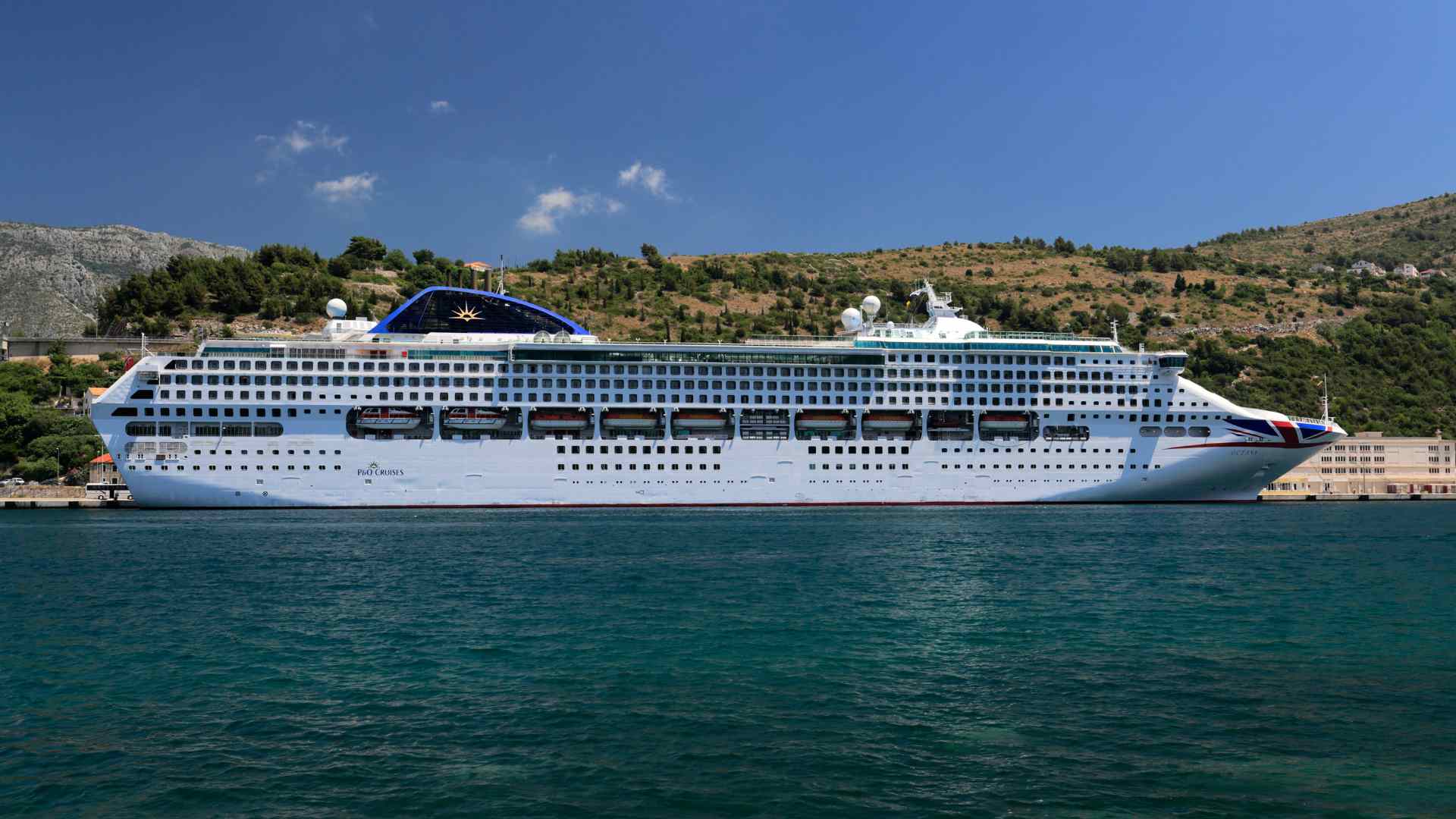

The right Los Angeles cruise port is not a preference. It is the facility named for your sailing, and every airport, hotel, parking, and transfer decision should follow that verified address.

Ellie is the founder of Ellie's Travel Tips, where she shares practical cruise tips, port guides, and step-by-step itineraries to help you plan smarter trips for less. Her checklists and packing guides turn travel daydreams into doable plans.