
Titanic and Icon of the Seas are separated by more than a century of shipbuilding. This technical comparison labels length, tonnage, capacity, safety, and navigation carefully, including places where Royal Caribbean's current figures conflict.
For cabins, dining, entertainment, and life aboard, read the companion guide to the Titanic and modern cruise experience. This article stays with measurable specifications and technology boundaries.


Titanic vs. Icon of the Seas: The Technical Snapshot
Titanic was 882.75 feet long overall, 92.5 feet broad, and measured 46,329 gross registered tons. Its listed capacity included 2,435 passengers across three classes and 885 crew places.
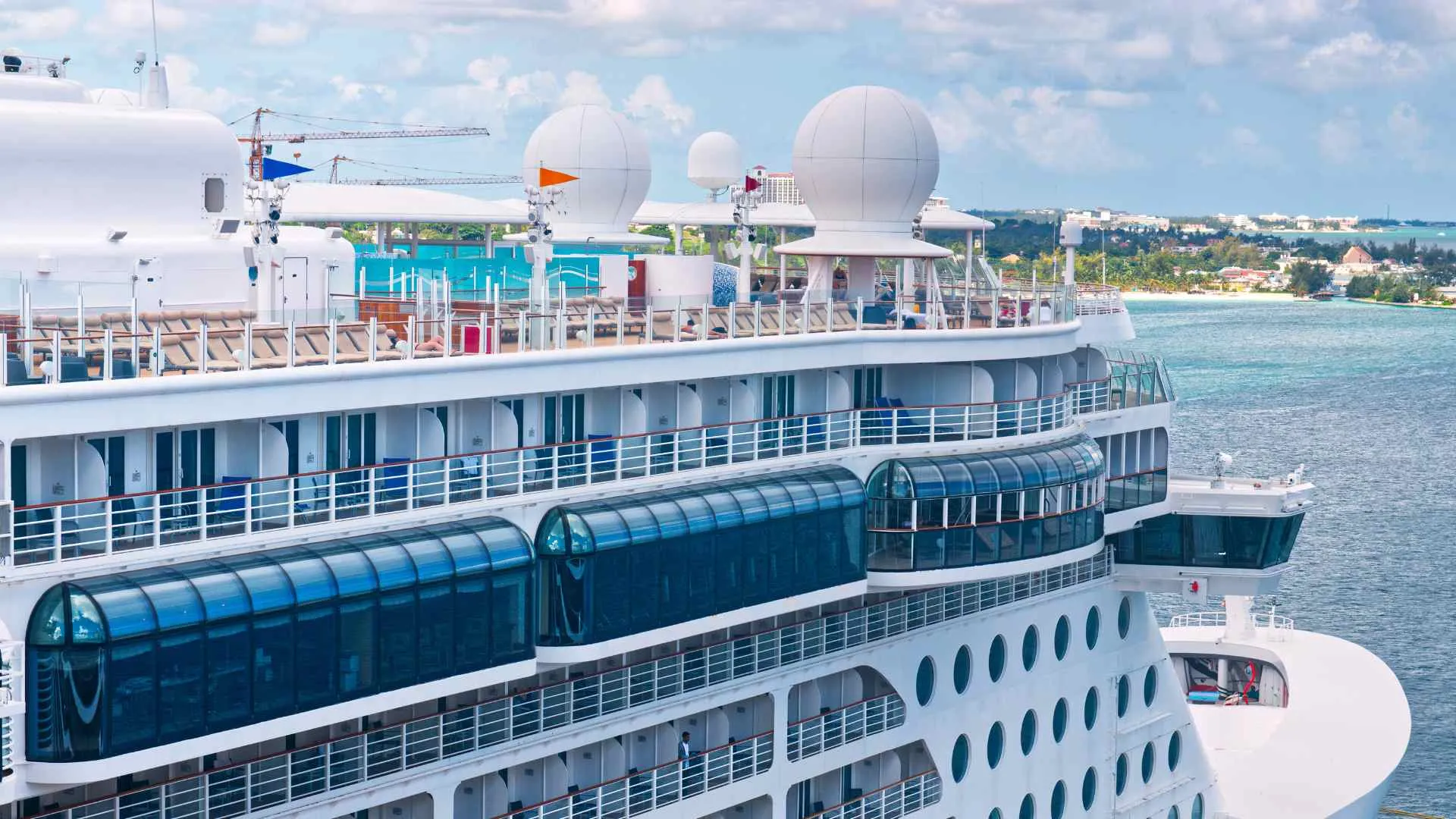
Royal Caribbean currently publishes Icon at approximately 1,196 to 1,198 feet long, depending on the official page, with 20 decks. The operator also publishes different rounded tonnage figures, which makes source and verified date part of the comparison.
Those facts do not make Titanic a primitive cruise ship. It was a scheduled transatlantic ocean liner, while most current cruise ships are designed around a leisure voyage whose shipboard experience is part of the product.

First Decide What You Are Comparing
A useful comparison needs a named modern ship, a date, and a defined measurement. Without those, claims such as bigger, safer, more luxurious, or more crowded can sound precise while saying very little.
Length overall
Length overall is the end-to-end dimension most readers picture. It is useful for scale, but it does not tell you the ship's width, enclosed volume, usable deck area, or passenger density.
Gross tonnage
Gross tonnage is not weight. The International Maritime Organization's tonnage explanation describes modern GT as a function of enclosed volume.
Titanic's gross registered tonnage came from an earlier regime, so a direct ratio needs a caveat. Displacement, deadweight, cargo capacity, and gross tonnage answer different questions.
Capacity
Passenger capacity may mean two people in each cabin or every available guest berth filled. Total persons adds crew, while actual persons aboard changes from one sailing to another.


A Verified Titanic Baseline
The Royal Museums Greenwich research guide lists Titanic at 882.75 feet overall, with a service speed of 21 knots. It records passenger capacity as 735 first class, 674 second class, and 1,026 third class.
That totals 2,435 passenger places, plus 885 crew places. Approximately 2,200 passengers and crew were aboard during the maiden voyage, which is why an article can appear to contradict itself when it silently switches from capacity to actual complement.
Why the class breakdown matters
Titanic's accommodation cannot be summarized with one average cabin. First-class suites, second-class rooms, and third-class berths offered very different space, privacy, facilities, and access.
The ship's finest accommodation should be compared with a modern suite, not an entry-level interior cabin. Likewise, its least expensive berths should not be treated as representative of the entire vessel.


The Current Icon of the Seas Comparator
Royal Caribbean's Icon of the Seas deck plans currently show a headline length of 1,198 feet, 20 decks, and 250,800 in tonnage. Other official Royal Caribbean pages list 1,196 feet and 248,663 GT, exposing a real rounding or publication conflict.
The same care is needed with people. The operator has published about 5,610 guests at double occupancy, 7,600 maximum guests, and 2,350 crew, so any comparison must say which figure it uses.
Icon is a useful example because it shows the scale of a current mega-ship, not because every modern cruise resembles it. Travelers considering a quieter alternative should compare small ship cruising before assuming bigger is automatically better.


Design Purpose Changes the Specification
Titanic's job was to transport passengers, mail, and cargo across the Atlantic on a scheduled service. Luxury mattered, especially in first class, but arrival was the operational purpose.
Icon's resort role helps explain its much greater enclosed volume, large guest complement, and extensive deck plan. These are design outcomes, not evidence that length alone created every feature.
Purpose also changes the correct baseline. A scheduled ocean liner, a small expedition vessel, and a mega-ship should not be ranked on one unlabeled size scale.


Capacity: Three Numbers, Three Meanings
Titanic's documented passenger capacity was 2,435, with 885 crew places. Approximately 2,200 passengers and crew were actually aboard on the casualty voyage, so actual complement was lower than the total design capacity.
Royal Caribbean publishes about 5,610 Icon guests at double occupancy and 7,600 at maximum guest occupancy on different official pages. Adding the published crew figure creates total potential persons, not a prediction of the headcount on a specific sailing.
Use double occupancy for a standard marketing comparison and maximum guests for berth capacity, but never switch between them mid-calculation. Use actual complement only when a voyage-specific record provides it.


Volume, Weight, and Carrying Capacity Are Different
Gross tonnage describes enclosed volume under a measurement system, not mass. Titanic's gross registered tonnage and Icon's modern GT also come from different regulatory eras, so even the volume comparison needs a note.
Displacement describes the mass of water displaced by the ship, while deadweight describes carrying capability. Neither can be substituted for GT, and no supported displacement or deadweight figures are available in this packet for a precise Titanic-to-Icon calculation.
The defensible comparison therefore reports each published measure by name and stops where the source packet stops. It does not convert tonnage into weight or claim a precise volume multiple from incompatible systems.


Safety Then and Now
Titanic had 20 lifeboats with total capacity for 1,178 people, fewer than the roughly 2,200 aboard. The loss helped drive the first SOLAS convention and stronger requirements for lifesaving equipment.
Modern safety is a system that includes construction, fire protection, evacuation arrangements, communications, navigation, inspections, training, and drills. It is too simple to credit every modern feature directly to Titanic because standards have continued changing for more than a century.
Passengers still have responsibilities. Complete the safety briefing, locate the assembly station, keep essential medication accessible, and follow crew instructions during any emergency.


Titanic used the navigation methods, lookout practices, charts, instruments, and wireless telegraphy available in 1912. Wireless was a major technology, not a minor historical footnote.
Modern ships use electronic navigation, radar, satellite positioning, modern distress communications, automation, and shoreside support. Equipment differs by ship and route, and technology cannot remove all weather, mechanical, and human risk.


Weather, Motion, and Route
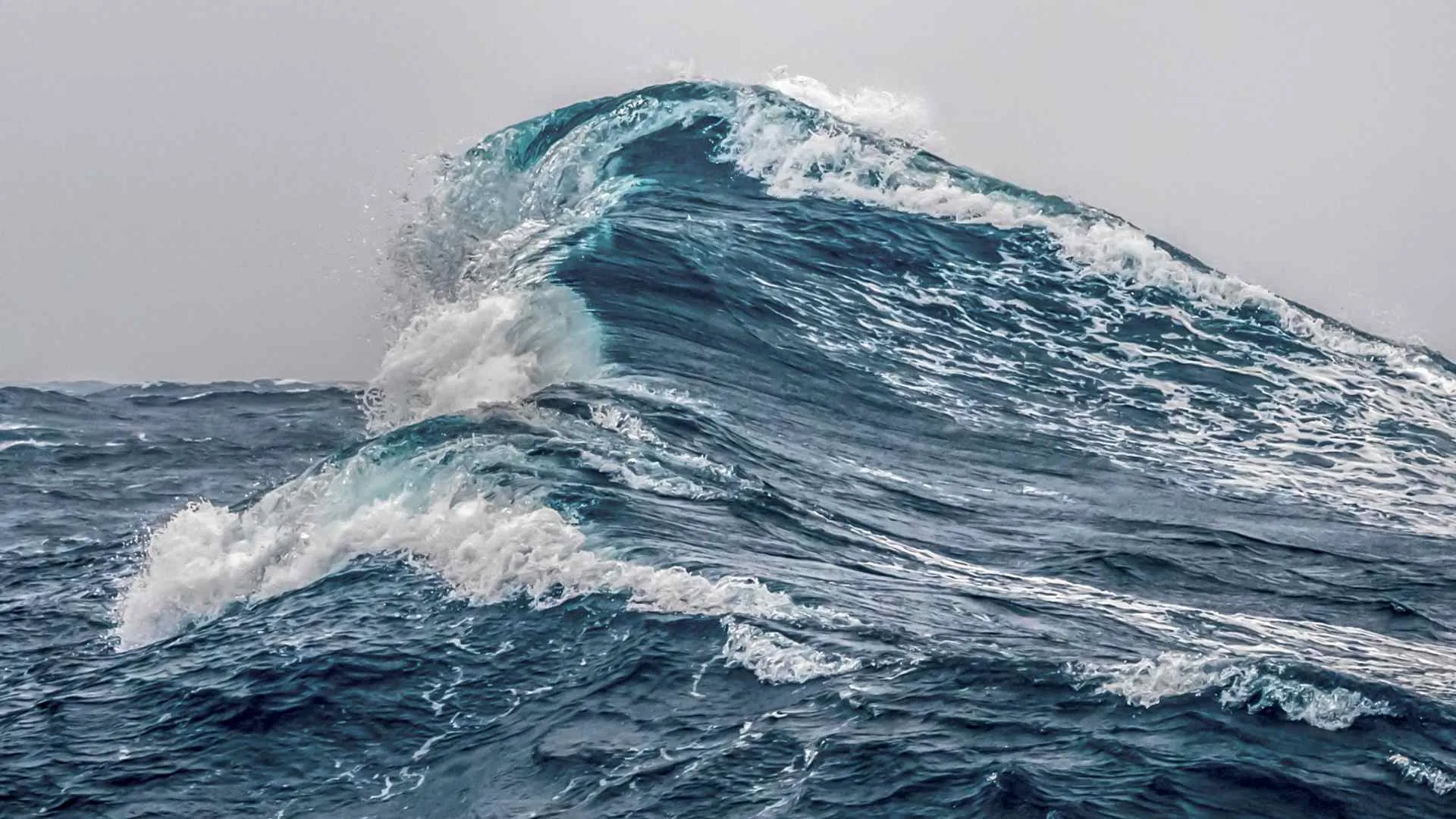
A larger ship is not immune to motion, and size alone does not predict comfort. Hull form, loading, speed, wind, wave direction, stabilizer use, and cabin location all influence what passengers feel.
Titanic was designed for North Atlantic service, while modern cruise ships serve routes with very different sea conditions. A sheltered itinerary and an open-ocean crossing should not be compared as if the ships face identical operating environments.
Port access is multidimensional
A ship's length does not decide every port it can visit. Beam, underwater draft, air draft, turning space, berth size, channel depth, and local operating limits can each become the controlling constraint.
Large ships may use major terminals or anchor and transfer passengers ashore where local arrangements permit. Smaller vessels may reach more intimate ports, although their exact access still depends on local conditions and approvals.


Itinerary and season can change the experience more than a small difference in length. Look at route exposure and port schedule alongside ship specifications.

Deck Count Is Not Height or Usable Area
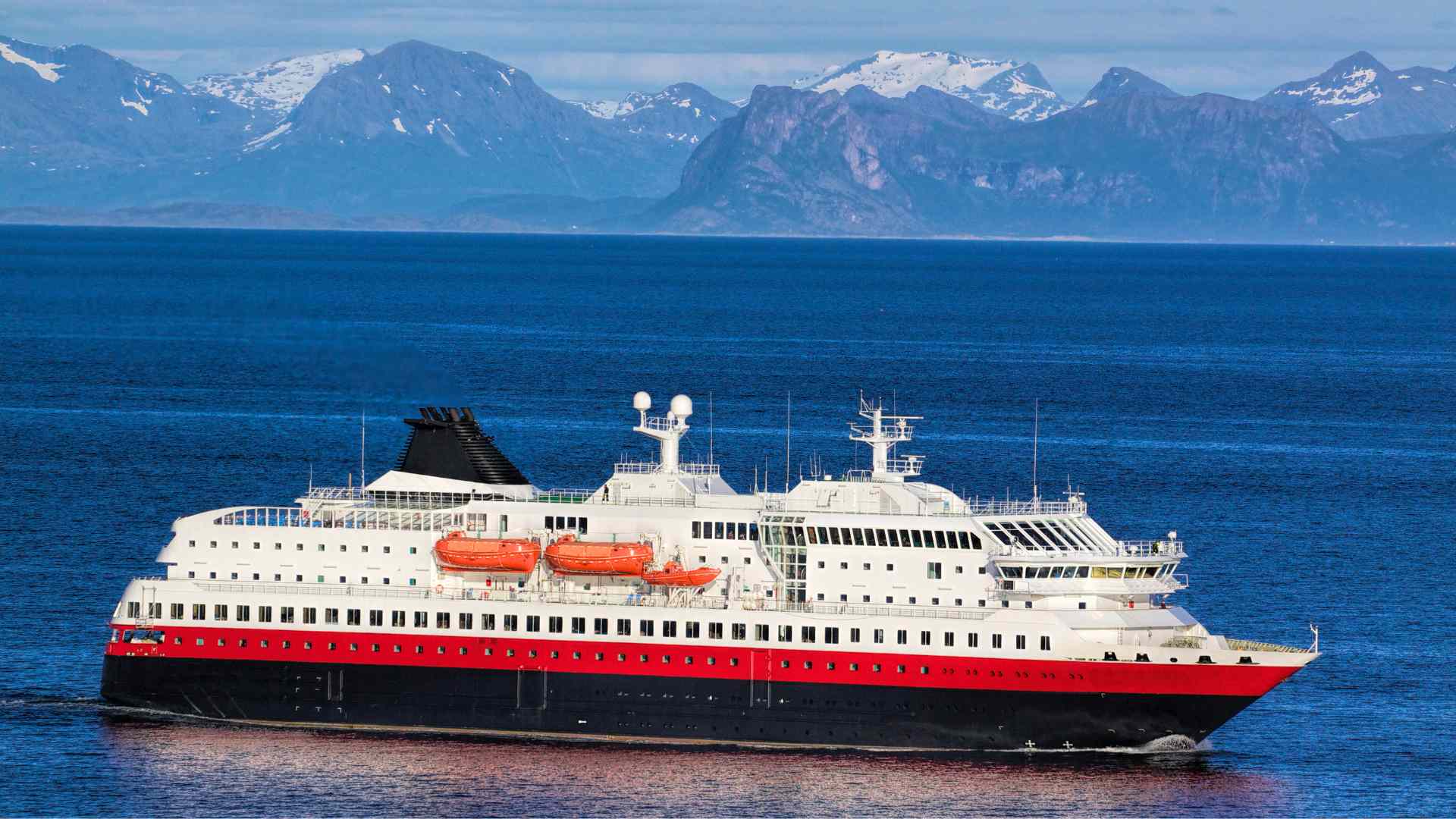
Icon's official page lists 20 decks, but deck count does not state air draft, enclosed volume, or passenger-accessible floor area. Partial decks, technical spaces, and deck-numbering conventions prevent a simple multiplication.
Titanic's documented deck count also depends on the source's counting convention. A technical comparison should use the same definition on both sides or avoid a numeric ratio.

A deck plan is still useful for understanding vertical organization and adjacency. It cannot independently verify a ship's total height, air draft, or available floor area.

Environmental Comparisons Need Boundaries
Titanic burned coal, while current ships use different fuels, engines, emissions controls, waste systems, and operating practices. It is not defensible to call every modern ship environmentally friendly without naming the vessel, pollutant, measurement, and voyage.
Efficiency per berth can improve while total fuel use or local impact remains substantial. Treat marketing claims as ship-specific and compare verified performance on the same basis.
Do not confuse new with low impact
A newer propulsion system can improve one pollutant or efficiency measure while leaving other impacts to evaluate. A credible environmental comparison names the ship, fuel, operating profile, pollutant, and measurement period instead of applying one label to an entire era.


How to Audit a Titanic-to-Icon Claim
First, identify the exact measurement and source date. Then check whether the number describes Titanic, Icon, a class of ships, or an unnamed modern average.
Second, label passenger capacity as double occupancy, maximum guests, crew, total capacity, or actual complement. If the label is missing, the comparison is incomplete.
Third, treat conflicting operator figures as a disclosed range rather than choosing whichever number makes a stronger headline. For broader onboard context after the audit, compare modern cruise experiences and a practical cruise packing list.


The Technical Bottom Line
A large current cruise ship exceeds Titanic in length, enclosed volume, guest capacity, and leisure choice, while operating within far more developed safety and navigation systems. Those conclusions remain meaningful only when every figure is labeled.
The strongest comparison uses Titanic's institutional record, one named modern ship, and clear definitions. It also recognizes that an ocean liner carrying people across the Atlantic and a vacation resort at sea were designed for different jobs.

Ellie is the founder of Ellie's Travel Tips, where she shares practical cruise tips, port guides, and step-by-step itineraries to help you plan smarter trips for less. Her checklists and packing guides turn travel daydreams into doable plans.