
Drake Passage Cruise Planning: Crossing, Operator, and Health Decisions
A Drake Passage crossing is one part of an Antarctic expedition, not a predictable test of courage. Plan it by comparing the exact operator, vessel, cabin, medical limits, insurance, and itinerary flexibility.
Start with the expedition, not a Drake nickname
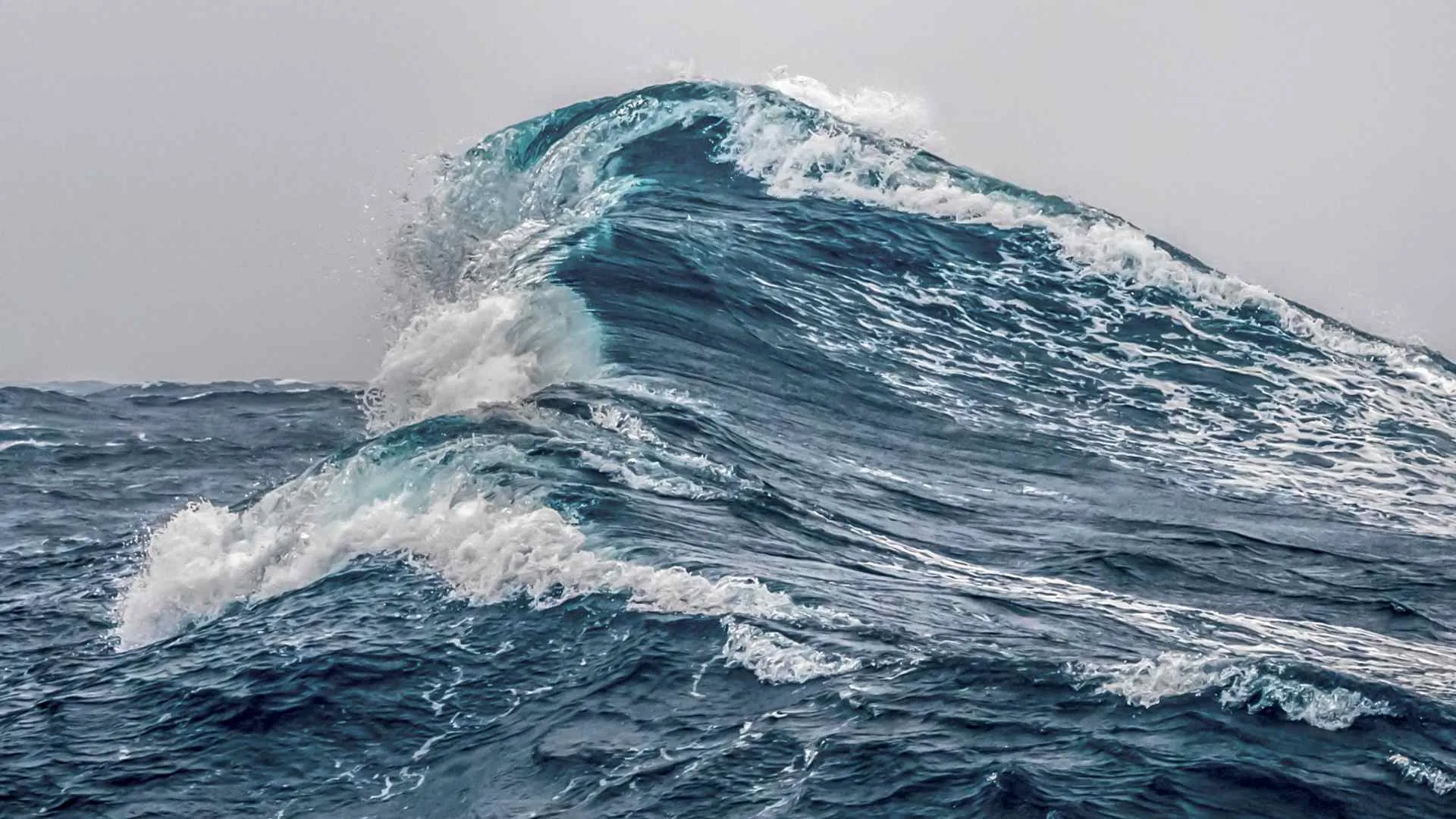
Stories often describe a calm “Drake Lake” or rough “Drake Shake,” but neither label predicts a future crossing. Conditions, comfort, timing, and onboard restrictions depend on the actual voyage and operational decisions.
First compare what the whole expedition offers: embarkation point, vessel, planned Antarctic area, activity terms, and return arrangement. A broader South America cruise guide can help place the gateway journey in context without treating every regional voyage as an Antarctic expedition.
Ask which company operates the vessel, which company sells the trip, and which national authority handles its Antarctic authorization. These may not be the same organization.
IAATO explains the Antarctic permitting framework, including environmental review through a competent national authority. Association membership is useful context, but it does not guarantee landings, weather, comfort, safety, or trip quality.
Request the exact operator name, vessel name, authorizing country, included activities, insurance requirements, and evacuation terms in writing. Confirm who makes decisions when sea, ice, site, wildlife, permit, or medical conditions change.
Compare the vessel around your needs
Vessel size alone does not answer whether a trip fits you. Compare stairs, lifts, handrails, cabin access, deck routes, tender or small-boat procedures, medical screening, and the physical demands of each advertised activity.
Ask whether deck access can close, where briefings occur, and how far your cabin is from dining and common areas. A cabin that looks attractive on a diagram may involve a route that is difficult during motion or inconvenient for a traveler with mobility needs.
Review berth type, bed orientation, bathroom layout, storage, natural light, and noise sources. Do not assume that a particular deck or location prevents motion sickness, because individual response and vessel movement vary.
Treat crossing time as variable
Do not build a connection around a fixed number of crossing hours. Route, sea state, vessel, speed, port operation, and expedition decisions can all affect the sequence.
The Ocean Prediction Center provides marine forecast products, but a public forecast is not a personal comfort guarantee or an instruction to override the operator. Use it near departure to understand the broad outlook while following current ship communications.
Keep pre-cruise and post-cruise arrangements flexible enough for the terms you accepted. Read airline, hotel, transfer, and insurance rules rather than relying on a universal connection margin.
Plan motion concerns individually
Susceptibility to motion sickness varies, and preventive medicines have different durations, side effects, contraindications, and interactions. The CDC motion-sickness guidance supports discussing options with a qualified clinician or pharmacist.
Share the voyage length, remote setting, existing conditions, medications, allergies, pregnancy status when relevant, and planned activities. Ask how any option could affect alertness, balance, vision, hydration, or participation.
If a clinician suggests a medicine, clarify when and how they want it tested before travel. An article cannot choose a patch, pill, dose, food, wristband, or cabin location for every traveler.
Understand remote medical limits
Ask what medical staff and equipment are carried, what the screening process requires, and which conditions may affect acceptance or activities. Onboard care is not equivalent to a full hospital, and evacuation may be delayed or limited by location and conditions.
Read insurance definitions for preexisting conditions, evacuation, trip interruption, missed departure, and operator-required coverage. Confirm whether the policy covers the exact region, dates, activities, vessel, and maximum trip cost.
Carry medicines according to your prescriber's instructions and applicable travel rules, with enough planning for potential disruption. Keep essential documents and supplies accessible rather than buried in checked luggage.
Pack for a managed expedition
Use the operator's current list as the controlling source because supplied gear, boot rules, luggage limits, and activity equipment vary. Build a flexible clothing system rather than copying a generic Antarctic shopping list.
Think in layers that can be adjusted during briefings, deck time, and small-boat operations. Check exact requirements for waterproof outerwear, gloves, eye protection, footwear, bags, camera cases, and any loaned equipment.
Include a compact cabin kit for crossing days: prescribed items, water container if permitted, charging setup, secure storage, and clothing that is easy to manage. Verify electrical outlets and prohibited equipment with the operator.
Take biosecurity seriously
Antarctic visitor procedures can include cleaning and inspection of clothing, bags, tripods, footwear, and hook-and-loop fasteners. Follow the expedition team's current instructions, since protocols can respond to site and wildlife conditions.
IAATO visitor guidance emphasizes wildlife protection, protected areas, scientific work, biosecurity, waste controls, and expedition staff instructions. Do not bring organic material ashore or assume that a previous trip's procedure still applies.
Clean difficult seams and pockets before leaving home, then allow staff to repeat their required checks. A clean-looking item is not a substitute for the operator's process.
Expect landing plans to change
A published itinerary describes intent, not a promise that every site will be reached. Weather, ice, wildlife, protected-area rules, permits, site capacity, and other operations can alter or cancel activities.
Judge the trip partly by the quality of its fallback program and communication. Ask what happens when a landing is unavailable, whether alternatives are included, and how activity limits are explained.
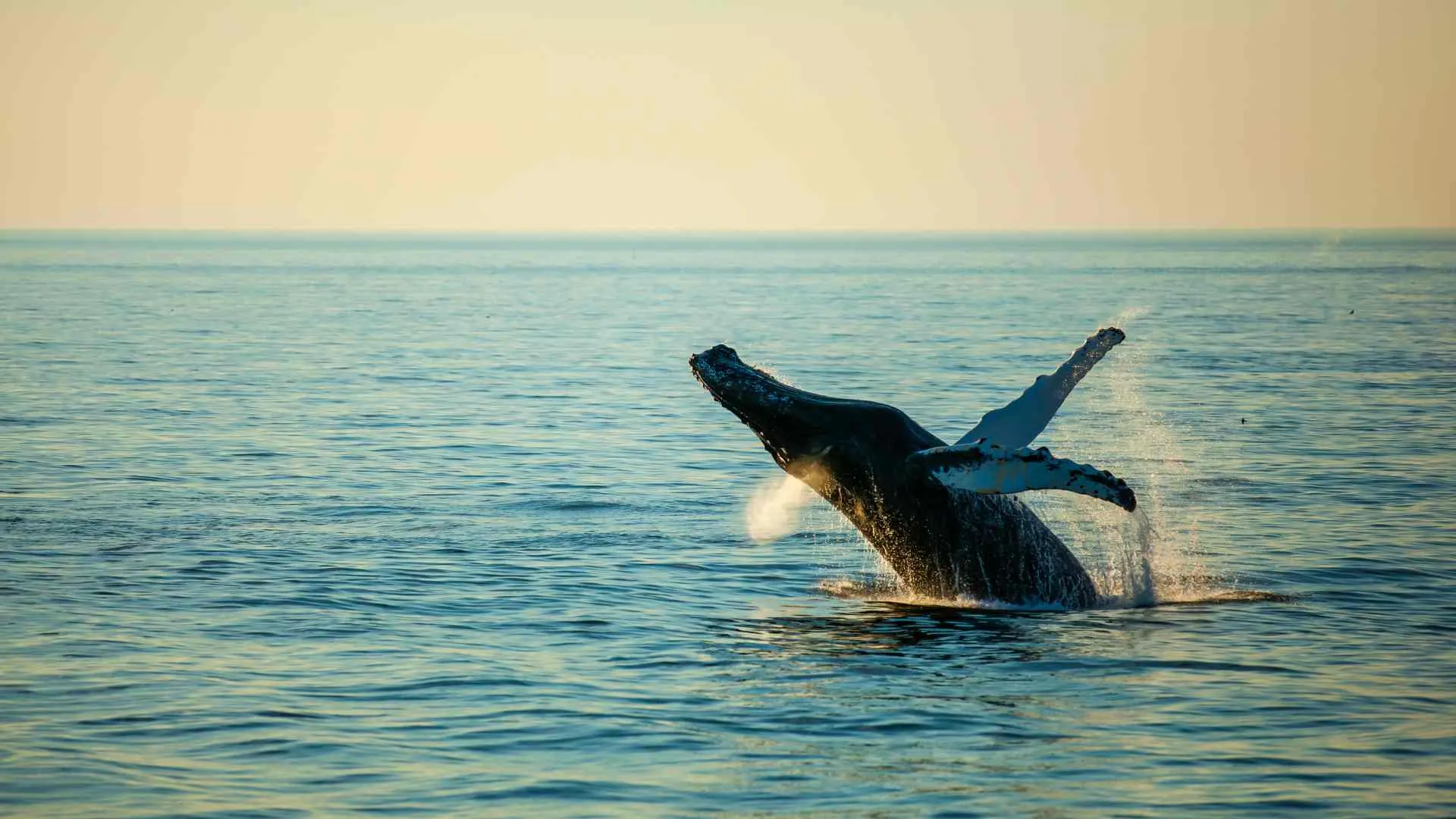
Wildlife can be a meaningful part of an expedition, but no species or encounter should be promised. Keep distance, route, noise, food, and photography decisions under staff direction.
Build a practical crossing-day routine
Secure loose belongings before motion increases, keep walkways clear, and use installed handholds. Follow crew announcements about deck access, lifts, stairs, and activities rather than applying a blanket rule from another ship.
Choose manageable tasks such as briefings, reading, photo organization, or quiet rest based on how you feel and what remains open. Lectures, internet, entertainment, and dining formats are ship-specific and may change.
Keep cameras and electronics protected without blocking emergency or passenger routes. Ask before using a tripod or opening an exterior door, particularly when wind or deck conditions affect access.
Compare a fly-cruise carefully
Some travelers consider an air segment to reduce time spent crossing by ship, but this is not a risk-free shortcut. Flights, sea transfers, weather, baggage, medical response, and expedition sequence remain operationally dependent.
Compare the exact departure point, aircraft and baggage rules, transfer method, contingency nights, missed-flight terms, and insurance coverage. Determine what happens if a flight cannot operate or if the ship's schedule changes.
A ship crossing and a fly-cruise are different logistics products, not measures of authenticity. Choose according to your health discussion, time, tolerance for disruption, budget structure, and expedition priorities.
Coordinate the gateway journey
Confirm where embarkation actually occurs and whether the cruise fare includes transfers, hotels, charter transport, or luggage handling. A gateway city name does not establish the terminal or complete travel chain.
If the wider trip includes other regional destinations, treat each module separately. Guides to planning time in Paracas or the Falkland Islands can provide destination context, but they do not establish an expedition ship's route.
Keep essential expedition documents, prescriptions, and a basic clothing change with you through the gateway. Verify baggage handling at every transition instead of assuming it transfers automatically.
Use a booking checklist
Record the operator, seller, vessel, authorizing authority, planned region, activity terms, medical screening, insurance requirement, cabin route, supplied gear, baggage rules, transfers, and cancellation conditions. Date each answer and save the source.
Add questions about lifts, stairs, small-boat boarding, toilets during activities, dietary needs, communications, charging, laundry, and emergency contacts. If a need is essential, request confirmation for the exact voyage rather than accepting a general fleet statement.
Finally, decide whether the expedition remains worthwhile if weather changes the landing plan or wildlife is distant. That question produces a more durable choice than any promise about a calm or dramatic Drake crossing.
Review activity terms one by one
Do not assume that a voyage includes every activity pictured in its marketing. Kayaking, camping, snowshoeing, small-boat cruising, photography groups, and other options may have capacity limits, separate costs, experience requirements, medical restrictions, or cancellation terms.
Ask how places are assigned and what refund or substitute applies when an activity cannot operate. Confirm clothing, equipment, weight, mobility, and participation requirements with the operator for the exact departure.
Prepare for information changes
Save the operator's emergency contacts, final documents, joining instructions, and insurance assistance details offline. Make sure a trusted contact has the vessel, operator, dates, and the appropriate shore contact rather than expecting direct communication at all times.
Near departure, recheck gateway transport, baggage, medical paperwork, current biosecurity instructions, and supplied gear. A dated checklist helps distinguish confirmed details from assumptions carried over from an older expedition account.
Judge the whole proposition
Compare the expedition's educational program, ship spaces, staff communication, planned region, activity system, and fallback approach. Crossing conditions may dominate stories, but they are only one uncertain part of a complex remote voyage.
A strong choice still makes sense if the crossing feels different than expected and the site plan changes. That standard is more useful than trying to purchase a calm sea, a dramatic story, or a guaranteed wildlife moment.











Ellie is the founder of Ellie's Travel Tips, where she shares practical cruise tips, port guides, and step-by-step itineraries to help you plan smarter trips for less. Her checklists and packing guides turn travel daydreams into doable plans.