Self-tanner can add temporary color, but it does not make skin sun-safe. Compare these six examples by current label, format, application time, transfer risk, skin needs, and cost per use, then keep ultraviolet protection as a separate decision.
Know the DHA exposure boundary
The Food and Drug Administration tanning guidance says DHA in sunless tanners is for external application and should not be inhaled, ingested, or exposed to lips, eyes, areas around the eyes, nose, or other mucous-membrane areas. Follow the exact label and avoid improvising a spray method that creates exposure the product directions do not address.

A cosmetic tan is not sunscreen
The Food and Drug Administration sunscreen warning guidance explains that tanning preparations without sunscreen do not protect against sunburn. Color development, a bronzed appearance, or an ingredient associated with sunless tanning does not establish ultraviolet protection.
Keep a separate sun-protection plan
The American Academy of Dermatology sunscreen guidance recommends continuing sunscreen with self-tanner and combining it with shade and protective clothing. Its general sunscreen criteria include broad-spectrum protection, water resistance, and a sun protection factor of at least 30, subject to the product label and individual medical guidance.

Compare by format, not a winner label
Mousse, lotion, tinted lotion, water mousse, gradual formula, and fast-development formula create different tradeoffs. A quick-drying product may suit a short routine, a tint can show placement, a gradual formula may offer more control, and a richer lotion may feel comfortable on some skin while feeling heavy on other skin.
No format guarantees even color, zero transfer, or a natural shade. Lighting, skin texture, hair, dryness, preparation, amount, blending, clothing, humidity, rinse timing, and the product's current formula can all change the result, so choose a manageable method rather than a universal best.
Check the exact product before buying
Names and formulas can change while old reviews and retailer listings remain online. Verify the current ingredient list, shade range, use area, development time, rinse instructions, shelf life after opening, warnings, container size, seller, returns, and any vegan or cruelty-free certification on the manufacturer page and package.
Words such as clean, natural, non-toxic, hypoallergenic, organic, or chemical-free do not prove that a formula suits a particular person. Treat marketing claims as claims, not medical clearance, and ask a qualified clinician about eczema, allergy history, pregnancy, treatment interactions, broken skin, or other individual concerns.

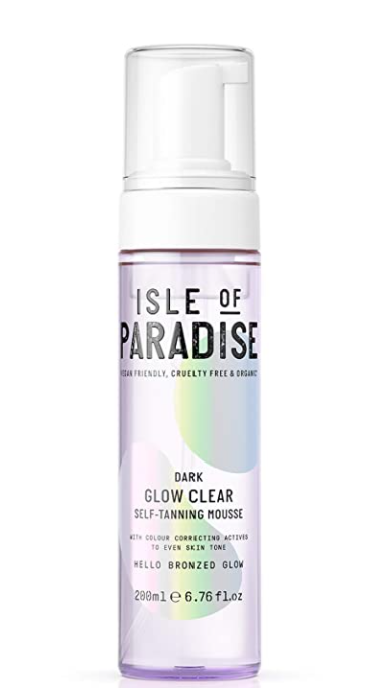
1. Isle of Paradise mousse example
An Isle of Paradise clear self-tanning mousse is one lightweight format, but current name, shades, ingredients, application time, and certifications need a fresh label check. A clear formula may reduce visible guide color on clothing while also making missed patches harder to spot during application.
This format may suit someone comfortable working methodically with a mitt and a timer. It is a weaker match for a first application without good lighting or for anyone who needs to see exactly where product has landed, so format visibility deserves more weight than an unsupported promise of instant absorption.
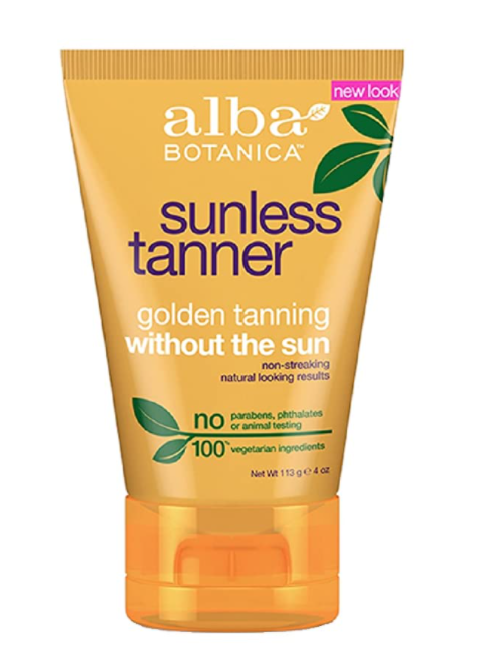
2. Alba Botanica lotion example
An Alba Botanica sunless tanning lotion may describe moisturizing ingredients, vegetarian status, and the absence of selected additives, but those details can change by market and reformulation. Use the current package rather than preserving an old list or saying the lotion contains no gross chemicals.
A lotion can provide extra slip for blending and may take longer to feel dry than a mousse. Compare scent, use area, handwashing instructions, transfer precautions, rinse timing, and the way the formula behaves on dry areas instead of assuming a richer texture prevents streaks.

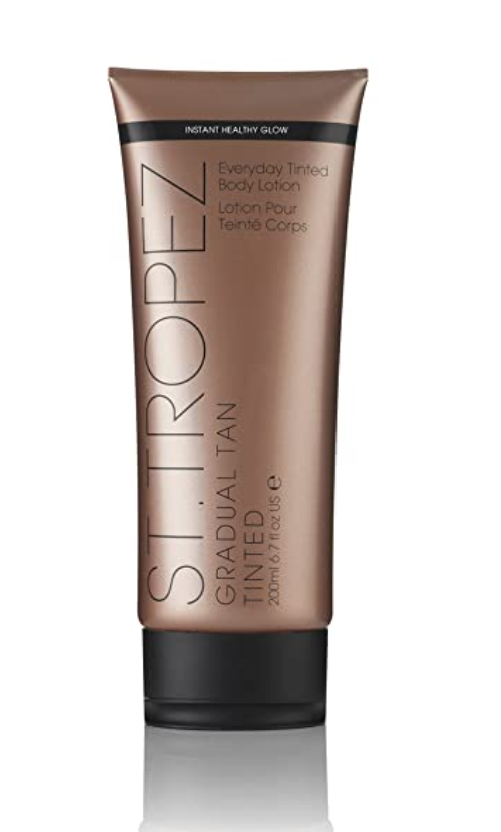
3. St Tropez gradual tinted example
A St Tropez gradual tinted product can combine immediate guide color with color that develops over repeated or timed use. Confirm whether the current item is designed for body, face, or both because similarly named products can have different directions and shade behavior.
Gradual application can make the depth easier to adjust, but repeated layers can also collect around elbows, knees, ankles, wrists, or hairlines when placement is inconsistent. Track the number and timing of applications and stop adding layers once the result is sufficient rather than chasing a fixed shade promise.
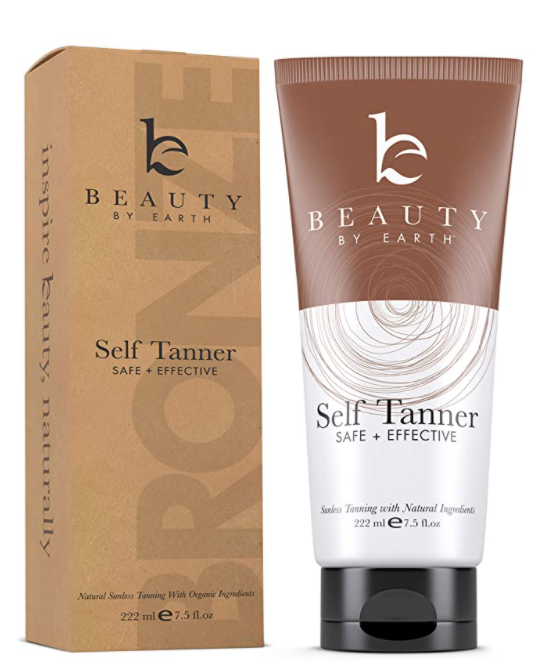
4. Beauty by Earth lotion example
A Beauty by Earth lotion should be judged by its current formula, shade options, directions, package quantity, seller identity, and any certification that can be verified directly. Old retailer rating totals and broad natural-ingredient language do not establish current popularity, suitability, or quality.
Botanical ingredients can still irritate or trigger a reaction, and a moisturizing base does not make a product suitable for everyone. Someone comparing this lotion should focus on label compatibility, fragrance, use area, development window, transfer instructions, and cost per usable application rather than a historic star average.

5. L'Oreal water mousse example
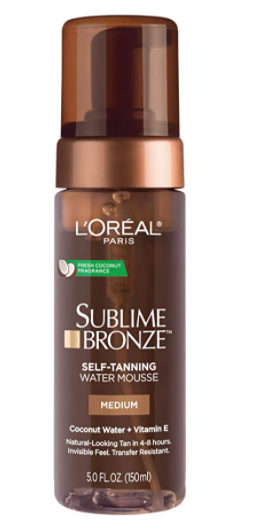
L'Oreal Sublime Bronze water mousse should not be judged by bottle price alone because affordability changes with retailer, bottle size, amount used, availability, and wasted product. Verify the current name and directions because a water-style or clear mousse can behave differently from a tinted guide-color product.
The practical tradeoff is visibility during application versus a potentially cleaner-looking routine. Work in sections, keep track of completed areas, and follow the label's drying and clothing instructions without promising that any mousse will never mark fabric or bedding.
6. Tarte Brazilliance example
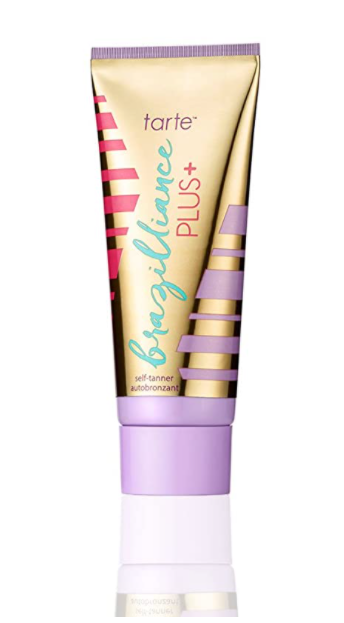
For a Tarte Brazilliance product, confirm whether the current form still exists, which accessories are included, where it can be used, how long it develops, and whether its directions call for rinsing. Do not rely on an old fast-acting label or a previous ingredient list.
A shorter development option can reduce waiting but leaves less room to notice application errors before color appears. It may fit an experienced user with a controlled routine, while a gradual formula can be easier for someone prioritizing adjustment over speed, so fast should not be treated as automatically better.

Patch testing has a limited role
A label-directed patch test can help reveal some local reactions before a full application, but it cannot guarantee that later or broader use will be reaction-free. Use the same product, amount, site, waiting period, and observation instructions stated by the manufacturer rather than inventing a universal test.
Do not apply to irritated, injured, freshly shaved, or recently exfoliated skin unless the label permits it. Stop use and follow the product's directions if irritation develops, and seek appropriate medical advice for significant, persistent, or concerning symptoms rather than treating them with more cosmetic products.
Prepare without over-exfoliating
Even application usually begins with clean skin and attention to rough or dry areas, but aggressive scrubbing can irritate skin and make the routine worse. Follow the product's timing for shaving, waxing, exfoliating, moisturizing, deodorant, perfume, and other skin care because one brand's sequence may conflict with another's.
Use a clean tool if the label recommends one and protect hands as directed. Dry areas often need less product or careful blending, while hairlines and brows need precise placement, but the exact method should remain tied to the current formula rather than copied across every self-tanner.

Apply in controlled sections
Good lighting and a repeatable order can reduce missed areas. Start with a small amount, finish one body section before moving on, blend edges carefully, and avoid adding extra product simply because clear or wet color is difficult to judge before development.
Ask for help with areas that cannot be reached comfortably rather than twisting or rushing. Keep the product away from eyes, nose, mouth, and other prohibited areas, and do not use an aerosol booth or spray application without the protections described in current federal guidance.
Respect development and rinse instructions
Development time is not a competition, and leaving a product on longer than directed does not reliably create a better result. Follow the stated waiting period before dressing, exercising, swimming, showering, applying other products, or contacting pale fabric.
If the formula calls for a rinse, use the stated water temperature and timing and avoid assuming every initial guide color is the final shade. Color can continue to change after rinsing, so assess the result under ordinary lighting before deciding whether another application is needed.

Separate face and body decisions
A body product is not automatically suitable near the face, and a facial product still has boundaries around eyes, lips, nose, and mucous membranes. Check the labeled use area and application tool and avoid transferring residue from hands, brows, hair, clothing, pillowcases, or a phone.
People using prescription or active skin-care products should not rely on a beauty list for compatibility. A clinician or pharmacist familiar with the actual treatment and skin condition is the appropriate source when irritation, photosensitivity, or interaction is a concern.
Plan for fading and correction
Sunless color fades as the outer skin layer sheds, but the timing and pattern vary. Gentle routine care may help color fade more evenly, while harsh scrubbing, repeated spot applications, swimming, sweating, friction, and some skin products can create uneven patches.
If a result is darker than wanted, avoid dangerous home chemistry or abrasive correction. Follow the manufacturer's removal guidance, let the color fade, and use clothing or cosmetic coverage if appropriate instead of piling on another formula that may deepen the mismatch.

Calculate affordability honestly
Compare current total price with package amount, number of full applications likely for the user's body area, required mitts or moisturizers, shipping, returns, and wasted product after opening. A lower bottle price can cost more per result when the container is small or the format encourages over-application.
Do not buy a multi-bottle supply before testing tolerance and technique with one current product. Shelf life, storage temperature, pump performance, leakage, and formula changes can erase the savings of bulk buying, especially when self-tanner is used only for occasional trips.
Use a final label-first checklist
Before application, confirm the exact product, use area, warnings, patch-test directions, development time, rinse step, handwashing method, storage, expiry or period-after-opening mark, and contact information. Set out clothing and tools so the application does not become rushed midway through the process.
Also prepare a separate sun-protection plan for the next day because developed color does not demonstrate sunscreen. Recheck sunscreen directions for amount, timing, reapplication, water exposure, and compatibility rather than mixing products and assuming their labeled performance remains unchanged.
Related practical planning
If self-tanner is being packed for a college cruise or a glamping trip, keep the cosmetic routine separate from destination sun protection. Heat, leakage, storage, shared bathrooms, and application timing may make the simplest familiar format more practical than a new formula.
Outdoor plans may also call for the non-cosmetic equipment discussed in the hiker gift guide. For a lighter planning break, the travel quotes collection has no bearing on product safety but may suit trip journaling or captions.
Bottom line
None of these six examples can promise a perfect shade, streak-free application, no transfer, or suitability for every person. Compare the current label, use area, warnings, format, development steps, package amount, and total cost, while keeping ultraviolet protection as a separate plan.
Ellie is the founder of Ellie's Travel Tips, where she shares practical cruise tips, port guides, and step-by-step itineraries to help you plan smarter trips for less. Her checklists and packing guides turn travel daydreams into doable plans.