
Alaska Weather in September: Climate, Regional Differences, and Packing
September in Alaska is a transition month, not one statewide forecast. Conditions generally cool and daylight declines as the month progresses, but rain, frost, snow, wind, and visibility differ sharply between Southeast ports, Southcentral Alaska, the Interior, and the far north.
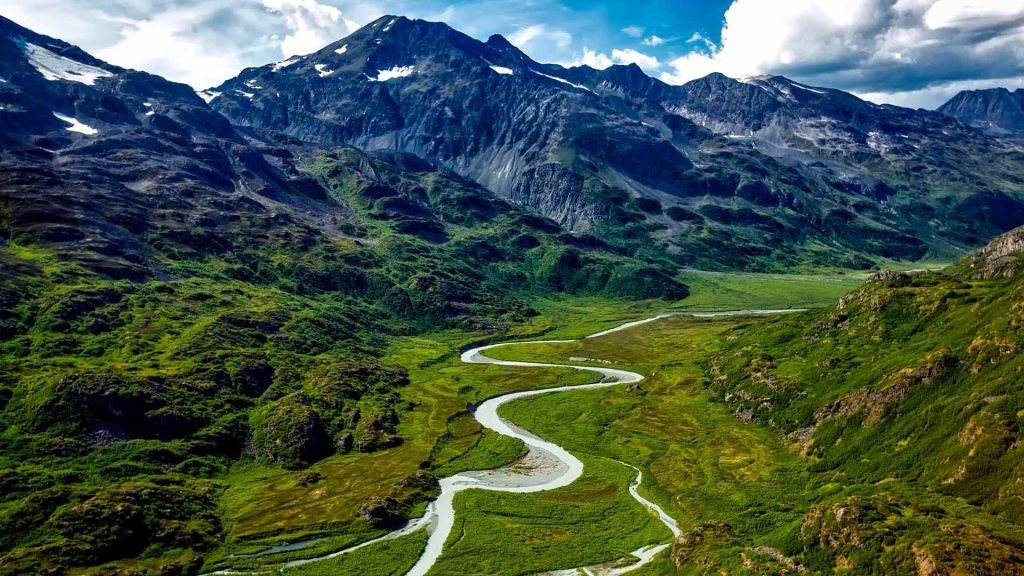

Climate normals are not a trip forecast
Historical averages describe what has happened over many years, not what will happen during one cruise or land tour. The NOAA United States Climate Normals use the 1991 through 2020 period and are useful for understanding local patterns.
A normal temperature is not a promise that every day will sit near that value. A single September itinerary can include a mild sunny afternoon, cold rain, low cloud, and a crisp clear morning.
Use climate information to choose flexible clothing and understand broad risk. Use a current local and marine forecast close to departure for timing decisions, then follow ship, park, road, and excursion guidance during the trip.

Why the route matters more than an Alaska-wide average
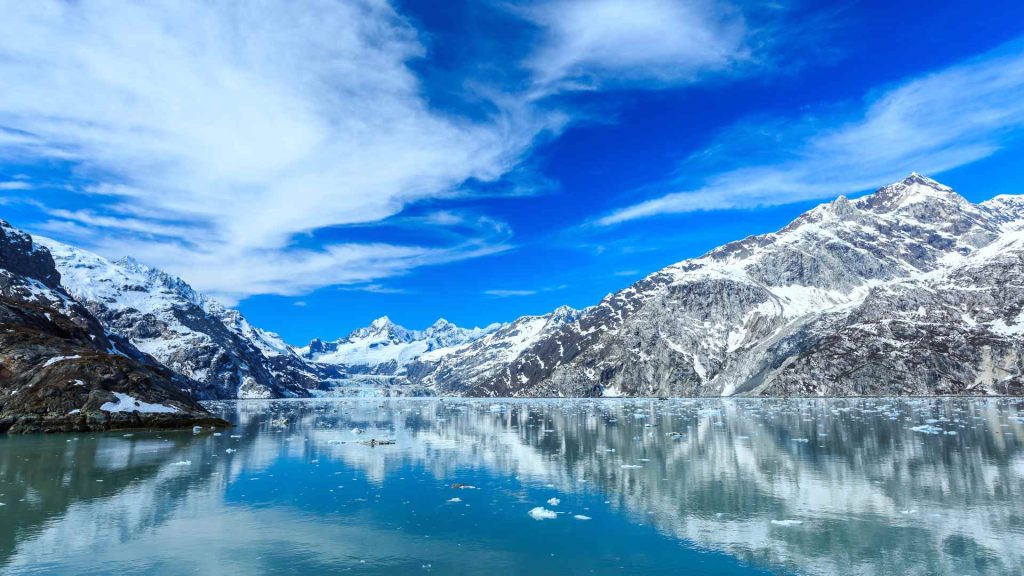
Alaska spans coastal rainforests, mountain ranges, broad interior valleys, and Arctic landscapes. Weather in Juneau cannot stand in for Anchorage, Denali, Fairbanks, or the Brooks Range.
Write the overnight stops and ports in order before planning clothes or activities. Then check climatology and forecasts for those places rather than searching for one Alaska-wide number.
Cruise travelers usually spend much of their time in Southeast Alaska and the Inside Passage. Cruisetours may add Southcentral Alaska or the Interior, creating a much wider set of weather possibilities.


Southeast Alaska and the Inside Passage
Juneau, Ketchikan, Sitka, Skagway, and Glacier Bay sit in a maritime region where cloud, rain, and rapidly changing visibility belong in a September plan. Local topography still creates meaningful differences between communities.
Glacier Bay National Park advises visitors to prepare for rain and changing conditions with warm layers and rain gear. Its official Glacier Bay weather guidance is more relevant to that locality than a statewide travel summary.
A wet forecast does not mean continuous heavy rain for every port call. It does mean a water-resistant outer layer, protected electronics, and footwear that remains comfortable on damp surfaces are sensible.
Low clouds or fog can obscure mountain views and affect flightseeing, while wind or sea conditions can alter small-boat trips. Operators and captains make decisions for the actual conditions, and scenery cannot be guaranteed.


Southcentral Alaska
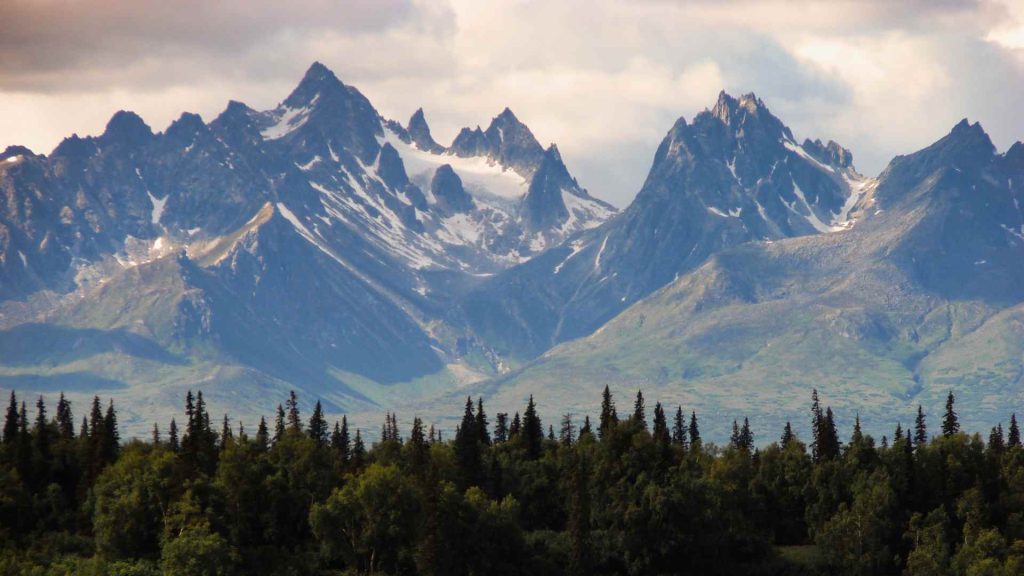
Anchorage, the Kenai Peninsula, Whittier, Seward, and nearby mountain areas have their own coastal and terrain effects. A calm day in one community does not establish conditions across a pass or on exposed water.
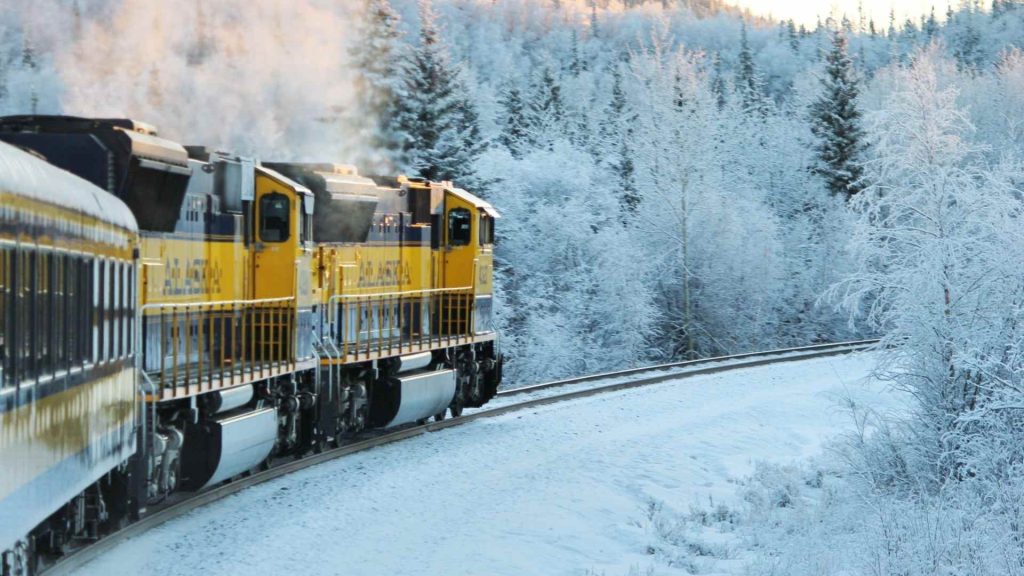
Travelers moving between a ship, rail journey, highway, and excursion should check each segment. Mountain weather, wind, visibility, and marine conditions can affect different portions of the same day.
September cooling increases the value of insulation, especially for early starts and time on the water. Keep a lighter layer accessible because buses, trains, museums, and other indoor spaces may feel warm.

Interior and northern Alaska
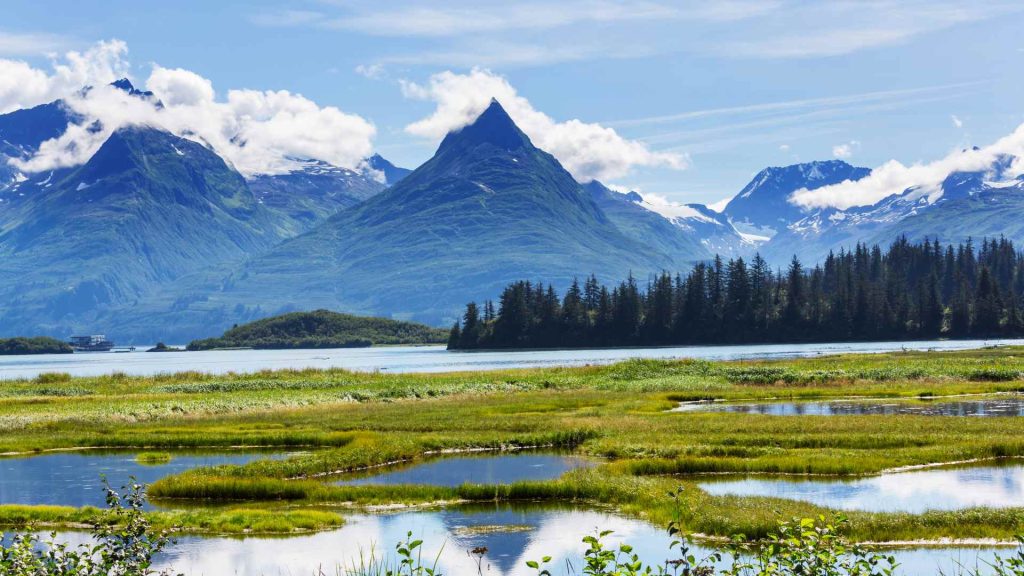
Fairbanks, Denali, and other Interior destinations are less maritime than the Southeast ports. Colder nights, frost, and a greater possibility of early snow become more relevant, particularly later in the month and at elevation.
Farther north and in the Brooks Range, freezing conditions become a still greater planning concern. Those risks should not be copied into a claim that every Southeast cruise port will see snow.
Road, park, lodging, and tour services can change as the visitor season winds down. Verify current operating dates directly because a scenic drive or tour available in early September may not operate on the same basis later in the month.

Early September and late September are different
Daylight decreases rapidly across Alaska during September, and the change is more pronounced at higher latitudes. Exact sunrise and sunset times depend on both date and locality, so avoid one statewide daylight figure.
Later departures generally face cooler conditions and longer nights than early-month departures. That broad seasonal direction does not tell you whether a specific day will be sunny, wet, calm, or windy.
Compare a September plan with the August Alaska weather guide if deciding between late summer and early fall. Travelers considering peak summer can also review Alaska weather in July.

Rain, wind, and sea conditions
Rain probability, amount, and duration are different questions. A useful forecast may show a chance of precipitation without establishing that an entire excursion will be washed out.
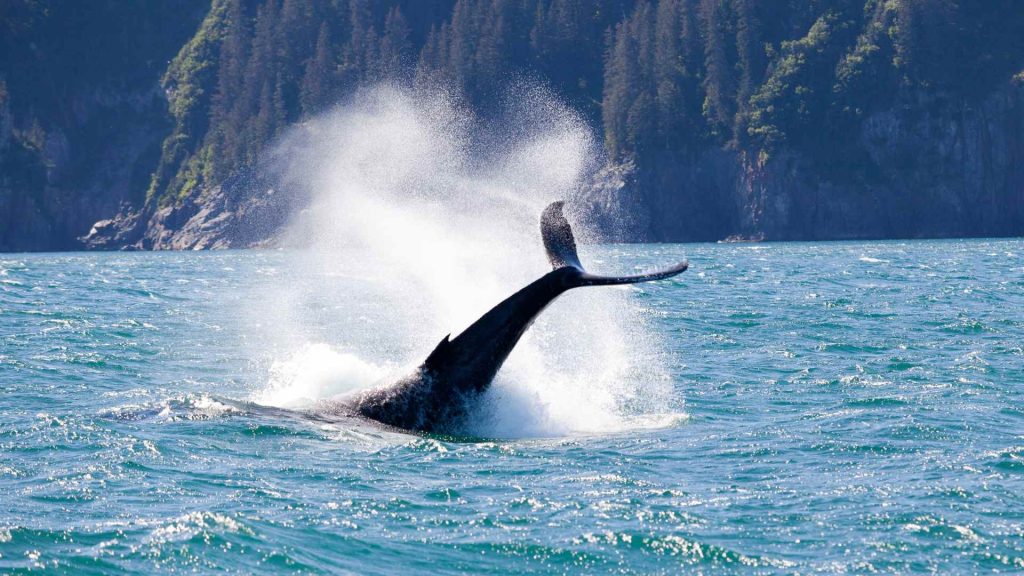
Wind can matter as much as temperature because it changes comfort on exposed decks and small boats. It can also influence port operations, tendering, wildlife tours, and aviation-based excursions.
Marine conditions deserve their own review because a land forecast for a port does not fully describe conditions on open water. Check the National Weather Service Alaska forecast page close to the trip and follow marine forecasts and operator instructions for the route.
People prone to motion sickness should discuss an appropriate personal plan with their clinician before travel. General climate information is not a substitute for medical advice.


Daylight, northern lights, and fall color
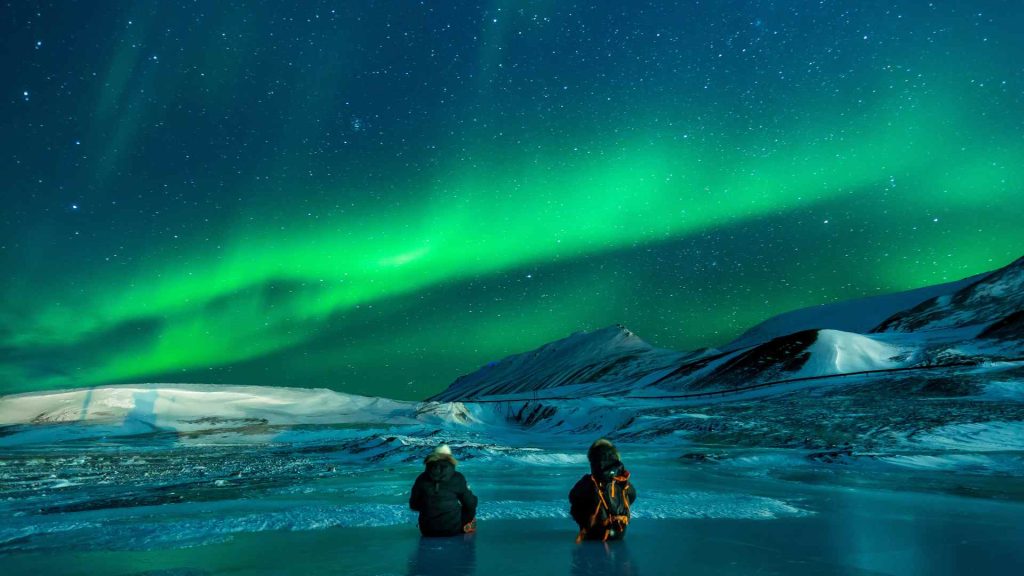
Longer nights can make aurora viewing more possible than during the bright summer, especially away from city light. An aurora still requires darkness, adequate geomagnetic activity, and a sufficiently clear view of the sky.
No September itinerary can promise northern lights. Cloud cover can block them, activity may be weak, and a traveler's schedule or location may not align with a display.
Fall color also varies with species, elevation, latitude, and annual conditions. Treat colorful foliage as a possible bonus rather than the basis for a guaranteed travel date.
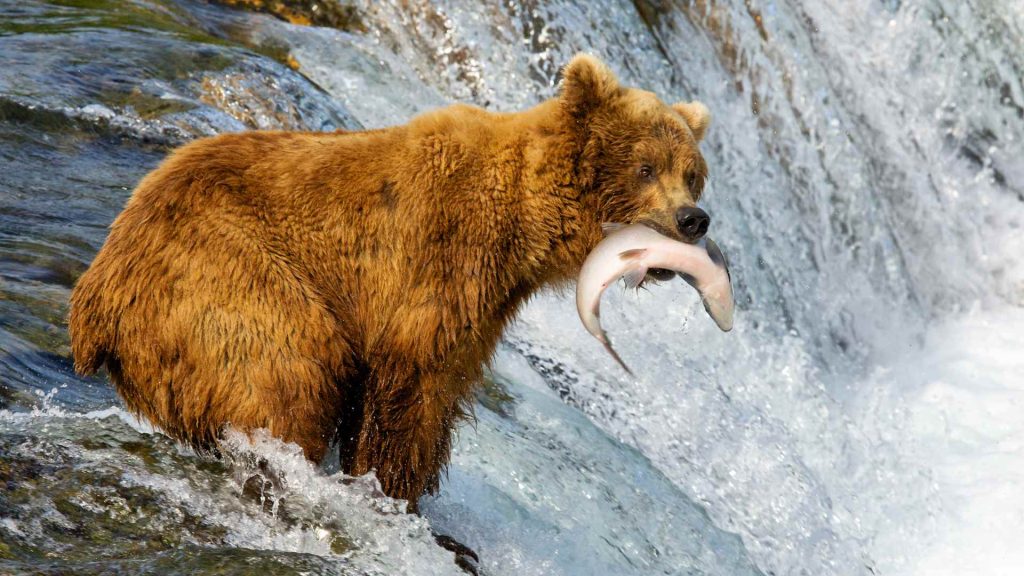
Wildlife sightings are similarly conditional. Seasonal behavior changes, but no month guarantees a particular animal, distance, or viewing quality.

What to pack for September
Build a layering system rather than one bulky outfit. A moisture-managing base, insulating midlayer, and waterproof outer shell can be adjusted between a warm vehicle, an exposed deck, and a damp trail.
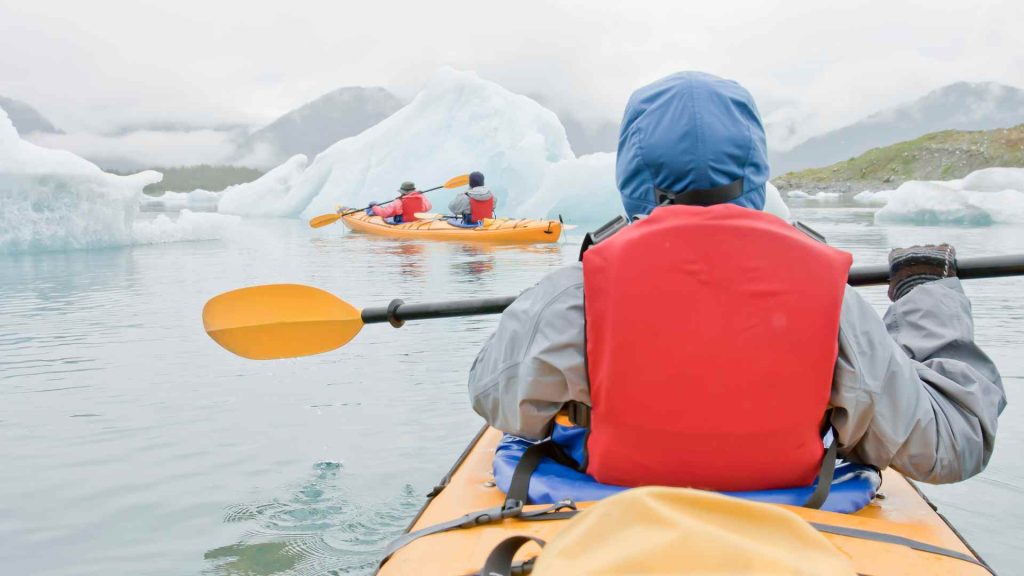
Bring a waterproof jacket with a useful hood and comfortable water-resistant footwear with traction. Add warm socks, light gloves, and a hat, particularly for early starts, glacier viewing, and time on small boats.
Pack a small day bag with a dry pouch or rain cover for documents and electronics. A compact umbrella can be awkward in wind and crowds, so it should not replace hands-free rain protection.
Sunglasses and sun protection still belong in the bag because clear periods and reflected light remain possible. Include binoculars, but protect them from rain and condensation.
Dress for the excursion rather than the temperature at the cruise terminal. A flight, high-elevation stop, glacier boat, forest walk, and city visit expose travelers to different conditions.

Plan excursions with backup options
Read cancellation and weather policies before booking. Some trips operate in rain, while aviation, marine, and high-elevation activities may change for visibility, wind, or safety.
Choose a backup activity in each major port that does not depend on the same conditions. A museum, local food stop, or flexible walking route can preserve the day if a headline tour is canceled.
The guide to the best Alaska cruise excursions can help generate ideas, but verify current dates, restrictions, meeting locations, and operator terms for the actual sailing.
Leave scheduling margin when moving between ship, rail, road, and independent tours. Weather is only one source of delay, and the ship's all-aboard time remains firm even after a changed day.

Check conditions at the right times
Months before travel, use local climate normals to understand what clothing and flexibility may be needed. At that stage, a day-by-day forecast is not reliable enough for trip-specific decisions.
About a week before departure, review forecasts for each stop and transit area. Continue checking as the itinerary approaches, since timing and confidence change.
Onboard, follow the captain, crew, park staff, and tour operator. They have access to operational information that a generic phone weather icon cannot provide.
Remember that itinerary changes are permitted when conditions or operations require them. A September booking should be based on enjoying Alaska under varied conditions, not on a promise of a specific port, view, or weather pattern.

Is September a good time to visit Alaska?
September can suit travelers who accept cooler, more variable conditions and are comfortable verifying late-season availability. It may offer darker evenings and an early-fall atmosphere, but those qualities do not guarantee aurora, color, wildlife, or low crowds.
It is a weaker fit for someone whose trip depends on one weather-sensitive excursion or a service operating through a specific date. Compare the actual route and cancellation terms before deciding.
For another shoulder-season perspective, review Alaska weather in May. The two months have different daylight direction, seasonal operations, and regional conditions even when both sit outside midsummer.

Frequently asked questions
Is Alaska rainy in September?
Rain is an important planning factor in Southeast Alaska, but frequency and amount vary by locality and year. Do not apply one port's maritime climate to the entire state.
Does it snow in Alaska in September?
Snow is possible, with greater relevance in northern, interior, elevated, and later-month settings. That does not mean a standard Inside Passage cruise will necessarily encounter snowfall.
Are the northern lights visible in September?
Longer darkness can make viewing possible, but a display requires suitable darkness, clear enough skies, and auroral activity. It is never guaranteed.
How cold can a September cruise be?
The answer depends on ports, dates, time of day, wind, rain, and excursions. Use local climate records for packing and current local and marine forecasts close to sailing.
Will tours still operate late in September?
Some do, while others reduce schedules or end for the season. Confirm every important operator, park, road, rail, and cruise service for the exact date.

Ellie is the founder of Ellie's Travel Tips, where she shares practical cruise tips, port guides, and step-by-step itineraries to help you plan smarter trips for less. Her checklists and packing guides turn travel daydreams into doable plans.