
It is no wonder why Aruba has more repeat vacationers than all the other Caribbean islands. With ideal weather and countless natural treasures, Aruba offers plenty of once-in-a-lifetime experiences with the top attractions in Aruba.
One can expect the top Caribbean destination to indulge every visitor's deepest desires. From the rejuvenating resorts to the intertwined Dutch history, attractions in Aruba are specially designed to relax your senses and invigorate your soul. Below are our top must-see attractions in Aruba.

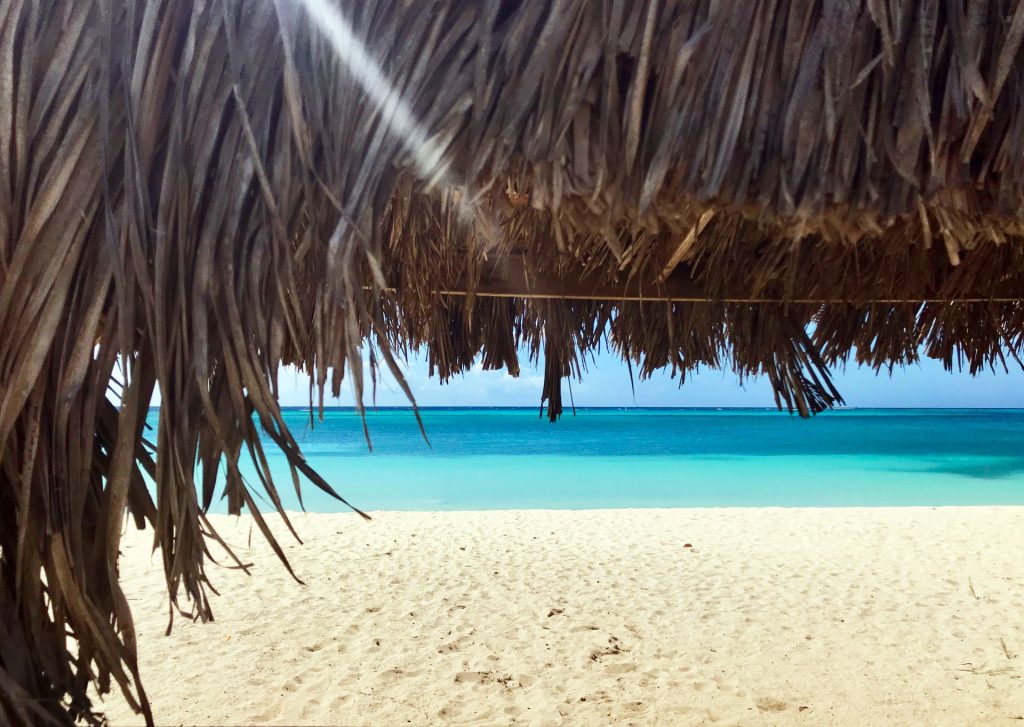
Eagle Beach
This popular resort-style beach is one of the top attractions in Aruba and features the white sand and vibrant, turquois waters most people only see in dreams.
Known for its low-to-the-ground hotels and timeshares, you will find the more famous area for its beautiful shores in the northwest region of Eagle Beach. When planning your stay in this glorious country, check out Eagle Beach for some the best hotels in Aruba. Convenience aside, Eagle Beach truly is a top 3 way to spend one of your limited days in Aruba. Many recent visitors have called the beach maginificent with gorgeous white sand and the bluest of waters.
Plus, like many Caribbean beaches, you may even get the chance to interact with the marine wildlife! Eagle Beach is open to the public 24/7 with free access for you to visit whenever it fits in your schedule! If you decide on booking a hotel or resort near here, make sure to ask about renting watersports equipment or taking a sunset cruise on a catamaran at your reception desk. Later, walk down the street to one of the numerous, tasty restaurants.
Donkey Sanctuary Aruba
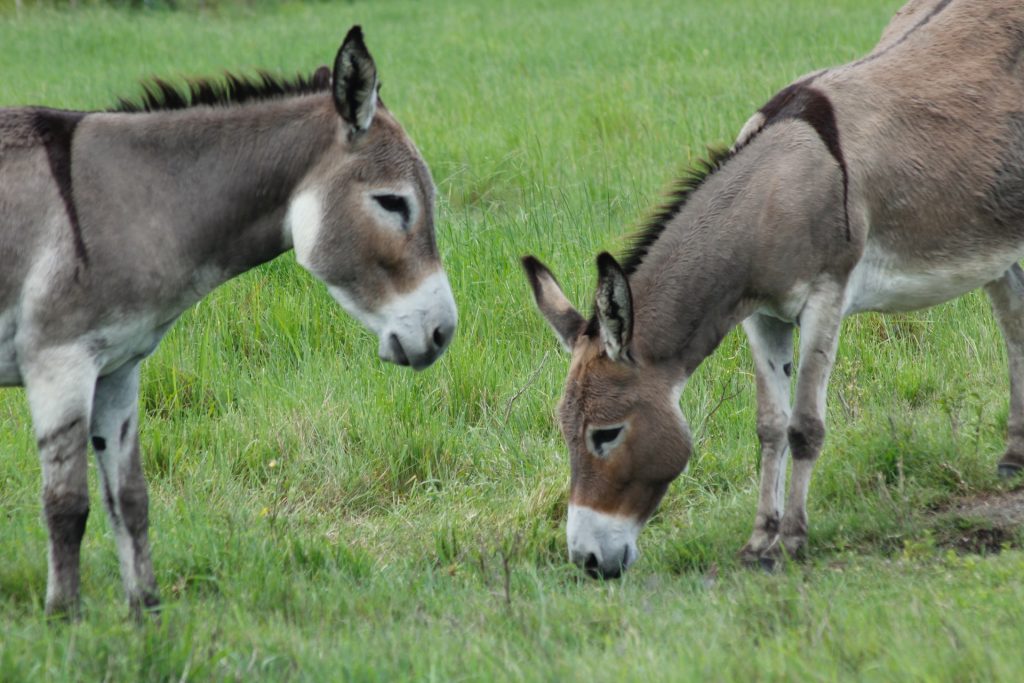
Next up on our list of the top attractions in Aruba, be ready to be overwhelmed with plenty of cute donkeys at the nonprofit Donkey Sanctuary in Aruba!
Started as a nonprofit devoted to saving and rehabilitating the island's donkeys, this sanctuary has now evolved into much more. This attraction serves the locals and tourists as they educate and show how they care for Aruba's beloved animals. Historically, the island's donkeys were the main form of transportation. However, now many of them have become tired, sick, and injured. The lucky ones found their way to the Donkey Sanctuary and have received proper care and shelter.
Located in the Santa Cruz neighborhood in Aruba's northeast region, you can find the Donkey Sanctuary about 8 miles from Eagle Beach. During your visit, you will notice how sweet and docile the donkeys can be as they eagerly await the arrival of new visitors. Further, if you bring the right treats (apples and carrots), they will deem you as their new best friend! If you are traveling with kids or animal-lovers, this attraction is a definite must.
Palm Beach
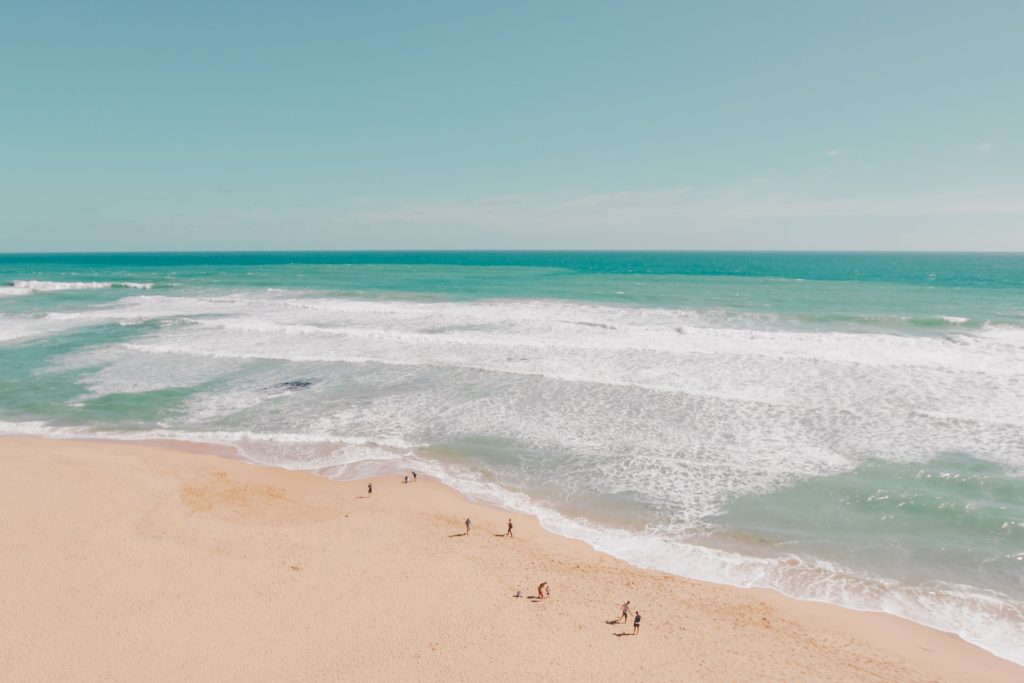
Another one of the must-see attractions in Aruba is the perfect spot for those looking to go swimming.
While Eagle Beach is famous for its watersports activities, Palm Beach is where you want to find yourself for a nice swim during your vacation. These more tranquil turquoise waters are just as beautiful as those found at Eagle Beach, however, you will find fewer wakeboarders and Jet Skis. Located just north of Eagle Beach, this spot along Aruba's western coast is just a few minutes away from all the popular resorts and restaurants.
Take a short morning stroll from Eagle Beach to Palm beach to compare the two stunning locations. Known for the best swimming and bars in Aruba, you will enjoy fantastic views of kite surfers and sailors alike as you relax on the pristine sandy beach. Palm Beach is straight out of every movie you have ever seen! Plus, after you wash the sand off between your toes, you can enjoy one of the numerous restaurants the beach offers right along the shoreline.
Arikok National Park
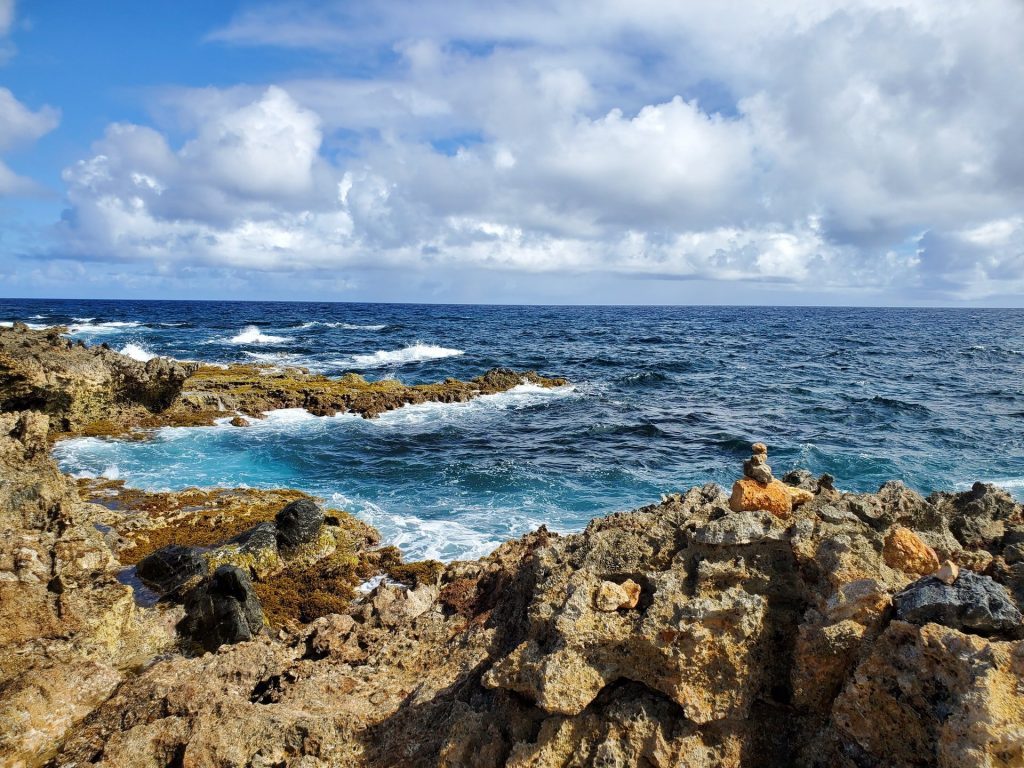
While Arikok National Park may be home to Aruban rattlesnakes, parakeets, and whiptail lizards alike, there is still room for vacationers to observe the beautiful, picturesque landscape the park has to offer.
If you do not like animals, this may not be the stop for you. However, if you would love to witness this extremely popular ecological preserve, head on over to Aruba's southeastern region. This park would make a perfect day adventure as you can observe the area's wildlife, discover the caves, sand dunes, and limestone cliffs, and cool off in a natural pool that sits within the Arikok National Park.
There are multiple ways to experience this unique opportunity. Many who visit Arikok choose to drive through the park in a four-wheel-drive vehicle, but others choose to get out and hike the area. To enjoy all the park has to offer, you may want to double-check that you are traveling in a car with four-wheel drive as many attractions can only be reached through rugged roads. When booking your stay in Aruba, consider the breadth of activity and land offered in Arikok National Park as it is definitely a must-see attraction.
Aruba Ostrich Farm
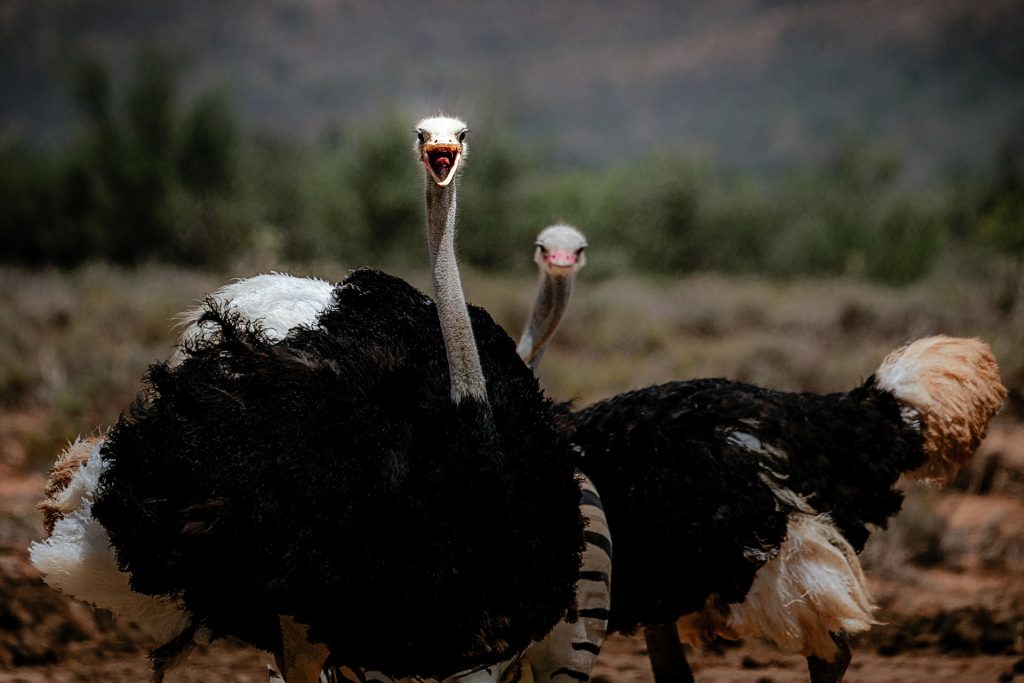
Another one of the top attractions in Aruba for animal-lovers is the Aruba Ostrich Farm.
Located on the east coast of Aruba, this destination provides a unique opportunity to learn about ostriches. Did you know that ostriches lay the largest egg of any other bird species? Or did you know that their feet only have two toes each? These are only a couple of facts that you will come to learn at this amazing farm boasting dozens of ostriches.
After learning about ostriches through a sort of trivia game, the farm will offer tours that will educate you on the bird's survival instincts and mannerisms. Later, you will get a once-in-a-lifetime opportunity to meet and interact with the large birds up close! Make sure to grab some of the ostrich-friendly food during your tour to have the opportunity to hand-feed the not-so-shy mighty creatures. At the conclusion of the tour, you will visit the incubator, hatchery, and special pens for the young ostriches and emus.
Hadicurari Beach
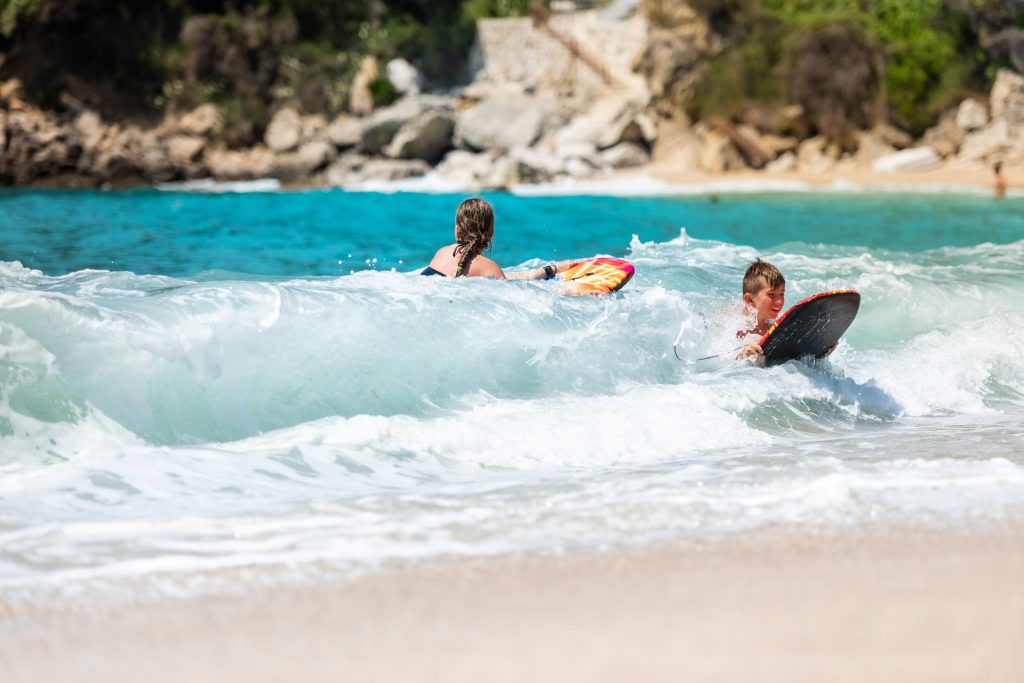
As one of the top attractions in Aruba, Hadicurari Beach is located near Aruba's northwestern end, you will find Hadicurari Beach just past the Aruba Marriott Resort & Stellaris Casino.
Surrounded by plenty of beach shacks along the pebbly coastline, this beach is best known as "Fisherman's Huts" for an excellent region. Hadicurari Beach boasts shallow, iridescent water which is the perfect conditions for anyone looking for a snorkeling adventure. Another popular attraction at this beach is windsurfing as the conditions are typical for a perfect ride. Even if you do not want to try your hand at windsurfing, this is a great spot to watch other attempt the massive waves.
Because of the shallow ocean in this part of Aruba, Hadicurari Beach is a popular spot for those traveling with children. While the sand here is not as soft as those found at Eagle Beach and Palm Beach, you will need to make sure to bring proper shoes to protect your feet. The ground is almost always covered in broken coral and shells, so this tip is vital to make sure you are not leaving with bandages covering your feet.
Pedernales Wreck
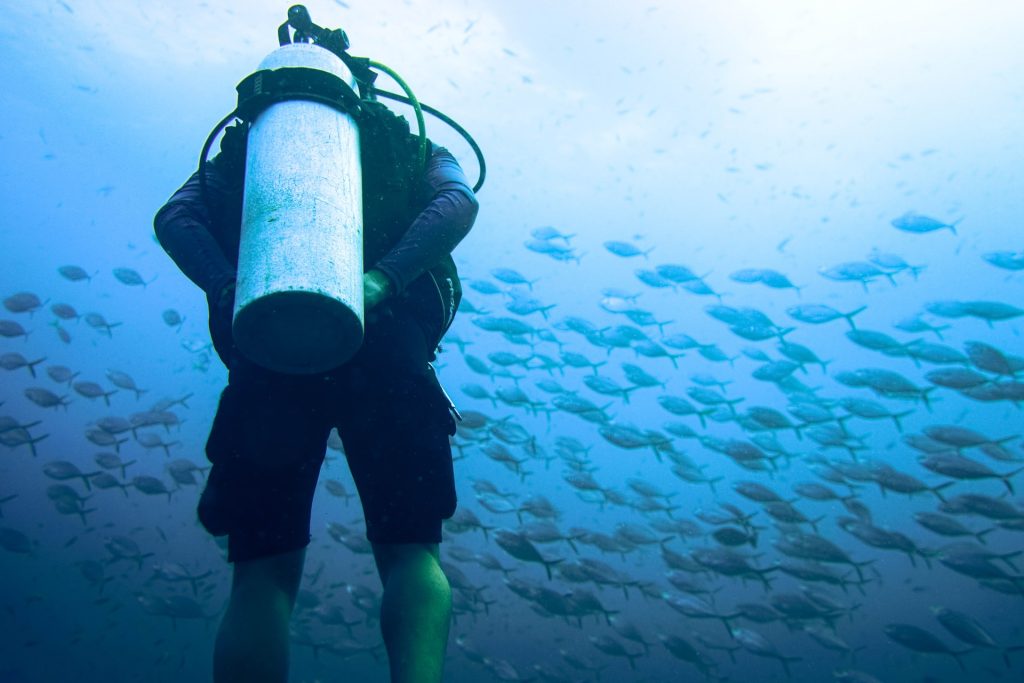
This next stop is one of the best attractions in Aruba and is perfect if you are looking for an exhilarating SCUBA experience.
Home to the SS Pedernales resting point, you will want to check out the Pedernales Wreck found off the shore of Palm Beach. The SS Pedernales was a World War II lake tanker that was sunk through torpedos by a German U-boat on its way to a refinery in Aruba. The center area of this vessel still sits submerged, approximately 25 feet below the sea level. While skilled divers may resist making a trip to this rather shallow wreck, the Pedernales is a great opportunity for those looking to get their start in the sport!
Typically, as one of the best attractions in Aruba, Pedernales Wreck takes visitors approximately 40 minutes to complete. You will enjoy the colorful coral and the sea's abundant marine wildlife with crystal clear conditions. Some warnings have been posted stating that experienced divers may want to seek more challenging dives than this spot as this is one truly meant for beginners starting out in the watersport of SCUBA.


Flamingo Beach
Nestled on the private Renaissance Island, a mere boat ride away from Aruba’s main coastline, Flamingo Beach in Aruba is a sanctuary not just for vacationers but also for its namesake residents: the vibrant and elegant flamingos. These pink-hued beauties roam freely along the shoreline, creating a mesmerizing contrast against the white sandy beaches and turquoise waters. It's no wonder that photographs of these elegant birds, with the shimmering Caribbean Sea in the background, have become the hallmark of Aruba's tourism.
What sets Flamingo Beach apart from other beaches is its serene ambiance. The limited access, courtesy of its location on a private island, ensures that it never gets overwhelmingly crowded. This allows visitors to have a more intimate experience, whether they're sunbathing, taking a leisurely swim, or simply watching the flamingos go about their day.
While the flamingos are undeniably the star attraction, the beach itself is a paradise on its own. Soft, powdery sand cushions your feet, and the water, with its varying shades of blue and green, is invitingly warm year-round. Palm trees offer ample shade for those who want a break from the sun, and the gentle lapping of waves provides a soothing soundtrack to a day of relaxation.
That completes our list of the top attractions in Aruba. Make sure to check out these breathtaking, underrated spots found throughout Aruba's beautiful land and sea, and plan out your epic vacation with one of our completely free vacation planners and packing lists!

Ellie is the founder of Ellie's Travel Tips, where she shares practical cruise tips, port guides, and step-by-step itineraries to help you plan smarter trips for less. Her checklists and packing guides turn travel daydreams into doable plans.