
Many people who have never visited the scenic top islands in French Polynesia are often surprised that the island Tahiti is only applied to a singular island in a country comprised of over 118 islands!
While all of them boast colorful coral reefs and crystal blue lagoons, French Polynesia truly offers a one-of-a-kind personality that travelers from around the world fall in love with. In this travel guide, we will be exploring the beautiful island of Tahiti and some of the gorgeous islands surrounding which are only a short boat ride or flight away!


Tahiti
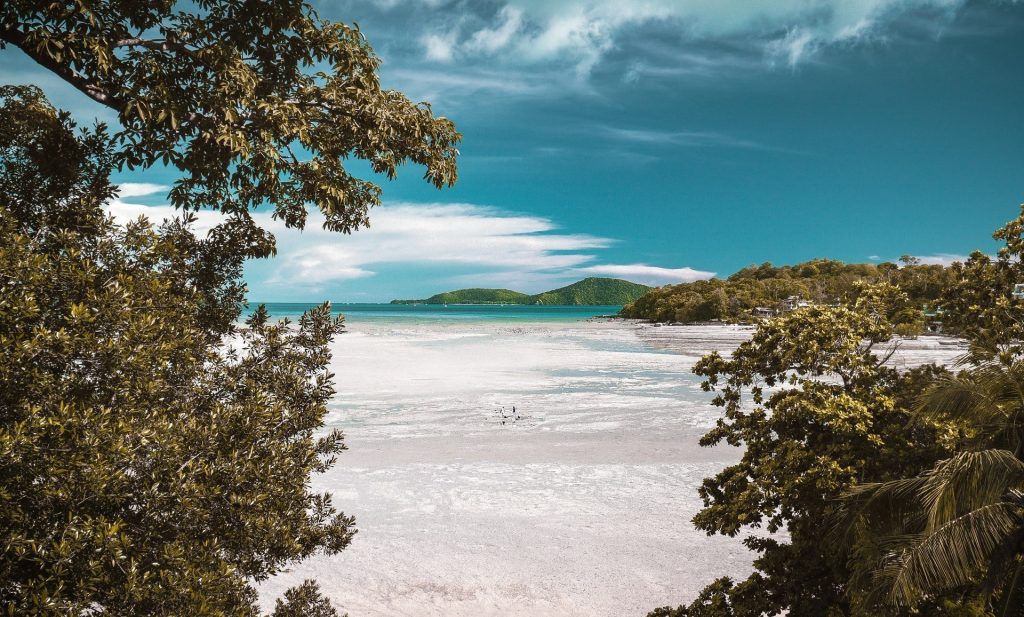
As one of the most developed top islands in French Polynesia, Tahiti offers visitors a plethora of attractions and accommodations for vacationers.
Everyone visiting French Polynesia visits Tahiti at least once as this is where all the incoming International flights land. Found in the country's capital of Papeete, the airport is located a short drive away from chic bistros and bustling shopping centers. Previously occupied by the city's stage-set Chinese stores, you can now find modern and luxurious resorts in the suburbs of Papeete which also offer plenty of cheap, oceanfront hotels.
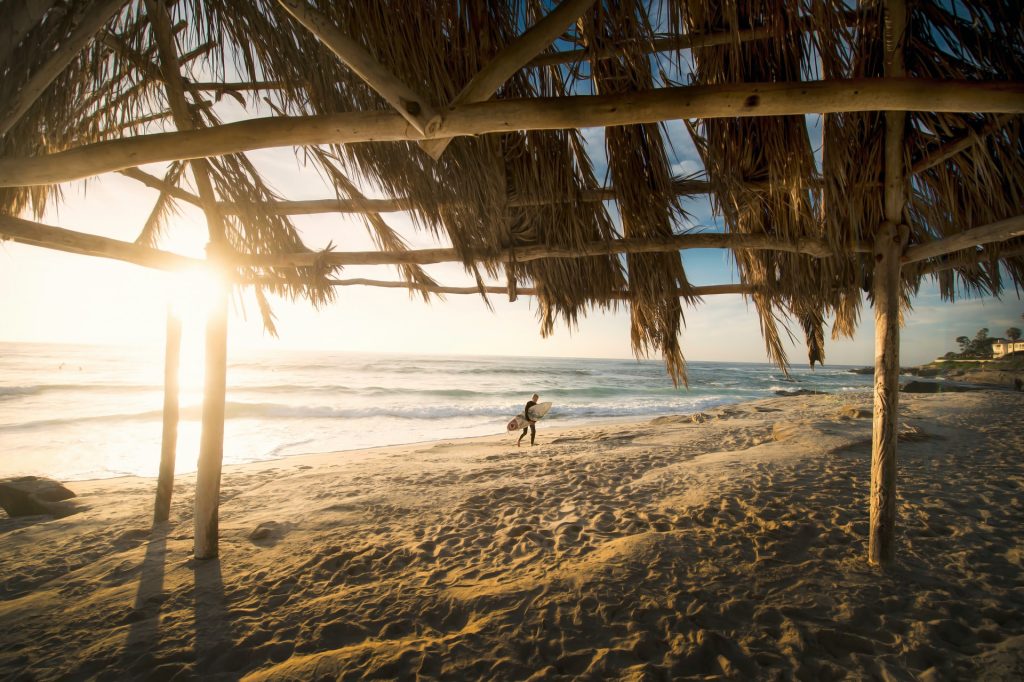
Even if you do not consider yourself a city person, Tahiti has loads of attractions. Check out some of the exquisite Tahitian museums such as the ones devoted to the writer James Norman Hall, painter Paul Gauguin, and many of the islanders themselves. Later, head over to one of the plenty of beaches to relax and rejuvenate with a cold, tropical cocktail in hand. You can also snorkel, surf, and swim at Pepenoo Beach or La Plage de Maui. Finally, hike along the scenic landscape to discover the gushing Fautaua Waterfall in Tahiti.
Moorea
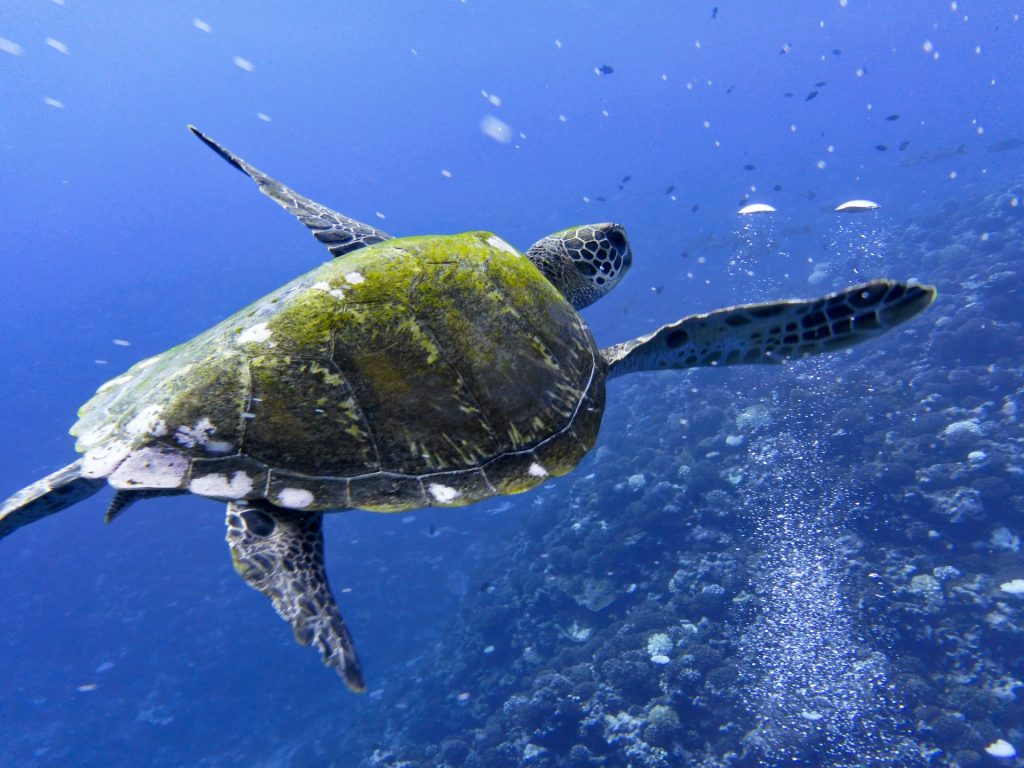
The next island is one of the most popular top islands in French Polynesia you are gonna want to visit is Moorea. Only a 12-mile boat ride off the west coast of Tahiti, this would be a perfect way to extend your vacation.
This short journey via a ferry is like being transported to a wonderland. Moorea boasts numerous scenic mountain peaks and finger-like bays where you can enjoy a day filled with both hiking and snorkeling. As a world-renowned destination, you will get to enjoy glimpses of the old Polynesian lifestyle. While some parts of Moorea may feel like some of Papeete's suburbs, the island has numerous white-sand beaches which prove hard to find in Tahiti.
If you are lucky you will also discover some beaches that are filled with sand from black volcanic remnants. Check out the Lagoonarium which is a colorful marine wildlife park where you can observe the creatures. Later, head on out to the famous Belvedere lookout where you will overlook the beautiful scenery. Given its proximity to Tahiti and you do not need to catch a flight to visit, Moorea is where you can find more affordable resorts and accommodation options. This island is a great option if you are trying to find a rejuvenating vacation without breaking the bank!
Huahine
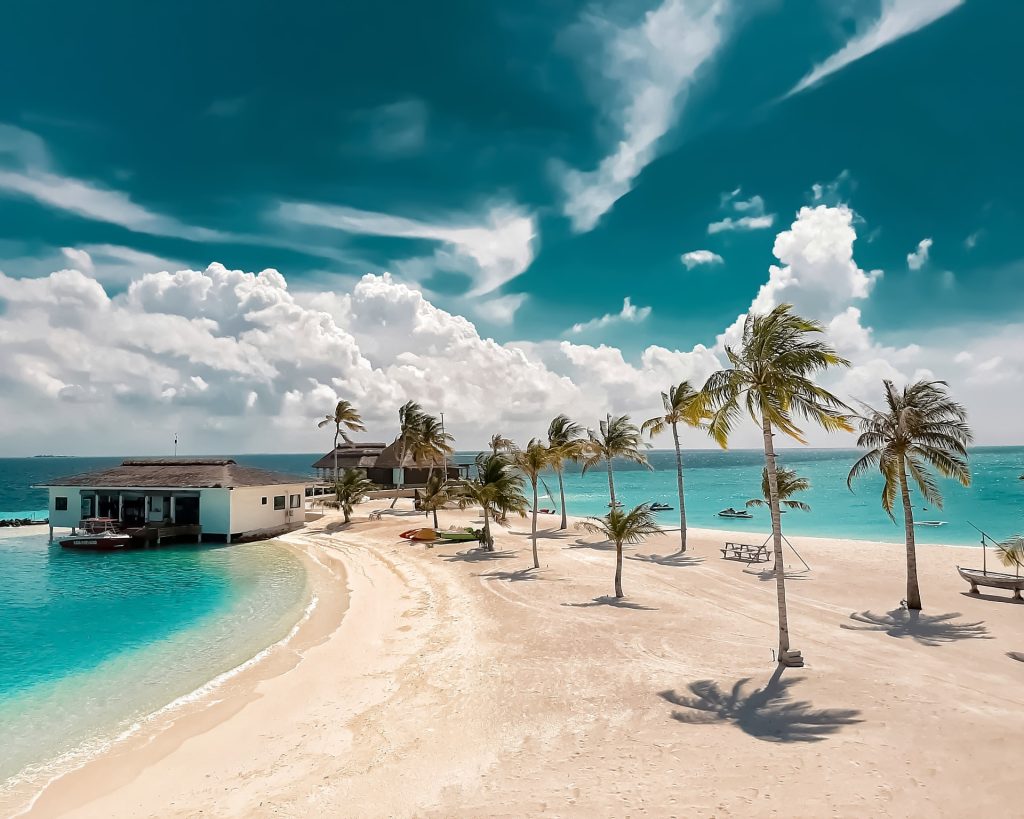
With an absence of an urban footprint, Huahine is one of the top islands in French Polynesia and retains much of its old Polynesian charm with beauty comparable to Moorea and Bora Bora.
With an easy 40-minute flight from Papeete, this spot is another affordable alternative to Papeete where you can find loads of vacation rental homes. While not the first island most travelers think of when they imagine visiting French Polynesia, Huahine provides the ultimate tropical paradise. The local scenery is well-known to mimic a pregnant woman lying on her back. Even more fascinating is the fact that the name Huahine actually means "sex of the woman".
Head on over to Fare & Fare Beach which is a popular attraction on this quaint island. Home to the island's only supermarket, happy hour, and breakfast joint, you will enjoy your time sipping on tropical cocktails with numerous other vacationers in the region. Next, book a Huahine Nautique Lagoon Tour. With a full-day tour of the islands Huahine Nui and Huahine Iti, you will enjoy a beautiful boating journey as you drift snorkeling above coral reefs, picnic of a Motu, and swim with sharks! Some other highlights found in the area that you can add to your list are Lake Fauna Nui, Maeva Marae Complex, and the popular V-Shaped Fish Traps.
Bora Bora
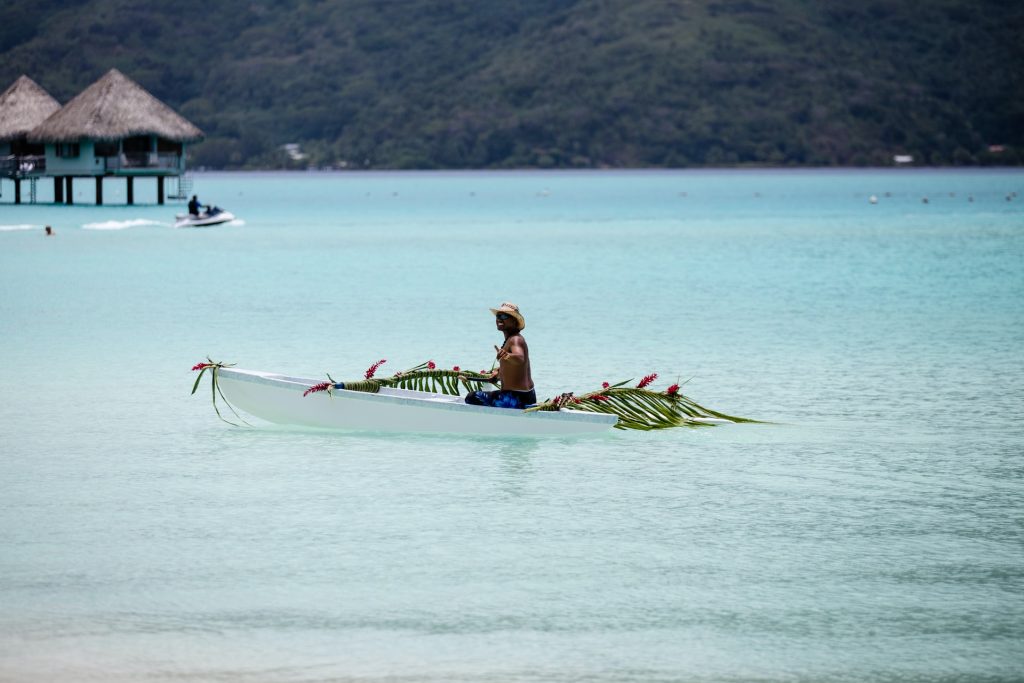
Famous as one of the top honeymoon destinations, Bora Bora obviously made our list of the top islands in French Polynesia, offering a breathtaking island in the French Polynesian region.
Favored by honeymooners and couples, the luxurious amenities, corporate management, and high prices often reflect the once-in-a-lifetime vacationers. This favorite retreat of Bora Bora is best enjoyed from the coast. Head over to the world-renowned Matira Beach which is the largest public access beach offered on the island. Boasting crystal-clear waters and soft sand, this beach is peppered with local shops, restaurants, and resorts for visitors to enjoy.
After washing away the sand in between your toes, consider exploring the rest of the island through one of the many tours offered on four wheels. Multiple tour companies offer customizable island tours for you to discover the nooks and crannies on the island. You will also learn about the cultural and historical aspects tied to the island legends. Finally, on a small islet just east of Bora Bora, you can snorkel among a colorful coral reef at the Coral Gardens. Living amongst the coral are sting rays, moray eels, and blacktip reef sharks that you will swim with on your adventure!

Ua Pao
Made popular by the 2002 season of Survivor, Ua Pao is by far the most remote and hard-to-reach part of French Polynesia still making our list of the top islands in French Polynesia.
The Marquesas are a group of some 10 mountainous islands about 750 miles northeast of Tahiti. While younger than the Society Islands, these islands are not enclosed by protective coral reefs because of cool, equatorial current washing on the shore. Consequently, there are no encircling coastal plains as the shores are pounded by the surf. The people living on the island found themselves settled in a series of deep valleys that radiate outwards from the central mountain peaks.
The Marquesas once boasted a large number of people, however, because of the introduction of 19-century diseases and 20th-century economic power found in Papeete, these islands remain scarcely populated. Some prime attractions found on these islands are archaeological sites that hide the islands' ancient tikis. These islands are best visited by cruise ships as of the six inhabited islands, only Nuku Hiva and Hiva Oa have established standard hotels. Cruises tend to visit all the inhabited islands, including the dramatically beautiful island of Fatu Hiva.
Fakarava
Encircling the world's third-largest lagoon is the small island Fakarava, as one of the top islands in French Polynesia to explore.
Further, the diversity of rare wildlife and marine life has pointed the area to a designated UNESCO Biosphere Reserve for the preservation of the precious species. Fakarava is located in the Tuamotu Archipelago, close to the largest atoll in French Polynesia, Rangiroa. A flight flies from Tahiti to Fakarava every day of the week, so make sure to visit this tropical paradise. In Fakarava, you will find beautiful pink sand beaches (Les Sables Rosas). This sandbar area is the most famous and striking spot to enjoy in Fakarava.
Later, check out Plage de PK9, a white-sand beach which is found on the northside of the island. Here you can find a perfect spot to sunbathe, but beware, because of the strong currents in the nearby waters, swimming is not advised. If you prefer to check out some snorkeling spots, book one of the island's lagoon tours. Here you can experience all the beautiful Fakarava has to offer. If you are a SCUBA fan, you will enjoy the Tumakohua pass where you can swim with black and white-tipped sharks. If you are lucky, you may also spot the manta rays and other schools of fish that frequent the area.
Figure out which island or islands you should pick for your next vacation? Pick up one of our free printable travel planner and packing lists before your tropical vacation!
While French Polynesia sprawls over an area of 2 million square miles, there are little pockets of magic ready for you to explore. Let me know your favorite island down below in the comment section!

Ellie is the founder of Ellie's Travel Tips, where she shares practical cruise tips, port guides, and step-by-step itineraries to help you plan smarter trips for less. Her checklists and packing guides turn travel daydreams into doable plans.