Pacific Coast Road Trip: 12 Stops to Seattle
A Pacific Coast road trip is glorious because it refuses to be rushed. This route gives cliffs, redwood groves, tidepools, beach towns, and rain forests the breathing room they deserve, with 12 stops from San Diego to Seattle.
The honest minimum is about three weeks. If you have less time, choose one coast section rather than spending the vacation staring through a windshield.
Plan the route before booking hotels
The Pacific Coast Highway is not one continuous road from Southern California to Washington. California State Route 1, U.S. 101, Oregon Coast Highway 101, Washington roads, city freeways, and inland connectors all contribute to the trip.
Southbound driving generally places the ocean and many pullouts on the passenger side, but northbound works beautifully for this San Diego-to-Seattle itinerary. Direction matters less than building short drive days and checking every coastal segment before committing to a nonrefundable stay.
- 7 days: Pick Los Angeles to San Francisco, San Francisco to the redwoods, or one focused Oregon and Washington section.
- 14 days: Drive San Francisco to Seattle or San Diego to San Francisco with comfortable stops.
- 21 days: Cover San Diego to Seattle at a steady pace with several two-night bases.
- 28 days: Add the Olympic Peninsula, longer hikes, beach afternoons, and weather buffers without constantly repacking.
A crucial Highway 1 reality check
Never infer that all of Highway 1 is open because one famous bridge, park, or town is accessible. Landslides, wildfire response, construction, and storm damage can create a closure between two places that remain open from opposite directions.
As checked September 4, 2026, the Caltrans Highway 1 report showed an active central-coast wildfire closure, even though the long Regent’s Slide closure had reopened in January. Check the official report again before every California coast driving day and be prepared to use U.S. 101 inland.
Oregon travelers should do the same with ODOT TripCheck, which provides road incidents, construction, cameras, and weather information. A saved map is not a live access plan.
Pacific Coast road trip stops
1. San Diego
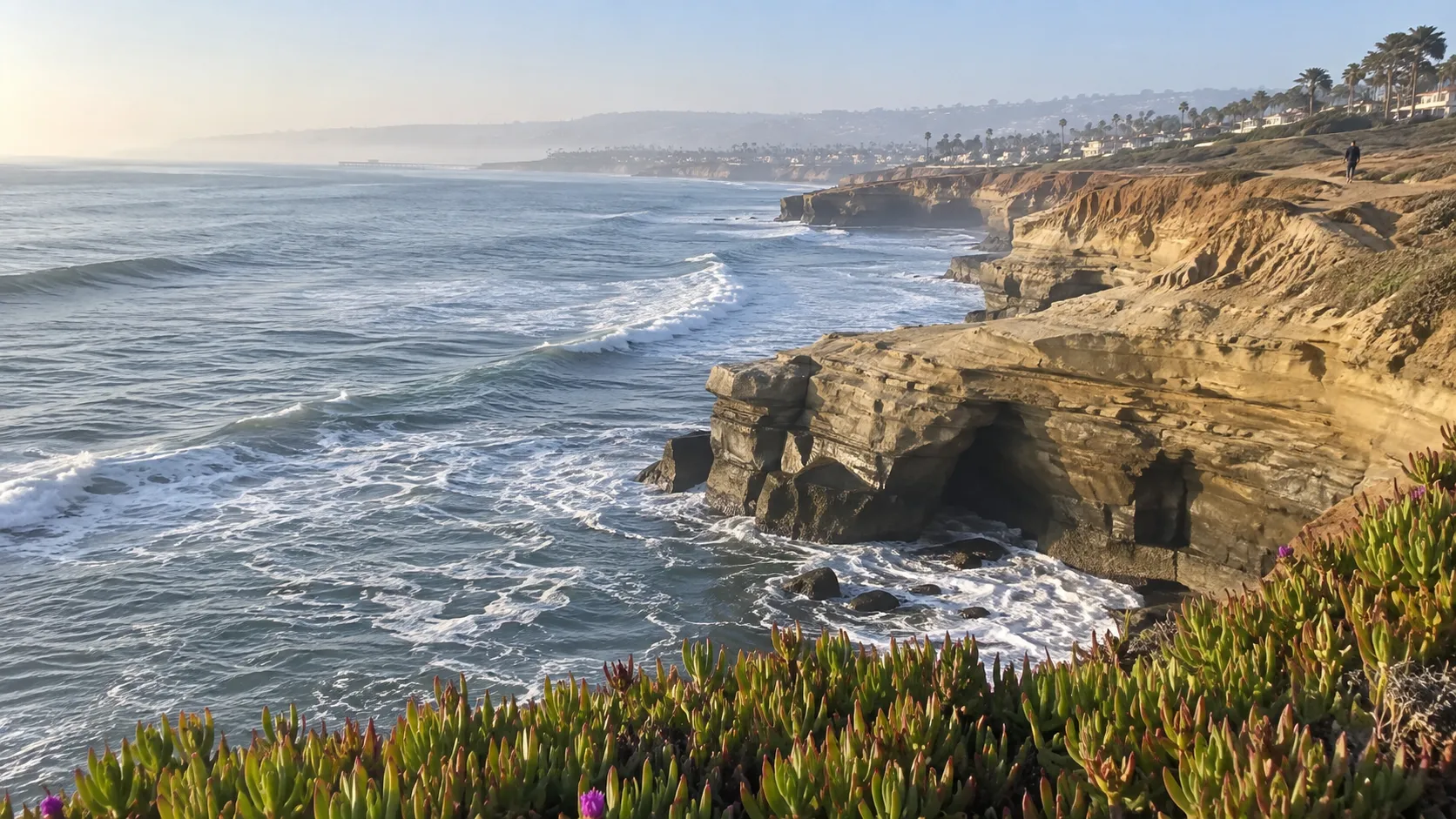
Start with two nights in San Diego so the trip begins as a vacation rather than an airport-to-freeway sprint. Choose a beach day around La Jolla or Coronado, then add Balboa Park, a neighborhood meal, or the waterfront according to your interests.
Parking and cross-city driving can consume more time than the mileage suggests. Stay near the experience you value most, collect the rental car after a car-free city day if practical, and avoid scheduling the first long drive immediately after a late flight.
2. Orange County beaches
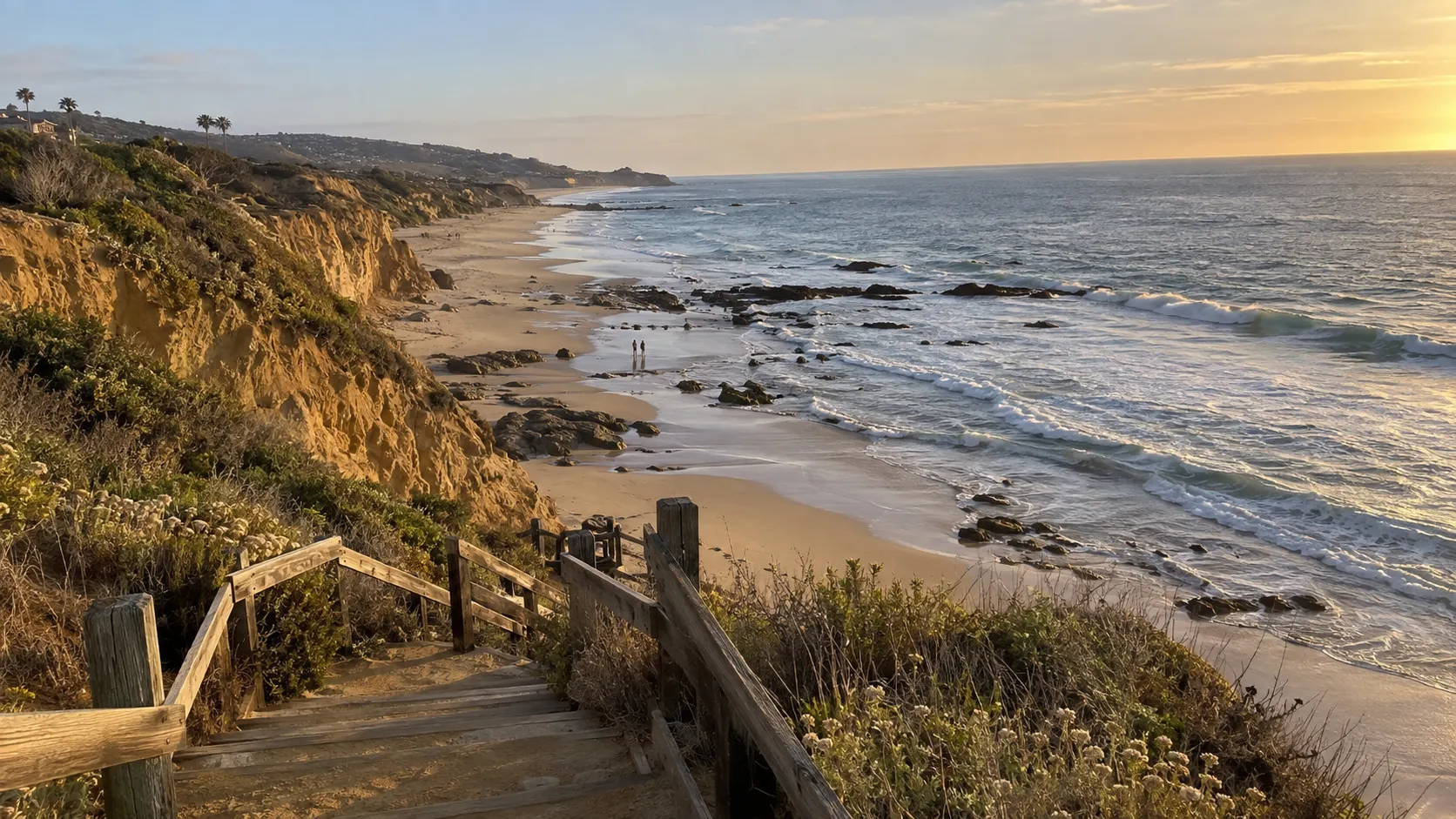
Laguna Beach is my strongest scenic stop between San Diego and Los Angeles because coves, cliffs, art, and a walkable center fit into one day. Dana Point works better for harbor time, while Huntington Beach suits travelers who want a broad surf-town experience.
Pick one, not all three. Coastal traffic and parking turn a short mileage day into a surprisingly slow one, especially on warm weekends.
3. Los Angeles and Malibu
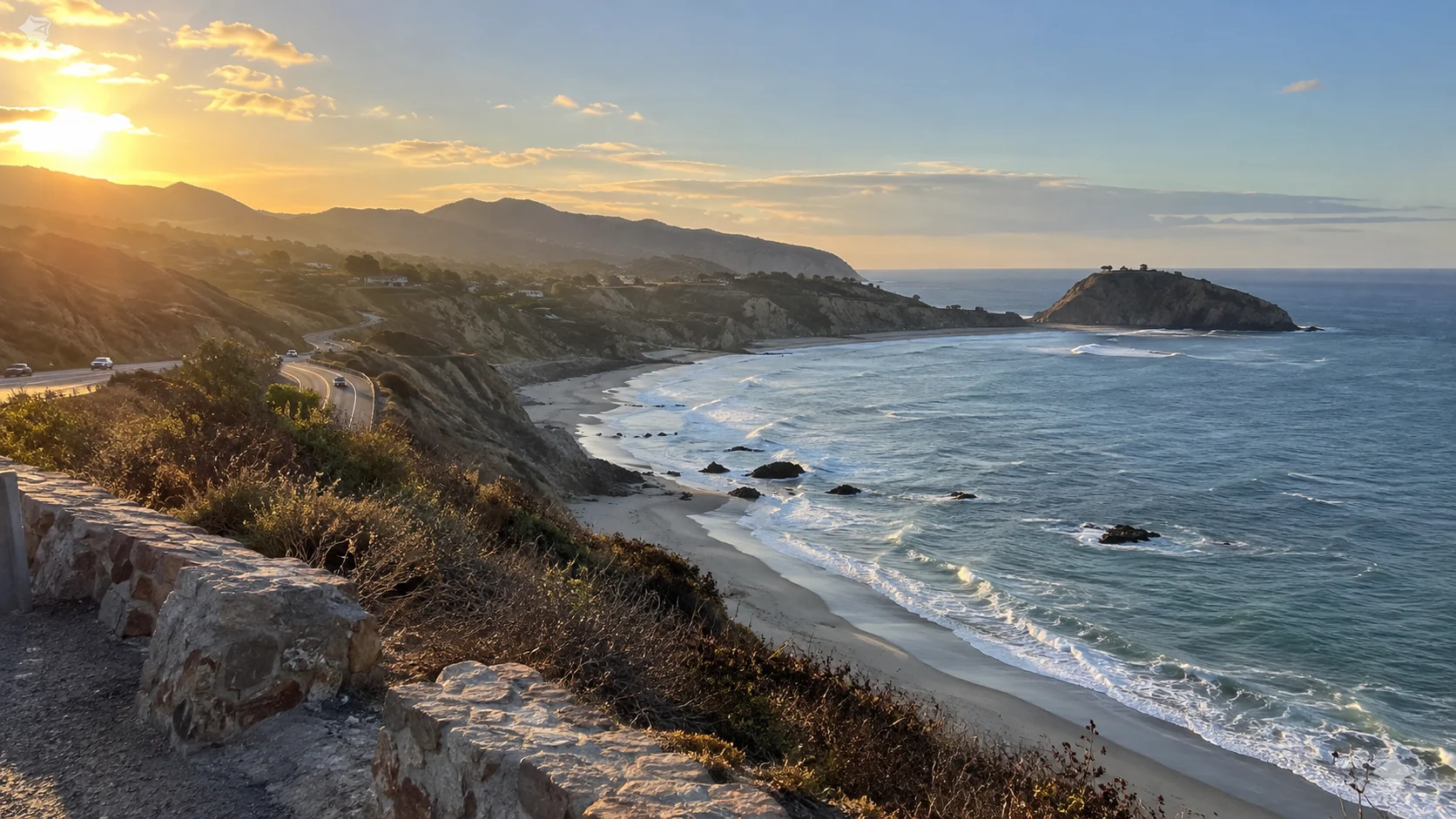
Los Angeles deserves at least two nights because its coast, museums, studios, neighborhoods, and food are spread across a vast region. Santa Monica makes an easy coast-oriented base, but it is not automatically convenient for every attraction east of it.
Drive Malibu only if the road and weather are suitable, then stop at one or two legally accessible beaches or viewpoints. Do not stack a full Los Angeles sightseeing day, Malibu, and Santa Barbara into one reservation-heavy schedule.
4. Santa Barbara
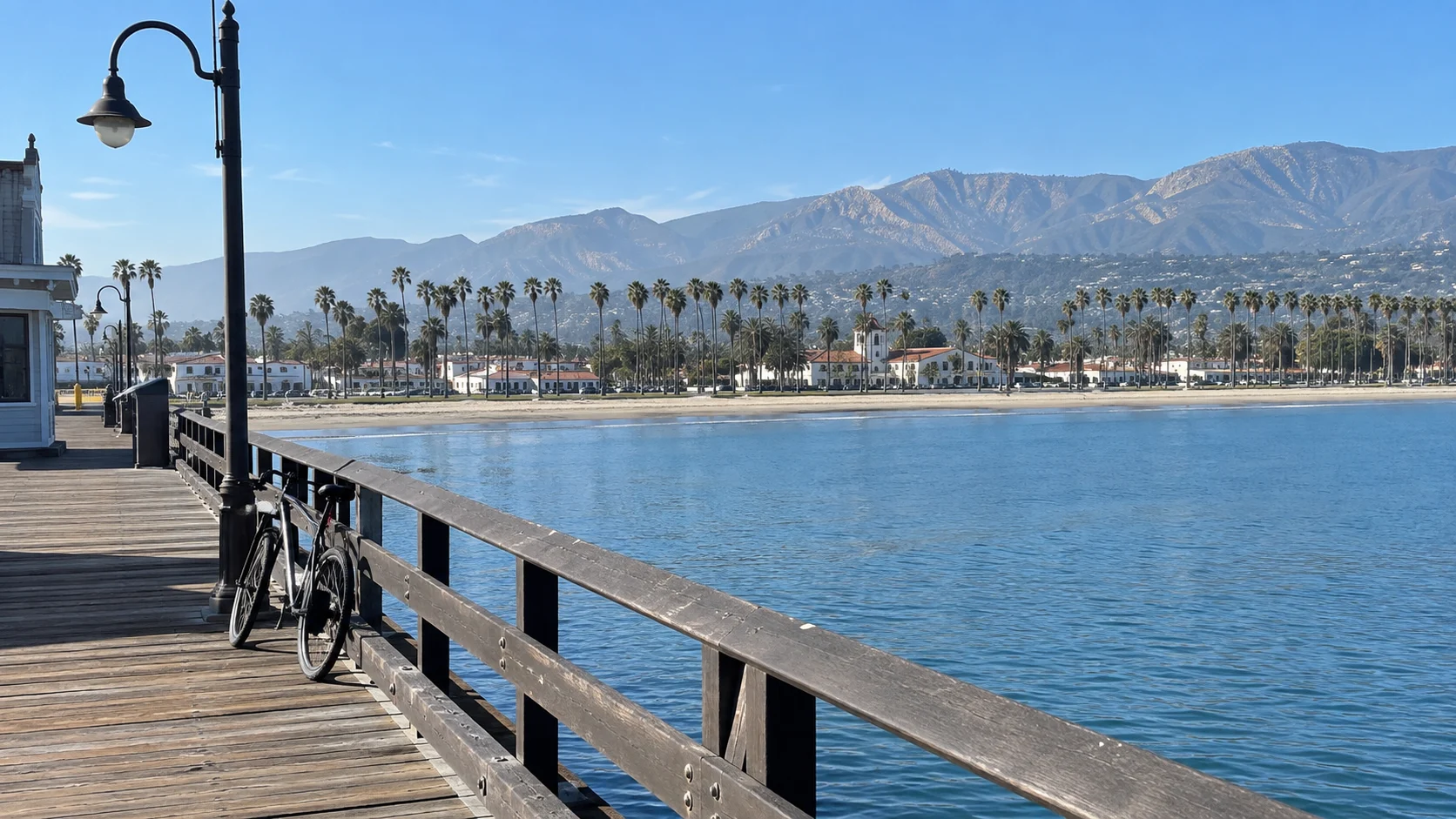
Santa Barbara gives the route a graceful reset: Spanish Colonial Revival architecture, a walkable downtown, beaches, and mountain views without Los Angeles scale. One night works, while two allow a beach or Santa Ynez Valley day without racing onward.
If wine tasting is part of the plan, appoint a sober driver or arrange transportation before arriving. The coastal drive is not the place to improvise after tastings.
5. San Luis Obispo, Morro Bay, and Cambria
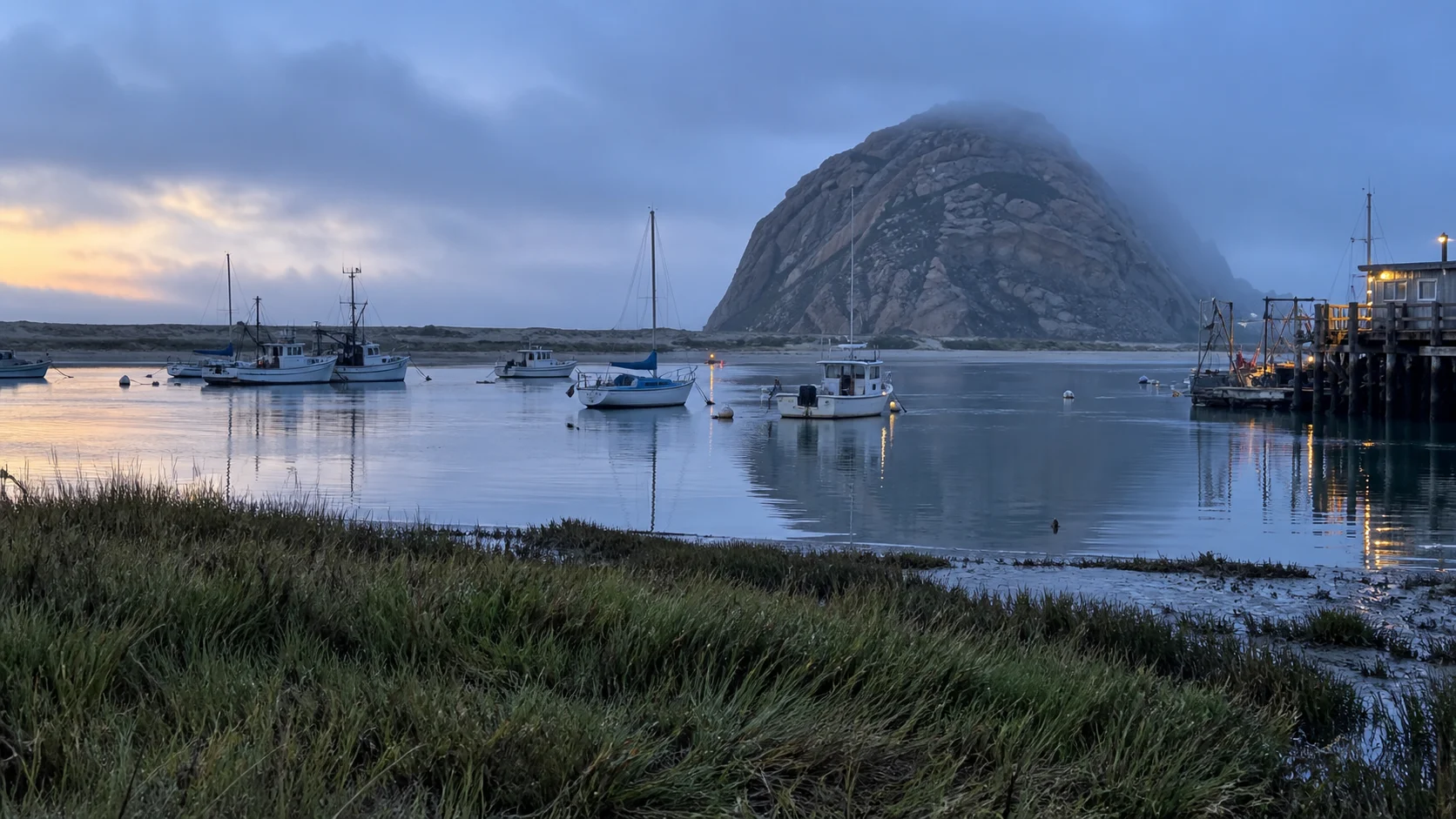
This central-coast cluster is better treated as a two-night base than three separate check-ins. San Luis Obispo provides restaurants and an active downtown, Morro Bay brings an estuary and harbor, and Cambria positions you near Hearst Castle and the northern coast.
Reserve Hearst Castle if it is a priority, then leave room for elephant-seal viewing and short shoreline stops. Wildlife areas need distance and patience, not a close-up photo attempt.
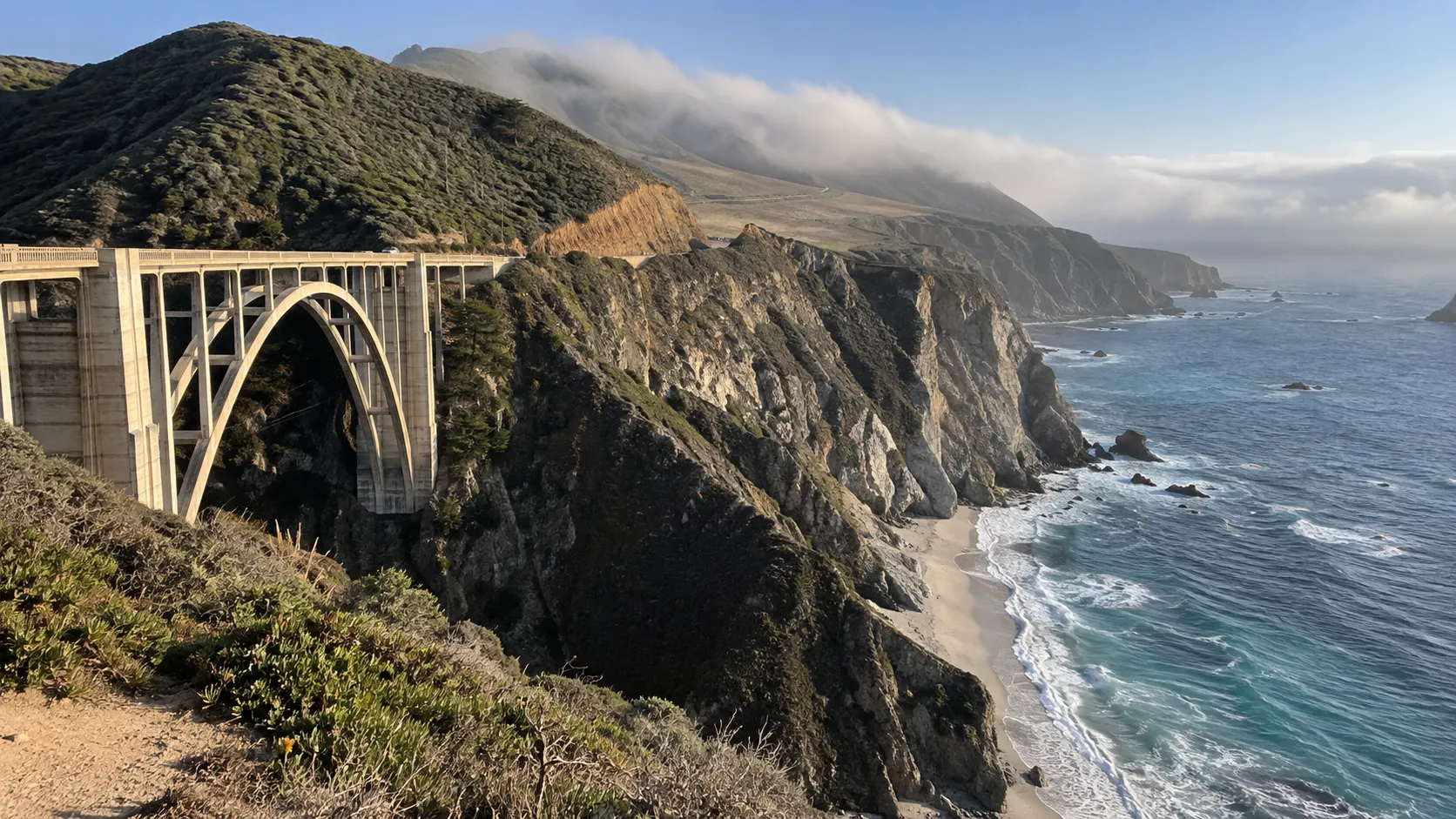
6. Big Sur and Monterey Peninsula
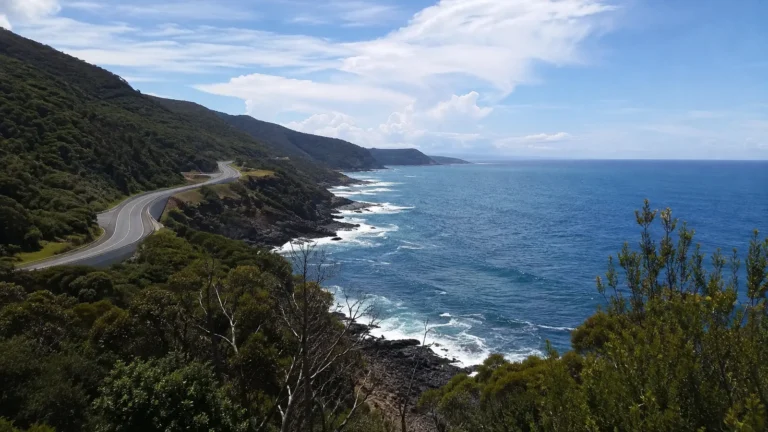
Big Sur is the signature drive, but the scenery does not justify unsafe stopping. Use designated pullouts, keep entirely off the travel lane, and never cross barriers or trample cliff edges for a photograph.
Base in Monterey, Pacific Grove, Carmel, or an open Big Sur property depending on budget and road access. Two nights let you separate Point Lobos, the aquarium or town, Bixby Creek Bridge, redwood walks, and the south-coast drive rather than treating all of them as roadside pauses.
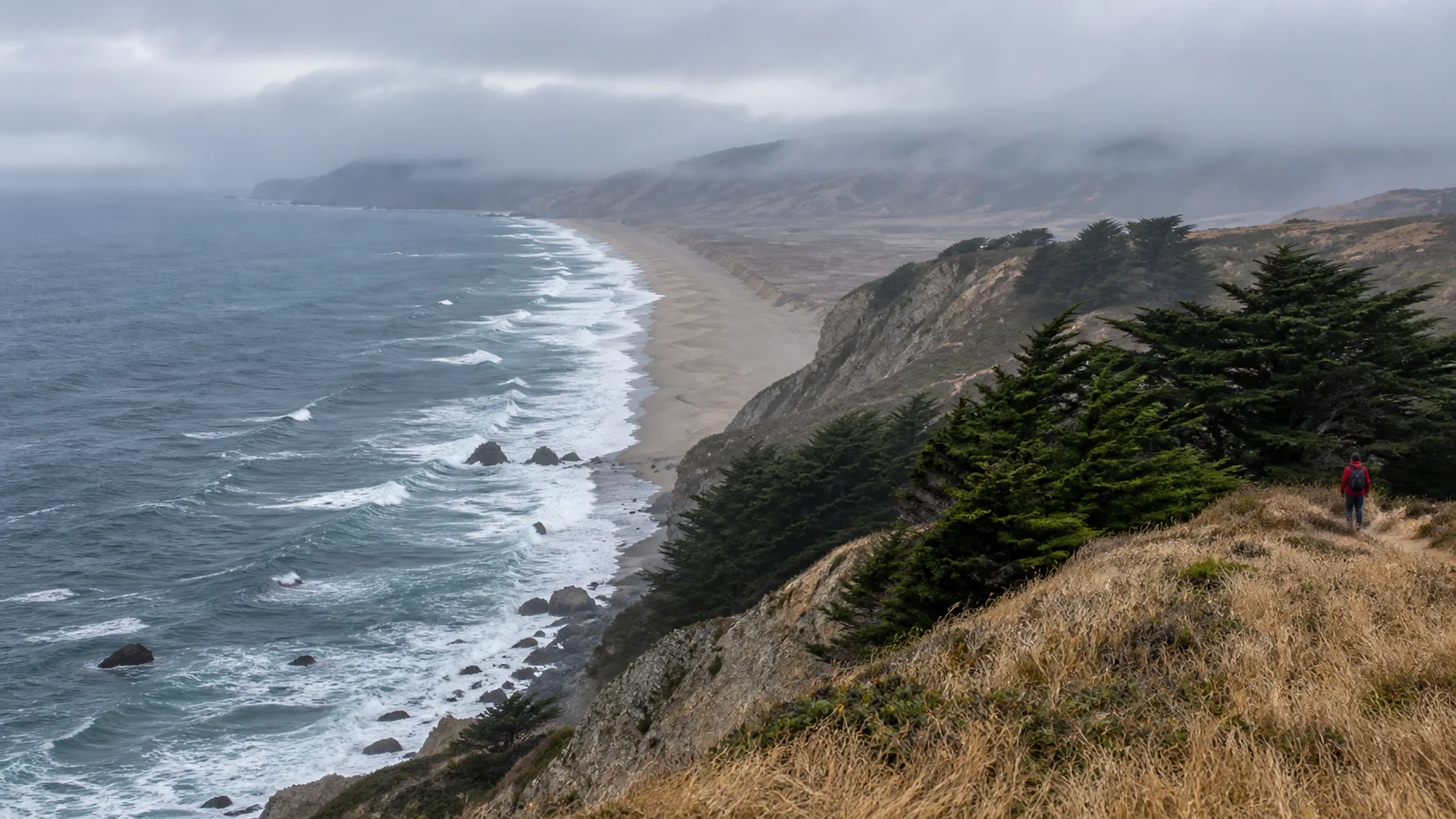
7. San Francisco and Point Reyes
San Francisco needs at least two full days, and a rental car is more burden than benefit for much of that time. Park once or return the car, then use transit and walking for the waterfront, neighborhoods, major museums, and viewpoints.
Point Reyes is a separate driving day with fog, wind, wildlife, and long roads across the peninsula. If the schedule cannot absorb that, cross the Golden Gate Bridge and continue north without pretending Point Reyes is a quick photo stop.
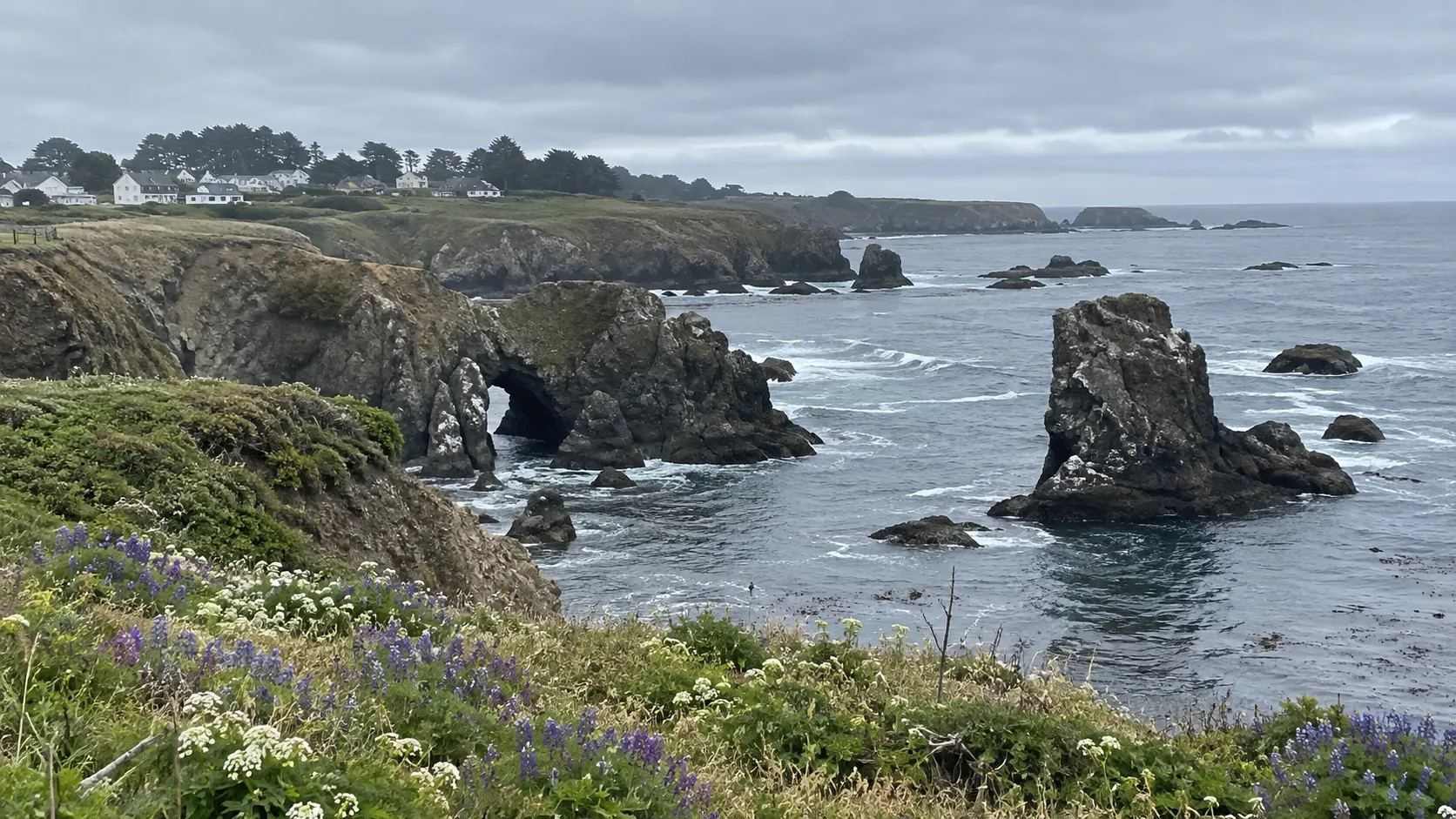
8. Mendocino Coast
Mendocino earns a night for headland paths, small-town architecture, nearby coves, and the slower character of Northern California. Fort Bragg adds practical lodging and food choices plus access to coastal trails.
This is where mileage becomes deceptive because Highway 1 curves constantly and passing opportunities are limited. Fill the tank early, download maps, and plan fewer miles than you would on an interstate.
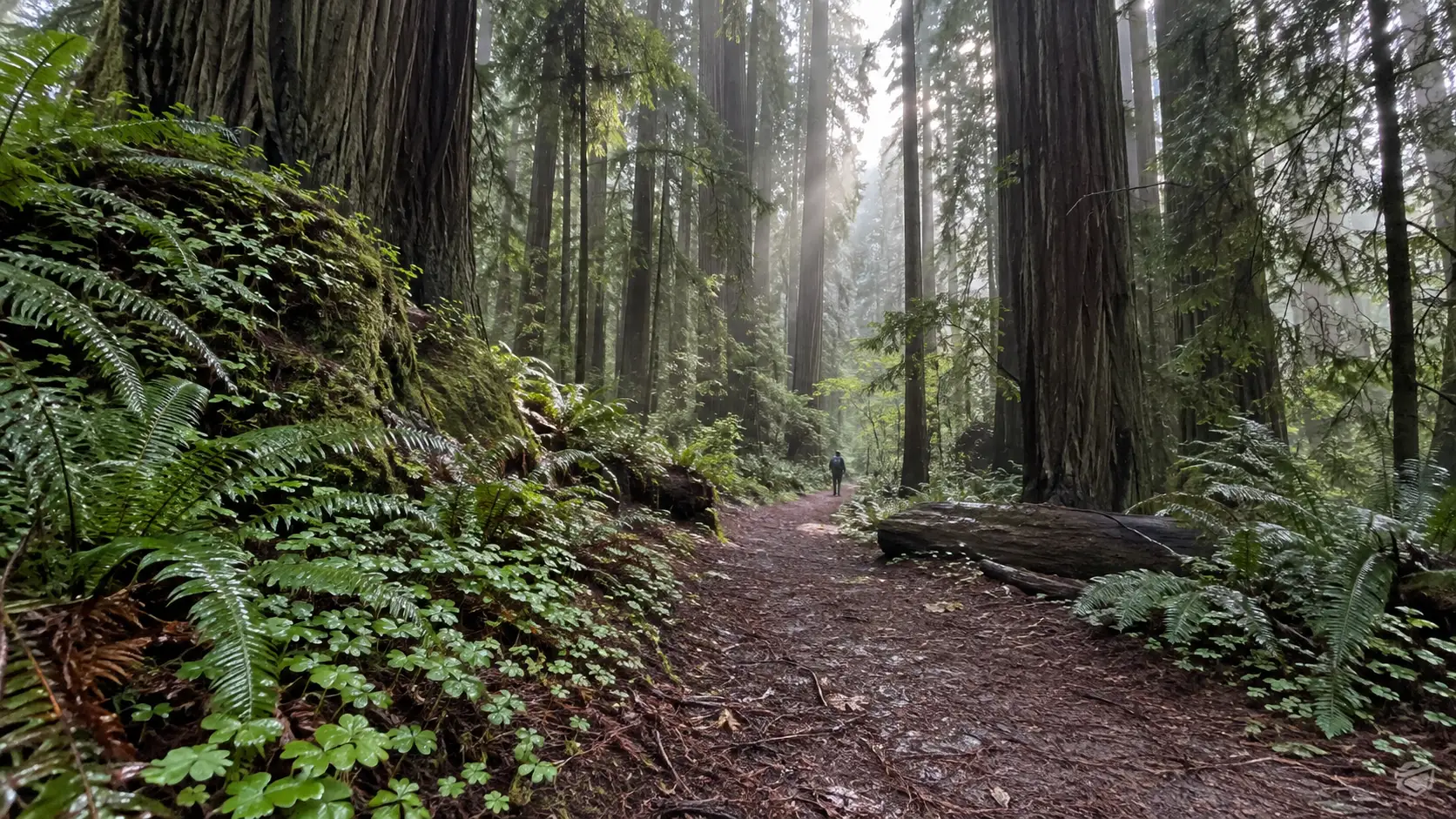
9. Redwood National and State Parks
The redwood region is a network of parks and scenic roads rather than one gate. Allow two nights around Eureka, Trinidad, Prairie Creek, or Crescent City, then choose one major grove, one coastal stop, and one longer walk.
Fern Canyon and Gold Bluffs Beach require planning in the busy season. The National Park Service reservation page states that reservations are online only and no same-day reservations are issued, so a spontaneous arrival may not reach the trailhead by car.
If you are extending the trip north from Canada or focusing only on the upper coast, compare this route with the site’s Vancouver-to-San Francisco road trip. That guide separates coastal, interstate, border, and ferry decisions in more detail.
10. Southern Oregon Coast
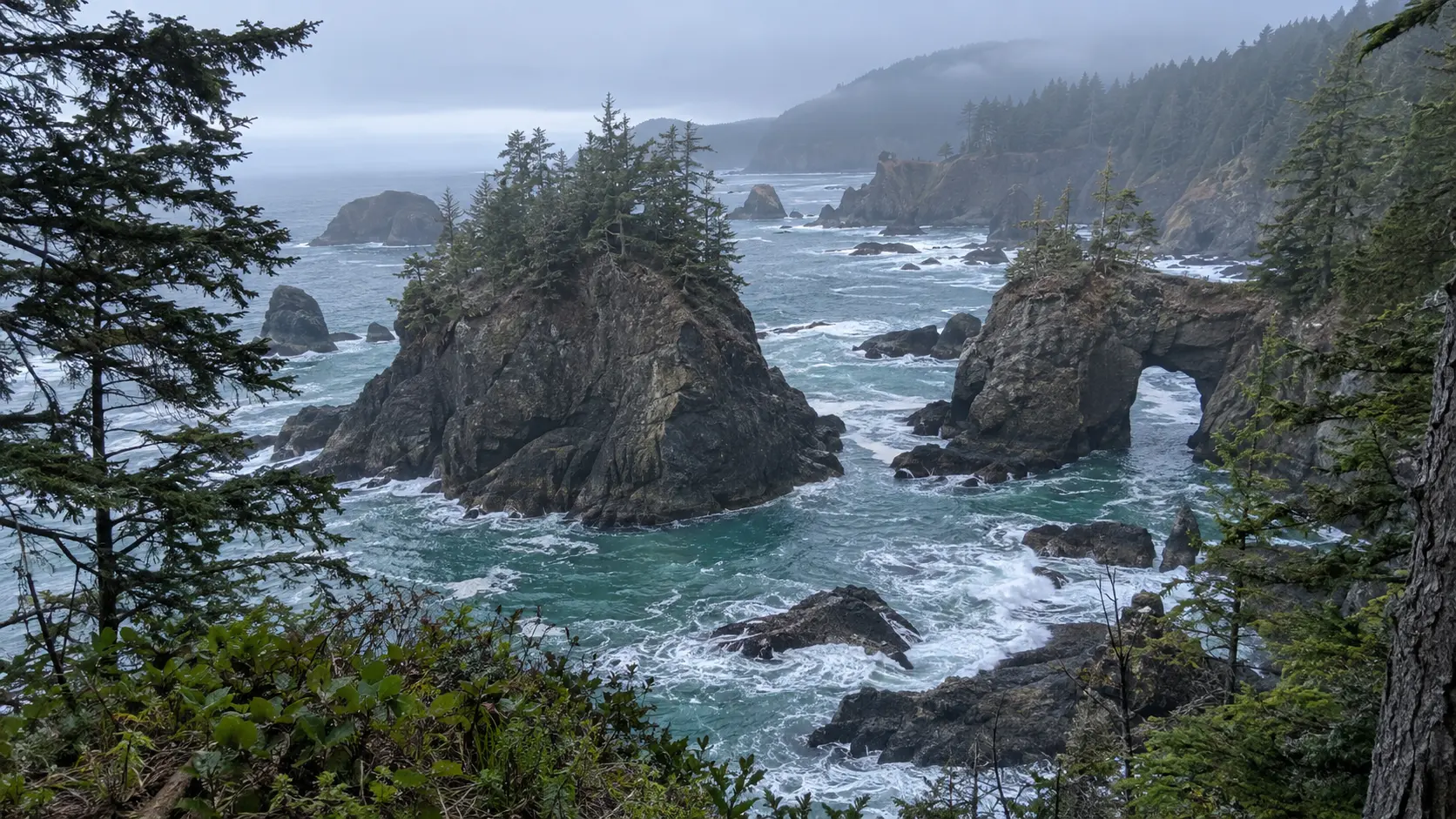
Brookings, Samuel Boardman State Scenic Corridor, Gold Beach, and Bandon form a rugged section of sea stacks, coves, and forested headlands. Two nights are much more useful than one if you want trails rather than windshield glimpses.
The ocean is powerful even on calm-looking days. Oregon State Parks warns about unpredictable sneaker waves, moving drift logs, slippery rocks, and unstable cliffs, so keep eyes on the water and stay behind closures and barriers.
11. Central and northern Oregon Coast
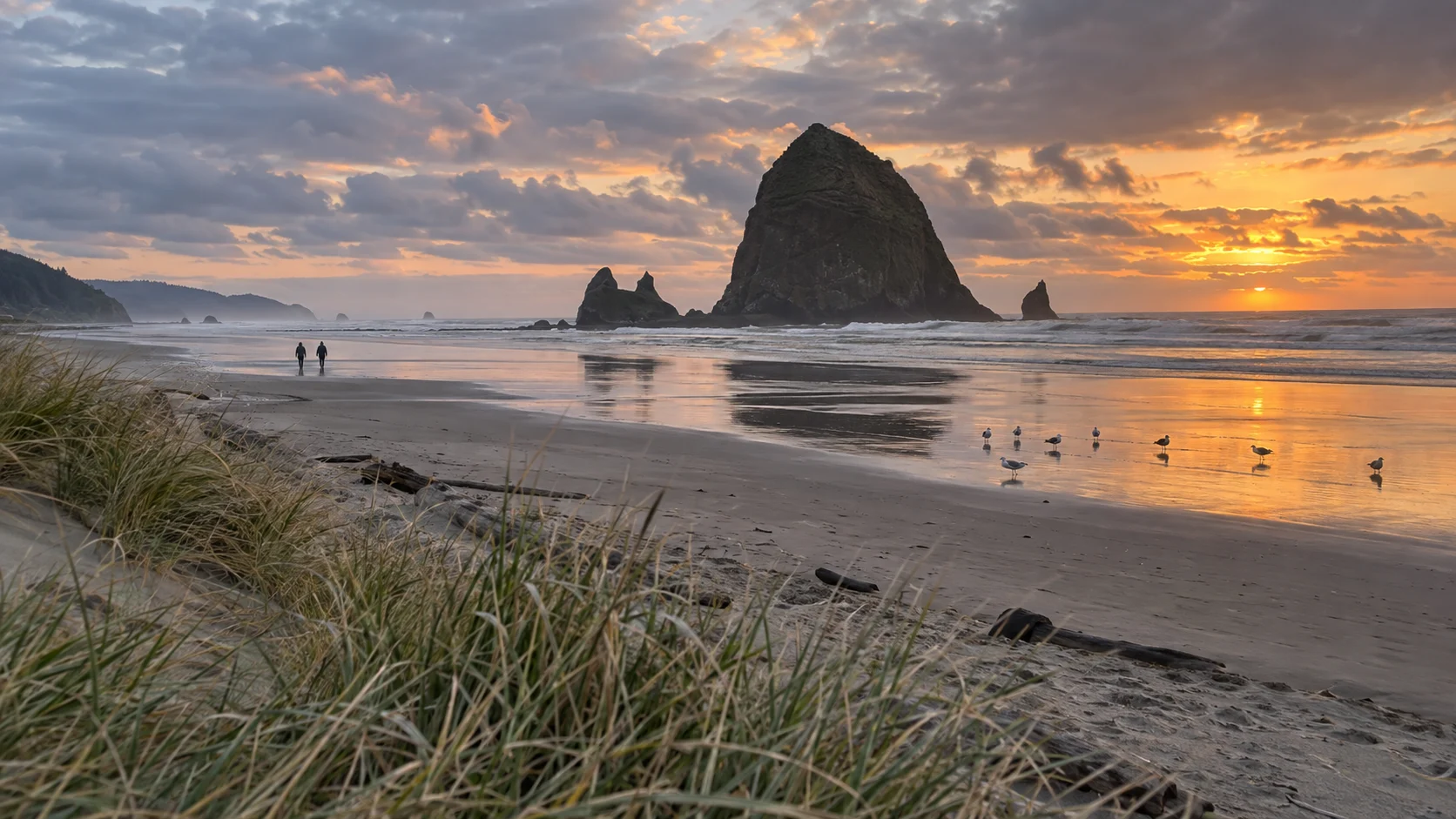
Florence, Yachats, Newport, Pacific City, and Cannon Beach cannot all be meaningful one-day stops. My practical split is one night around Florence or Yachats and two around Newport or Cannon Beach, depending on whether tidepools, an aquarium, dunes, or a polished beach town matters most.
Check tide times before tidepooling and never turn your back on the surf. If Oregon is the entire vacation, the slower ideas in these relaxing spring vacation options make a good case for staying put instead of collecting every coastal town.
12. Olympic Peninsula and Seattle
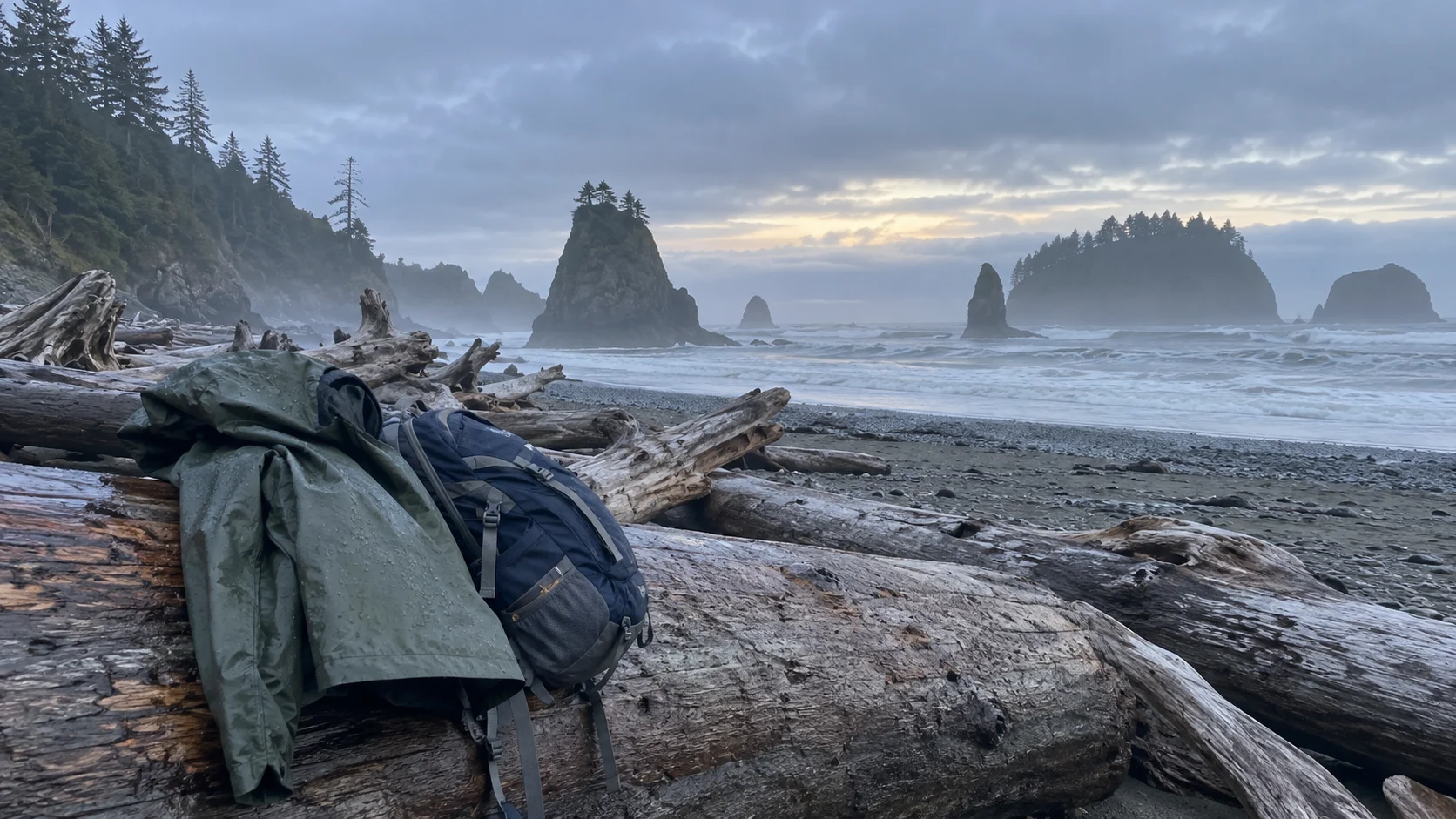
Do not call Olympic National Park a Seattle day trip when the Hoh Rain Forest, outer beaches, Lake Crescent, and Hurricane Ridge are the goal. The peninsula’s spur roads add substantial time, so allow at least three nights and choose two regions rather than driving the entire loop in one exhausting day.
Current access changes often. Olympic’s official road page tracks seasonal openings, washouts, construction, roads unsuitable for RVs, and beach access, including 2026 closures that affected Rialto Beach via Mora Road.
Finish with two nights in Seattle and return the car before a downtown stay if possible. Travelers connecting the drive to a sailing can use the Seattle cruise-port guide to choose the correct terminal and a sensible pre-cruise hotel area.
Route cards for the 12 coastal stops
These are my suggested stop sequences and planning allowances, not timed reservations or guaranteed drive times. Driving estimates exclude meals, walks, city traffic, ferry waits, and emergency detours, so check the route each morning and keep one optional stop easy to drop.
San Diego to Orange County
Sleep in San Diego and start with the Embarcadero waterfront for a mostly level 45-minute walk, then drive toward Laguna Beach, allowing roughly 1.5 to 2 hours before traffic. I would keep La Jolla as the optional detour if you have another half-day.
In rain, spend the walking time at an indoor Balboa Park museum, then continue north without trying to recover every missed beach.
Orange County to Los Angeles
Use Laguna Beach or nearby Dana Point as the overnight base and choose Heisler Park for a 30-to-45-minute clifftop stroll. Allow roughly 1.5 to 2.5 hours to your Los Angeles base, with a short Dana Point harbor detour only if traffic is kind.
A rainy morning is a good time for Laguna Art Museum; I would skip the extra beach stop before sacrificing the Los Angeles arrival buffer.
Los Angeles to Santa Barbara
Stay in Santa Monica for a coastal departure, walking the paved beachfront for 45 minutes before heading north toward Santa Barbara. Allow about two to three hours of driving, and make Malibu a conditional stop only where current road and beach access allow it.
In poor weather, keep the Getty Center as a separate city activity and use the practical highway route north, rather than spending the day searching for a clear coastal view.
Santa Barbara to the Central Coast
Sleep in Santa Barbara and start with a 45-minute downtown and courthouse-area walk, then head to San Luis Obispo or Morro Bay. Allow two to 2.5 hours on the direct highway; Solvang is a worthwhile food-and-town detour if you can add another hour or two.
Use an indoor museum or a long lunch in Santa Barbara when rain closes in, and save Morro Rock views for the following morning.
Morro Bay to Monterey
Base in Morro Bay or Cambria, then choose a 30-minute Embarcadero walk before driving north. While Big Sur through access is interrupted, use U.S. 101 toward Monterey and allow roughly three hours of driving, with additional time from a more remote coastal hotel.
Hearst Castle is the optional reserved visit from the Cambria side, while a rainy or smoky day favors the direct transfer and an indoor Monterey afternoon.
Monterey Peninsula before San Francisco
Sleep in Monterey and walk the Monterey Bay Coastal Recreation Trail toward Cannery Row for an easy 60-minute out-and-back. Allow roughly two to 2.5 hours to San Francisco by the direct roads, and use Pacific Grove as a short local detour.
I would choose Monterey Bay Aquarium for rain and omit Big Sur entirely during fire restrictions, checking Caltrans emergency updates before adding any southern drive.
San Francisco to Mendocino
Base in San Francisco, then decide whether Point Reyes deserves its own night before continuing to Mendocino or Fort Bragg. The direct inland-to-coast drive takes roughly four hours; Point Reyes adds substantial time, so I would choose one short authorized coastal viewpoint rather than attempt the entire peninsula.
Fog or rain makes the city’s museums the backup, and I would drive inland toward the Mendocino turnoff instead of committing to every winding coastal mile.
Mendocino to the redwoods
Sleep in Mendocino or Fort Bragg and allow 45 minutes for the marked Mendocino Headlands paths, staying back from edges. Allow roughly four to five hours toward an Arcata or Trinidad base, with Avenue of the Giants as an optional scenic drive when conditions allow.
The headlands are expendable in high wind; choose a sheltered town stop, then keep the northbound drive conservative on wet curves.
Redwoods to Brookings
From Trinidad or Arcata, drive north to Orick and walk the 1.5-mile Lady Bird Johnson Grove loop, allowing about an hour on an easy but uneven forest trail. Continue through the parks toward Crescent City and Brookings, reserving a full day for the roughly three hours of driving plus stops.
The grove is my priority, with a Klamath-area overlook as the optional detour; in severe wind, skip forest walking because falling limbs matter more than a rain jacket.
Brookings through southern Oregon
Sleep in Brookings, then follow U.S. 101 north through the Samuel Boardman corridor, stopping at the signed Natural Bridges viewpoint and Arch Rock overlook. Allow 15 to 20 minutes for each short path, then continue via Gold Beach toward Bandon, roughly 2.5 hours of driving before stops.
I would stay on the official overlooks rather than scramble onto rock arches; Port Orford is an optional lunch detour, while a stormy day calls for an indoor meal and fewer exposed stops.
Bandon to the north Oregon Coast
Use Bandon, Newport, and then Cannon Beach as successive overnight bases rather than forcing the whole coast into one day. Bandon to Newport is roughly three hours and Newport to Cannon Beach another three, with a short Yaquina Head viewpoint visit as the central-coast anchor.
I would use Newport’s Oregon Coast Aquarium in rain and make Cape Perpetua a weather-dependent detour, keeping beach walks to daylight and well away from drift logs.
North Oregon to Olympic and Seattle
From Cannon Beach, cross at Astoria and follow the Washington coast toward a Forks base, allowing roughly five hours before stops. On the next day, choose the 0.8-mile Hall of Mosses loop for an hour of forest walking, then continue toward Port Angeles on another travel day.
Seattle is the final destination after the peninsula, with ferry choice changing the last leg; I would use Lake Crescent as the optional detour and an indoor Port Angeles stop when wind or road closures make forest access unsuitable.
Where to slow down and where to skip
The best two-night stops are San Diego, Los Angeles, Monterey, San Francisco, the redwoods, the northern Oregon Coast, and Olympic Peninsula. Travelers with 21 days still need to skip some attractive towns, because moving every morning destroys the flexibility that coastal weather demands.
I would cut a city before cutting the redwoods into a two-hour drive-through. Conversely, city lovers can skip Olympic Peninsula and reach Seattle through Portland and Interstate 5, trading rain-forest immersion for food, museums, and simpler driving.
Rental car and driving decisions
Confirm unlimited mileage, one-way drop fees, permitted roads, roadside assistance, and geographic restrictions in the actual rental contract. A standard car is enough for the paved route, while a large SUV can make tight parking, fuel costs, and narrow roads worse.
Do not leave visible luggage in the vehicle, especially during city or trail stops. Build hotel check-in, secured storage, and attraction timing so the full trip is not sitting behind glass.
Rotate drivers before fatigue becomes an argument, and save long conversations or games for straighter sections. A group can adapt the planning framework in this guide to a road trip with friends, but the driver still needs quiet on cliff roads and in poor visibility.
Best time for a Pacific Coast road trip
Late spring through early fall gives the broadest access and longest daylight, but it also brings peak demand, fog patterns, wildfire risk, and crowded coastal towns. September can be excellent, yet a warm forecast does not eliminate fire closures or rough surf.
Winter brings lower rates and dramatic storms, but also shorter days, more rain in the north, landslide risk, and seasonal services. I would not plan a rigid end-to-end winter itinerary with nonrefundable coastal lodging.
What to reserve and what to keep flexible
- Reserve early: one-way rental, summer weekends, national-park lodging, popular campgrounds, Hearst Castle, and any permit-dependent trailhead.
- Verify near departure: road closures, wildfire and smoke conditions, park roads, ferry schedules, tides, and beach warnings.
- Keep flexible: viewpoints, short hikes, beach picnics, fog-dependent scenery, and the exact order of outdoor days.
Carry water, layers, a rain shell, sun protection, offline maps, a charging cable, basic first aid, and shoes with real traction. Keep the fuel tank comfortably above empty, because rural station hours and cell service are not guaranteed.
The Pacific Coast route I would choose
With three weeks, I would start in San Diego, use two-night bases through California, give the redwoods two nights, take four or five nights for Oregon, then finish with Olympic Peninsula and Seattle. That plan still omits places, but it protects the moments the trip is supposed to create.
The Pacific coast will hand you fog, delays, and a town you wish you had booked for longer. A strong itinerary has enough room to accept all three.