10 Affordable North American Destinations Worth Pricing
North America’s cheapest vacation is rarely the city with the lowest hotel screenshot. The winning trip usually combines a manageable journey from home, a walkable base, inexpensive food, and enough free things to do that you are not buying entertainment every six hours.
What “affordable” means here
This list compares destinations in the mainland United States, Mexico, and Canada rather than mixing Caribbean islands into the same transportation puzzle. Every choice can deliver good value for the right traveler, but none is cheapest from every home airport.
Use one set of dates and one comfort level. Add round-trip travel, baggage, airport parking, transfers, lodging with taxes, local transportation, food, admissions, insurance, and a 10 percent cushion.
Then price the trip by person and by night. The method in these practical travel-planning tips is useful because a cheap flight means little when it forces an expensive rental car or a midnight hotel.
Best affordable destinations in Mexico
1. Mexico City for food, museums, and transit
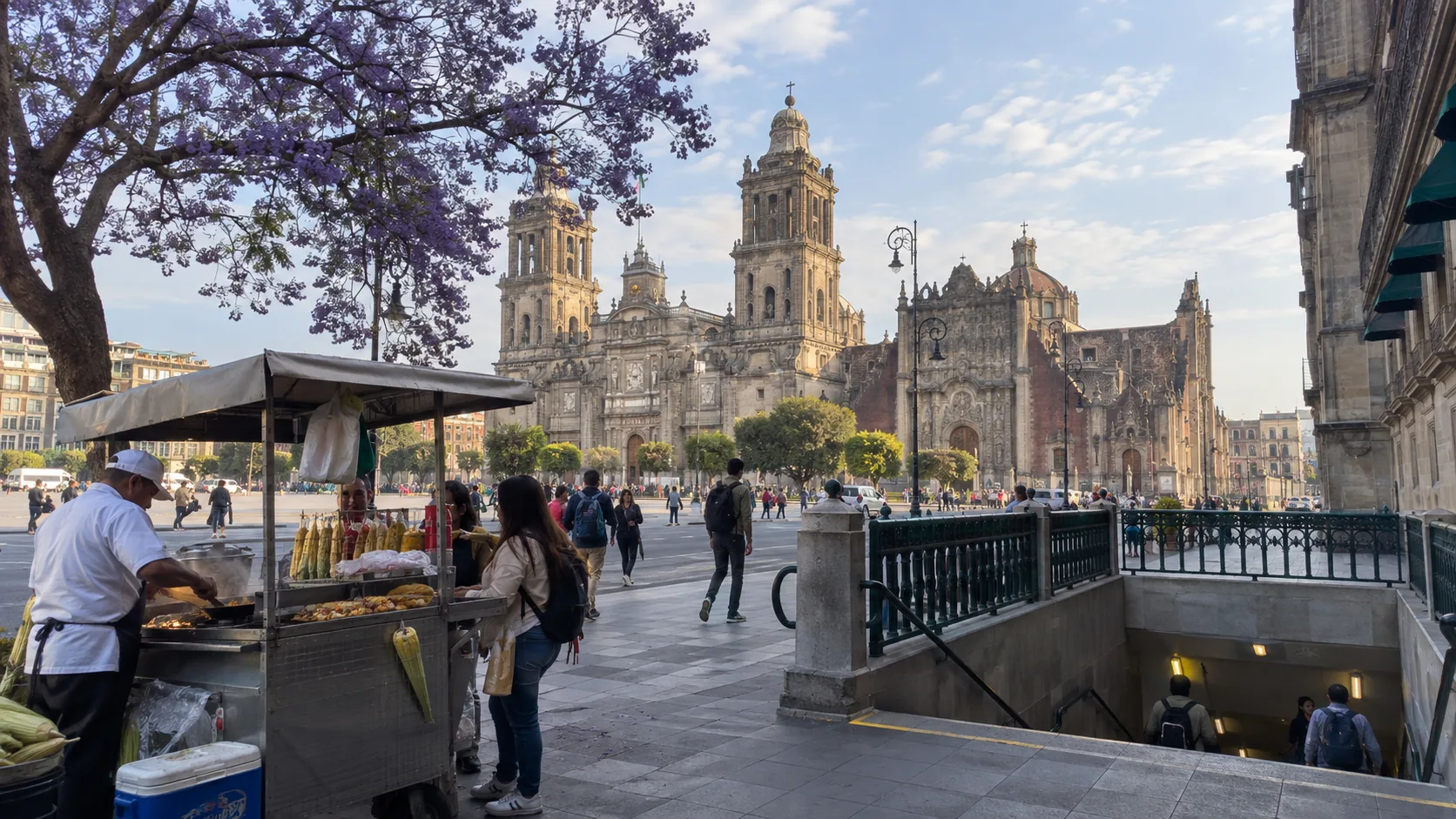
Mexico City is the strongest all-around value for travelers who want a major cultural trip without major-city U.S. prices. Neighborhood food, markets, parks, museums, architecture, and day trips can fill a week, while public transit reduces the need for a car.
Stay in one well-connected neighborhood and group each day geographically. Roma Norte and Condesa are popular and convenient but not always the cheapest, so also compare Centro Histórico, Juárez, Coyoacán, and areas near a useful transit line with recent lodging reviews.
The city’s official visitor guide describes a Metro network with 12 lines and nearly 200 stations in its transportation overview. Use the Metro or Metrobús when the route and time feel comfortable, then budget for an authorized taxi or app ride after a late dinner.
The biggest cost trap is treating Teotihuacán, Xochimilco, Coyoacán, Chapultepec, and the historic center as one compact zone. Choose one or two farther outings and let the city itself provide the rest.
2. Oaxaca City for a food-led long weekend
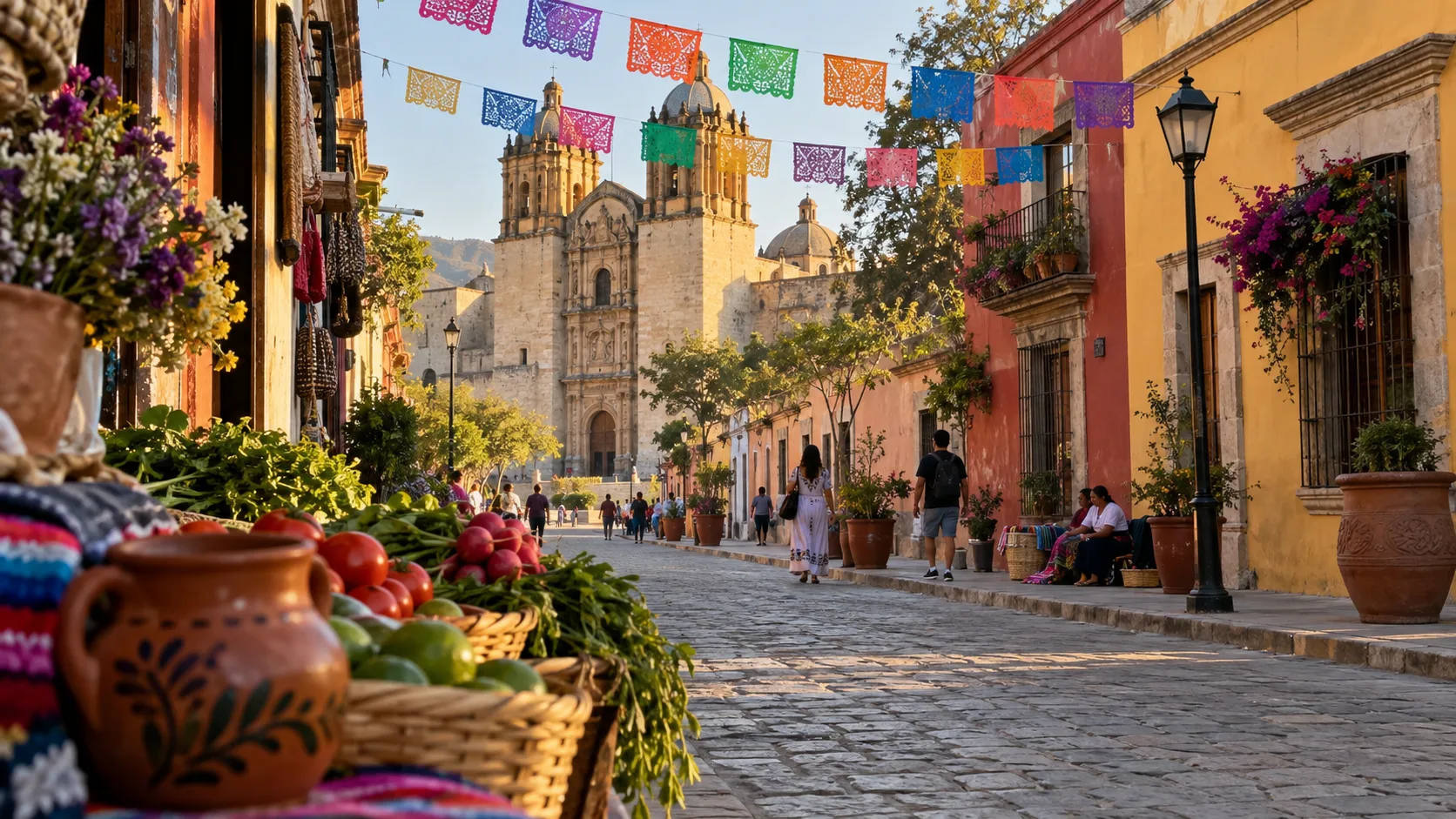
Oaxaca works beautifully when markets, mole, mezcal, museums, textiles, and walkable evenings are the vacation. A central guesthouse can keep daily transport low, and many memorable hours cost little beyond a meal or museum admission.
Monte Albán is the obvious paid outing, while village craft routes and Hierve el Agua require more transport and time. Pick one defining day rather than hiring a driver for three consecutive loops.
Late October into early November becomes a high-demand period around Day of the Dead, and the Guelaguetza season changes July pricing. Visit for those celebrations deliberately or choose quieter dates instead of expecting ordinary rates during headline events.
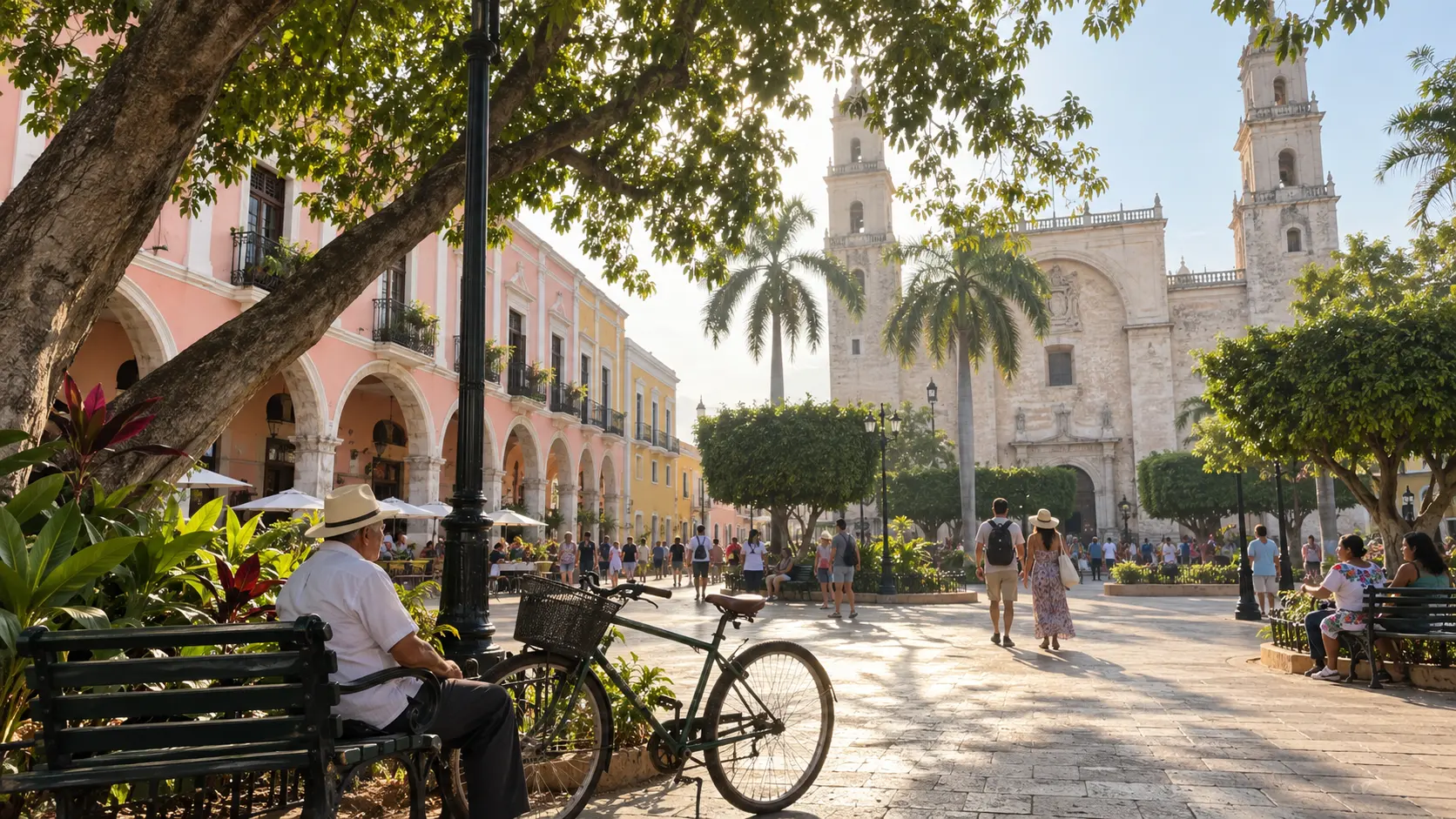
3. Mérida for history and a Yucatán base
Mérida combines a walkable historic core, markets, regional food, and evening public life with access to cenotes, Maya sites, haciendas, and Gulf towns. It is a better value when you enjoy the city rather than using it only as a launchpad for daily private tours.
Heat shapes the schedule for much of the year, so a room with reliable air conditioning and a central location can be worth more than a rock-bottom rate. Plan outdoor sights early, rest during the hottest hours, and enjoy plazas after sunset.
For all three Mexican destinations, check the current U.S. State Department Mexico advisory by state. Conditions and restrictions are regional, so a national headline is not enough for an itinerary decision.
Affordable U.S. city breaks
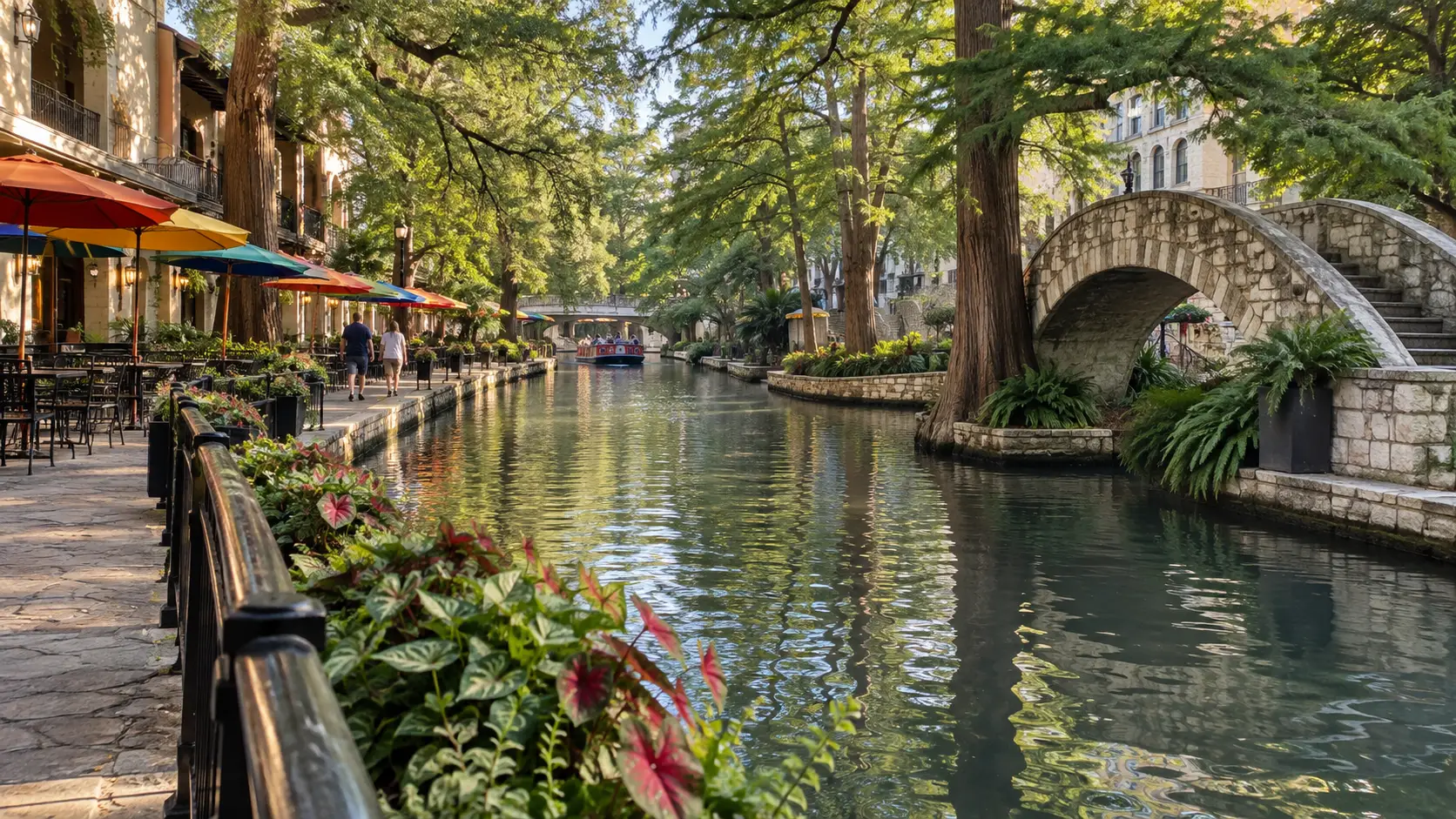
4. San Antonio for free history and river walks
San Antonio is a strong drive-market trip and a useful flight comparison for families and couples. The River Walk, historic plazas, markets, public art, and San Antonio Missions can create full days before you buy a theme-park ticket.
Stay downtown when the room premium is lower than parking plus repeated rides. If you drive, compare a less central hotel with its parking fee and the real cost of moving the car twice a day.
Do not assume every River Walk experience is free because boat tours, museums, restaurants, and events charge separately. Walking the public route and exploring Mission Reach can balance one paid attraction.
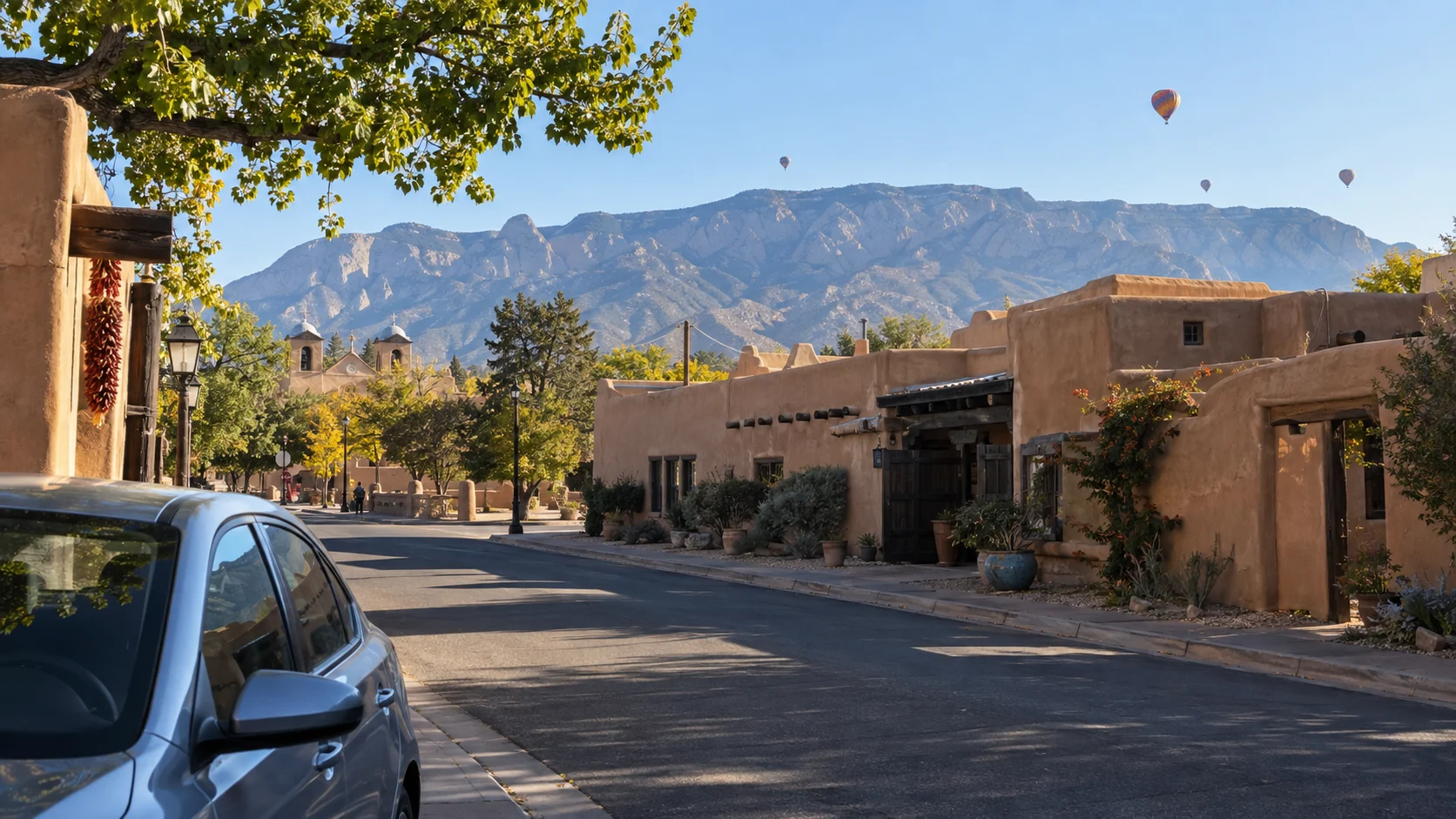
5. Albuquerque for a Southwestern road trip
Albuquerque delivers high-desert scenery, Old Town, Route 66 history, museums, local food, and access to hiking without Santa Fe’s typical lodging premium. It works best with a car, especially if Petroglyph National Monument, the Sandia foothills, or a day north is important.
The Albuquerque International Balloon Fiesta is spectacular and completely changes the hotel equation. If balloons are not your reason for traveling, avoid those dates and compare spring or fall shoulder weeks.
Stay in Albuquerque and make Santa Fe one deliberate day trip rather than moving hotels for a single night. Fuel and parking may still cost less than changing to a premium Santa Fe room.
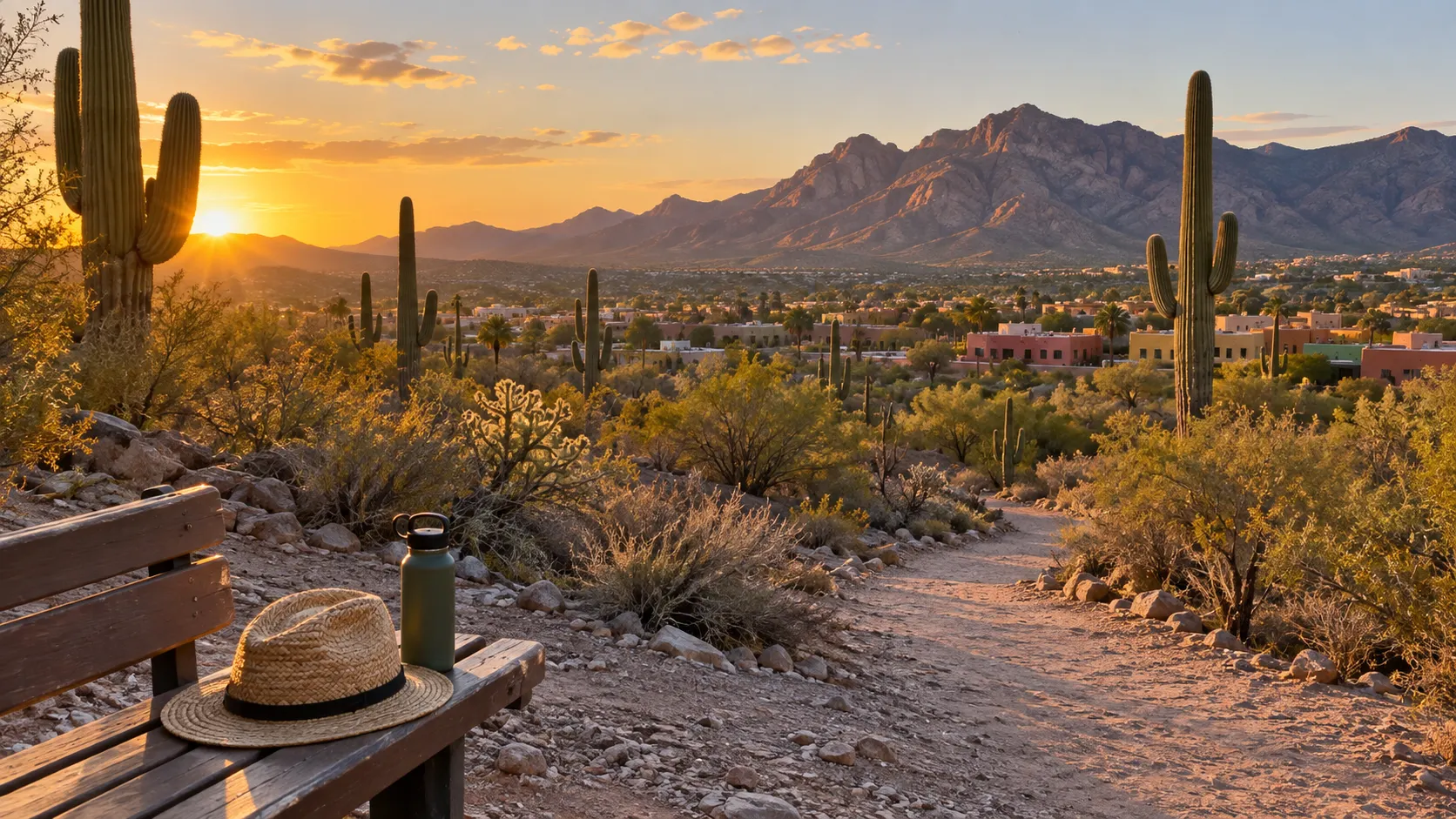
6. Tucson for desert scenery and Mexican American food
Tucson suits travelers who want hiking, desert drives, astronomy, history, and Sonoran food more than conventional city sightseeing. Winter and early spring bring the most appealing outdoor weather and stronger demand, while summer discounts come with serious heat.
A car is part of the trip because Saguaro National Park has east and west districts on opposite sides of the city. Group the Arizona-Sonora Desert Museum with the west side and Sabino Canyon with the northeast instead of crisscrossing town.
Choose a motel or simple hotel near the activities you will actually use, not halfway between every dot. One sunrise hike, a shaded midday plan, and an evening meal is a much better desert rhythm than stacking outdoor stops through the afternoon.
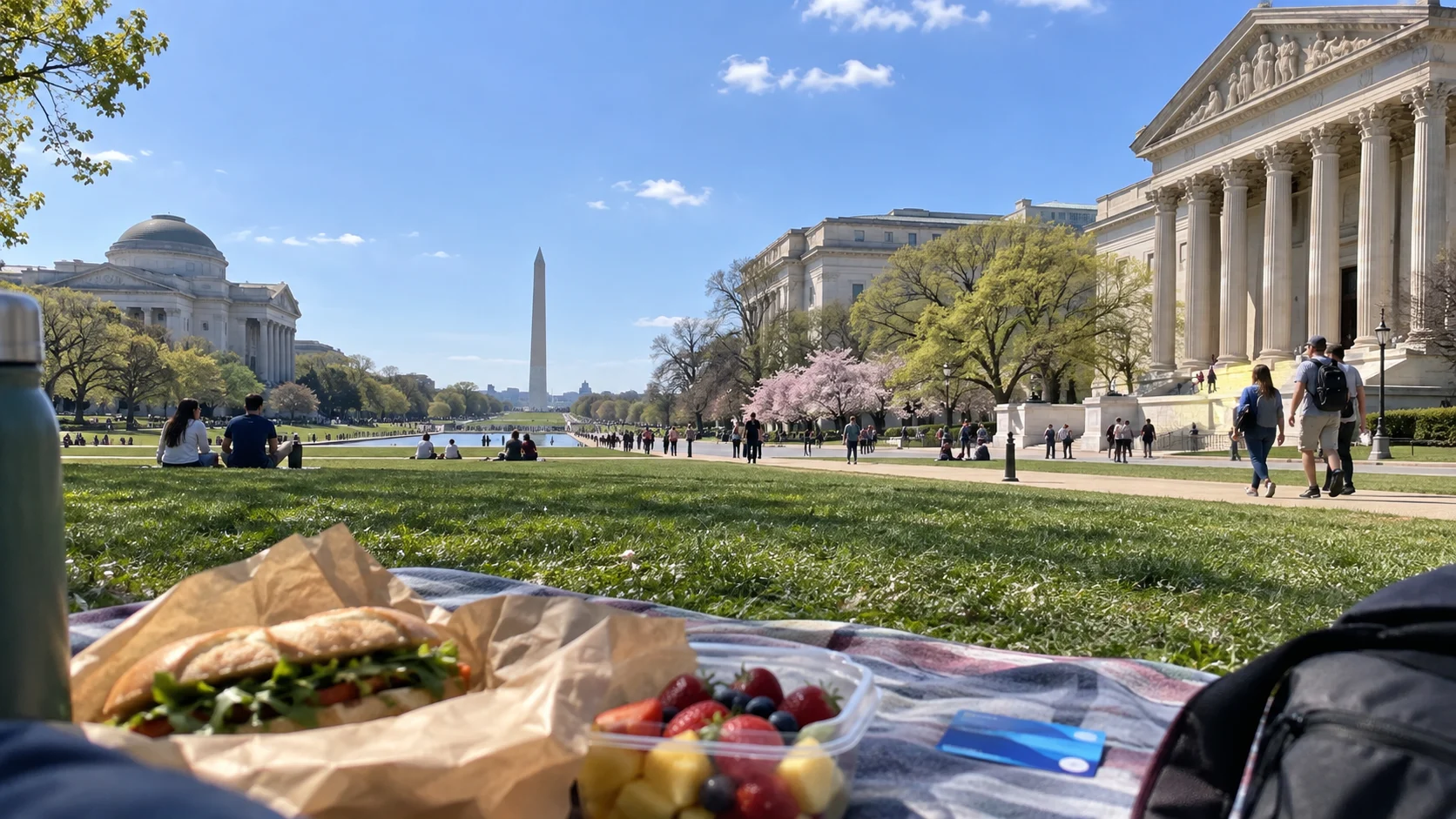
7. Washington, D.C., for free museums
Washington is not a cheap hotel market, but it can be an excellent total-value city because major museums, monuments, memorials, neighborhoods, and public spaces fill several days. It works best for travelers who can find a transit-connected room outside the most expensive core.
The Smithsonian confirms free admission at its museums except Cooper Hewitt in New York, though some Washington locations use timed passes. Reserve any required free pass early and check renovation closures before building a whole day around one building.
Compare hotels in Arlington, Alexandria, Silver Spring, and other Metro-connected areas using door-to-door time, not distance. A low rate beside no useful station can create daily ride costs that erase the savings.
Affordable nature trips in the United States
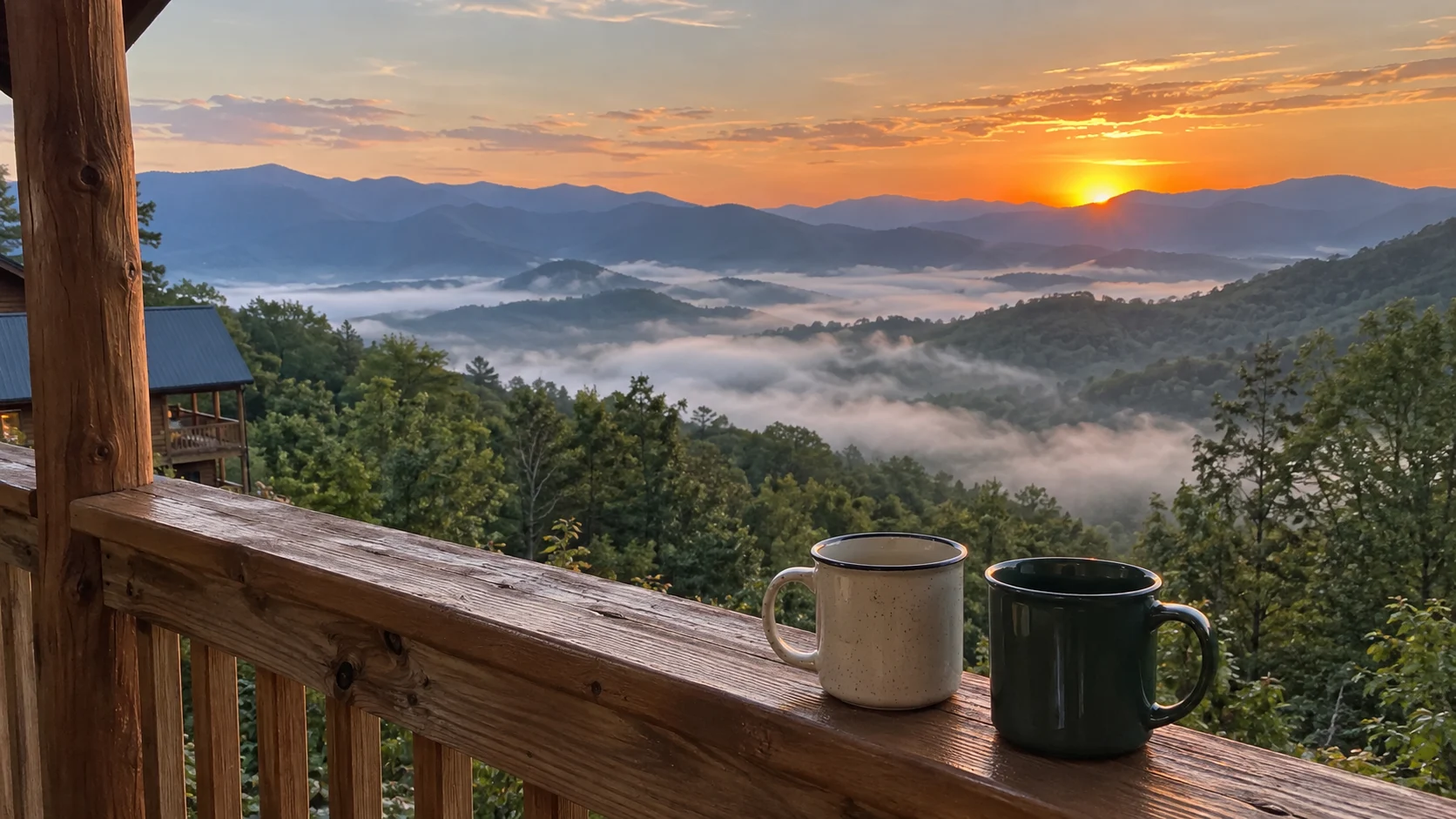
8. Great Smoky Mountains for a group cabin trip
Great Smoky Mountains National Park has no entrance fee, which makes it attractive for hikers, scenic drivers, and families. The park does require a parking tag for vehicles parked longer than 15 minutes, according to the current National Park Service fee page.
The lodging strategy decides whether the trip stays affordable. A cabin can be excellent value when a group uses every bedroom and cooks, while a couple may spend less at a simple motel near the entrance.
Gatlinburg and Pigeon Forge add paid attractions, parking, traffic, and restaurants that can dwarf the park cost. Pick one commercial splurge and let trails, picnic areas, overlooks, and scenic drives carry the rest.
Spring wildflowers and fall color create demand, while winter brings quieter roads alongside closures and variable mountain weather. A longer Blue Ridge route needs different pacing, as the plan for a Blue Ridge and Smokies road trip makes clear.
Affordable Canadian city trips
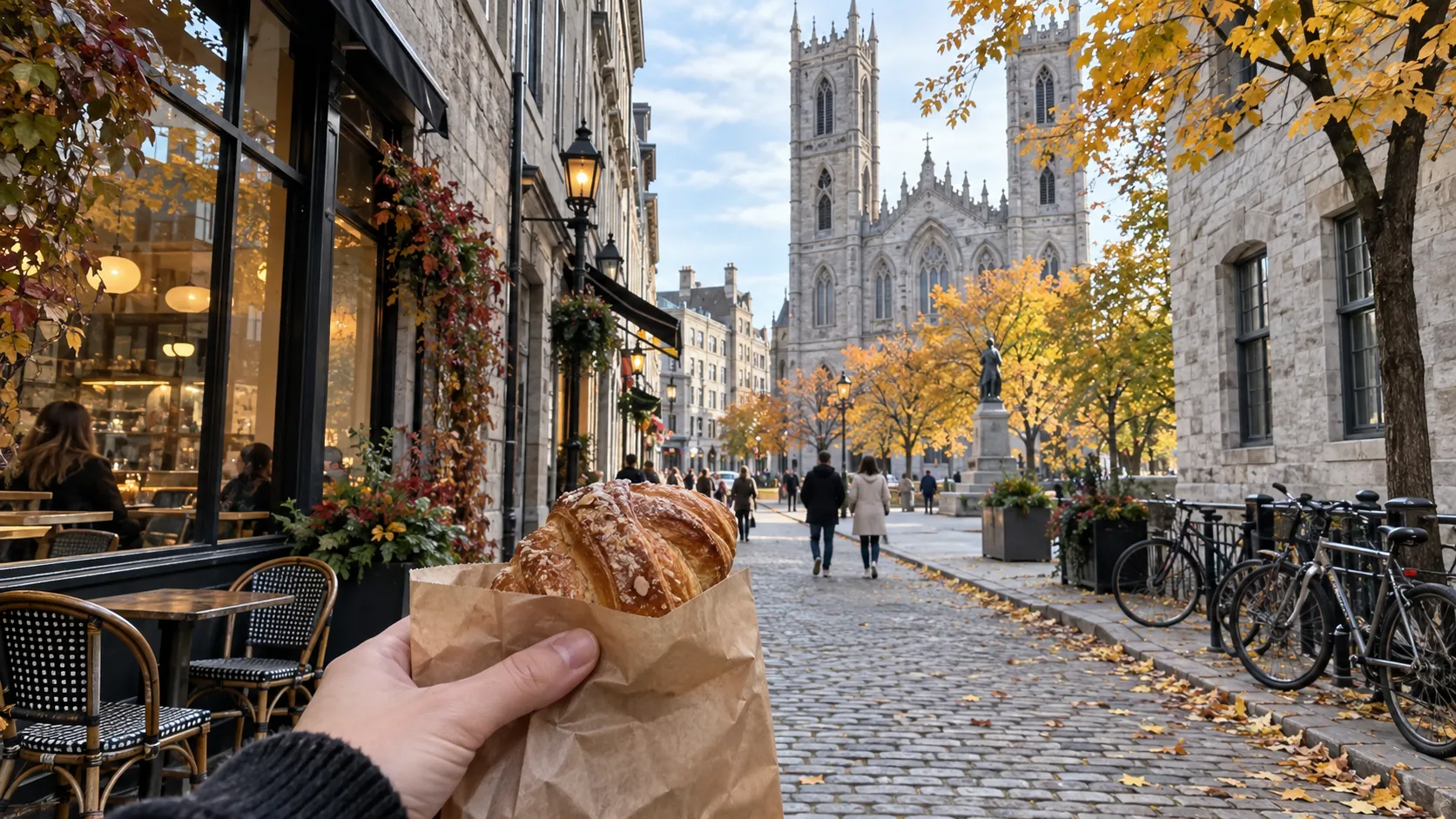
9. Montréal for a car-free food weekend
Montréal can be a good value when the exchange rate, airfare, and event calendar line up for U.S. travelers. Neighborhood bakeries, markets, parks, architecture, festivals, and a compact transit network make the city enjoyable without a rental car.
Tourisme Montréal describes the Metro as a simple four-line network connecting downtown with major visitor areas in its getting-around guide. Stay near a station outside the most expensive Old Montréal blocks and buy the transit product that matches your exact days.
Summer festivals and fall weekends can lift rates, while deep winter offers deals only if you genuinely enjoy cold-weather travel. Late spring is a useful compromise, but construction and event dates deserve a check.
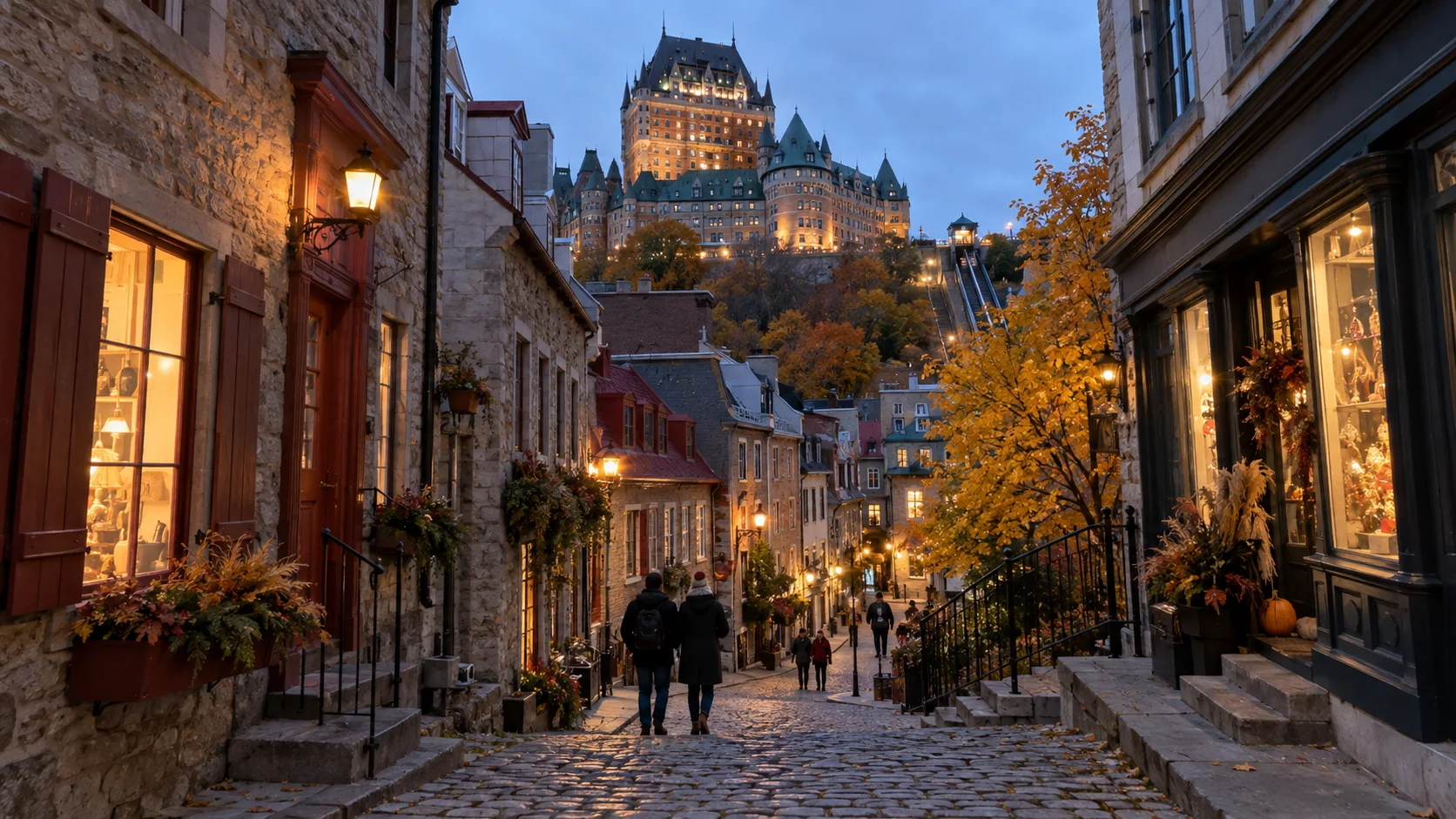
10. Québec City for a walkable short stay
Québec City works when you want historic streets, river views, French Canadian food, and a compact old-city atmosphere without flying to Europe. The core can be explored on foot, making three or four nights more sensible than a rushed day from Montréal.
Rooms inside the walls charge for atmosphere, while neighborhoods such as Saint-Roch and Saint-Jean-Baptiste can offer better value with an uphill walk or bus ride. Compare breakfast, parking, and stairs as closely as the nightly rate.
Summer and the winter Carnival bring strong demand for very different reasons. The lowest winter rate is only a deal if your clothing, walking comfort, and transportation plan can handle snow, ice, and short daylight.
A comparable five-night ground budget
Planning example: these are illustrative spending allocations in US dollars, not sampled hotel quotes or claims about current market averages. Each row uses two adults sharing one modest private room for 5 nights and 6 days, casual meals, local transportation, and the listed activity allowance, with airfare excluded.
Room allocations are whole-room nightly targets including taxes and mandatory lodging fees; food and local transport are daily totals for both people. Replace every target with an actual refundable quote for the same dates, including cancellation terms, before using the result to book.
- Base and defining outing: Mexico City: Centro and a museum day
- Room per night: $85
- Food per day: $55
- Local transport per day: $15
- Activities, trip total: $100
- Ground total for two: $945
- Base and defining outing: Oaxaca City: markets and historic center
- Room per night: $80
- Food per day: $55
- Local transport per day: $15
- Activities, trip total: $100
- Ground total for two: $920
- Base and defining outing: Mérida: city squares and one nearby outing
- Room per night: $75
- Food per day: $50
- Local transport per day: $20
- Activities, trip total: $100
- Ground total for two: $895
- Base and defining outing: San Antonio: missions and River Walk
- Room per night: $130
- Food per day: $80
- Local transport per day: $25
- Activities, trip total: $80
- Ground total for two: $1,360
- Base and defining outing: Albuquerque: Old Town and a scenic outing
- Room per night: $120
- Food per day: $75
- Local transport per day: $45
- Activities, trip total: $100
- Ground total for two: $1,420
- Base and defining outing: Tucson: desert park day and city food
- Room per night: $125
- Food per day: $75
- Local transport per day: $45
- Activities, trip total: $100
- Ground total for two: $1,445
- Base and defining outing: Washington, D.C.: Smithsonian museums and monuments
- Room per night: $160
- Food per day: $85
- Local transport per day: $20
- Activities, trip total: $40
- Ground total for two: $1,470
- Base and defining outing: Great Smokies: shared lodging and park walks
- Room per night: $140
- Food per day: $75
- Local transport per day: $45
- Activities, trip total: $60
- Ground total for two: $1,480
- Base and defining outing: Montréal: neighborhoods and Mount Royal
- Room per night: $150
- Food per day: $85
- Local transport per day: $20
- Activities, trip total: $80
- Ground total for two: $1,460
- Base and defining outing: Québec City: old-city walking and one museum
- Room per night: $145
- Food per day: $85
- Local transport per day: $20
- Activities, trip total: $80
- Ground total for two: $1,435
I would use these totals as a screening tool: if a destination’s real room quote breaks the target, rerun the math before paying a deposit. A lower ground total can still lose once flights, checked bags, an airport hotel, and transfers from your own departure city are added.
A Mexico City example totals $945 for two: $425 for five nights, $330 for six days of food, $90 local transport, and $100 activities. If flights and airport transfers together are quoted at $850 for the couple, the whole-trip comparison becomes $1,795; the $850 is a worked scenario, not a current airfare offer.
I would choose Mexico City for a flight-based food and museum break when that total fits, but San Antonio or Tucson may win for someone who can drive there. Montréal and Québec City are shown in U.S. dollars for comparison, so convert the actual Canadian-dollar quote using the payment provider’s rate and fees.
Which destination is cheapest for your travel style?
For a flight-based city break
Start with Mexico City, San Antonio, Washington, and Montréal. Use the destination with the best nonstop flight and the lowest combined room-plus-transit total, not the lowest average price in an online list.
For a road trip
Albuquerque, Tucson, and the Smokies become strong when they sit within a manageable drive from home. Calculate fuel, tolls, parking, an overnight stop, and mileage wear before automatically declaring driving cheaper than flying.
For food lovers
Mexico City, Oaxaca, Mérida, San Antonio, Montréal, and Québec City can all turn daily meals into the main attraction. Markets and neighborhood restaurants often provide better value than an isolated resort, but a famous tasting menu can consume the entire savings.
For families
Washington wins for free museums, San Antonio for a balance of history and paid attractions, and the Smokies for a shared cabin with outdoor days. Mexico City can also work beautifully for experienced city-traveling families comfortable with transit and crowds.
For couples
Oaxaca and Québec City offer atmosphere in a compact stay, while Montréal gives more nightlife and neighborhood variety. Tucson and Albuquerque win when the couple would rather hike at sunrise and drive scenic roads.
The dates that break a bargain
Every value destination has a week when the normal advice fails. Balloon Fiesta in Albuquerque, Day of the Dead in Oaxaca, major Montréal festivals, fall color in the Smokies, and school-break Washington can push lodging far above ordinary levels.
Search the official event calendar before selecting flights. If the event is the reason for the trip, book early and accept the premium; if not, move by one week and compare again.
Weather bargains also need honesty. Tucson in July, Québec City in January, and Washington in humid midsummer can cost less because the conditions require more planning.
How to make any destination cheaper
Travel for four nights instead of three when the same airfare is spread across more vacation, but only if the extra hotel night stays reasonable. Choose Sunday through Thursday when business and weekend demand do not work against you.
Stay near the activity cluster, grocery, and transit you will use. Paying $20 more for the room can save $50 in transportation and return an hour to each day.
Book one defining paid experience, then fill around it with parks, neighborhoods, public art, markets, and free museum periods. A trip feels abundant when the spending matches your priorities rather than happening accidentally.
If warm water matters more than a mainland city, use a separate Caribbean total-cost comparison. Island transfers, imported food, resort fees, and storm-season tradeoffs need their own math.
My best-value shortlist
Mexico City is my strongest culture-per-dollar candidate, Oaxaca is the best compact food trip, and San Antonio is the easiest U.S. family comparison. Washington wins when free museums offset the room, while Albuquerque and the Smokies reward groups sharing a car and lodging.
Montréal and Québec City belong in the search whenever airfare and exchange rates cooperate. Run the ten destinations through the same dates and full cost, and the honest winner will be yours rather than somebody else’s average.