25 Most Beautiful National Parks in the World That Feel Unreal
Some national parks are beautiful enough to stop a conversation. They contain the kind of landscapes that make mountains look sculpted, lakes look illuminated, and wildlife encounters feel like glimpses into another world.
These 25 parks deliver that sense of wonder in completely different ways. Expect glaciers, red deserts, turquoise lagoons, ancient forests, thundering waterfalls, and horizons so enormous that photographs can barely contain them.
Going Through the Parks
1. Torres del Paine National Park, Chile
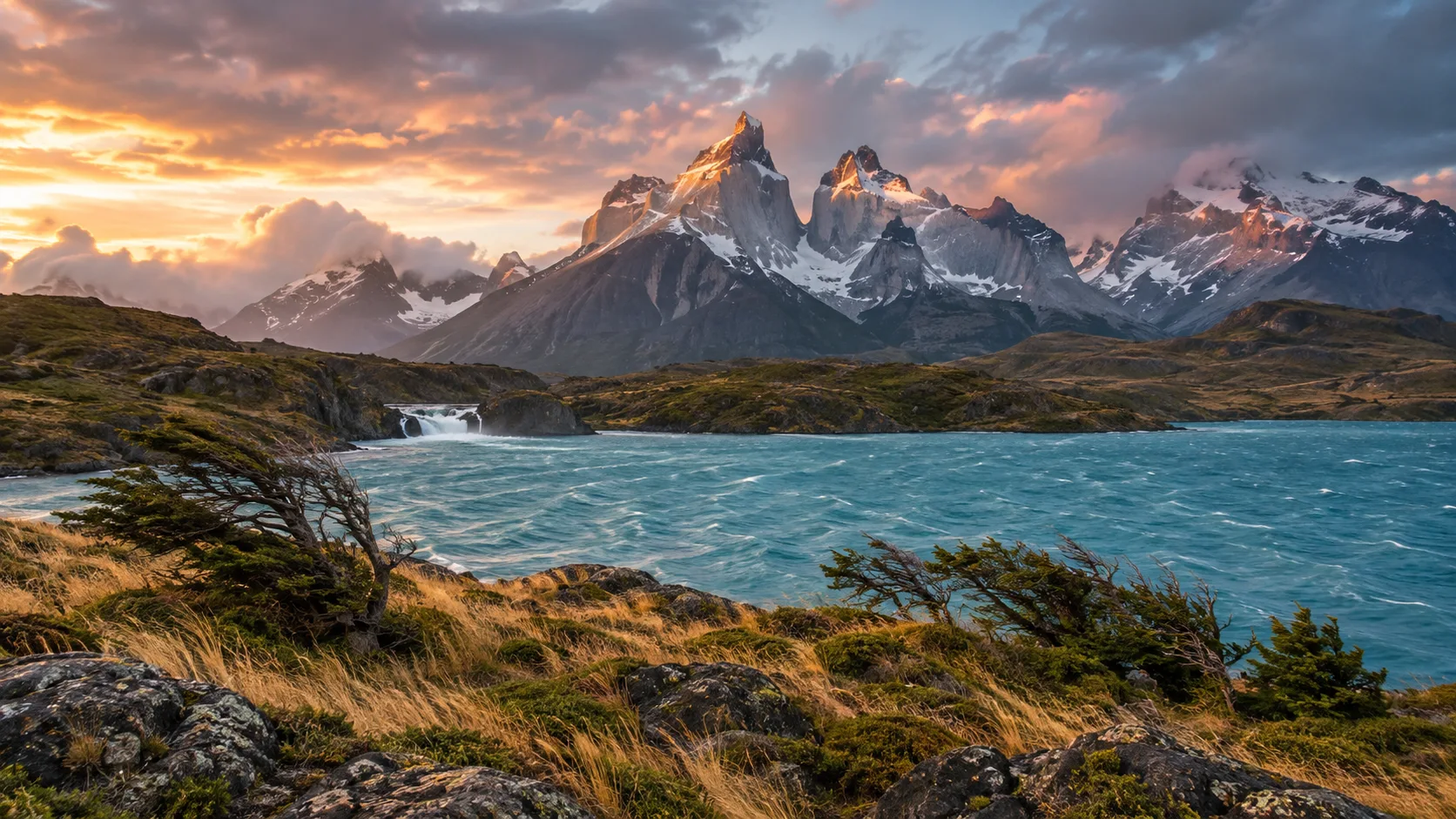
Torres del Paine looks as if Patagonia decided to show off all at once. Pale granite towers rise above turquoise lakes, glaciers spill from the Southern Patagonian Ice Field, and golden grasslands roll beneath a sky that never seems to stop moving.
Lake Pehoé can glow an almost electric blue on a clear day, while the Cuernos del Paine appear striped in dark and light stone behind it. Guanacos wander through the open steppe, condors circle high above the ridges, and even the clouds add drama as they wrap around the peaks.
The famous W Trek brings hikers close to Base Torres, the Francés Valley, and Grey Glacier, but you do not need to complete a multi-day route to feel the park’s scale. Miradores throughout the park deliver views that would be the grand finale almost anywhere else.
Patagonian wind and weather change quickly, so check the official Torres del Paine information before visiting. The practical details matter, but those granite towers will be the part you remember.
2. Fiordland National Park, New Zealand
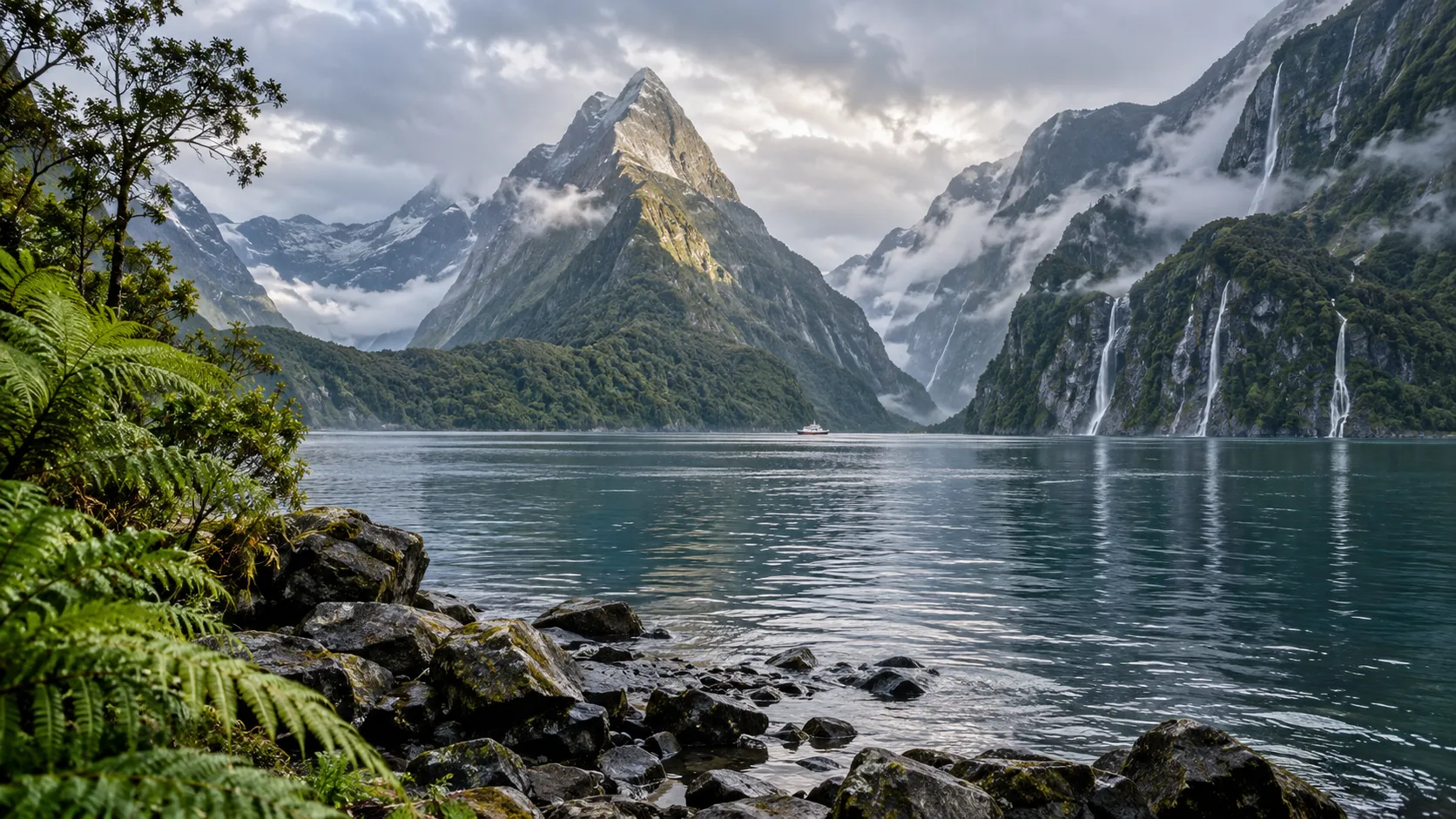
Fiordland is a landscape shaped by water in every possible form. Dark fiords cut between mountains, rain beads on ancient moss, waterfalls stream from cliffs, and clouds drift so low that they seem to touch the forest.
Milford Sound/Piopiotahi is the famous view, especially when Mitre Peak rises above still water. Doubtful Sound/Patea feels even more remote, with forested walls reflected in quiet channels where dolphins and seals sometimes appear.
The park becomes more magical in the rain rather than less. Storms can send hundreds of temporary waterfalls down bare rock faces, transforming the entire scene within minutes.
The Milford, Routeburn, and Kepler tracks let walkers enter this green world slowly, but cruises and overlooks offer their own unforgettable perspective. New Zealand’s Department of Conservation provides current guidance for exploring the park.
3. Banff National Park, Canada
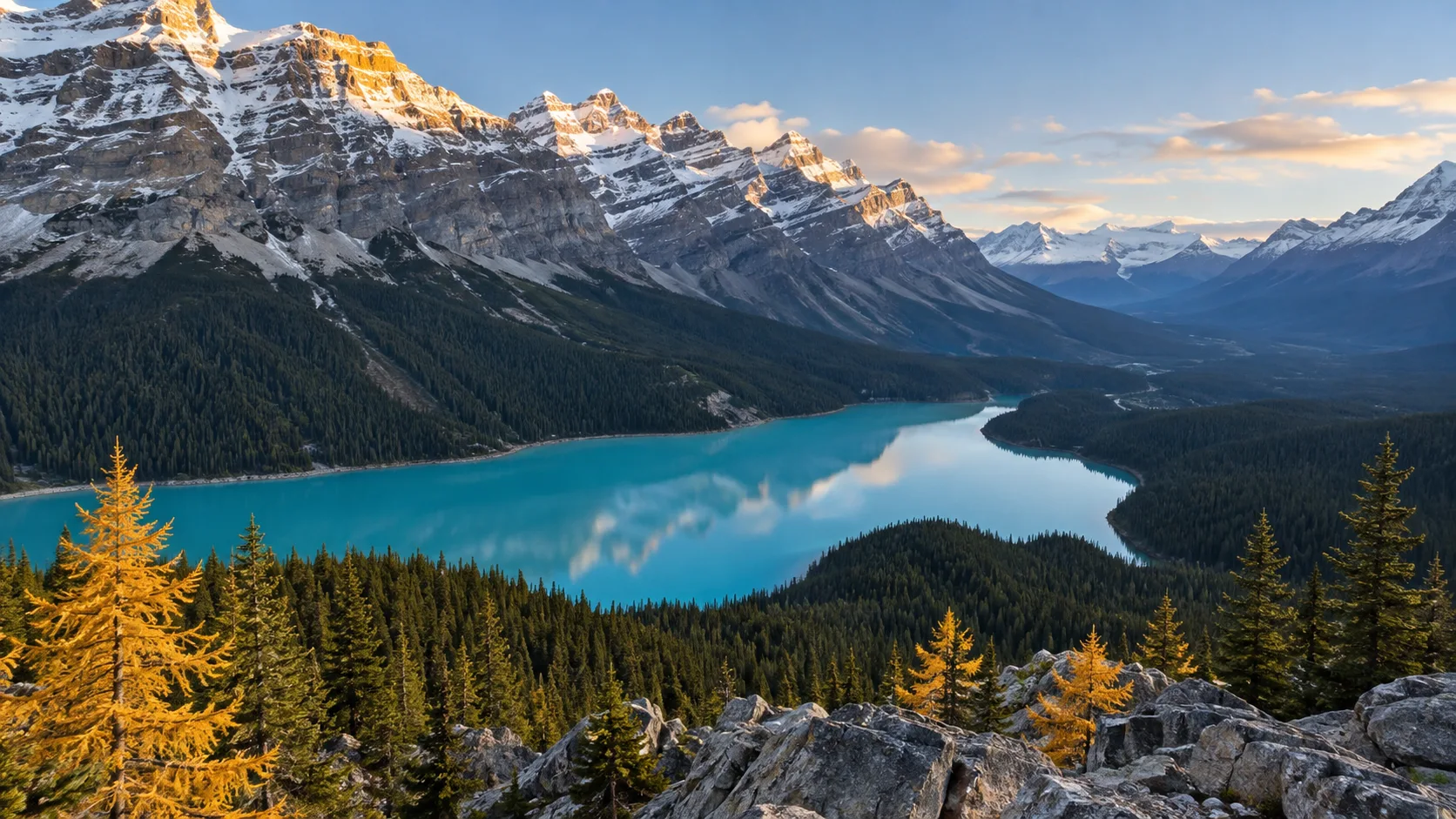
Banff is the Canadian Rockies at their most cinematic. Glacier-fed lakes glow beneath sharp limestone peaks, evergreen forests climb the lower slopes, and broad valleys make every mountain feel even larger.
Moraine Lake is almost impossibly vivid, with ten peaks rising behind water that shifts from turquoise to deep blue. Lake Louise offers a gentler composition of milky blue water, Victoria Glacier, and forested shoreline, especially when the first light reaches the mountains.
The Icefields Parkway adds waterfalls, icefields, wildlife, and viewpoints for nearly its entire length. In fall, golden larches ignite the high valleys and create a completely different version of Banff’s beauty.
Moraine Lake Road is closed to personal vehicles, so access requires advance planning through shuttles or licensed transportation. The effort is worth it for anyone who wants to see some of the most extraordinary lakes in the world in a single trip.
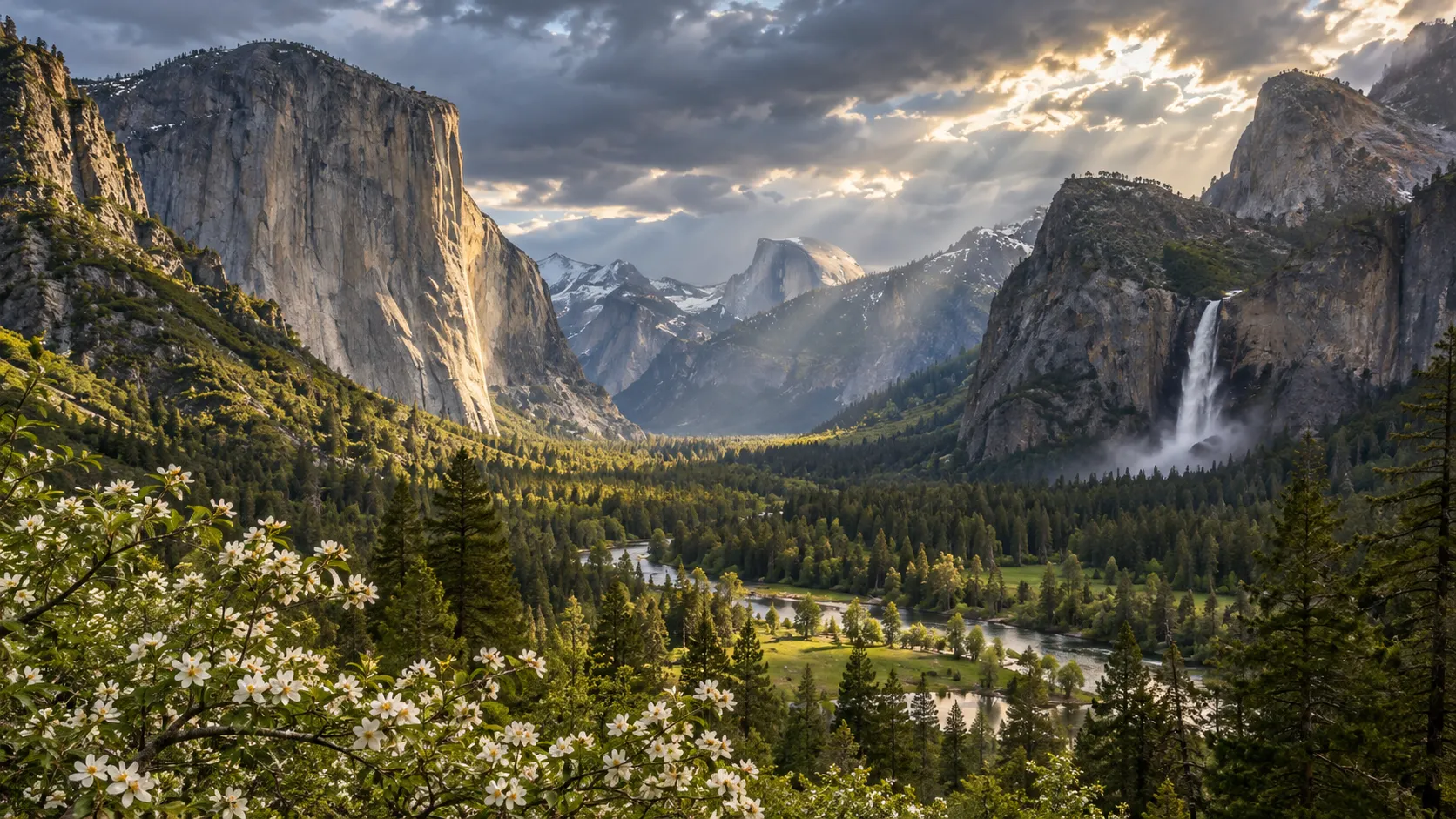
4. Yosemite National Park, United States
Yosemite Valley is one of those rare places that feels familiar and astonishing at the same time. El Capitan rises like a stone wall, Half Dome catches the changing light, and waterfalls tumble from cliffs that seem far too high to belong to an ordinary landscape.
Spring brings Yosemite Falls and Bridalveil Fall to life with snowmelt. Mist drifts through the valley, dogwoods bloom beneath the cliffs, and the Merced River mirrors granite peaks between the trees.
The park reaches far beyond its famous valley. Giant sequoias stand in Mariposa Grove, alpine meadows spread through Tuolumne, and Glacier Point reveals the valley as one enormous sculpture of rock and ice.
One of Yosemite’s strongest qualities is the contrast between intimacy and scale. You can stand beside a quiet river one moment and look up to find a granite face filling almost the entire sky.
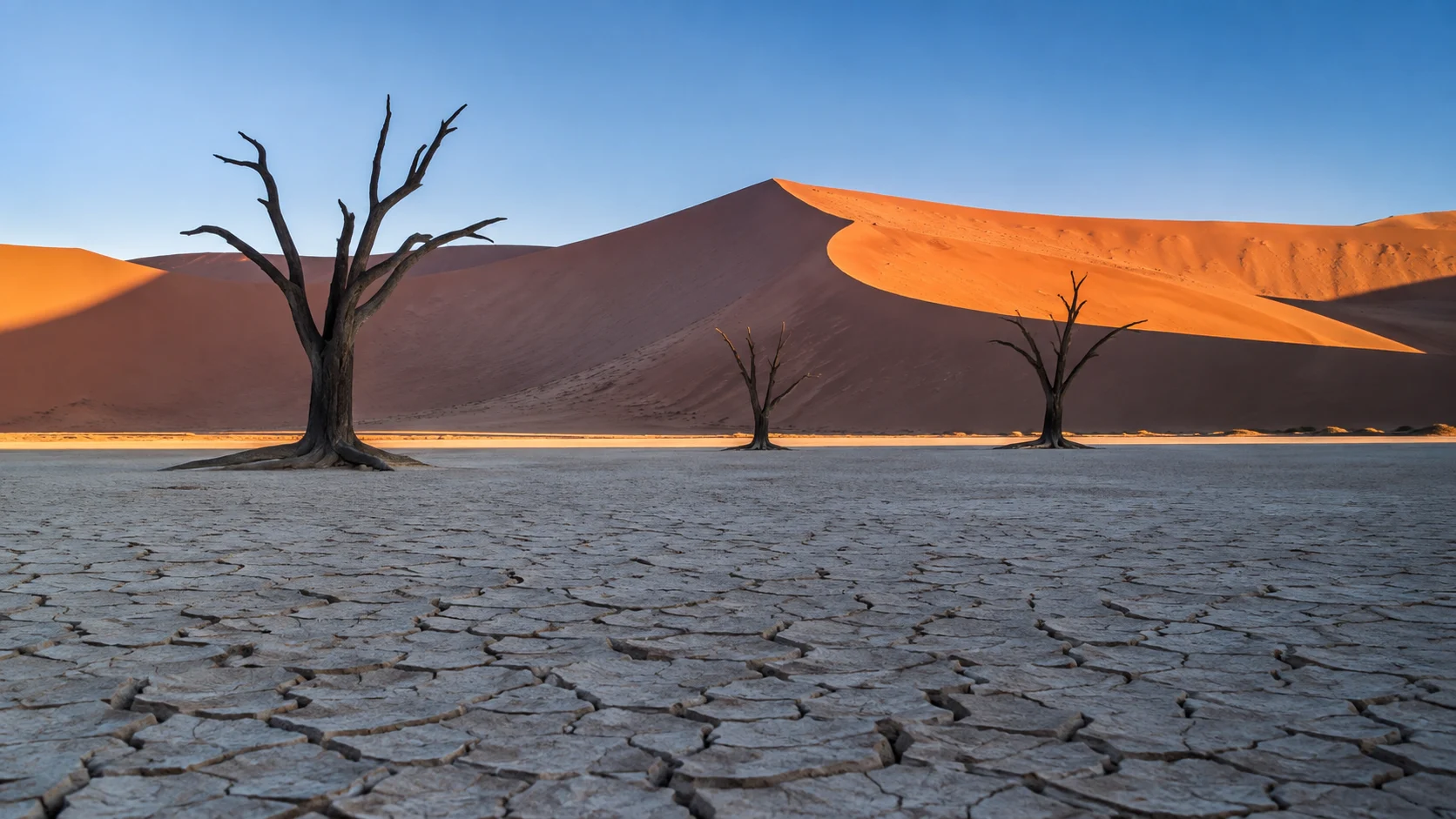
5. Namib-Naukluft National Park, Namibia
Namib-Naukluft is beauty stripped down to strikingly simple forms: sand, sky, shadow, and light. Enormous rust-red dunes rise above pale clay pans, creating curves and colors that change with every hour.
Deadvlei is the park’s most surreal scene. Blackened camel thorn trees stand across a white clay floor while orange dunes tower behind them, producing a landscape that looks more like a painting than a real place.
At sunrise, one side of each dune turns fiery orange while the other remains almost black. By midday, the shapes flatten in the bright light, only to deepen again as evening shadows sweep across the desert.
The silence makes the scenery feel even larger. Aside from wind moving over the sand and the occasional oryx crossing the plain, the desert seems to hold its breath.
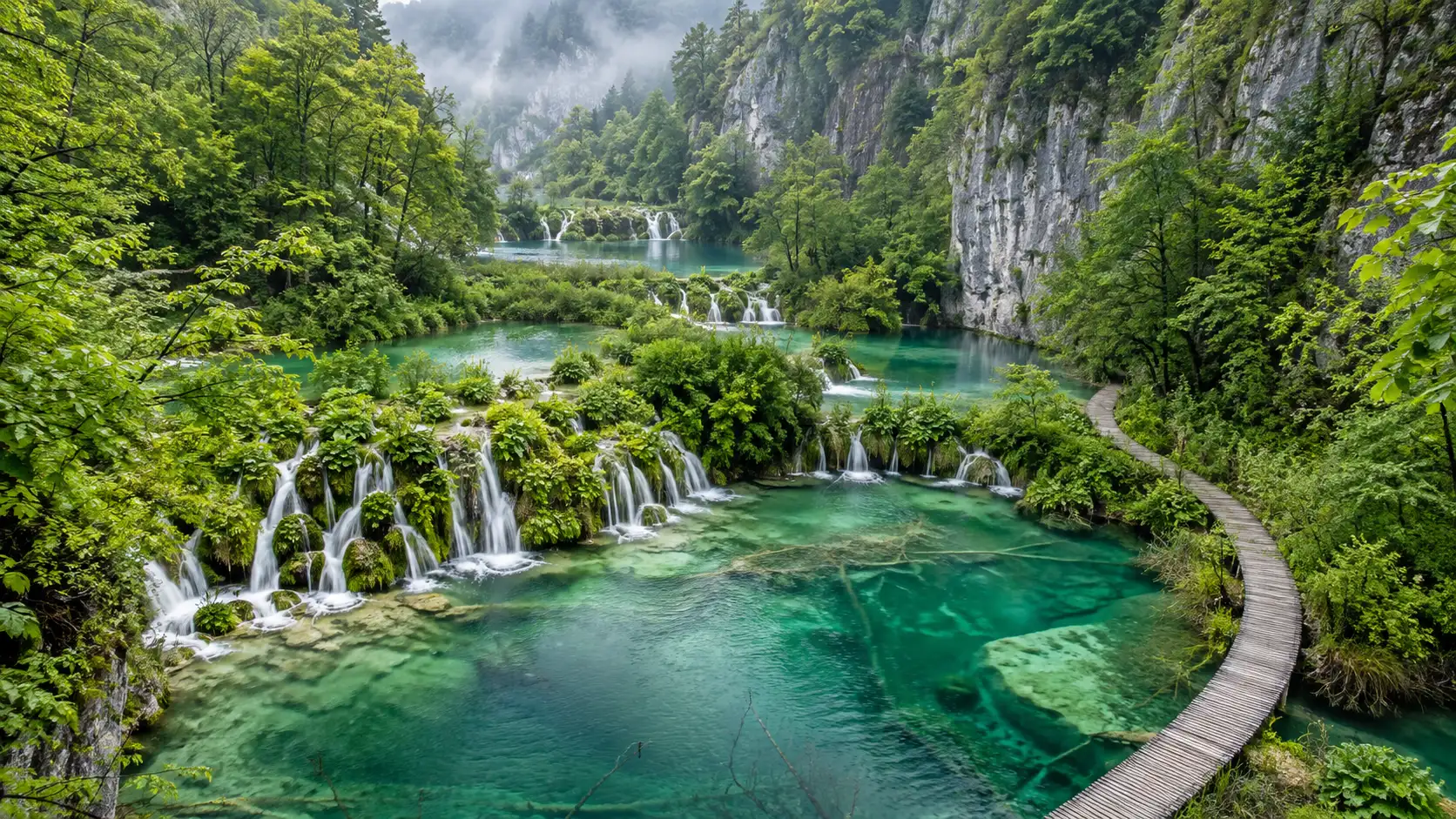
6. Plitvice Lakes National Park, Croatia
Plitvice feels like a forest built around water. A chain of blue-green lakes spills over travertine barriers, creating waterfalls that range from delicate ribbons to wide, roaring cascades.
Wooden boardwalks pass just above the water and beneath leafy branches. Fish remain visible through the clear shallows, mist rises beside the falls, and every bend reveals another pool in a slightly different shade of turquoise, jade, or deep blue.
Spring gives the waterfalls their greatest energy, summer intensifies the greens, fall surrounds the lakes with copper and gold, and winter can freeze the entire park into a quiet world of ice. Few destinations change so beautifully with the seasons.
The individual falls are lovely, but the true wonder is seeing the whole water system flow from lake to lake. It belongs beside the cascades in my collection of the world’s most beautiful waterfalls.
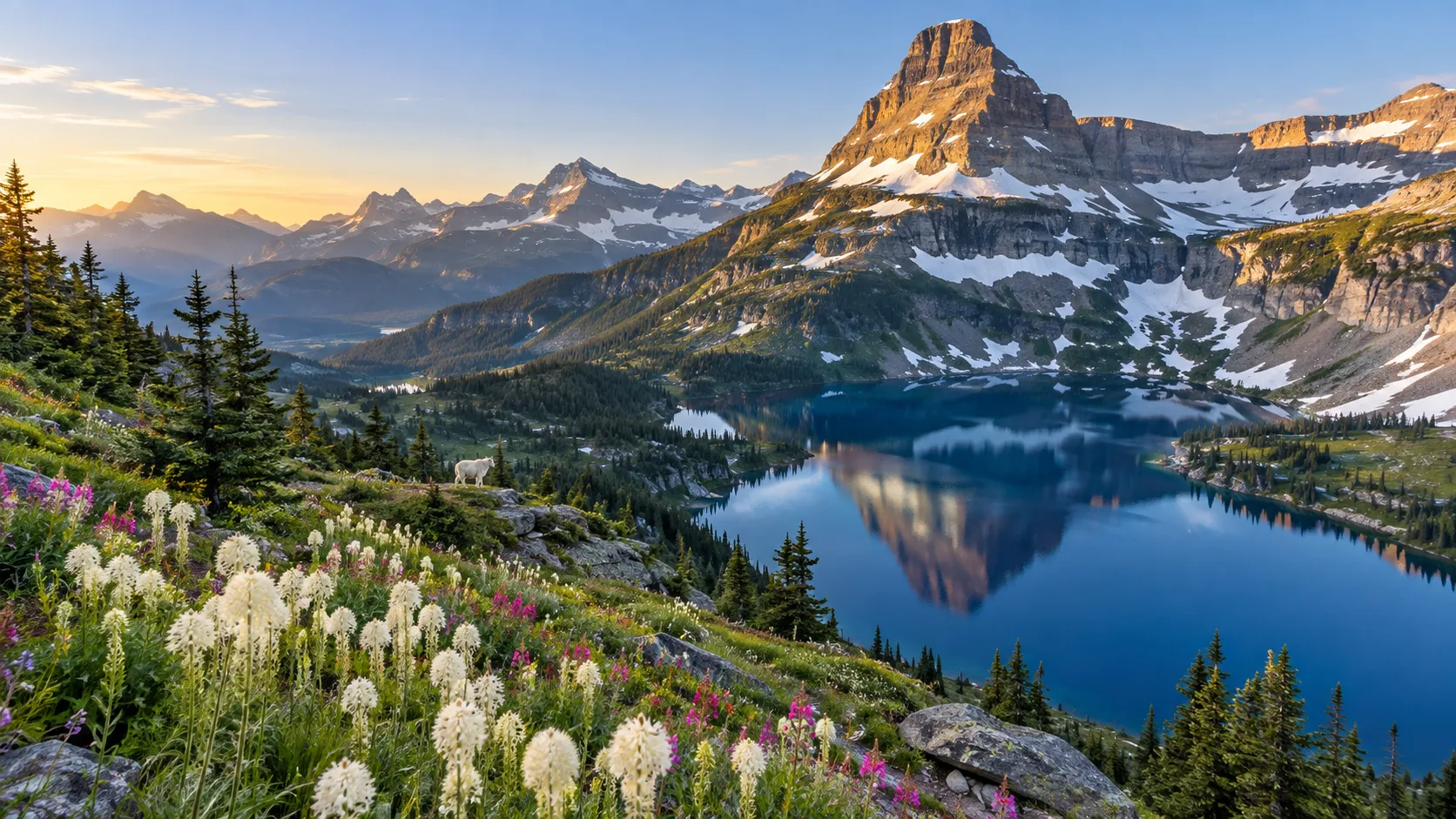
7. Glacier National Park, United States
Glacier National Park earns its nickname as the Crown of the Continent. Knife-edged peaks rise above alpine lakes, waterfalls streak down mountainsides, and wildflower meadows soften an otherwise rugged landscape.
Going-to-the-Sun Road crosses the park like a balcony in the mountains. Near Logan Pass, bighorn sheep and mountain goats move across slopes framed by valleys that appear to drop forever.
Many Glacier feels especially grand, with layered peaks reflected in Swiftcurrent Lake and trails leading toward hidden waterfalls and glacial basins. Two Medicine is quieter but no less lovely, particularly when morning light reaches the surrounding ridges.
Lake McDonald offers a gentler kind of beauty near the western entrance. Its famously colorful stones shine through clear water while mountains gather at the far end of the lake.
8. Yellowstone National Park, United States
Yellowstone is beautiful because the earth never feels fully settled. Geysers erupt from open basins, hot springs glow in unnatural colors, and steam drifts across the landscape even on bright summer mornings.
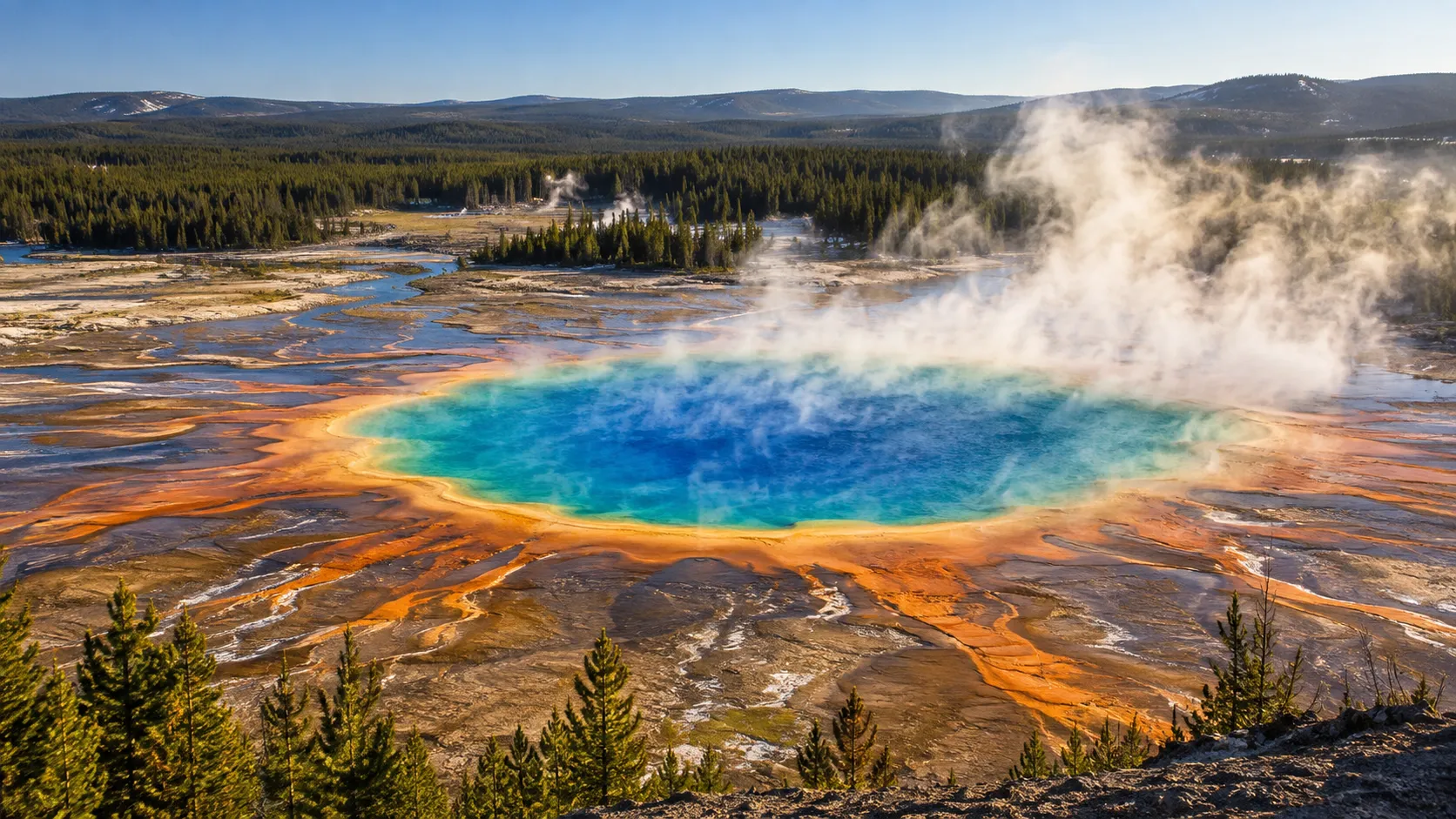
Grand Prismatic Spring looks like a piece of the sun set into the ground, with a deep blue center surrounded by bands of green, yellow, orange, and rust. Old Faithful is iconic, but the quieter pools and vents scattered across the geyser basins make the park feel truly otherworldly.
The Grand Canyon of the Yellowstone adds golden walls and the thunder of Lower Falls. Elsewhere, the Lamar and Hayden valleys stretch beneath wide skies where bison herds move across the grass and wolves may appear at the edge of vision.
It is the combination that makes Yellowstone extraordinary. Geothermal color, waterfalls, wildlife, forests, and open valleys coexist within one park, creating something far stranger and more varied than a single postcard can show.
9. Serengeti National Park, Tanzania
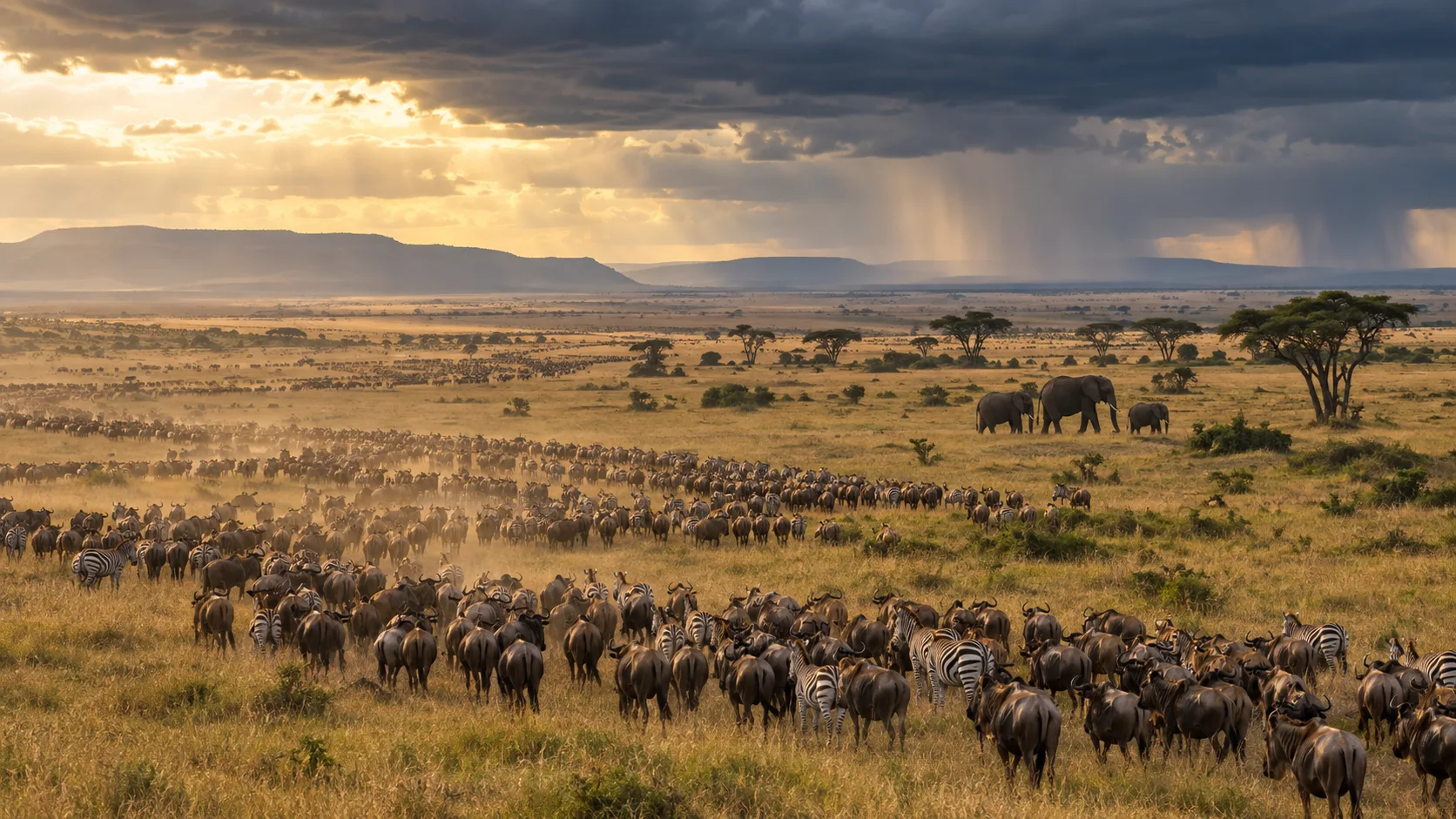
The Serengeti’s beauty begins with scale. Grasslands roll toward an uninterrupted horizon, acacia trees stand alone beneath enormous skies, and kopjes rise like islands from a golden sea.
Then the landscape moves. Wildebeest gather in numbers that are difficult to comprehend, zebras thread through the herds, giraffes cross the plains with slow elegance, and predators watch from the grass.
Sunrise turns the savanna pale gold, while evening deepens it into amber and red. A distant thunderstorm, a line of elephants, or a lion silhouetted on a rock can make the entire horizon feel alive.
No single animal sighting is guaranteed, and that unpredictability is part of the wonder. The Serengeti is not a wildlife stage but a vast living system continuing on its own terms.
10. Galápagos National Park, Ecuador
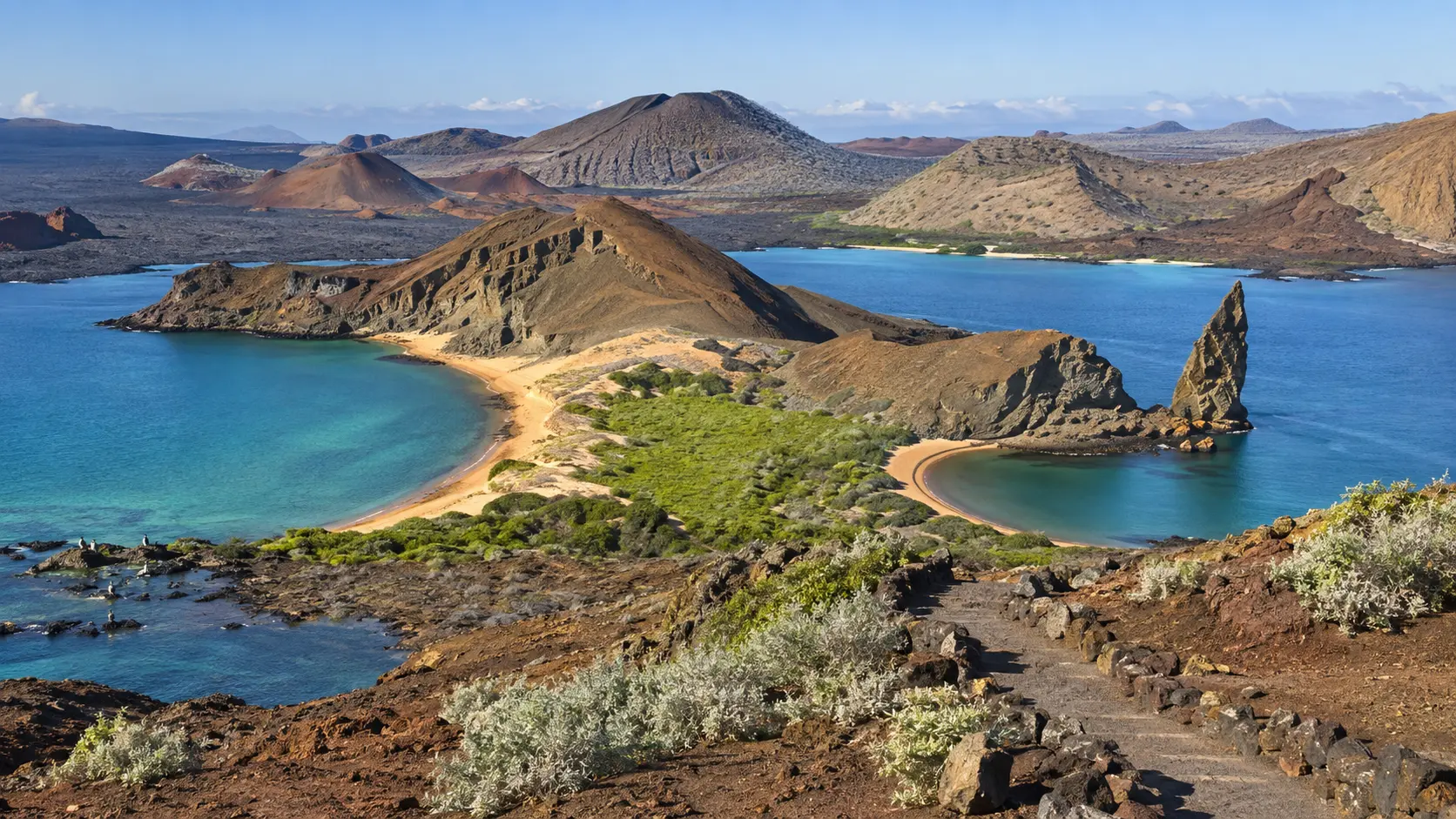
The Galápagos Islands are not conventionally lush, and that makes them even more captivating. Black lava meets clear water, cactus forests grow from volcanic soil, and strange animals behave as if humans are merely another passing species.
Marine iguanas bask in tangled groups, blue-footed boobies perform courtship dances, and giant tortoises move through green highlands at a pace that seems to belong to another age. Sea lions nap on beaches before slipping into water so clear that every movement becomes visible.
Each island has its own personality. One may be defined by rust-colored cliffs and seabirds, while another offers white sand, mangroves, penguins, or lava fields that look barely cooled.
That variety makes the Galápagos as much about discovery as beauty. It is also a natural companion to the remote places featured in my guide to the most beautiful islands in the world.
11. Komodo National Park, Indonesia
Komodo National Park combines landscapes that seem designed for completely different vacations. Dry savanna ridges rise above brilliant bays, coral reefs shimmer beneath the water, and Komodo dragons move through a terrain that feels ancient.
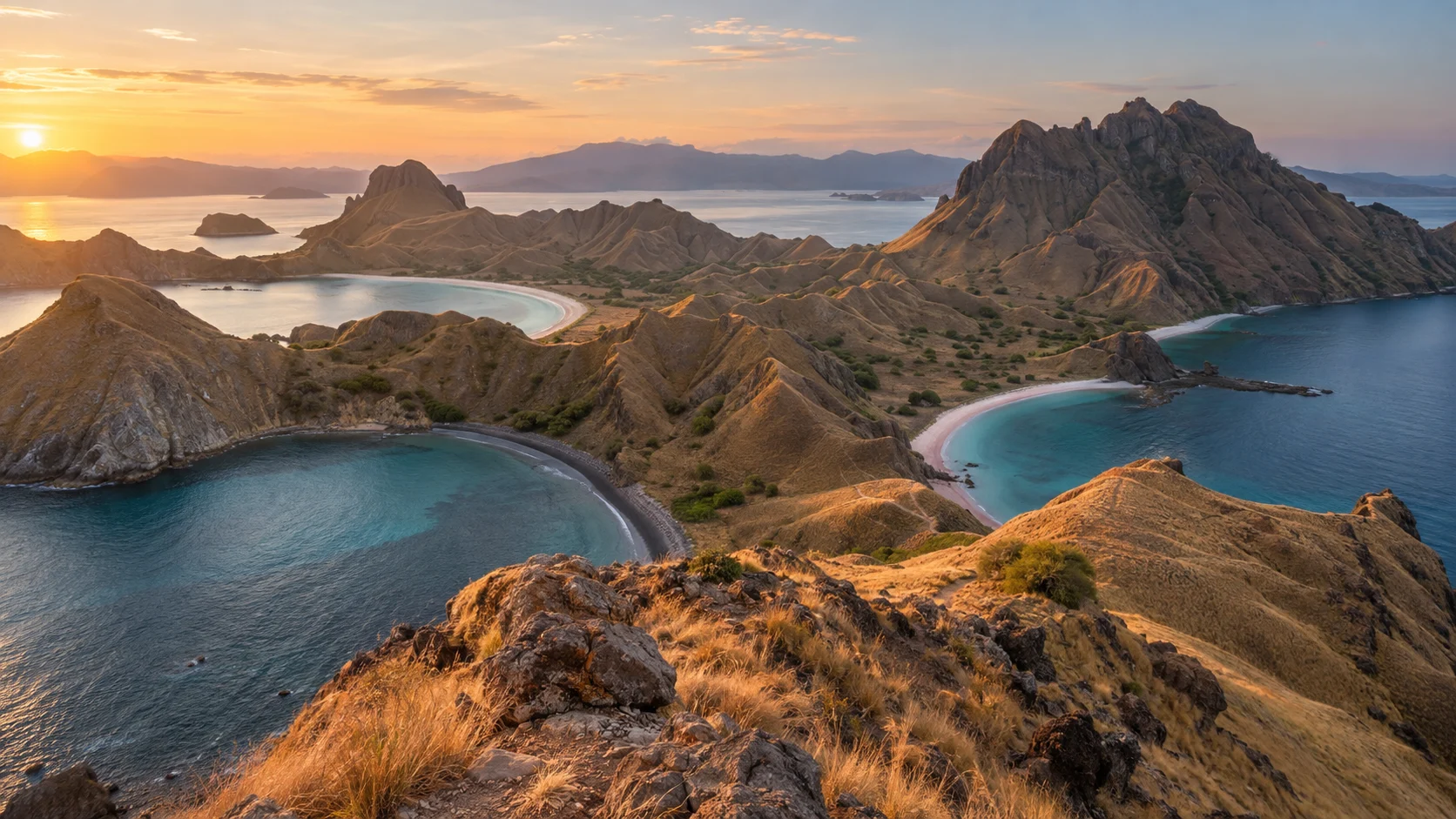
Padar Island provides the park’s defining panorama. From the high ridge, three curving beaches wrap around dark hills while the sea shifts between navy, turquoise, and pale blue.
Below the surface, the colors become even richer. Manta rays glide through open water, coral gardens attract schools of fish, and strong currents support one of the most dynamic marine environments in the region.
The dragons are extraordinary, but they are only one part of the park’s appeal. Following ranger instructions and using responsible operators protects both visitors and the remarkable wildlife that makes Komodo unlike anywhere else.
12. Vatnajökull National Park, Iceland
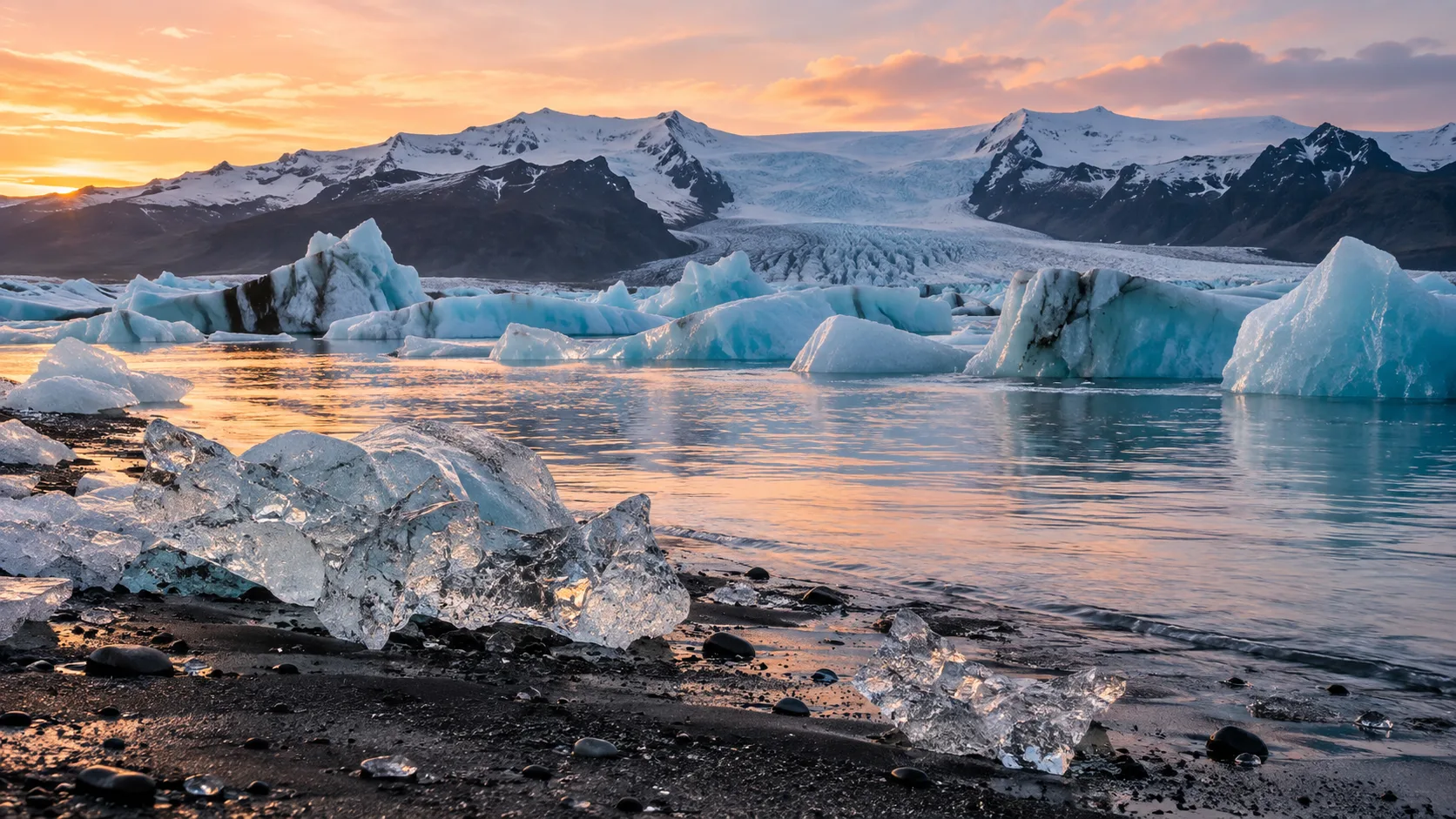
Vatnajökull is a kingdom of ice and fire. Europe’s largest ice cap by volume spreads across southeastern Iceland while volcanoes, black sand, glacier rivers, and waterfalls reshape the land around it.
At Jökulsárlón, blue and white icebergs drift through a lagoon before fragments wash onto the black sand of Diamond Beach. Farther west, Skaftafell places green valleys and waterfalls beneath the vast edge of the ice cap.
Glacier tongues descend between mountains in folds of cracked blue ice. In winter, meltwater can carve temporary caves that glow in shades of sapphire, although their shapes and safe locations change constantly.
The park feels elemental because its landscape is visibly unfinished. Ice retreats, rivers move, volcanoes stir, and every season reveals a different boundary between frozen and volcanic worlds.
13. Table Mountain National Park, South Africa
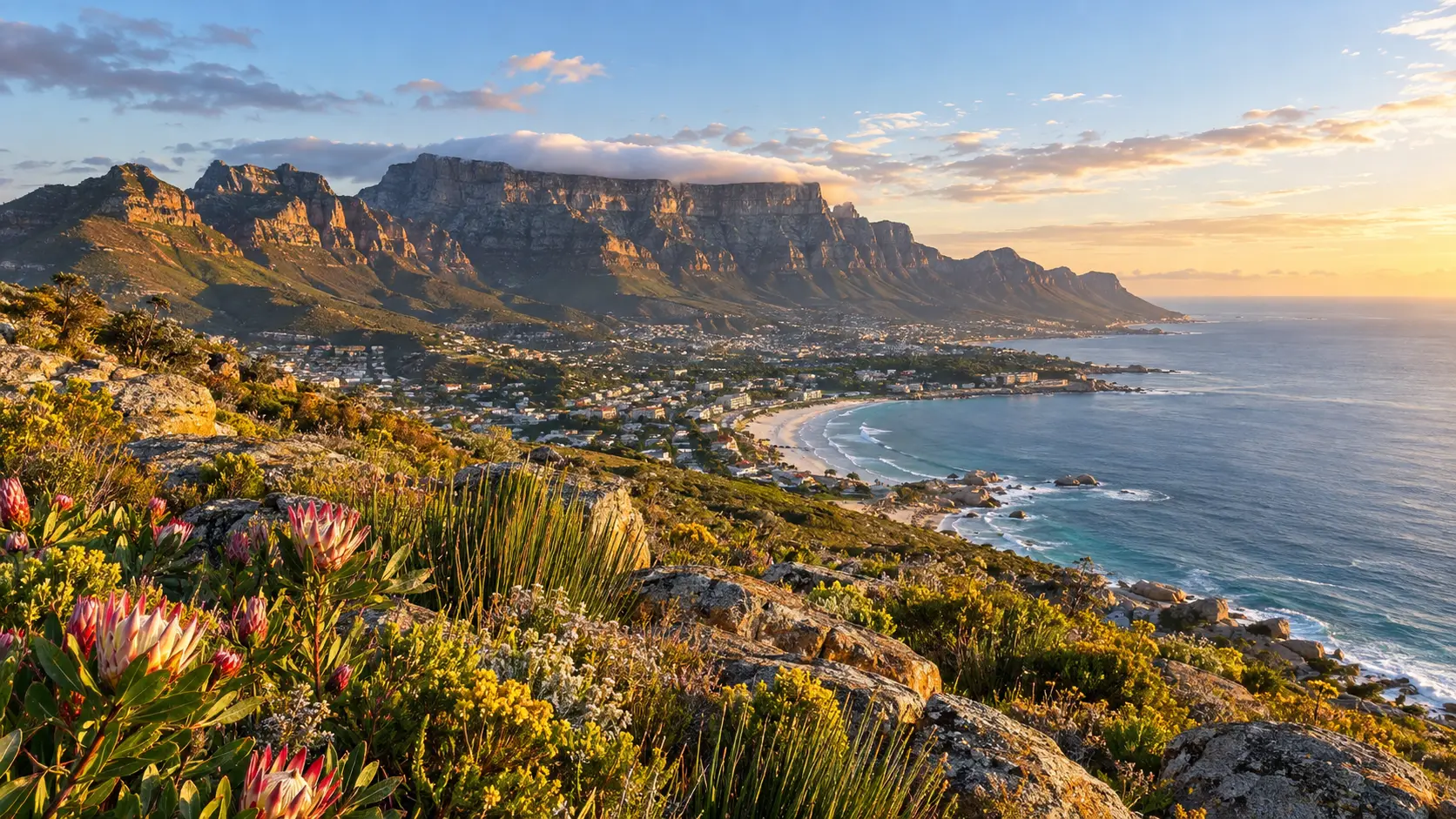
Table Mountain National Park brings wild scenery directly into Cape Town. The mountain’s flat summit rises above the city, while the protected landscape continues south through fynbos-covered slopes, granite beaches, and the cliffs of the Cape Peninsula.
From the top of Table Mountain, Cape Town curves between mountain and ocean. Lion’s Head, the Twelve Apostles, Robben Island, and the bright Atlantic coastline fit into a panorama that seems far too large for one viewpoint.
The park becomes even more varied toward Cape Point, where steep cliffs meet restless water and low vegetation glows beneath the sun. Boulders Beach adds its famous colony of African penguins among sheltered coves and rounded granite rocks.
Few national parks combine city views, endemic plants, beaches, mountains, and wildlife so naturally. Wind may hide the summit beneath its white tablecloth of cloud, but even that feels like part of the spectacle.
14. Grand Canyon National Park, United States
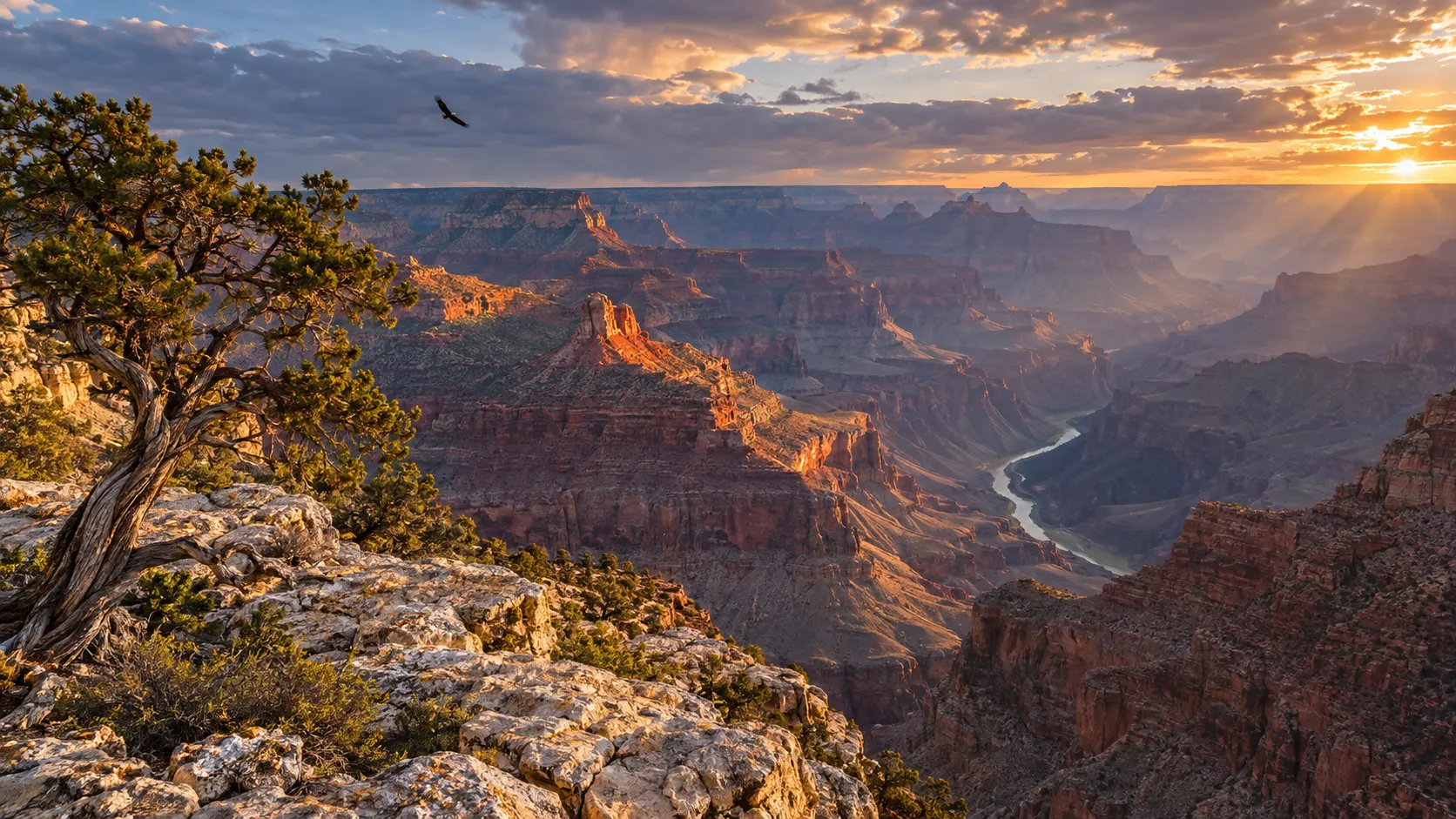
The Grand Canyon is so large that the mind struggles to turn it into one coherent landscape. Layer after layer of red, gold, cream, and violet rock descends toward the Colorado River, with distant formations fading into blue haze.
Light constantly redraws the canyon. Sunrise catches the highest ridges first, midday reveals the depth of side canyons, and sunset sends bands of color moving across walls that looked flat only minutes earlier.
The South Rim provides sweeping views without requiring a difficult hike, but stepping even a short distance below the rim changes the relationship completely. The canyon walls begin to rise around you, and the river remains hidden far beneath an enormous maze of stone.
Current access can change after storms, fires, rockfall, or water disruptions, so consult the National Park Service conditions before visiting. No logistical detail, however, can prepare you for the first moment the full canyon opens in front of you.
15. Kruger National Park, South Africa
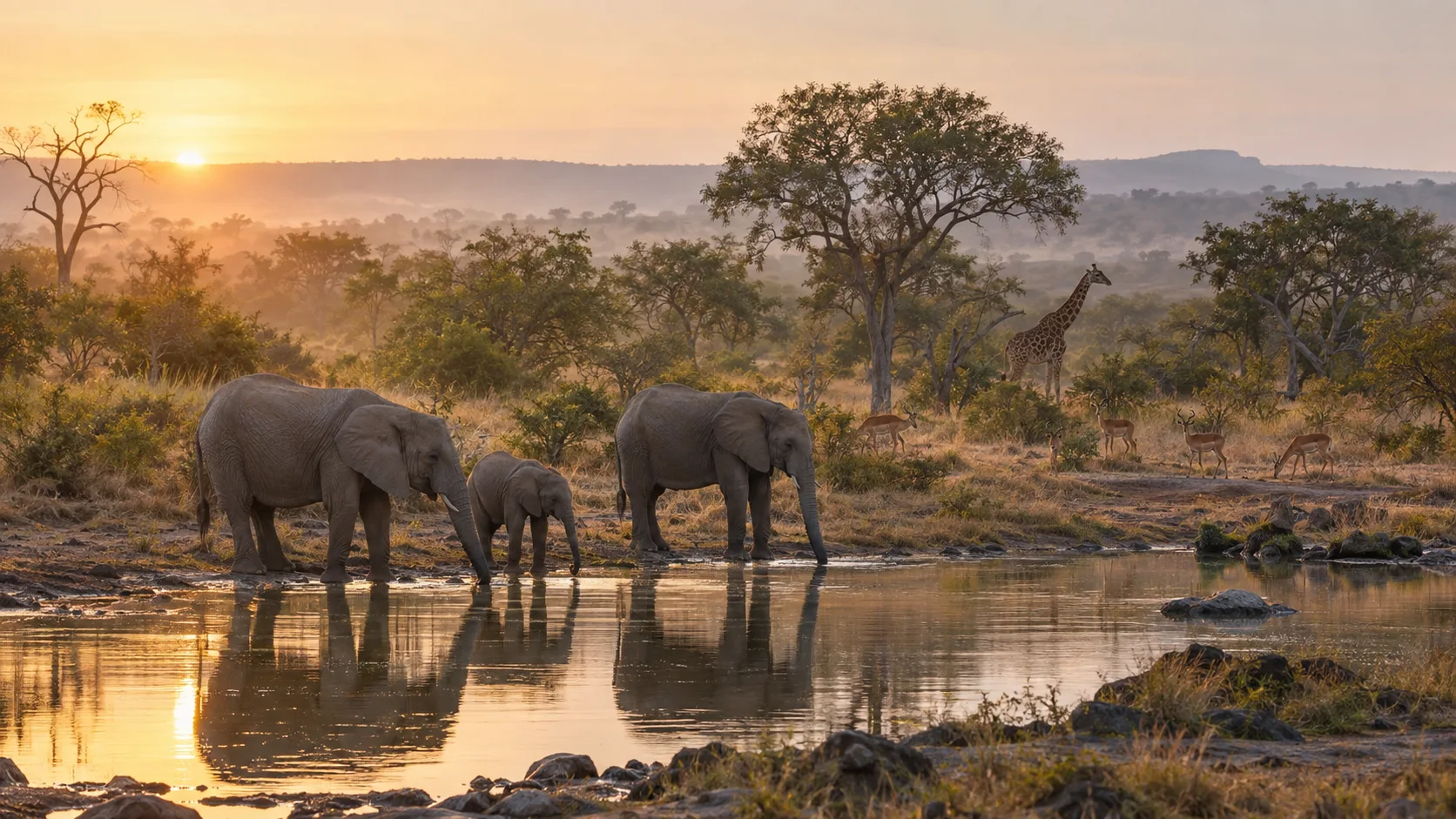
Kruger’s beauty reveals itself gradually. Golden grass, riverine forest, broad skies, and granite outcrops create a landscape where every bend in the road holds the possibility of something wild.
An elephant may emerge silently from the trees, giraffes may cross against the sunset, or a leopard may appear draped across a branch that looked empty seconds earlier. Even the pauses become exciting because the landscape encourages you to look more carefully.
Rivers draw animals into scenes that feel timeless. Hippos surface between reflections, crocodiles wait on muddy banks, and herds gather as the heat begins to soften.
Kruger is not simply beautiful because of its animals. It is beautiful because the entire environment feels connected, from tiny birds and flowering trees to the predators moving almost invisibly through the grass.
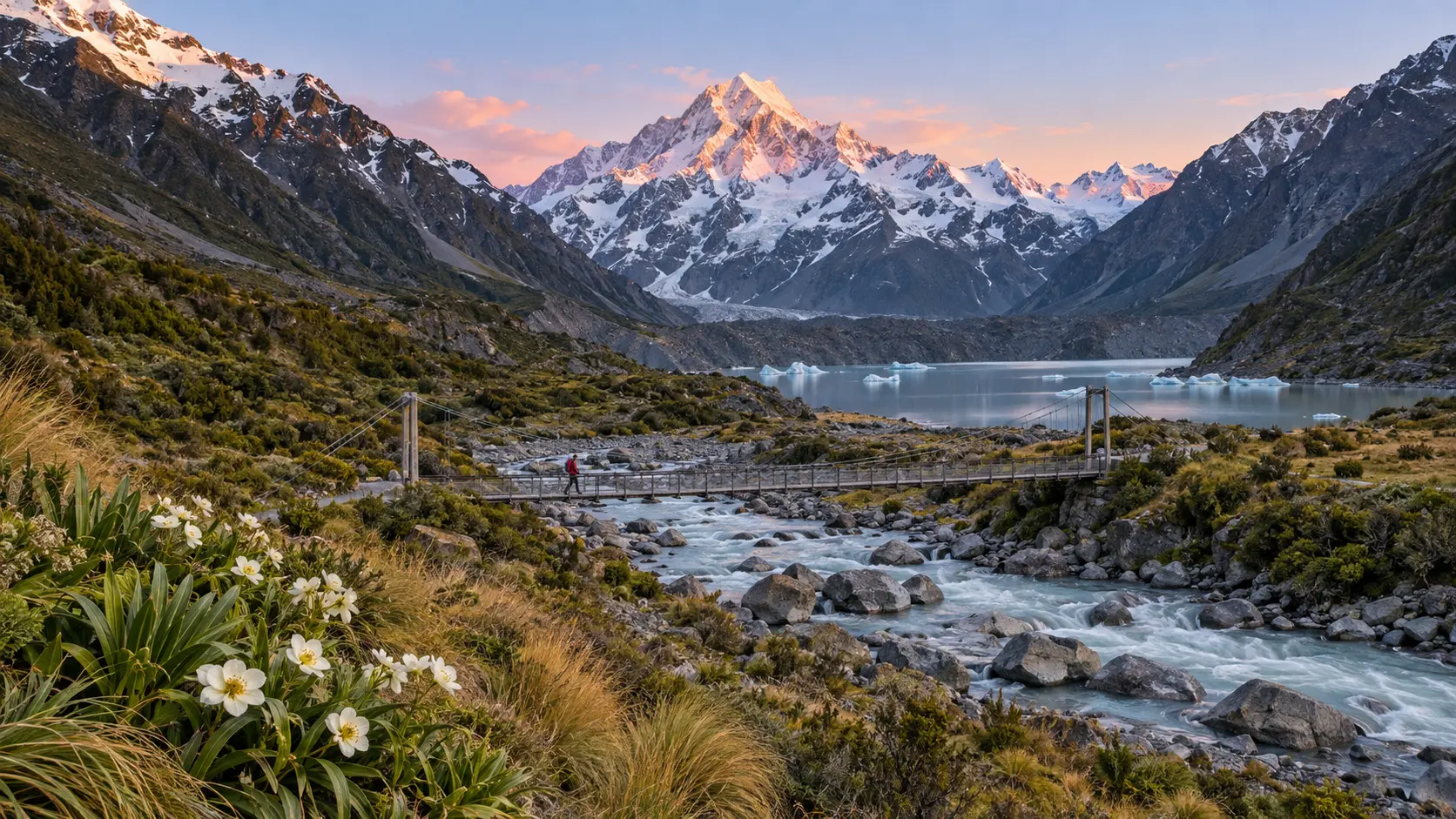
16. Aoraki/Mount Cook National Park, New Zealand
Aoraki/Mount Cook National Park compresses an astonishing amount of alpine drama into one valley. New Zealand’s highest peak rises above glaciers, braided rivers, turquoise lakes, and tussock-covered slopes.
The Hooker Valley presents the landscape in layers. Swing bridges cross glacial water, the trail passes beneath hanging ice, and Aoraki eventually appears beyond a lake dotted with small icebergs.
Tasman Lake reveals another side of the park, with floating ice beneath the vast Tasman Glacier. After dark, the mountains disappear and the Aoraki Mackenzie International Dark Sky Reserve fills the sky with stars.
Clouds frequently hide the highest peaks, but they also create unforgettable reveals. A break in the weather can expose Aoraki all at once, bright with snow and towering above a valley that suddenly feels very small.
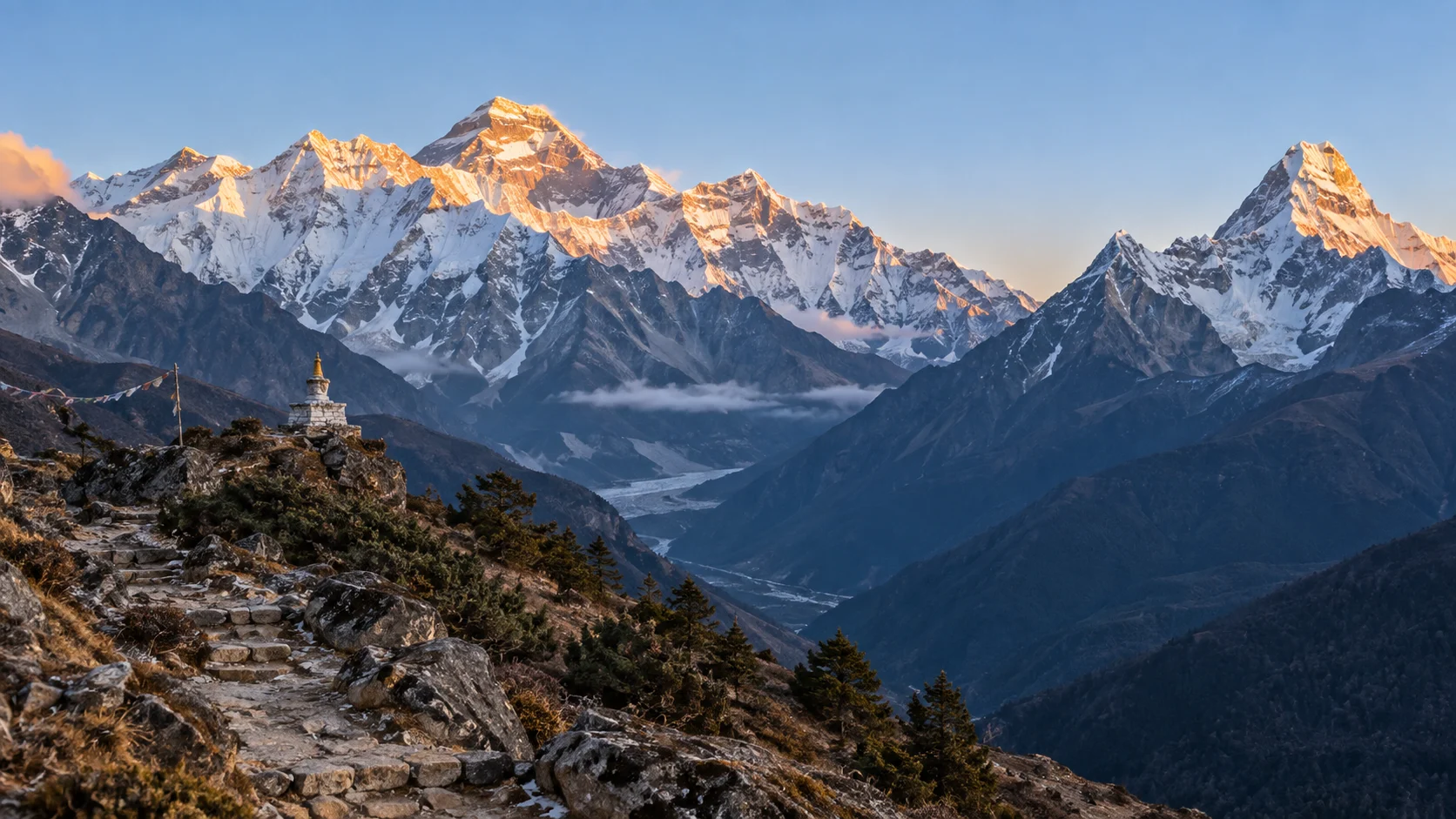
17. Sagarmatha National Park, Nepal
Sagarmatha National Park contains the highest landscape on Earth, but elevation alone does not explain its beauty. Glacial rivers cut through deep valleys, suspension bridges cross above white water, and immense peaks rise behind Sherpa villages and Buddhist monasteries.
Everest may be the famous name, yet Ama Dablam often steals the view with its elegant pyramid shape. Lhotse, Nuptse, Thamserku, and countless unnamed ridges create a skyline that becomes more overwhelming with every day of walking.
Prayer flags move above stone paths, mani walls line the route, and bells sound as yak trains pass through the valleys. The human landscape is inseparable from the mountains, giving the park an emotional depth beyond its famous summits.
Acclimatization and weather deserve genuine respect here because the beauty unfolds at serious altitude. Moving slowly is not lost time when every bend reveals another Himalayan giant.
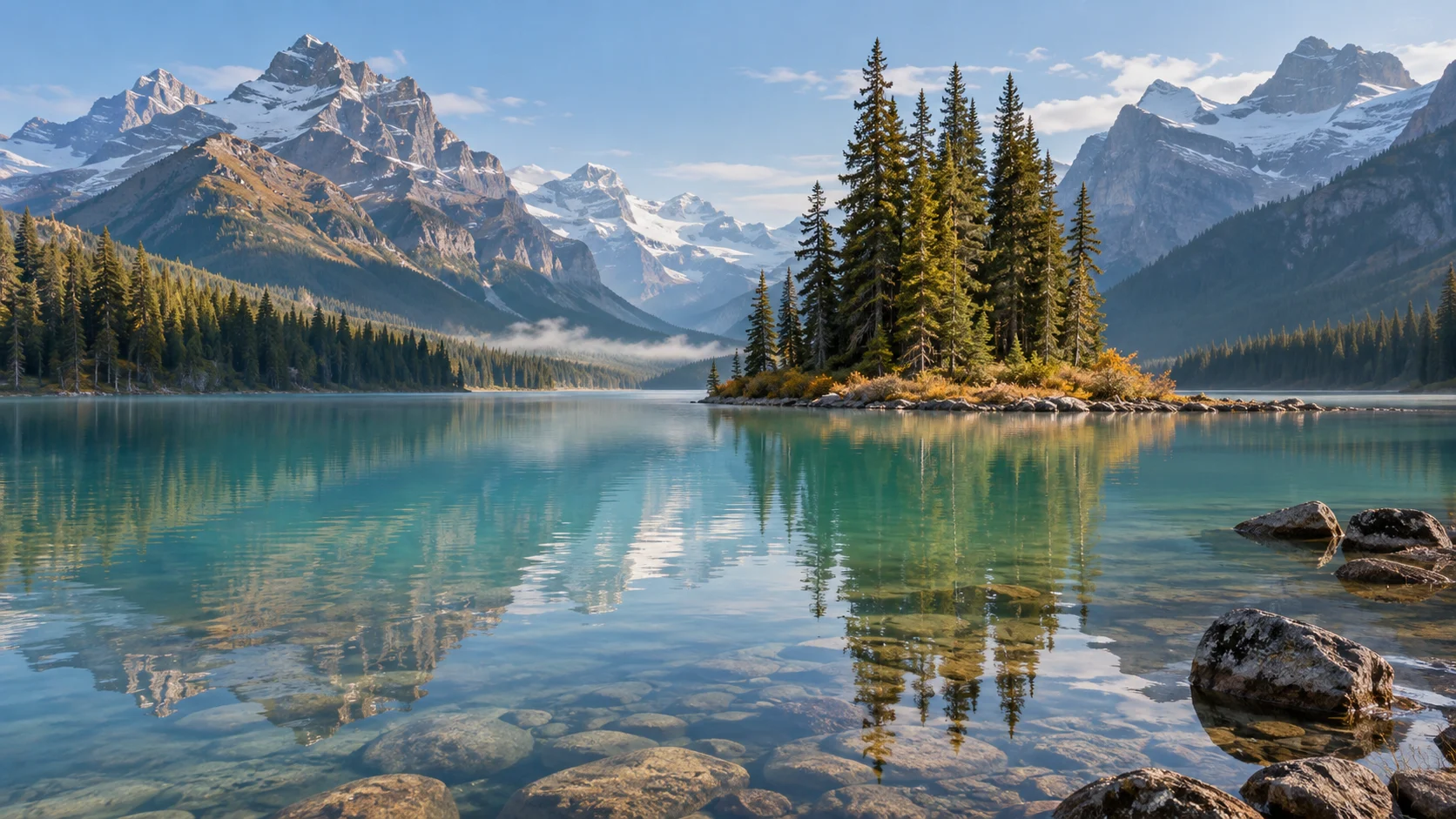
18. Jasper National Park, Canada
Jasper feels broader and quieter than the Canadian Rockies farther south. Glacial valleys open beneath long mountain ridges, elk wander near the townsite, and dark skies make the wilderness seem to continue far beyond daylight.
Maligne Lake reaches into a dramatic corridor of peaks, with Spirit Island resting in water that often turns glassy and blue. Maligne Canyon cuts deep into limestone, where rushing water disappears between sculpted walls.
Athabasca Falls trades height for force, squeezing a powerful river through narrow rock. Along the Icefields Parkway, glaciers, lakes, waterfalls, and mountain passes follow one another so quickly that the drive becomes part of the park experience.
The 2024 wildfire changed parts of Jasper, but it did not erase the landscape or the community’s connection to it. Fire-scarred forests, reopened spaces, and the same enormous mountain backdrop now tell a story of both beauty and resilience.
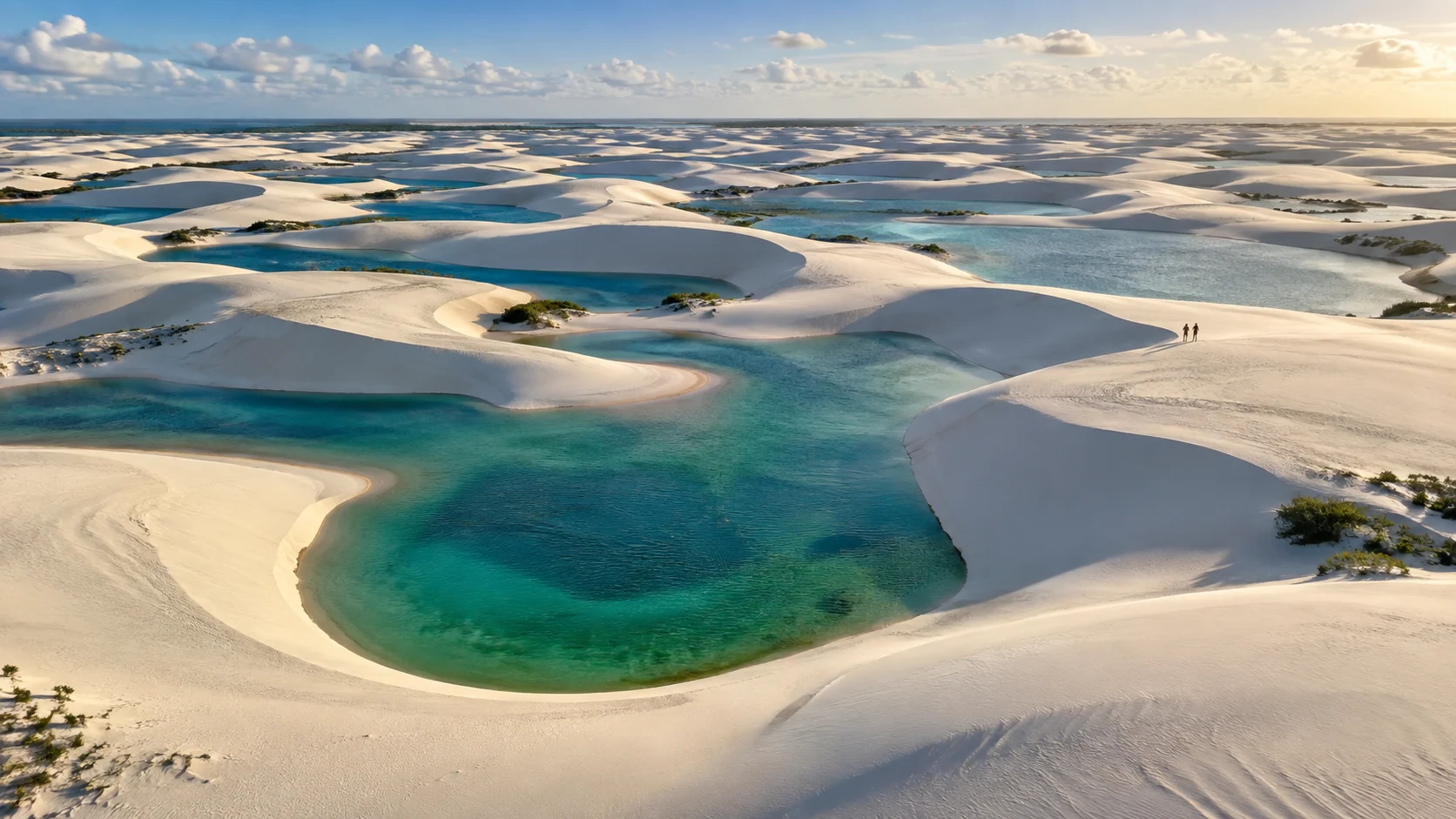
19. Lençóis Maranhenses National Park, Brazil
Lençóis Maranhenses looks like a desert dreaming about the ocean. Brilliant white dunes roll toward the horizon, and seasonal rainwater gathers between them in thousands of blue and green lagoons.
From above, the park resembles rippled silk dotted with pieces of sky. At ground level, visitors climb warm sand before descending into cool freshwater pools with no buildings or trees interrupting the view.
The lagoons change shape and depth as the seasons move, making the park feel temporary and alive. Wind redraws the dunes while rain decides where the brightest water will appear.
Sunset softens the white sand into gold and lavender. When the wind drops, the lagoons can reflect the sky so perfectly that the boundary between water and air seems to disappear.
20. Los Glaciares National Park, Argentina
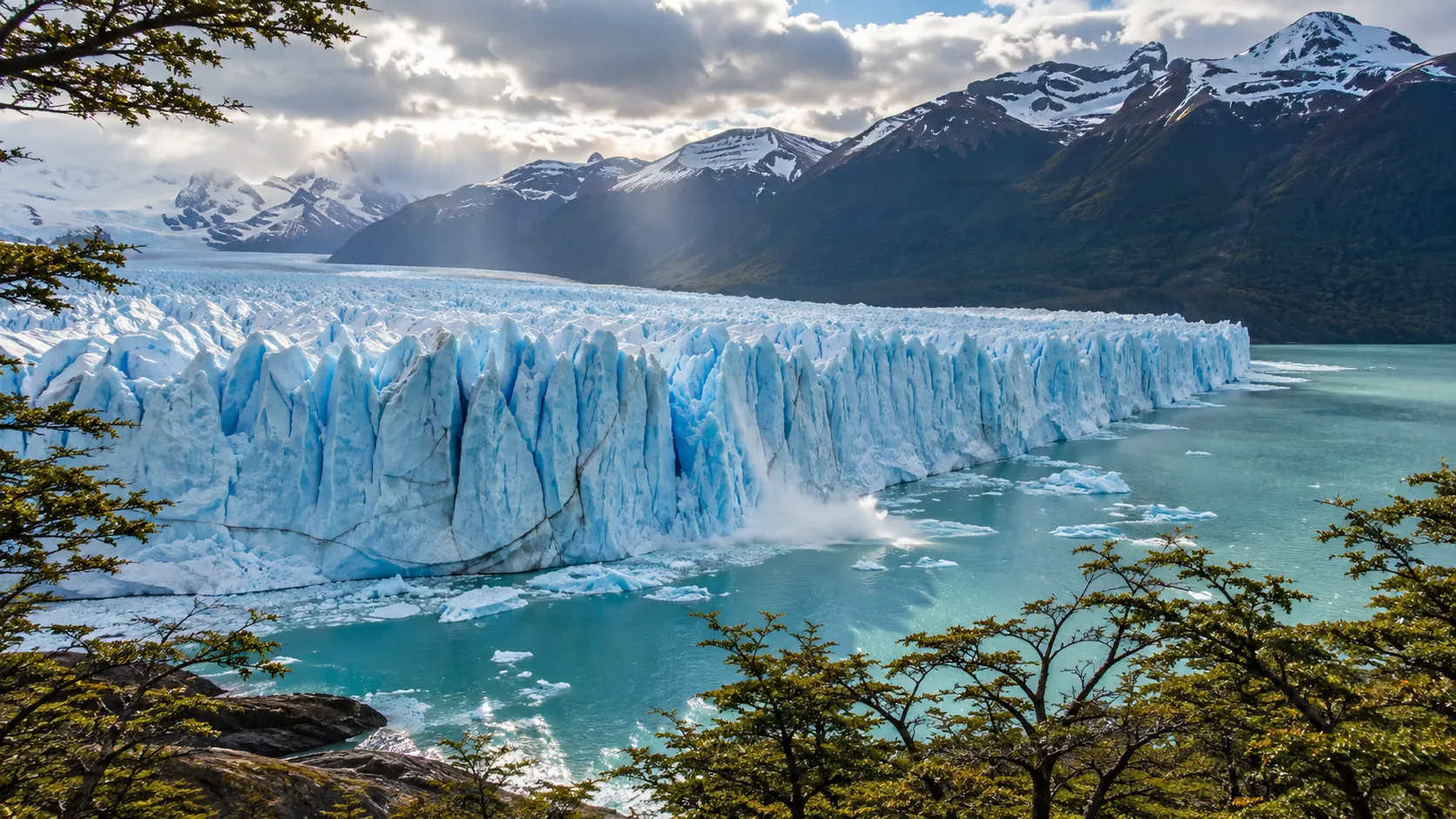
Los Glaciares contains two of Patagonia’s most powerful sights. Perito Moreno Glacier forms a vast blue wall above Lago Argentino, while the Fitz Roy massif rises in sharp granite spires near El Chaltén.
Perito Moreno does not sit quietly in the landscape. Ice groans, cracks, and occasionally collapses into the lake with a sound that rolls across the water.
Near El Chaltén, trails pass through lenga forest toward lakes and ridges beneath Fitz Roy and Cerro Torre. Sunrise can turn the highest granite faces pink before the valleys receive any light at all.
The glacier and mountain regions deserve separate time because each creates a completely different experience. Together, they make Los Glaciares one of the strongest arguments for crossing the world to see Patagonia.
21. Jiuzhaigou Valley National Park, China
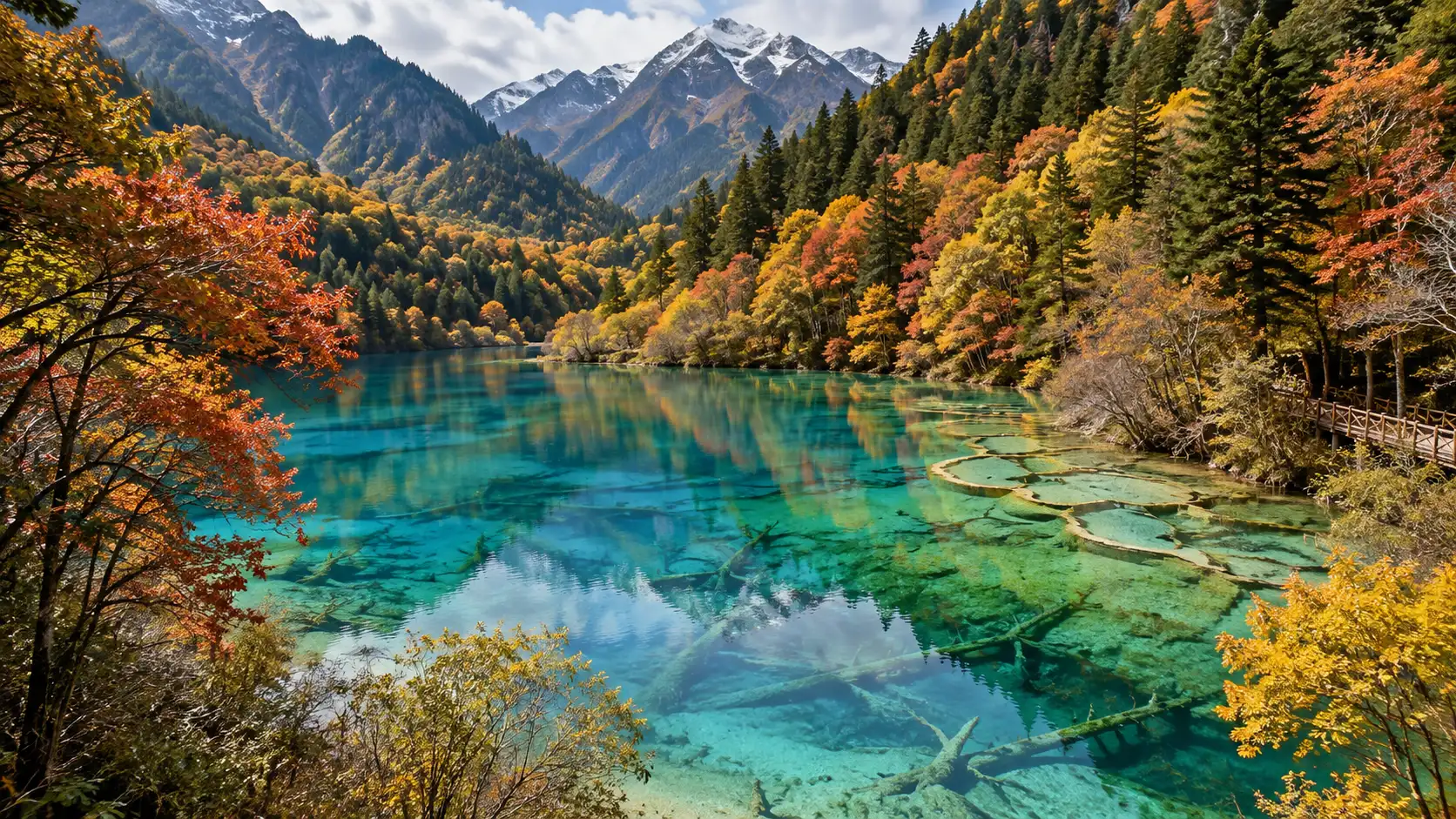
Jiuzhaigou appears almost illustrated. Clear lakes glow in impossible shades of turquoise and blue, waterfalls spread through forests, and snowy mountains rise beyond valleys filled with changing seasonal color.
Five Flower Lake is especially mesmerizing because submerged trees remain visible beneath luminous water. Mineral deposits, aquatic plants, and light combine to create patches of blue, green, and gold across its surface.
In fall, red and yellow leaves surround the lakes and deepen their colors. Winter replaces that brightness with frozen waterfalls, snow-covered forest, and an almost complete stillness.
The valley is also part of a Tibetan cultural landscape, not merely a collection of scenic water features. Respect for the communities and sacred places within the park belongs alongside admiration for its extraordinary natural beauty.
22. Cinque Terre National Park, Italy
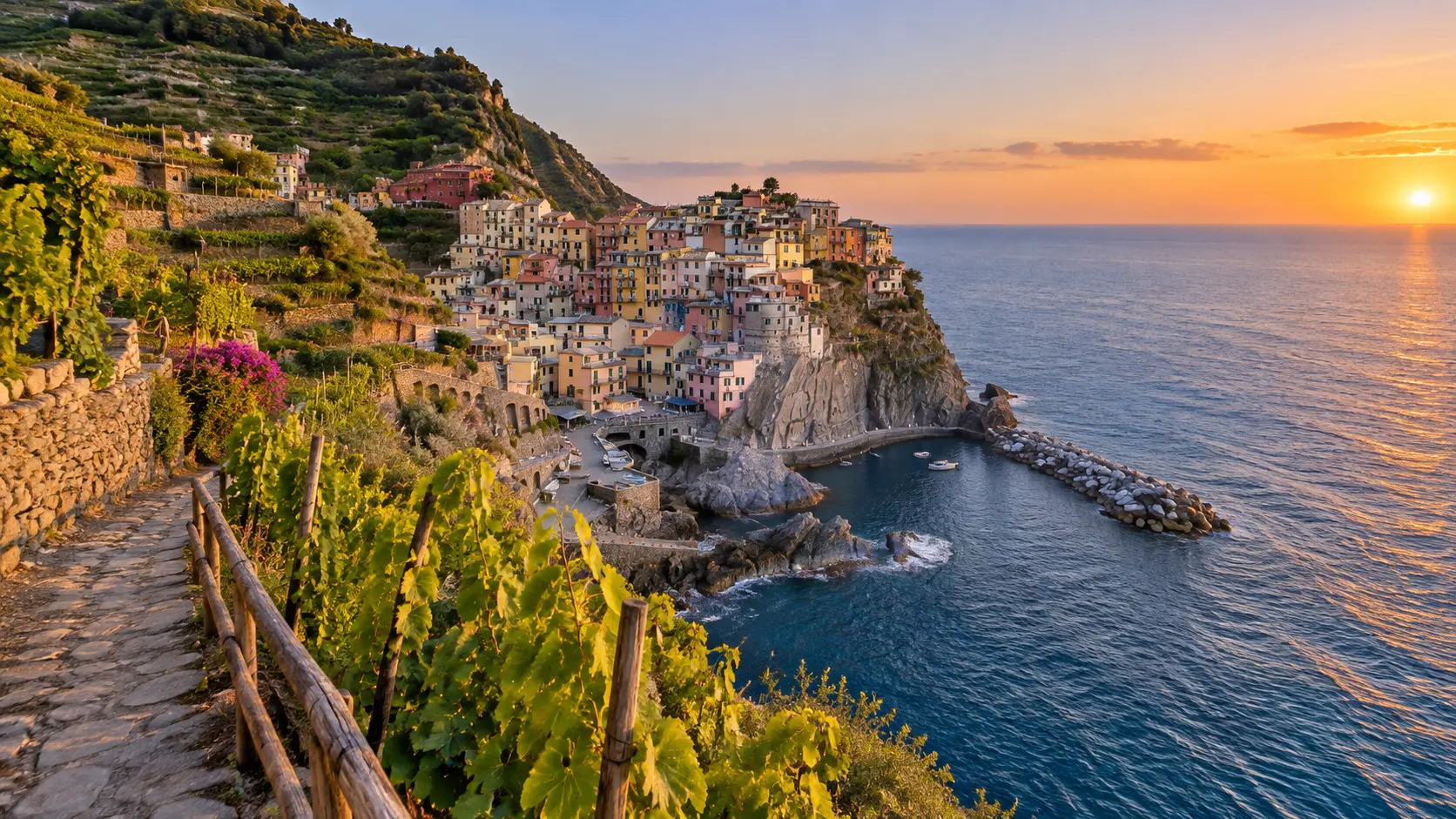
Cinque Terre protects a coastline shaped by both nature and generations of human work. Terraced vineyards cling to steep hills, footpaths cross above the Ligurian Sea, and five brightly colored villages fit into narrow spaces between rock and water.
The view toward Vernazza from the coastal trail captures the park perfectly. Pastel houses gather around a tiny harbor while green terraces climb the slopes and the sea spreads behind them in brilliant blue.
Elsewhere, stone stairways wind through vineyards, lemon trees scent the path, and fishing boats rest on village streets. Evening light warms the buildings while the cliffs begin to cast shadows across the coves.
Cinque Terre is beautiful because it feels lived in rather than untouched. The vineyards, homes, churches, and trails are part of the protected landscape, making the park feel intimate even when the coastline itself is dramatic.
23. Kakadu National Park, Australia
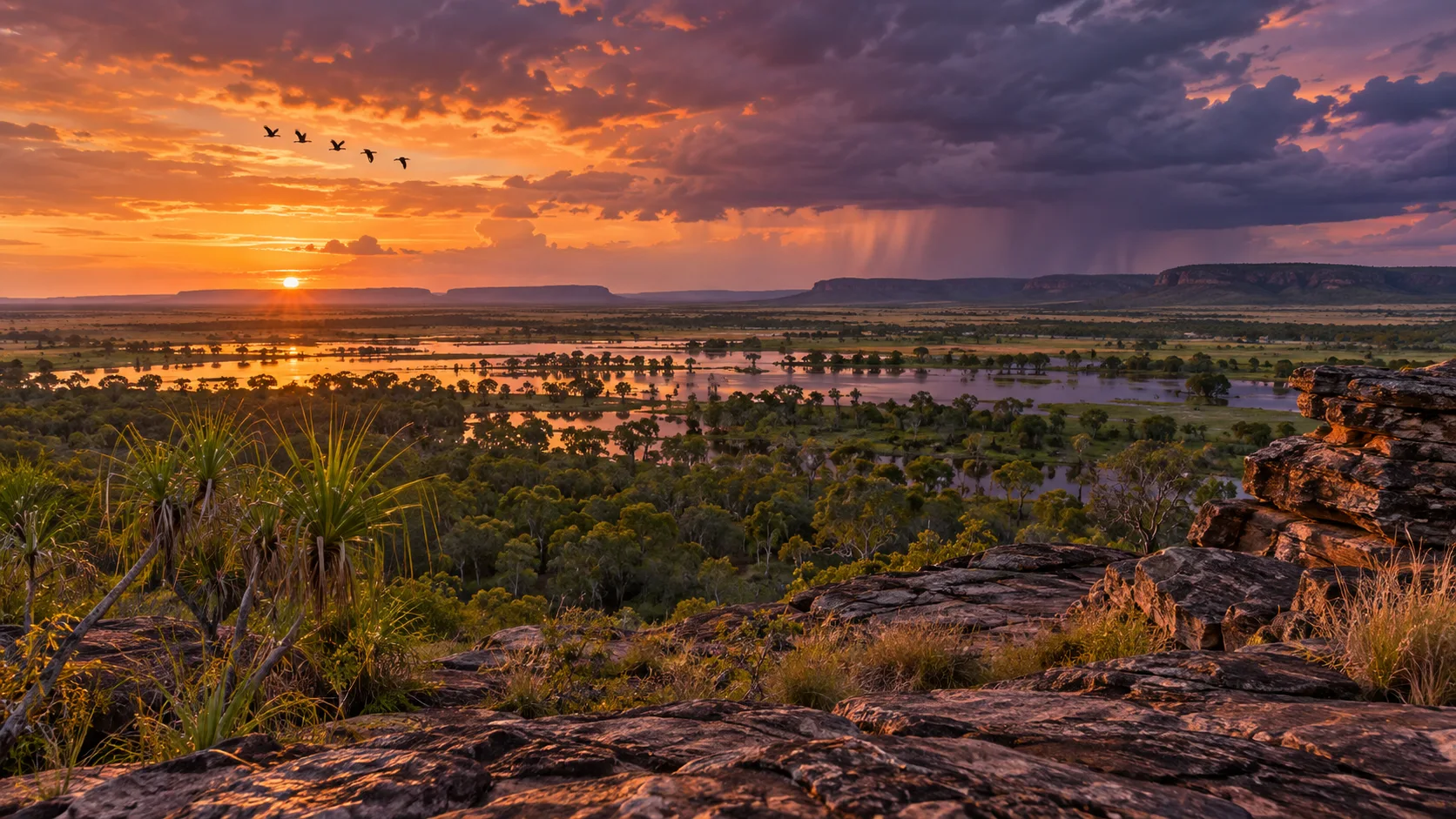
Kakadu is vast enough to contain several worlds. Wetlands spread beneath open skies, sandstone escarpments rise above floodplains, monsoon forests hide cool pools, and ancient rock shelters hold stories extending across tens of thousands of years.
At Ubirr, visitors climb above the Nadab floodplain as evening light turns the wetlands gold. Water, grass, distant stone, and circling birds stretch toward a horizon that seems almost endless.
Seasonal change reshapes the park completely. Rains fill waterfalls and wetlands, while drier months reveal billabongs crowded with birds and allow access to more of the escarpment country.
Kakadu is Aboriginal land, jointly managed with its Traditional Owners, and its cultural meaning is inseparable from its natural beauty. Use the official Kakadu National Park guidance and choose Bininj/Mungguy-led experiences whenever possible.
24. Acadia National Park, United States
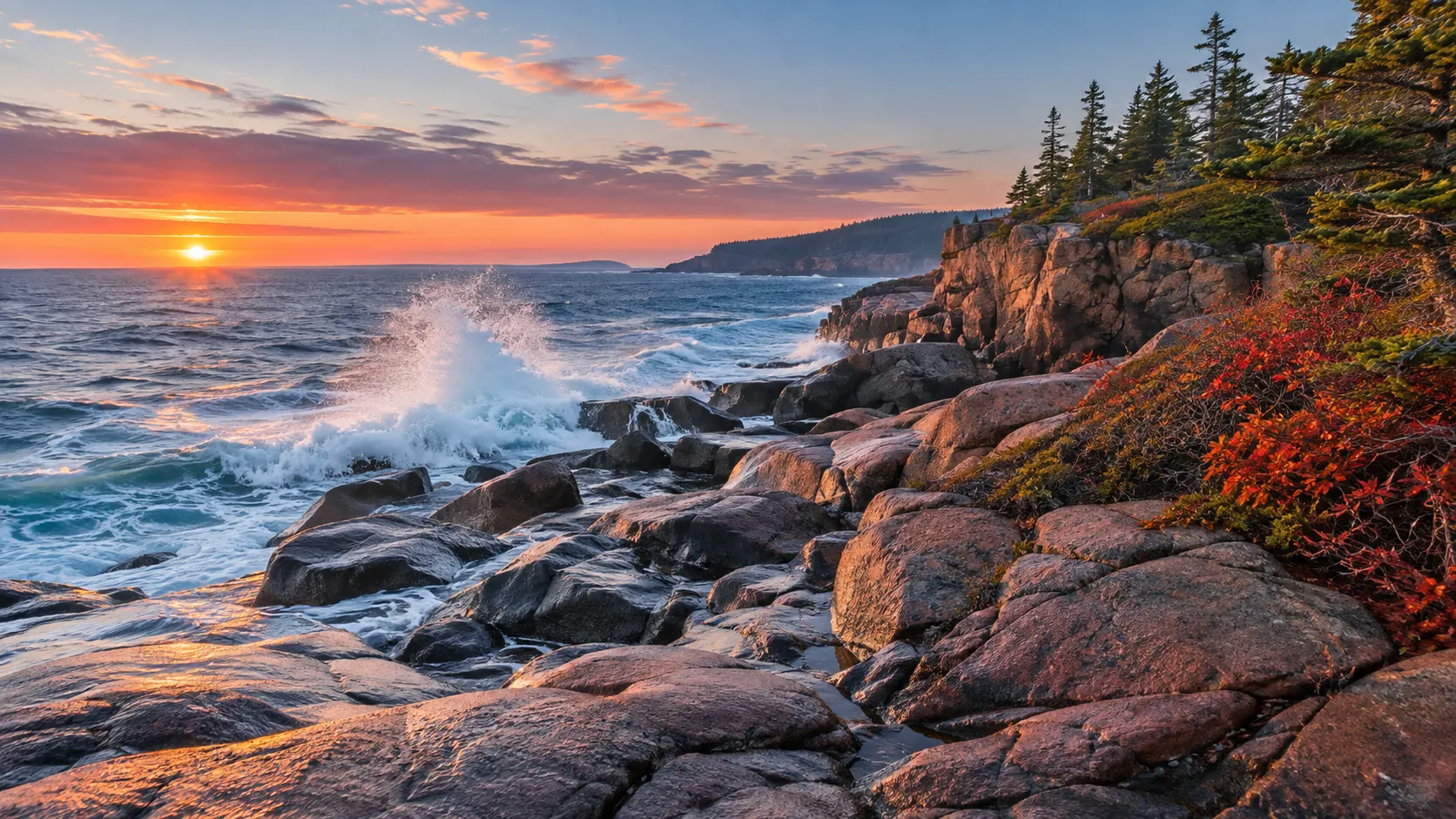
Acadia brings mountains directly to the Atlantic. Pink granite cliffs meet dark blue water, spruce forests reach toward rocky coves, and offshore islands appear through mist along the Maine coast.
Ocean Path reveals the coastline in a series of intimate scenes. Waves move into narrow inlets, rounded cobbles shift beneath the surf, and granite ledges glow warm in the first or last light of day.
From Cadillac Mountain and other high points, the park opens into a maze of bays, islands, forest, and small coastal towns. The historic carriage roads offer a gentler journey through stone bridges, quiet woods, and reflective ponds.
Acadia feels especially magical when fog softens the shoreline or fall color reaches the mountains. It proves that grandeur does not always require enormous elevation or a landscape far from civilization.
25. Great Smoky Mountains National Park, United States
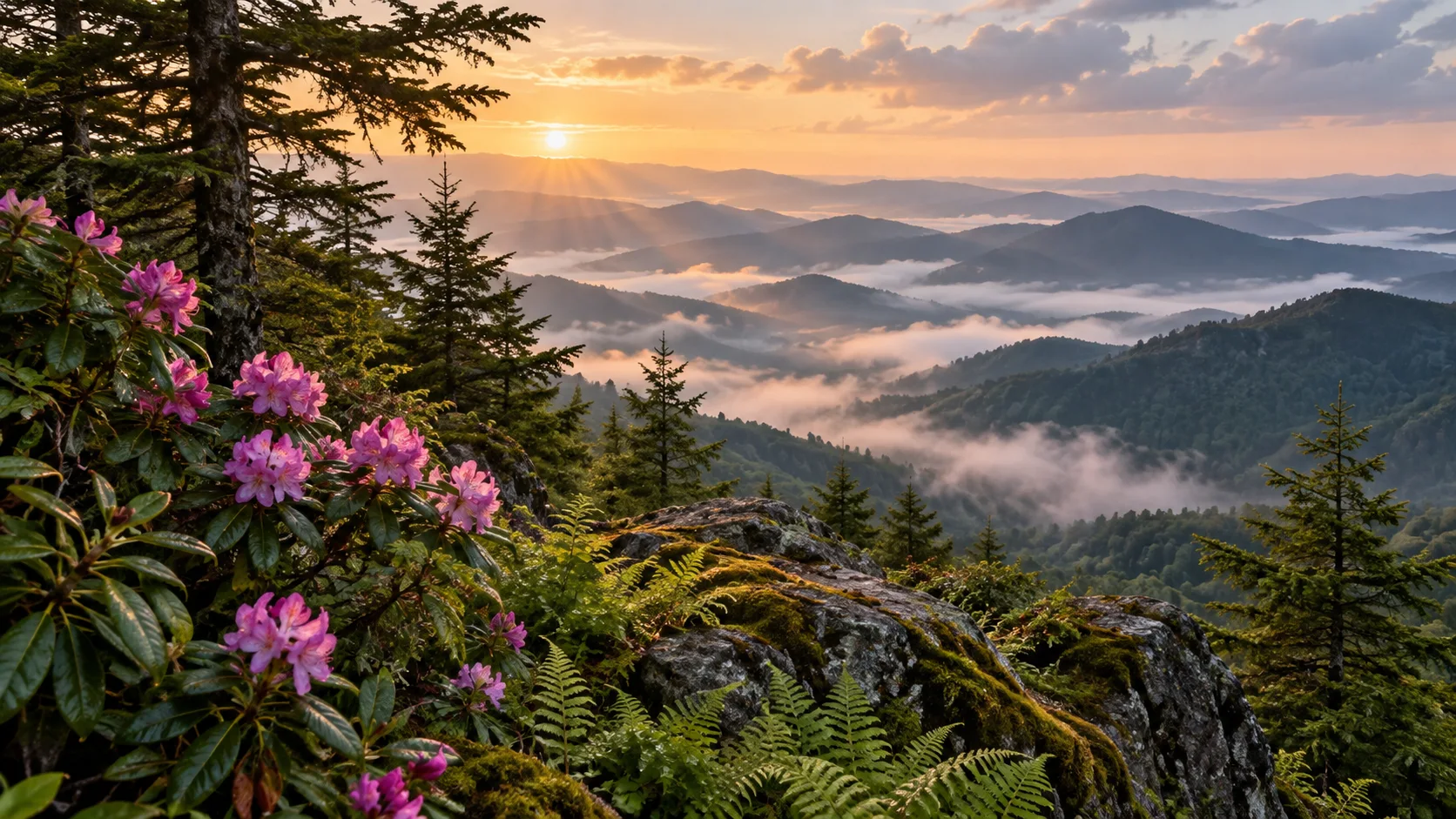
The Great Smoky Mountains close the list with beauty that feels layered, lush, and deeply atmospheric. Blue ridges fade one behind another, mist gathers in the valleys, and streams rush beneath some of the richest forests in North America.
Spring brings wildflowers to the forest floor, summer fills the woods with green, and fall turns entire mountainsides red, gold, and orange. Winter exposes the shapes of ridges that leaves conceal during the warmer months.
Waterfalls and old-growth pockets reward hikers, while Cades Cove combines meadows, historic buildings, and wildlife beneath a circle of mountains. At dawn, fog can settle across the valley while deer and black bears move along the forest edges.
The Smokies may be easier to reach than many places on this list, but familiarity does not make them ordinary. Their beauty builds slowly through shifting light, running water, and ridge after ridge dissolving into blue.
Choose the Landscape That Calls to You
A numbered list can never make these parks truly comparable. The right choice depends on the scene you most want to step inside.
- For the greatest mountain drama: Torres del Paine, Aoraki/Mount Cook, Sagarmatha, and Los Glaciares.
- For luminous lakes and waterfalls: Banff, Plitvice Lakes, Jiuzhaigou, and Fiordland.
- For wildlife that defines the landscape: Serengeti, Galápagos, Kruger, Komodo, and Yellowstone.
- For otherworldly desert scenery: Namib-Naukluft and Lençóis Maranhenses.
- For glaciers and living ice: Vatnajökull, Jasper, Fiordland, and Los Glaciares.
- For a beautiful coastline: Table Mountain, Cinque Terre, Acadia, Galápagos, and Komodo.
- For forests and mist: Great Smoky Mountains, Fiordland, Jiuzhaigou, and Glacier.
If you are searching for one truly unforgettable trip rather than a particular landscape, these dream vacation ideas may help narrow the possibilities.
The Parks That Stay With You
The most beautiful national parks do more than provide a backdrop for a vacation. They change your sense of scale, color, silence, and what a landscape can look like.
You may remember the exact blue of Moraine Lake, the first crack of ice at Perito Moreno, or a line of elephants disappearing into Kruger’s golden grass. Those moments remain vivid because they could not have happened anywhere else.
Choose the park whose scenery makes you pause longest. That instinct is often more useful than any ranking, and it is usually the beginning of a trip you will talk about for years.
Questions About the World’s Most Beautiful National Parks
Which national park has the most dramatic mountain scenery?
Torres del Paine is my strongest all-around choice because its granite towers, turquoise lakes, glaciers, and open steppe create one complete Patagonian landscape. Sagarmatha has the greatest vertical scale, while Los Glaciares delivers the unforgettable Fitz Roy skyline.
Which park is best for waterfalls and lakes?
Fiordland wins for the sheer number and scale of its waterfalls, especially after rain. Plitvice Lakes offers the most concentrated water scenery, with lakes and cascades flowing through a single forested system.
Which national park looks the most otherworldly?
Namib-Naukluft and Lençóis Maranhenses are the strongest choices if you want landscapes that barely seem real. Yellowstone’s geothermal basins and Vatnajökull’s meeting of ice and volcanic terrain create a similar feeling in completely different climates.
Which park is best for wildlife?
Serengeti offers the greatest sense of wildlife abundance and open scale. Galápagos provides the strangest and most intimate encounters, while Kruger combines rich wildlife with the freedom and suspense of exploring an enormous ecosystem.
Which beautiful national park is easiest to experience?
Yosemite Valley, the Grand Canyon’s South Rim, Acadia, and the Great Smoky Mountains all provide remarkable views without requiring a multi-day trek. Plitvice Lakes also concentrates an extraordinary amount of scenery into a comparatively compact visit.