Climbing Kilimanjaro: Routes, Safety, Costs, and Planning
Climbing Kilimanjaro is a supported high-altitude expedition, not a technical mountaineering climb and definitely not a casual hike with a dramatic finish. The smart plan prioritizes acclimatization, a responsible operator, a clear turnaround policy, and insurance that works at 19,341 feet.
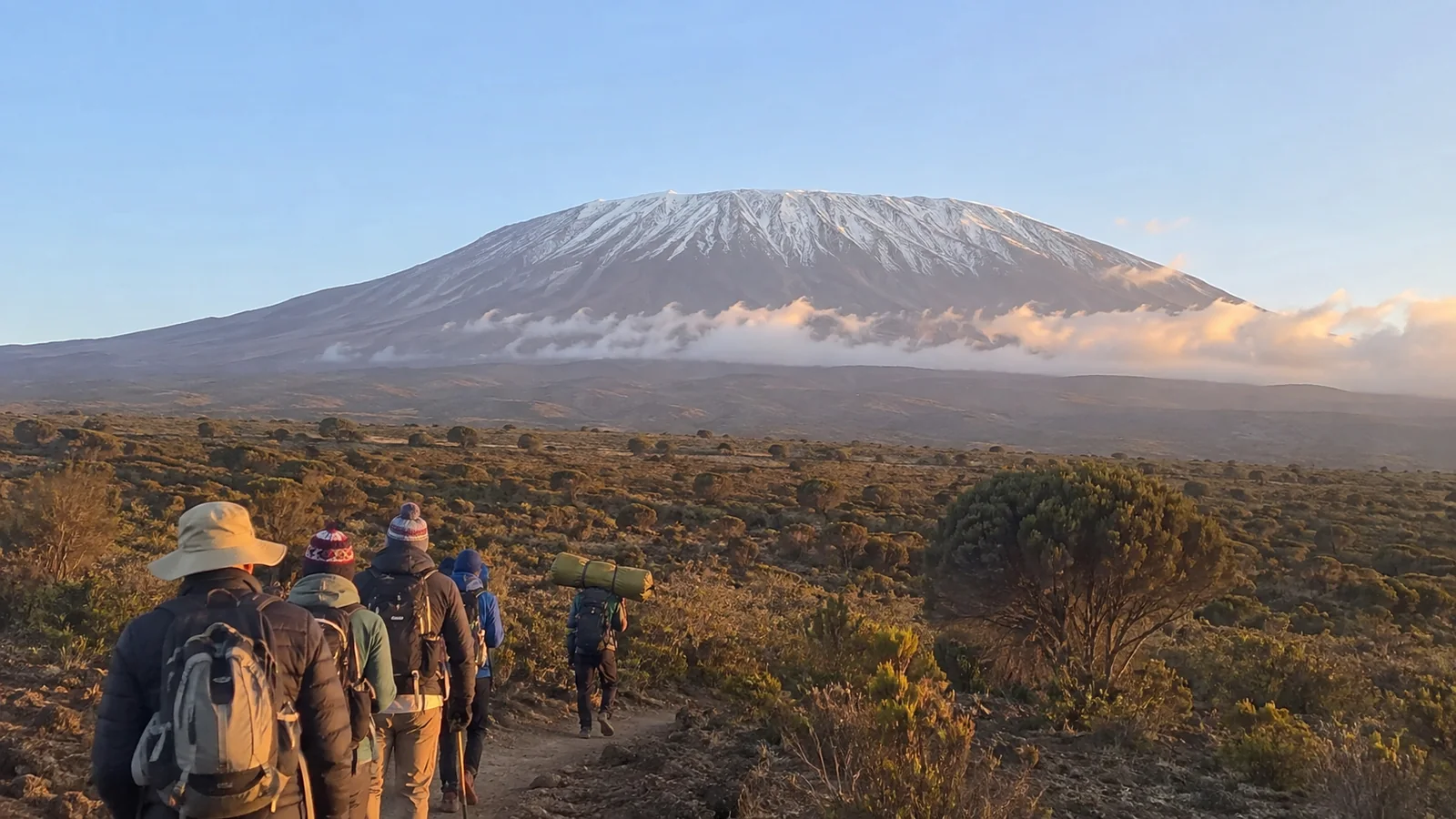
What climbing Kilimanjaro really involves
Uhuru Peak reaches 19,341 feet on Kibo, the highest of Kilimanjaro’s three volcanic cones. The trail crosses forest, heath, alpine desert, and an exposed summit zone where cold, wind, fatigue, and thin air turn simple walking into serious work.
Most routes are nontechnical trekking paths, so climbers generally do not use ropes or mountaineering tools. “Nontechnical” describes the terrain, however, not the medical risk or physical effort.
Tanzania National Parks regulates the mountain, and climbs run through licensed operators with guides and mountain crews. The official Kilimanjaro visitor guide identifies Marangu, Machame, Lemosho through Londorossi, and Rongai as the main access gates.
Most international travelers fly into Kilimanjaro International Airport, then stay in Moshi or Arusha before the climb. Give yourself at least one buffer day before the trek so a delayed bag does not get the first vote on your summit attempt.
Choose time before choosing a route name
A longer itinerary does not guarantee success, but it normally offers more opportunity to acclimatize than a compressed version of the same route. Compare nights, sleeping elevations, daily altitude gains, and rest or acclimatization walks, not just scenery and price.
This is a trek with porter support rather than conventional backpacking. If that distinction is fuzzy, this comparison of backpacking versus hiking explains who carries the overnight system and why that changes preparation.
Marangu
Marangu is the only main route using mountain huts rather than designated tented camps. It is often sold in five- or six-day versions, but the shorter schedule is a poor bargain for travelers who need more acclimatization time.
The ascent and much of the descent share a corridor, so it can feel busier than its nickname suggests. Choose it for hut sleeping and a straightforward trail arrangement, not because anyone calls it easy.
Machame
Machame is a camping route commonly scheduled over six or seven days. Its varied profile and different descent corridor appeal to trekkers who want scenery and a more gradual journey than the shortest Marangu option.
Popular does not mean gentle. The trail includes steep sections, crowded camps in busy periods, and a very long summit-and-descent day.
Lemosho and the Northern Circuit
Lemosho approaches from the west and is commonly offered over seven or eight days before joining the southern circuit. The Northern Circuit continues around the quieter north side and is often scheduled over eight or nine days.
These routes cost more because extra days require additional park time, food, fuel, and crew labor. That expense buys time and a different experience, not immunity from altitude illness.
Rongai and Umbwe
Rongai approaches from the north and generally descends via Marangu, which provides different scenery on the way down. It is sometimes favored during wetter periods, but no side of Kilimanjaro has weather guarantees.
Umbwe is steep and direct, leaving less natural acclimatization time unless the itinerary is deliberately extended. First-time high-altitude trekkers usually have better route choices.
The route I would put on my first shortlist
For a first Kilimanjaro trip, I would compare an eight-day Lemosho itinerary with a nine-day Northern Circuit before shopping for a shorter bargain. I like having a specific camp plan to discuss with the guide, especially where the sleeping elevation jumps.
Here is one operator’s eight-day Lemosho pattern, with rounded sleeping elevations and walking times. Other operators use Shira 2 instead of Moir Hut, so compare the actual itinerary rather than assuming every Lemosho trip is identical.
- Day: 1
- Walk and overnight: Lemosho trailhead to Mti Mkubwa, about 9,500 feet
- Walking time: 3 to 4 hours
- Day: 2
- Walk and overnight: Shira 1, about 11,500 feet
- Walking time: 5 to 6 hours
- Day: 3
- Walk and overnight: Moir Hut, about 13,800 feet
- Walking time: 5 to 7 hours
- Day: 4
- Walk and overnight: Via Lava Tower to Barranco, about 13,000 feet
- Walking time: 6 to 8 hours
- Day: 5
- Walk and overnight: Barranco Wall to Karanga, about 13,100 feet
- Walking time: 4 to 5 hours
- Day: 6
- Walk and overnight: Barafu, about 15,300 feet
- Walking time: 4 to 5 hours
- Day: 7
- Walk and overnight: Summit attempt, then Mweka, about 10,100 feet
- Walking time: 10 to 14 hours
- Day: 8
- Walk and overnight: Mweka Gate, then hotel transfer
- Walking time: 3 to 4 hours walking
I would ask about the Barranco scramble and the long summit descent before committing, particularly if exposed steps or sore knees worry you. Extra days create more opportunities to acclimatize, but symptoms and the guide’s decisions still control the climb.
Acclimatization belongs in the itinerary
Kilimanjaro’s summit sits far above the level where altitude illness can occur. Fitness improves your ability to walk for hours, but the CDC Yellow Book says fitness does not determine altitude-illness risk.
The CDC advises gradual ascent and, once above about 9,850 feet, limiting the increase in sleeping altitude to roughly 1,600 feet per day with an extra acclimatization night for each additional 3,300 feet gained. Kilimanjaro terrain and fixed camps do not always fit that formula neatly, which makes added days and conservative guiding important.
Ask a travel-medicine clinician about your personal risk, medical history, and whether prescription prevention is appropriate. Do not borrow altitude medication, improvise a dose, or assume a tablet makes a rushed itinerary safe.
Know the warning signs before the trail
Acute mountain sickness often begins with headache plus nausea, dizziness, unusual fatigue, poor appetite, or vomiting after gaining elevation. Tell the guide promptly, even if admitting that your head hurts feels inconvenient.
Never climb to a higher sleeping elevation with altitude symptoms. If symptoms worsen while resting at the same elevation, descent is required.
Confusion, unusual drowsiness, or trouble walking straight can indicate high-altitude cerebral edema. Breathlessness at rest, chest congestion, cough, or a sharp drop in performance can indicate high-altitude pulmonary edema.
Those are emergencies that require immediate guide action, urgent descent, and oxygen when available. A pulse oximeter may add context, but a number cannot overrule symptoms or replace clinical judgment.
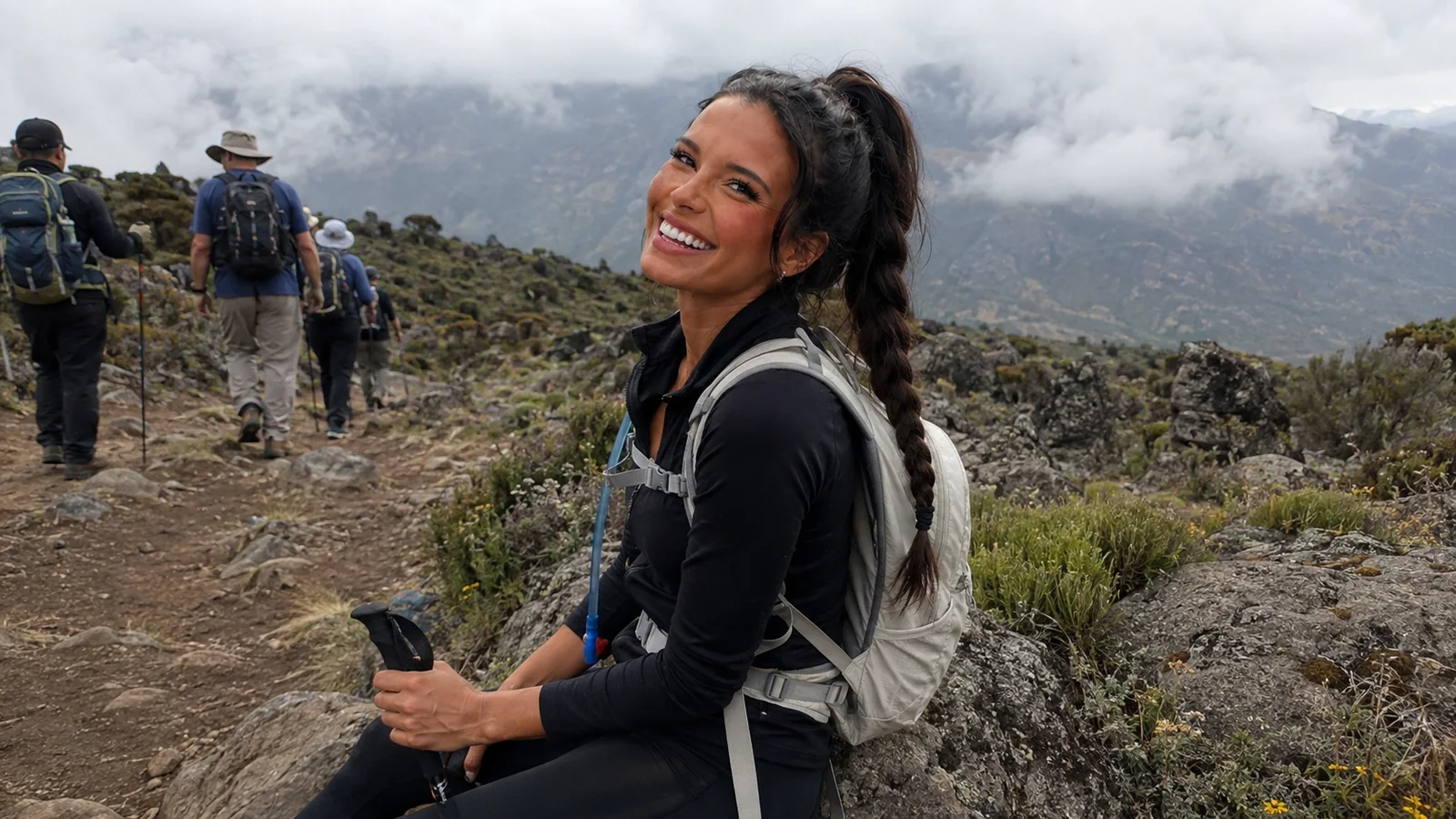
How to vet a Kilimanjaro operator
Begin with legal licensing and current TANAPA arrangements, then examine the actual safety system. A glossy summit photo says very little about how a team handles a sick climber at midnight.
Ask each operator the same questions:
- What is the exact day-by-day route, including camp elevations and acclimatization walks?
- How many clients share each lead and assistant guide?
- What guide training, first-aid credentials, and high-altitude experience are current?
- How are symptoms checked and recorded each day?
- How much emergency oxygen is carried, and who may administer it?
- What communication works when cell service fails?
- Who accompanies a descending climber, and what transport follows the trailhead?
- How are porter loads, wages, food, shelter, equipment, and tips managed?
Ask what circumstances trigger a mandatory turnaround and whether the lead guide’s decision is final. A company that treats “summit at any cost” as motivation has misunderstood both words in that phrase.
Responsible climbing includes the crew
Porters carry group equipment, tents, food, and much of the duffel load, while guides, cooks, and assistants make the expedition function. Their welfare should be part of the booking decision, not a cheerful paragraph added after payment.
The Kilimanjaro Porters Assistance Project monitors participating companies against responsible-treatment guidelines covering areas such as pay distribution, tipping, loads, meals, shelter, and gear. Participation is useful evidence, although travelers should still ask direct questions and verify the operator’s current status.
Request the recommended tipping process before booking, budget it separately, and distribute tips transparently according to the operator’s current crew structure. Do not treat a suspiciously low trek price as clever negotiating if the missing margin comes from crew food or wages.
Build the real Kilimanjaro budget
There is no honest universal price because route length, group size, service level, rental gear, hotels, transfers, and season all matter. Current park charges and taxes also need to be verified when you book.
Ask for an itemized quote separating park conservation charges, camping or hut charges, rescue-related park fees, taxes, guide and crew services, meals, airport and gate transfers, lodging, rentals, and tips. Also budget flights, visas, travel-medicine visits, vaccines or prescriptions, insurance, and replacement gear.
A park rescue fee is not the same thing as comprehensive travel insurance. It does not automatically cover every ground evacuation, helicopter, hospital bill, changed flight, or medical repatriation.
A real trek price and a usable planning total
Checked September 5, 2026, Ultimate Kilimanjaro’s published 2026 group schedule lists eight-day Lemosho climbs at $3,299 and nine-day Northern Circuit climbs at $3,649. Those are operator-specific listed prices, not a promise of availability or the total cost of your trip.
For a first budget draft, I would start with the $3,299 trek and set aside another $500 for crew tips, $250 for rentals or replacement gear, $250 for extra hotel nights/meals/transfers, and $300 for appropriate insurance. That illustrative allocation totals $4,599 before international flights, visas, vaccinations, and any safari; replace each allowance with your actual quote before booking.
The extra-day comparison is useful: in this published example, the Northern Circuit base price is $350 more. I would consider that difference alongside the full route, guide team, insurance terms, and time off work rather than choosing only by the lowest trek price.
When to climb Kilimanjaro
January into early March and June through October are commonly chosen for relatively drier conditions. March through May generally brings the heavier rains, while November and December can bring shorter rains, but weather shifts by elevation and year.
Dry season can mean more people at gates, camps, and summit approaches. Wet periods may mean mud, cloud, damp equipment, and snow or ice higher up, so lower demand is not automatically better value.
Kilimanjaro creates its own fast-changing mountain weather in every month. Pack for heavy rain, strong sun, wind, and temperatures below freezing even if Moshi feels warm enough for sandals.
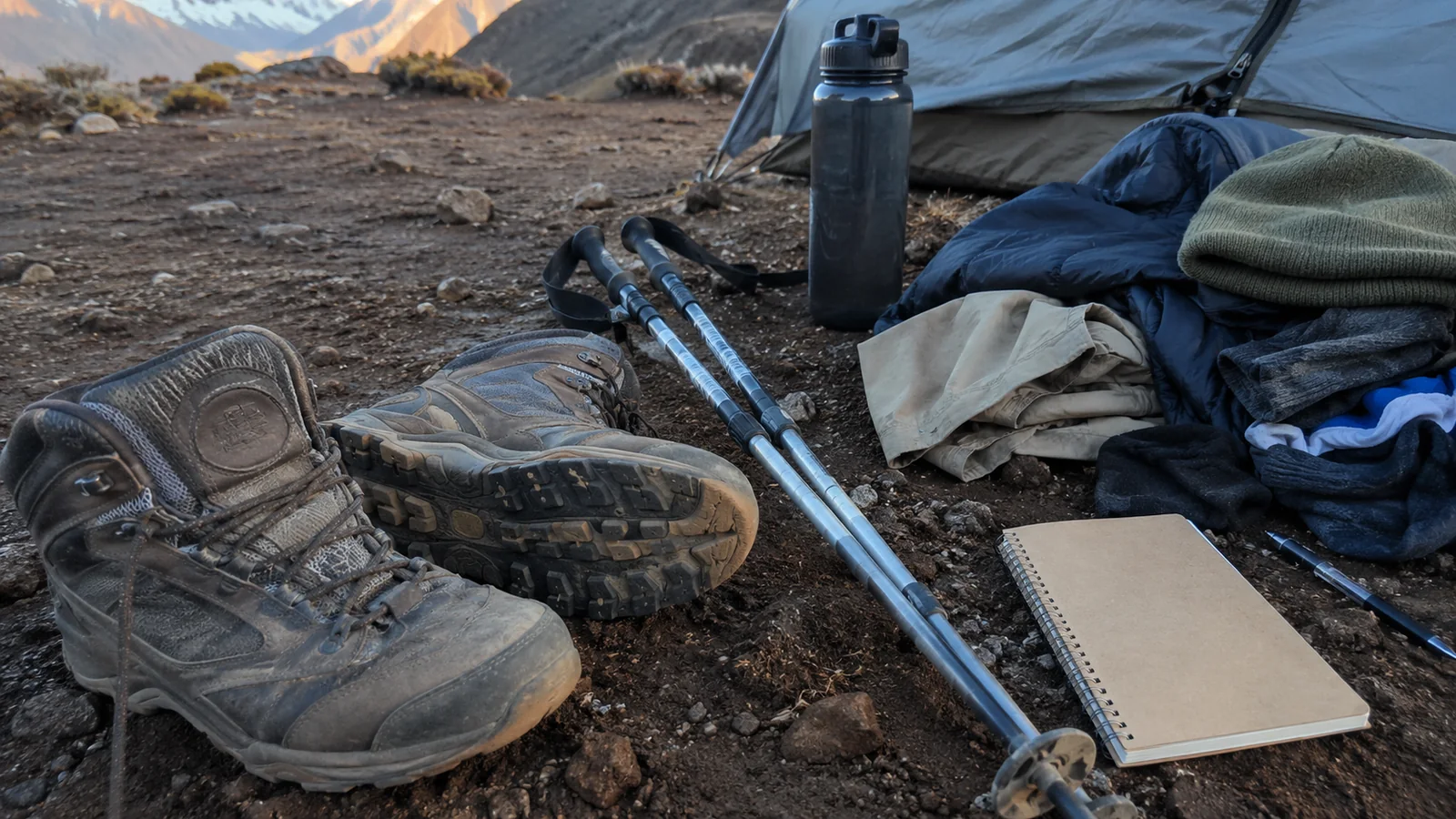
Train for consecutive days, not one heroic workout
Build a base of regular walking, then add long hikes, hills or stairs, and back-to-back days while carrying the daypack you will use. Strength work for legs, hips, and core helps with the descent, which can be harder on knees than the ascent.
Train in the exact boots and sock system you plan to wear, but remember that sea-level fitness cannot simulate acclimatization. If possible, discuss a staged high-altitude exposure with a qualified clinician and your operator rather than inventing one from internet bravado.
Pack a mountain system, not an outfit
Use moisture-managing base layers, insulating midlayers, a warm jacket, and waterproof jacket and pants. Bring broken-in boots, spare socks, gaiters, warm gloves plus backup mitts, a warm hat, sun hat, UV-protective sunglasses, and high-SPF sunscreen.
Your daypack should hold water, snacks, rain gear, warm layers, medication, sun protection, and a headlamp with spare power. Confirm the operator’s sleeping-bag temperature rating, duffel weight limit, provided equipment, and rental condition in writing.
Carry critical medication and one complete trekking layer in hand luggage. The general organization principles in these traveling tips help, but the operator’s mountain-specific list should win every disagreement.
Insurance and evacuation need uncomfortable questions
Buy a policy that explicitly covers trekking to at least 19,341 feet, altitude illness, emergency treatment, ground rescue, and medical evacuation or repatriation. Check exclusions for preexisting conditions, organized trekking, weather disruption, and operator-guided activities.
Helicopter evacuation is never guaranteed because weather, visibility, altitude, aircraft availability, and daylight can intervene. Your plan must also work with assisted descent, a stretcher, a park vehicle, or road transport to medical care.
Save the insurer’s emergency number and policy details offline, and learn whether advance authorization or direct payment is required. Leave the same information with someone at home.
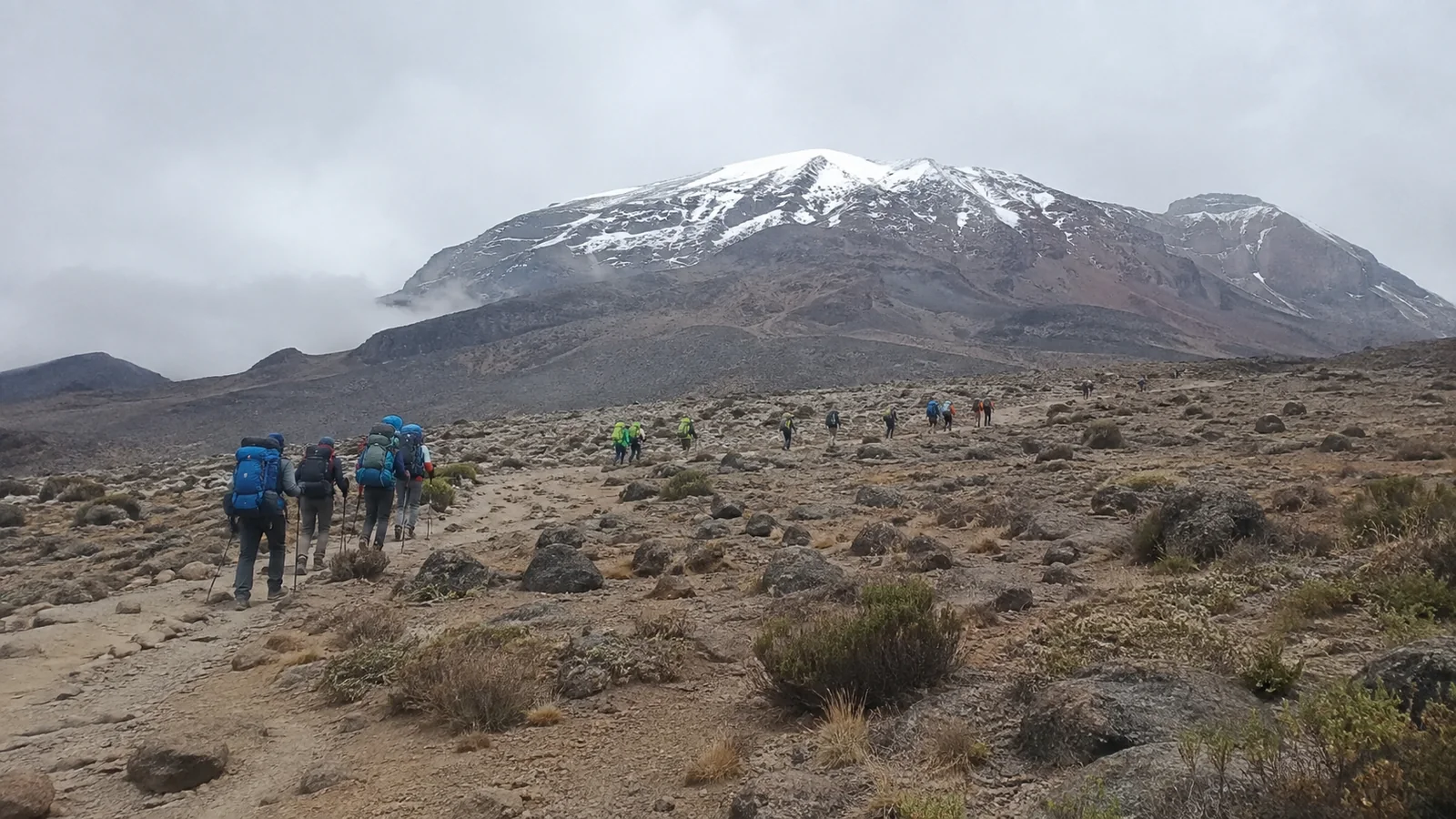
Entry documents and health preparation
Visa rules depend on nationality, so use Tanzania Immigration’s official eVisa guidelines rather than a tour-company summary. As of September 2026, the portal says U.S. passport holders traveling as tourists apply for a multiple-entry visa, while other passports follow different categories.
Verify passport validity, blank-page requirements, processing time, and the permitted purpose and length of stay before buying nonrefundable arrangements. Carry electronic and paper copies of your passport, visa, insurance, prescriptions, and operator contacts.
Arrange a pre-travel health visit well before departure and check the CDC destination page for Tanzania. Advice on routine vaccines, malaria prevention, yellow fever documentation, food and water, and mosquito protection varies with itinerary and health history.
Yellow fever rules can depend on where you arrive from and long airport transits in risk countries, not only your final destination. Bring the original certificate when it is required, and have a clinician resolve any medical exemption.
What summit night changes
Summit attempts commonly begin late at night so climbers reach the crater rim around dawn and descend in daylight. Expect slow switchbacks, darkness, cold, limited appetite, and a much longer day than the distance suggests.
Reaching Stella Point or Gillman’s Point is not the end of the physical work, and Uhuru Peak is not worth concealing symptoms. Turning around is a sound expedition decision, not a character verdict.
Should you add a safari?
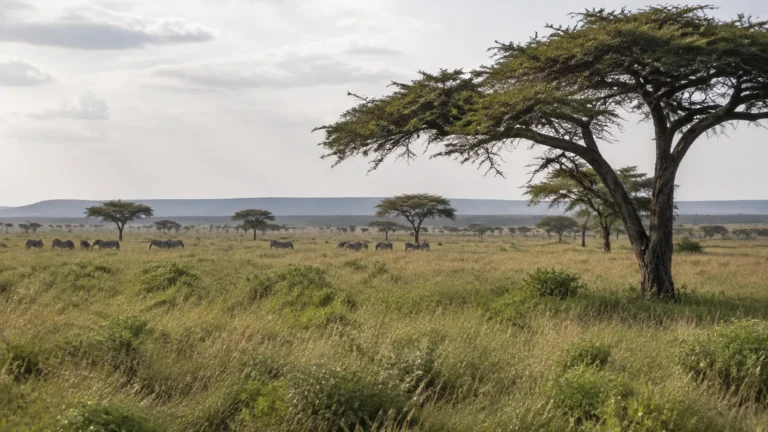
A safari can make good use of the long journey to Tanzania, but schedule it after enough recovery rather than driving directly from the descent gate into an ambitious itinerary. This Serengeti planning overview helps frame the distance, season, and viewing choices.
Leave flexibility between the climb and an expensive flight or park transfer. Sore legs, delayed descent, lost baggage, or medical review can turn a tightly stacked plan into a very costly puzzle.
The bottom line
The best Kilimanjaro plan is usually the least compressed route you can responsibly afford with a licensed, safety-minded, porter-conscious operator. Build around acclimatization, honest symptom reporting, a firm descent policy, appropriate insurance, and the possibility that the right outcome is returning safely without the summit photo.