
Imagine a night where the sky transforms into a canvas painted with swirling hues of green, pink, and purple.
This isn't a scene from a fantasy novel; it's the breathtaking beauty of the Northern Lights, also known as the Aurora Borealis.
So grab a cruise planner and join us as we set sail beneath the stars, exploring the world of Northern Lights cruises.


What are the Northern Lights?
In the cold, clear nights of the polar regions, the sky often erupts in a spectral ballet of lights, dancing and weaving their magic.
These are the Northern Lights, but what exactly causes this mesmerizing display?
Scientific Splendor
At its core, the Northern Lights, or Aurora Borealis, is a natural light display predominantly seen in the high-latitude regions around the Arctic and Antarctic.
This display occurs due to the interaction between the solar wind (a stream of charged particles released from the sun) and the Earth's magnetic field and atmosphere.
As these particles collide with the gases in our atmosphere, they produce energy in the form of light.


The Colors of the Night
Different gases interact with these particles to produce various colors:
- Green: This is the most common color and is produced by oxygen molecules located about 60 miles above the Earth.
- Red: Produced by high-altitude oxygen, at heights of up to 200 miles.
- Purple and Blue: Attributed to the interaction with nitrogen.
- Pink: Often a mix of the above, appearing as a beautiful blend in the skies.
It's a testament to the power and beauty of nature that something so scientific can result in a visual display that's so profoundly artistic and moving.


Cultural Significance
The Northern Lights have not only been a subject of scientific intrigue but also of cultural significance across various civilizations. Indigenous tribes in North America believed them to be spirits of their ancestors dancing in the sky.
The Norse thought them to be the glows from the shields of the Valkyries. While the interpretations differ, the common thread across all cultures is the recognition of its sheer ethereal beauty.
As we continue our journey, we'll delve deeper into why witnessing this phenomenon from a cruise offers an unparalleled experience. So, keep your eyes on the horizon and your mind open to the wonders above.


Best Way to Witness the Northern Lights
If the Northern Lights are nature's most spectacular theatre, then a cruise ship is undoubtedly the front row seat you've been dreaming of.
But why, amidst all the options available, is a cruise the premier choice to witness this astral dance? Let's embark on this part of the voyage to understand why.
Unobstructed Views
The vastness of the open sea means minimal interference. No tall buildings, no cityscape to block your vision—just you, the dark canvas of the night sky, and the vibrant colors of the auroras.
The absence of urban light pollution ensures that the colors of the Northern Lights appear more vibrant and clearer than they would in most terrestrial settings.


Mobility
Unlike fixed locations, a cruise ship offers the unique advantage of mobility. If cloud cover threatens your viewing experience, the ship can navigate to clearer skies.
This flexibility increases your chances of seeing the lights in all their glory multiple times during your voyage.
Comfort and Luxury
Imagine this: after spending hours under the chilly Arctic skies, you step into the warmth of a luxurious cabin, hot cocoa in hand. Northern lights cruises offer a harmonious blend of adventure with comfort.
Modern amenities, fine dining, entertainment, and relaxation options ensure you get the best of both worlds.


Extended Viewing Opportunities
Being on a Northern Lights cruise often means several days at sea, and with each night comes a new opportunity to witness the lights.
You're not just banking on a single night; you're giving yourself multiple chances to see the spectacle.
Expert Guidance
Many Northern Lights cruises are accompanied by experts who not only offer insights into the science behind the phenomenon but also give tips on photography, ensuring you capture the magic perfectly.
Their expertise can enhance the experience, making the celestial display even more memorable.
Comprehensive Experience
Beyond the Northern Lights, cruises often sail to exotic polar destinations, offering a comprehensive experience.
From witnessing wildlife like polar bears and seals to visiting quaint Arctic towns, a Northern Lights cruise often transcends the lights themselves.
Choosing a cruise for your Northern Lights adventure is more than just about the lights; it's about the holistic experience.
The combination of nature's most brilliant display with the luxury and mobility of a cruise ship ensures memories that last a lifetime.
As we chart our course to the top cruise ports, remember: it's not just about the destination, but the journey itself.


Norway Cruises
Norway, with its jagged coastlines, deep fjords, and proximity to the Arctic, is often hailed as one of the best places to witness the Northern Lights.
Its natural beauty, combined with the ethereal dance of the lights, makes it an experience like no other. Let's navigate through some of Norway's top spots for aurora watching.


Tromsø
- Tromsø, lying 350 kilometers north of the Arctic Circle, is one of the prime locations to catch the Northern Lights. The city itself offers a blend of modernity with deep-rooted Sami culture, creating a beautiful juxtaposition of experiences.
- Best times to visit: The winter months, especially between November and February, are the most favorable. The Polar Nights, where the sun doesn’t rise for several weeks, provides extended hours of darkness - perfect for aurora hunting.
- Tips for cruisers: While on board, keep an eye out for other natural wonders like orcas and humpback whales that frequent the waters around Tromsø. Also, consider joining excursions that delve deeper into Sami culture, offering experiences like reindeer sledding.


The Lofoten Islands
- A dramatic landscape of towering mountains, deep fjords, and scattered fishing villages, Lofoten provides a picturesque backdrop for the Northern Lights. The reflection of the lights on the serene waters amplifies the experience.
- Best times to visit: Although the auroras can be seen from September to April, the darkest months (December to February) are ideal. The islands also offer a slightly milder climate due to the Gulf Stream, making the stay more comfortable.
- Tips for cruisers: Lofoten is famed for its fish, especially stockfish. Try local delicacies on board or during shore excursions. Also, engage in photography tours that teach you the best techniques to capture both the landscape and the lights.


The North Cape
- Standing atop the North Cape plateau feels like being at the end of the world. The vast Arctic Ocean stretches in front of you, providing a minimalist yet magnificent stage for the Northern Lights to perform.
- Best times to visit: The winter months, particularly December and January, provide the most dramatic settings with snow-clad landscapes and long nights.
- Tips for cruisers: When docking near the North Cape, consider visiting the North Cape Hall, which offers a panoramic view, a movie about the region, and local artifacts. Also, ensure you're bundled up - the winds can be particularly strong and chilly here.
Norway, with its myriad of natural wonders, rich culture, and prime geographical location, offers one of the most exquisite Northern Lights experiences.
Whether you're sailing past the charming villages of Lofoten or standing on the precipice of the North Cape, the auroras are sure to etch a memory that remains vivid for years to come.


Iceland Cruises
Iceland, often referred to as the "Land of Fire and Ice," is a unique blend of roaring volcanoes, vast glaciers, hot springs, and geysers.
Amidst this raw natural beauty, the Northern Lights often make their grand appearance, turning the night sky into a mesmerizing light show.
Let's venture into some of the best Iceland cruise ports for witnessing the Northern Lights from the sea.


Reykjavik
- Though a capital city, Reykjavik's relatively low light pollution makes it a suitable place for aurora spotting, especially when viewed from offshore. The city's modernist architecture, arts scene, and history add to the charm.
- Best times to visit: As with many Northern Lights destinations, the period between September to April is ideal, with the peak being in the darker winter months of December to February.
- Tips for cruisers: While Reykjavik itself is a gem, consider excursions to the nearby Blue Lagoon for a warm geothermal soak. If your cruise allows, a trip to the Golden Circle – with the Gullfoss waterfall, Thingvellir National Park, and the Geysir geothermal area – is highly recommended.


Akureyri
- Nestled at the base of Eyjafjörður Fjord, Akureyri is Iceland's second-largest city but has the charm and intimacy of a small town. The surrounding mountains and fjord create a dramatic setting for the Northern Lights to unfold.
- Best times to visit: Winter months, from November to February, offer the best chances, with long nights and snowy landscapes enhancing the aurora experience.
- Tips for cruisers: Use your time in Akureyri to explore the botanical gardens, one of the northernmost in the world. Whale-watching tours are also popular here. And if time allows, visit the nearby Mývatn region, known for its volcanic landscapes and hot springs.
Iceland is a land of contrasts, where the warmth of its people starkly contrasts the coolness of its glaciers, and where the fiery eruptions of its volcanoes illuminate the icy brilliance of the Northern Lights.
A cruise around this island offers more than just an aurora spectacle – it's a deep dive into nature's wonders and the heart of Viking legacy.


Canada Cruises
The vastness of Canada offers not only diverse landscapes but also multiple ports of call from which to embark on a Northern Lights cruise.
These Canadian ports serve as gateways to prime aurora-viewing territories, combining local charm with the promise of celestial wonders.


Vancouver, British Columbia
- Nestled between the Pacific Ocean and the coastal mountains, Vancouver is a bustling west coast metropolis. While it's not a prime Northern Lights spot, many Northern lights cruises begin here, venturing northward to aurora territories in Vancouver to Alaska cruise itineraries.
- Tips for cruisers: Explore the city's diverse neighborhoods, visit Stanley Park, and relish the Pacific Northwest cuisine before setting sail.


Victoria, British Columbia
- The charming capital of British Columbia, Victoria cruise port exudes an old-world charm. Located on Vancouver Island, it's another popular starting point for northern lights cruises heading north.
- Tips for cruisers: Take in the city's British colonial history, visit the famed Butchart Gardens, and perhaps enjoy a traditional afternoon tea.


Prince Rupert, British Columbia
- Closer to the northern lights zone, Prince Rupert offers a mix of indigenous culture and coastal beauty.
- Tips for cruisers: Learn about the area's rich First Nations history and explore the nearby Khutzeymateen Grizzly Bear Sanctuary.


- Iqaluit, on Baffin Island, sits within the Arctic Circle, providing an authentic Arctic experience and increasing chances for aurora sightings.
- Tips for cruisers: Immerse yourself in Inuit culture, visit the Nunatta Sunakkutaangit Museum, and brace yourself for potential breathtaking aurora displays.


St. John's, Newfoundland and Labrador
- Though more known for its iceberg sightings than the Northern Lights, St. John's serves as a gateway to the wild North Atlantic and the northern reaches of Labrador.
- Tips for cruisers: Dive into the rich maritime history, savor the unique Newfoundland cuisine, and set out on the hope of capturing both icebergs and auroras in one frame.
From the vibrant cities of the west coast to the remote Arctic regions, Canada's cruise ports offer a tapestry of experiences. As you embark from these ports, the promise of the dancing Northern Lights on the horizon adds to the allure of the Great White North's vast and varied landscapes.

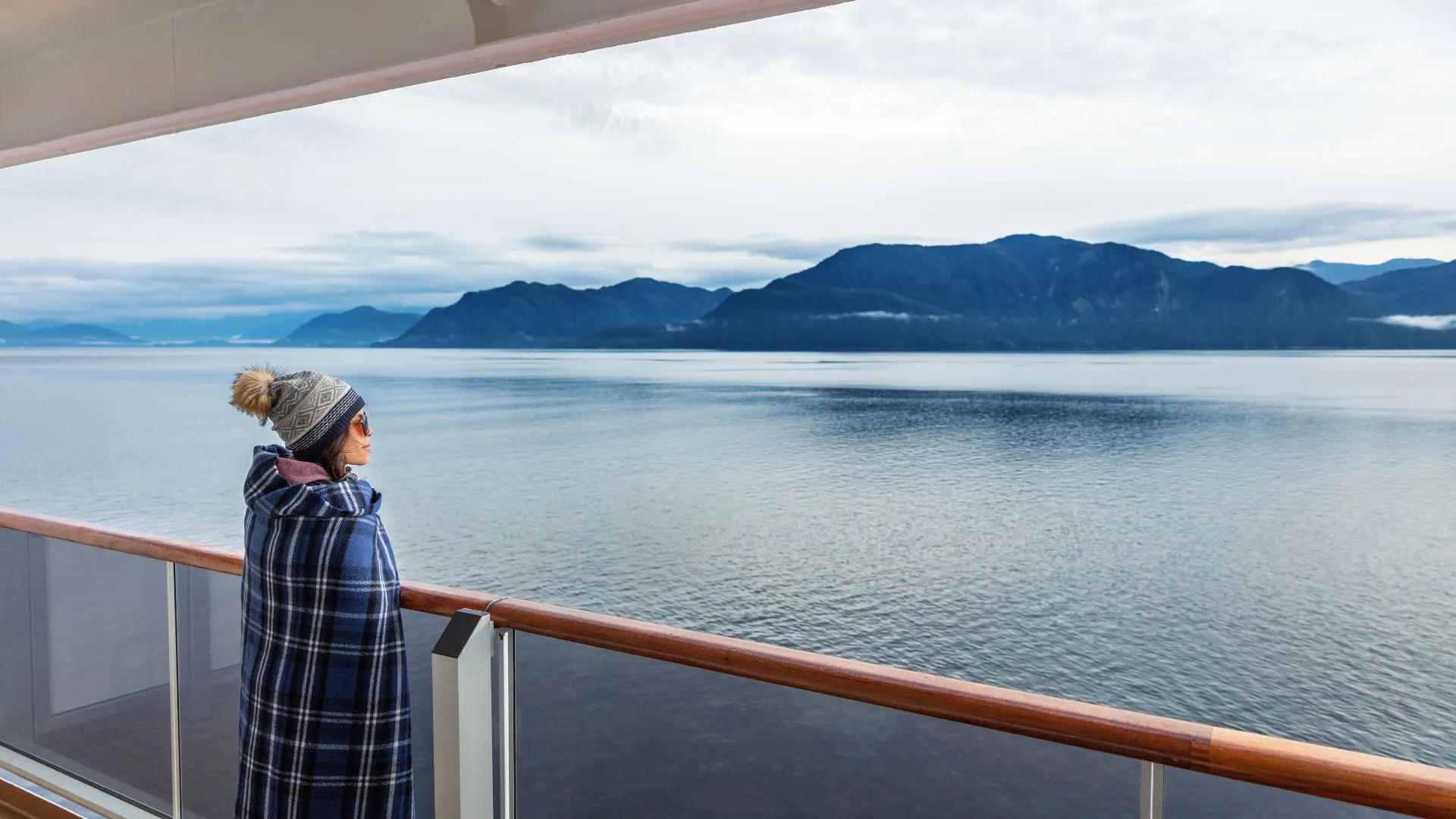
Alaska Cruises
Alaska, known as the Last Frontier, boasts a range of cruise ports that are gateways to pristine wilderness, glacial wonders, and, of course, the mesmerizing Alaska Northern Lights.
These cruise ports beckon travelers with both their regional charms and the celestial displays they promise.


Anchorage (Port of Whittier or Seward)
- While Anchorage itself isn't a cruise port, nearby Whittier and Seward serve as the maritime gateways. They offer access to Alaska's scenic wonders and are a great starting point for northern lights cruises venturing further north.
- Tips for cruisers: Prior to boarding, explore Anchorage's rich cultural heritage, its museums, and perhaps make a trip to the nearby Chugach Mountains.


Juneau
- Alaska's capital city, nestled between towering mountains and the Gastineau Channel, Juneau cruise port is both scenic and significant on Alaskan northern lights cruises.
- Tips for cruisers: Experience the Mendenhall Glacier, delve into the history at the Alaska State Museum, and keep an eye out for the auroras, especially during fall and winter.

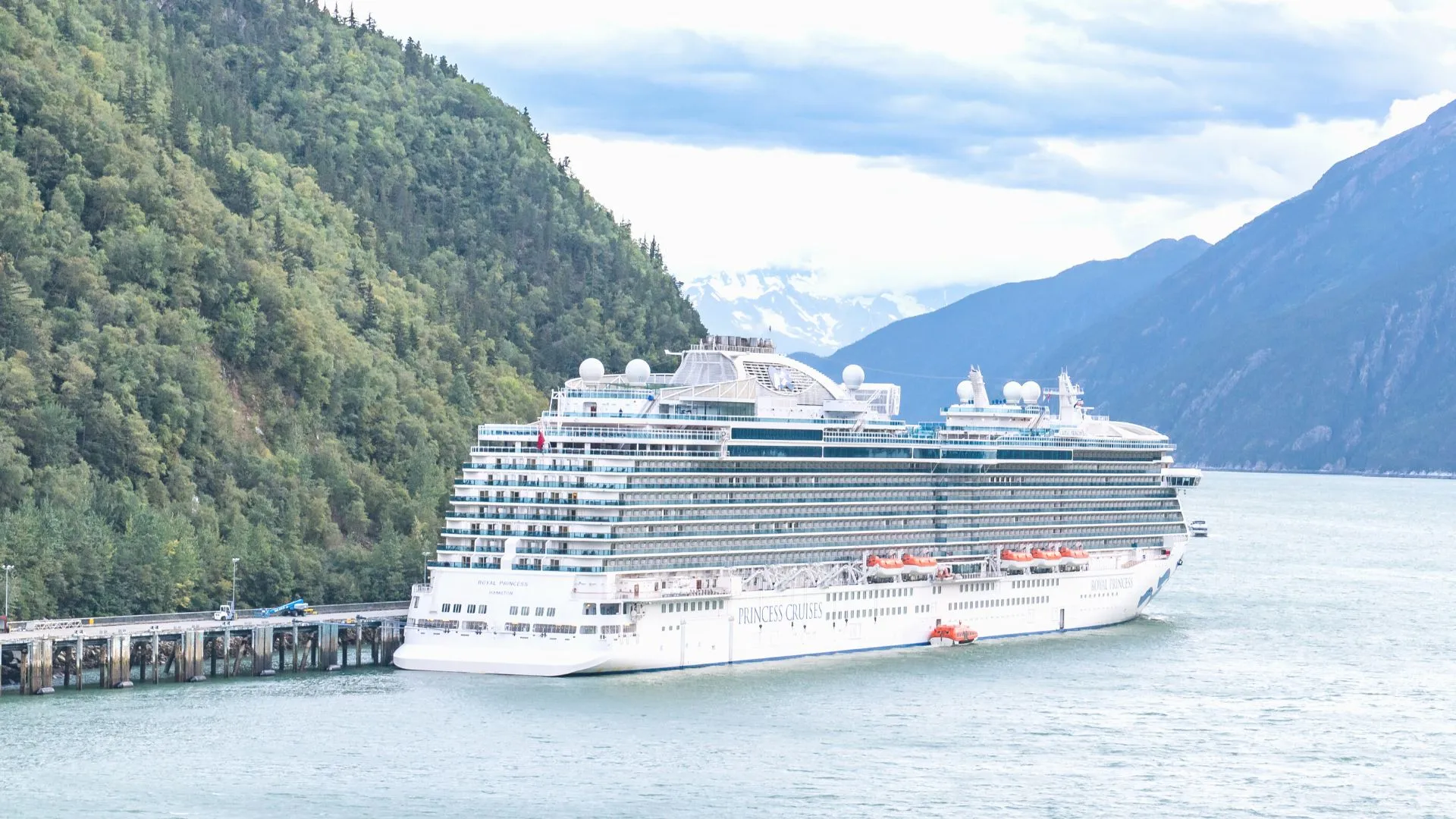
Skagway
- Once a gold rush town, Skagway cruise port is a charming town that transports visitors back to the Klondike era.
- Tips for cruisers: Explore the historic downtown, take the White Pass & Yukon Route railway for breathtaking vistas, and look upwards for potential Northern Lights displays on clear nights.


Fairbanks
- Though not a coastal port, some river Northern Lights cruises start or end in Fairbanks, offering deep insights into Alaska's interior. Plus, its location makes it one of the best places in Alaska to view the Northern Lights.
- Tips for cruisers: Visit the Museum of the North, soak in the Chena Hot Springs, and, if the timing is right, revel in the luminous beauty of the auroras.


Ketchikan
- Known as the "Salmon Capital of the World," Ketchikan offers rich indigenous culture and an introduction to the Alaskan rainforest.
- Tips for cruisers: Immerse yourself in Tlingit culture at the Totem Heritage Center, explore the Misty Fjords National Monument, and enjoy the coastal views, hoping for a glimpse of the Northern Lights during the right season.
Alaska's cruise ports serve as more than just boarding points; they're the threshold to the state's raw beauty and the magical allure of the Northern Lights.
With each port offering its unique blend of history, culture, and nature, cruisers are in for an unparalleled Alaskan experience.

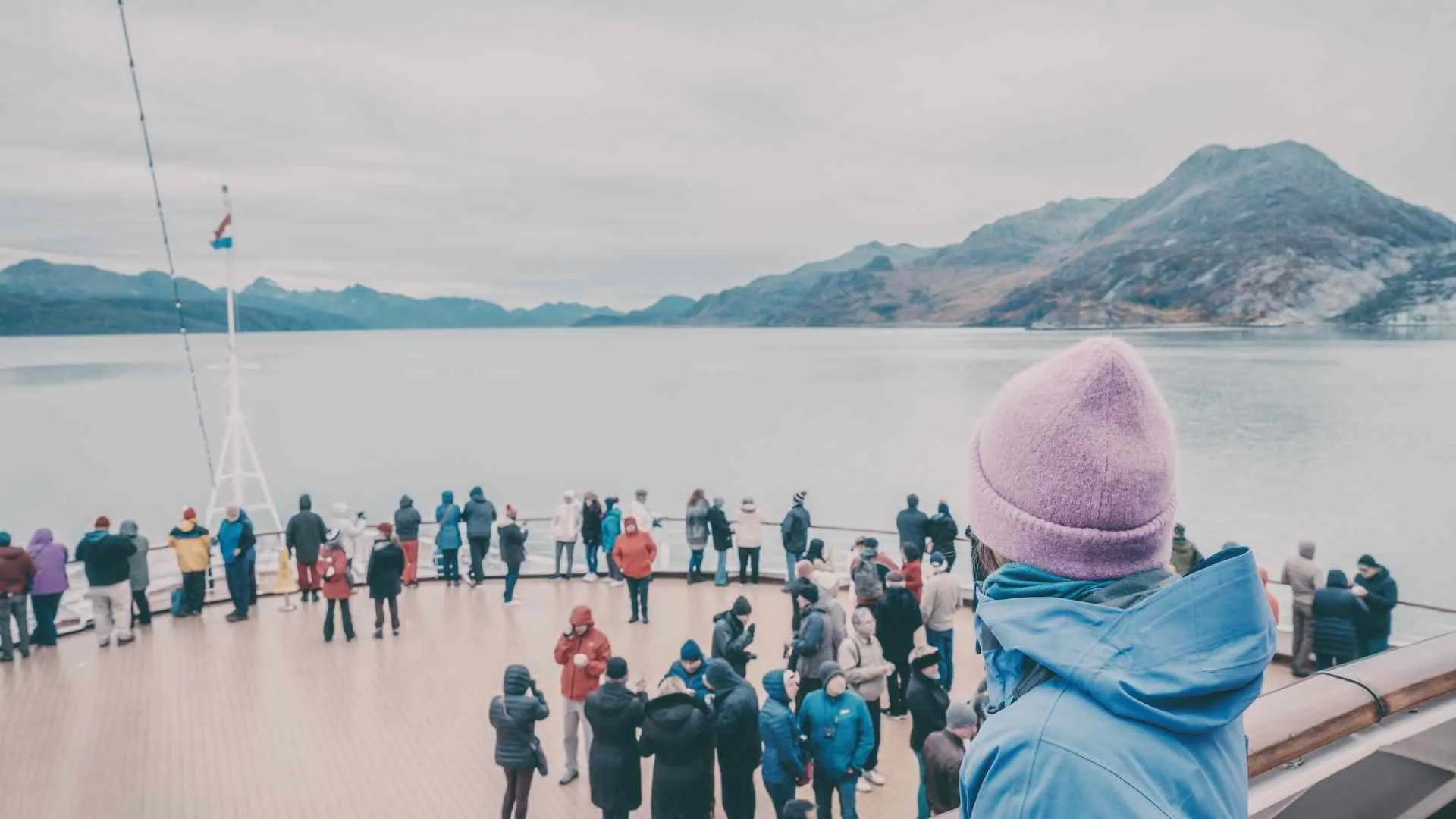
Russia Cruises
The vast expanse of Russia, with its storied history and awe-inspiring landscapes, offers a number of crucial ports for Northern Lights cruises.
These ports not only introduce travelers to the rich tapestry of Russian culture but also act as starting points for voyages beneath the shimmering Arctic skies.


Murmansk
- Positioned deep within the Arctic Circle, Murmansk is Russia's primary port for Northern Lights cruises. This city offers an urban touch amidst the wild Arctic and serves as a strategic launching point for polar expeditions.
- Tips for cruisers: Explore the city's naval history at the Northern Fleet Museum, visit the Alyosha Monument, and prepare for potentially mesmerizing aurora displays.


Arkhangelsk (Archangel)
- Located on the White Sea, Arkhangelsk offers a blend of Russian culture and maritime history. As an age-old seaport, it's a classic embarkation point for Arctic cruises.
- Tips for cruisers: Delve into the city's heritage at the Arkhangelsk Regional Museum, stroll along the river embankment, and remain vigilant for Northern Lights appearances during the darker months.


Vladivostok
- While not an Arctic port, Vladivostok, Russia's main Pacific seaport, is a significant hub for Russian northern lights cruises, particularly those aiming to traverse the entire northern coastline.
- Tips for cruisers: Discover the maritime essence at the Russian Island Bridge and Submarine Museum, and if your cruise journey goes northwards, anticipate the Northern Lights as you head towards the Arctic territories.


Anadyr
- Located in Russia's far east, Anadyr is the gateway to the Chukotka region. It's a starting or ending point for Northern Lights cruises exploring Russia's Arctic coastline.
- Tips for cruisers: Immerse yourself in the region's indigenous culture at the local museums, observe the unique Russian Far East architecture, and gear up for potential aurora viewings in this remote locale.
Russia's ports, each resonating with its unique charm and history, invite travelers to embark on journeys that are as much about cultural exploration as they are about celestial wonder.
From the European north to the distant east, Russia's vast coastline promises tales of the land and the magic of the Northern Lights.


Tips and Tricks for Northern Lights Cruises
So, you're ready to embark on a journey to chase the ethereal Northern Lights by sea. All-inclusive cruises offer a unique vantage point, as they can navigate to areas with minimal light pollution and often provide unrivaled panoramic views.
But to ensure you get the most out of your aurora cruise experience, here are some handy cruise tips and tricks.
Best Time of Year
- Darker is Better: The Northern Lights are best observed in the darkest months, which usually span from September to April. The heart of winter is particularly good due to the extended hours of darkness.
- Monitor Solar Activity: The auroras are caused by solar particles colliding with Earth's atmosphere. Websites and apps that track solar activity can predict potential aurora displays.


Dress for the Occasion
- Layer Up: Temperatures can be extremely chilly, especially when out on the deck for extended periods. Wear multiple layers, including thermals, fleece, and waterproof outer layers.
- Protect Extremities: Wear a warm hat, gloves, and insulated boots. Remember, it's often colder at sea!
Camera and Photography Tips
- Tripod is a Must: Aurora photography requires long exposure times, making a tripod essential to prevent blurry shots.
- Use Wide-Angle Lenses: These are best for capturing the vastness of the sky and the sweeping lights.
- Manual Settings: Adjust your camera to a high ISO, open the aperture as wide as it goes (small f-number), and experiment with shutter speeds between 5-20 seconds.
- Battery Backup: Cold conditions can drain battery life quickly, so bring extras and keep them warm.


Choose the Right Cruise
- Research Itineraries: Some northern lights cruises focus specifically on Northern Lights, while others offer it as a part of a broader itinerary. Ensure the cruise offers ample opportunities for aurora viewing.
- Expert Guidance: Some cruises have onboard experts or astronomers who can provide insights about the Northern Lights and stargazing.
Be Patient and Flexible
- Nature's Show: Remember, the Northern Lights are a natural phenomenon and are unpredictable. Some nights may have a more vibrant display than others, or clouds might obscure the view.
- Multiple Nights: Ideally, book a cruise that offers multiple nights in prime viewing areas to maximize your chances of seeing the lights.


Enjoy the Overall Experience
- Beyond the Lights: While the auroras are the main attraction, enjoy the unique landscapes, wildlife, and cultures of the regions you're visiting.
- Nighttime Activities: Some northern lights cruises offer nocturnal activities such as midnight sun rituals, stargazing sessions, or even night fishing.
Chasing the Northern Lights is a dream for many. While there's no guaranteed formula for the perfect viewing, these tips and tricks can certainly enhance your chances and overall experience.
As with any natural spectacle, part of the magic lies in the anticipation and the journey itself. So, embark with an open heart, prepared mind, and let the dance of the lights leave an indelible mark on your soul.
Wrapping Up the Northern Lights Cruise Guide
Our journey, both through this guide and across the ethereal landscapes of the Northern Hemisphere, has been one of awe and wonder. The Northern Lights, with their unpredictable yet majestic dance, beckon travelers with the promise of nature's most spectacular show.
As you set sail or dream of your first cruise or next adventure, carry with you the stories, the landscapes, and the luminescent memories of the Northern Lights. Here's to clear skies, bright stars, and a horizon illuminated with colors beyond imagination.
Bon Voyage! 🌌🚢
FAQs on Northern Lights Cruises
Embarking on a Northern Lights cruise is an exciting adventure filled with anticipation. But naturally, many travelers have questions. Here are some of the most frequently asked questions to help guide your journey.
1. Can I guarantee seeing the Northern Lights on my cruise?
- No, the Northern Lights are a natural phenomenon, and while certain regions and times of year increase the probability, there's no absolute guarantee. However, northern lights cruises that spend multiple nights in prime viewing areas can maximize your chances.
2. What's the best time of year to go on a Northern Lights cruise?
- The prime viewing season for the Northern Lights is between September and April, with the darkest months (December to February) being the most ideal.
3. How cold will it be on the ship's deck during viewing?
- It can get quite chilly, especially during the peak winter months. Temperatures can range from slightly above freezing to well below, depending on the region and time of year. Dressing in layers and wearing insulated clothing is crucial.
4. Will the cruise ship turn off its lights for better viewing?
- Many Northern Lights-focused cruises will dim or turn off unnecessary lights during prime viewing times to reduce light pollution and enhance the aurora experience for passengers.
5. Are there any on-board amenities to enhance the viewing experience?
- Many northern lights cruises offer amenities such as heated observation lounges, expert-led presentations about the Northern Lights, and sometimes even hot drinks or snacks during viewing sessions.
6. I suffer from seasickness. Will this be a problem?
- It depends on the cruise route and weather conditions. Northern waters can sometimes be choppy, but modern cruise ships are equipped with stabilizers to minimize discomfort. It's always a good idea to bring seasickness remedies or consult with a physician before your trip.
7. Can I photograph the Northern Lights from the ship?
- Absolutely! You can snap some amazing photos on northern lights cruises. However, remember to bring a tripod for stability due to the ship's motion and use the recommended camera settings for capturing the auroras.
8. How long does a typical Northern Lights cruise last?
- The duration varies, ranging from short 3-day jaunts to extended 2-week voyages, depending on the itinerary and regions covered.
9. Are there any other activities on the cruise apart from Northern Lights viewing?
- Yes, most cruises offer a range of activities, from exploring local ports, wildlife watching, cultural excursions, and more. The Northern Lights are a highlight, but the overall journey is rich with experiences.
10. What should I pack for my Northern Lights cruise?
- Essentials include warm clothing (think layers), a good-quality camera, tripod, extra batteries, seasickness remedies (if prone), binoculars for stargazing, and any personal necessities.
While the idea of chasing the Northern Lights cruises can seem daunting, a well-informed traveler can maximize the experience. Always remember to consult with your chosen cruise line for specific details and advice, ensuring your journey is as smooth and magical as the dancing lights themselves.

Ellie is the founder of Ellie's Travel Tips, where she shares practical cruise tips, port guides, and step-by-step itineraries to help you plan smarter trips for less. Her checklists and packing guides turn travel daydreams into doable plans.