
No cabin category is bad for everyone. These are red flags to inspect on the exact ship, with the traveler affected, evidence to request, and a better alternative when the tradeoff matters.




Use Red Flags, Not a Universal Avoid List
A deck-plan relationship identifies possible exposure, not a proven problem. Confidence is high for an official symbol or category term, medium for visible adjacency, and low for an unlabeled-space theory.
Start with the exact sailing-era plan. Royal Caribbean's official deck-plan guide explains that plans show connections, accessibility, obstructions, elevators, and stairs.

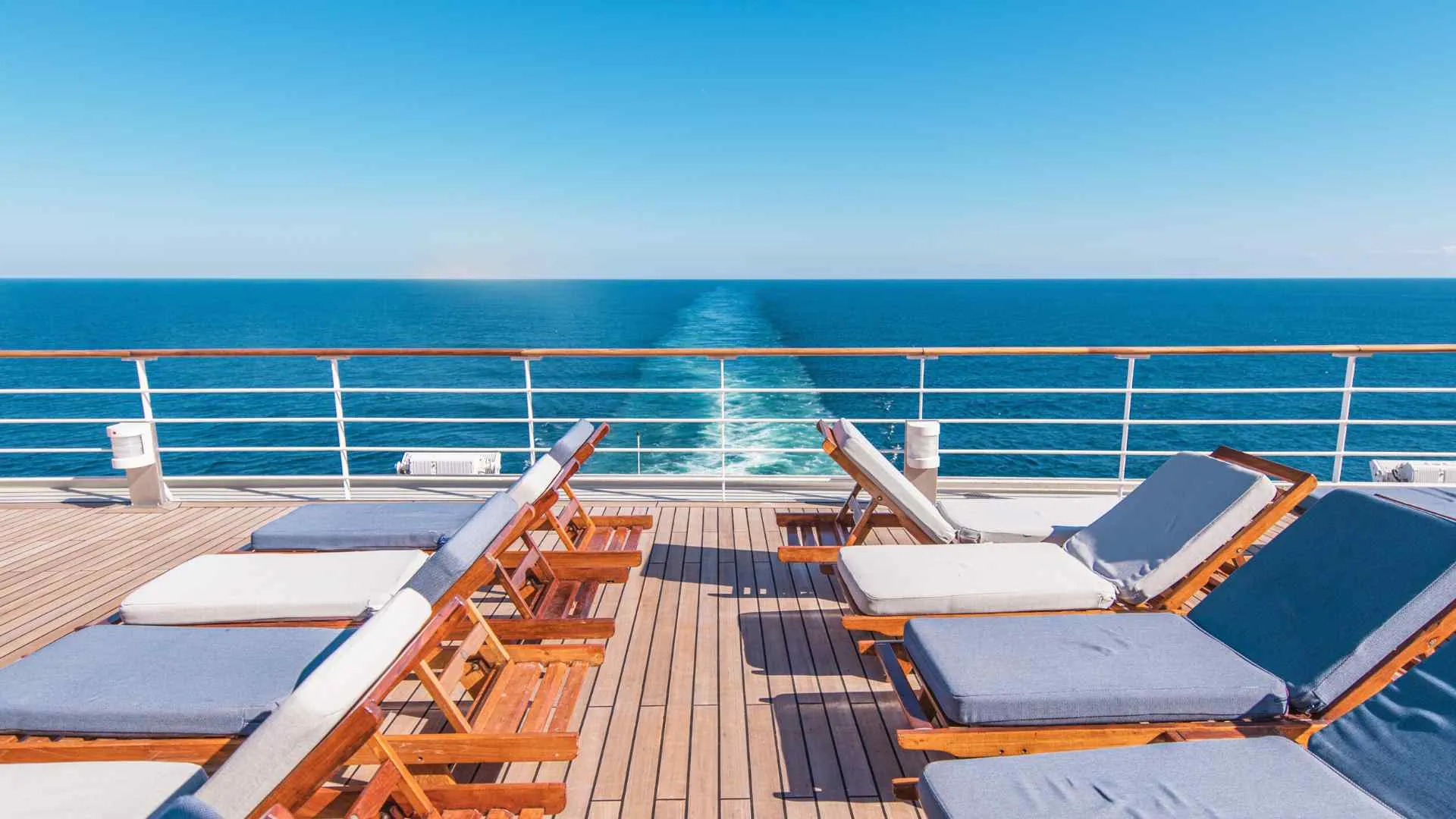
1. Cabins Below Active Public Decks
Inspect cabins beneath pools, open decks, casual dining, gyms, and other public spaces when sleep sensitivity is high. The map supports the adjacency, but not a claim about exact hours, chair movement, music, or volume.
A better alternative is a comparable cabin with passenger rooms directly above. Someone who rises early and values pool access may prefer the original location.

2. Cabins Above Entertainment or Dining
A theater, lounge, music venue, promenade, restaurant, or galley-adjacent area below can matter to an early sleeper. Confirm the exact venue and intervening structure without inventing a nightly disturbance.
Choose a room over another cabin when quiet is a priority. Keep the original if nightlife proximity is more valuable and the possible exposure is acceptable.


3. Connecting Cabins You Do Not Need
A connecting symbol proves an internal door, not that sound will bother every occupant. Travelers who prioritize separation can compare an otherwise similar nonconnecting room.
Families booking both sides may gain supervision, privacy, beds, and bathrooms. Verify the exact pair because adjacent numbers alone do not prove connection.


4. Guarantee Assignments
A guarantee can surrender location and sightline control. Norwegian currently describes guarantees that may be assigned across several decks, with some oceanview or balcony products allowing partial or full obstruction.
Read the exact operator terms using the current NCL example only as a warning. Select a specific room when connection, accessibility, bedding, obstruction, or location is nonnegotiable.


5. Partially or Fully Obstructed Views
An obstruction may affect the horizon, outward view, downward view, light, or balcony experience differently. Ask which sightline matters rather than rejecting every discounted obstructed category.
Princess notes that typical arrangements vary and that some nautical items are not treated as obstructions. Review the current plan disclaimer before assuming “unobstructed” means unrestricted in every direction.


6. Motion-Sensitive Locations
Travelers prone to motion should treat location as one input, not a guarantee. Sea state, ship response, itinerary, and the individual still matter, and CDC recommends discussing prevention with a healthcare provider.
A more central location may be worth comparing when motion is a major concern. Do not promise that a deck or ship section prevents seasickness.

7. Long Walks From Needed Venues
A far-forward or far-aft cabin can create repeated walks for someone with limited stamina. Trace the route to dining, medical facilities, childcare, elevators, and the gangway rather than banning an entire ship section.
For another traveler, corridor separation and a favorite aft view may outweigh the walk. The better alternative is the closest suitable room to the facilities personally used most.

8. Elevator and Stair-Lobby Adjacency
Nearby vertical circulation can mean convenient movement and possible passenger activity. The plan proves proximity, not noise.
Choose farther down the corridor if sleep sensitivity leads. Choose closer when mobility, navigation, or short routes matter more.

9. Unverified Blank or Service-Looking Spaces
A blank shape can represent many things and should trigger a question, not a machinery claim. Ask the line what it can confirm and keep the confidence low when it cannot.
A better alternative is a room bordered by clearly labeled passenger cabins. Never publish cabin numbers from speculation.
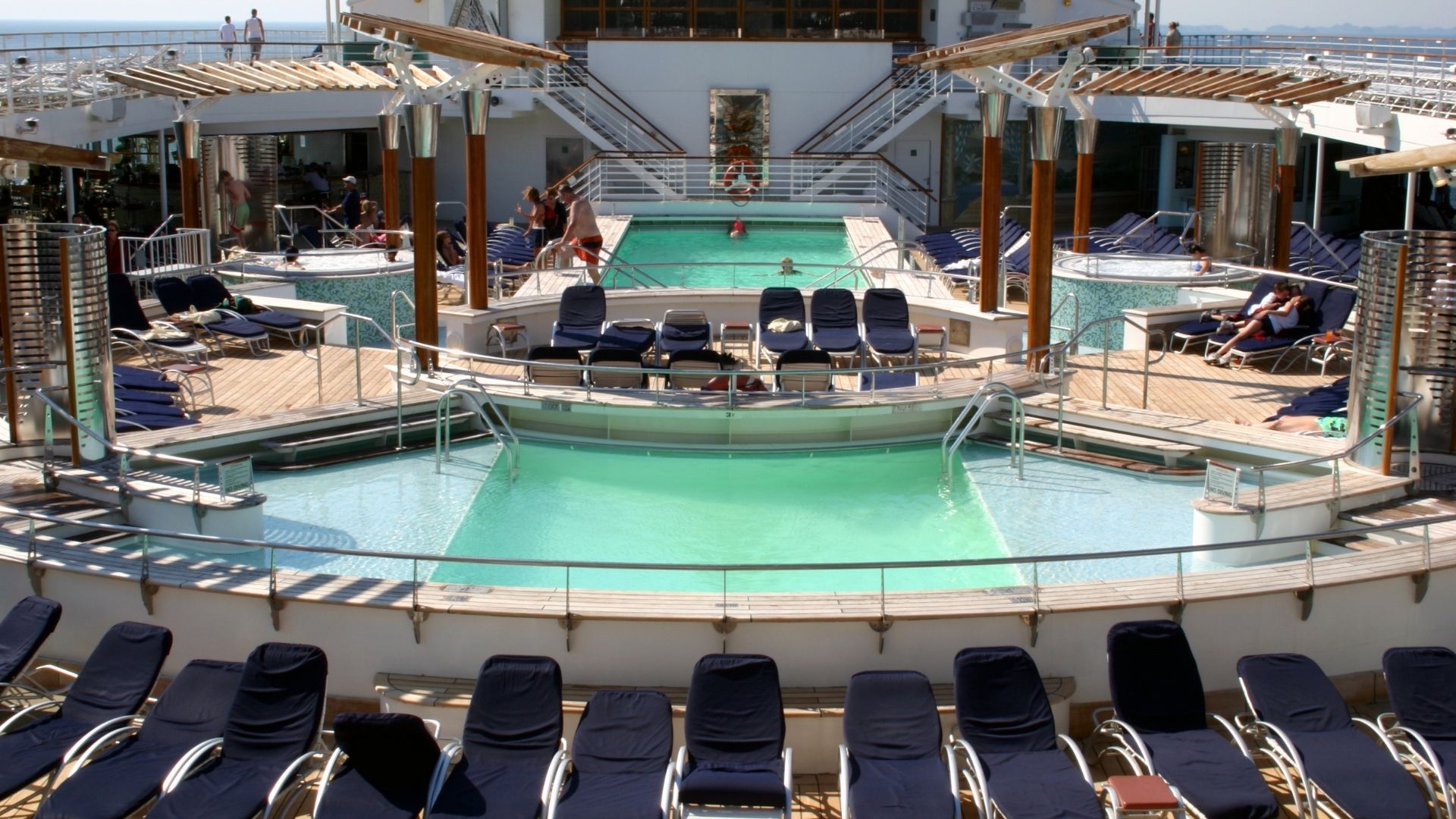

10. Privacy-Exposed Balconies or Windows
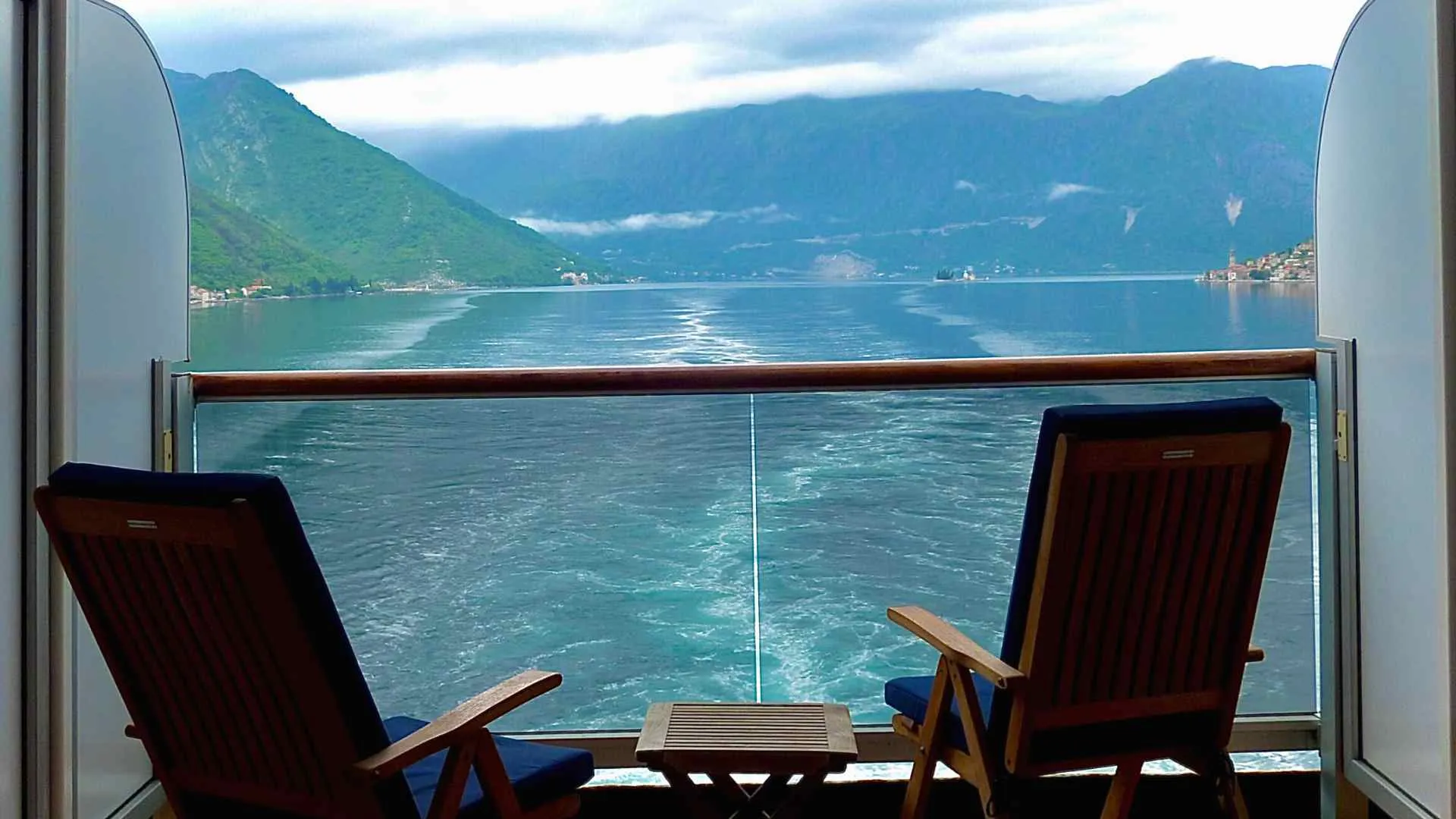
Promenades, bridges, public decks, angled balconies, and neighboring sightlines can affect privacy. A category photo rarely proves what people can see from the exact location.
Ask about the relationship shown on the current plan and choose a more conventional outward-facing position when privacy is essential. Keep the original when people-watching or extra balcony shape matters more.


11. Accessible Rooms That Do Not Match the Need
Accessible rooms are not one layout. Confirm doorway, turning space, bathroom, transfer side, bed clearance, threshold, equipment, route, and emergency needs with the access team.
Do not book accessible inventory merely for extra space. Travelers who need specific features should select only an exact cabin the line confirms as functionally suitable.

12. Family Rooms With the Wrong Beds
Maximum occupancy does not describe the bed arrangement. Verify lower beds, sofa beds, upper berths, conversion, bathroom count, and who can safely use each sleeping surface.
Compare one suite, two connecting rooms, and nearby rooms for the same passengers. The answer depends on privacy, supervision, bathrooms, benefits, and complete price.
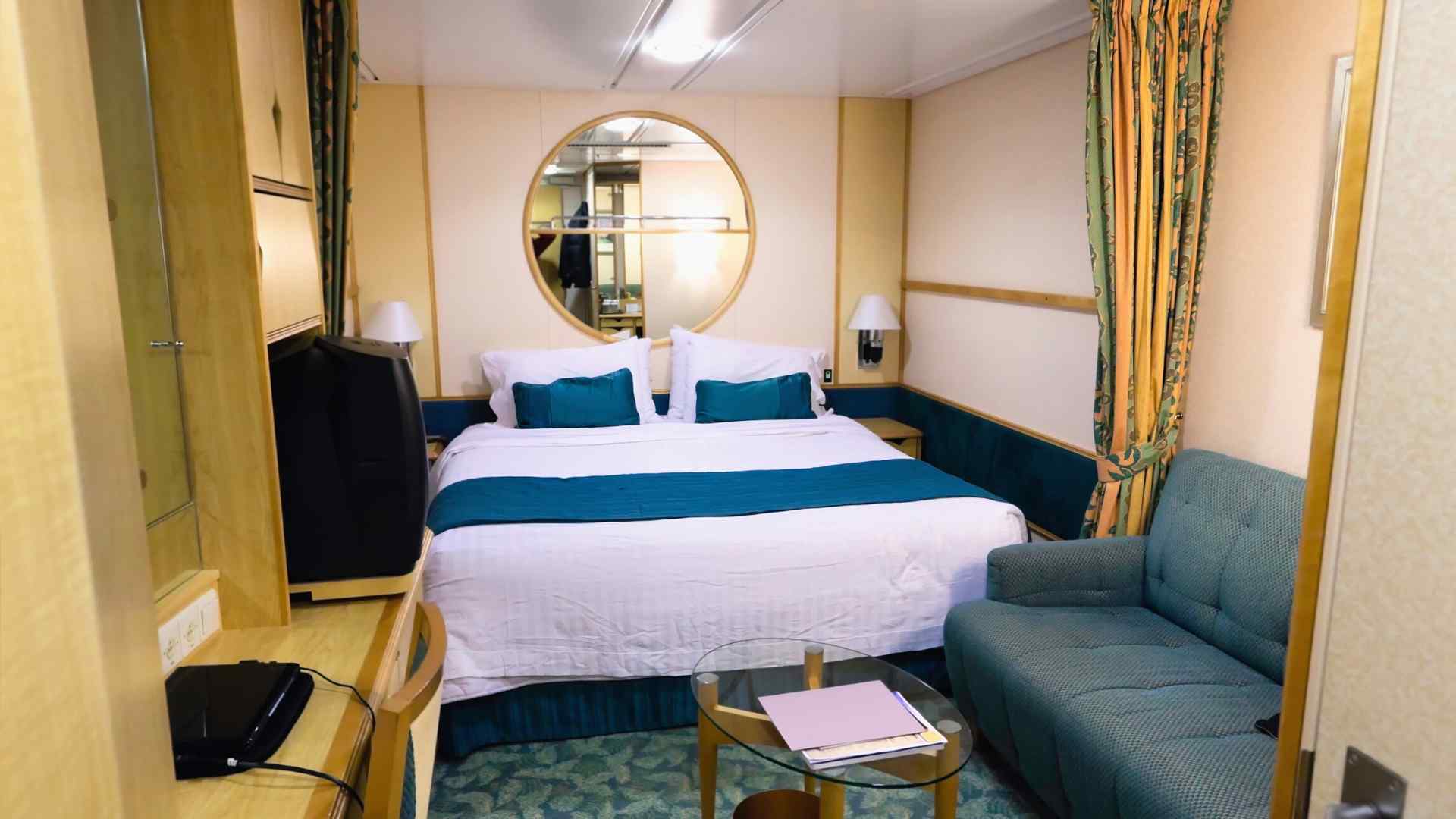
13. Suites Chosen for Status Alone
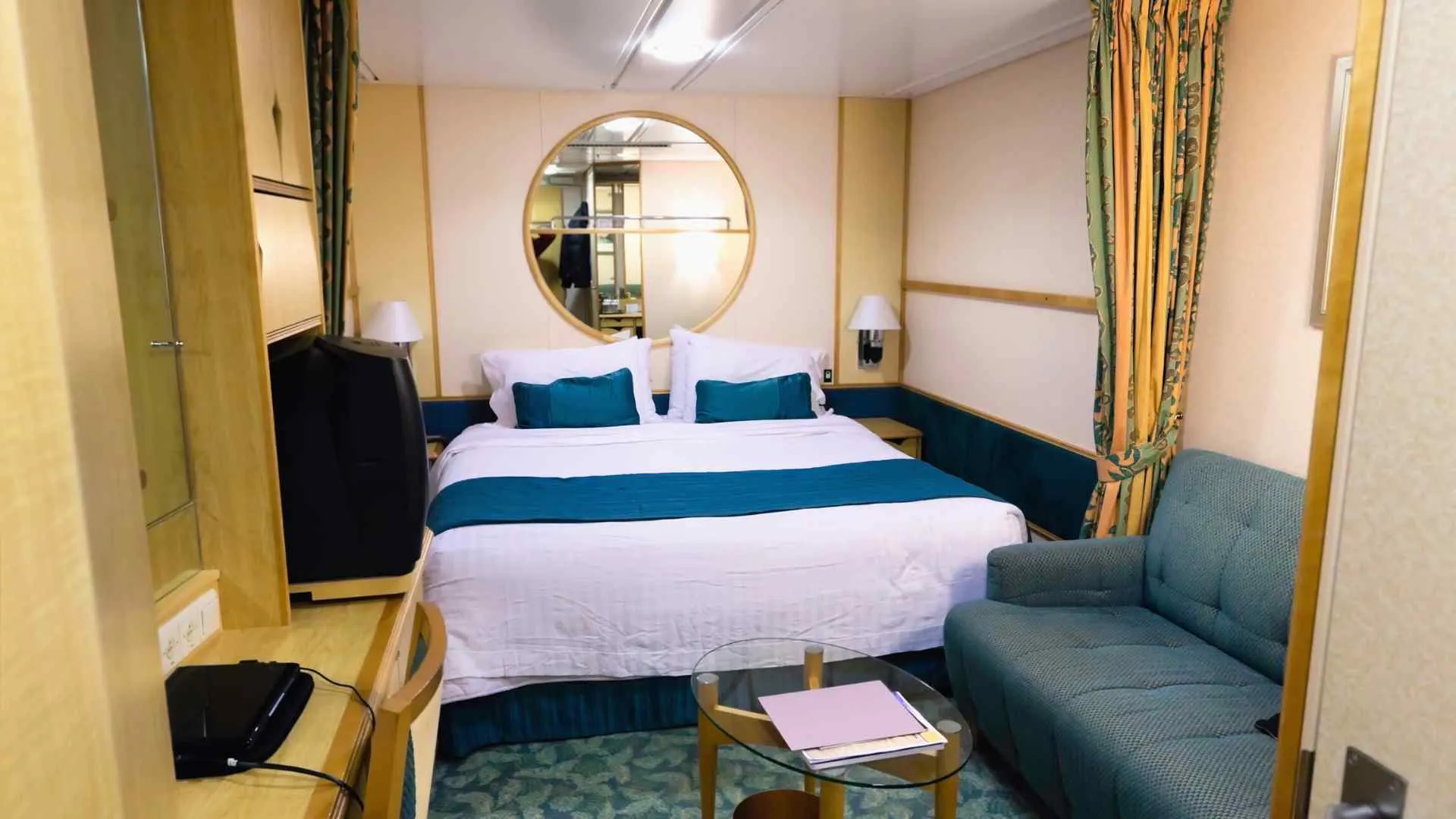
A suite name does not prove the same space or benefits across ships. Compare category code, floor plan, occupancy, balcony, bathrooms, exclusive areas, dining, service, and the exact fare.
Two rooms may beat one suite for a family needing privacy and bathrooms. A suite may win when shared space and included benefits replace planned spending.


14. Cabins With Unconfirmed Bedding
Do not assume every king converts, every sofa becomes a bed, or every third guest receives a lower berth. Read the symbol and secure written confirmation when the arrangement changes whether the room works.


15. Cabins Selected From Sister-Ship Reports
A sister ship can identify questions, but it is not proof. Refurbishment, category, venue, structure, and room numbering can differ.
Require the exact current ship plan and ship-specific evidence before naming a cabin. If the evidence is only class-level, state the limitation.


16. Higher Decks Chosen Automatically
A higher deck may improve view or venue access while increasing distance from other priorities or placing public space nearby. There is no universally best deck.


17. Inside Cabins Dismissed Without Context
An inside room can fit a traveler prioritizing price, darkness, or little cabin time. It may fit poorly when natural light, view, or private outdoor access drives the trip.

18. Balconies Bought Without Use Analysis
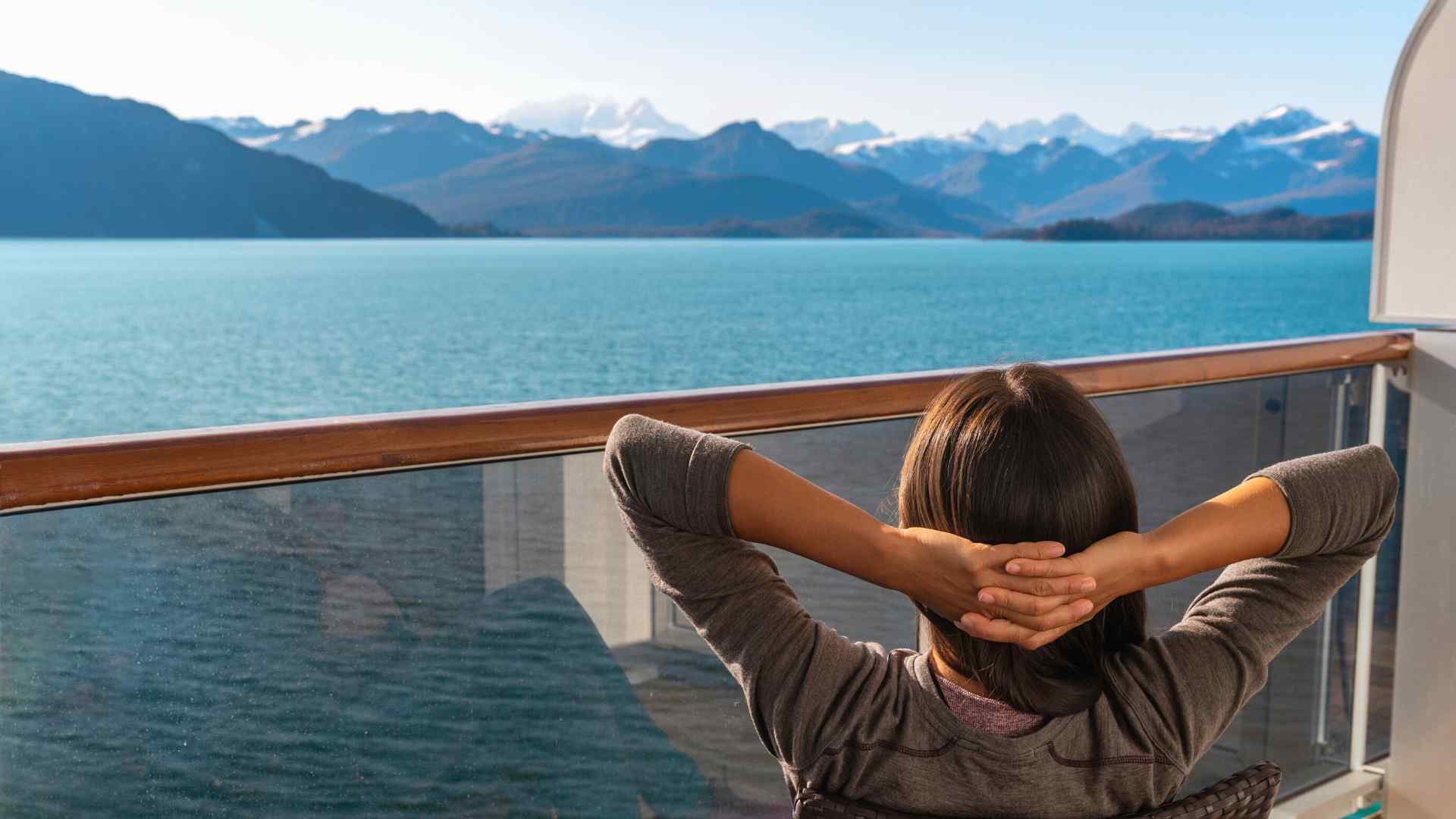
Price the balcony only after considering itinerary, climate, privacy, furniture, obstruction, and how often the party will use it. Outdoor space is not automatically better value.


How to Apply the Screen
Mark only risks relevant to your traveler, then rank them as nonnegotiable, preference, or irrelevant. Inspect the cabin deck, above, below, legend, category terms, and exact room confirmation.
Use the best-room decision guide for weighted selection, cabin booking hacks for documentation, and cruise savings tips for total cost.









Evidence and Alternative Rules
Use official facts for the hard layout
Category, connection, obstruction label, accessibility symbol, occupancy, and venue adjacency should come from the exact current plan or operator. Traveler reports cannot override a changed layout.
Use reports only for patterns
A repeated ship-specific pattern can inform a question about sound, vibration, privacy, or use. One complaint does not prove every sailing or occupant will share it.
State contradiction openly
If the plan suggests one relationship while recent reports disagree about the experience, present both and lower confidence. Do not resolve uncertainty with invented precision.
Name a comparable alternative
A useful warning identifies what to choose instead, such as cabins between passenger decks, a nonconnecting version, a selected rather than guarantee room, or a sightline that the plan confirms.
Do not overcorrect
Moving away from one red flag can create another, including longer walks, less suitable bedding, higher cost, or lost accessibility. Repeat the full screen on every replacement.
Recheck after refurbishment
Added cabins, renamed venues, changed categories, and altered public spaces can invalidate an old recommendation. Use the sailing-era plan rather than the ship's original launch layout.
Final Rule
Apply the screen again to every proposed alternative because moving one deck or corridor can change several relationships. Do not let relief about one solved concern hide a new mismatch.
Cabin warnings should help a traveler decide, not frighten everyone away from common inventory. State who is affected, why, confidence, and the nearest verified alternative.
Screen the itinerary too
A cold, scenic, tropical, or port-intensive route changes how much a balcony, location, or interior room matters. The same cabin can fit two trips differently.
Separate annoyance from failure
Label a feature nonnegotiable only when it materially harms sleep, movement, supervision, or the trip's purpose. Minor preferences should not force a costly move.
Compare complete fares
A better location can sit under a different promotion or cancellation rule. Price the replacement for the same passengers and benefits before calling it better.
Ask what changed
When a recent report conflicts with older reviews, check whether the venue, category, refurbishment, or operating pattern changed. Give current ship-specific evidence priority.
Retire stale cabin numbers
Do not preserve a precise warning after its evidence expires. Move the room back to an unverified lead until the exact plan and current ship reports support it again.
Avoid only a tradeoff that conflicts with your needs and is supported by current evidence. A conditional screen is more honest than 23 invented universally bad cabins.

Ellie is the founder of Ellie's Travel Tips, where she shares practical cruise tips, port guides, and step-by-step itineraries to help you plan smarter trips for less. Her checklists and packing guides turn travel daydreams into doable plans.
We are literally looking at a skywalk on princess cruise . Not good for taking photos or having outdoor or privacy as people are eye balling you.. next ..we are on level 15, above us is the swimming pool and outdoor theater...all we hear is the sounds of the film and the scrapping of chairs..our balcony door is closed often ..